Top 5 Natural Monuments around Lavans-Quingey
Best natural monuments around Lavans-Quingey are located in a region characterized by river valleys, extensive woodlands, and distinctive limestone formations. This area offers a variety of natural features, including ancient caves, dramatic viewpoints, and unique karstic landscapes. The natural environment provides opportunities to explore geological wonders and scenic river systems.
Best natural monuments around Lavans-Quingey
- The most popular natural monuments is Osselle Cave, a natural monument that is one of the oldest caves in the world open to tourists.…
Last updated: July 5, 2026
Osselle Cave
Highlight • Natural Monument
Translated by Google •
Tip by

Gouille Noire Viewpoint
Highlight • Viewpoint
Translated by Google •
Tip by

Sign up now to discover places like this
Get recommendations on the best single tracks, peaks, & plenty of other exciting outdoor places.
Sign up for free
Karstic Forest Path
Highlight (Segment) • Trail
Translated by Google •
Tip by

Cascades of the Lison River
Highlight • Waterfall
Translated by Google •
Tip by

View of Port-Lesney and the Loue Valley
Highlight • Viewpoint
Tip by
Sign up for free to discover even more natural monuments around Lavans-Quingey.
Sign up for free
Already have an account?
Start today with a free account
Your next adventure awaits.
Login or Signup


Tips from the Community

According to the listing: Pets welcome https://de.montagnes-du-jura.fr/sit/grotte-dosselle
0
0

Does anyone know if you can go in there with a dog?
0
0

If you want to venture underground, you've come to the right place. A 1200 meter long cave discovered in the 13th century, it has been visited since 1504, making it one of the two oldest tourist caves in the world. Its underground river, its dry gallery and its incredibly colorful geological formations will not leave you indifferent. Neither is the fact that the first cave bear skeleton was discovered there.
0
0

The stalactite cave is about 20 km from Besançon and belongs geographically to the foothills of the Jura Mountains. Definitely worth a visit. Stalagmites and stalactites can be admired in approx. 8 different halls. There is also an underground stream. This cave seems to be one of the lesser known. It was not necessary to pre-order tickets.
1
0

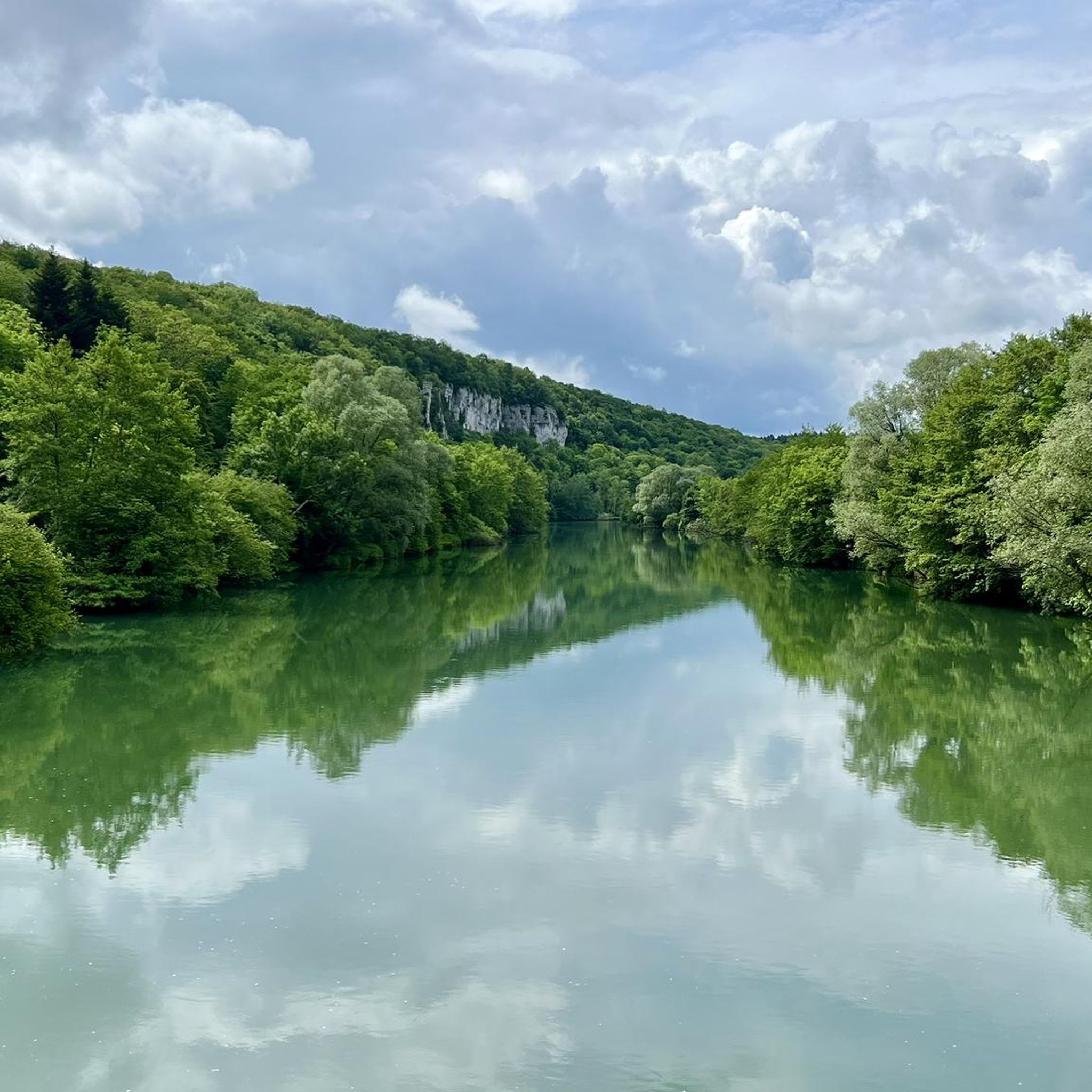
The belvedere of the black gouille overlooks the Canyon of Amondans whose top of the cliffs can be seen. It takes its name from the very deep hole (with black water) dug by the great waterfall of the Canyon d'Amondans where the Malans stream flows, which I throw into the Loue that you can see on the left.
0
0

This path winds between sinkholes and lapiaz. Quite well rolling and without much difficulty. A beautiful illustration of the particularities of the karstic reliefs, right in the middle of a forest populated by beautiful trees.
0
0
One of the most beautiful caves in Europe. Admission adults: 9 euros (as of 2022). 1.2 km length, same way back. Constant temperature 13 degrees. Can only be visited with a guided tour (Multilingual) Open: Every day from 10:00-12:00 and 14:00-17:00.
11
0

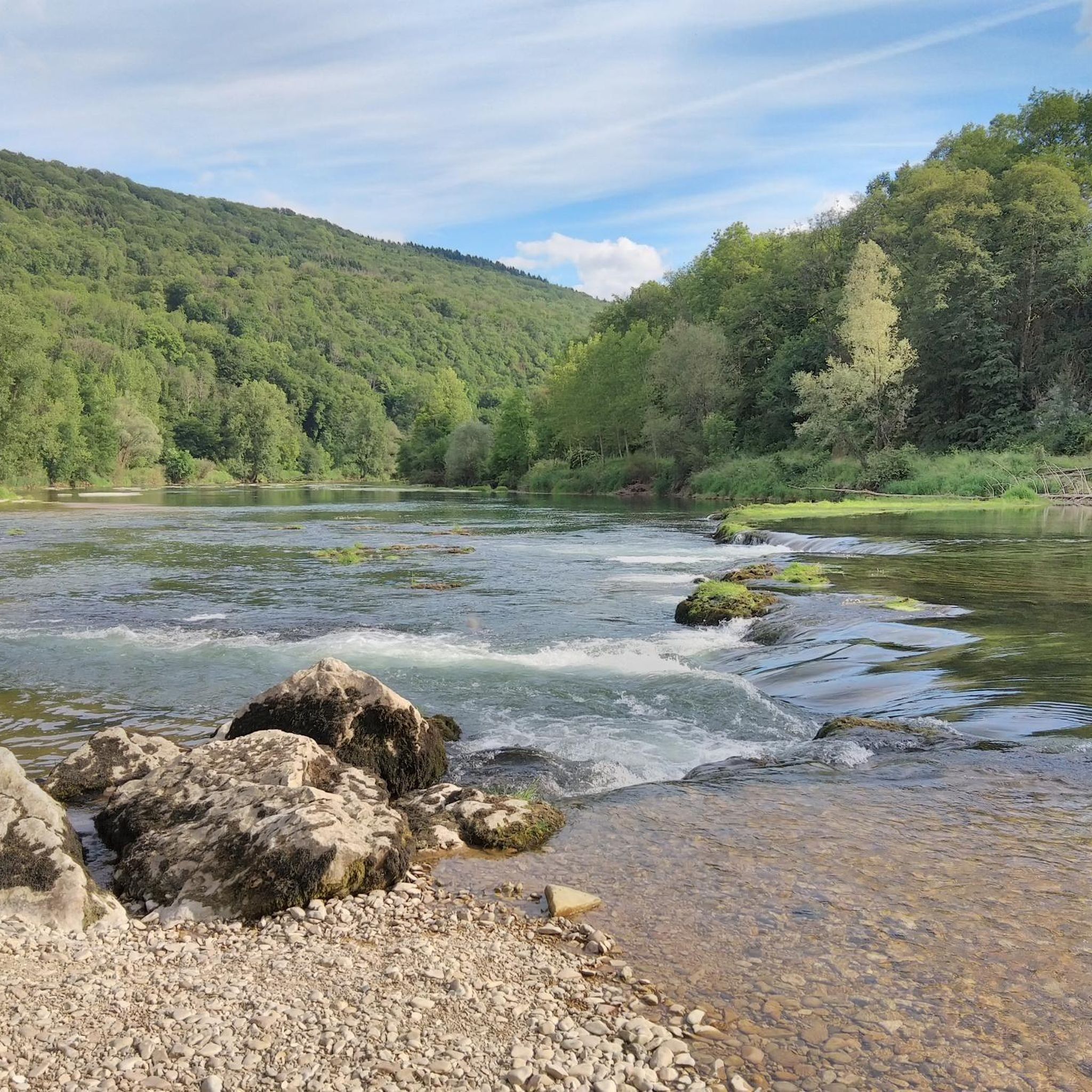
it is simply phenomenal - there are always these cascades along the entire course of the river in the valley - probably from the calcareous water
0
0
Frequently Asked Questions
What unique natural features can I explore around Lavans-Quingey?
The region around Lavans-Quingey is rich in diverse natural features. You can explore ancient underground formations like the Osselle Cave, which is one of the oldest caves open to tourists globally, featuring a 1,200-meter-long course with colorful geological formations and an underground river. The area also boasts dramatic river valleys, extensive woodlands, and distinctive limestone formations, including karstic reliefs with sinkholes and lapiaz, as seen on the Karstic Forest Path.
Are there any impressive viewpoints to visit near Lavans-Quingey?
Yes, there are several impressive viewpoints offering panoramic vistas of the region's natural beauty. The Gouille Noire Viewpoint provides stunning views overlooking the Loue River and the Malans stream, including the Canyon of Amondans. Other notable viewpoints include the View of Port-Lesney and the Loue Valley and the View of the Vallée de la Loue, both offering picturesque scenes of the Loue River winding through the landscape.
What kind of geological history can be discovered in the natural monuments here?
The natural monuments around Lavans-Quingey offer a deep dive into geological and paleontological history. The Osselle Cave is particularly significant, known for its rich paleontological importance as Europe's largest cave bear necropolis. The first complete skeleton of a cave bear was discovered here in 1826, and numerous other skeletons are displayed. The cave's impressive geological formations, including stalagmites and stalactites, showcase millions of years of natural processes. The region's karstic landscapes, with sinkholes and lapiaz, also illustrate unique geological particularities.
What outdoor activities can I do near these natural monuments?
The area around Lavans-Quingey offers a variety of outdoor activities. You can explore numerous trails for hiking, cycling, and mountain biking. For instance, there are several MTB Trails around Lavans-Quingey, including routes like 'A lovely place for a rest – Quingey Bridge loop'. Cyclists can find options in Cycling around Lavans-Quingey, such as the 'Pont de Pierre – Along the Loue loop'. Additionally, Gravel biking around Lavans-Quingey offers routes like 'Thoraise Canal Tunnel – Thoraise Lock loop'.
Are there family-friendly natural monuments or activities in the area?
Yes, the region offers options suitable for families. The Osselle Cave, with its guided tours through impressive geological formations and paleontological exhibits, can be a captivating experience for all ages. The View of the Vallée de la Loue is also noted as family-friendly, offering scenic views without strenuous activity. Many of the trails in the area, particularly those designated as 'easy' or 'moderate' for cycling or hiking, can also be enjoyed by families.
Can I bring my dog to the natural monuments around Lavans-Quingey?
Yes, some natural monuments are dog-friendly. For example, the Osselle Cave is listed as dog-friendly, allowing you to explore its underground wonders with your canine companion. When planning to visit other sites or trails, it's always advisable to check specific regulations for each location, as policies can vary.
What is the best time of year to visit the natural monuments in this region?
The region's natural monuments can be enjoyed throughout much of the year. Spring and autumn offer pleasant temperatures for outdoor activities like hiking and cycling, with vibrant foliage or blooming flora. Summer is ideal for exploring the Loue and Doubs rivers, including the dramatic Gouille Noire Viewpoint. The Osselle Cave maintains a constant temperature of around 13 degrees Celsius, making it a comfortable visit regardless of the season, though it's open daily from spring to autumn.
What should I wear when visiting the Osselle Cave?
When visiting the Osselle Cave, it's recommended to wear comfortable walking shoes and bring a light jacket or sweater. The cave maintains a constant temperature of around 13 degrees Celsius (55°F) year-round, which can feel cool even on a warm day. The 1,200-meter-long course involves walking, so appropriate footwear is essential.
Are there any natural sites related to the Loue or Doubs rivers?
Absolutely. The region is defined by these rivers. The Loue River's source is a stunning natural spectacle, emerging dramatically from a cave at the foot of a high cliff. The Doubs River, which gives the department its name, features the spectacular Saut du Doubs waterfall, where the river plunges 27 meters. The gorges of both rivers, particularly the Loue Valley and the Doubs gorges, offer wild natural landscapes and numerous scenic viewpoints like the Gouille Noire Viewpoint.
What makes the Osselle Cave a historically significant natural monument?
The Osselle Cave is historically significant for several reasons. It is one of the oldest caves in the world open to tourists, with visits dating back to the 16th century. Beyond its geological wonders, it's renowned for its rich paleontological importance, serving as Europe's largest cave bear necropolis. The first complete skeleton of a cave bear was discovered here in 1826, and numerous other skeletons have been found, some of which are displayed, offering a unique glimpse into prehistoric life.
Are there any less-known natural monuments or 'hidden gems' to explore?
While the Osselle Cave is well-known, the region also offers less-trafficked natural spots. The Karstic Forest Path, winding between sinkholes and lapiaz, offers a beautiful illustration of unique karstic reliefs within a forest setting, providing a quieter, immersive nature experience. Exploring the various viewpoints along the Loue and Doubs valleys can also lead to serene discoveries away from the main attractions.
Most popular routes around Lavans-Quingey
Most popular attractions around Lavans-Quingey

Get inspired with the komoot mobile app


Explore more
Extend your search for the best caves by checking out these guides of the top ones around Lavans-Quingey:
