Top 6 Natural Monuments around Sarrogna
Best natural monuments around Sarrogna are located within the Jura department of France, a region known for its natural heritage. The commune is characterized by ecologically significant zones and protected limestone formations. Its landscape features natural hay meadows and diverse forest environments, including beech forests, which are important for biodiversity. This area offers a variety of natural attractions for exploration.
Best natural monuments around Sarrogna
- The most popular natural monuments is La Fratte Viewpoint, a viewpoint that offers views…
Last updated: June 21, 2026
La Fratte Viewpoint
Highlight • Viewpoint
The viewpoint is secured by barriers and thus allows you to …
Translated by Google •
Tip by

Quinquenouille Waterfall
Highlight • Waterfall
Translated by Google •
Tip by

Sign up now to discover places like this
Get recommendations on the best single tracks, peaks, & plenty of other exciting outdoor places.
Sign up for free
Moss-Covered Rocks in the Forest near Lac de Vouglans
Highlight • Forest
Translated by Google •
Tip by

Quinquenouille Waterfall
Highlight • Waterfall
Translated by Google •
Tip by

Rock Formations by the Lake
Highlight • Natural Monument
Translated by Google •
Tip by

Sign up for free to discover even more natural monuments around Sarrogna.
Sign up for free
Already have an account?
Start today with a free account
Your next adventure awaits.
Login or Signup

Tips from the Community

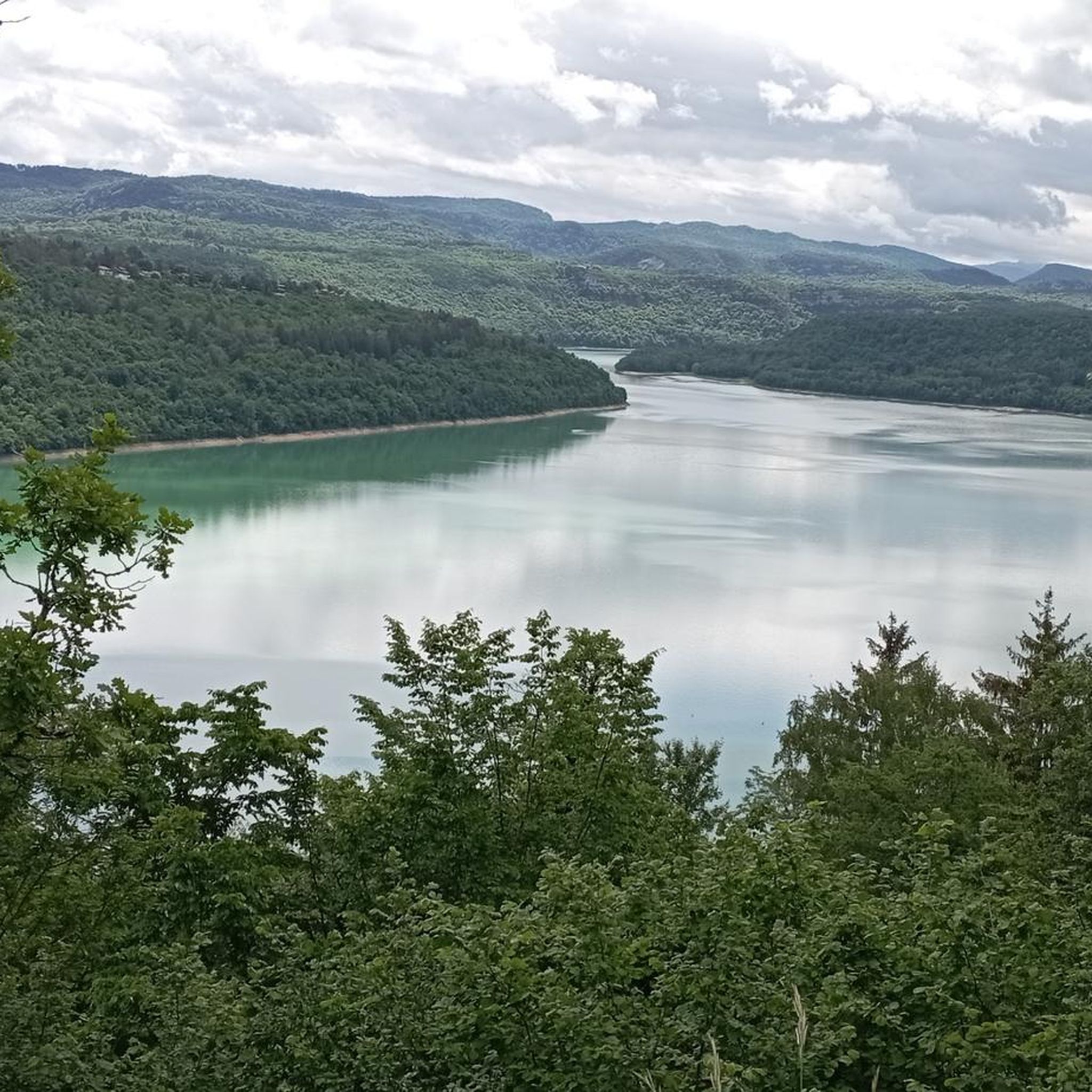
Around Lake Vouglans, the forest mixes with Jura geology marked by cliffs and rock. This gives rise to rock formations navigating in a universe that is both mineral and vegetal.
1
0

A fantastic waterfall full of interest. The water falling on the limestone indeed creates a stalagmite at the bottom and one can even make your way behind the water for a quite remarkable view. It is worth taking a detour on your journey.
2
0
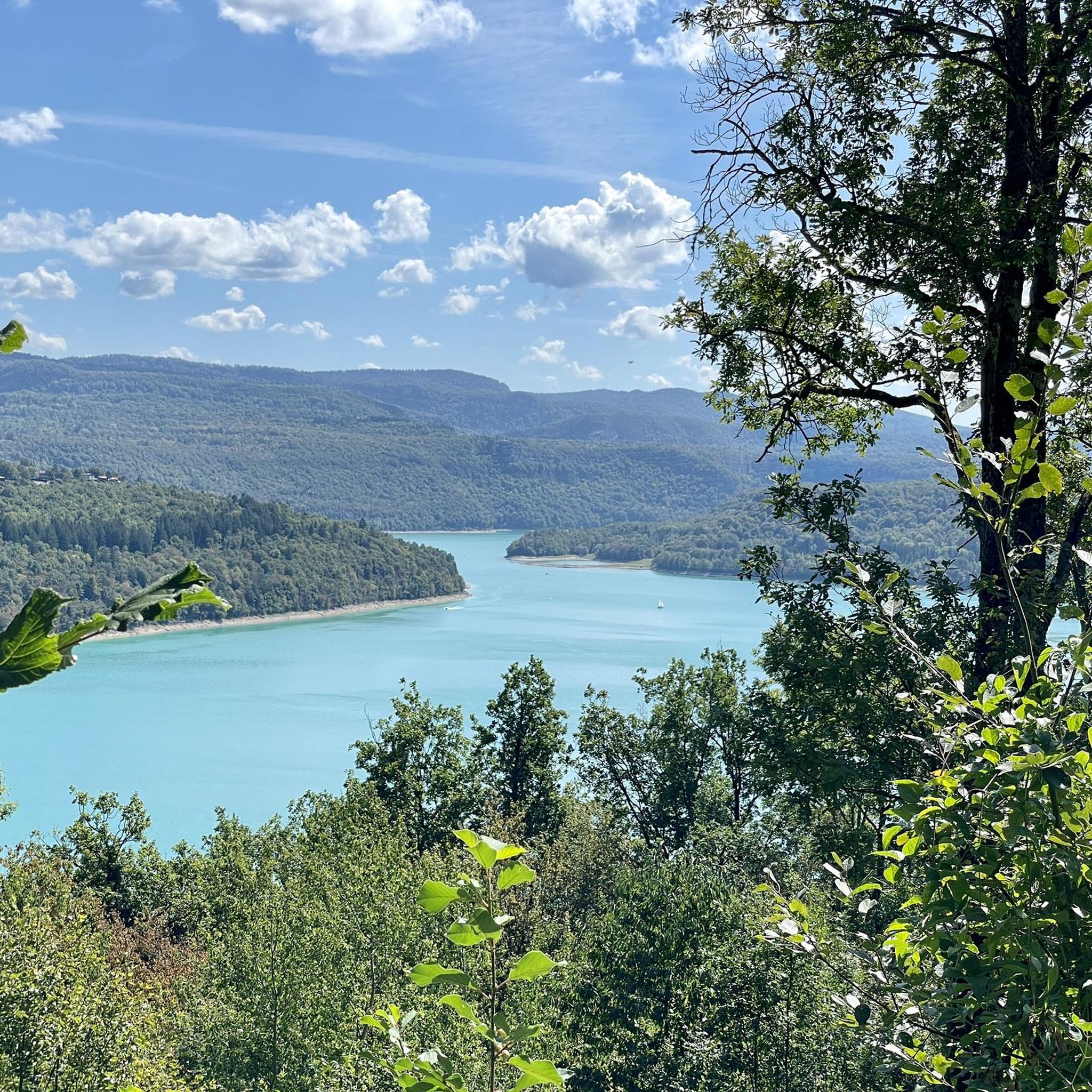
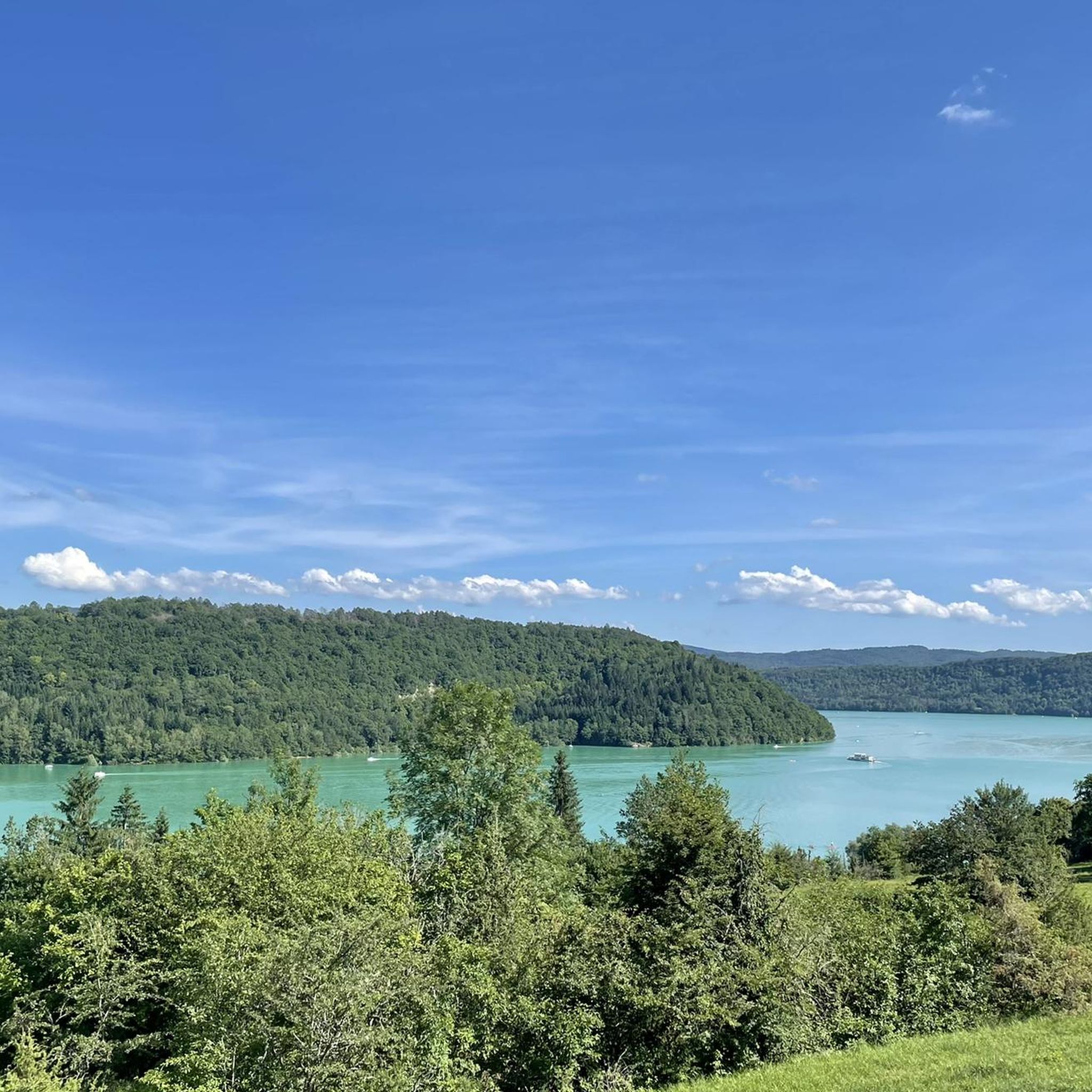
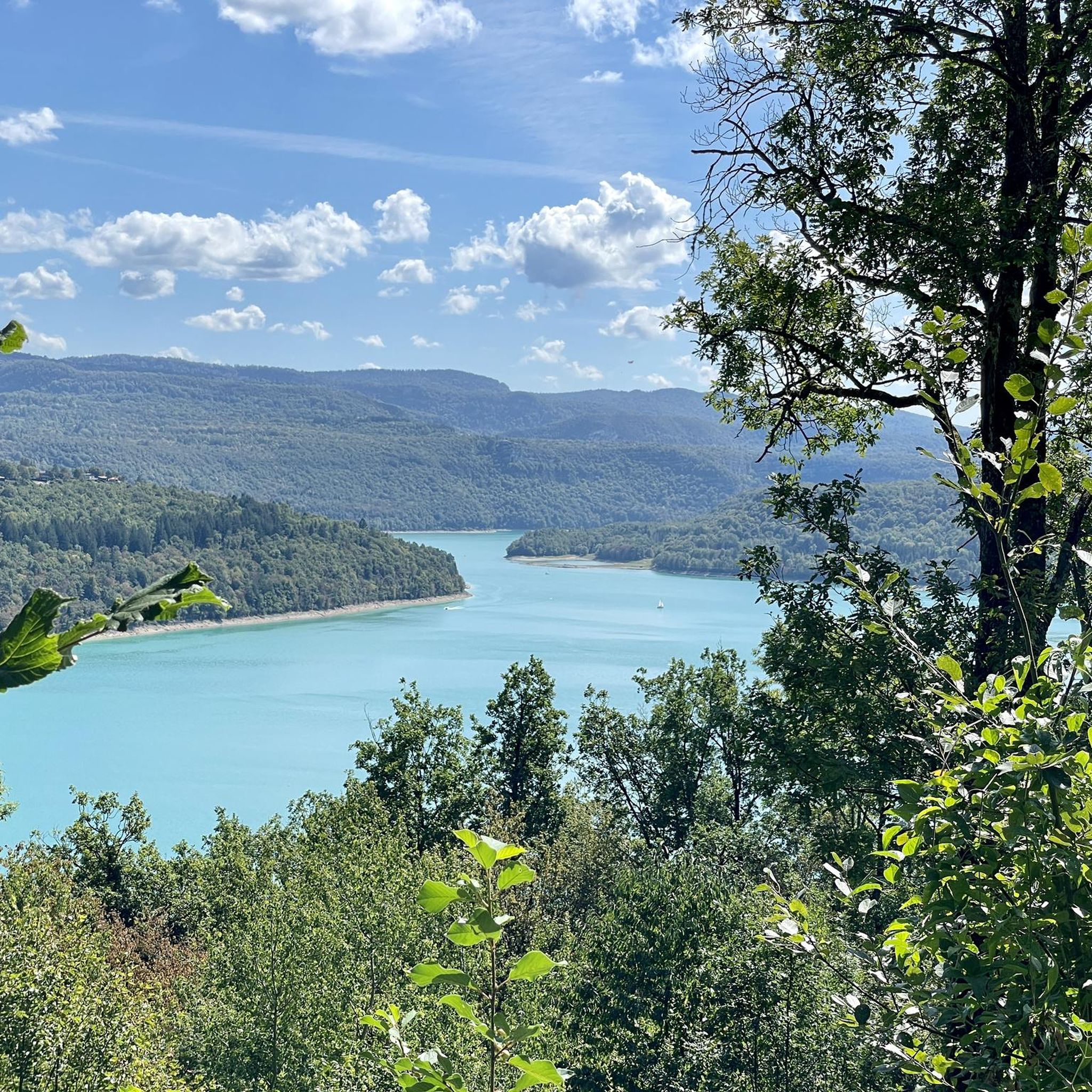
The La Fratte belvedere is a superb view of the cliffs overlooking the turquoise lake and the forest.
2
0
A fantastic waterfall full of interest. The water falling on the limestone indeed creates a stalagmite at the bottom and one can even make your way behind the water for a quite remarkable view.
2
1


There are currently no waterfalls. Not a single drop of water💧. No wonder given the drought ☀️🥵.
0
0

The La Fratte belvedere is accessible by a small path that branches off. to get closer to the cliff. The viewpoint is secured by barriers and thus allows you to enjoy the view in peace. And the panorama is really worth it: turquoise water and forest as far as the eye can see.
0
0

Nice, quiet place for a cozy picnic.
0
0
Frequently Asked Questions
What are some of the most popular natural monuments to visit around Sarrogna?
Visitors frequently enjoy the stunning views from La Fratte Viewpoint, which offers a panoramic vista of cliffs overlooking a turquoise lake and forest. Another favorite is the Quinquenouille Waterfall, where you can even walk behind the falling water. The unique Moss-Covered Rocks in the Forest near Lac de Vouglans also draw attention for their blend of mineral and vegetal landscapes.
Are there family-friendly natural monuments around Sarrogna?
Yes, La Fratte Viewpoint is considered family-friendly, offering a secured platform and a rest area to enjoy the scenic views. Its accessibility makes it suitable for families with children.
What kind of natural features can I expect to see in the Sarrogna area?
The region around Sarrogna is characterized by its rich natural heritage. You'll find diverse forest environments, including significant beech forests, limestone formations, and ecologically significant zones. Specific features include impressive viewpoints overlooking lakes and cliffs, captivating waterfalls, and unique rock formations within forested areas, particularly around Lac de Vouglans.
What outdoor activities can I do near these natural monuments?
The area offers various outdoor activities. You can explore numerous hiking trails, with options ranging from easy to moderate, such as the 'View of Pont de la Pyle loop from Maisod' or the 'Hiking loop from Onoz'. Cycling and mountain biking are also popular, with routes like the 'Loop from Orgelet to Clairvaux-les-Lacs' for cyclists or the 'View of Lake Vouglans – View of Pont de la Pyle loop from Lac de Vouglans' for mountain bikers. For more details on routes, you can check the Hiking around Sarrogna, Cycling around Sarrogna, and MTB Trails around Sarrogna guides.
What is the best time to visit the natural monuments around Sarrogna?
The best time to visit is generally during spring, summer, and early autumn when the weather is mild and the natural landscapes are vibrant. Spring offers lush greenery and full waterfalls, while summer is ideal for outdoor activities. Autumn brings beautiful foliage. Winter can be picturesque but some areas might be less accessible or waterfalls might have reduced flow due to colder temperatures.
Are there any natural monuments with unique geological features?
Yes, the Quinquenouille Waterfall is notable for its limestone formations, where the water falling over the rock creates a stalagmite at the bottom. The area around Lac de Vouglans also features interesting Jura geology with cliffs and rock formations blending into the forest.
What do visitors enjoy most about the natural monuments in this region?
Visitors particularly appreciate the stunning panoramic views, especially from viewpoints like La Fratte Viewpoint, which offers breathtaking sights of the turquoise lake and surrounding forests. The unique experience of walking behind the water at Quinquenouille Waterfall is also a highlight for many, as is the serene beauty of the moss-covered rock formations.
Are there any dog-friendly trails or natural monuments in the Sarrogna area?
While specific rules for each natural monument vary, the broader Jura region is generally welcoming to dogs on trails, provided they are kept on a leash. Many hiking routes around Sarrogna, such as those detailed in the Hiking around Sarrogna guide, are suitable for walks with dogs. Always ensure to respect local signage and wildlife.
Where can I find parking for natural monuments near Sarrogna?
Parking availability varies by location. For popular spots like viewpoints and waterfalls, designated parking areas are usually available nearby. For trails leading to natural monuments, you can often find parking at trailheads or in nearby villages. For example, trails around Lac de Vouglans often have parking options close to the lake access points.
Are there any natural monuments that offer impressive views?
Absolutely. The La Fratte Viewpoint is highly recommended for its superb views of cliffs overlooking the turquoise Lac de Vouglans and the expansive forest. Another spot, Rock Formations by the Lake, also offers scenic perspectives of the lake and surrounding landscape.
What is the significance of the forests around Sarrogna?
The forests around Sarrogna are ecologically significant, particularly the beech forests (hêtraie à Aspérule), which are considered a habitat of community interest. They are rich in biodiversity, providing essential nesting and refuge sites for numerous species, partly due to the presence of many dead or senescent trees. These diverse forest environments contribute greatly to the region's natural appeal.
Are there any natural monuments that are part of a larger protected area?
Sarrogna itself is covered by nine Type 1 'Zones Naturelles d'Intérêt Écologique, Faunistique et Floristique' (ZNIEFFs), indicating areas of high ecological value. Additionally, a specific site called 'Nermier' is protected to preserve the limestone cornices of the Jura department. While Sarrogna is not directly within the Upper Jura Regional Natural Park, it shares the broader geological and ecological characteristics of the Jura Mountains, which is a renowned protected area.
Most popular routes around Sarrogna
Most popular attractions around Sarrogna

Get inspired with the komoot mobile app


Explore more
Extend your search for the best caves by checking out these guides of the top ones around Sarrogna:
