Top 4 Natural Monuments around Rumaucourt
Natural monuments around Rumaucourt offer insights into the region's ancient history and natural landscape. Located in the Pas-de-Calais department of France, Rumaucourt is situated within the Sensée River valley, characterized by its wetlands. The area features various megalithic sites and natural formations that reflect its geological past. These sites provide opportunities to explore local flora and fauna within a historical context.
Best natural monuments around Rumaucourt
- The most popular natural monument is The Menhir of Lécluse or the Devil's Stone…
Last updated: June 21, 2026
The Menhir of Lécluse or the Devil's Stone
Highlight • Summit
Translated by Google •
Tip by

The Big Rock
Highlight • Historical Site
Be careful, the place is very swampy and it is more easily accessible in dry weather 😉.
Translated by Google •
Tip by

Sign up now to discover places like this
Get recommendations on the best single tracks, peaks, & plenty of other exciting outdoor places.
Sign up for free
the stone that grows
Highlight • Historical Site
Translated by Google •
Tip by
Hamel Dolmen or the Sorcerers' Kitchen (Pierre Chavatte)
Highlight • Natural
Connu aussi sous le nom de « Pierre-aux-savates » ou « Cuisine des Sorciers », le dolmen du Bois …
Tip by

Cromlech of Les Sept Bonnettes
Highlight • Historical Site
Translated by Google •
Tip by

Start today with a free account
Your next adventure awaits.
Login or Signup

Tips from the Community

The menhir is located in the marsh of Aubigny-au-Bac, on a footpath leading to Brunémont. It is a block of Landenian sandstone 2.90 m high (including 1.48 m above ground) by 2.15 m wide and 0.70 m thick. It is said to have been sunk to about 2.40 m. Shaped like a horse's head, it is associated with a prehistoric megalith despite the absence of evidence.
0
0

Mythical place to see!
0
0

not highlighted enough. But it’s a komoot must-have now 🥳
0
0

They are part of the unknown treasures of Arras and the Pays d'Artois. The various megalithic sites are good for a beautiful walk, among mysteries and legends, history and extraordinary landscapes. Set sail for the Scarpe valley and the Sensée valley, in the wake of the megaliths of the Pays d'Artois.
2
0

The story goes that once the people of the country showed the scratches produced, according to legend, by the claws of the demon when he seized the stone. Streaks do indeed appear on two sides of the menhir… But are they the same as before or do they come from the destruction of the stone in 1918
2
0

The Cromlech of Les Bonnettes, also known as the Seven Bonnettes, is a group of seven standing stones located on a knoll in the middle of a field near Sailly-en-Ostrevent in the Pas-de-Calais region of France . The site was classified as a historical monument in 1889. It is thought to be a Tumulus, an ancient burial site dating back at least 2,000 years and dating to before 0 AD. The stones themselves are believed to be much less old. There are many stories and legends surrounding the Seven Bonnettes of Sailly-en-Ostrevent. The mound is oval, about 5 meters high. The base is about 38 meters long and 28 meters wide. The upper part is just over 10 meters by 9 meters. The top is occupied by 5 stones that are still standing.
4
0

Menhir to discover. A descriptive panel is present at the parking lot of the site. Access is by a grassy path, not dented, practicable.
1
0

The site is well maintained, and the history around these megaliths is worthy of Celtic legends 😊... It's the kind of place you visit on vacation... So why not next to the house 😉
2
0
Frequently Asked Questions
What types of natural monuments can I explore around Rumaucourt?
The area around Rumaucourt is rich in megalithic sites, including ancient standing stones and dolmens, often steeped in local legends. You can discover impressive menhirs like The Menhir of Lécluse or the Devil's Stone, and unique geological formations such as the stone that grows. The region is also characterized by its wetlands, part of the Sensée River valley.
Are there any family-friendly natural monuments in the Rumaucourt area?
Yes, several natural monuments are suitable for families. The Menhir of Lécluse or the Devil's Stone is categorized as family-friendly, offering an engaging historical experience. Additionally, the stone that grows is also considered family-friendly, located in a magical clearing accessed by a footbridge, making it an interesting spot for children.
What is the Marais de Rumaucourt and what can I do there?
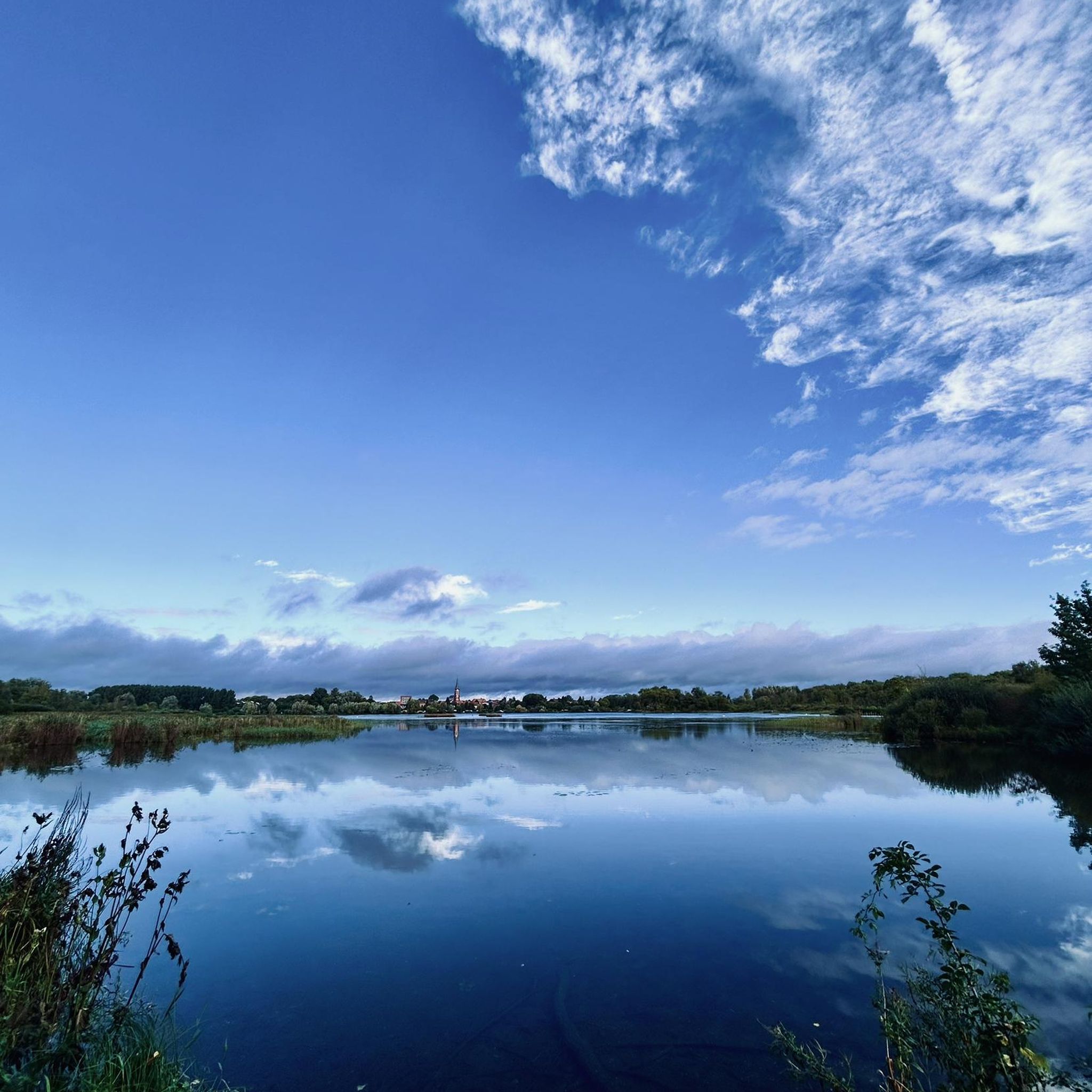
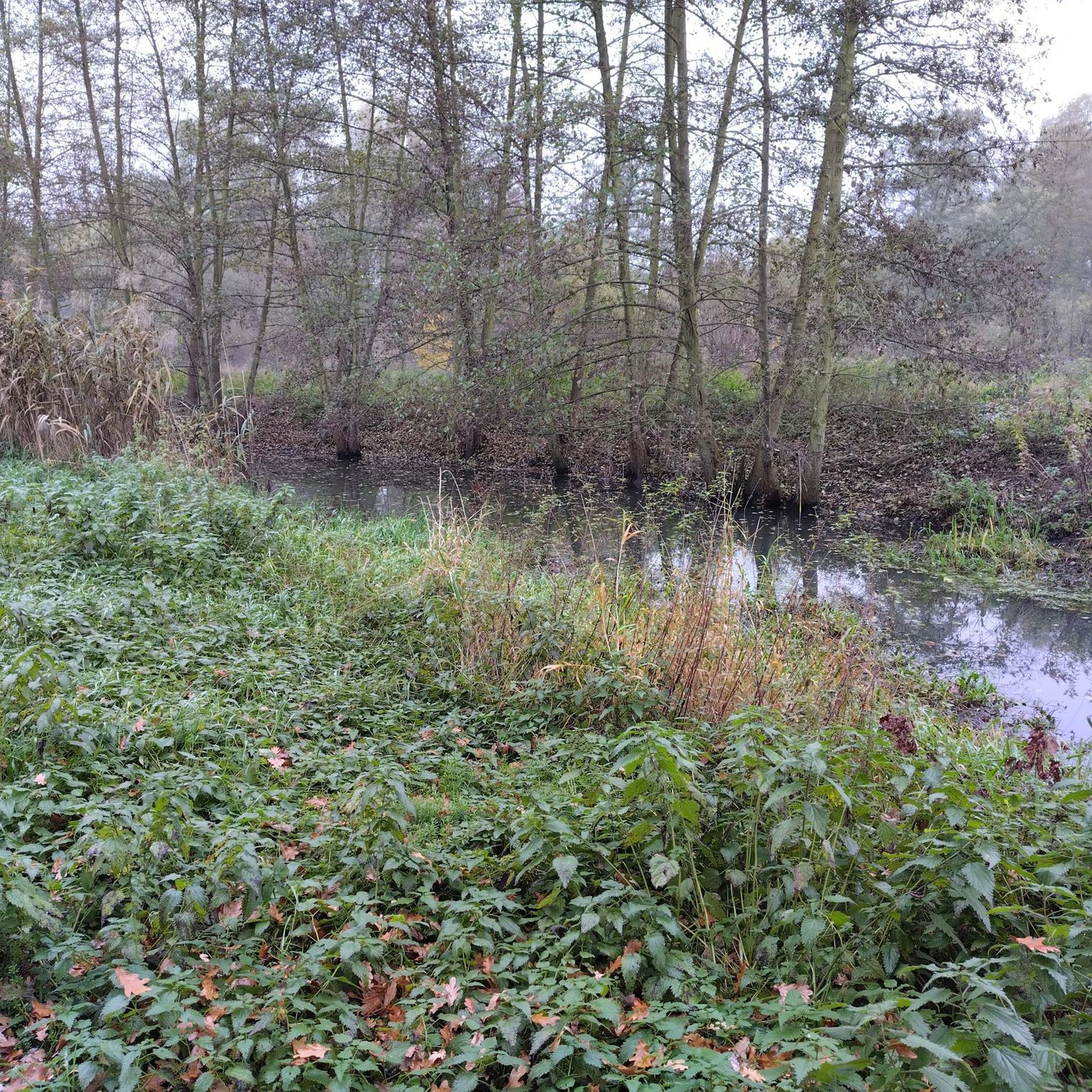
The Marais de Rumaucourt is a significant natural marshland within Rumaucourt, part of the ancient Sensée River valley. It features a landscape of ditches, ponds, and streams, with reed beds and willow groves. It's a tranquil spot popular for families, joggers, and cyclists, offering a 3 km path around the main pond. It's ideal for observing local flora and fauna, especially birdlife like the Sedge Warbler and Western Marsh Harrier.
What is the legend behind The Menhir of Lécluse or the Devil's Stone?
Local legends suggest that The Menhir of Lécluse or the Devil's Stone gets its name from scratches on its surface, believed to be made by the devil's claws. One popular tale tells of a farmer who made a pact with Satan to rebuild his barn overnight. When the farmer's wife tricked the devil by making a rooster crow early, Satan, enraged, threw one of the barn stones into the field, which is said to be the menhir today.
Are there any natural monuments with unique geological features?
Yes, the stone that grows is a notable example. This menhir is a block of Landenian sandstone, and local tradition holds that it continues to grow over time. It's located in a small, magical clearing, adding to its mystique.
What kind of wildlife can be observed in the natural areas around Rumaucourt?
The wetlands, particularly the Marais de Rumaucourt, are known for their diverse birdlife. Visitors may spot species such as the Sedge Warbler (Fauvettes paludicoles) and the Western Marsh Harrier (Busard des roseaux). These areas provide a rich habitat for various local flora and fauna.
Are there hiking or running trails near the natural monuments?
Yes, the region offers various outdoor activities. For running, you can find moderate trails like the "Étang de Wargnies-le-Grand loop from Rumaucourt" or "Running loop from Rumaucourt." For more options, explore the Running Trails around Rumaucourt guide. The Marais de Rumaucourt itself has a 3 km path suitable for walking and jogging.
Can I go cycling near the natural monuments in Rumaucourt?
Absolutely. The area provides several cycling routes, including easy options like the "Bike loop from Arleux" or the "Étang de Wargnies-le-Grand – Bouteroue menhir statue loop from Palluel." For a comprehensive list of routes, check out the Cycling around Rumaucourt guide.
What is special about The Big Rock near Oisy-le-Verger?
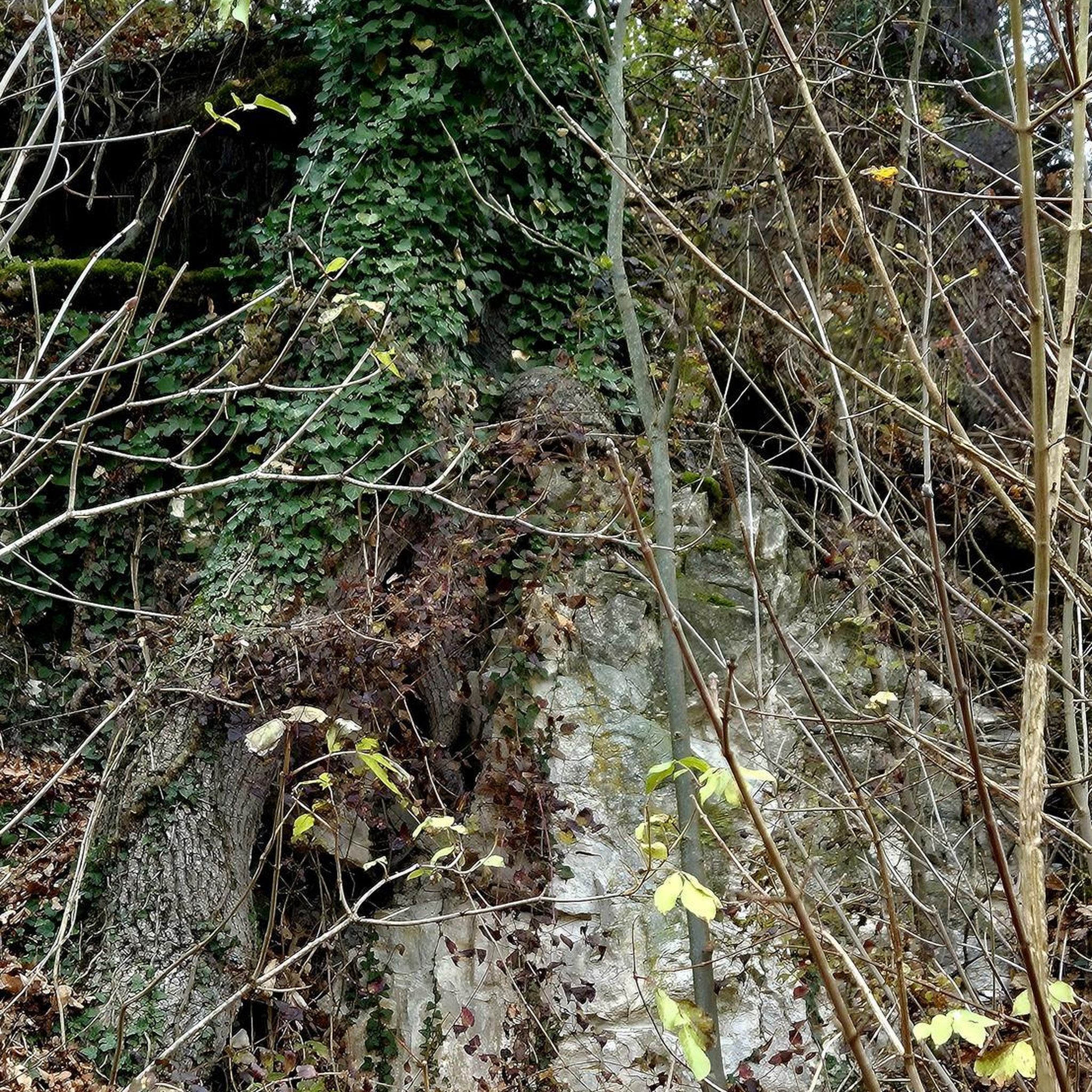
The Big Rock, or the menhir of Oisy-le-Verger, is an impressive natural monument classified as an historic monument. It stands nearly 3 meters high in the marshy terrain of the Sensée valley. Its location on an old riverbed makes access challenging, especially in wet weather, but its imposing presence and Neolithic origins make it a significant historical and natural site, also associated with a devil legend.
Are there other natural reserves or sites of natural beauty in the broader region near Rumaucourt?
While the Marais de Rumaucourt is the primary natural attraction within the commune, the broader region offers additional sites. These include the Réserve naturelle régionale du Marais de Wagnonville (about 17km away), the Réserve naturelle régionale de la Tourbière de Vred (about 21km away), and the Réserve naturelle régionale du Pré des Nonnettes (about 24km away), all recognized for their natural beauty.
What is the Hamel Dolmen or the Sorcerers' Kitchen?
The Hamel Dolmen or the Sorcerers' Kitchen (Pierre Chavatte) is a rare covered alley (allée couverte) in the Nord region, dating back to the late Neolithic period (around 2800-2000 BC). It features a large capstone with cylindrical cavities and grooves, which local tradition associates with sorcerers' cooking pots or the footprints of mythical beings. It is classified as a historical monument.
What is the Cromlech of Les Sept Bonnettes?
The Cromlech of Les Sept Bonnettes, also known as the Seven Bonnettes, is a group of seven standing stones located on a knoll near Sailly-en-Ostrevent. Classified as a historical monument, it is believed to be an ancient burial site (tumulus) dating back at least 2,000 years. The site is well-maintained and surrounded by many local stories and legends.
Most popular routes around Rumaucourt
Most popular attractions around Rumaucourt

Get inspired with the komoot mobile app


Explore more
Extend your search for the best caves by checking out these guides of the top ones around Rumaucourt:
