Top 10 Natural Monuments around Tieffenbach
Natural monuments around Tieffenbach are located in the Bas-Rhin department of France, a region characterized by its connection to the Parc naturel régional des Vosges du Nord. This area features diverse landscapes, including extensive forests and distinctive sandstone rock formations. The natural heritage here offers opportunities for hiking and exploring preserved natural sites. Tieffenbach's surroundings provide access to various natural attractions within the broader Vosges du Nord massif.
Best natural monuments around Tieffenbach
- The most popular natural monuments is Grotte…
Last updated: July 4, 2026
Graufthal Troglodyte Houses
Highlight • Historical Site
Translated by Google •
Tip by

Ochsenstall Rock
Highlight • Cave
Translated by Google •
Tip by

Sign up now to discover places like this
Get recommendations on the best single tracks, peaks, & plenty of other exciting outdoor places.
Sign up for free
12 Apostles Stone / Breitenstein
Highlight • Monument
In 1787 it was carved with the effigies of the twelve apostles.
Translated by Google •
Tip by

Grotte d'Amour
Highlight • Cave
How can you be so ignorant and put a pile of shit garnished with lots of speed right behind the rocks 😡😡
Translated by Google •
Tip by

Little Meisenbach Castle
Highlight • Castle
Translated by Google •
Tip by

Sign up for free to discover even more natural monuments around Tieffenbach.
Sign up for free
Already have an account?
Start today with a free account
Your next adventure awaits.
Login or Signup
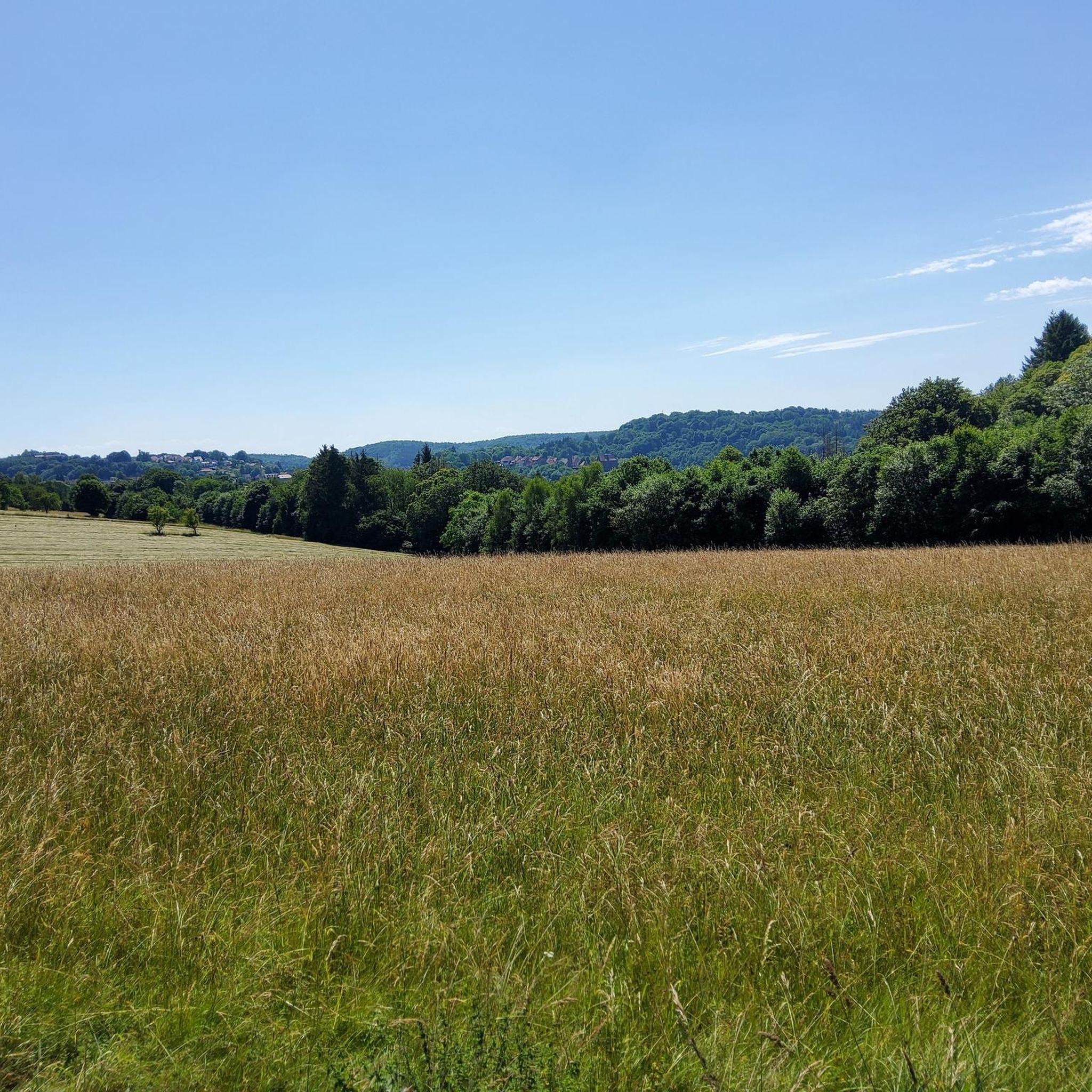
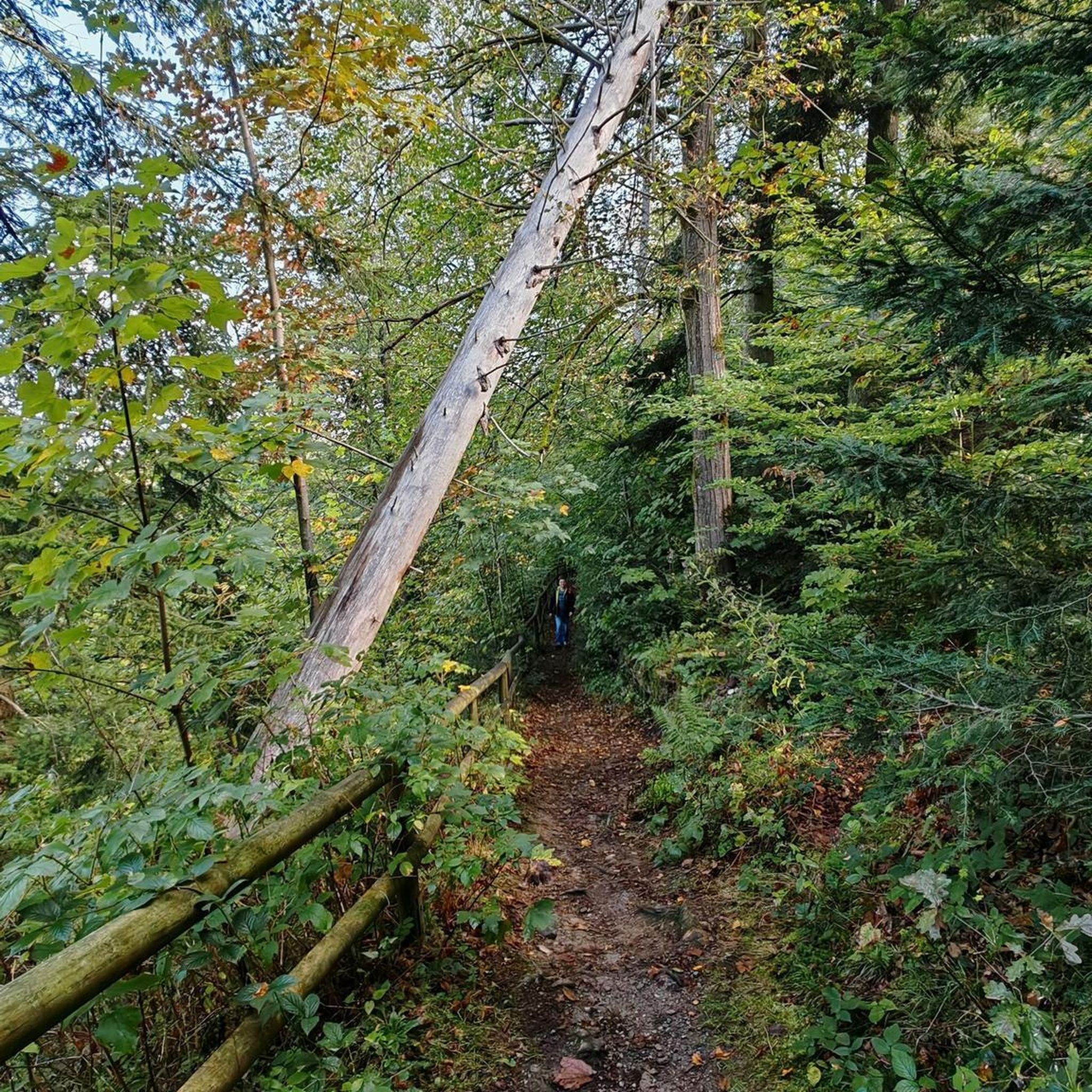
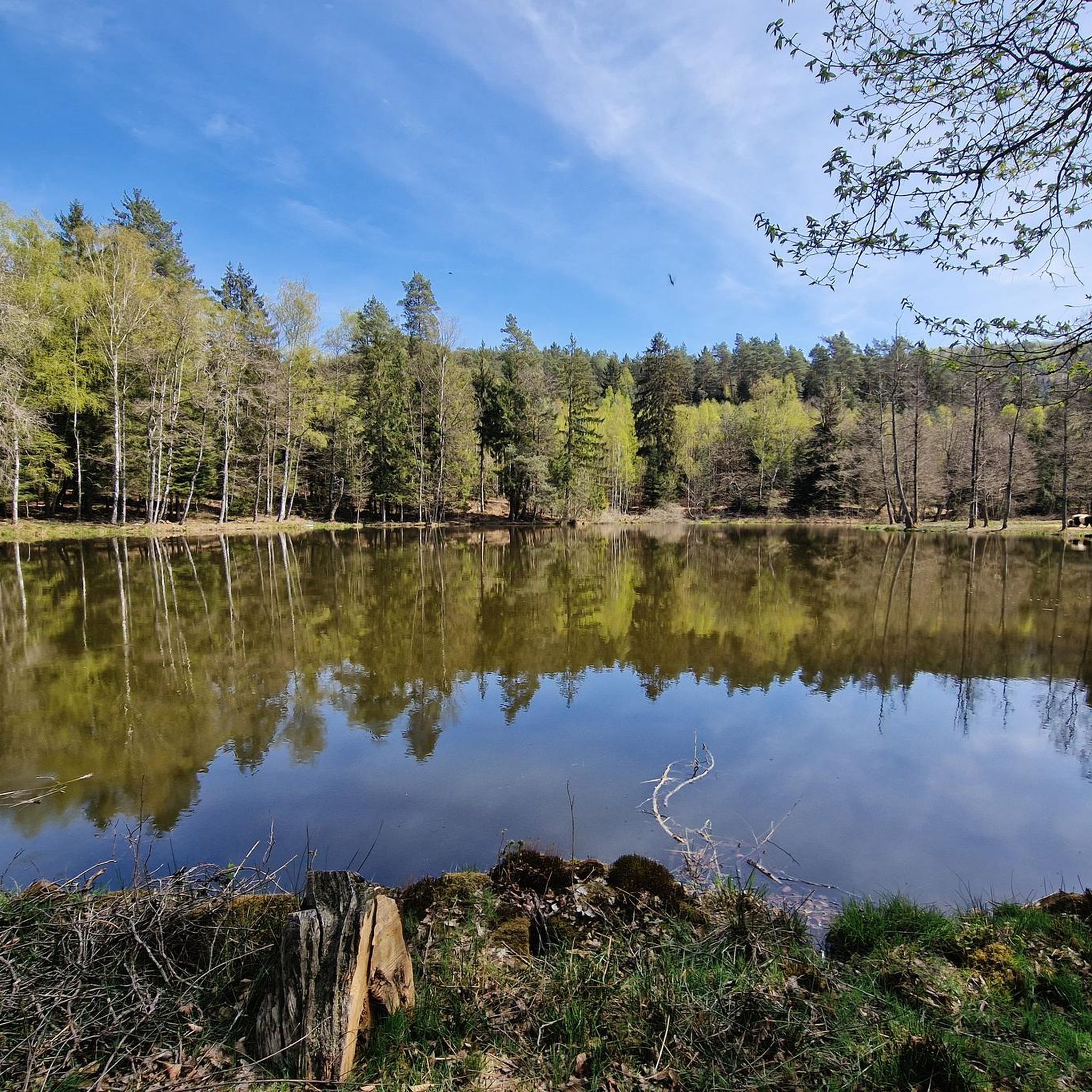
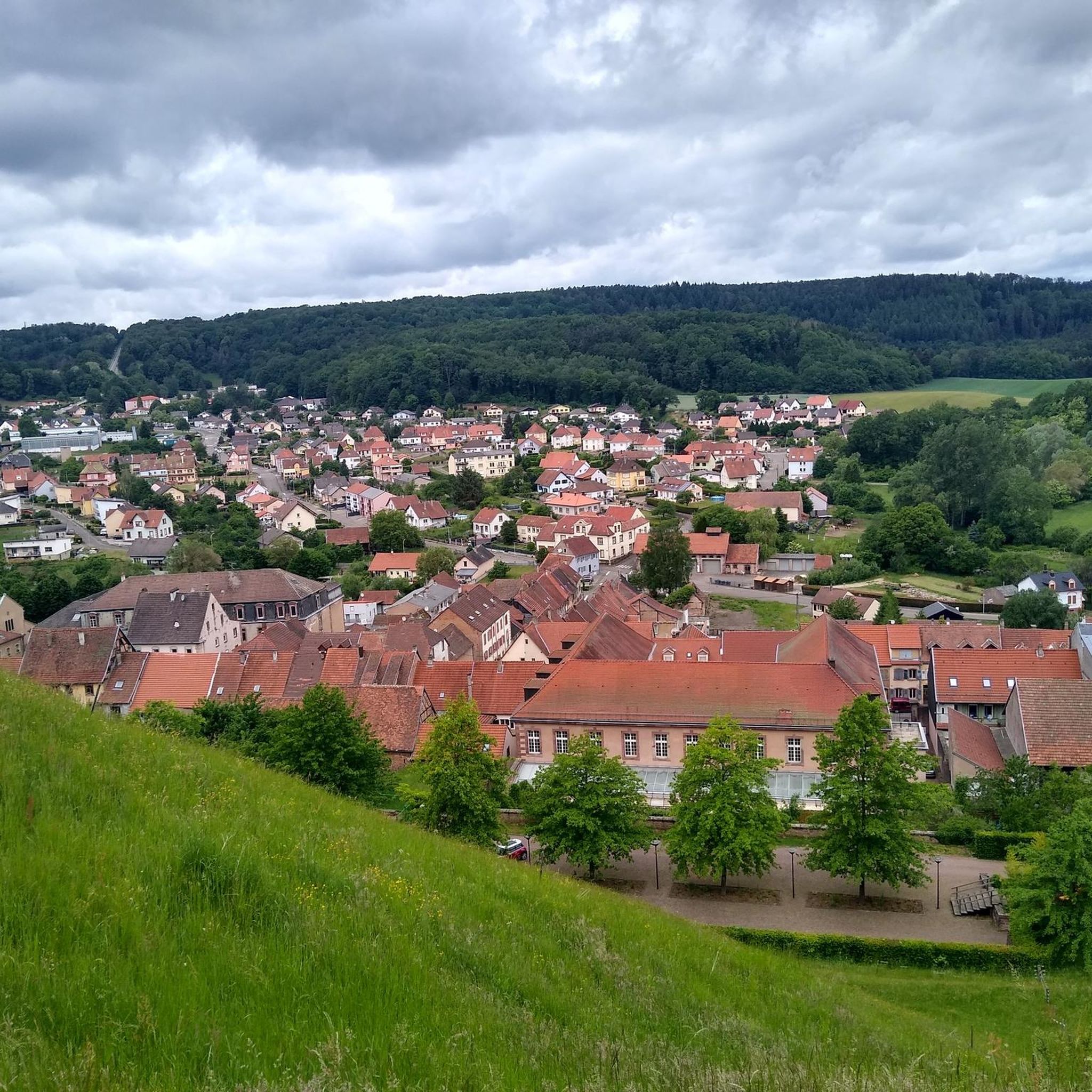

Tips from the Community

Although the few remaining ruins of this structure are called a castle, it appears that the site was first used as a Roman temple and then as a Christian church. Nearby are superb rock formations typical of the Northern Vosges Mountains.
1
0

Accessible from various directions and/or accessible as a circular walk. The walk up the mountain is quite long.
0
0

Very beautiful places in the calm of the forest
0
0

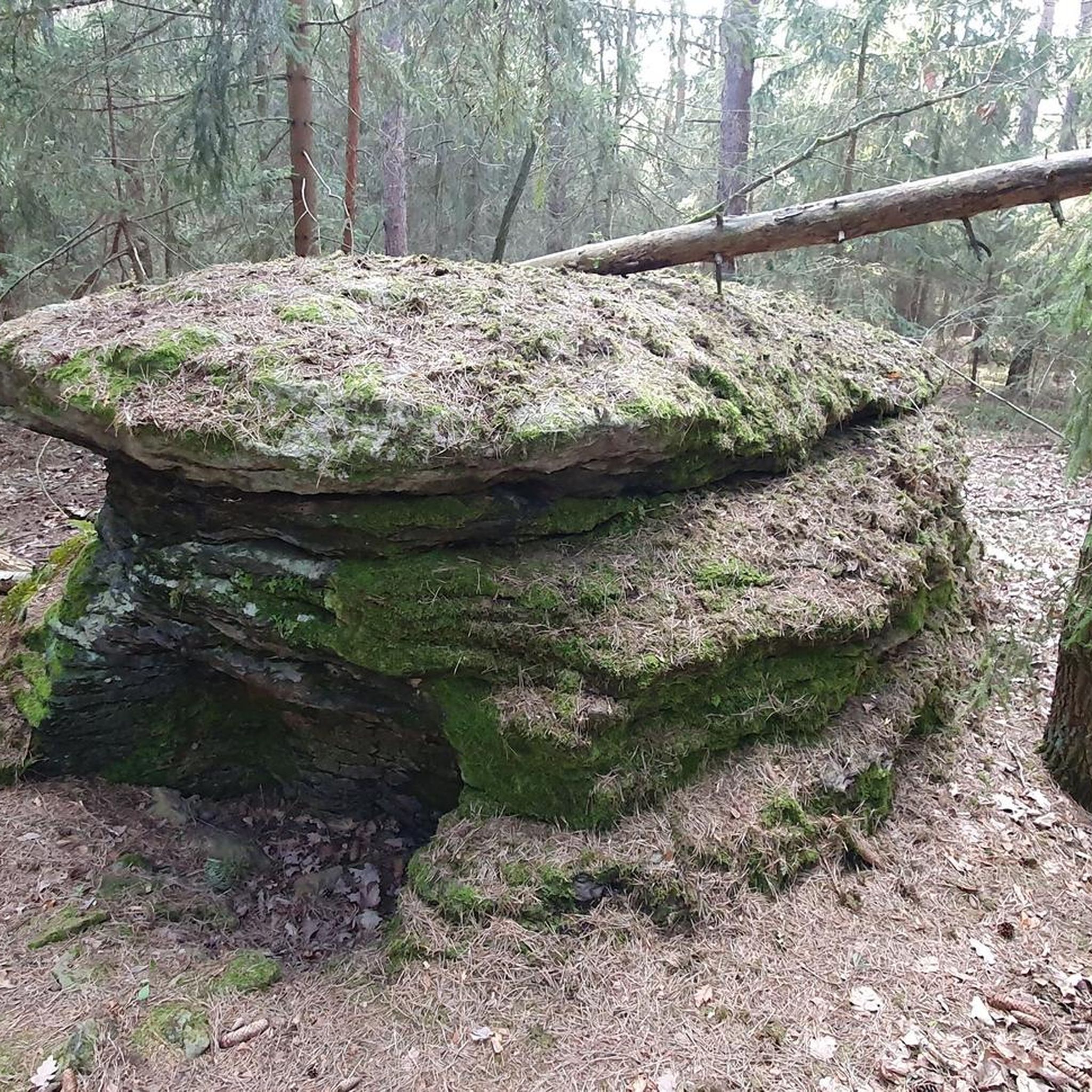
The remains are not the ruins of a small castle, as the popular name might suggest, but rather the remains of a Roman or Gallo-Roman sanctuary from the 2nd century, with a second phase of use in the 4th century. It may have later been used as a Christian church. In Curt Mündel's guide to the Vosges Mountains (1911 edition), the ruins are referred to as "Meisenbacher Schlössel," and the rock below as "Ochsenstall" (Oxen Stable), probably because the rock overhang was formerly used as a shelter for cattle.
0
0

The Ochsenstall Rock offers an exhilarating mountain biking experience with its rugged terrain and steep slopes. The highlight of your ride is the Ochsenstall Cave, an intriguing little cavern located beneath the rock formations. This cave, carved out by natural forces, offers a moment of exploration and a unique view of the surrounding landscape. It is the perfect place to take a break.
1
0

A beautiful place. What I don't understand: How can you be so ignorant and put a pile of shit garnished with lots of speed right behind the rocks 😡😡
6
1

Very beautiful place, you can take shelter there in case of bad weather and eat a bite on the huge Vosges sandstone table. The hike all around is nice and easy. The trails are almost all clear.
0
0

Not much left to see but easy to incorporate as a loop from the main path.
0
0
Frequently Asked Questions
What are some of the most popular natural monuments around Tieffenbach?
Visitors frequently enjoy the Grotte d'Amour, a beautiful cave offering a natural resting place. Another highly regarded spot is Ochsenstall Rock, a unique rock formation that also serves as a viewpoint. The Graufthal Troglodyte Houses are also very popular, blending historical dwellings with natural rock formations.
What kind of natural features can I expect to see in the Tieffenbach area?
The region around Tieffenbach, part of the Parc naturel régional des Vosges du Nord, is characterized by extensive forests, distinctive sandstone rock formations, and various caves. You'll find picturesque natural formations like the Grotte d'Amour and Rocher de la Guérite, along with significant geological features such as the Rocher des Païens.
Are there any historical sites integrated with natural monuments in this region?
Yes, the Graufthal Troglodyte Houses are a prime example. These semi-troglodyte dwellings are built directly into high pink sandstone rocks and now function as a museum. Another notable site is the 12 Apostles Stone / Breitenstein, a prehistoric menhir that has also served as a border marker and was later carved with religious effigies.
Are there family-friendly natural monuments around Tieffenbach?
Many natural monuments in the area are suitable for families. The Grotte d'Amour offers a pleasant resting spot with seating. The Graufthal Troglodyte Houses provide an engaging historical and natural experience. The 12 Apostles Stone / Breitenstein is also considered family-friendly.
What is the best time to visit the natural monuments in the Tieffenbach area?
The natural monuments in the Vosges du Nord Regional Natural Park are beautiful year-round. Spring and autumn offer pleasant temperatures for hiking and vibrant foliage. Summer is ideal for longer explorations, while winter can provide a unique, serene experience, especially for walks through the forested areas.
Are there options for easy walks or hikes to these natural monuments?
Yes, several hiking trails in the surrounding area highlight interesting natural formations. For instance, a moderately easy hiking loop passes the Grotte d'Amour and Rocher de la Guérite. Many of the natural monuments are accessible via well-maintained paths, making them suitable for various fitness levels.
What outdoor activities can I do near the natural monuments?
The region offers a variety of outdoor activities. You can find numerous MTB trails, running trails, and road cycling routes that pass by or near these natural sites. These guides provide detailed information on routes like the 'Rock Tunnel – Ochsenstall Cave loop' for MTB or the 'White Rock – Rocher des Paiens loop' for running.
Are there hiking trails that lead to specific natural monuments?
Absolutely. Many trails are designed to showcase the natural beauty of the area. For example, the 'Ochsenstall Cave – La Petite-Pierre loop' is a challenging MTB route that includes the Ochsenstall Rock. You can find more hiking and cycling options that incorporate these natural monuments in the MTB Trails around Tieffenbach and Running Trails around Tieffenbach guides.
What do visitors particularly enjoy about the natural monuments in this region?
Visitors appreciate the unique blend of natural beauty and historical significance. The preserved landscapes, distinctive sandstone formations, and the opportunity for peaceful exploration are frequently highlighted. The community has shared over 390 photos and given more than 320 upvotes, reflecting a strong positive sentiment for the area's natural heritage.
Is there a natural monument that offers a good viewpoint?
Yes, Ochsenstall Rock is not only a beautiful rock formation but also serves as a viewpoint, offering scenic vistas of the surrounding forested landscape.
What is the significance of the 'Little Meisenbach Castle' in relation to natural monuments?
While primarily a historical site, the few remaining ruins of Little Meisenbach Castle are situated amidst superb rock formations typical of the Northern Vosges Mountains. It's an example of how human history and natural landscapes intertwine in the region, offering a blend of cultural and natural interest.
Most popular routes around Tieffenbach
Most popular attractions around Tieffenbach

Get inspired with the komoot mobile app


Explore more
Extend your search for the best caves by checking out these guides of the top ones around Tieffenbach:
