Top 20 Natural Monuments around Sankt Johann Bei Zabern
Best natural monuments around Sankt Johann Bei Zabern are found in a region characterized by its forested mountains and sandstone cliffs, situated near the Regional Natural Park of the Northern Vosges. This area, known as Saint-Jean-Saverne, offers a diverse landscape for exploration. The natural environment provides opportunities to discover unique geological formations and scenic viewpoints. Visitors can experience the natural beauty of the Vosges foothills through an extensive network of walking routes.
Best natural monuments around Sankt Johann Bei Zabern
…Last updated: October 8, 2026
Haut-Barr Castle
Highlight • Castle
Translated by Google •
Tip by

Graufthal Troglodyte Houses
Highlight • Historical Site
Translated by Google •
Tip by

Sign up now to discover places like this
Get recommendations on the best single tracks, peaks, & plenty of other exciting outdoor places.
Brotsch Cave
Highlight • Natural Monument
Also popular with climbers, which is evident not only from the steel eyelets, but also from the residue of magnesia ...
Translated by Google •
Tip by

Prince Charles' Leap Rock
Highlight • Natural Monument
Translated by Google •
Tip by
Grotte d'Amour
Highlight • Cave
How can you be so ignorant and put a pile of shit garnished with lots of speed right behind the rocks 😡😡
Translated by Google •
Tip by

Sign up for free to discover even more natural monuments around Sankt Johann Bei Zabern.
Already have an account?
Start today with a free account
Your next adventure awaits.
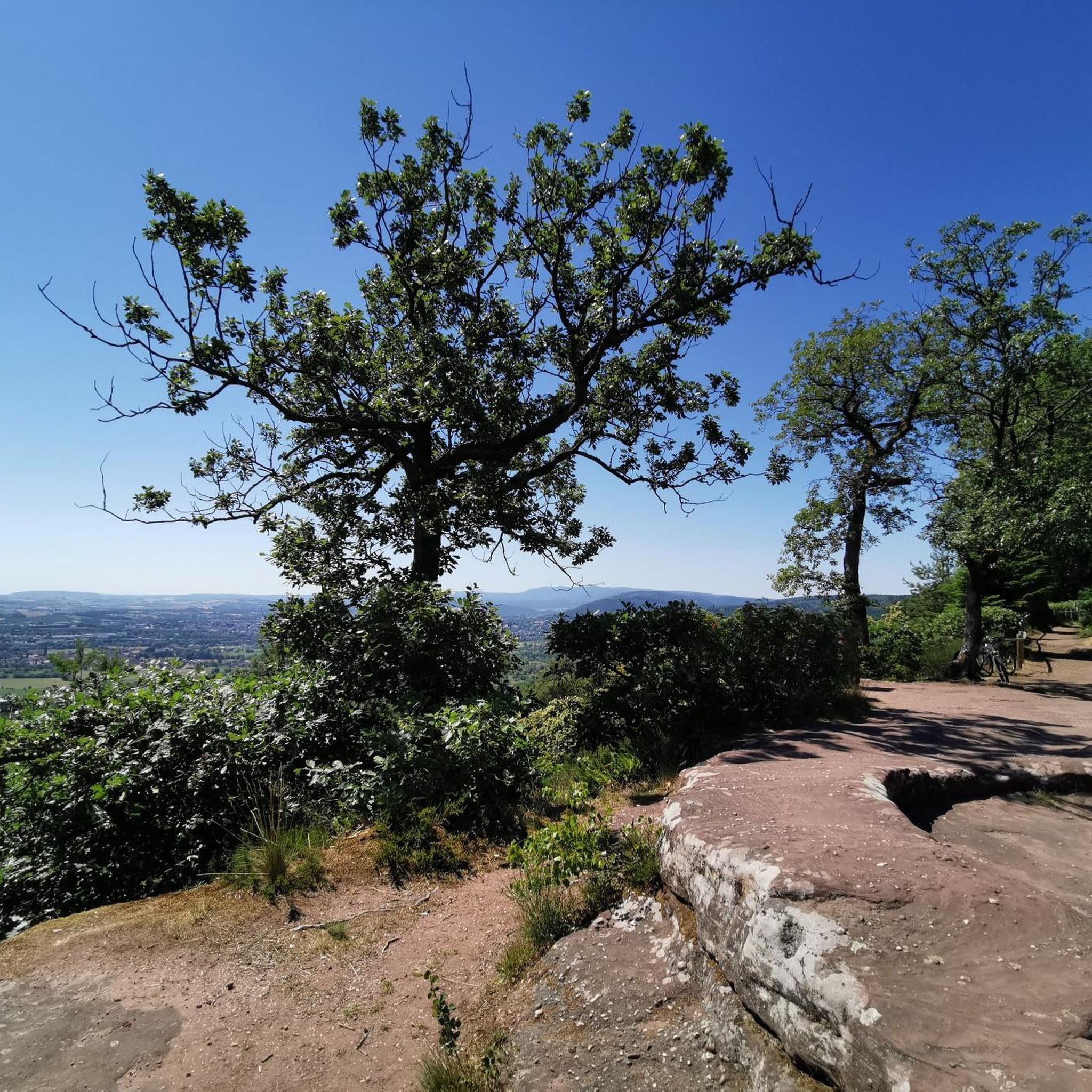
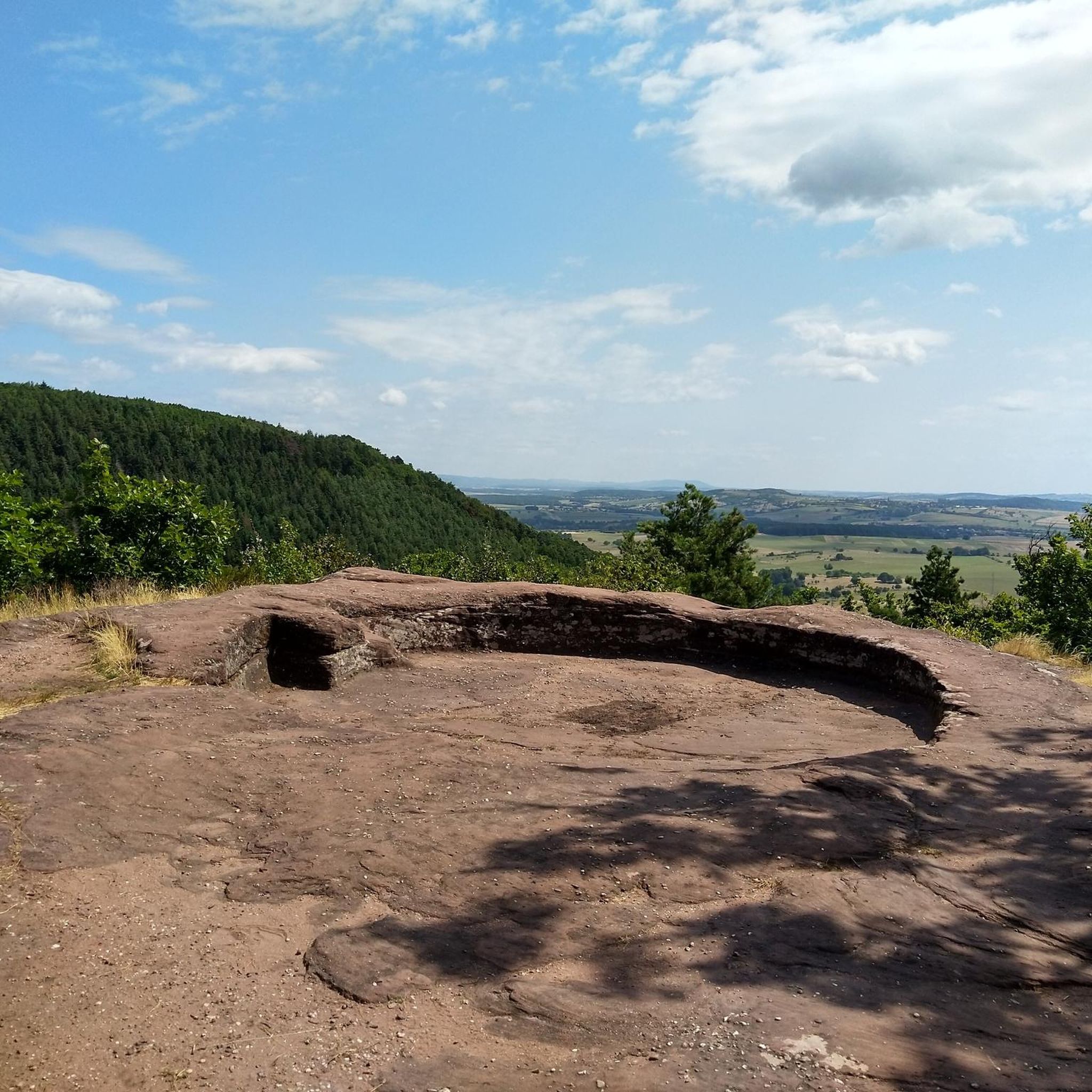

Tips from the Community

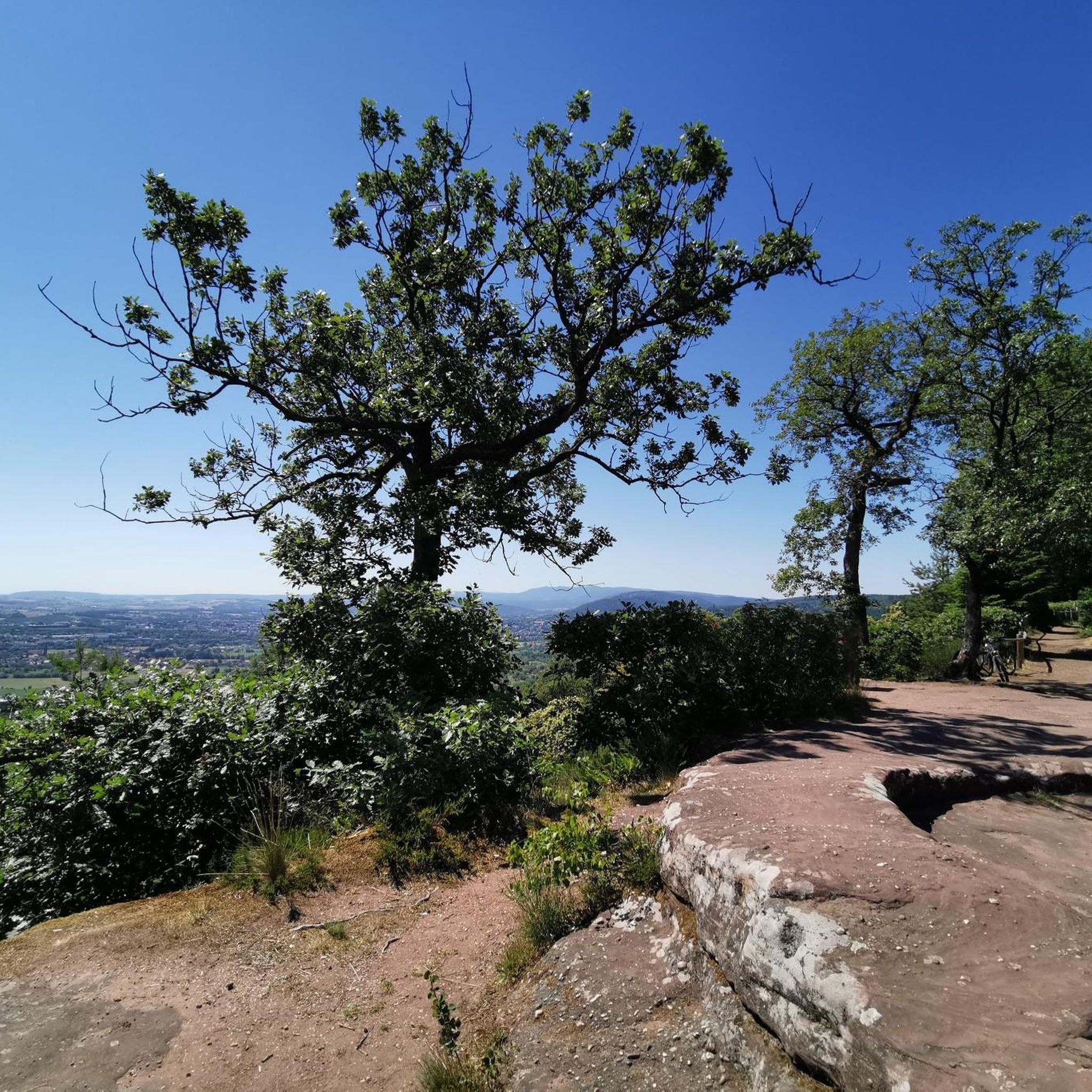
Fantastic view. Anyone attempting this should be free from vertigo. The descent is very steep and deep.
1
0

Elongated rock castle above the Zorn valley, southwest of Saverne. After a varied history, it has been state property for approx. 150 years. Varied structures from different eras in the inner courtyard. Great view over the Rhine valley and the northern Vosges.
3
0

Near Saverne lies this very mysterious place. Its name is based on a legend according to which the prince's horse leaped over the cliffs, leaving horseshoe-shaped imprints in the rock.
1
0

A beautiful place. What I don't understand: How can you be so ignorant and put a pile of shit garnished with lots of speed right behind the rocks 😡😡
6
1

Very beautiful place, you can take shelter there in case of bad weather and eat a bite on the huge Vosges sandstone table. The hike all around is nice and easy. The trails are almost all clear.
0
0

Beautiful rocks adjacent to the botanical garden
0
0

Interesting rock dwellings, e.g. T. were converted into a small museum, which also provides information about the complex history of the area, e.g. B. the match production and the archaeological excavation site of the monastery. Current information: https://www.visit.alsace/217006470-maisons-des-rochers/
3
1
Interesting rock formation - not necessarily one MTB highlight
0
0
Frequently Asked Questions
What unique geological features can I explore around Sankt Johann Bei Zabern?
The region is rich in geological diversity, particularly within the Northern Vosges Regional Nature Park. You'll find prominent Buntsandstein (variegated sandstone) formations, especially around Mont Saint-Michel. The landscape transitions from sandstone mountains to plains with limestone and dolomitic marls, creating varied terrains. Many natural monuments, like Brotsch Cave, are carved into these distinctive rock formations.
Are there natural monuments with historical significance in the area?
Yes, several natural monuments blend natural beauty with rich history. Mont Saint-Michel (Bas-Rhin) is a prominent summit with evidence of human activity since the second Iron Age, including a circular basin carved into the rock. The ancient Roman road, known as The Plattenweg, is partly hewn directly into the sandstone bedrock near Mont Saint-Michel, leading towards a former Celtic oppidum. Additionally, the Graufthal Troglodyte Houses are unique dwellings built into the rock formations, inhabited until the mid-20th century.
What kind of outdoor activities can I do near the natural monuments?
The area around Sankt Johann Bei Zabern, including the Northern Vosges Regional Nature Park, offers numerous opportunities for outdoor activities. You can explore a variety of trails for different sports. For mountain biking, consider routes like the 'Château du Grand Géroldseck – Haut-Barr Castle loop'. Cyclists can enjoy tours such as 'Saverne – Haut-Barr Castle loop'. If you prefer running, there are trails like 'Saint Michael Chapel – Rocher Plate (Felsenplatte) loop'. You can find more details and routes in the MTB Trails around Sankt Johann Bei Zabern, Cycling around Sankt Johann Bei Zabern, and Running Trails around Sankt Johann Bei Zabern guides.
Are there any family-friendly natural monuments to visit?
Yes, the region offers options suitable for families. The Graufthal Troglodyte Houses provide an engaging historical experience, allowing families to explore dwellings built into rock formations. Grotte d'Amour is another family-friendly spot, offering a pleasant resting place with a table and bench inside the grotto, providing shelter and a scenic view.
Where can I find impressive viewpoints among the natural monuments?
Many natural monuments in the area offer stunning panoramic views. Haut-Barr Castle, known as the 'Eye of Alsace', provides fantastic views over the Vosges and the Rhine Valley. From its exposed location, you can even see Strasbourg Cathedral on a clear day. Brotsch Cave also offers a great view of the surroundings, and Prince Charles' Leap Rock features a beautiful panoramic rock plateau.
What is the Northern Vosges Regional Nature Park, and how does it relate to the natural monuments?
Sankt Johann Bei Zabern is located within the Northern Vosges Regional Nature Park, which is recognized as a UNESCO World Biosphere Reserve. This expansive park is characterized by lush forests, diverse landscapes, and unique geological formations, including many of the natural monuments mentioned. It provides the broader natural context and protection for these sites, offering abundant opportunities for hiking and exploring natural environments.
What do visitors enjoy most about the natural monuments around Sankt Johann Bei Zabern?
Visitors frequently appreciate the combination of natural beauty and historical intrigue. The fantastic views from places like Haut-Barr Castle are highly praised. The unique experience of exploring natural caves like Brotsch Cave and the historical insights offered by the Graufthal Troglodyte Houses are also very popular. Many enjoy the peaceful resting spots found at locations such as Grotte d'Amour.
Are there any specific natural areas recognized for their ecological importance?
Yes, the territory of Saint-Jean-Saverne includes several Zones Naturelles d'Intérêt Écologique, Faunistique et Floristique (ZNIEFF). These include hill landscapes with orchards of Pays de Hanau, meadows, orchards, and humid valleys of the Vosges piedmont in Ernolsheim-lès-Saverne, and the forests of the sandstone plateaus of the Northern Vosges. These areas are vital for their biodiversity and offer diverse natural habitats.
What kind of rock formations can be seen in the region?
The region is primarily known for its Buntsandstein (variegated sandstone) formations, which are prominent in the mountainous areas west of the fault line at the foot of Mont Saint-Michel. These sandstones, formed 230 million years ago, create the distinctive rocky outcrops, cliffs, and caves found throughout the Northern Vosges. To the east, the landscape features limestone and dolomitic marls from the Muschelkalk period.
Can I find trails that combine natural exploration with historical elements?
Absolutely. The area is perfect for combining nature and history. For instance, exploring Mont Saint-Michel allows you to witness ancient human activity within a natural setting. The Plattenweg, an ancient Roman road partly carved into sandstone, offers a direct link between natural rock formations and centuries of human history, leading towards a former Celtic oppidum. Many trails around the castles and rock formations will offer this blend.
Most popular routes around Sankt Johann Bei Zabern
Most popular attractions around Sankt Johann Bei Zabern

Get inspired with the komoot mobile app


Explore more
Extend your search for the best caves by checking out these guides of the top ones around Sankt Johann Bei Zabern:
