Top 7 Natural Monuments around Harnes
Best natural monuments around Harnes are often characterized by their unique blend of industrial heritage and ecological rehabilitation. The region, situated in northern France, features re-naturalized former mining sites, including slag heaps and reclaimed wetlands. These areas provide distinctive landscapes and offer opportunities for outdoor activities. Visitors can explore transformed industrial zones that now support diverse ecosystems and provide scenic views.
Best natural monuments around Harnes
- The most popular natural monuments is Leforest slag heap, a natural monument that…
Last updated: June 21, 2026
Ostricourt slag heap
Highlight • Natural Monument
Translated by Google •
Tip by

Vimy Foundation Centennial Park
Highlight (Segment) • Historical Site
Vimy Foundation Centennial Park offers visitors a unique and reflective space to reflect on the horrors that occurred on these lands during the Great War, contrasting …
Translated by Google •
Tip by

Sign up now to discover places like this
Get recommendations on the best single tracks, peaks, & plenty of other exciting outdoor places.
Sign up for free
Leforest slag heap
Highlight • Natural Monument
Translated by Google •
Tip by
Loos-en-Gohelle slag heap
Highlight • Natural Monument
Translated by Google •
Tip by

Ladder Tree
Highlight • Forest
It is easily accessible by bicycle.
Which is not the path that goes deep into the forest.
Translated by Google •
Tip by

Sign up for free to discover even more natural monuments around Harnes.
Sign up for free
Already have an account?
Start today with a free account
Your next adventure awaits.
Login or Signup
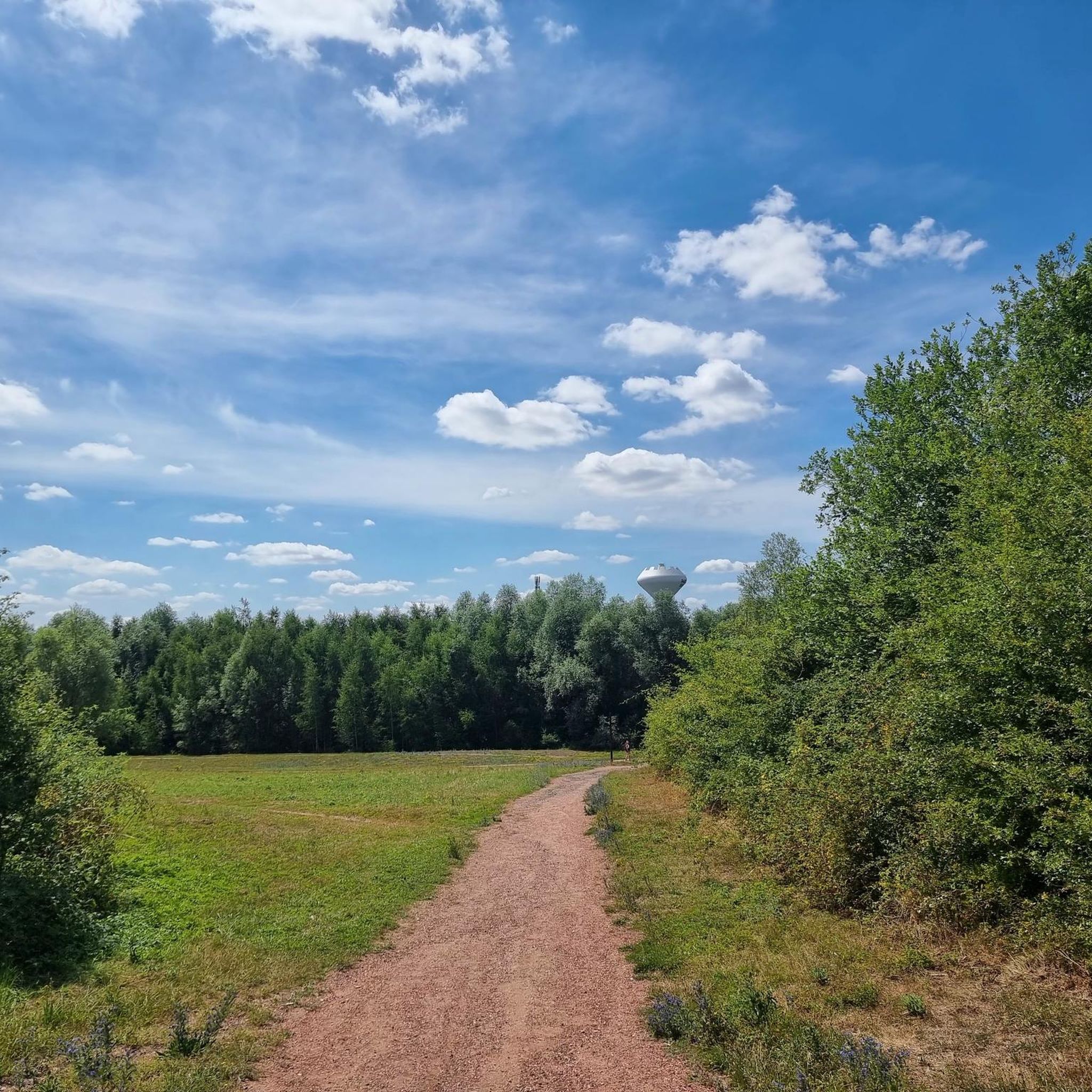

Tips from the Community

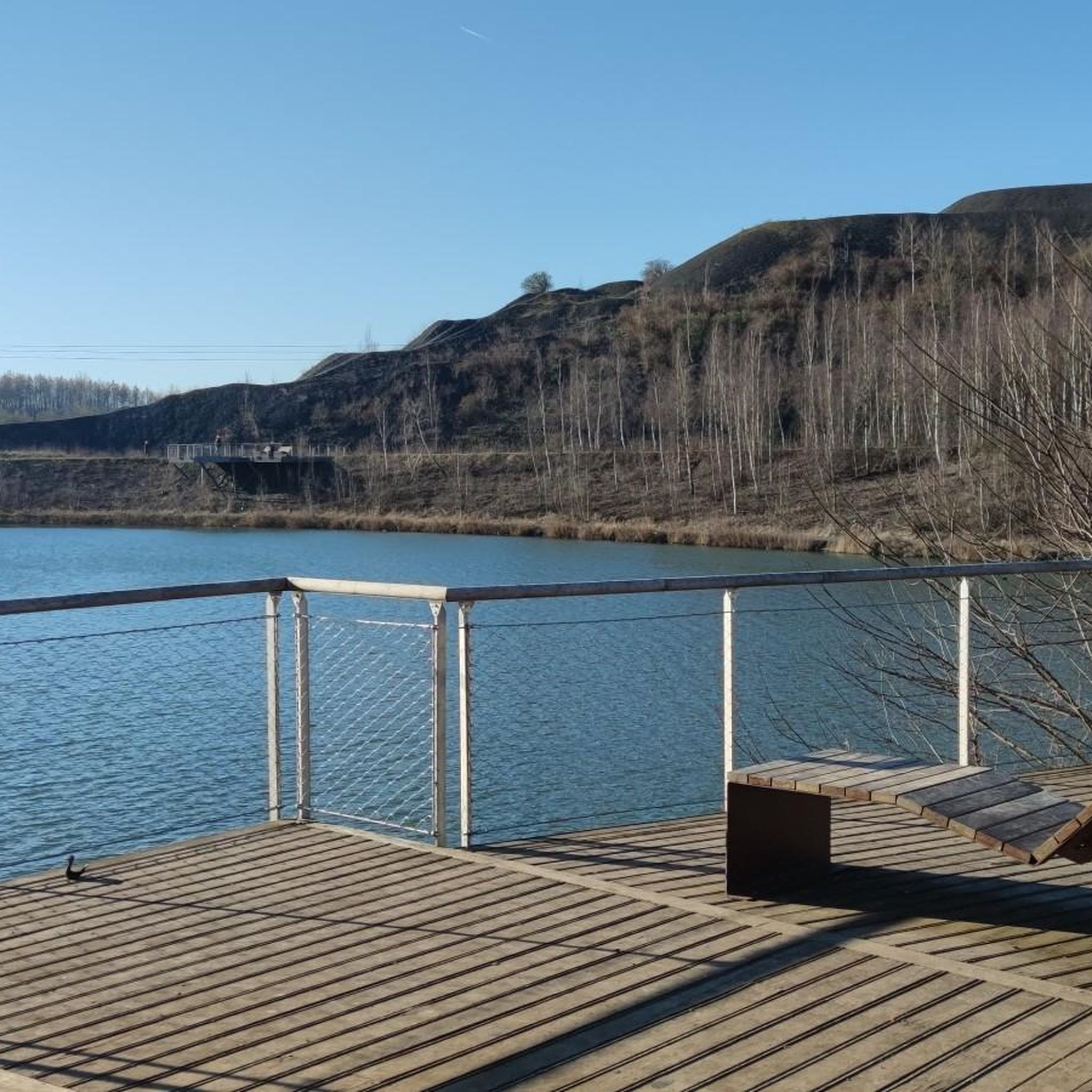
Beautiful panoramic view of Lens and the surrounding area. Be careful when you climb onto the spoil heap during a storm, it's a real hair-raiser!
1
0

Vimy Foundation Centennial Park Vimy Foundation Centennial Park offers visitors a unique and reflective space to reflect on the horrors that occurred on these lands during the Great War, contrasting with the solemnity and grace of the adjacent Canadian National Memorial. The main attraction of the four-acre park is 100 Vimy Oak trees, grown from acorns collected on the battlefield in 1917, along with the Borden bugle, the Centennial Flagpole, and 360-degree memorial views of the First World War battlefield. One hundred years after the war, the Park ensures that we never forget the sacrifice of all those who served our country. The Vimy Foundation The Vimy Foundation is a national charitable organization whose mission is to preserve and promote Canada's legacy of the First World War, symbolized by the victory at Vimy Ridge in April 1917. This momentous event is widely considered a pivotal moment in our history, Canada's first steps onto the world stage. Through youth education programs, awareness campaigns, and legacy projects, including the new Vimy Visitor and Education Centre and Centennial Park, the Vimy Foundation provides Canadians with opportunities to learn how the First World War transformed our nation. Vimy Oaks The park's oak trees are directly descended from acorns collected on the Vimy Ridge battlefield by a Canadian soldier, Lieutenant Leslie Miller of Scarborough, Ontario, and later planted on his farm in Canada, which he named The Vimy Oaks. A number of these majestic oaks are still alive today in Canada, while virtually none of the Vimy Ridge oaks survived the First World War. The Vimy Oaks Legacy Society, a Canadian non-profit volunteer association, was created to repatriate young Vimy oaks descended from acorns collected after the battle. Volunteers landscaped and planted these repatriated Vimy oaks, which now stand guard in this park adjacent to the Canadian National Vimy Memorial.
0
0

This oak, 200 to 300 years old, would have been used by the German army during the First World War as an observation post. The panel states: "The soldiers could thus observe the artillery and enemy movements. We can still observe some of the iron bars which would have been inserted into the trunk in order to constitute a ladder. The tree having continued to grow, the majority of the bars have been absorbed by the bark."
1
0

Don't miss the Loos-en-Gohelle slag heap, an astonishing and unusual spectacle. There are five hills made of coal waste, and this one is the highest, reaching 146 meters, the highest in Europe! Hike to the top and admire the views. You can see how nature has transformed the hills with plants, animals and even grapes. Take the opportunity to learn about this UNESCO World Heritage site and discover its rich history and culture at Base 11/19.
4
0

Remarkable century-old oak, having participated in the history of the First World War. It is easily accessible by bicycle. Which is not the path that goes deep into the forest.
1
0


Nice place typical of the North. Difficult in gravel in wet weather.
0
0

Difficult to drive on the site at this time because of the "luxuriant" vegetation. Access to the karting level is blocked by padlocked gates.
0
0
Frequently Asked Questions
What makes the natural monuments around Harnes unique?
The natural monuments around Harnes are distinctive for their blend of industrial heritage and ecological rehabilitation. The region, part of the Nord-Pas de Calais Mining Basin, features re-naturalized former mining sites, particularly slag heaps (terrils), which have transformed into unique ecosystems. These sites offer a compelling example of nature reclaiming industrial landscapes, providing diverse flora and fauna, and are recognized as a UNESCO World Heritage site.
Which natural monuments offer the best panoramic views?
Several slag heaps around Harnes provide excellent panoramic views. The Leforest slag heap offers a magnificent view from its summit, though the final ascent is on foot. Similarly, the Loos-en-Gohelle slag heap, one of the highest in Europe, provides extensive views of the surrounding area, showcasing how nature has transformed these hills. Terril 93, while not listed as a highlight, also offers panoramic views from its summit.
Are there family-friendly natural monuments or activities in the area?
Yes, several natural monuments are suitable for families. The Vimy Foundation Centennial Park is a family-friendly historical site with a reflective space and 100 Vimy Oak trees. The Ladder Tree, a remarkable century-old oak, is also easily accessible and family-friendly. Many of the re-naturalized slag heaps offer opportunities for walks and enjoying nature, though some climbs can be challenging.
What kind of hiking trails can I find near these natural monuments?
The area around Harnes offers a variety of hiking trails, often incorporating the unique landscape of the terrils and local forests. You can find moderate hikes like "The terrils 83 and 94 — loop from Marais de Fouquières" or easier options such as the "Florimond Wood – Étang du Brochet loop from Harnes." These trails allow you to explore the transformed industrial zones and green spaces. For more hiking options, refer to the Hiking around Harnes guide.
Can I cycle or mountain bike near the natural monuments?
Yes, the region is popular for cycling and mountain biking, especially on the re-naturalized slag heaps and former railway lines. For example, the Ostricourt slag heap offers a long single track around the karting area, with challenging climbs and steep descents. The Leforest slag heap is also a popular spot for mountain bikers and gravel riders. You can find more routes in the Road Cycling Routes around Harnes and Gravel biking around Harnes guides.
Are there any historical or cultural sites among the natural monuments?
Yes, the natural monuments often intertwine with the region's rich history. The entire Nord-Pas de Calais Mining Basin, including many of the terrils, is a UNESCO World Heritage site, highlighting its cultural and historical significance. The Vimy Foundation Centennial Park is a significant historical site commemorating the First World War. The Ladder Tree is an ancient oak believed to have been used as an observation post during the First World War.
What is the best time of year to visit the natural monuments around Harnes?
The best time to visit depends on your preferred activities. Spring and autumn offer pleasant temperatures for hiking and cycling, with vibrant foliage or blooming nature. Summer is also suitable, though some trails might have more luxuriant vegetation. Winter hiking is possible, but some paths, especially on the steeper slag heaps, might be more challenging due to weather conditions.
Are the natural monuments around Harnes dog-friendly?
Generally, many of the outdoor areas and trails around the natural monuments are dog-friendly, especially the re-naturalized slag heaps and forest paths. However, it's always advisable to keep dogs on a leash, especially in areas with wildlife or near agricultural land, and to check specific regulations for individual sites or parks.
What kind of terrain and difficulty can I expect on the slag heaps?
The slag heaps (terrils) offer varied terrain. You can expect challenging climbs, some of which are very steep, as seen on the Ostricourt slag heap and Leforest slag heap. While some sections might be technical, many are accessible for intermediate hikers. The summits often provide rewarding views. Be prepared for uneven surfaces and potentially dense vegetation in certain areas.
Where can I learn more about the ecological transformation of the terrils?
The terrils are fascinating examples of ecological succession, where nature reclaims industrial landscapes. Many of these artificial hills have developed unique ecosystems supporting diverse flora and fauna due to their specific soil composition and microclimates. You can find more information about the fauna and flora of the terrils in the region through resources like Pas-de-Calais Tourisme, which highlights their ecological value.
Is public transport available to reach these natural monuments?
While specific public transport details for each individual natural monument can vary, the region around Harnes is generally served by local bus networks. It is recommended to check local transport schedules and routes to plan your visit, especially for sites further from urban centers. Parking is often available near the more popular sites.
Most popular attractions around Harnes

Get inspired with the komoot mobile app


Explore more
Extend your search for the best caves by checking out these guides of the top ones around Harnes:
