Top 5 Natural Monuments around Estevelles
Best natural monuments around Estevelles, a commune in the Pas-de-Calais department of France, include distinctive natural and semi-natural sites. The region is characterized by its unique industrial heritage transformed into natural landscapes, offering various Estevelles natural heritage sites. These areas provide diverse terrains for outdoor activities, making them notable Estevelles tourist attractions.
Best natural monuments around Estevelles
- The most popular natural monuments is Loos-en-Gohelle slag heap, a historical site that features five hills made of coal waste, with the…
Last updated: July 4, 2026
Ostricourt slag heap
Highlight • Natural Monument
Translated by Google •
Tip by

Loos-en-Gohelle slag heap
Highlight • Natural Monument
Translated by Google •
Tip by

Sign up now to discover places like this
Get recommendations on the best single tracks, peaks, & plenty of other exciting outdoor places.
Sign up for free
Ladder Tree
Highlight • Forest
It is easily accessible by bicycle.
Which is not the path that goes deep into the forest.
Translated by Google •
Tip by

Spoil heaps 74 and 74a
Highlight • Natural Monument
Translated by Google •
Tip by

Terril Estevelles
Highlight • Summit
Translated by Google •
Tip by

Sign up for free to discover even more natural monuments around Estevelles.
Sign up for free
Already have an account?
Start today with a free account
Your next adventure awaits.
Login or Signup




Tips from the Community

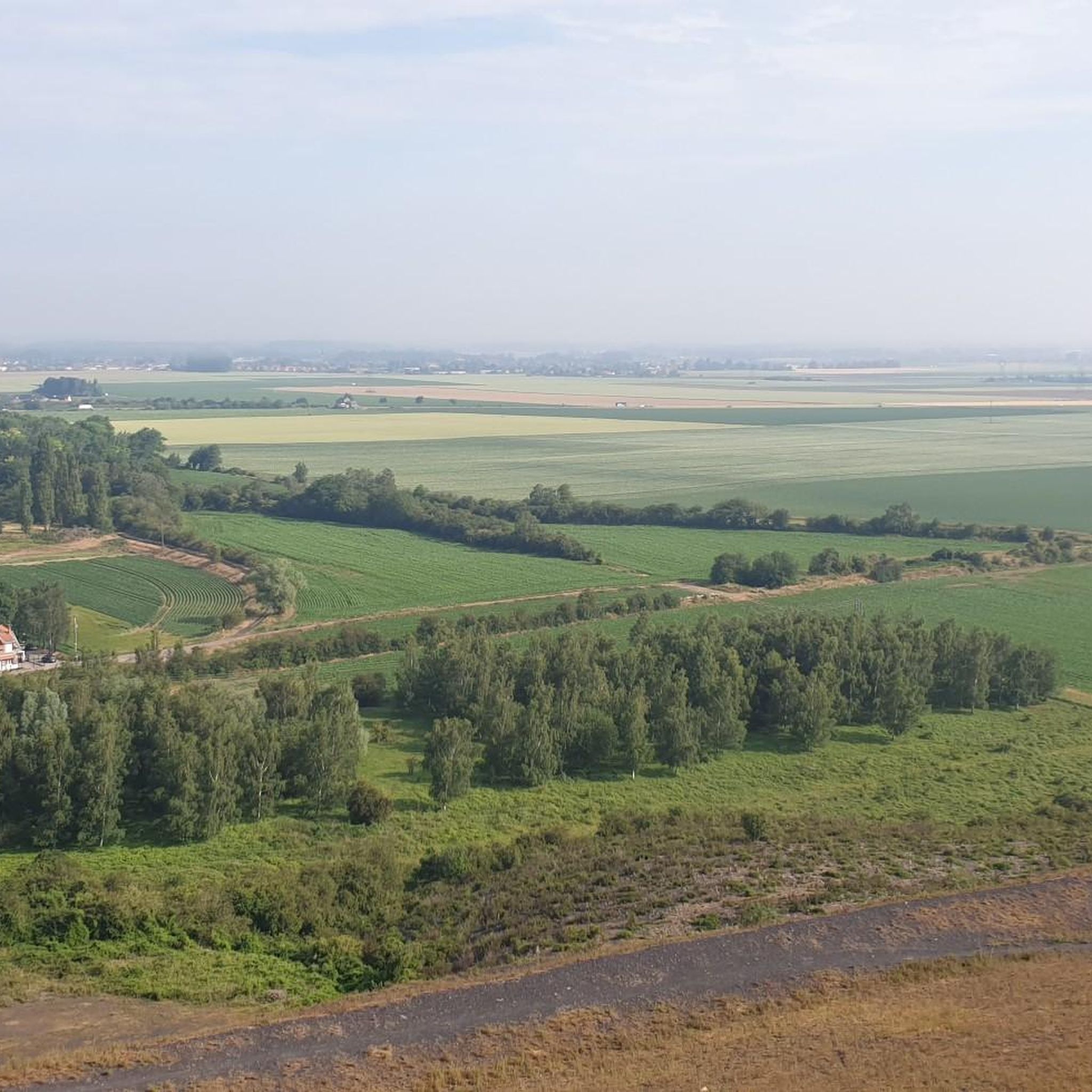
Beautiful panoramic view of Lens and the surrounding area. Be careful when you climb onto the spoil heap during a storm, it's a real hair-raiser!
1
0

This oak, 200 to 300 years old, would have been used by the German army during the First World War as an observation post. The panel states: "The soldiers could thus observe the artillery and enemy movements. We can still observe some of the iron bars which would have been inserted into the trunk in order to constitute a ladder. The tree having continued to grow, the majority of the bars have been absorbed by the bark."
1
0

Be careful on a narrow path, in some places a slippery plastic coating covers part of the path
0
0

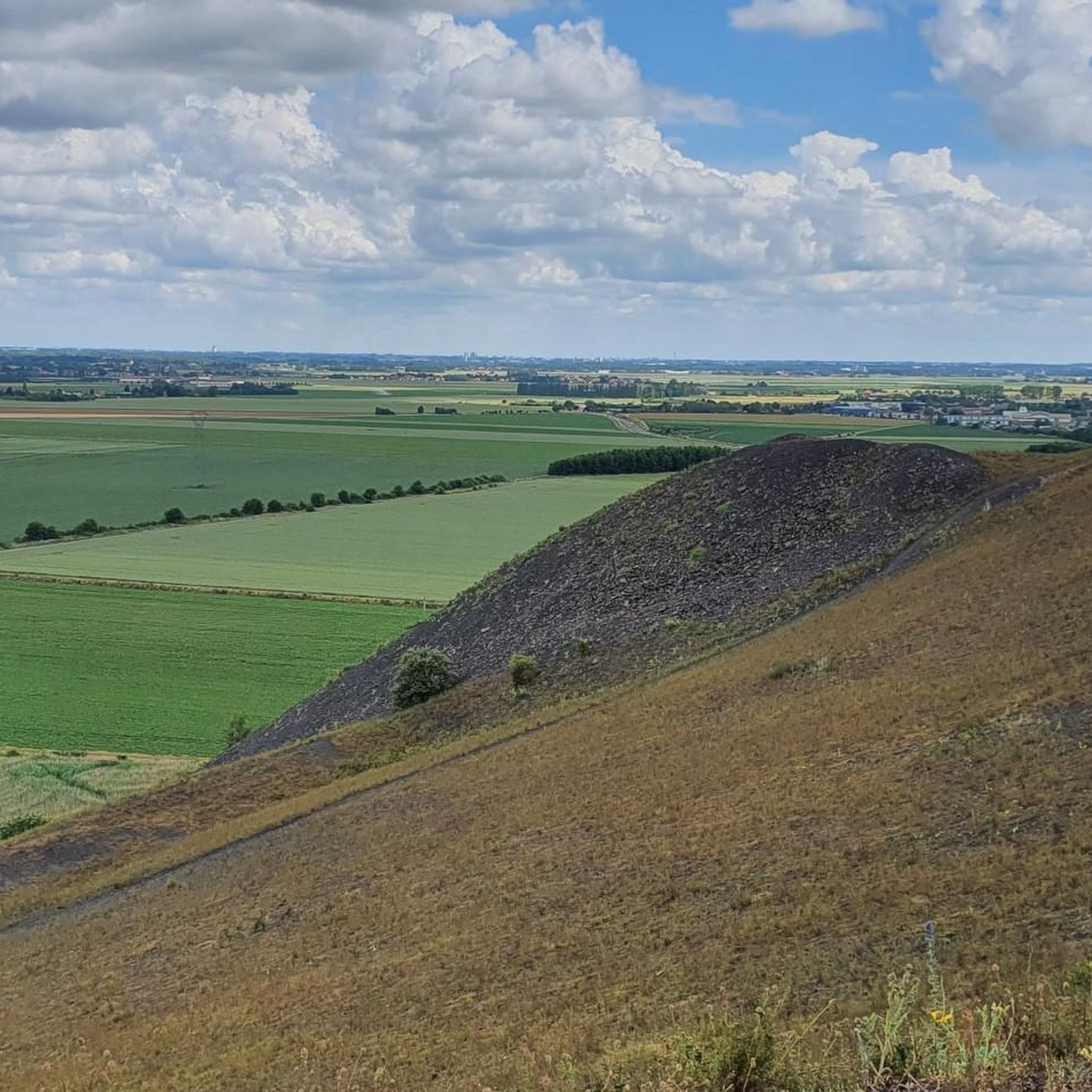
Don't miss the Loos-en-Gohelle slag heap, an astonishing and unusual spectacle. There are five hills made of coal waste, and this one is the highest, reaching 146 meters, the highest in Europe! Hike to the top and admire the views. You can see how nature has transformed the hills with plants, animals and even grapes. Take the opportunity to learn about this UNESCO World Heritage site and discover its rich history and culture at Base 11/19.
4
0

Remarkable century-old oak, having participated in the history of the First World War. It is easily accessible by bicycle. Which is not the path that goes deep into the forest.
1
0

Difficult to drive on the site at this time because of the "luxuriant" vegetation. Access to the karting level is blocked by padlocked gates.
0
0

Beautiful slag heap accessible to the most athletic 3 switchbacks without a plateau to reach the top and admire the beautiful view of the Harnesien and the Carvinois and other summits of the slag heaps that surround it.
0
0

Great playground for mountain bikers! Beautiful climbs and single around the slag heaps!
0
0
Frequently Asked Questions
What makes the natural monuments around Estevelles unique?
The natural monuments around Estevelles are unique because they are largely transformed industrial landscapes, specifically former coal mining spoil tips, known as slag heaps. These 'black mountains' have been reclaimed by nature, offering a fascinating blend of industrial heritage and ecological regeneration. They provide diverse terrains for outdoor activities and serve as islands of biodiversity, supporting various plant and animal species rare in the surrounding areas.
Are there family-friendly natural monuments to visit near Estevelles?
Yes, the Ladder Tree is a notable example. This remarkable century-old oak, easily accessible, is considered family-friendly and offers a glimpse into local history, having been used as an observation post during the First World War.
What kind of views can I expect from the natural monuments?
Many of the slag heaps offer excellent panoramic views. For instance, the Loos-en-Gohelle slag heap, the highest in Europe at 146 meters, provides breathtaking vistas of Lens and the surrounding area. Similarly, Spoil heaps 74 and 74a also boast extensive views from their summit.
What outdoor activities are popular at these natural monuments?
The varied terrain of the slag heaps makes them popular for activities like hiking and mountain biking. The Ostricourt slag heap, for example, features small mounds, long single tracks, and challenging climbs and descents, making it a great spot for mountain bikers. You can find many routes for different sports in the area, such as MTB Trails around Estevelles or Hiking around Estevelles.
What is the best time to visit the natural monuments around Estevelles?
The slag heaps can be visited year-round, but spring and autumn offer pleasant temperatures for hiking and biking. During these seasons, the vegetation is vibrant, and the views are often clearer. Summer can be warm, and some areas might have dense vegetation or brambles, as noted at the Ostricourt slag heap. Winter visits are possible, but paths might be slippery, especially on steeper sections.
Are there any specific challenges or considerations when visiting the slag heaps?
Yes, some slag heaps, like the Ostricourt slag heap, can have brambles in certain areas and footbridges that might be challenging for bikes. The Terril Estevelles also has narrow paths with slippery plastic coatings in some places. Always exercise caution, especially on steep descents or during wet conditions.
Can I find historical information at these sites?
Absolutely. The slag heaps themselves are historical monuments, remnants of the region's rich coal mining past. Sites like the Loos-en-Gohelle slag heap are part of a UNESCO World Heritage site, offering opportunities to learn about their history and culture at nearby visitor centers like Base 11/19. The Ladder Tree also has a fascinating history related to World War I.
Are there any circular walks or specific trails recommended for exploring the natural monuments?
While specific circular walks for each individual monument aren't detailed in the highlights, the nature of these sites, particularly the slag heaps, often lends itself to varied exploration. For example, the Ostricourt slag heap has a long single track around the karting area. You can find numerous routes, including circular walks, in the Hiking around Estevelles guide, such as 'The terrils 83 and 94 — loop from Marais de Fouquières'.
What do visitors enjoy most about the natural monuments around Estevelles?
Visitors frequently praise the unique experience of seeing nature reclaim industrial landscapes. The panoramic views from the summits, the challenging yet rewarding climbs, and the diverse terrain for mountain biking are often highlighted. The historical significance combined with the natural beauty creates a compelling attraction for many.
Are the natural monuments accessible by public transport, or is parking available?
While specific public transport details for each monument are not readily available, parking is generally accessible near these sites. For instance, the Ostricourt slag heap is mentioned as having access to a main road, suggesting nearby parking. It's advisable to check local transport options or plan for car access when visiting.
Are dogs allowed on the trails around the natural monuments?
Generally, natural areas in France are dog-friendly, especially on marked trails, provided dogs are kept on a leash. However, specific rules can vary by site. Given the outdoor nature of these monuments, it's likely that well-behaved dogs on leashes are permitted, but always look for local signage or guidelines upon arrival.
Most popular routes around Estevelles
Most popular attractions around Estevelles

Get inspired with the komoot mobile app


Explore more
Extend your search for the best caves by checking out these guides of the top ones around Estevelles:
