Top 8 Natural Monuments around Jullié
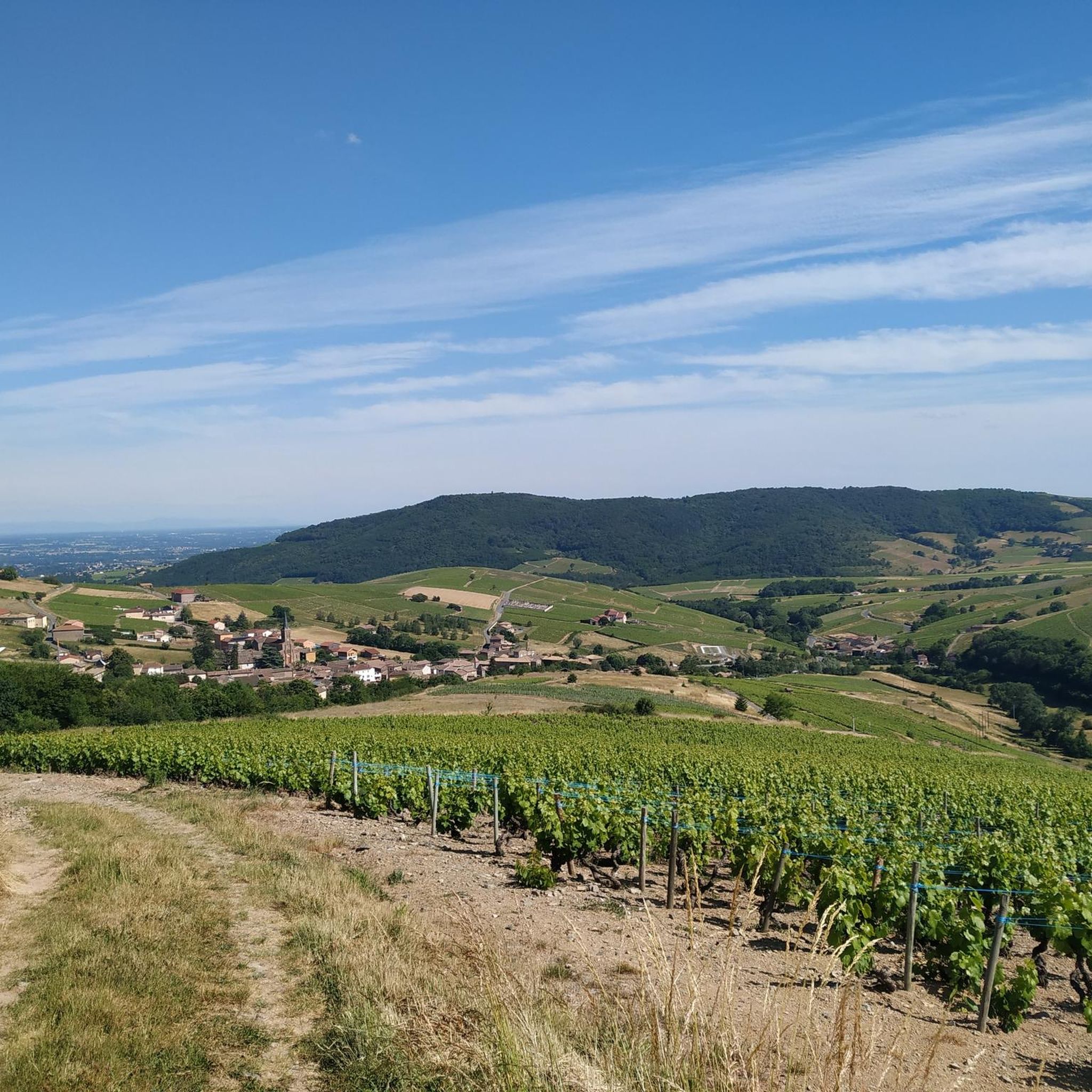
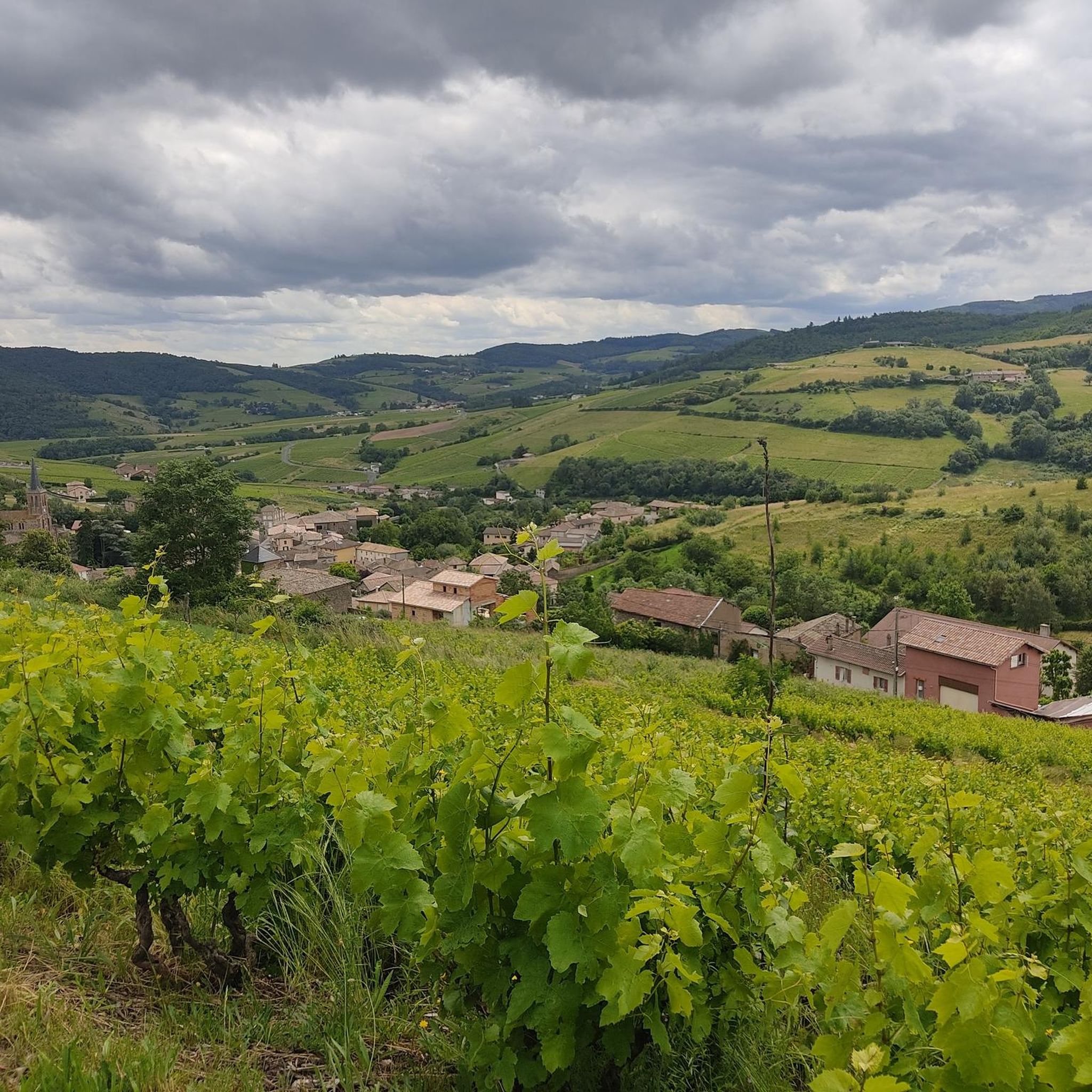
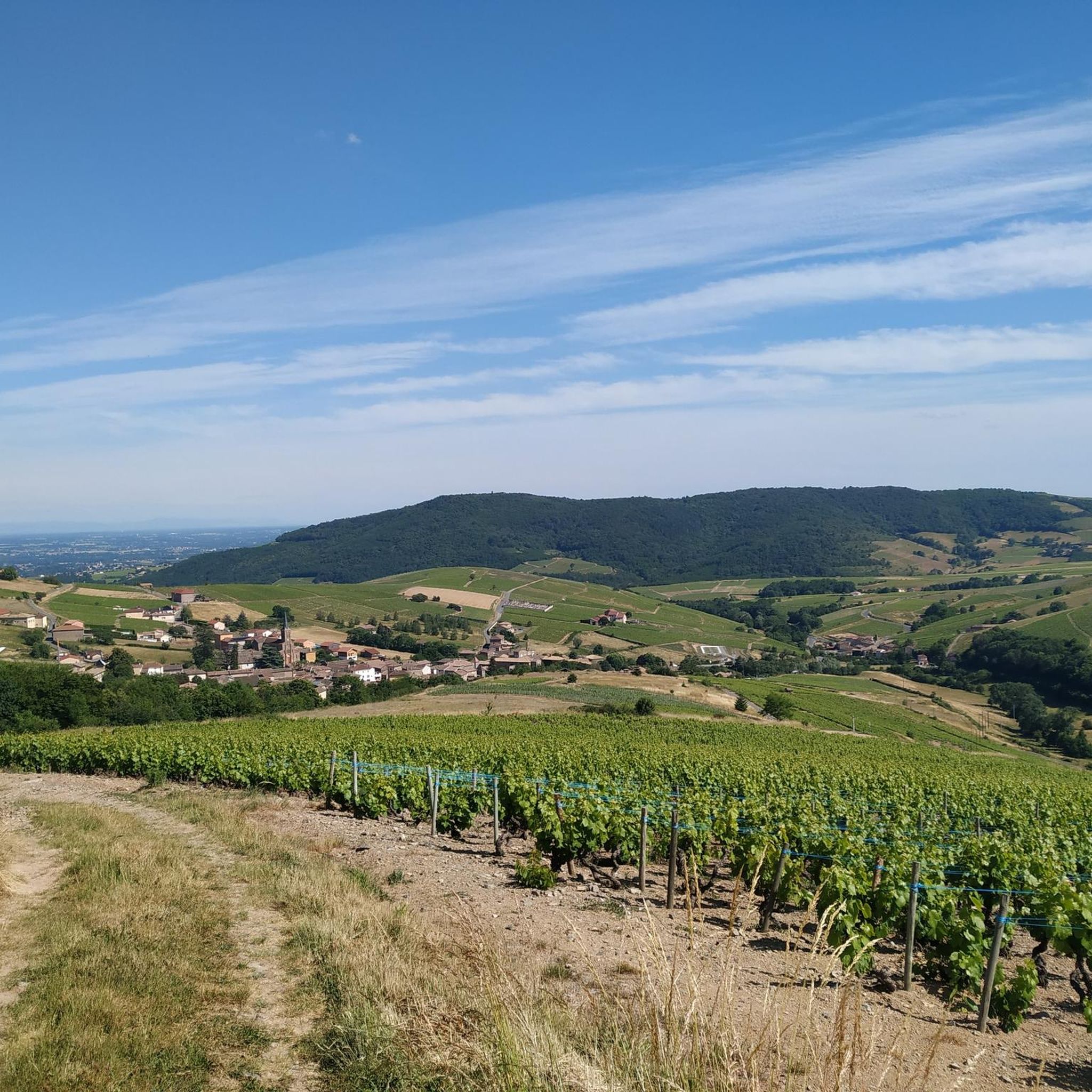
Best natural monuments around Jullié are found within the Beaujolais region of France, a landscape characterized by diverse geological formations and rich natural heritage. Jullié is home to Le Site de la Roche, a protected natural area recognized as a géosite within the UNESCO-designated Beaujolais Global Geopark. This area features steep slopes of crushed granite and "blue stones," offering panoramic views and supporting local biodiversity. The broader region provides a variety of natural features, from limestone promontories to forested massifs.
…Last updated: October 8, 2026
Roche de Solutré
Highlight • Natural Monument
Translated by Google •
Tip by

Vergisson Rock
Highlight • Natural Monument
Translated by Google •
Tip by

Sign up now to discover places like this
Get recommendations on the best single tracks, peaks, & plenty of other exciting outdoor places.
Rémont Mountain
Highlight • Viewpoint
Translated by Google •
Tip by

Mount Pouilly
Highlight • Summit
Translated by Google •
Tip by

Ascent of the Roche de Solutré
Highlight (Segment) • Climb
So you have to push the bike for the last few meters but the view is worth it.
Translated by Google •
Tip by
Start today with a free account
Your next adventure awaits.
Tips from the Community

The viewpoint is located in the well-known Beaujolais wine region, in the municipality of Chénas. It is an old stone ruin (historically often referred to as Cabane des Chasseurs or hunter's hut), which has been equipped with a modern metal staircase and a viewing platform. The ruin is located at 515 meters above sea level and offers hikers a spectacular 360-degree panoramic view of the surrounding vineyards and valleys of the region.
2
0
The rock is located in the south of the Burgundy region (Département Saône-et-Loire), not far from the town of Mâcon. Its distinctive profile rises out of a vast "sea of vines". The vineyards shown belong to the well-known Mâconnais wine region and produce renowned white wines such as Pouilly-Fuissé. The entire area is protected as a Grand Site de France and is also one of the most important prehistoric sites in Europe.
3
0

Magnificent view across the countryside all the way to Mâcon
3
0

A perfect complement to the Solutré rock and Mont de Pouilly.
2
0

Several paths lead to the summit. A very pretty hike, which can be extended by climbing its big sister, Solutré, for the more athletic.
2
0

Mont Pouilly 481m above sea level with a magnificent panoramic view
1
0


Beautiful view at a historic site.
4
0
Frequently Asked Questions
What are the most prominent natural monuments to visit around Jullié?
The region around Jullié is home to several impressive natural monuments. Among the most popular are Roche de Solutré, offering spectacular panoramas over the Mâconnais vineyards, and Vergisson Rock, which provides unique vistas of the Beaujolais valley. Another notable site is Rémont Mountain, known for its breathtaking views from its 515-meter summit.
Are there any natural monuments near Jullié with historical significance?
Yes, Roche de Solutré is not only a natural monument but also a significant archaeological site. At its base, you'll find a prehistory museum, offering insights into the area's rich past and the archaeological value of the site.
What kind of geological features can I expect to see in the natural monuments around Jullié?
The natural monuments around Jullié are characterized by diverse geological formations. You'll encounter limestone promontories like Roche de Solutré, steep slopes of crushed granite, and unique "blue stones." The region is part of the UNESCO-designated Beaujolais Global Geopark, highlighting its geological importance.
What outdoor activities can I do near the natural monuments around Jullié?
The area around Jullié is excellent for various outdoor activities. You can enjoy road cycling on routes like the "Truges Pass - 496 m – Voie verte des Muriers loop" or explore MTB trails such as the "View of Solutré-Pouilly – Les hauts de Jullié loop." For more options, check out the Road Cycling Routes around Jullié, MTB Trails around Jullié, and Cycling around Jullié guides.
Are there hiking trails to reach the natural monuments, and what are their difficulty levels?
Yes, many natural monuments are accessible via hiking trails. For instance, both Roche de Solutré and Vergisson Rock offer intermediate to challenging climbs to their summits. Vergisson Rock, in particular, has multiple paths ranging from less sporty on the east side to more challenging routes via the south.
What are the best times to visit the natural monuments in the Beaujolais region?
The Beaujolais region, including Jullié, is beautiful throughout the year. Spring and autumn offer pleasant temperatures for hiking and clear views. Summer is also popular, though it can be warmer. For panoramic views, especially of the vineyards, late spring to early autumn is ideal when the landscape is lush.
Are there any natural monuments that are particularly family-friendly or easier to access?
While many natural monuments involve some climbing, the base areas and surrounding trails often offer easier access for families. For example, the area around Roche de Solutré, including the prehistory museum, can be a good starting point. The "Site de la Roche" directly in Jullié is a protected natural area, suggesting accessible natural beauty within the village itself, though specific details on ease of access for families are not extensively provided.
What kind of views can I expect from the summits of these natural monuments?
From the summits of natural monuments like Roche de Solutré, Vergisson Rock, and Rémont Mountain, you can expect spectacular panoramic views. These include sweeping vistas of the Mâconnais vineyards, the Beaujolais valley, the Saône plain, and on clear days, even the Ain, Dombes, Alps, and Mont Blanc.
Is there parking available near the natural monuments?
Yes, parking is generally available near the popular natural monuments. For instance, there are designated parking areas for Roche de Solutré and Vergisson Rock to accommodate visitors.
What do visitors enjoy most about the natural monuments around Jullié?
Visitors frequently highlight the breathtaking panoramic views from the summits, the unique geological formations, and the sense of immersion in nature. Many appreciate the opportunity for challenging climbs and the rewarding vistas, with some noting the archaeological significance of sites like Roche de Solutré. The area is also praised for being less crowded at spots like Vergisson Rock compared to its more famous neighbors.
Are there any protected natural areas directly within Jullié?
Yes, Jullié is home to the "Site de la Roche," which is identified as a protected natural area. It forms part of the village's rich heritage and is recognized as a géosite within the UNESCO-designated Beaujolais Global Geopark, indicating its ecological importance and natural beauty.
Most popular attractions around Jullié

Get inspired with the komoot mobile app


Explore more
Extend your search for the best caves by checking out these guides of the top ones around Jullié:
