Top 19 Natural Monuments around Céaux
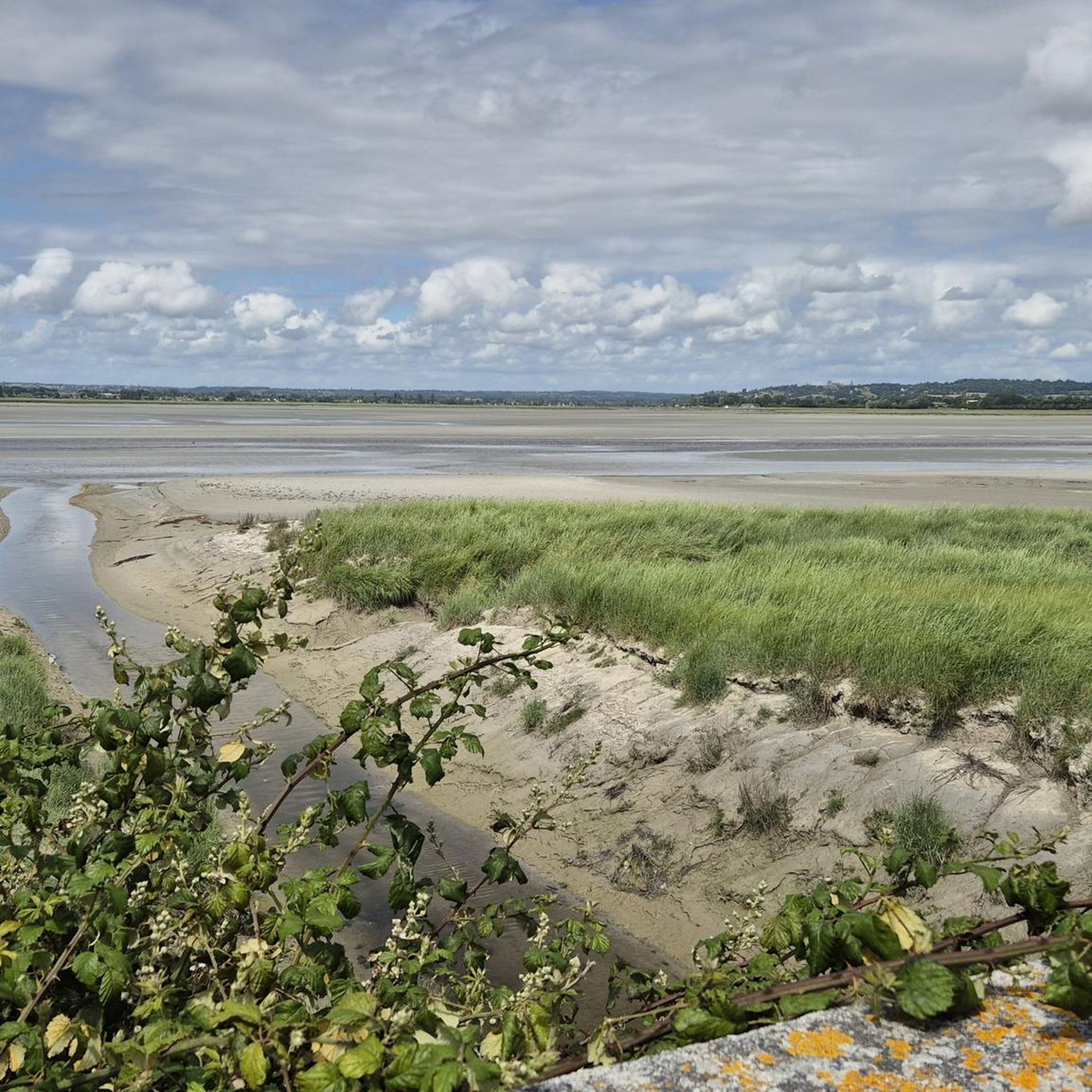
Best natural monuments around Céaux are primarily situated within the rich natural landscape of the Mont Saint-Michel Bay. This region is characterized by its dramatic tidal movements, extensive salt marshes, and significant river estuaries. The area offers diverse ecological features and provides opportunities for exploring vast beaches and observing rich biodiversity. These natural sites are important for their ecological significance and scenic views.
Best natural monuments around Céaux
- The most popular natural monuments is Mont Saint-Michel, a religious building…
Last updated: June 20, 2026
Mont Saint-Michel
Highlight • Religious Site
Translated by Google •
Tip by

Couesnon dike
Highlight (Segment) • Cycleway
Translated by Google •
Tip by

Sign up now to discover places like this
Get recommendations on the best single tracks, peaks, & plenty of other exciting outdoor places.
Sign up for free
Saint Aubert Chapel
Highlight • Religious Site
Translated by Google •
Tip by

Grouin du Sud
Highlight • Viewpoint
Translated by Google •
Tip by

Château d'Avranches
Highlight • Castle
Translated by Google •
Tip by

Sign up for free to discover even more natural monuments around Céaux.
Sign up for free
Already have an account?
Start today with a free account
Your next adventure awaits.
Login or Signup
Tips from the Community

Many visitors run their hand over the chapel's granite wall or briefly place their hand on it. It is said to bring: • Good luck, • Protection on journeys, • or the fulfillment of a wish. However, there is no official historical source to document this custom. It is a local tradition passed down by visitors and tour guides – similar to many pilgrimage sites.
0
0
Who was Saint Aubert? According to legend, the Archangel Michael appeared to him in a dream three times in the year 708 and instructed him to build a church on the then Mont-Tombe. Aubert considered the first two apparitions to be dreams and ignored them. On the third occasion, Michael is said to have become impatient and touched him on the forehead with his finger – so forcefully that a hole was created in his skull. This hole, supposedly created by the archangel's finger, is still shown today in the Basilica of Avranches. Only then did Aubert begin the construction of the first sanctuary, from which Mont-Saint-Michel later emerged. The statue therefore shows him as a bishop: • with a mitre on his head, • in bishop's vestments, • with his right arm raised in a gesture of blessing, • with the crozier on his shoulder.
0
0

Practice for going to the train station
0
0

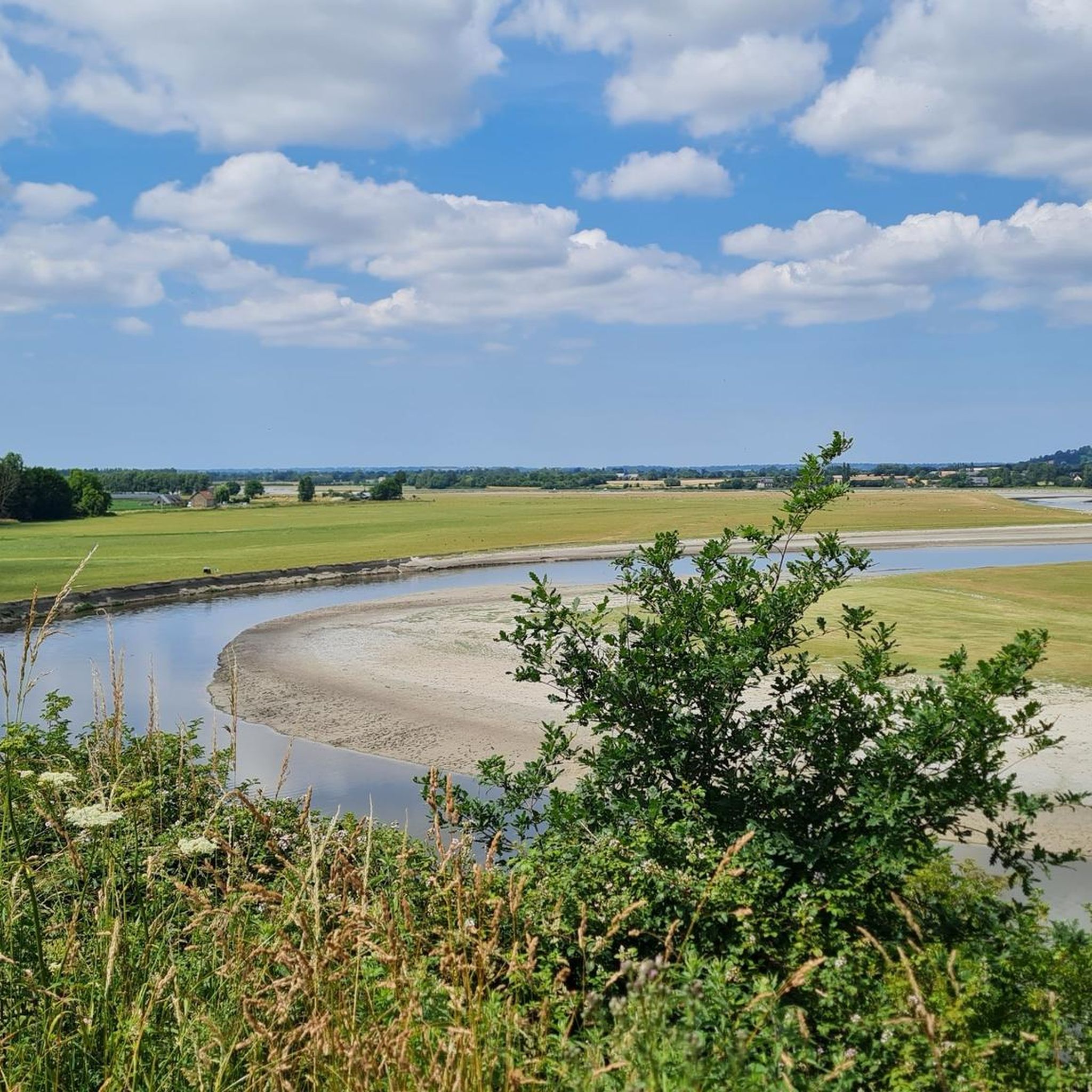
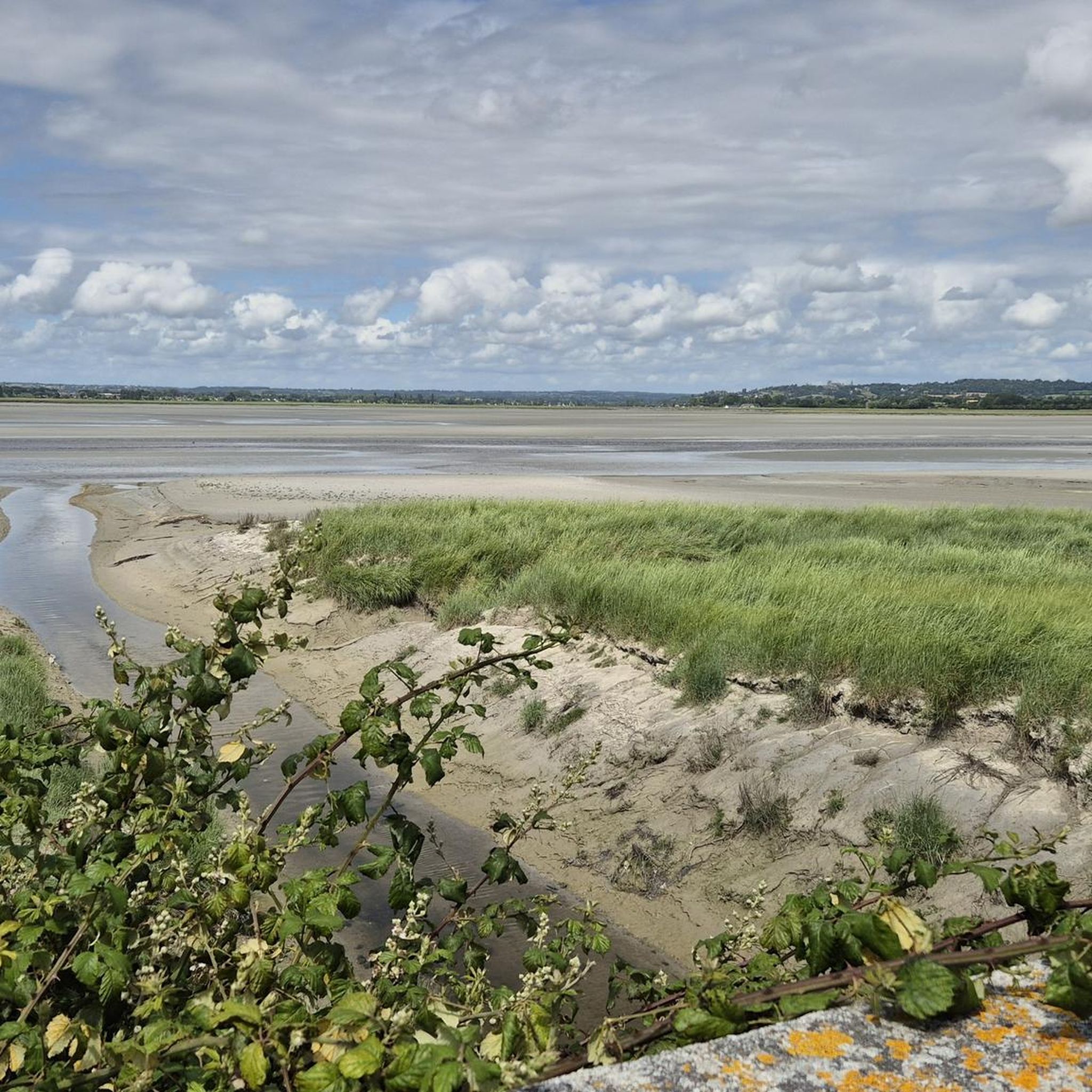
The Grouin du Sud is a natural headland offering impressive views of the bay and the famous Klosterberg. Depending on the tide, the landscape alternates between vast mudflats and ocean views, making the place particularly charming.
1
0

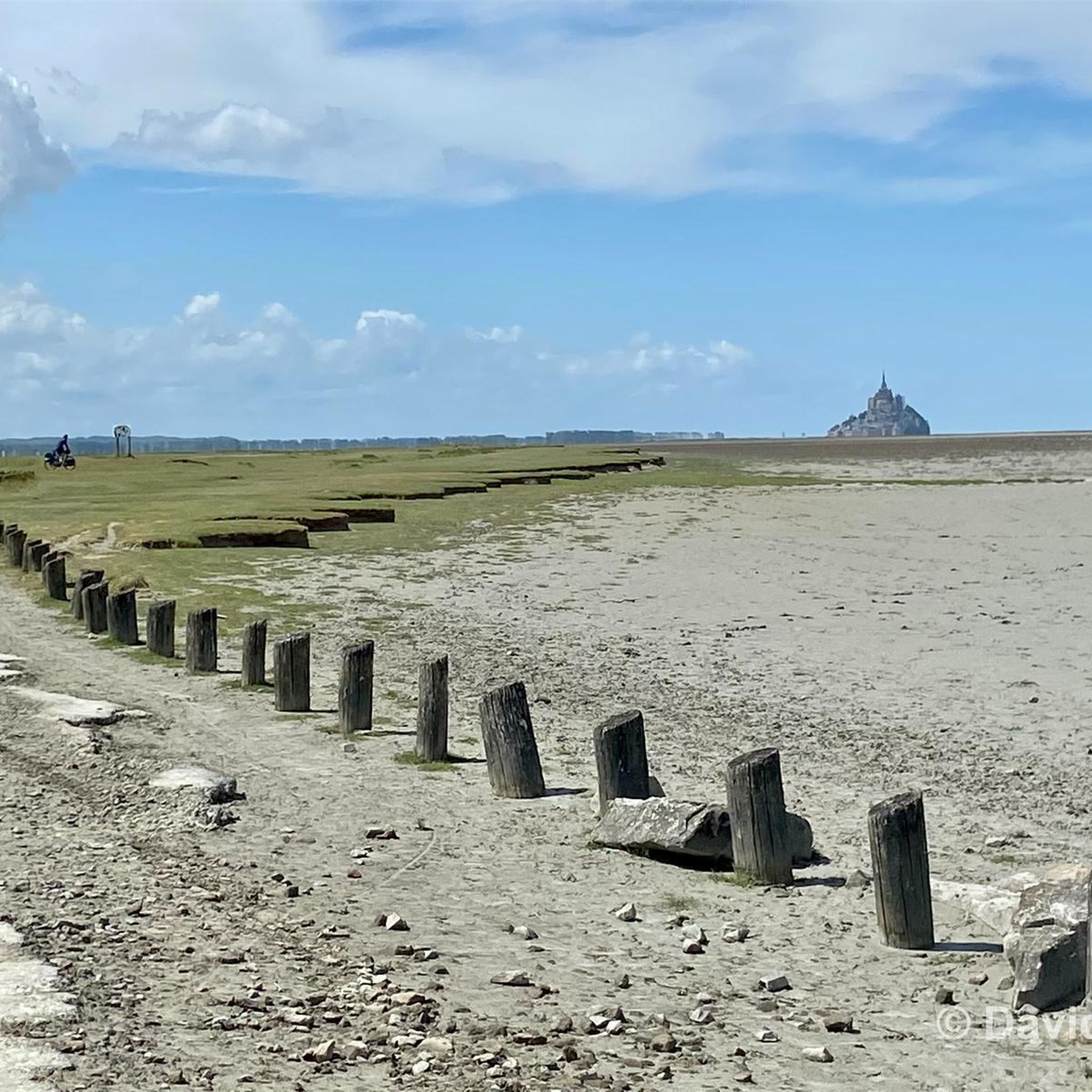
The Couesnon dike connects the mainland to Mont-Saint-Michel by crossing the polders. By bike, it offers a unique perspective of the bay and its expanses. This rolling, windy section gives the approach to the Mont its character.
0
0


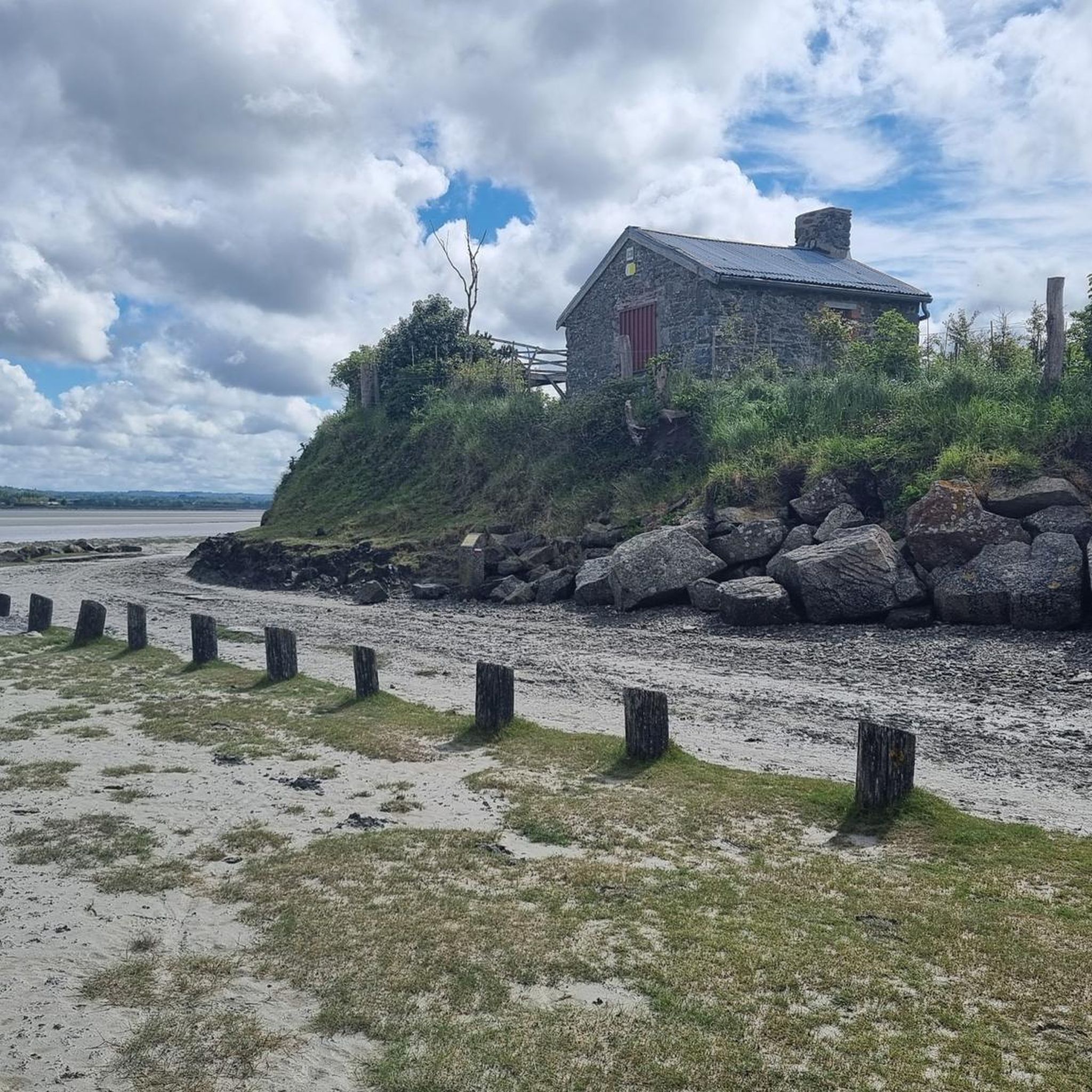
A forgotten part of Mont Saint-Michel, this chapel on the northwest side of the island. At low tide you can easily walk towards this chapel that is not otherwise open to visitors, but is nevertheless beautifully situated on the rocks below the famous monastery.
1
0
The dam from where you have a beautiful view of Mont Saint-Michel, but also where you can eat a good sandwich that you can buy at the bakery around the corner.
1
0
Frequently Asked Questions
What unique natural features can I explore around Céaux?
The region around Céaux is rich in natural features, primarily centered on the Mont Saint-Michel Bay. You can experience its dramatic tidal movements, extensive salt marshes, and unique ecosystems. The Couesnon River, flowing into the bay, also offers picturesque views and marshlands. Further afield, the Réserve Naturelle Régionale du Marais de Sougeal provides a significant wetland habitat.
Are there good viewpoints to observe the Mont Saint-Michel area?
Yes, several spots offer magnificent views. The Grouin du Sud is a popular viewpoint providing panoramic vistas of the Bay of Mont-Saint-Michel and the famous monastery island. Additionally, the Château d'Avranches, while a historical site, also offers beautiful views over the bay and the Sée valley.
What kind of wildlife can I expect to see in the natural monuments around Céaux?
The natural monuments around Céaux are known for their rich biodiversity. The salt marshes of the Mont Saint-Michel Bay are critical habitats for a wide array of flora and fauna. The Réserve Naturelle Régionale du Marais de Sougeal is particularly important for bird migration, hosting various species such as ducks, teals, and snipes, as well as raptors. It's also a reproduction area for pike.
Are there family-friendly natural monuments to visit near Céaux?
Many natural monuments in the area are suitable for families. The Mont Saint-Michel itself is considered family-friendly, offering a unique historical and natural experience. The Grouin du Sud viewpoint and the Banks of the Sélune at Pontaubault are also great for families, providing scenic views and opportunities for gentle exploration.
What outdoor activities can I do near these natural monuments?
The region offers diverse outdoor activities. You can explore the vast beaches of Mont Saint-Michel Bay at low tide, or enjoy hiking and cycling. For specific routes, you can find numerous MTB trails, road cycling routes, and running trails around Céaux, many of which pass by or offer views of these natural sites.
Are there historical sites that are also considered natural monuments?
Yes, the most prominent example is Mont Saint-Michel. While famous for its abbey, its unique island setting and the surrounding bay's dramatic tidal movements make it a significant natural monument as well. The Château d'Avranches also combines historical significance with natural beauty, offering views from its rocky perch.
What do visitors enjoy most about the natural monuments around Céaux?
Visitors frequently praise the breathtaking scenery, especially the dynamic landscape of the Mont Saint-Michel Bay with its iconic abbey. The rich biodiversity and opportunities for nature observation, particularly birdwatching in the salt marshes, are also highly appreciated. Many enjoy the diverse outdoor activities available, such as hiking and cycling, which allow for discovery of the area's natural beauty.
Can I access the natural monuments by public transport?
While Céaux itself is a small commune, the main natural monument, Mont Saint-Michel, is accessible by shuttle buses from nearby parking areas. For other natural sites like the Grouin du Sud or the Banks of the Sélune, public transport options might be limited, and a car or bicycle is often recommended for greater flexibility.
What is the best time to visit the natural monuments around Céaux?
The best time to visit largely depends on your interests. Spring and autumn offer pleasant weather for outdoor activities and birdwatching, with fewer crowds than the peak summer months. Summer provides warmer temperatures, ideal for exploring the bay at low tide, but can be busier. Observing the dramatic tides of Mont Saint-Michel Bay is a year-round spectacle, though tide times vary daily.
Are there any hidden natural gems near Céaux?
Beyond the well-known sites, the lower valley of the Couesnon River encompasses marshes that represent a valuable natural heritage, offering tranquil spots for nature observation. The Réserve Naturelle Régionale du Marais de Sougeal, while a protected area, is a less-trafficked gem for those interested in wetlands and birdlife.
Are there specific hiking routes to explore the natural monuments?
Yes, the area is ideal for hiking. The Véloscénie cycling route runs along the Couesnon River, offering picturesque views and can be explored on foot in sections. Numerous hiking trails allow visitors to discover the natural beauty of the surroundings, including paths along the coast and through the salt marshes. You can find detailed running trails that are also suitable for hiking.
What is the significance of the Mont Saint-Michel Bay's tides?
The Mont Saint-Michel Bay is renowned for its dramatic tidal movements, which are among the most prominent in France. These powerful tides create a unique and dynamic landscape, revealing vast expanses of sand and mudflats at low tide and transforming the area into a sea at high tide. This phenomenon significantly influences the bay's ecosystem and its rich biodiversity.
Most popular attractions around Céaux

Get inspired with the komoot mobile app


Explore more
Extend your search for the best caves by checking out these guides of the top ones around Céaux:
