Top 18 Natural Monuments around Larmor-Baden
Best natural monuments around Larmor-Baden are found within the Gulf of Morbihan, an area characterized by a unique blend of land and sea. This region features numerous islands, islets, and extensive coastal paths. The landscape supports diverse vegetation, offering insights into both the environment and ancient cultures. The Gulf itself is often cited as one of the most beautiful bays, providing a unique marine environment.
Best natural monuments around Larmor-Baden
- The most popular natural monuments is Dolmen des Pierres Plates…
Last updated: July 4, 2026
Dolmen des Pierres Plates
Highlight • Historical Site
Translated by Google •
Tip by

Bilgroix Point
Highlight • Viewpoint
Translated by Google •
Tip by

Sign up now to discover places like this
Get recommendations on the best single tracks, peaks, & plenty of other exciting outdoor places.
Sign up for free
Butte de César
Highlight • Historical Site
Translated by Google •
Tip by

Vincin Riverbanks
Highlight (Segment) • River
Translated by Google •
Tip by

Pointe de Brouel
Highlight • Viewpoint
This similarity in name with the nearby Pointe de Brouel on Île aux Moines originated four thousand …
Translated by Google •
Tip by
Sign up for free to discover even more natural monuments around Larmor-Baden.
Sign up for free
Already have an account?
Start today with a free account
Your next adventure awaits.
Login or Signup
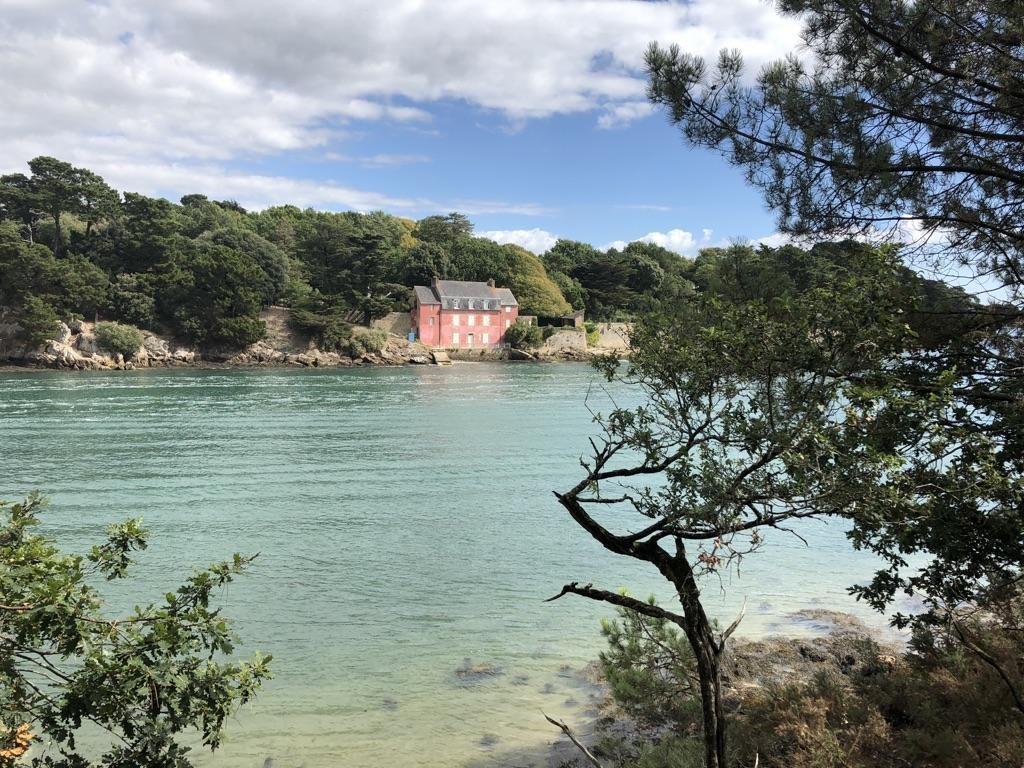
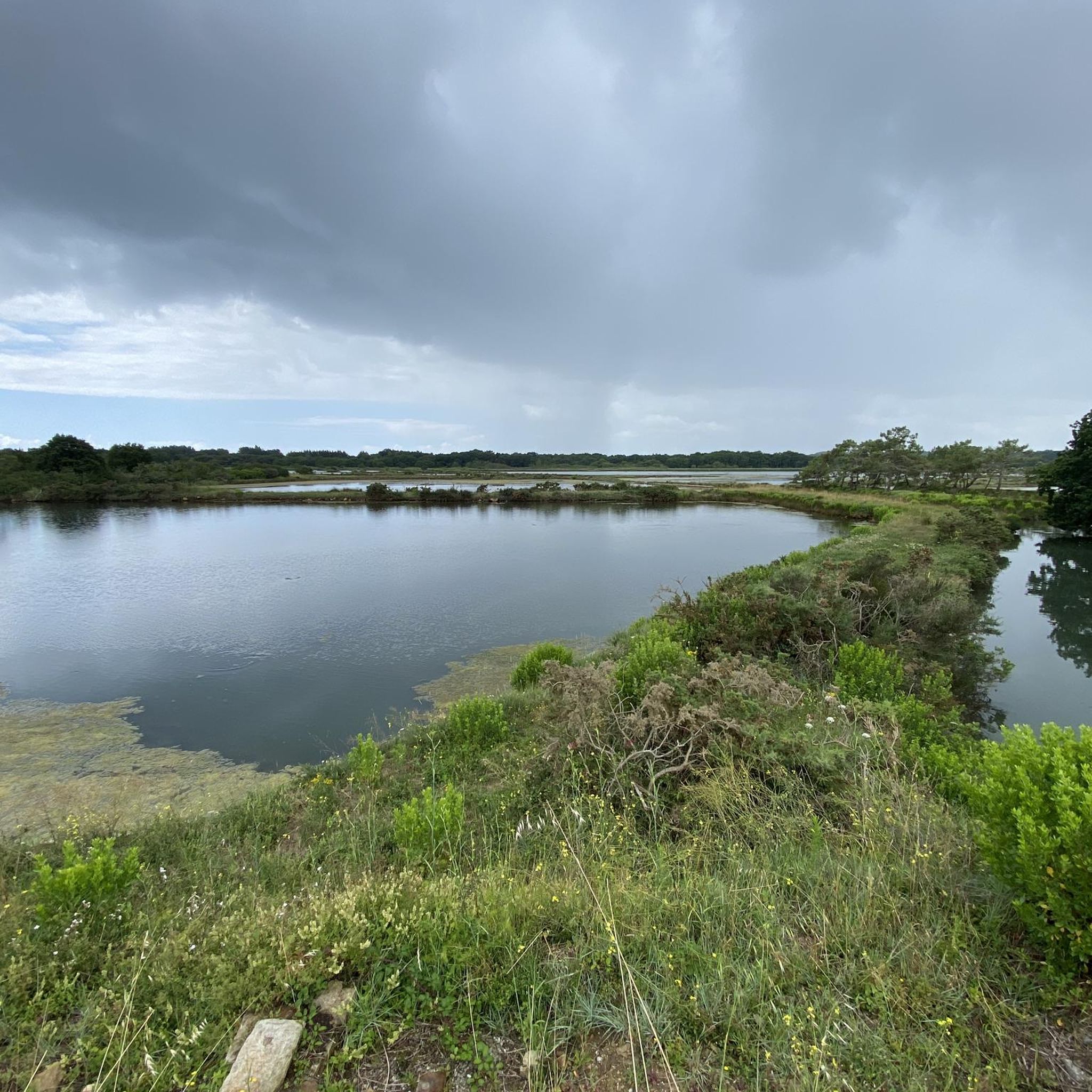
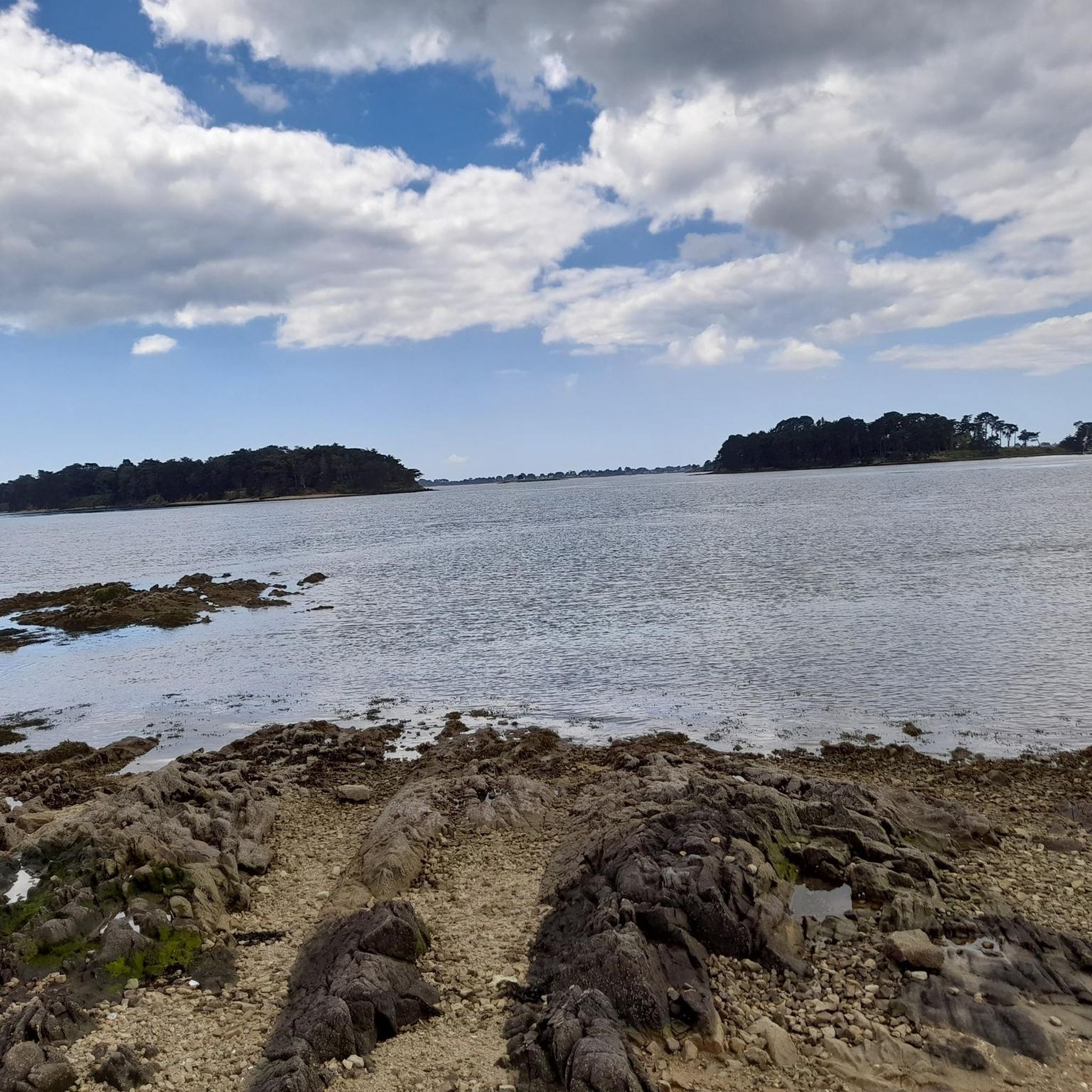
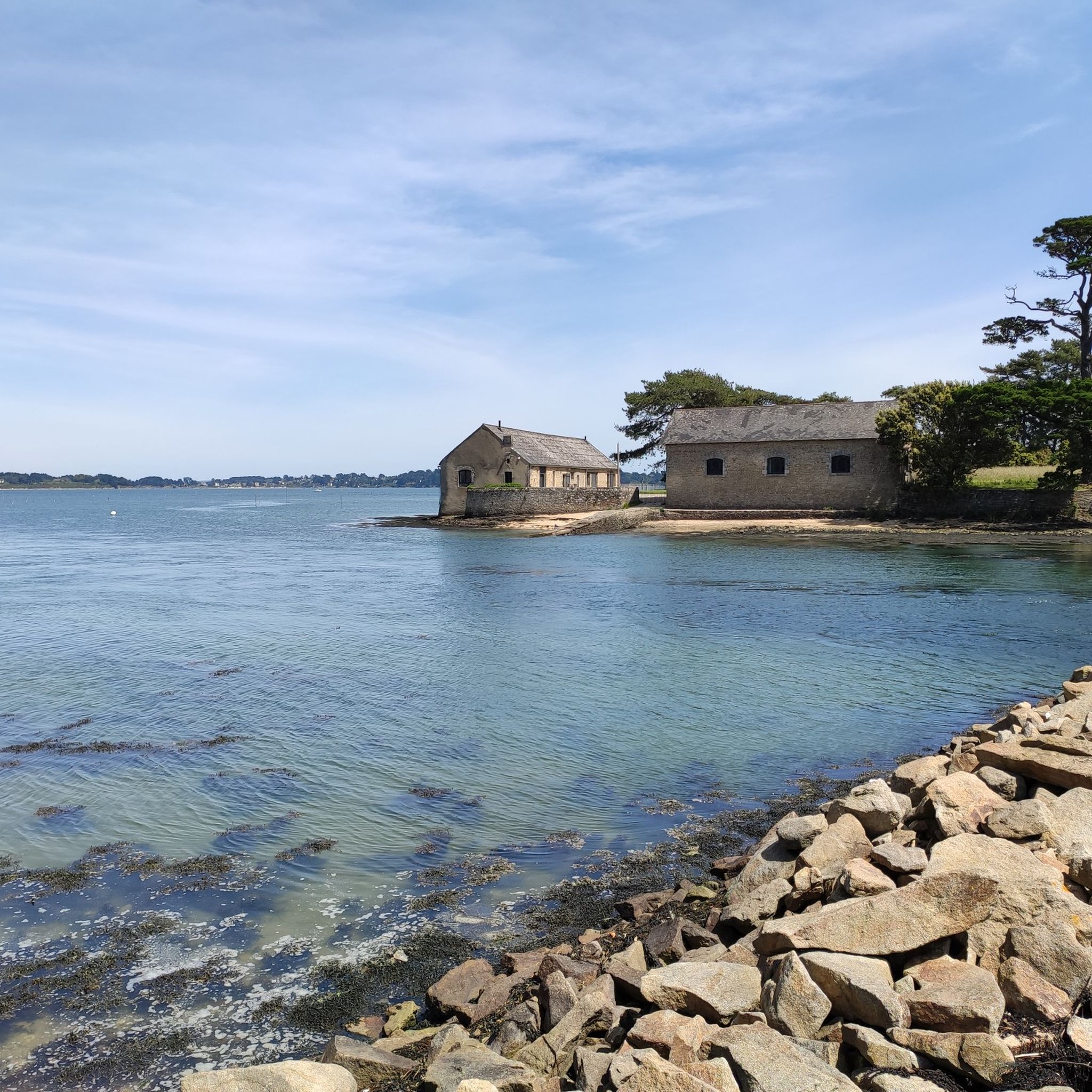

Other adventures around Larmor-Baden

Tips from the Community

A site full of history, with a magnificent view of the bay of Quiberon. Be sure to respect the regulations of the place!
0
0

Cycle the Rives du Vincin trail, which winds through a protected natural site teeming with biodiversity. This leisurely route follows the Vincin River and takes you through lush woodlands and wetlands that are home to a variety of native bird and plant species. The area is a designated nature reserve, ensuring that its rich ecosystem is preserved. The trail is largely flat, making it ideal for a relaxed stroll, with panoramic views inviting you to pause and appreciate the serenity of the place.
1
0

Interesting dolmen right by the sea.
1
0


The Tumiac tumulus is located in Arzon, on the Rhuys peninsula, south of the Gulf of Morbihan, in Brittany. It is also known as Caesar's Mound because, according to local legend, it served as an observatory for Julius Caesar during his war against the Veneti in 56 BC. This building belongs to the large "Carnacean" tumulus, burials of Neolithic elites, such as the Saint-Michel tumulus, in Carnac, and the Ruyk tumulus, in Locmariaquer. https://fr.m.wikipedia.org/wiki/Tumulus_de_Tumiac
0
0

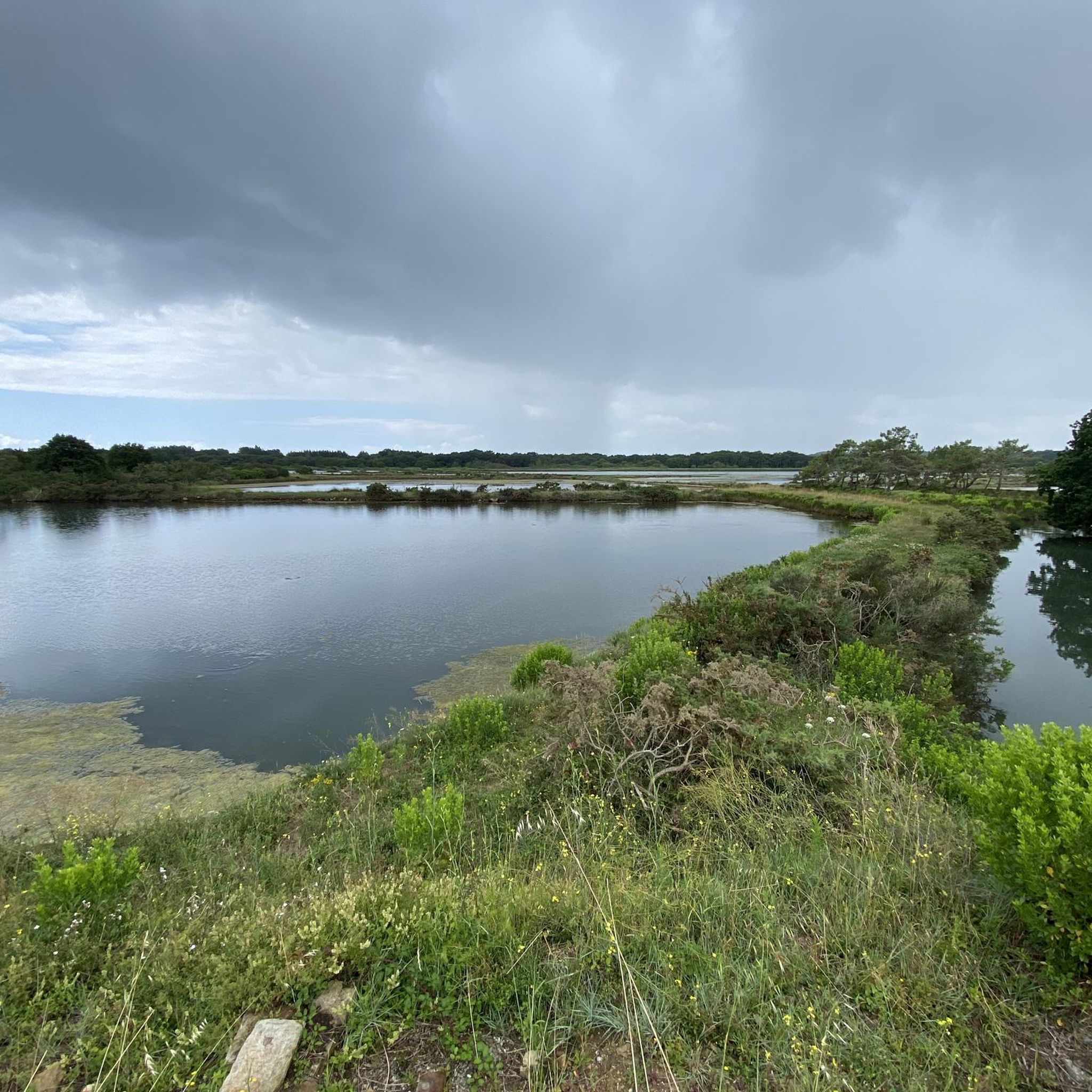
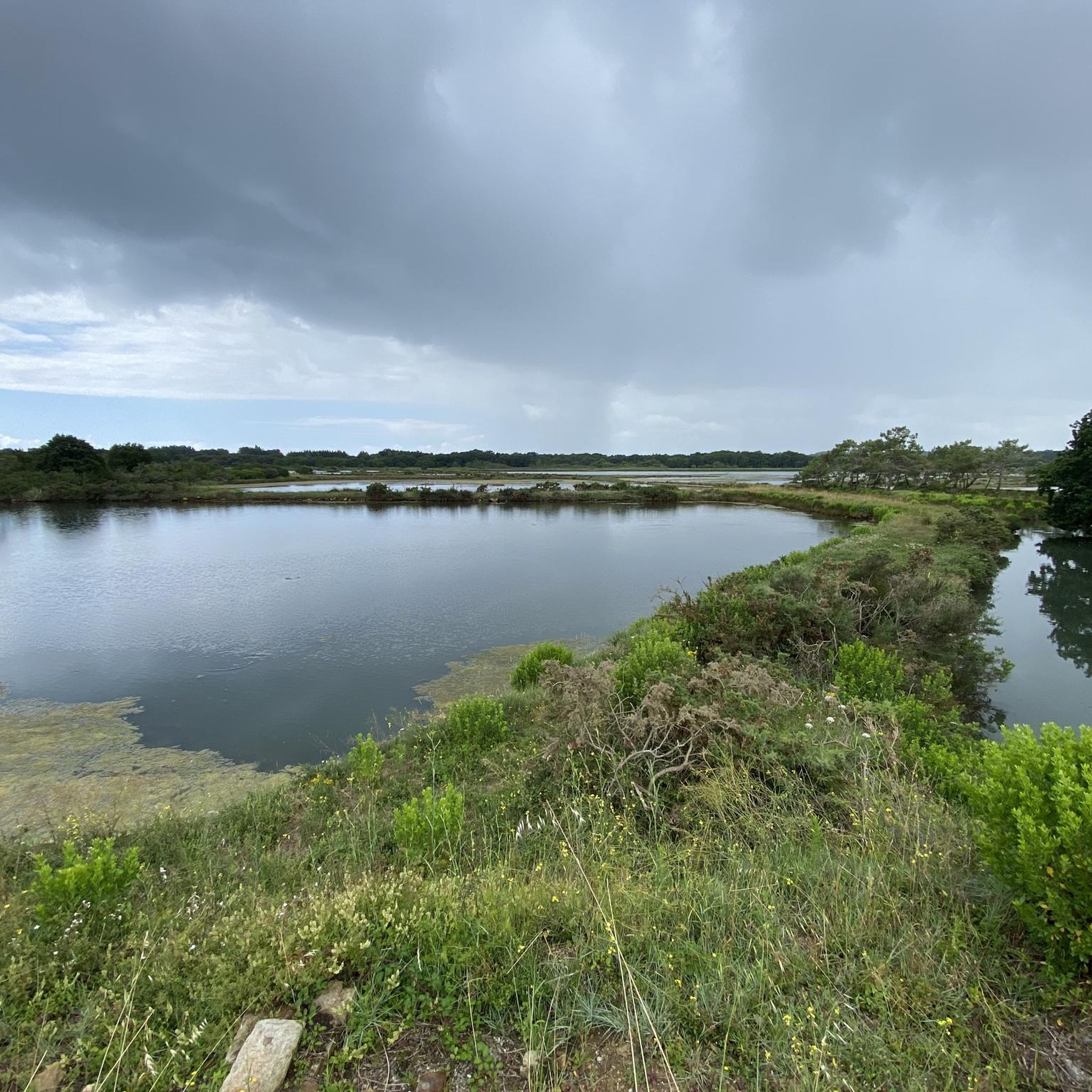
Beautiful views of the islands of the Gulf of Morbihan.
2
0

Pointe de Brouel is the westernmost part of the Island of Arz (Morbihan). This similarity in name with the nearby Pointe de Brouel on Île aux Moines originated four thousand years before our era, when the two islands were still connected by an isthmus. According to a legend, a young man from the Île d'Arz was madly in love with a young girl from the Île aux Moines, but her parents were opposed to his marriage and decided to entrust him to the monks. His beauty, however, joined him every day. The parents asked the superior of the monastery to chastise the couple. One evening, while Beauty was joining her lover on the isthmus, the sea separated the two islands and drowned the young girl.
1
0
Caesar's Mound is a tumulus 56 meters in diameter and 18 meters high. This pile of stones, covered with a layer of silt and black earth, was explored in 1853. Classified as a historical monument in 1926, the tumulus was the subject of further excavations and work in 1934, which uncovered several secondary burials. Unfortunately, the tumulus is currently closed indefinitely due to the risk of collapse.
2
0
Frequently Asked Questions
What unique natural features can I discover around Larmor-Baden?
The region is rich in unique natural features. You can explore Île de Berder, a tidal island known for its Mediterranean-like vegetation and accessibility on foot at low tide. The island also features the 'courant de la Jument,' one of Europe's strongest tidal currents. Additionally, the Vincin River Nature Reserve offers a protected site with diverse biodiversity, including native bird and plant species.
Are there any historical natural monuments in the area?
Yes, Larmor-Baden is home to significant historical natural monuments. The Dolmen des Pierres Plates is a fascinating megalithic site with a menhir and carved drawings, located directly by the sea. Another notable site is the Butte de César, a large tumulus classified as a historical monument, offering a glimpse into Neolithic burials.
What are the best viewpoints to experience the Gulf of Morbihan?
For stunning panoramic views of the Gulf of Morbihan, visit Bilgroix Point. From here, you can observe the strong tidal currents at the entrance to the Gulf and see various islands. The coastal path around Île de Berder also offers magnificent views of the Gulf and Île aux Moines.
Are there family-friendly natural monuments or activities suitable for children?
Several natural monuments are suitable for families. The Vincin River Nature Reserve has a largely flat trail, perfect for a relaxed stroll with children to observe wildlife. The walk across the submersible causeway to Île de Berder at low tide can be an exciting adventure, and the island's coastal path is an easy walk. Both Dolmen des Pierres Plates and Bilgroix Point are also considered family-friendly.
What outdoor activities can I do near these natural monuments?
The area around Larmor-Baden offers various outdoor activities. You can enjoy hiking, with routes like the 'Berder Island loop from Larmor-Baden' or the 'Tombolo of the Seven Islands – Sept-Îles Island loop from Landréan'. Cycling is also popular, with options such as the 'Moulin de Kervilio – Passage to Berder Island loop'. For more details on routes, explore the Hiking around Larmor-Baden or Cycling around Larmor-Baden guides.
What is the best time to visit the natural monuments around Larmor-Baden?
The Gulf of Morbihan benefits from a mild oceanic climate, making it pleasant to visit throughout much of the year. Spring and autumn offer comfortable temperatures for hiking and exploring, with fewer crowds. Summer is ideal for enjoying the coastal paths and water activities, though it can be busier. Always check tide times if you plan to visit tidal islands like Île de Berder.
How can I access Gavrinis Island and its famous Cairn?
Gavrinis Island, home to the ancient Cairn de Gavrinis, is accessible by a 15-minute boat crossing from Larmor-Baden. The island's natural setting provides an incredible panorama of the Gulf. Guided tours are necessary to visit the cairn itself, which is renowned for its intricately engraved walls.
Are there any natural monuments that are particularly good for birdwatching?
Yes, the Vincin River Nature Reserve is a designated nature reserve known for its rich ecosystem and opportunities to observe native bird species. The broader Gulf of Morbihan, with its numerous islands and coastal areas, also provides excellent birdwatching opportunities at various ponds and wetlands.
What kind of terrain can I expect on walks around Larmor-Baden's natural monuments?
The terrain varies, offering options for different fitness levels. Many coastal paths, such as the 2.5 km walk around Île de Berder, are relatively flat and easy. The trail along the Vincin River Nature Reserve is also largely flat. Some viewpoints, like Pointe de Brouel, might involve slightly more varied terrain but are generally accessible.
What do visitors enjoy most about the natural monuments in Larmor-Baden?
Visitors particularly enjoy the blend of natural beauty and historical significance. The unique experience of walking to Île de Berder at low tide, the stunning views from Bilgroix Point, and the ancient mysteries of sites like Dolmen des Pierres Plates are frequently praised. The tranquility and rich biodiversity of areas like the Vincin River Nature Reserve also receive high appreciation.
Are there any hidden gems among the natural monuments in the region?
While popular sites are well-known, exploring the smaller islands and coastal paths within the Gulf of Morbihan can reveal hidden gems. For instance, the natural setting of Gavrinis Island, beyond the famous cairn, offers tranquil spots and unique perspectives of the Gulf. The lesser-known sections of the coastal paths around Baden also provide peaceful natural exploration away from the main tourist hubs.
Can I find natural monuments that are suitable for intermediate-level hikers?
Yes, for those seeking a bit more challenge, some routes around the islands offer intermediate difficulty. For example, the 'Pointe du Berchis – Berder Island loop from Port Lagaden' is a moderate hike. The varied coastal paths and island explorations provide opportunities for longer walks with diverse scenery, such as the route to Pointe de Brouel.
Most popular routes around Larmor-Baden
Most popular attractions around Larmor-Baden

Get inspired with the komoot mobile app


Explore more
Extend your search for the best caves by checking out these guides of the top ones around Larmor-Baden:
