Top 4 Natural Monuments around Marchastel
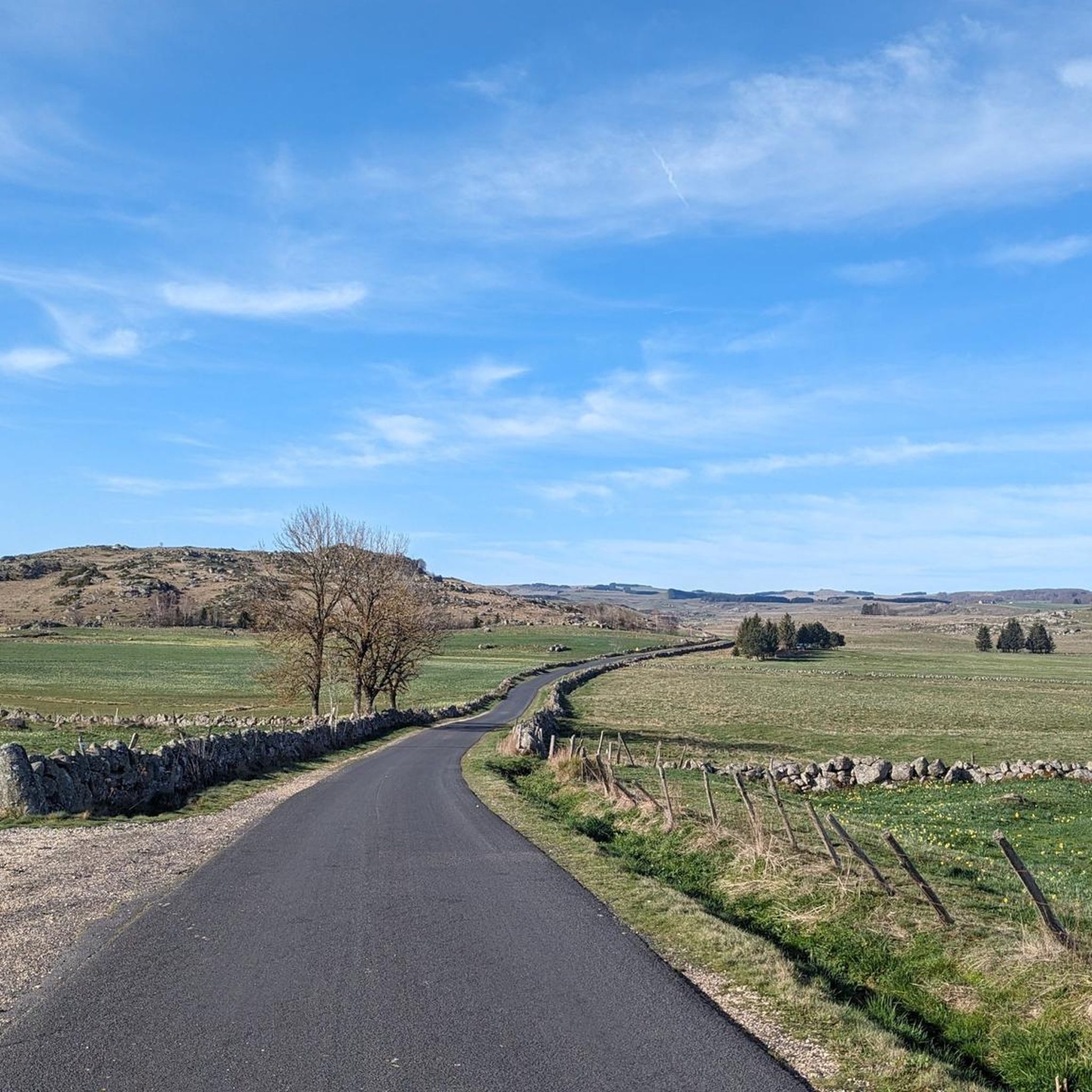
Best natural monuments around Marchastel showcase the region's unique geological history and biodiversity within the Aubrac plateau in Lozère. This area features a landscape shaped by ancient volcanic activity and glacial forces. Visitors can explore prominent peaks, striking rock formations, and ecologically significant wetlands. The natural features offer opportunities to connect with the wild beauty of the area.
Best natural monuments around Marchastel
- The most popular natural monuments is Cascade du Déroc, a waterfall where the Ganbaïse stream falls from a 30-meter basalt ravine. Its ceiling reveals the typical prisms of lava flows that formed the region.
- Another must-see spot is Signal de Mailhebiau, a summit at an altitude of 1,469 meters. It offers a 360° view of Aubrac, with an orientation table to identify surrounding peaks.
- Visitors also love Basalt Columns of the Ruisseau des Plèches, where superb geological formations, specifically basalt organs, can be observed near the Negro Bridge. This site provides views of an arid mountainous landscape.
- Marchastel is known for its waterfalls, volcanic peaks, and unique geological formations. The area offers a variety of natural monuments to see and explore, reflecting its diverse geological past.
- The natural monuments around Marchastel are appreciated by the komoot community, with over 130 upvotes and 80 photos shared.
Last updated: July 4, 2026
Cascade du Déroc
Highlight • Waterfall
Translated by Google •
Tip by

Basalt Columns of the Ruisseau des Plèches
Highlight • Natural Monument
Translated by Google •
Tip by

Sign up now to discover places like this
Get recommendations on the best single tracks, peaks, & plenty of other exciting outdoor places.
Sign up for free
Signal de Mailhebiau
Highlight • Summit
Translated by Google •
Tip by
Climb up to Croix de la Roda
Highlight (Segment) • Climb
Tip by

Touzes Waterfall
Highlight • Waterfall
Translated by Google •
Tip by

Sign up for free to discover even more natural monuments around Marchastel.
Sign up for free
Already have an account?
Start today with a free account
Your next adventure awaits.
Login or Signup
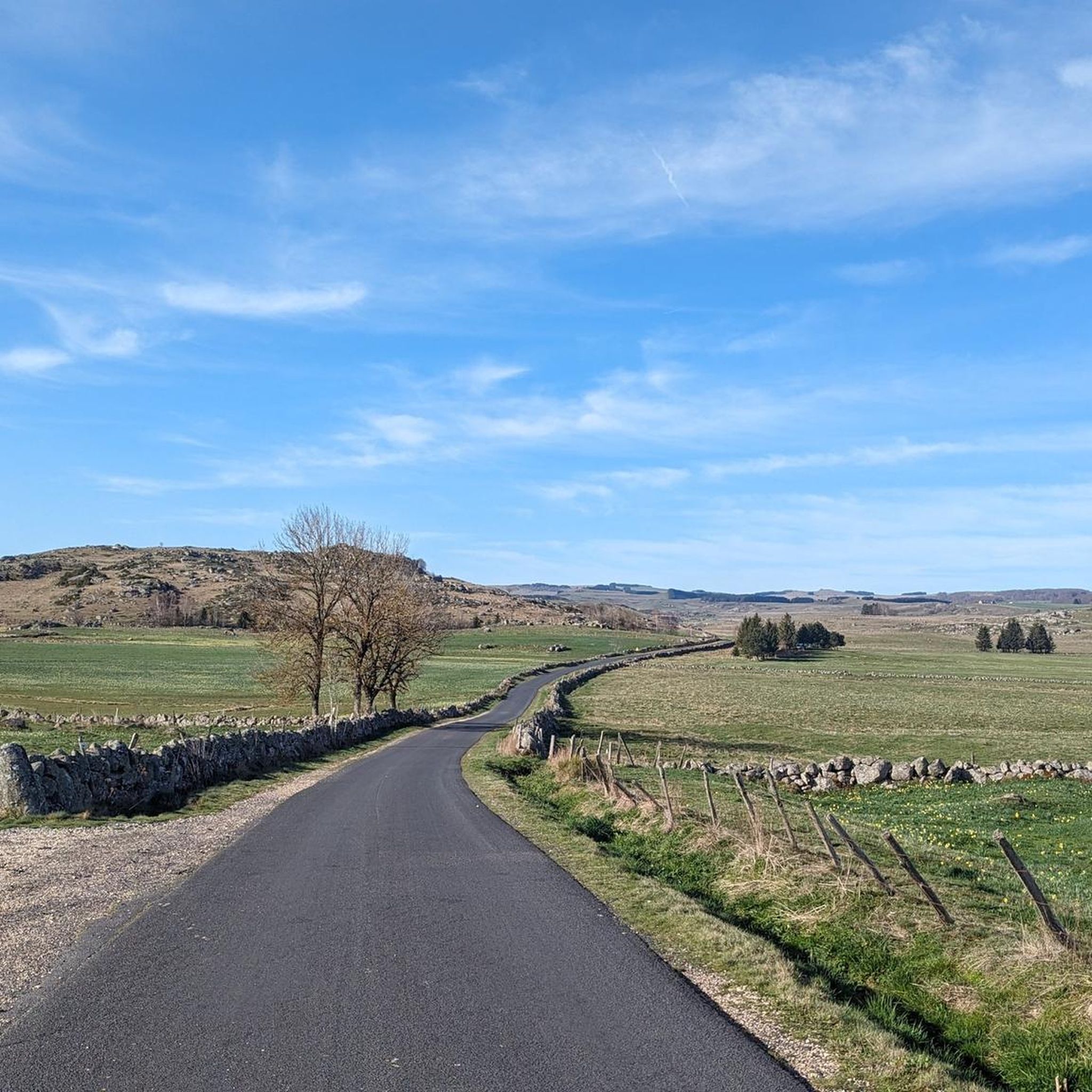
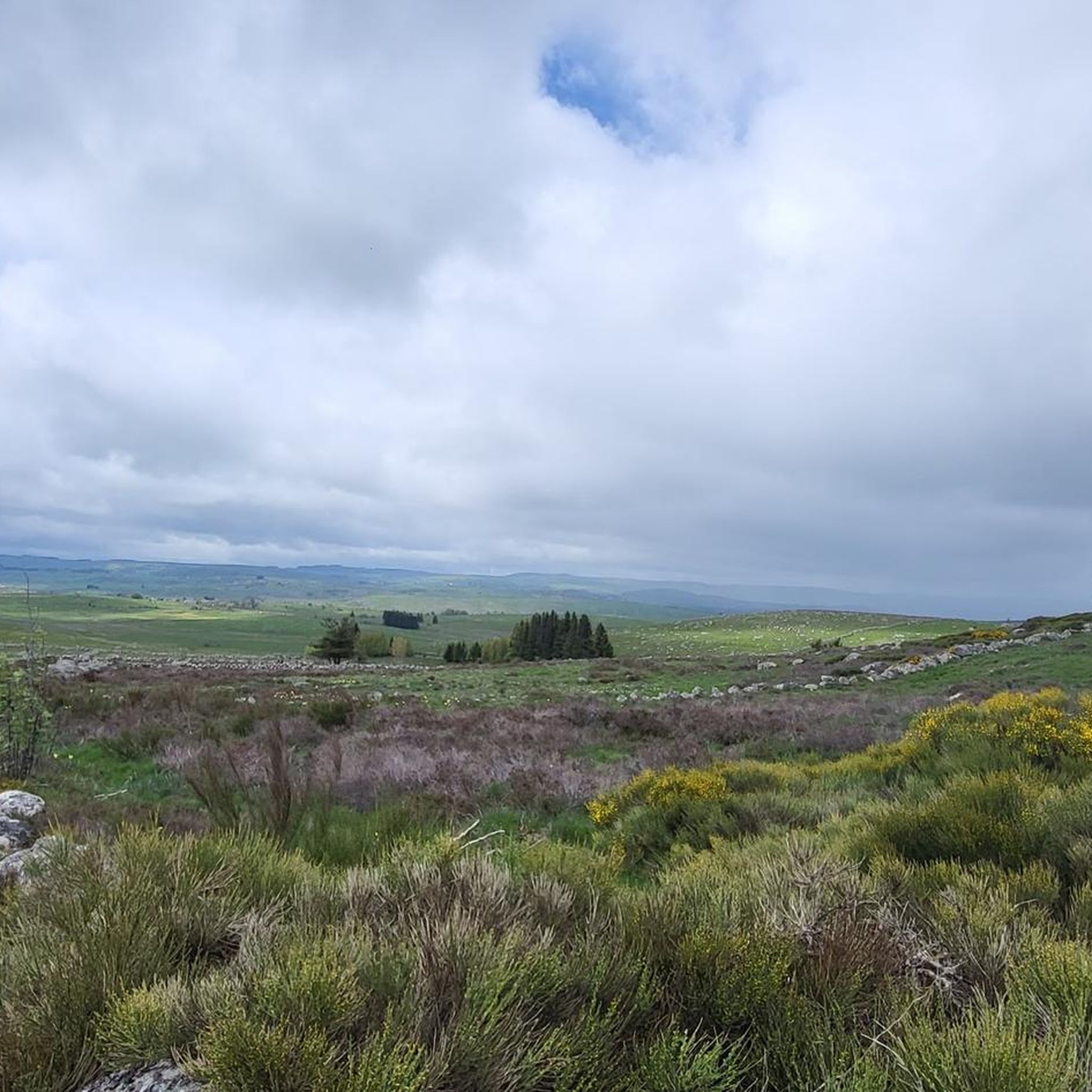
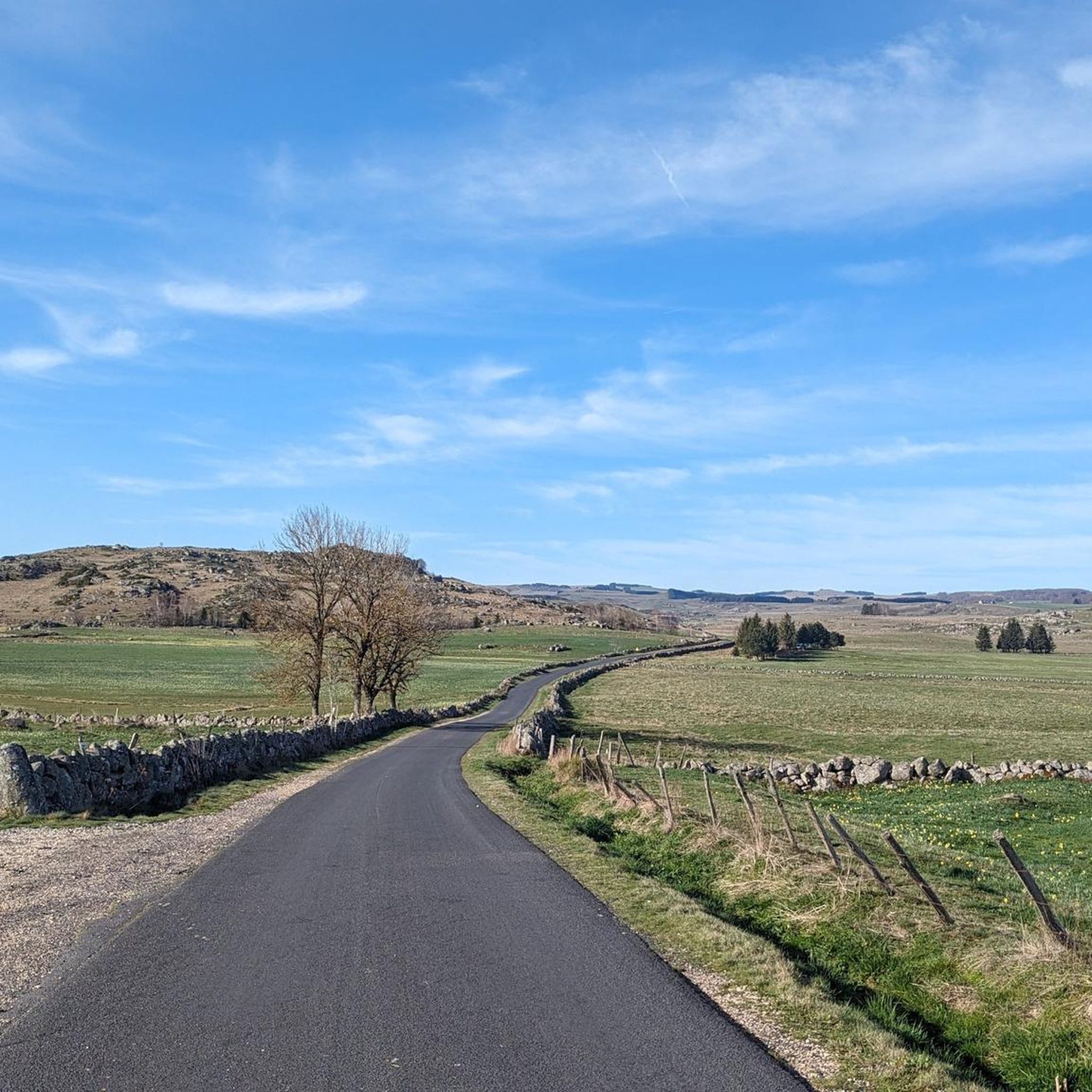
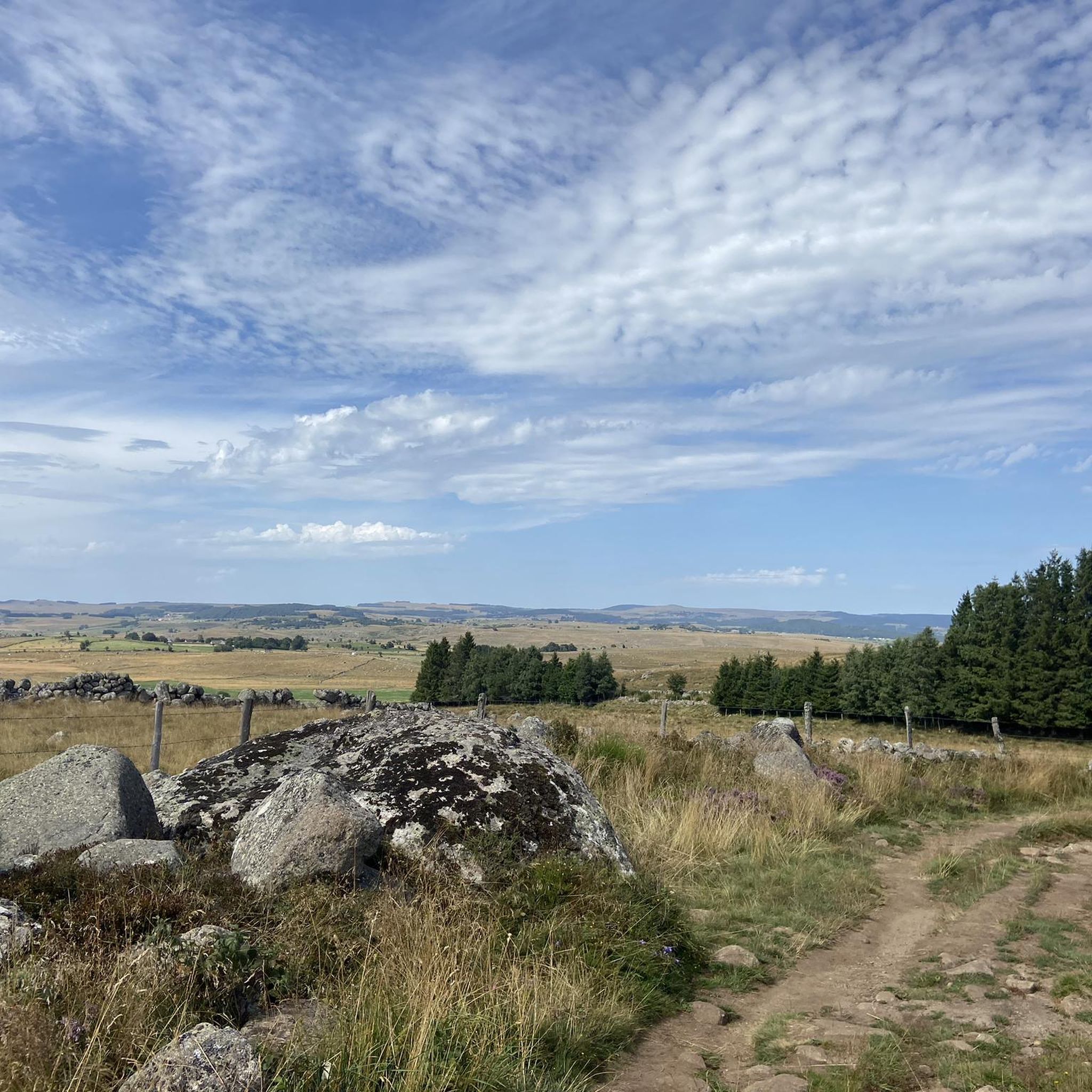

Tips from the Community

La croix de la rode, a very particular cross with its circle around it!
0
0

We passed and enjoyed this during our Camino trip in 2025: https://youtu.be/iWACUDABfUc
0
0


The trail is just to the right after the bridge
0
0

At the level of the Negro Bridge which passes over the Stream of Arrows, you can observe superb geological formations. In this case, they are basalt organs.
1
0

Magnificent and practicable place for all types of walkers.
0
0


Located in the Touzes canyon, this waterfall offers an enchanting setting. The water flows over the black rocks covered with moss and promotes the emergence of lush vegetation.
0
0
Frequently Asked Questions
What are some of the most remarkable natural monuments to visit around Marchastel?
Marchastel and its surroundings offer a variety of remarkable natural monuments. You can explore the stunning Cascade du Déroc, where the Ganbaïse stream plunges 30 meters over basalt formations. Another highlight is the Signal de Mailhebiau, the highest point in Aubrac, offering a magnificent 360° panoramic view. Don't miss the unique Basalt Columns of the Ruisseau des Plèches, showcasing impressive geological formations.
Are there any natural monuments with historical significance in the Marchastel area?
Yes, the region combines natural beauty with historical elements. For instance, Croix de la Roda, while a natural peak, is a significant landmark. Additionally, the Touzes Waterfall is nestled in a canyon that has been shaped over millennia. The Pont de Marchastel, a 16th-century bridge, is a man-made structure but is often highlighted for its natural surroundings and the views it provides of the Bès river ecosystem.
What kind of geological features can I expect to see around Marchastel?
Marchastel is rich in geological wonders shaped by ancient volcanic activity and glacial forces. You'll find impressive basalt formations, such as the 30-meter ravine at Cascade du Déroc and the unique Basalt Columns of the Ruisseau des Plèches. The region also features volcanic peaks like La Motte de Marchastel (Pic de Marchastel), a basalt neck polished by ancient glaciers, and glacial erratic blocks, particularly around Puech del Pont, which are granite blocks deposited by melting ice caps.
Are there family-friendly natural monuments or walks near Marchastel?
Many natural monuments in the Marchastel area can be enjoyed by families, depending on the specific trail chosen. While some climbs like Croix de la Roda are more challenging, sites like the Cascade du Déroc offer accessible viewing points. Lac de Born, with its serene environment and opportunities for wildlife observation, can also be a peaceful family outing. Always check the difficulty of specific routes before heading out with children.
What outdoor activities can I do near these natural monuments?
The natural monuments around Marchastel are excellent starting points for various outdoor activities. You can enjoy hiking on trails like the 'Marchastel Bridge – Cascade du Déroc loop' or the 'Roc des Loups loop'. For cycling enthusiasts, there are numerous road cycling and touring bicycle routes, including those passing through the Aubrac Pass or offering magnificent views of the plateau. Find more details on routes in the Hiking around Marchastel, Road Cycling Routes around Marchastel, and Cycling around Marchastel guides.
Where can I find panoramic views of the Aubrac plateau?
For breathtaking panoramic views of the Aubrac plateau, head to the Signal de Mailhebiau, which is the highest point in Aubrac at 1,469 meters and features an orientation table. Another excellent spot is La Motte de Marchastel (Pic de Marchastel), a volcanic peak offering expansive vistas. The Roc des Loups also provides a magnificent viewpoint over the plateau, known for its unique stone spirals.
Are there any lakes or significant water bodies in the area?
Yes, Lac de Born is a significant natural monument near Marchastel. This 151-hectare lake is surrounded by wetlands and peat bogs, making it an important ecological site. It provides a habitat for various protected species, including the European otter and curlew, and unique flora like *Drosera rotundifolia* (round-leaved sundew). You can often spot herds of Aubrac cows grazing around the lake, adding to the picturesque landscape.
What is the best time of year to visit the natural monuments around Marchastel?
The best time to visit the natural monuments around Marchastel largely depends on your preferred activities. Spring and summer offer lush landscapes, pleasant hiking conditions, and opportunities to see diverse flora and fauna, especially around Lac de Born. Autumn brings beautiful colors to the plateau. While some areas might be accessible for winter hiking, be prepared for rugged and exposed conditions, particularly at higher elevations like Croix de la Roda.
What do visitors enjoy most about the natural monuments in Marchastel?
Visitors frequently praise the wild beauty and diverse landscapes of Marchastel's natural monuments. The Cascade du Déroc is often described as 'truly idyllic' and 'magnificent' for its unique basalt formations. The 360° views from Signal de Mailhebiau are a major draw, and the Touzes Waterfall is appreciated for its 'enchanting setting' and lush vegetation. The geological insights offered by sites like the Basalt Columns of the Ruisseau des Plèches are also highly valued.
Are there any natural monuments that are particularly good for wildlife observation?
Lac de Born is an excellent spot for wildlife observation. Its extensive wetlands and peat bogs provide a crucial habitat for various protected and endangered species, including the European otter and the curlew. You might also encounter unique flora like *Drosera rotundifolia* (round-leaved sundew) and observe herds of Aubrac cows grazing in the surrounding pastures, which are characteristic of the region's natural landscape.
Can I find any unique rock formations or geological curiosities?
Absolutely. The Marchastel area is a geological treasure trove. Besides the impressive Basalt Columns of the Ruisseau des Plèches and the basalt ravine at Cascade du Déroc, you can explore the Roc des Loups, a striking granite chaos known for its unique spirals of stones. The landscape also features numerous glacial erratic blocks, large granite stones deposited by ancient glaciers, particularly visible near Puech del Pont, which itself is a granite summit with a distinctive 'whaleback' profile.
Most popular routes around Marchastel
Most popular attractions around Marchastel

Get inspired with the komoot mobile app


Explore more
Extend your search for the best caves by checking out these guides of the top ones around Marchastel:
