Top 8 Natural Monuments around Lanmodez
Best natural monuments around Lanmodez include dramatic coastal features and unique geological formations. This commune in Brittany, France, provides access to sites known for their geological significance and natural beauty. The region is characterized by its rugged coastline, granite landscapes, and diverse ecosystems. Visitors can explore a variety of natural landmarks that showcase the raw power of nature and coastal evolution.
Best natural monuments around Lanmodez
- The most popular natural monuments is The Plougrescant Chasm, a natural monument characterized…
Last updated: October 7, 2026
The Plougrescant Chasm
Highlight • Natural Monument
Translated by Google •
Tip by

Beauport Abbey
Highlight • Monument
Translated by Google •
Tip by

Sign up now to discover places like this
Get recommendations on the best single tracks, peaks, & plenty of other exciting outdoor places.
Sillon de Talbert viewpoint
Highlight • Beach
Translated by Google •
Tip by

Lovers' Rock
Highlight • Natural Monument
Translated by Google •
Tip by

The house between the rocks
Highlight • Natural Monument
Translated by Google •
Tip by

Sign up for free to discover even more natural monuments around Lanmodez.
Already have an account?
Start today with a free account
Your next adventure awaits.
Tips from the Community

Very impressive. A great photo opportunity in a beautiful landscape.
0
0


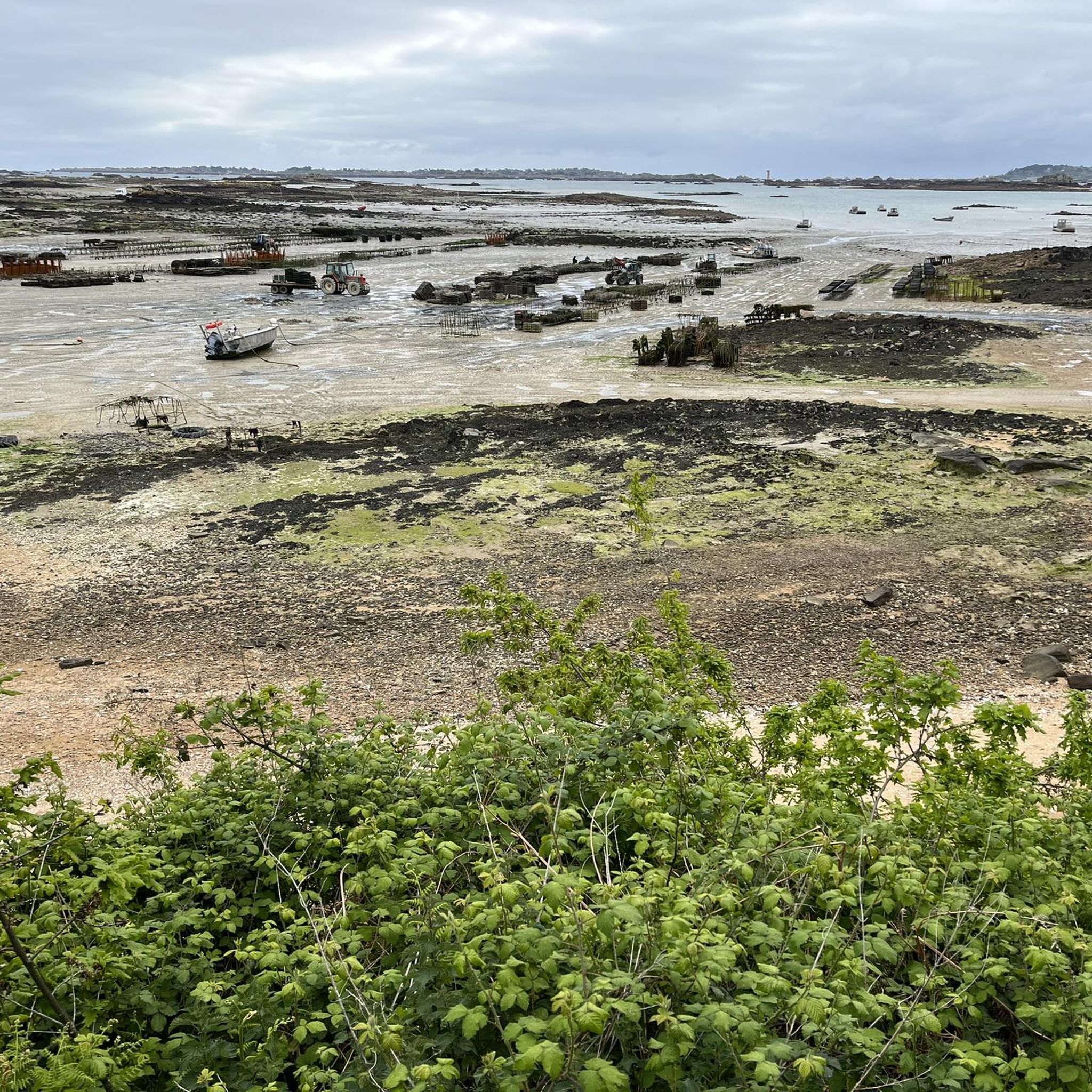
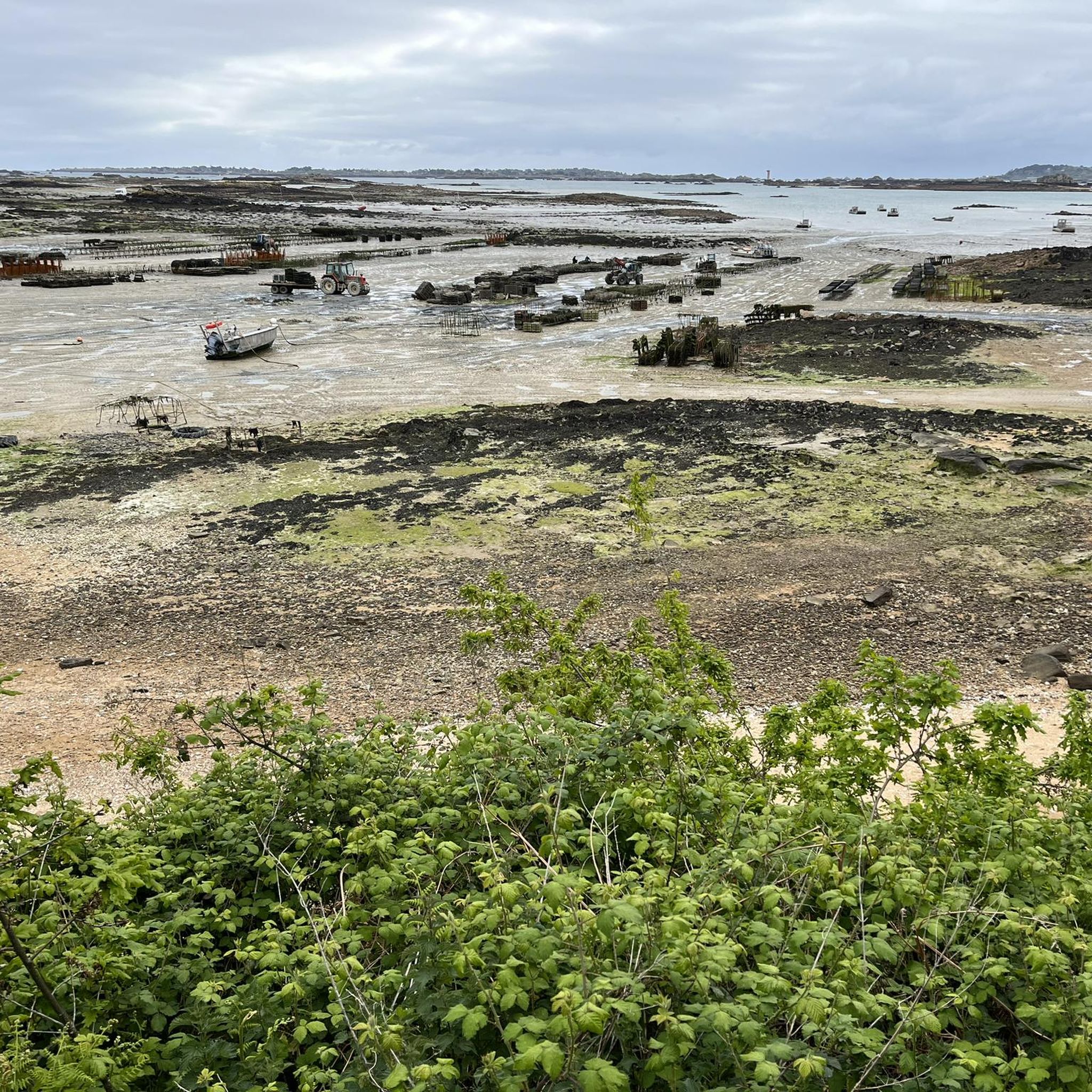
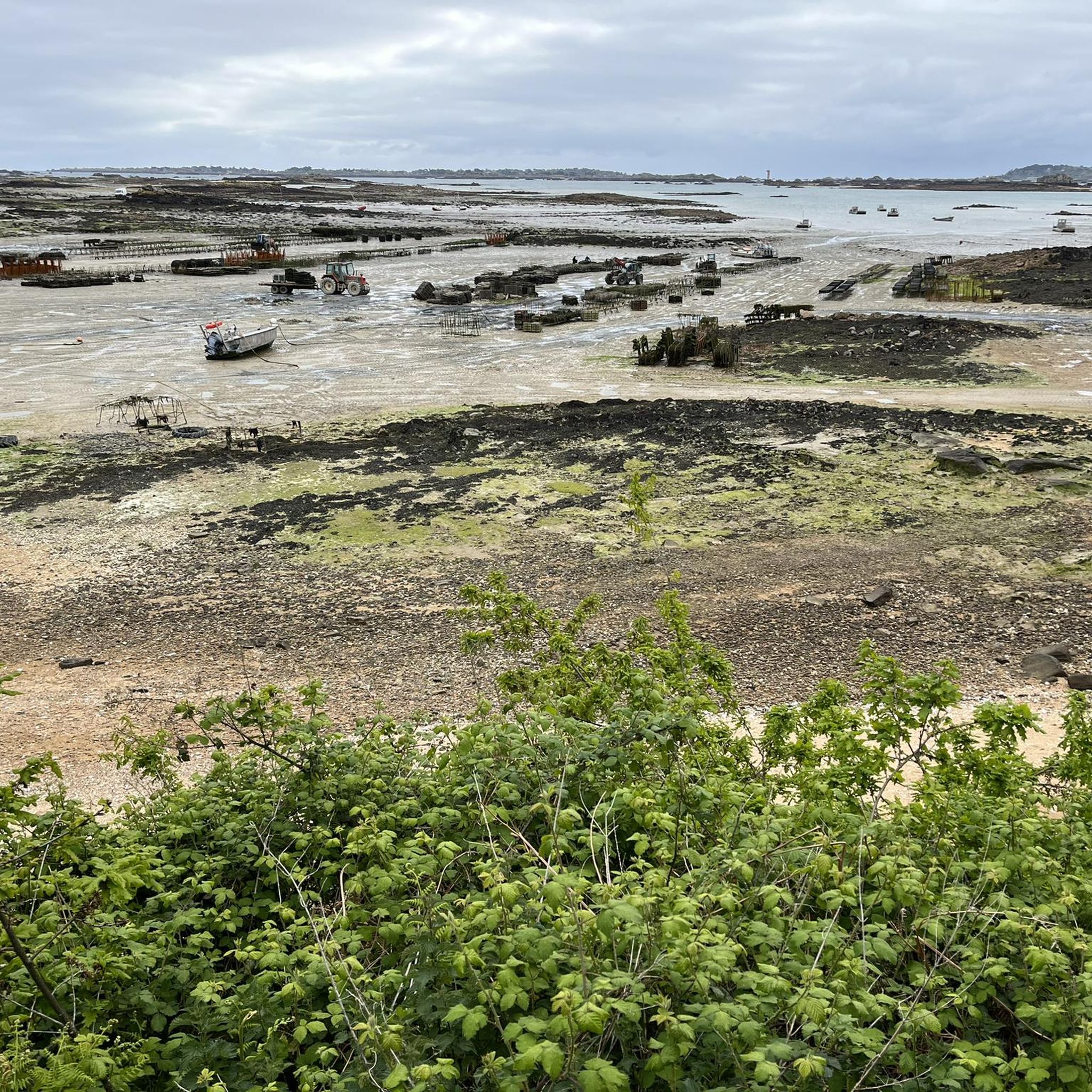
Hike on the wild coast with beautiful views of the Bréhat archipelago
0
0


A very beautiful monastery ruin. All descriptions of the individual sights are multilingual, so you can get by very well even without sufficient knowledge of French.
1
0

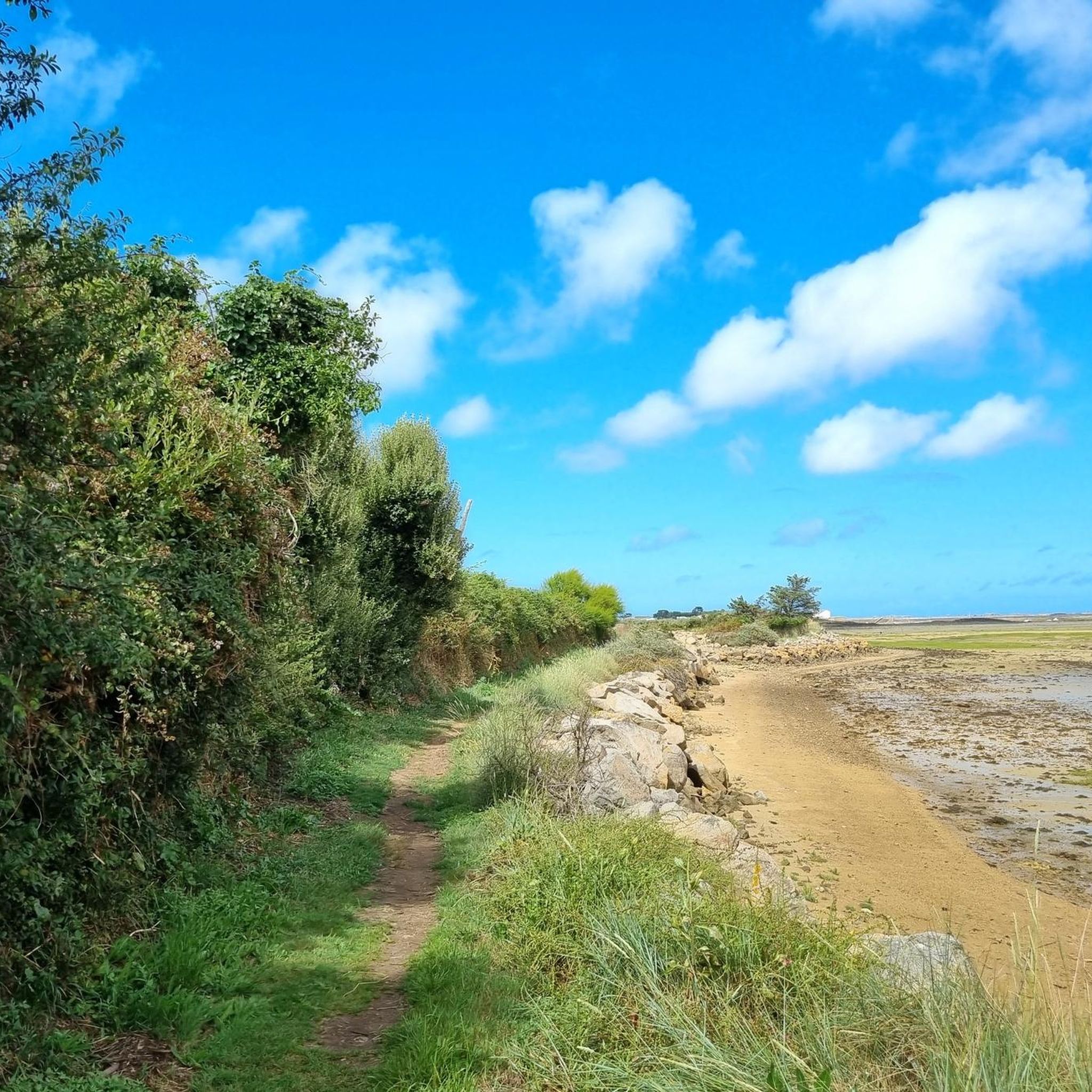
A coastal strip of sand and pebbles extending 3.2 km into the sea, the Sillon is a geomorphological curiosity unique in Europe due to its size. (cotesdarmor.com) It is forbidden to cycle on the Sillon.
0
0

Going in the evening or late afternoon is the most worthwhile from a photographic point of view, provided that the sun is shining
0
0

Bay and rock formations near Plougrescant.
2
1
Frequently Asked Questions
What are the most popular natural monuments to visit around Lanmodez?
The most popular natural monuments include the dramatic Plougrescant Chasm, known for its jagged shoreline and crashing waves, and the unique Sillon de Talbert, a long coastal spit of sand and pebbles extending into the sea. Visitors also appreciate Lovers' Rock, a scenic spot featuring two embracing rock formations.
Are there family-friendly natural monuments near Lanmodez?
Yes, several natural monuments are suitable for families. The Plougrescant Chasm is categorized as family-friendly, offering an impressive landscape for exploration. The Sillon de Talbert is also great for families, providing wide-open spaces for walking and nature observation, though it's important to check tide times for safe access.
What unique geological features can I expect to see?
The region is rich in geological wonders. At the Plougrescant Chasm, you'll find 'granite chaos' – rocky heaps formed from less degraded granite – and 'tombolos,' which are transverse pebble strips. The Sillon de Talbert is a remarkable geomorphological curiosity, a 3.2-kilometer-long coastal spit made of sand and pebbles, constantly evolving with the elements.
What is the best time to visit the natural monuments around Lanmodez?
The best time to visit is generally during periods of good weather, allowing for comfortable exploration of the coastal paths and natural sites. For the Sillon de Talbert, it's crucial to visit during low tide, as the spit is only fully passable for a few hours. Always check local tide tables before planning your visit to the Sillon.
Are there hiking trails near these natural monuments?
Absolutely. The area around Lanmodez offers numerous hiking opportunities. For instance, you can find trails like the 'Sillon de Talbert – Mer Melen loop' or the 'Pen Vir Viewpoint – Port la Chaîne loop' which allow you to explore the stunning coastline and natural monuments. You can find more details on these and other routes in the Hiking around Lanmodez guide.
Can I bring my dog to the natural monuments?
While many outdoor areas in Brittany are dog-friendly, specific regulations can vary for protected natural sites. For example, the Sillon de Talbert is a vital biodiversity haven and nesting ground for birds, so dogs may need to be kept on a leash or restricted in certain areas to protect wildlife. It's always best to look for local signage or check with local tourism offices for specific rules regarding pets at each site.
How long should I plan to spend at these natural monuments?
The time needed varies by site. For the Plougrescant Chasm, you might spend 1-2 hours exploring the dramatic coastline and rock formations. The Sillon de Talbert, being 3.2 kilometers long, can take 2-3 hours for a full walk, especially if you stop for nature observation. Lovers' Rock is a quicker stop, often combined with other coastal walks.
Are there any cycling routes that pass by these natural monuments?
Yes, there are cycling routes that allow you to experience the natural beauty of the area. For example, the 'Around the Sillon de Talbert — loop' is an easy cycling route that takes you near this unique natural monument. You can discover more cycling options in the Cycling around Lanmodez guide.
What kind of wildlife can be spotted at these natural sites?
The Sillon de Talbert is a significant site for ornithology, serving as a crucial nesting ground for wading birds like the Ringed Plover and Kentish Plover, and a migration/wintering spot for many other shorebirds. Its ecological richness also supports over 100 protected plant species, such as blue thistle and sea kale.
Is public transport available to reach the natural monuments?
While specific public transport routes directly to every natural monument might be limited, Lanmodez itself has some public transport access. For sites like the Sillon de Talbert, it's advisable to check local bus schedules or consider driving, as parking is often available nearby. Planning ahead is recommended for accessing more remote coastal areas.
Are there cafes or restaurants near the natural monuments?
Yes, particularly near the more popular sites. For instance, near the Sillon de Talbert Nature Reserve, there are mentions of an excellent restaurant and a bar creperie with sensational views. In the villages surrounding the natural monuments, you can typically find options for dining and refreshments.
What should I wear when visiting the coastal natural monuments?
Given the coastal environment, it's recommended to wear comfortable walking shoes suitable for uneven terrain, as paths can be rocky or sandy. Layers of clothing are advisable, as weather conditions can change quickly, and a windproof/waterproof jacket is often useful due to the sea breeze and potential for spray, especially at sites like the Plougrescant Chasm.
Most popular attractions around Lanmodez

Get inspired with the komoot mobile app


Explore more
Extend your search for the best caves by checking out these guides of the top ones around Lanmodez:
