Top 8 Natural Monuments around Bonnières-Sur-Seine
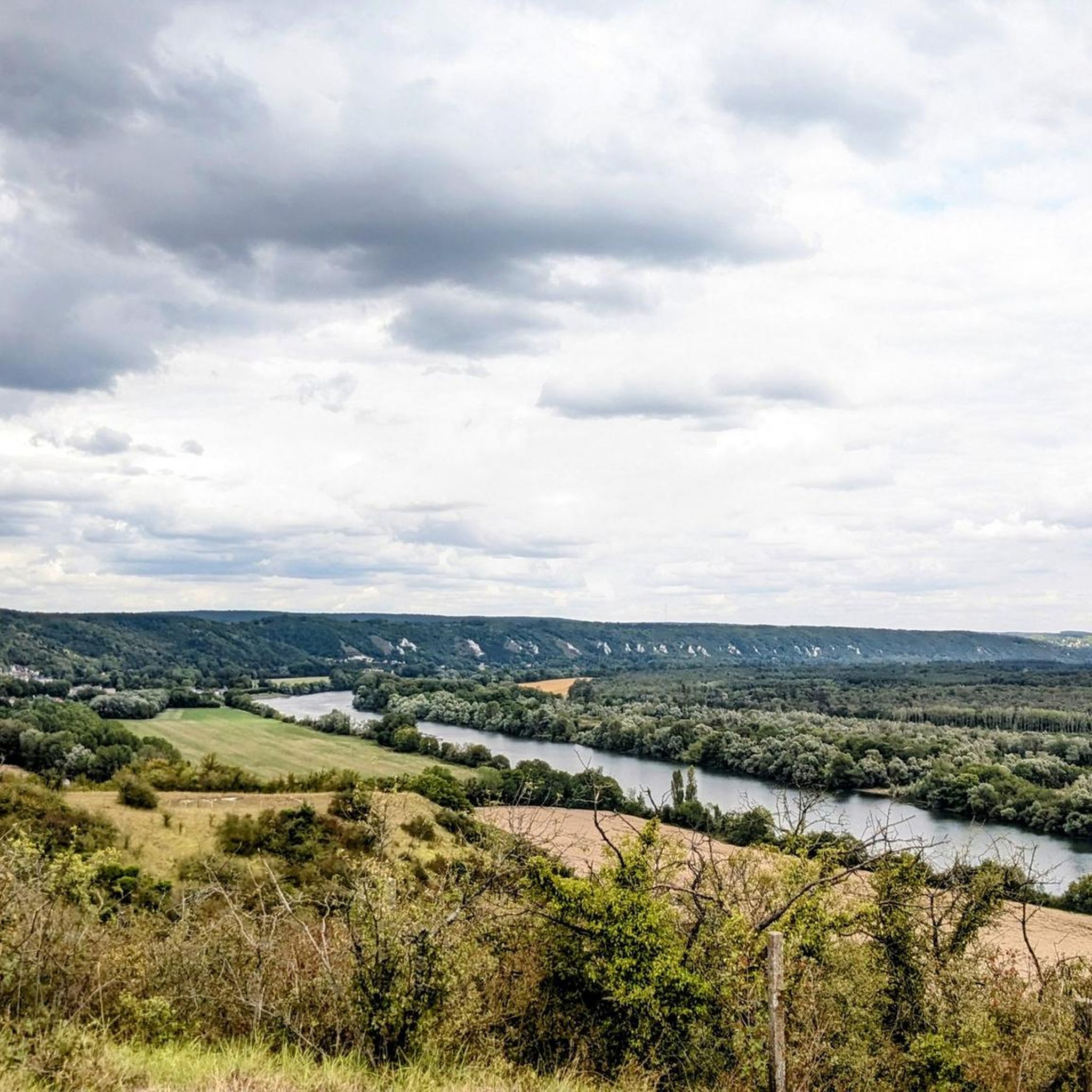
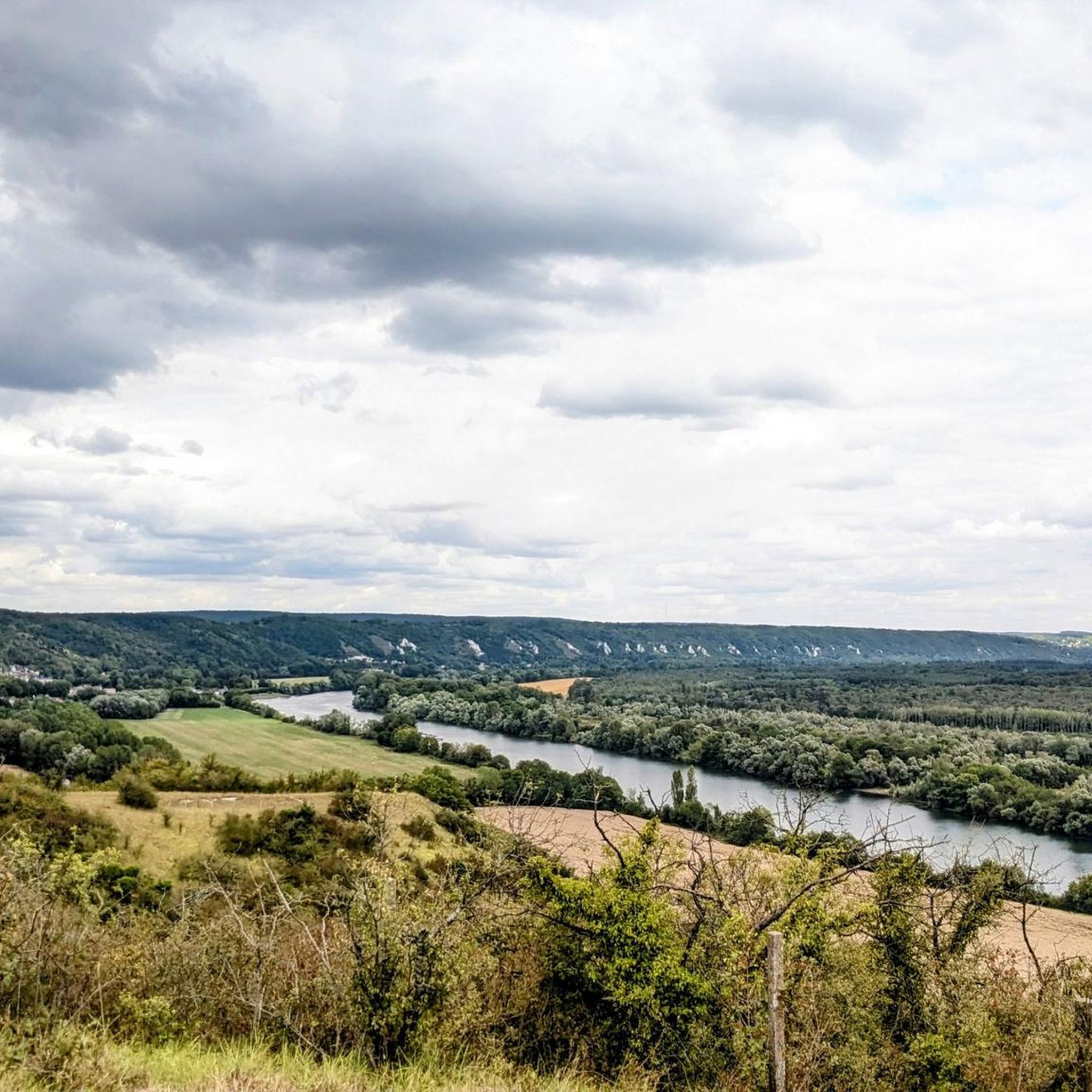
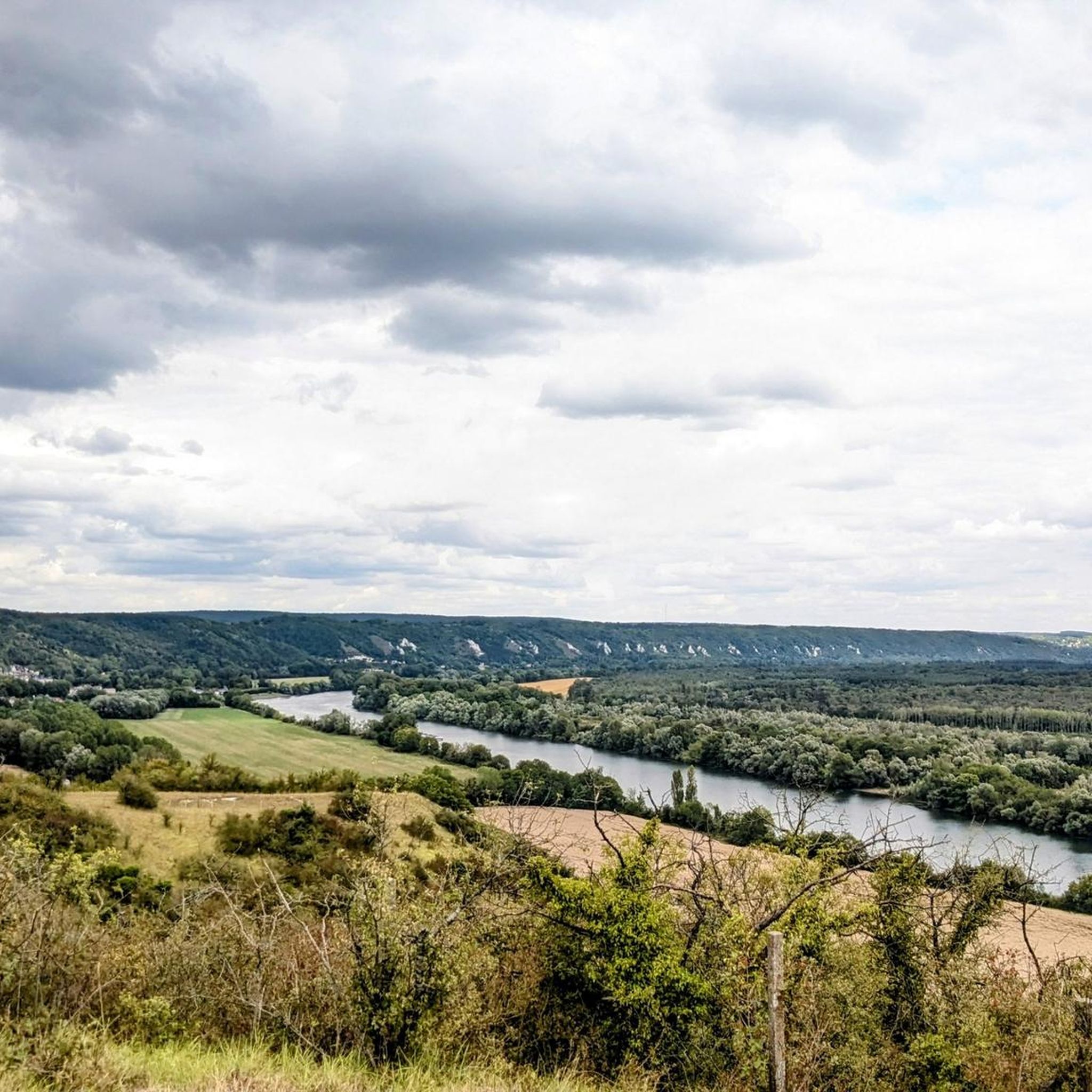
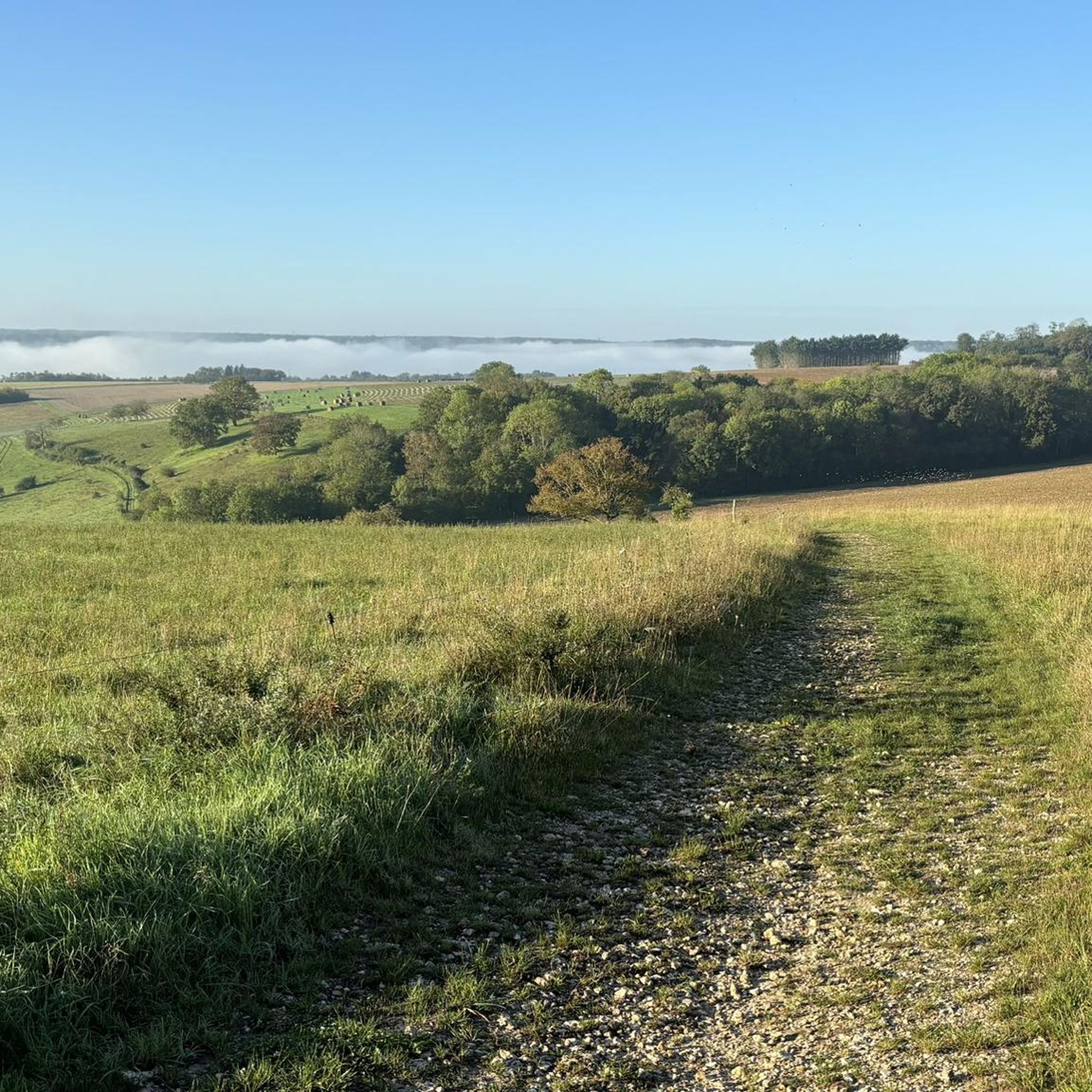
Natural monuments around Bonnières-Sur-Seine offer diverse landscapes along the Seine River, characterized by chalk cliffs and rich biodiversity. The area provides opportunities for exploring forests, river valleys, and unique geological features. This region is known for its blend of natural beauty and historical sites integrated into the landscape, making it a destination for outdoor activities and nature observation.
Best natural monuments around Bonnières-Sur-Seine
- The most popular natural monuments is Cliffs of La Roche-Guyon, a cliff that offers views of…
Last updated: July 4, 2026
Claude Monet Gardens and Foundation
Highlight • Natural Monument
Translated by Google •
Tip by

Cliffs of La Roche-Guyon
Highlight • Natural Monument
Translated by Google •
Tip by

Sign up now to discover places like this
Get recommendations on the best single tracks, peaks, & plenty of other exciting outdoor places.
Sign up for free
Coteaux de la Seine
Highlight • Natural Monument
Translated by Google •
Tip by
Monet's Water Garden
Highlight • Structure
Tip by

Troglodyte Church of Haute-Isle
Highlight • Religious Site
Translated by Google •
Tip by

Sign up for free to discover even more natural monuments around Bonnières-Sur-Seine.
Sign up for free
Already have an account?
Start today with a free account
Your next adventure awaits.
Login or Signup
Tips from the Community

Here we enter a work of art created for us by the great impressionist Claude Monet.
1
0

Very well-maintained facility, easy to reach with the hordes of tour buses
1
0

We can only recommend this
0
0

Avoid weekends during peak season if you want to visit...
1
0


This Harten, which is the size of a small park, is a total work of art. I am not judging it from a botanical perspective, but as someone who paints under the influence of impressionism. Incidentally, his Japanese bridge can be admired as a painting in the Metropolitan Museum of Art, (“Met”), in New York. I have already looked at several important museums in the world (the Museum of Modern Art in NYC was disappointing), and can therefore say that the Met is a museum of superlatives, without going into too much detail. Monet is represented here with around 15 works.
3
0

In 1893, ten years after his arrival in Giverny, Monet bought the plot of land adjacent to his property, on the other side of the railway and road. It was crossed by a small stream, the Ru, a branch of the Epte. With the support of the prefecture, Monet had the first small pond dug, despite opposition from his peasant neighbors, who feared that his strange plants would poison the water. Later, the pond was enlarged to its current size. The water garden is asymmetrical and curved. Monet was inspired by Japanese gardens, which he knew from prints. The painter was a passionate collector of Japanese woodcuts.
2
0
Frequently Asked Questions
What are some popular natural monuments around Bonnières-Sur-Seine?
Beyond the well-known highlights, visitors often enjoy exploring the Forêt de la Houssaye within Bonnières-sur-Seine itself, known for its diverse flora and fauna and opportunities for walks. The Coteaux de la Seine Nature Reserve, located between Bonnières-sur-Seine and Mantes-la-Jolie, is also highly regarded for its unique limestone grasslands and rich biodiversity. You can also find stunning views at Cliffs of La Roche-Guyon.
What kind of natural features can I expect to see in the region?
The natural monuments around Bonnières-sur-Seine are characterized by diverse landscapes. You'll encounter prominent chalk cliffs along the Seine, extensive river valleys, and significant forest areas like the Forêt de la Houssaye. The region is also home to unique limestone grasslands, particularly within the Coteaux de la Seine Nature Reserve, which boasts remarkable biodiversity.
Are there family-friendly natural monuments around Bonnières-Sur-Seine?
Yes, several natural monuments are suitable for families. The Claude Monet Gardens and Foundation in Giverny is a wonderful family-friendly destination, offering beautiful cultivated gardens that inspired Monet's paintings. The Cliffs of La Roche-Guyon also offer accessible views and are generally considered family-friendly for walks.
What is the best time to visit the natural monuments around Bonnières-Sur-Seine?
The spring and summer months (April to September) are generally ideal for visiting, as the weather is pleasant for outdoor activities and the flora is in full bloom, especially at sites like the Claude Monet Gardens and Foundation. However, some areas, like the chalk peaks in the Coteaux de la Seine Nature Reserve, have restricted access from March 1 to June 30 to protect endangered wildlife, so it's wise to check local regulations before your visit.
Are there any historical or cultural sites integrated with the natural landscape?
Absolutely. The village of La Roche-Guyon is a prime example, with its medieval castle built directly into the chalk cliffs overlooking the Seine. This unique integration of history and nature makes it a captivating site. Additionally, the Troglodyte Church of Haute-Isle is a fascinating cave church carved into the rock, offering a glimpse into the region's historical and geological past.
What outdoor activities can I do near these natural monuments?
The area offers a variety of outdoor activities. You can enjoy extensive hiking, cycling, and mountain biking. For specific routes, you can explore options like the 'Giverny – Le Vieux-Moulin loop' for easy cycling or the 'Cliffs of La Roche-Guyon – View of the route des crêtes loop' for moderate mountain biking. Find more details on these activities in the Cycling around Bonnières-Sur-Seine and MTB Trails around Bonnières-Sur-Seine guides.
Are there specific hiking trails recommended in the area?
Yes, the Coteaux de la Seine Nature Reserve features marked hiking trails, including parts of the GR2, which allow visitors to explore its natural treasures and enjoy stunning landscapes along the Seine. The Forêt de la Houssaye also provides an ideal setting for walks and natural exploration. While specific hiking routes are not detailed here, you can find many options in the Natural Monuments around Bonnières-Sur-Seine guide.
Can I bring my dog to the natural sites around Bonnières-Sur-Seine?
While many natural areas in France are dog-friendly, specific rules can vary by site, especially in protected nature reserves. For instance, the Coteaux de la Seine Nature Reserve focuses on protecting endangered wildlife, which might imply restrictions. It's always best to check specific regulations for each natural monument or reserve before visiting with your dog to ensure compliance and respect for the local ecosystem.
What do visitors particularly enjoy about the natural monuments here?
Visitors frequently praise the breathtaking views, especially from sites like the Cliffs of La Roche-Guyon and the View of the Seine Valley from the Côteaux de la Seine Nature Reserve. The meticulously maintained gardens of the Claude Monet Gardens and Foundation are also a major draw, offering a unique blend of artistic heritage and natural beauty. The tranquility and opportunities for nature observation are consistently highlighted.
Where can I find parking near these natural monuments?
Parking availability varies by location. For popular sites like the Claude Monet Gardens and Foundation in Giverny, there are designated parking areas, though they can fill up quickly during peak season. For natural reserves and forest areas, you'll often find smaller parking lots or roadside parking at trailheads. It's advisable to check specific location details or local signage upon arrival.
How can I reach the natural sites using public transport?
While Bonnières-sur-Seine is accessible by train, reaching some of the more remote natural monuments often requires a combination of public transport and local connections, or personal vehicle. For example, Giverny (home to Monet's Gardens) can be reached by train to Vernon-Giverny, followed by a shuttle bus or taxi. For other sites like the Coteaux de la Seine Nature Reserve, public transport options might be limited, making a car the most convenient way to explore.
Are there any hidden natural gems worth exploring in the area?
While not entirely 'hidden,' the Forêt de la Houssaye within Bonnières-sur-Seine is a local gem offering peaceful walks and wildlife spotting away from the more touristy areas. Its diverse ecosystem and equestrian center provide a unique experience. Exploring the less-traveled paths within the Coteaux de la Seine Nature Reserve can also lead to discovery of its remarkable biodiversity and serene viewpoints.
Most popular routes around Bonnières-Sur-Seine
Most popular attractions around Bonnières-Sur-Seine

Get inspired with the komoot mobile app


Explore more
Extend your search for the best caves by checking out these guides of the top ones around Bonnières-Sur-Seine:
