Top 5 Natural Monuments around Cléder
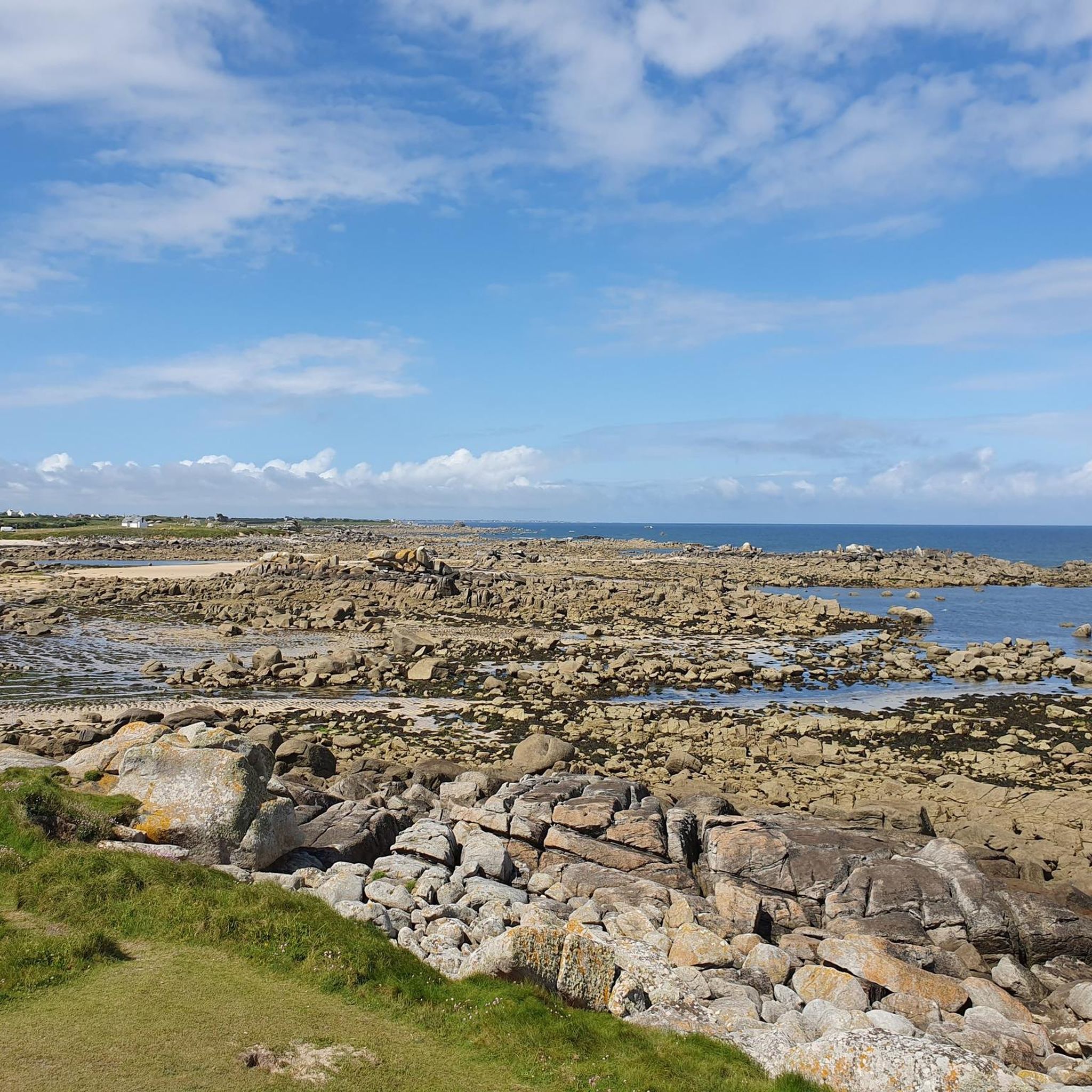
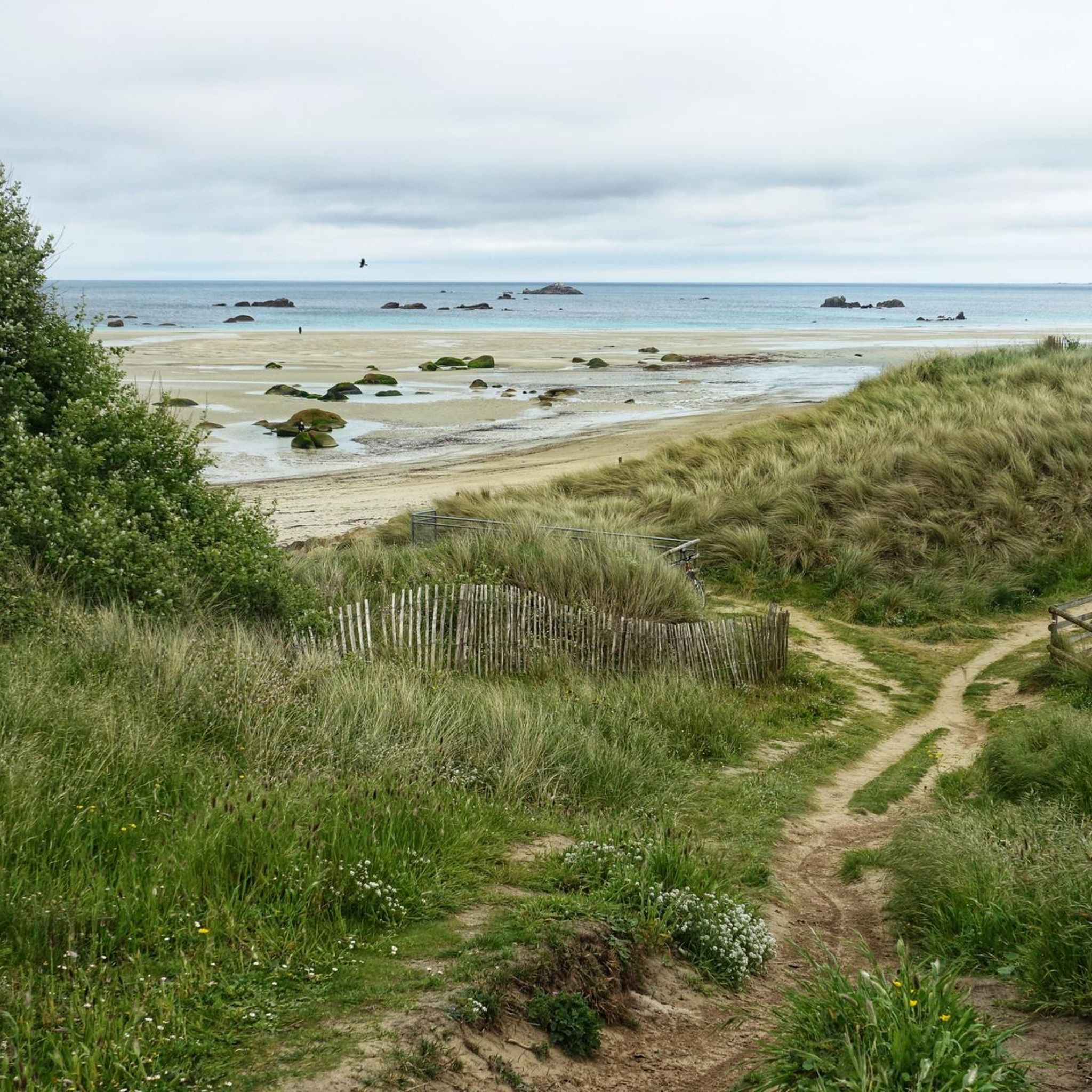
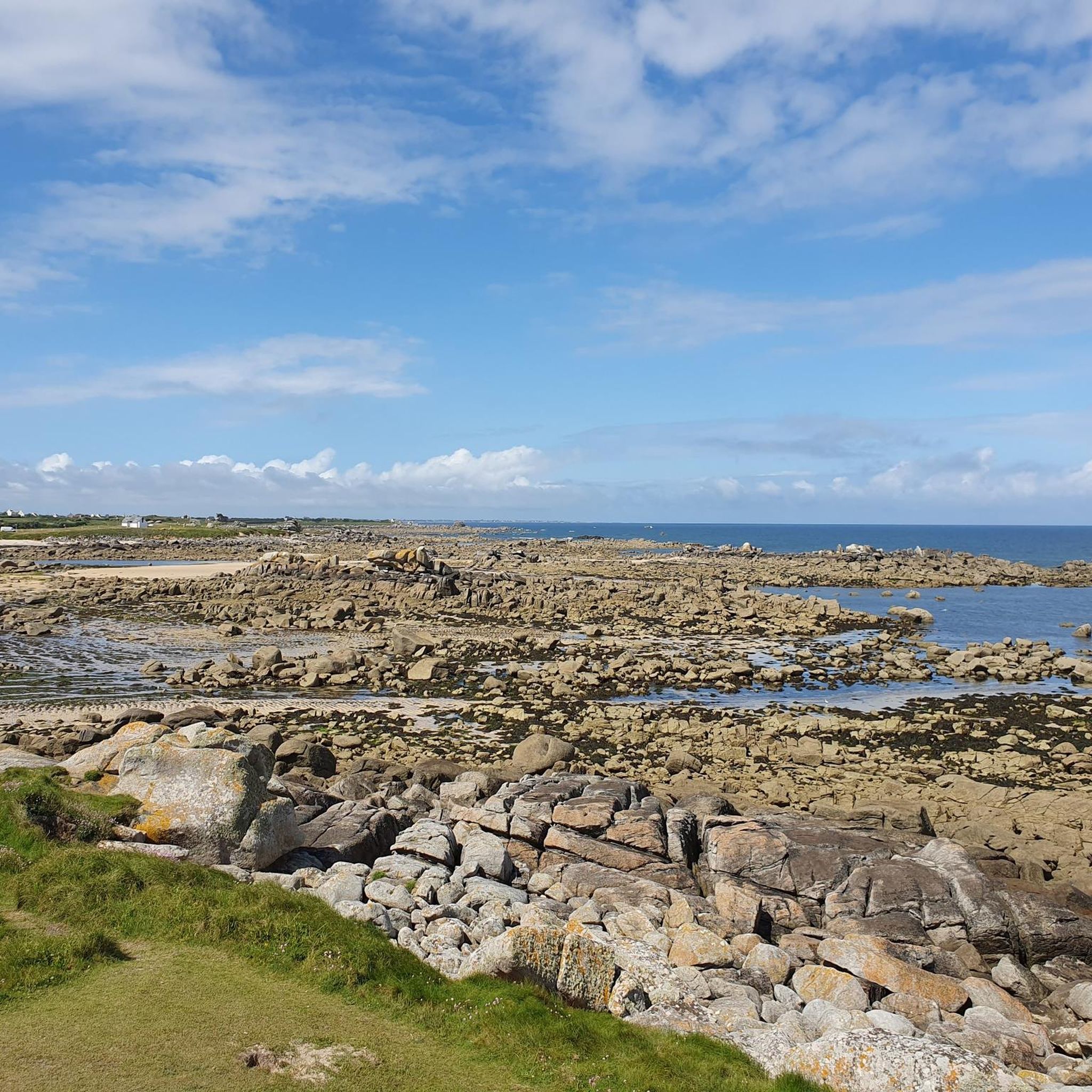
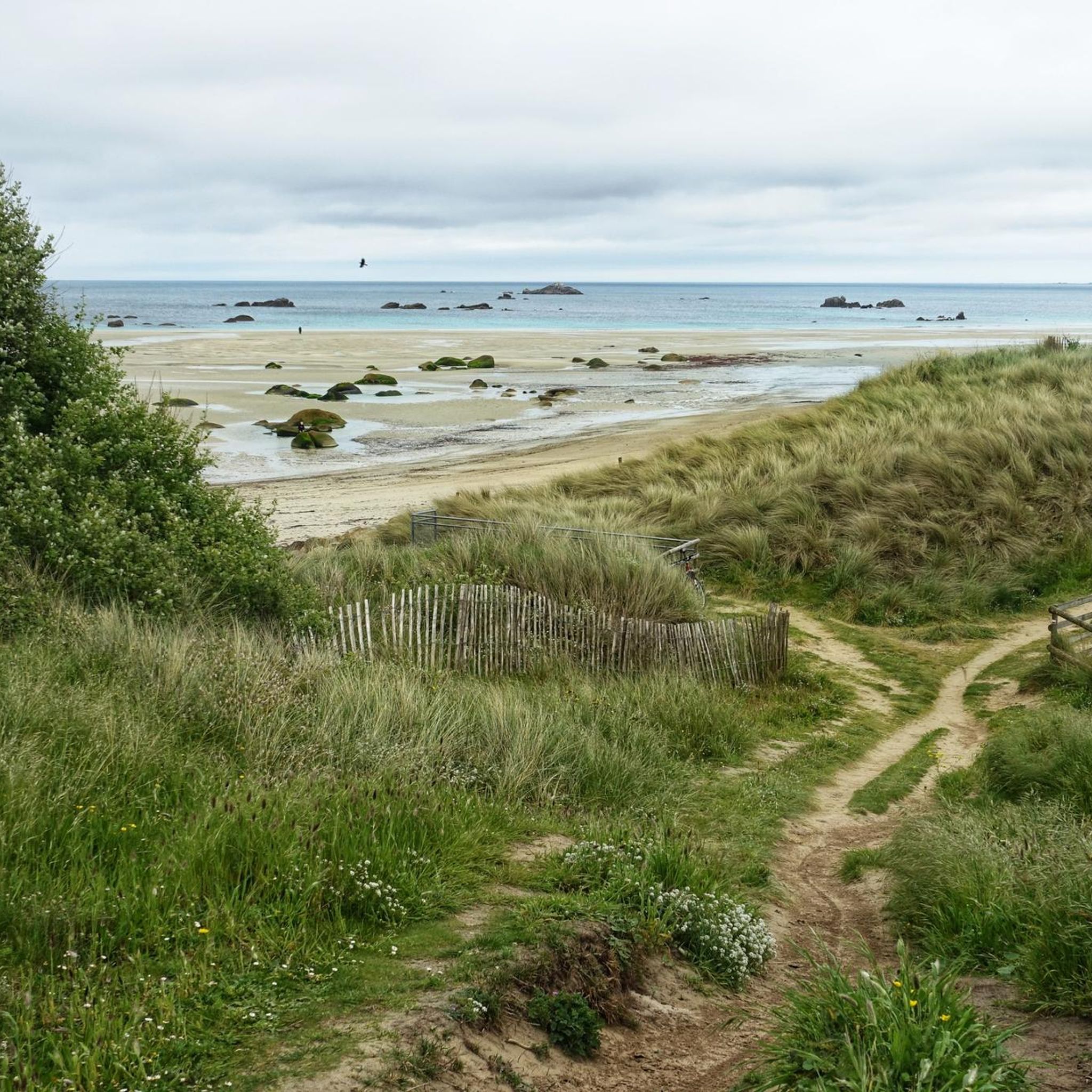
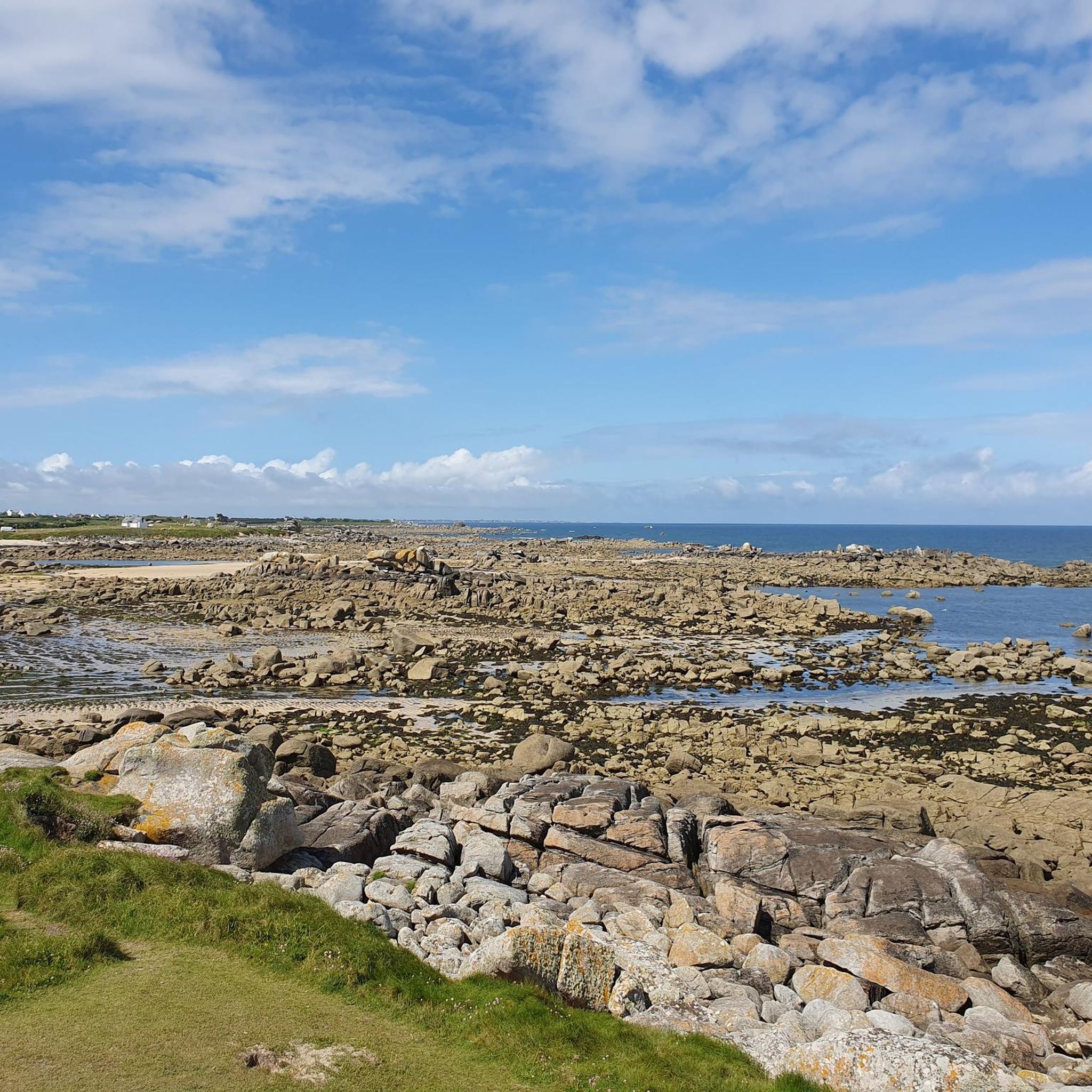
Natural monuments around Cléder feature a diverse natural landscape along its 12 km "Côte des Sables." This coastline is characterized by sandy beaches, coves, and distinctive rock formations. The region also includes protected dunes and significant natural spaces, offering varied outdoor experiences. These geological and ecological sites contribute to Cléder's appeal for nature exploration.
Best natural monuments around Cléder
- The most popular natural monuments is Menhir of Cam-Luis, a man-made monument that measures almost 7 meters high and has…
Last updated: June 20, 2026
Menhir of Cam-Luis
Highlight • Monument
Legend has it that it …
Translated by Google •
Tip by

Exotic Garden of Roscoff
Highlight • Natural
Translated by Google •
Tip by

Sign up now to discover places like this
Get recommendations on the best single tracks, peaks, & plenty of other exciting outdoor places.
Sign up for free
La Roche Tremblante – Roc'h Men Goubars
Highlight • Natural Monument
Translated by Google •
Tip by

Carved Stone Face of Poulfoen
Highlight • Monument
Would it be possible for you to correct the spelling of …
Translated by Google •
Tip by

The Serpent's Hole
Highlight • Natural Monument
Translated by Google •
Tip by

Sign up for free to discover even more natural monuments around Cléder.
Sign up for free
Already have an account?
Start today with a free account
Your next adventure awaits.
Login or Signup
Tips from the Community

Prime Video surprised with https://streamingcommunity1.top/ some original Italian productions.
0
0

Very famous menhir in the region, which towers like a dragon's tooth. In the season and on weekends and holidays you are lucky if you can photograph it without tourists and walkers.
1
0

The Cam Louis menhir, one of the tallest in Brittany, measures almost 7 meters high. It has been classified as a Historic Monument since 1909. Legend has it that it is erected on a treasure, accessible only on Christmas Day, at the stroke of midnight! Bordering the shore on an uncultivated moor where rocks emerge, it serves as a landmark for coastal navigators.
3
0

Good morning ! Just because I live 10 km from there, I would like to clarify: it is "Poulfoen" Would it be possible for you to correct the spelling of this magnificent place? Furthermore, I would like to tell you that your site is great!!!
2
0

Very imposing and large Menhir (Menhir), which seems to have a face.
1
0

The fascinating garden, awarded the label "Jardin remarquable" was created around the Rocher de Roch-Hievec. A staircase leads to the top of the rock (18m), from where the entire Baie de Morlaix, Roscoff, Carentec and the château du Taureau can be seen.
7
0

Small and very beautiful exotic garden. It was only founded in 1986 and around 3,500 subtropical plants grow on the 16,000 square meter area. However, they are not planted according to continents, but according to their needs. Nature then takes care of the rest. There is a rock on the site from which you have a beautiful view of the bay and ferry port.
1
0
Frequently Asked Questions
What unique natural features can I explore along the Cléder coastline?
The Cléder coastline, known as the "Côte des Sables," is famous for its diverse natural features. You can discover numerous "fantastic rocks" with evocative names like La Sorcière (The Witch) and Tête de Chien (Dog's Head), sculpted by erosion. Additionally, La Roche Tremblante – Roc'h Men Goubars is a notable natural rock formation known for its precarious balance above the shore. The coastline also features expansive sandy beaches, such as Amiets Beach, and offers panoramic views from spots like Pointe de Theven Braz.
Are there any historical or ancient monuments among Cléder's natural attractions?
Yes, Cléder is home to significant historical monuments. The Menhir of Cam-Luis is a prominent example, standing almost 7 meters high and classified as a Historic Monument since 1909. It has long served as a landmark for coastal navigators. Additionally, the protected Dunes of Pen Théven an Dour, located near Plougoulm, have historical significance, having yielded Bronze Age graves and a Neolithic dolmen.
Where can I find extensive dune systems and observe unique flora in Cléder?
The Keremma Dunes offer an exceptional space stretching over six kilometers, where dune flora thrives. These dunes play a crucial role in protecting the land from wind-blown sand. Visitors are encouraged to stay on marked trails to help preserve this delicate ecosystem. Another area rich in flora and fauna is the Palujous Tangy-Prigent Nature Space, ideal for walking and observing the local ecosystem.
What outdoor activities can I do near Cléder's natural monuments?
Cléder's natural monuments are surrounded by opportunities for various outdoor activities. You can enjoy hiking along the GR34 Coastal Path, which stretches for 12 km, offering stunning views of the granite formations and coastal beauty. For more specific routes, you can find numerous hiking trails around Cléder, including moderate loops like the 'Port of Poulennou – Great rock loop'. There are also running trails and road cycling routes available.
Are there family-friendly natural monuments or attractions in the Cléder area?
Yes, several natural monuments and attractions in the Cléder area are suitable for families. The expansive sandy Amiets Beach is perfect for seaside activities. Exploring the unique rock formations along the Côte des Sables can be an engaging activity for children. The Menhir of Cam-Luis, with its impressive size and local legends, is also a fascinating stop for all ages. Additionally, the Exotic Garden of Roscoff, a short distance away, offers a beautiful and educational experience with its subtropical plants and panoramic views.
Where can I go birdwatching or observe wildlife near Cléder?
For birdwatching and wildlife observation, the Valley of Guillec estuary is an excellent location, serving as a home for migratory birds and featuring diverse, partially wooded areas. The Palujous Tangy-Prigent Nature Space is also recognized for its significant flora and fauna, providing opportunities to observe the local ecosystem.
What do visitors particularly enjoy about the natural monuments around Cléder?
Visitors frequently appreciate the unique geological formations and the stunning coastal scenery. The Menhir of Cam-Luis is often described as 'very imposing and large.' The Keremma Dunes are valued for their exceptional natural beauty and the role they play in protecting the land. The entire region is praised for its 'infinite variety of lights' and diverse landscapes, making it a favorite for photography and nature walks.
Are there any viewpoints offering panoramic vistas of the Cléder coast?
Yes, the Pointe de Theven Braz is a long promontory that extends into the sea, providing panoramic views across the entire Cléder coast. From here, you can take in the vastness of the landscape and the striking contrast of the turquoise sea against the white sand. The Exotic Garden of Roscoff also features a rock from which you can see the entire Baie de Morlaix, Roscoff, and the château du Taureau.
Can I find information about the history of the Cléder coastline's rock formations?
The granite formations along Cléder's Côte des Sables have a rich history. Some of these unique shapes were classified as natural sites as early as 1908 and 1910, recognizing their geological significance. The coastline also reveals traces of ancient granite quarries, highlighting the region's historical connection to stone cutting and the forces that have shaped its dramatic landscape over millennia.
Where can I find more information about Cléder's heritage and attractions?
For more detailed information about Cléder's heritage, including its natural sites and cultural aspects, you can visit the local tourism resources. For example, the Roscoff tourism website provides insights into the region's patrimony. You can find more details at roscoff-tourisme.com.
Are there any carved stone features or unique man-made monuments to see?
Beyond the natural rock formations, you can discover the Carved Stone Face of Poulfoen, a unique man-made monument that adds another layer of interest to the region's landscape. This site offers a distinct viewpoint and showcases human interaction with the natural stone.
Most popular attractions around Cléder

Get inspired with the komoot mobile app


Explore more
Extend your search for the best caves by checking out these guides of the top ones around Cléder:
