Top 8 Natural Monuments around Waltenheim
Best natural monuments around Waltenheim include diverse natural features in the Alsace region of France. The area offers access to river landscapes, significant rock formations, and elevated viewpoints. These sites provide opportunities to observe local geology and wildlife.
Best natural monuments around Waltenheim
- The most popular natural monuments is Istein Rapids, a river that features natural rapids and gravel banks. It offers opportunities for observing the natural Rhine.
- Another must-see spot is Isteiner Klotz and the Cliff Chapel,…
Last updated: July 4, 2026
Istein Rapids
Highlight • River
Translated by Google •
Tip by

Isteiner Klotz and the Cliff Chapel
Highlight • Natural Monument
Translated by Google •
Tip by

Sign up now to discover places like this
Get recommendations on the best single tracks, peaks, & plenty of other exciting outdoor places.
Sign up for free
Mittlere Au Observatory
Highlight • Viewpoint
Translated by Google •
Tip by

Algae Pond, Petite Camargue Alsacienne Nature Reserve
Highlight • Lake
Translated by Google •
Tip by

View of the Kapf Limestone Quarry (Isteiner Kalkwerke)
Highlight (Segment) • Viewpoint
Tip by

Sign up for free to discover even more natural monuments around Waltenheim.
Sign up for free
Already have an account?
Start today with a free account
Your next adventure awaits.
Login or Signup


Tips from the Community

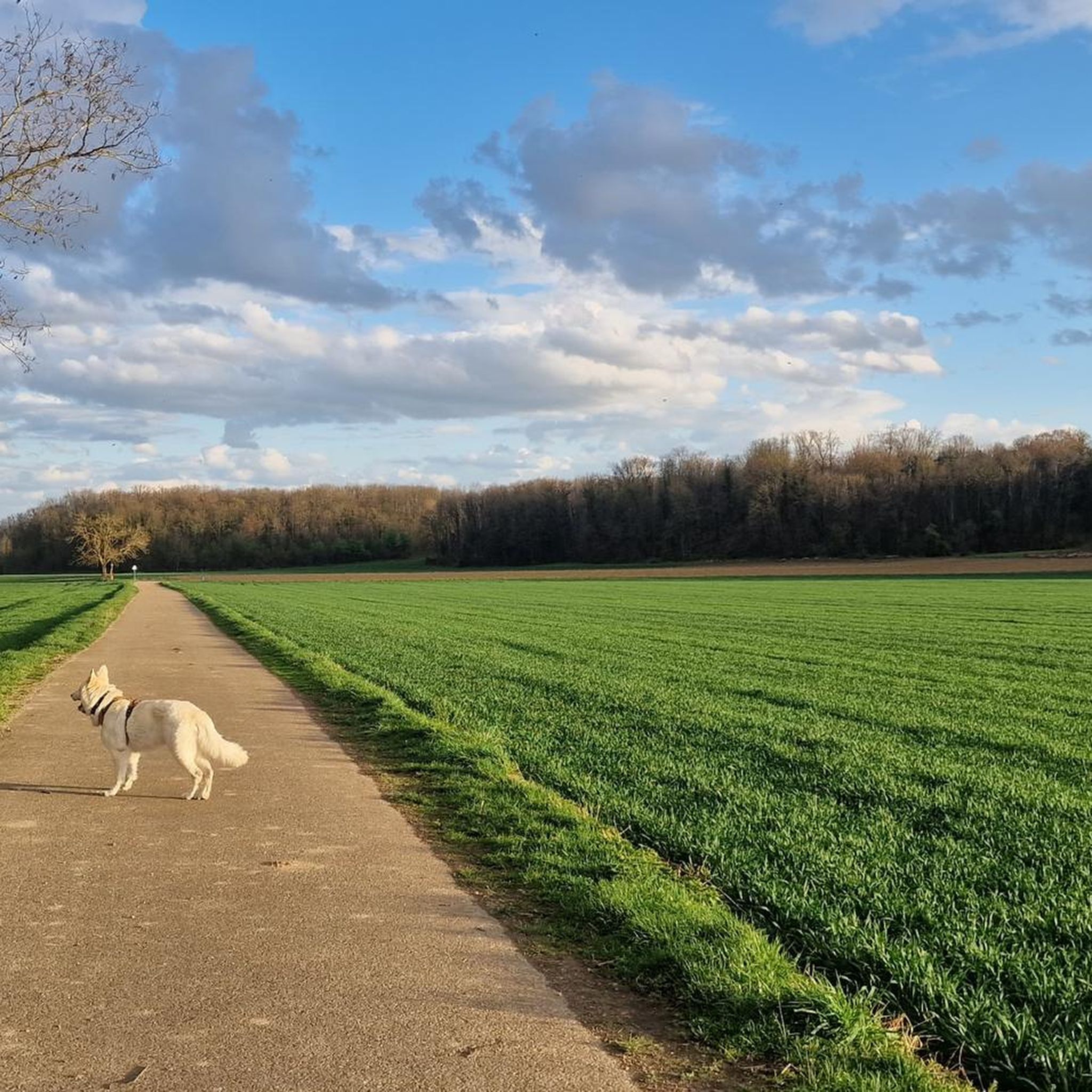
We walked in, talking quietly, and found ourselves with a small group of people with big goals, searching for bird images.
1
0

The Petite Camargue Alsacienne is located at the bend of the Rhine in the extreme southeast of the Haut-Rhin department, in the border triangle of France, Germany, and Switzerland. The nature reserve extends over a 15 km long and 1 to 2 km wide lowland formed by the Rhine at the southern tip of the Rhine Graben, directly after the Swiss border. Further information: https://www.petitecamarguealsacienne.com/de/
0
0

The Observatory overlooking Mittlere Au, nestled in the Petite Camargue Alsacienne nature reserve, is a true sanctuary for nature lovers. From this privileged vantage point, you can admire the splendor of the wetlands, where water and vegetation create a habitat teeming with life. The site is home to a wide variety of species: grey herons scan the calm waters, kingfishers burst forth in a burst of vivid colors, and great crested grebes glide silently across the surface. Majestic swans flit among the reeds, while migratory ducks occasionally enliven the landscape. As the seasons change, the wildlife evolves, offering constantly renewed spectacles to keen observers. This site is a window onto the richness of biodiversity, where each glance reveals a new wonder of the natural world.
0
1

Limestone quarrying has a long tradition in Istein and its surroundings and can be traced back to 1797. The Kapf quarry plant has been supplied since 1982. With the neighboring "Kalkgraben" mining area, the supply of raw materials to the plant is secured for the coming decades. Limestone quarrying is changing the landscape, no doubt. The Istein lime works of the Lhoist company are committed to using natural resources responsibly. In the comprehensive planning of the mining areas, in addition to the economic aspects, the interests of the environment and last but not least of the population are taken into account as best as possible. The measures to reduce and compensate for the impairments associated with the dismantling are consistently implemented and professionally accompanied. With the final recultivation, the former mining areas will be redesigned with various landscape elements. With the Kapf quarry adventure trail, the former quarry is made accessible to the population again as part of our cultural landscape. The hiking trail, which is about 3 kilometers long, leads through the former and now recultivated mining areas I and II. Information boards along the way inform visitors about limestone mining topics. You will also get a spectacular insight into the active part of the Kapf quarry. The conception and implementation of the information board and the leaflet was carried out by the WWL in cooperation with Wolfgang Röske, IfÖ, who has been carrying out the environmental planning of the lime plant for years.
0
0

I immediately fell in love with this beautiful place.
4
0

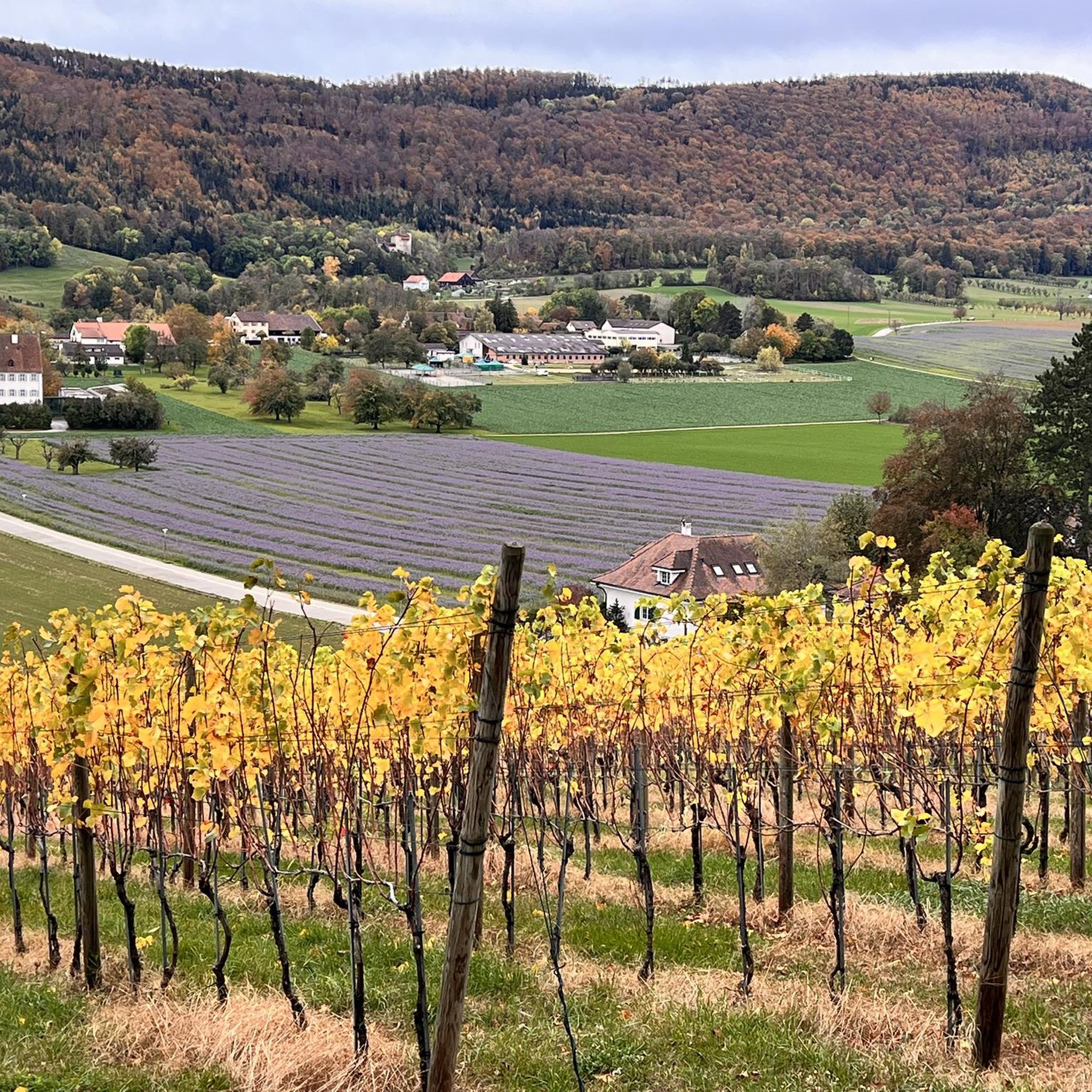
A wild boulder. Vines and cherries grow on both sides and above.
6
0

Impressive view of the Kapf limestone quarry of the Isteiner Kalkwerke.
0
0

From here you can peer down into a deep limestone quarry
0
0
Frequently Asked Questions
What are some of the most notable natural monuments to visit around Waltenheim?
Around Waltenheim, you can explore diverse natural features. Highly recommended are the Istein Rapids, known for their natural rapids and inviting gravel banks along the Rhine. Another significant site is Isteiner Klotz and the Cliff Chapel, a prominent rock formation with historical and religious significance. For wildlife enthusiasts, the Mittlere Au Observatory offers excellent birdwatching opportunities over wetlands.
Are there family-friendly natural monuments near Waltenheim?
Yes, several natural monuments are suitable for families. The Istein Rapids offer gravel banks perfect for a break by the water. The Mittlere Au Observatory is also family-friendly, providing a chance to observe diverse bird species and local wildlife in the Petite Camargue Alsacienne nature reserve.
What kind of natural features can I expect to see near Waltenheim?
The region around Waltenheim offers a variety of natural features. You'll find river landscapes with natural rapids and gravel banks, such as the Istein Rapids. There are also prominent rock formations like the Isteiner Klotz, and elevated viewpoints that offer panoramic vistas, including the Mittlere Au Observatory overlooking wetlands.
Are there natural monuments with historical or geological interest?
Absolutely. The Isteiner Klotz and the Cliff Chapel is a natural monument with significant historical and religious ties. Additionally, the View of the Kapf Limestone Quarry provides a fascinating insight into the region's geological history and ongoing limestone quarrying, with an adventure trail explaining its impact and recultivation efforts.
What outdoor activities can I do near these natural monuments?
Near the natural monuments around Waltenheim, you can enjoy a range of outdoor activities. There are numerous opportunities for hiking, gravel biking, and mountain biking. For detailed routes and trails, you can explore guides such as Hiking around Waltenheim, Gravel biking around Waltenheim, and MTB Trails around Waltenheim.
What do visitors enjoy most about the natural monuments around Waltenheim?
Visitors particularly appreciate the natural beauty and tranquility. Many enjoy the unique experience of the Istein Rapids for its untouched natural Rhine and inviting gravel banks. The impressive architecture and scenic views from the Isteiner Klotz and the Cliff Chapel are also highly praised, as is the opportunity for quiet birdwatching at the Mittlere Au Observatory.
Are there any natural monuments that offer panoramic views?
Yes, several spots provide excellent views. The Isteiner Klotz and the Cliff Chapel offers scenic vistas of the surrounding Markgräflerland. The Mittlere Au Observatory provides a privileged vantage point over the wetlands of the Petite Camargue Alsacienne. Additionally, the View of the Kapf Limestone Quarry offers an impressive perspective into a deep quarry.
What are some natural attractions near Waltenheim in Haut-Rhin?
For those near Waltenheim in Haut-Rhin, significant natural sites include the prominent peaks of the Vosges Mountains. Ballon d'Alsace and Hohneck, though further afield (around 47-52 km), offer breathtaking panoramic views, extensive hiking opportunities, and rich flora and fauna.
What natural features are notable near Waltenheim-sur-Zorn in Bas-Rhin?
Near Waltenheim-sur-Zorn in Bas-Rhin, you can find Champ du Feu, the highest point in the department, offering scenic landscapes for hiking and winter sports. Closer by, the natural Rhine features Isteiner thresholds with beautiful gravel banks. Within Waltenheim-sur-Zorn itself, the Gibsberg, a local elevation, provides meadows and a view of the Kochersberg plateau.
Can I find natural monuments that are good for birdwatching or wildlife observation?
Absolutely. The Mittlere Au Observatory, nestled in the Petite Camargue Alsacienne nature reserve, is a prime location for observing diverse bird species such as grey herons, kingfishers, and great crested grebes, as well as other local wildlife in the wetlands.
Are there any natural monuments that are less known but worth discovering?
While not explicitly 'hidden,' the Motte Castrale de Willer, though primarily a historical site, is a natural mound (butte) surrounded by a ditch, offering a unique blend of natural formation and medieval history that might be less frequented than other sites.
What is the best time of year to visit the natural monuments around Waltenheim?
The best time to visit largely depends on your preferred activities. Spring and autumn offer pleasant temperatures for hiking and exploring, with vibrant foliage or blooming nature. Summer is ideal for enjoying the gravel banks at Istein Rapids. Winter can be beautiful for snowy landscapes, especially in higher elevations like Champ du Feu, though some paths might be less accessible.
Most popular routes around Waltenheim
Most popular attractions around Waltenheim

Get inspired with the komoot mobile app


Explore more
Extend your search for the best caves by checking out these guides of the top ones around Waltenheim:
