Top 4 Natural Monuments around Fournès
Best natural monuments around Fournès include a unique geological site within the town and several significant natural attractions nearby. Fournès is situated in the Gard department, an area known for its diverse landscapes, from river gorges to wetlands. The region offers a mix of geological formations, historical sites integrated with nature, and rich biodiversity. Visitors can explore distinct natural settings that showcase the area's geological and ecological heritage.
Best natural monuments around Fournès
- The most popular natural monuments is Saint-Roman Abbey, a historical site that is also a natural monument. This monastery ruin is located on a hill, offering views and a unique atmosphere among ancient tombs and a crypt.
- Another must-see spot is Salpêtrière Prehistoric Shelter, a gorge and cave. This site is a Stone Age camp under a massive rock, adjacent to the Pont du Gard aqueduct, and represents a significant Paleolithic culture.
- Visitors also love Gardon River, a river that flows beneath the Pont du Gard. The river is part of the Gorges du Gardon Biosphere Reserve, known for its impressive cliffs and natural heritage.
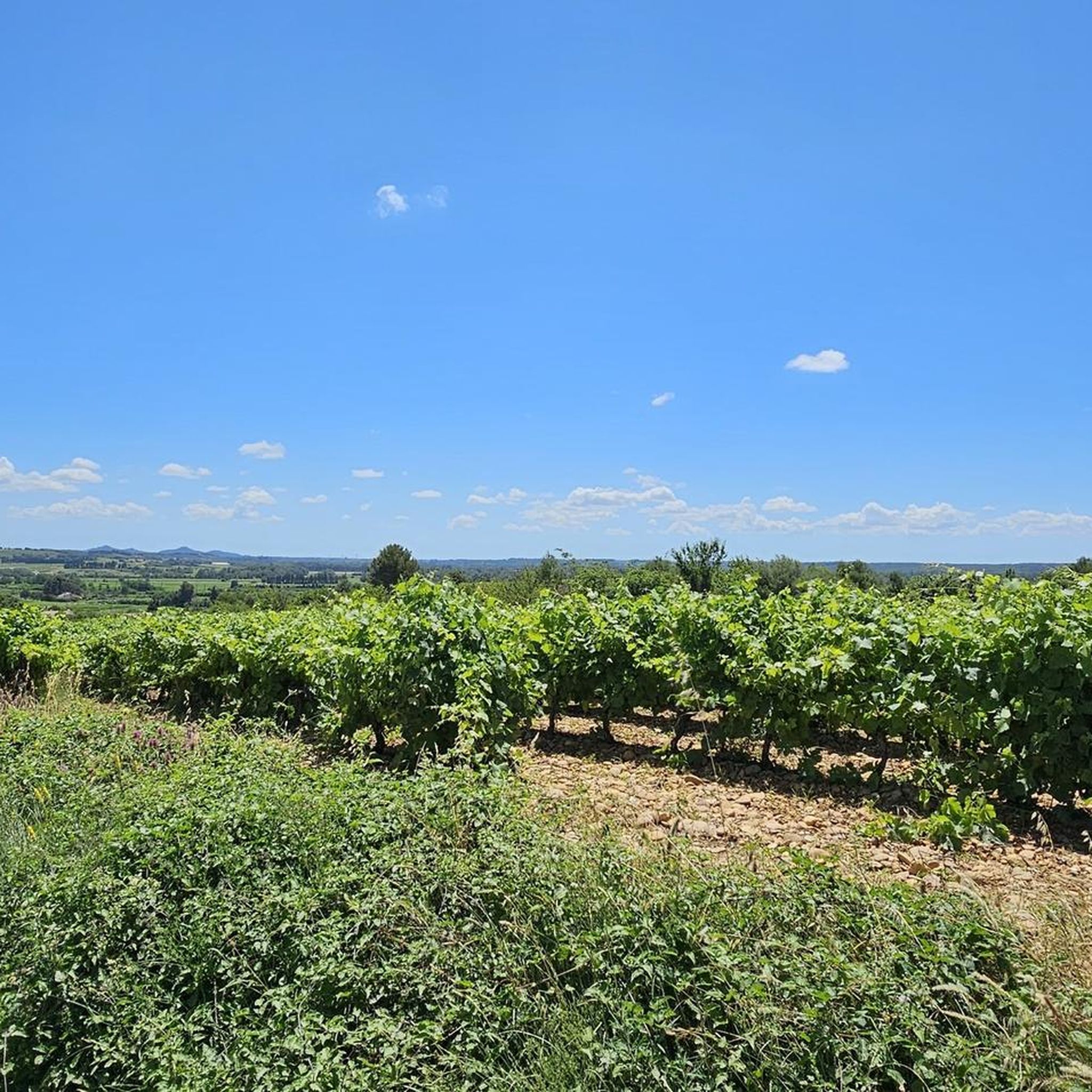
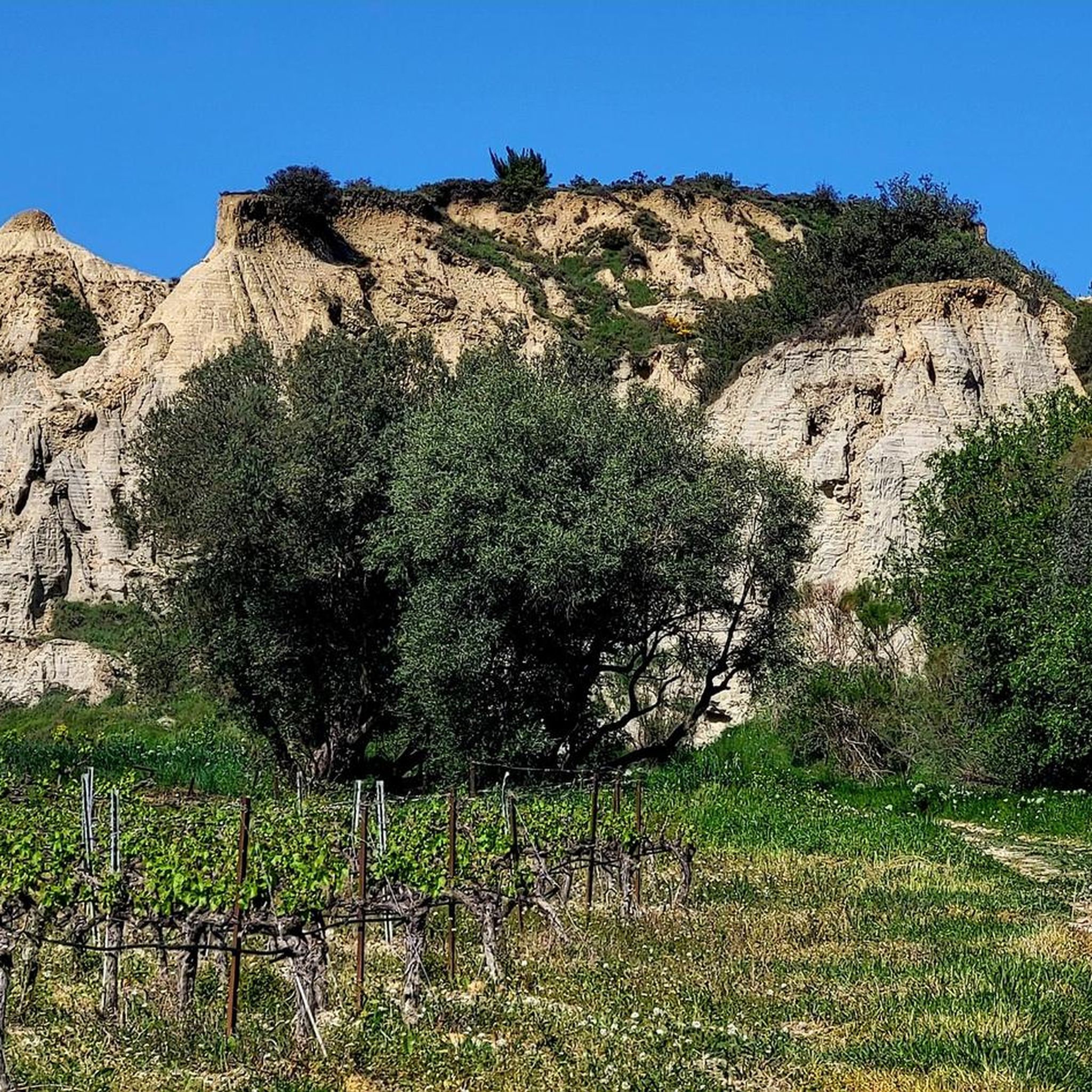
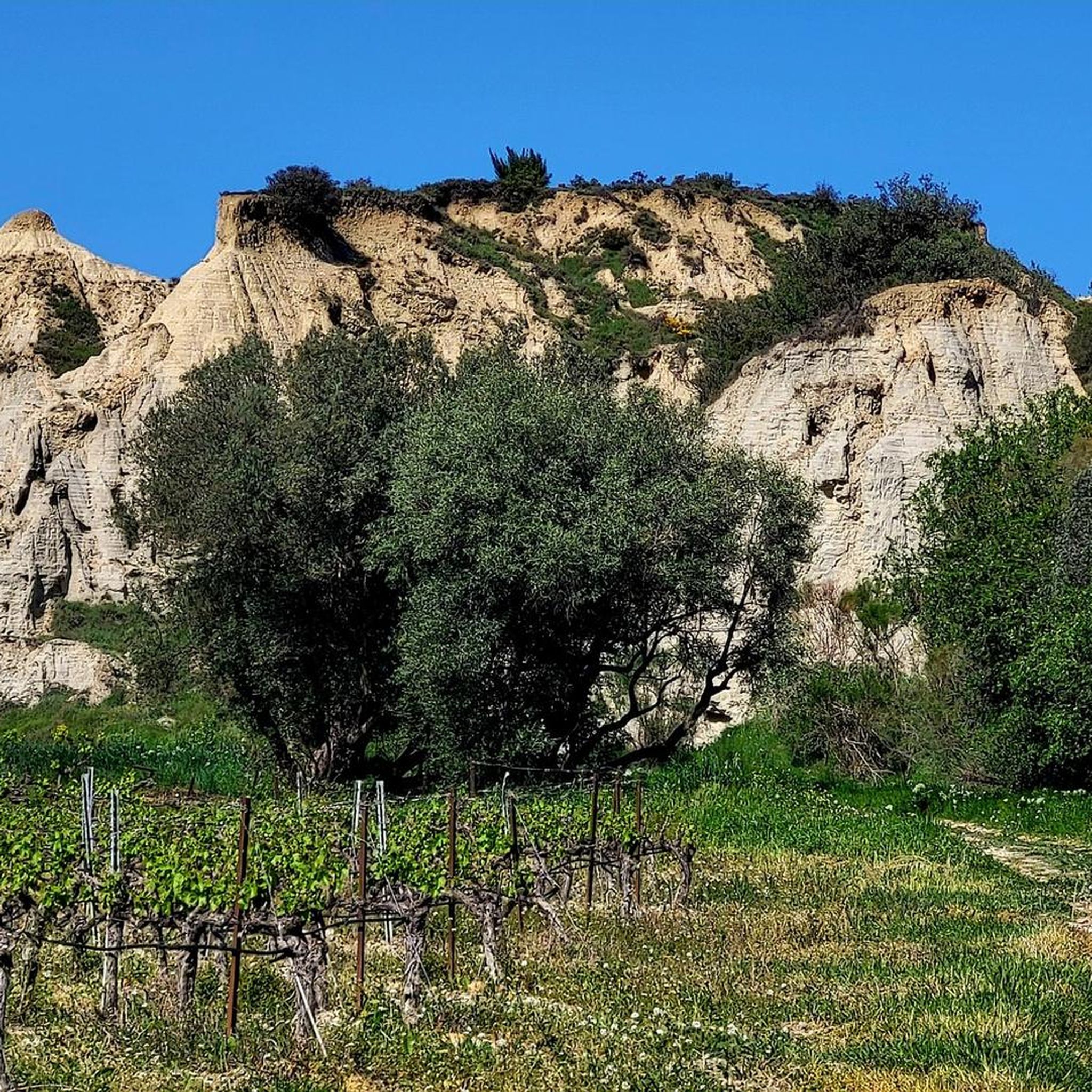
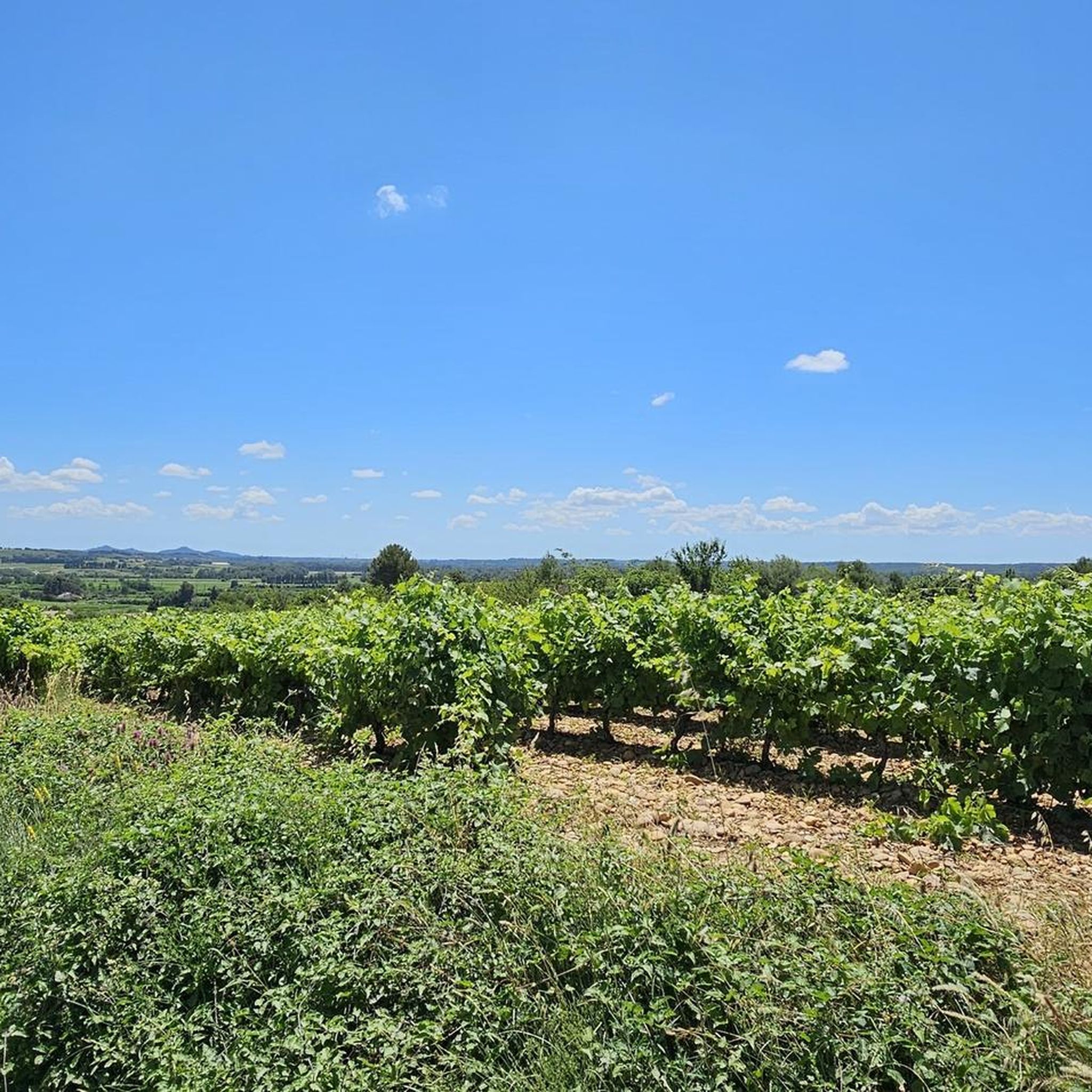
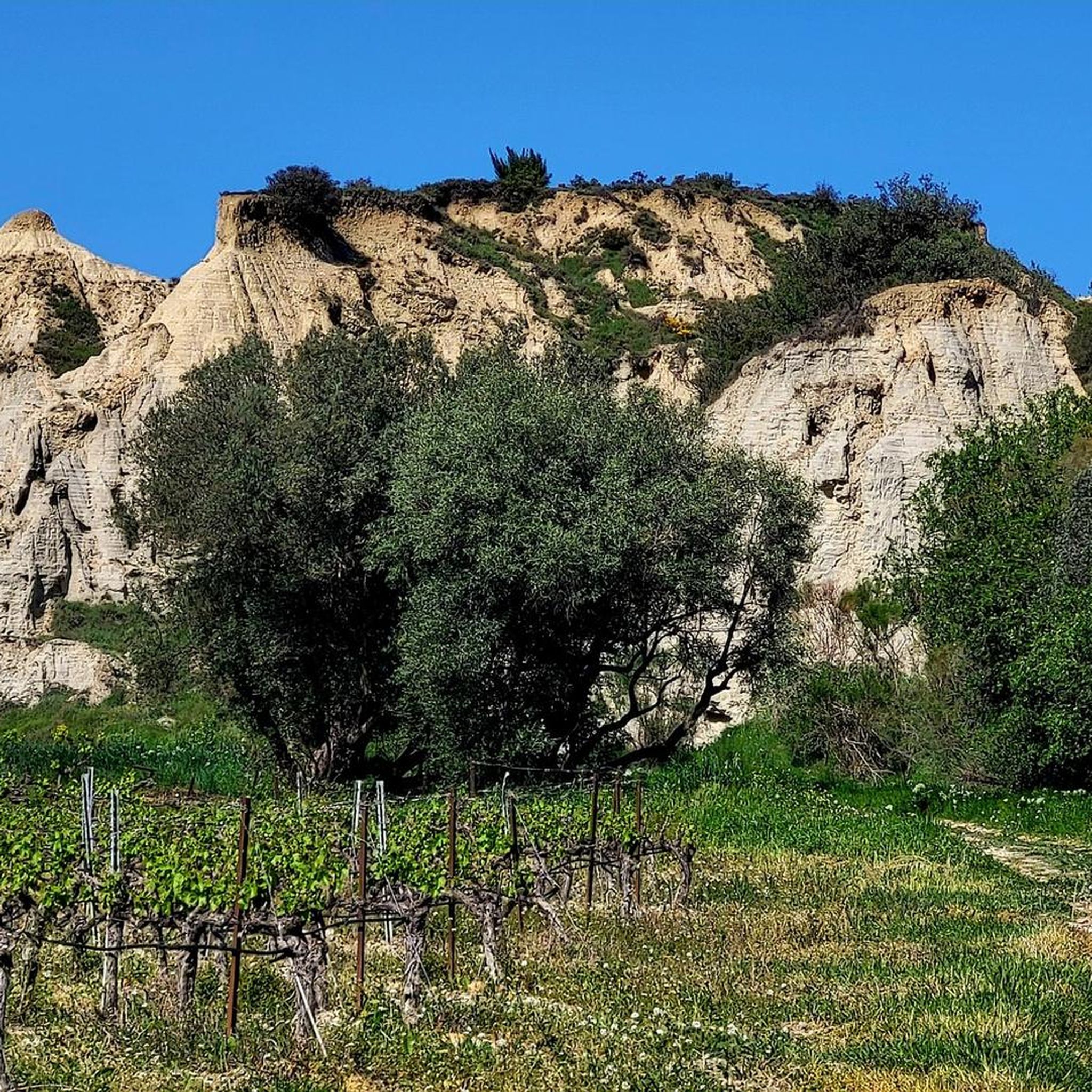
- Fournès is known for its geological formations, river landscapes, and prehistoric shelters. The area offers a variety of natural monuments to see and explore, including the unique "lunar landscape" of Les Fosses de Fournès and the impressive Gorges du Gardon.
- The natural monuments around Fournès are appreciated by the komoot community, with more than 50 upvotes and 50 photos shared by visitors.
Last updated: July 4, 2026
Saint-Roman Abbey
Highlight • Historical Site
Translated by Google •
Tip by

Salpêtrière Prehistoric Shelter
Highlight • Gorge
It is the eponymous site of the Salpétrien, a Paleolithic culture that dates back to around 19,000 years before the present
Translated by Google •
Tip by

Sign up now to discover places like this
Get recommendations on the best single tracks, peaks, & plenty of other exciting outdoor places.
Sign up for free
Gardon River
Highlight • River
Translated by Google •
Tip by

Start today with a free account
Your next adventure awaits.
Login or Signup
Tips from the Community

A picturesque cave monastery, the likes of which are not found anywhere else in these latitudes.
0
0

Simply beautiful to look at and a great building that has stood for centuries
0
0

An interesting visit in a simple and pleasant landscape. The view from the top of the site extends into the distance over the Rhône. The very well-signposted route is enhanced by a flyer giving all the necessary explanations for a good understanding of this walk. Note, however, the lack of signage to find the site (no information sign before arriving at the access path). Other negative points: no toilets or water point. But a large parking lot. However, these small drawbacks should not prevent you from discovering this very curious construction dug into shell sandstone.
0
0

Gorges du Gardon Biosphere Reserve. The Gardon is a river in the French region of Occitanie. It flows beneath the Pont du Gard. The aqueduct is one of the best-preserved Roman structures in all of Europe. Magnificent, imposing, and truly ingenious.
0
0

opening hours very complicated: https://abbaye-saint-roman.com/ But a very special place
0
0

The visit here is lonely and spooky between the tombs that have been smashed into the ground and the ruined crypt.
2
0

Yes because it is the Pont du Gard
1
1

There is a prehistoric cave/grotto to visit near the Pont du Gard.
1
1
Frequently Asked Questions
What unique natural features can I find directly in Fournès?
Within Fournès, you can explore Les Fosses de Fournès. This site features a striking "lunar landscape" with clay formations, or "pitons," sculpted by erosion, reaching up to 30 meters high. It's known for its strong geological particularity and unique flora and fauna.
What are some significant natural monuments located near Fournès?
Beyond Fournès, the region offers several remarkable natural attractions. The Gardon River, flowing beneath the historic Pont du Gard, is part of the impressive Gorges du Gardon Biosphere Reserve. Further afield, you can visit the vast wetlands of the Camargue, the Cascades du Sautadet, or explore caves like the Grotte de Saint-Marcel.
Are there any natural monuments around Fournès that also have historical significance?
Yes, several sites combine natural beauty with rich history. The Saint-Roman Abbey is a monastery ruin set on a hill, offering views and a unique atmosphere among ancient tombs. The Salpêtrière Prehistoric Shelter is a Stone Age camp under a massive rock, adjacent to the Pont du Gard aqueduct, representing a significant Paleolithic culture.
What kind of wildlife can I expect to see at the natural monuments?
At Les Fosses de Fournès, you might spot diverse flora like kermes oaks, wild lavender, and rosemary. Birdwatchers can look for bee-eaters nesting in the clay formations between mid-April and late August. The Camargue, a short drive away, is famous for its wild horses, flamingos, and other wetland birds.
Are there family-friendly natural monuments or activities around Fournès?
The Gardon River, especially near the Pont du Gard, is considered family-friendly, offering opportunities for swimming and enjoying the natural scenery. Exploring the unique landscape of Les Fosses de Fournès can also be an engaging experience for families, though it can be slippery when wet.
What outdoor activities can I do near these natural monuments?
The area around Fournès is excellent for various outdoor activities. You can find numerous running trails, including a loop through Les Fosses de Fournès. There are also many options for cycling and mountain biking, with routes often passing by the Pont du Gard and through scenic landscapes.
What is the best time to visit the natural monuments around Fournès?
The region generally enjoys a Mediterranean climate. Spring (April-May) and autumn (September-October) offer pleasant temperatures for exploring, avoiding the peak summer heat. If you wish to see bee-eaters at Les Fosses de Fournès, mid-April to late August is the ideal period.
Are there any natural monuments that are less crowded?
While popular sites like the Pont du Gard can attract many visitors, Les Fosses de Fournès offers a unique and often quieter experience. Its distinct geological formations provide a sense of discovery away from the main tourist hubs. Exploring the broader Gorges du Gardon area away from the aqueduct can also lead to more secluded spots.
What do visitors enjoy most about the natural monuments in this region?
Visitors frequently appreciate the unique geological formations, such as the "lunar landscape" of Les Fosses de Fournès. The blend of natural beauty with historical sites like the Saint-Roman Abbey and the Salpêtrière Prehistoric Shelter also receives high praise, offering a diverse and enriching experience.
Are the trails at the natural monuments around Fournès generally difficult?
The difficulty of trails varies. For instance, the running loop through Les Fosses de Fournès is rated as moderate. Many cycling and mountain biking routes in the area range from moderate to difficult. Always check specific route details on komoot for up-to-date difficulty ratings before you go.
Can I bring my dog to the natural monuments?
Policies regarding dogs can vary by specific site. Generally, natural outdoor areas like Les Fosses de Fournès and many trails are dog-friendly, often requiring dogs to be on a leash. For historical sites or protected areas, it's best to check their individual regulations beforehand.
Most popular routes around Fournès
Most popular attractions around Fournès

Get inspired with the komoot mobile app


Explore more
Extend your search for the best caves by checking out these guides of the top ones around Fournès:
