Top 15 Natural Monuments around Plévenon
Natural monuments around Plévenon showcase the commune's dramatic coastal landscape on the Brittany coast. The area is characterized by vast moors and towering pink sandstone cliffs, notably at Cap Fréhel, which plunges over 70 meters into the English Channel. This region is recognized for its exceptional natural heritage, offering diverse geographic features for exploration. It is a protected natural site, classified for its coastal moors and rich biodiversity.
Best natural monuments around Plévenon
- The most popular natural monuments is Trail…
Last updated: October 7, 2026
Cape Fréhel
Highlight • Viewpoint
Translated by Google •
Tip by

La Fauconnière Bird Reserve
Highlight • Natural Monument
It's an important nature reserve with many seabirds such as gannets, guillemots, gulls, and cormorants – ideal for birdwatching.
Translated by Google •
Tip by

Sign up now to discover places like this
Get recommendations on the best single tracks, peaks, & plenty of other exciting outdoor places.
Pointe du Chevet
Highlight • Viewpoint
Translated by Google •
Tip by
Great Blue Lake
Highlight • Lake
Translated by Google •
Tip by

View of the cliffs and lighthouse at Cap Fréhel
Highlight • Viewpoint
Showing Translation
Tip by

Sign up for free to discover even more natural monuments around Plévenon.
Already have an account?
Start today with a free account
Your next adventure awaits.

Tips from the Community

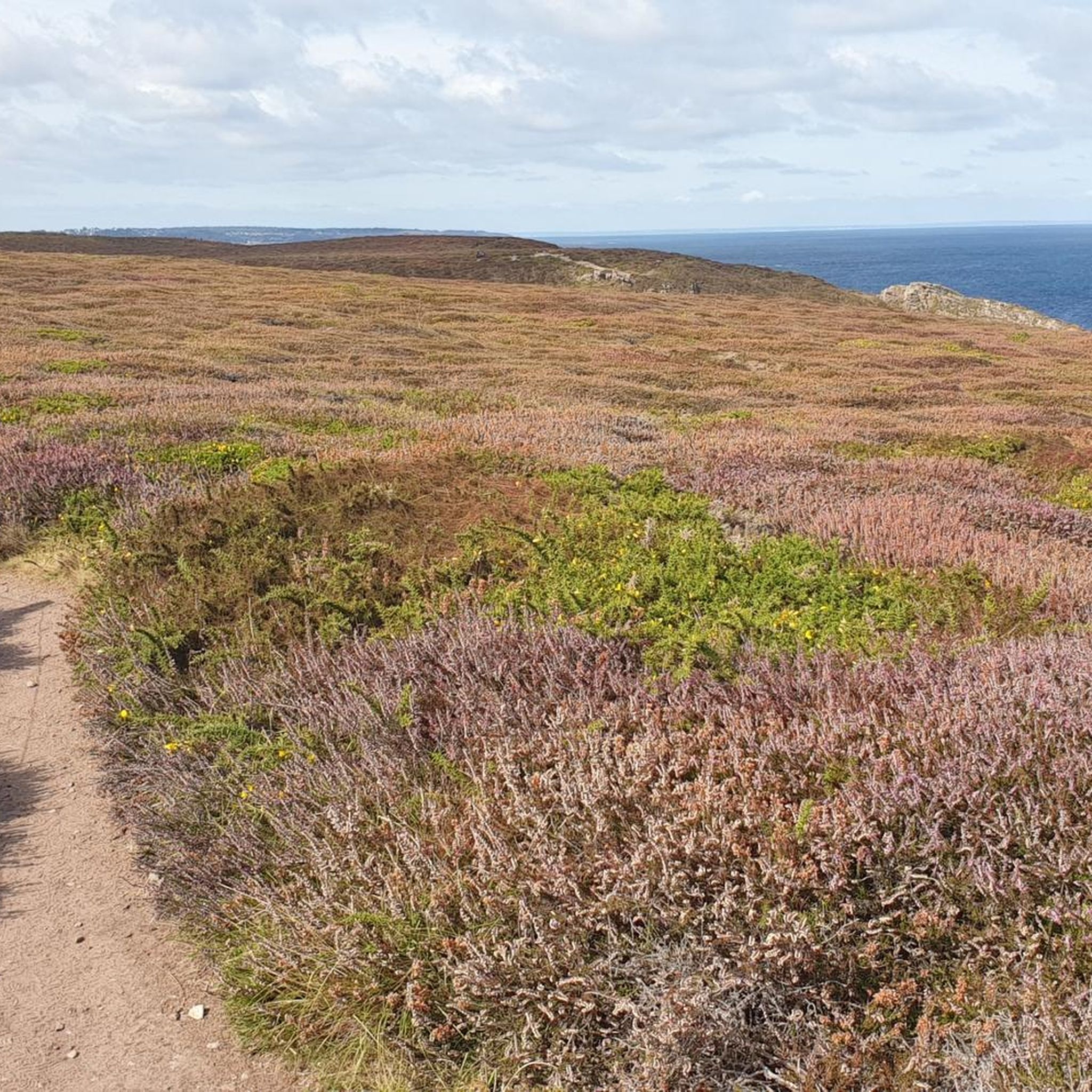
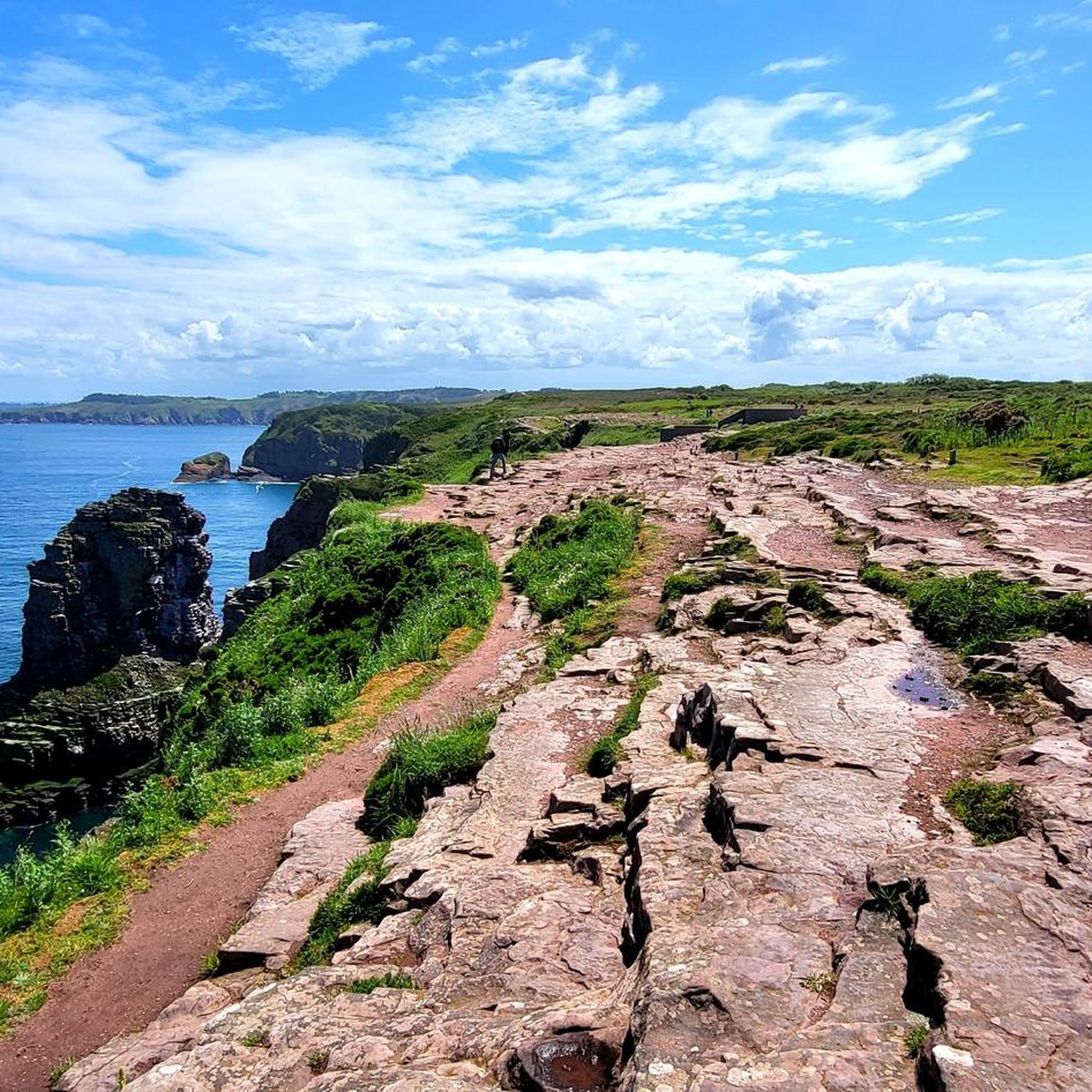
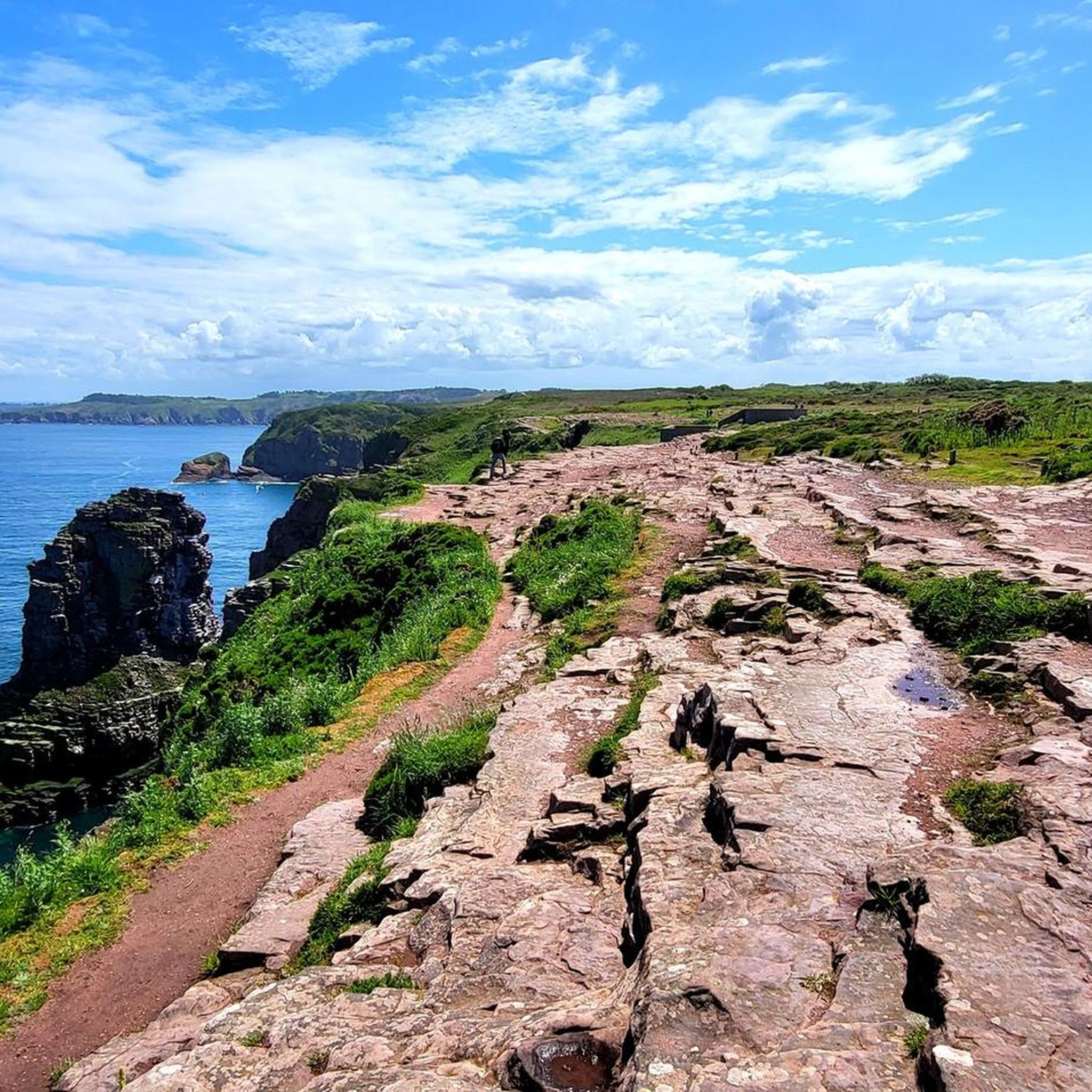
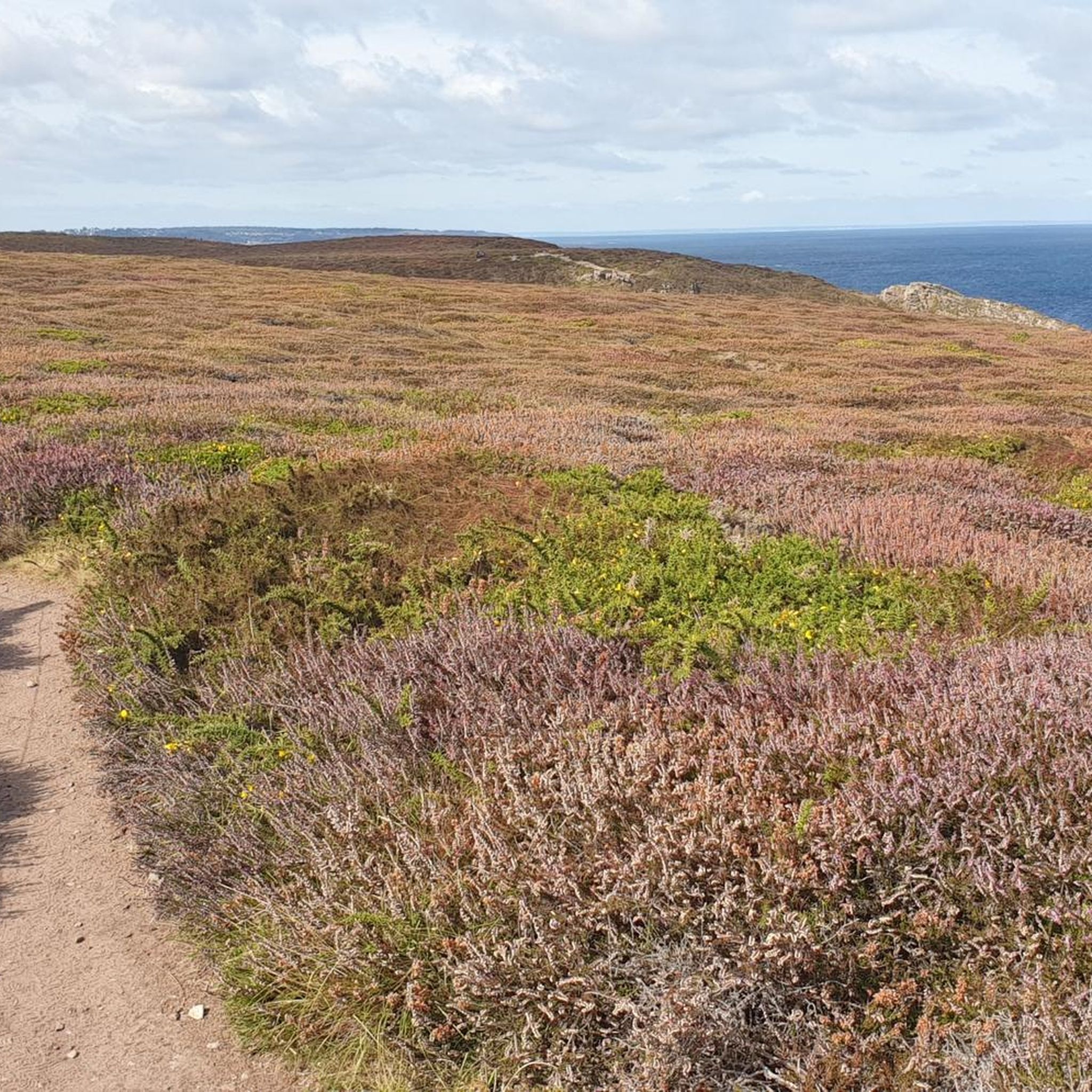
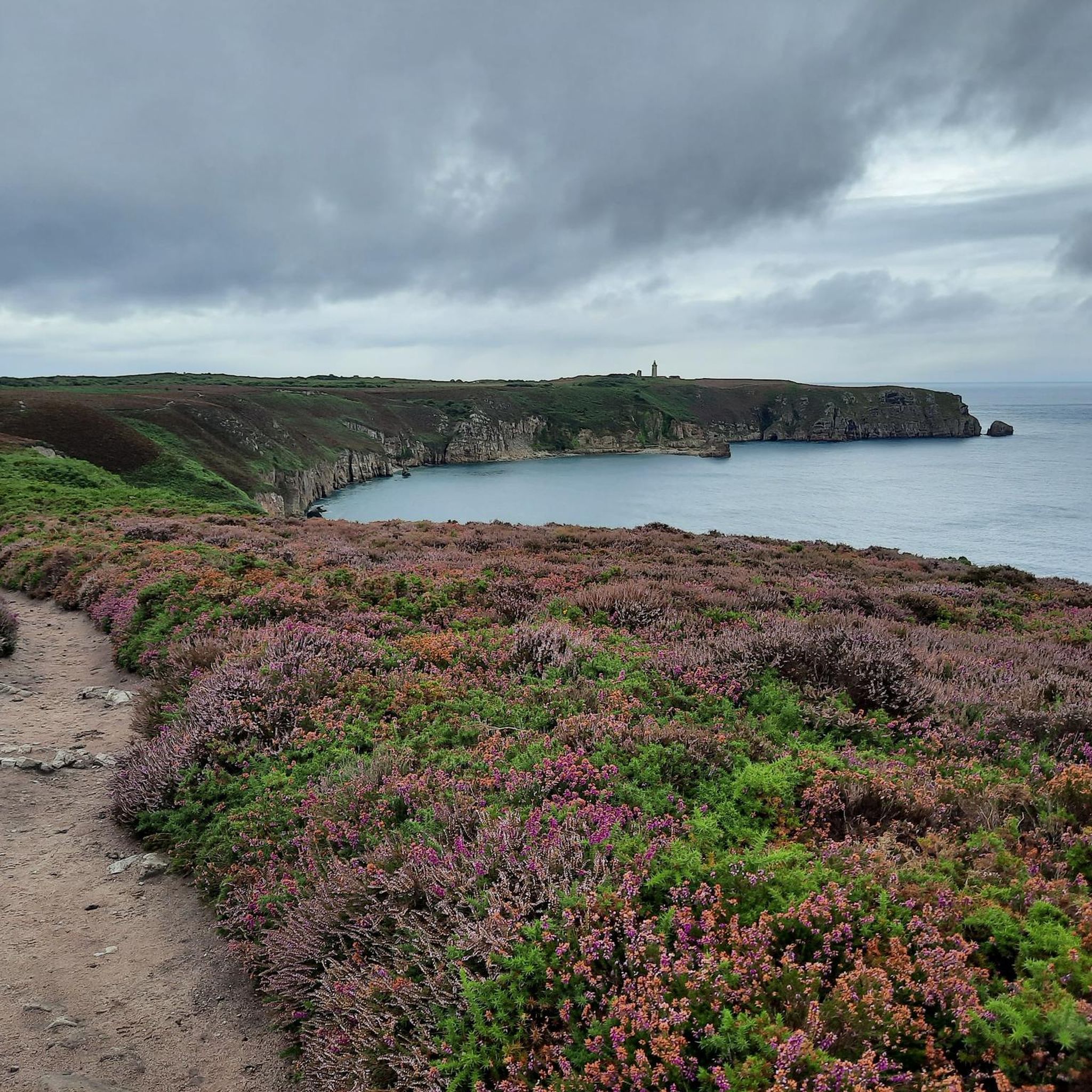
In brilliant sunshine, Cap Fréhel shows itself from its most impressive side. The mighty cliffs glow in the warm light, while the lighthouse majestically rises above the vast heathland. Deep below the rocks, the clear, turquoise sea shimmers, forming a unique natural spectacle with the dark granite formations and the colorful heath areas. The wide view over the coast, the play of light and water, and the rugged beauty of the landscape make this place an unforgettable experience.
27
0

Dreamlike views at every point of the hiking trail
1
0
Cap Fréhel is one of the most spectacular coastal landscapes in Brittany. The cliffs, up to 70 metres high, made of pink sandstone, the vast heathlands, and the numerous seabirds make the headland a special natural experience. In addition to the current lighthouse, the historic Vauban tower from 1702 recalls the long history of coastal surveillance and maritime safety.
13
0
Perched high on the pink granite cliffs above the Emerald Coast, Cap Fréhel offers sweeping views extending all the way to the islands of Jersey. Surrounded by the colorful Lande de Fréhel and important bird sanctuaries such as La Fauconnière, nature, history, and the sea combine here in a striking way. The nearby lighthouse and Fort La Latte complete the unique coastal panorama.
28
0
Off the coast of Cap Fréhel lies the small, rugged island of La Fauconnière, designated a protected bird sanctuary. The rock is uninhabited and off-limits to the public—an important refuge for numerous seabirds and shorebirds that nest and breed here. Between spring and summer, guillemots, razorbills, cormorants, gulls, and northern gannets populate the steep cliffs. Their calls mingle with the wind and the roar of the sea, and this vibrant natural spectacle can be easily observed from the viewpoints at Cap Fréhel.
5
0

Beautiful panoramic view over two bays and several islands off the coast.
0
0

great place ideal for a little family walk
0
0

Birdwatching is worthwhile here. It's an important nature reserve with many seabirds such as gannets, guillemots, gulls, and cormorants – ideal for birdwatching.
7
0
Frequently Asked Questions
What are some of the most popular natural monuments to visit around Plévenon?
Among the most popular natural monuments is the Trail between Cap Fréhel and Fort La Latte, which offers breathtaking cliff structures and spectacular coastal views. Another must-see is Pointe du Chevet, providing beautiful views over the Bay of Arguenon. Visitors also appreciate the Great Blue Lake, a larger lake formed from a disused pink sandstone quarry.
What kind of dramatic natural features can I expect to see near Plévenon?
The region is characterized by vast coastal moors and dramatic pink sandstone and shale cliffs that plunge over 70 meters into the English Channel, particularly at Cap Fréhel. You'll find expansive panoramic views, especially from viewpoints like Pointe du Chevet, and unique geological formations like the blue lakes formed from old quarries.
Can I observe wildlife at the natural monuments in Plévenon?
Yes, Cap Fréhel is a protected natural site and a Natura 2000 area, known for its rich biodiversity. The La Fauconnière Bird Reserve is an important ornithological site where you can observe a diverse array of seabirds, including northern fulmars, crested cormorants, Atlantic puffins, and herring gulls, especially during the spring and summer nesting season. Rare species like Razorbills and Common Guillemots also nest here.
Are there good hiking opportunities around the natural monuments?
Absolutely. The renowned GR34 trail, also known as the 'Sentier des Douaniers,' connects Cap Fréhel to Fort la Latte, offering spectacular coastal views over approximately 9 km. The Trail between Cap Fréhel and Fort La Latte is a popular option. For more hiking trails, you can explore the hiking guides around Plévenon.
Are there family-friendly natural attractions in the Plévenon area?
Yes, several natural monuments are suitable for families. Pointe du Chevet offers a walk to the Île des Ébihens at low tide, which can be an adventure for kids. Saint-Michel Beach and Saint-Michel Islet is another great spot for swimming and exploring the islet at low tide. The La Fauconnière Bird Reserve is also a good option for nature-loving families.
When is the best time of year to visit the natural monuments around Plévenon?
The natural monuments around Plévenon are beautiful year-round, but spring and summer offer vibrant purple heather and golden gorse on the moors, creating a striking contrast with the sea. Spring and summer are also ideal for birdwatching at the La Fauconnière Bird Reserve during the nesting season. Clear days allow for views as far as Jersey from Cap Fréhel.
What is the geological significance of the natural monuments in Plévenon?
The area is notable for its dramatic pink sandstone and shale cliffs, particularly prominent at Cap Fréhel. The Great Blue Lake and its smaller counterpart are formed from disused quarries where pink sandstone was extracted for over a century, showcasing the region's industrial past intertwined with its natural beauty.
Are there any notable beaches or coastal features to explore?
Yes, the coastline offers several beautiful spots. Pointe du Chevet provides access to the Île des Ébihens at low tide. Saint-Michel Beach and Saint-Michel Islet in Erquy is a picturesque location with a small chapel on the islet, accessible at low tide. These areas are popular for swimming, shore fishing, and coastal strolls.
Do any natural monuments near Plévenon have historical significance?
While primarily natural, the setting of Fort la Latte, a 14th-century fortress, is an integral part of the natural monument experience. Built on a rocky cape of pink sandstone, its strategic location and rugged coastline contribute to its grandeur. The old quarries that formed the Great Blue Lake also represent a historical aspect of local industry.
Are there cycling routes available near the natural monuments?
Yes, the area around Plévenon offers various cycling opportunities. You can find routes for touring bicycles, road cycling, and mountain biking. For example, there are easy touring bicycle routes like the 'Coast at Fort La Latte – Cap Fréhel Coast loop from L'Isle'. Explore more options in the Cycling around Plévenon guide, the Road Cycling Routes around Plévenon guide, and the MTB Trails around Plévenon guide.
How much time should I allocate to explore the natural monuments?
The time needed varies by monument. For instance, the walk between Cap Fréhel and Fort la Latte on the GR34 trail is approximately 9 km and takes about 2 hours and 30 minutes round trip. Shorter visits to viewpoints like Pointe du Chevet or the Great Blue Lake might take an hour or two, while a comprehensive exploration of Cap Fréhel and its bird reserve could easily fill half a day.
What makes the natural monuments around Plévenon unique?
The uniqueness stems from the dramatic combination of vast coastal moors, towering pink sandstone cliffs, and rich biodiversity. Cap Fréhel, part of the Grand Site de France network, is particularly special for its extensive moors, significant bird reserve like La Fauconnière, and the iconic Cap Fréhel Lighthouse. The geological history of pink sandstone extraction, evident at the Great Blue Lake, also adds to the distinct character of the area.
What should I wear when visiting the natural monuments, especially for hiking?
Given the coastal environment and potential for hiking, it's advisable to wear comfortable, sturdy walking shoes or hiking boots. Layers of clothing are recommended as weather conditions can change quickly. A windproof and waterproof jacket is often useful, even on sunny days, due to the exposed nature of the cliffs and moors. Don't forget sun protection and plenty of water.
Most popular routes around Plévenon
Most popular attractions around Plévenon

Get inspired with the komoot mobile app


Explore more
Extend your search for the best caves by checking out these guides of the top ones around Plévenon:
