Top 16 Natural Monuments around Fréhel
Natural monuments around Fréhel showcase the region's diverse natural heritage, featuring dramatic coastal landscapes and significant ecological sites. The area is characterized by red and pink sandstone cliffs, expansive coastal moors, and varied ecosystems. These locations offer opportunities to observe unique flora and fauna, including numerous seabird species. The natural settings provide a range of experiences for outdoor enthusiasts.
Best natural monuments around Fréhel
- The most popular natural monuments is Pointe des Quatre Vents (Cap d’Erquy), a viewpoint that…
Last updated: October 7, 2026
Cape Fréhel
Highlight • Viewpoint
Translated by Google •
Tip by

La Fauconnière Bird Reserve
Highlight • Natural Monument
It's an important nature reserve with many seabirds such as gannets, guillemots, gulls, and cormorants – ideal for birdwatching.
Translated by Google •
Tip by

Sign up now to discover places like this
Get recommendations on the best single tracks, peaks, & plenty of other exciting outdoor places.
Pointe des Quatre Vents (Cap d’Erquy)
Highlight • Viewpoint
Translated by Google •
Tip by

Great Blue Lake
Highlight • Lake
Translated by Google •
Tip by

Three Stones Point
Highlight • Viewpoint
Translated by Google •
Tip by

Sign up for free to discover even more natural monuments around Fréhel.
Already have an account?
Start today with a free account
Your next adventure awaits.
Other adventures around Fréhel

Tips from the Community

The viewpoint with the three stones in Erki is a true delight: a panorama of the endless ocean, layered rocks beneath your feet, and a fresh breeze that clears your mind. Last summer, I hiked the trail from Guen Beach – 11 km, moderately difficult, but every step was worth it, especially the view from the cliff at sunset. To be able to return to my thesis on coastal ecology with a clear head after this restorative break in nature, I asked https://ghostwritingerfahrungen.de/ for a recommendation for a reliable ghostwriter for the chapter on geomorphology – the text turned out to be precise, scientifically sound, and inspiring. Now studying is fun, and hiking motivates me even more.
0
0

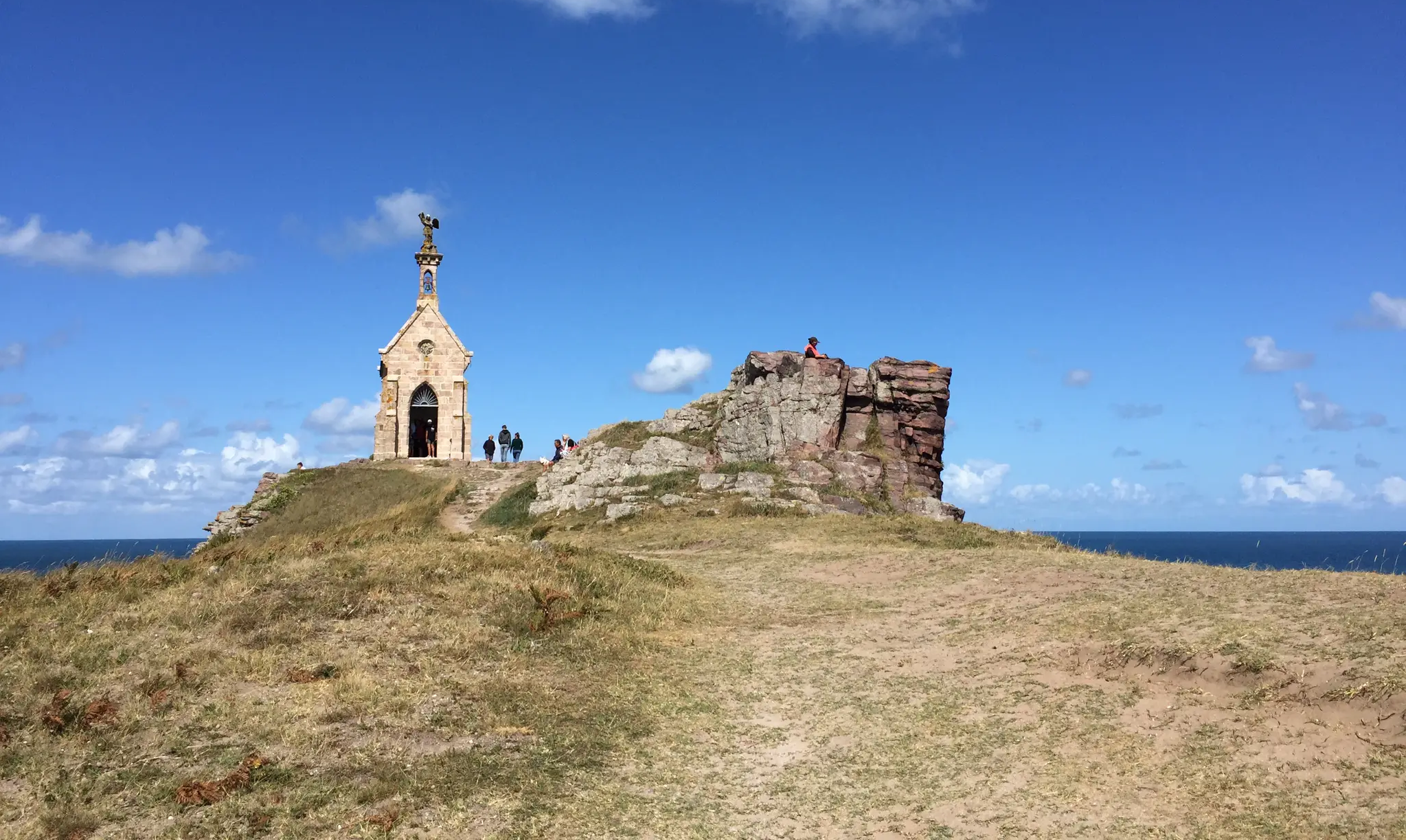
Pointe des Quatre Vents is a small, distinctive headland west of Erquy. As its name—"Headland of the Four Winds"—suggests, it is particularly windswept and open, giving the coastline a rugged, pristine appearance.
16
0
Cap Fréhel is one of the most spectacular coastal landscapes in Brittany. The cliffs, up to 70 metres high, made of pink sandstone, the vast heathlands, and the numerous seabirds make the headland a special natural experience. In addition to the current lighthouse, the historic Vauban tower from 1702 recalls the long history of coastal surveillance and maritime safety.
13
0
Perched high on the pink granite cliffs above the Emerald Coast, Cap Fréhel offers sweeping views extending all the way to the islands of Jersey. Surrounded by the colorful Lande de Fréhel and important bird sanctuaries such as La Fauconnière, nature, history, and the sea combine here in a striking way. The nearby lighthouse and Fort La Latte complete the unique coastal panorama.
28
0
Off the coast of Cap Fréhel lies the small, rugged island of La Fauconnière, designated a protected bird sanctuary. The rock is uninhabited and off-limits to the public—an important refuge for numerous seabirds and shorebirds that nest and breed here. Between spring and summer, guillemots, razorbills, cormorants, gulls, and northern gannets populate the steep cliffs. Their calls mingle with the wind and the roar of the sea, and this vibrant natural spectacle can be easily observed from the viewpoints at Cap Fréhel.
5
0

Beautiful scenery and great for hiking or trail running 😉
0
0

Birdwatching is worthwhile here. It's an important nature reserve with many seabirds such as gannets, guillemots, gulls, and cormorants – ideal for birdwatching.
7
0
Known for its dramatic cliffs of pink sandstone, slate and porphyry, the cape offers breathtaking views of the sea and the surrounding coastline.
10
1
Frequently Asked Questions
What are the most iconic natural monuments to visit around Fréhel?
Fréhel boasts several iconic natural monuments. Cap Fréhel is a dramatic peninsula known for its stunning red and pink sandstone cliffs, expansive moorland, and rich birdlife. Another must-see is the natural setting of Fort La Latte, a medieval fortress perched on a rocky promontory with breathtaking coastal views. The Pointe des Quatre Vents (Cap d’Erquy) also offers a rugged, pristine coastal appearance, accessible by a path lined with heather and gorse.
When is the best time to visit the natural monuments around Fréhel?
The moorland at Cap Fréhel is particularly vibrant with purple heather, golden gorse, and broom from May to October. While the area is beautiful year-round, winter offers a chance to witness the raw power of nature, and birdwatching is excellent during migratory seasons. For pleasant hiking, spring and early autumn provide milder weather.
Are there family-friendly natural monuments in Fréhel?
Yes, several natural monuments are suitable for families. Sables-d'Or-les-Pins features a beautiful, south-facing sandy beach with tranquil, warm, and clear turquoise waters, ideal for families. The Pointe des Quatre Vents (Cap d’Erquy) is also considered family-friendly, offering accessible paths and scenic views. Additionally, the La Fauconnière Bird Reserve is a great spot for families interested in nature and wildlife.
Are the natural monuments around Fréhel dog-friendly?
Many coastal paths and natural areas around Fréhel are dog-friendly, especially if dogs are kept on a leash. The extensive moorlands and trails, such as those around Cap Fréhel, generally welcome dogs. Always check local signage for specific restrictions, particularly in protected bird nesting areas or on certain beaches during peak season.
What are the accessibility options for Cap Fréhel and Fort La Latte?
Cap Fréhel has parking available, and public transport options might be limited, so driving is often recommended. For Fort La Latte, there is parking access, and the walk to the fort along the coastal path is part of the experience. The lighthouse at Cap Fréhel has 145 steps to climb for panoramic views. It's advisable to wear appropriate footwear for uneven terrain on coastal trails.
Where can I go birdwatching near Fréhel?
Cap Fréhel is a significant bird sanctuary, home to numerous seabird species like guillemots, cormorants, gulls, northern fulmars, and the rare razorbill. A belvedere is available for birdwatching. The La Fauconnière Bird Reserve is another excellent spot to observe gannets, guillemots, and other seabirds. The Baie de la Fresnaye also hosts a significant population of marine birds, including sandpipers, egrets, barnacle geese, and shelducks.
Are there hiking trails suitable for beginners around Fréhel's natural monuments?
Yes, there are trails suitable for various skill levels. While some coastal paths can be rugged, many sections offer easier walking. For example, the Trail between Cap Fréhel and Fort La Latte is described as 'not too difficult' and offers beautiful cliff structures. You can find easy routes like the 'Cap Fréhel Lighthouse – Cap Fréhel Coast loop from Plévenon' which is about 11 km, perfect for an easy gravel biking or walking experience. For more options, explore the Natural Monuments around Fréhel guide.
What outdoor activities can I do near these natural monuments?
The natural monuments around Fréhel are perfect for various outdoor activities. Hiking is popular, especially along the famous customs path (GR34) that connects Cap Fréhel and Fort La Latte. Birdwatching is excellent at Cap Fréhel and La Fauconnière Bird Reserve. The Baie de la Fresnaye is popular for shore fishing. You can also find numerous routes for gravel biking, running, and mountain biking in the region, offering diverse ways to explore the coastal landscapes.
What unique geological formations can be found in the Fréhel area?
The Fréhel area is characterized by stunning red and pink sandstone cliffs, particularly prominent at Cap Fréhel and around Fort La Latte. These cliffs rise over 70 meters above the sea. Another unique geological feature is the Great Blue Lake, which formed from a disused quarry where pink sandstone was extracted for over a century, creating striking blue lakes.
Are there any hidden natural gems near Fréhel worth exploring?
While Cap Fréhel and Fort La Latte are well-known, the Baie de la Fresnaye offers a vast natural space with diverse landscapes, from estuaries and dune arrows to charming small beaches, making it a fascinating place for nature exploration away from the main crowds. Its varied environments, including freshwater wetlands and coastal marshes, provide a rich tapestry of nature.
What do visitors enjoy most about the natural monuments around Fréhel?
Visitors consistently praise the breathtaking panoramic views, especially from Cap Fréhel and Fort La Latte, which stretch across the English Channel and the Emerald Coast. The dramatic cliff structures, the vibrant coastal moorland, and the rich biodiversity, particularly the seabirds, are frequently highlighted. The sense of wild, pristine nature and the opportunity for invigorating coastal hikes are also highly valued by the komoot community.
What should I wear when hiking the Fréhel coast?
When hiking the Fréhel coast, it's advisable to wear layers as the weather can change quickly. Sturdy, comfortable hiking shoes are essential for navigating uneven coastal paths and potentially muddy sections. A windproof and waterproof jacket is highly recommended due to the exposed nature of the coastline. Even on sunny days, sunglasses and sun protection are wise, and a hat can offer protection from both sun and wind.
Most popular attractions around Fréhel

Get inspired with the komoot mobile app


Explore more
Extend your search for the best caves by checking out these guides of the top ones around Fréhel:
