Top 10 Natural Monuments around Saint-Jacut-De-La-Mer
Best natural monuments around Saint-Jacut-De-La-Mer include a peninsula known for its diverse coastal features and significant natural sites. This area in Brittany offers a landscape shaped by the sea, featuring pink granite cliffs, sandy beaches, and unique archipelagos. Visitors can explore protected sites and enjoy panoramic views of the Emerald Coast. The region is characterized by its dramatic tidal changes and rich marine ecosystems.
Best natural monuments around Saint-Jacut-De-La-Mer
- The most popular natural monuments is Pointe du Chevet, a…
Last updated: October 7, 2026
Pointe du Chevet
Highlight • Viewpoint
Translated by Google •
Tip by

Doigt de Gargantua
Highlight • Natural Monument
Showing Translation
Tip by

Sign up now to discover places like this
Get recommendations on the best single tracks, peaks, & plenty of other exciting outdoor places.
Stunning view of Cap Fréhel
Highlight • Viewpoint
Translated by Google •
Tip by

Pen Guen Beach
Highlight • Beach
Translated by Google •
Tip by

Pointe du Nick Nature Area
Highlight • Natural Monument
Tip by

Sign up for free to discover even more natural monuments around Saint-Jacut-De-La-Mer.
Already have an account?
Start today with a free account
Your next adventure awaits.
Popular around Saint-Jacut-De-La-Mer
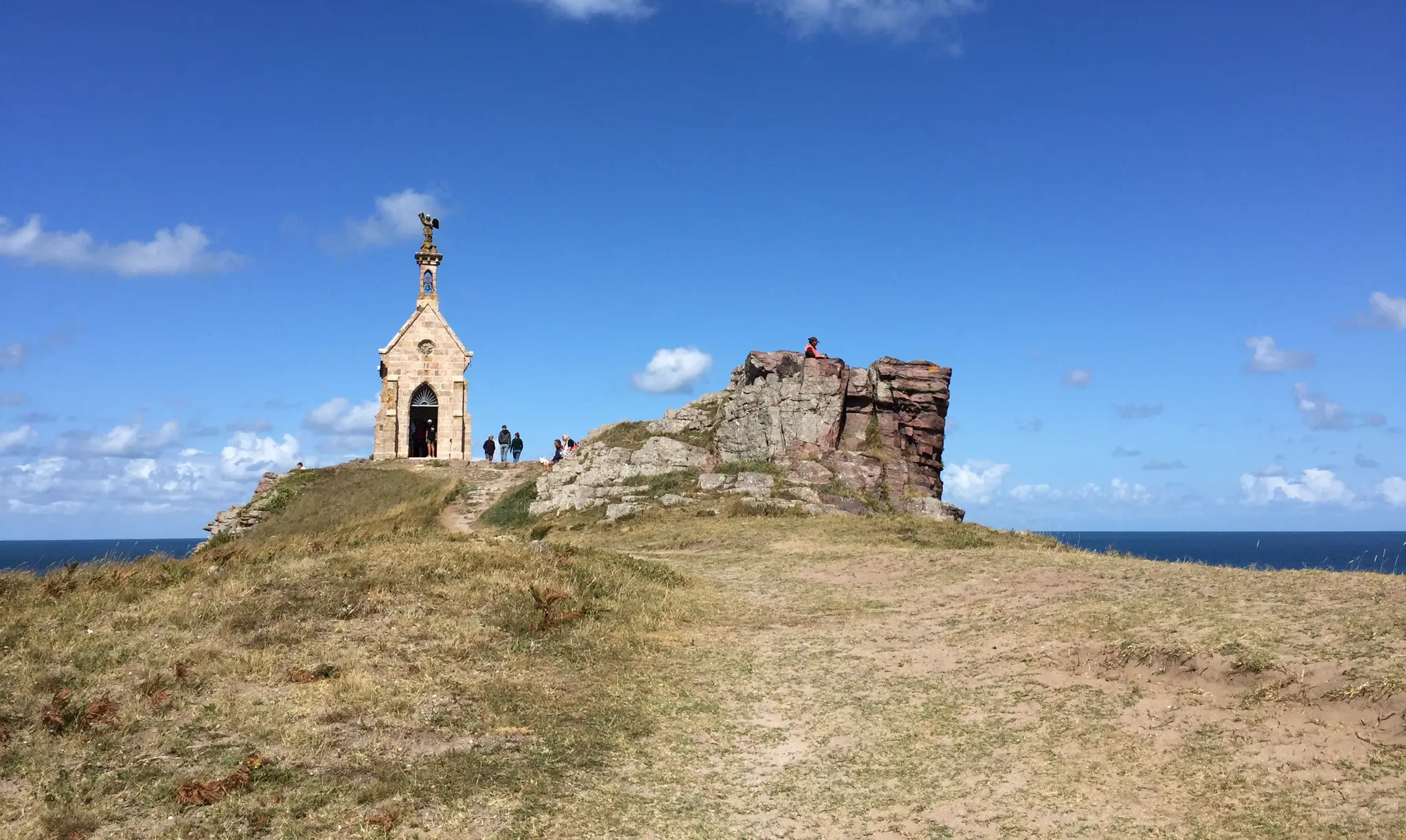
The Customs Officers’ Path – GR 34 between Erquy and Saint-Malo

Cycling around Saint-Jacut-De-La-Mer

Running Trails around Saint-Jacut-De-La-Mer

Hiking around Saint-Jacut-De-La-Mer

MTB Trails around Saint-Jacut-De-La-Mer

Road Cycling Routes around Saint-Jacut-De-La-Mer

Gravel biking around Saint-Jacut-De-La-Mer
Other adventures around Saint-Jacut-De-La-Mer

Tips from the Community

The approximately 2.6-meter-high stone is made of granite typical of the region and stands out for its slender, towering shape. As with many megaliths in Brittany, its original meaning is not clearly handed down. However, it is scientifically proven that it dates from the prehistoric era and was likely erected as part of the Neolithic megalithic culture. The stone received its current name through local folklore. According to Breton legends, it is said to be the finger of the giant Gargantua, who supposedly left it behind during his travels through the landscape. These tales belong to the rich world of Breton legends.
26
0
On the way to Fort La Latte, you encounter a special stone relic from times long past: the Doigt de Gargantua („Gargantua’s Finger“). The upright granite stone is a menhir from the Neolithic period and thus several millennia older than the medieval fortress. It serves as a reminder that the landscape around the Breton coast was already used and shaped by humans long before the construction of the castle.
27
0

Incredibly beautiful here. The wild coast, the colorful heather, the scent of the sea. Simply magnificent!
0
0

Beautiful panoramic view over two bays and several islands off the coast.
0
0

great place ideal for a little family walk
0
0

This small communal road allows you to drive in complete peace while admiring Cap Fréhel and its characteristic moors in the distance, tinged with beautiful shades of pink and yellow against the blue backdrop of the sea.
0
0

Always worth a hike! One of the most beautiful capes in Brittany!
0
0

At high tide it is the end of the headland, at low tide you can walk further to the next island.
0
1
Frequently Asked Questions
What are some of the most notable natural monuments to visit around Saint-Jacut-De-La-Mer?
The region offers several remarkable natural monuments. The Pointe du Chevet is a classified Natura 2000 site providing extensive panoramic views over the Bay of Arguenon and the Archipel des Ébihens. The Archipel des Ébihens itself is a protected islet known for its wild nature, fine sandy beaches, and marine life, accessible at low tide. Another popular spot is Pen Guen Beach, offering wide, gently sloping sands with views towards the Ébihens islands.
Are there natural monuments suitable for families with children?
Yes, several natural monuments are family-friendly. Pointe du Chevet is great for walks and exploring rock pools at low tide, with visitors often enjoying looking for green crabs. Pen Guen Beach is ideal for families due to its wide, gently sloping sands. The walk to the Archipel des Ébihens at low tide can also be an adventure for older children.
How much time should I allocate to visit the natural monuments?
For the Pointe du Chevet, you might spend 1-2 hours enjoying the views and exploring the immediate area. If you plan to walk to the Archipel des Ébihens, allow 3-4 hours, including the walk across the foreshore and exploration of the island, ensuring you check tide times carefully for safe passage.
Is parking available near the natural monuments?
Yes, parking is generally available near popular natural sites. For instance, there are parking areas close to the Pointe du Chevet, which serves as a starting point for walks to the Archipel des Ébihens. Similarly, beaches like Pen Guen Beach typically have nearby parking facilities.
Can I observe wildlife at the natural monuments?
Yes, the natural monuments are rich in wildlife. The Archipel des Ébihens is known for its diverse marine life, including extensive seagrass beds, and the islet of La Colombière within the archipelago is a significant ornithological reserve, hosting a multi-species colony of terns. You might also spot various seabirds and marine creatures in the rock pools around the Pointe du Chevet.
Are dogs allowed at the natural monuments?
Policies for dogs can vary. While many coastal paths and natural areas are dog-friendly, some protected sites, especially bird reserves like the Île de la Colombière, may have restrictions during nesting seasons or require dogs to be on a leash. It's best to check local signage or specific regulations for each site you plan to visit.
When is the best time of year to visit the natural monuments in Saint-Jacut-De-La-Mer?
The natural monuments are beautiful year-round, but the spring and summer months (May to September) offer the most pleasant weather for outdoor activities like walking and beach visits. During these months, the coastal flora is vibrant, and the longer daylight hours allow for more exploration. However, the dramatic tidal changes and rugged beauty can be appreciated in any season.
What outdoor activities can I do near these natural monuments?
The area is excellent for various outdoor activities. You can enjoy coastal hiking, particularly along the GR34 path that passes through the Pointe du Chevet. There are also numerous road cycling routes, such as the "Guildo Castle – Pointe du Chevet loop," and running trails like the "Pointe du Chevet – View of the Émeraude Coast loop." For more options, explore the hiking, road cycling, and running guides for Saint-Jacut-de-la-Mer.
Are there hiking trails along the coast near the natural monuments?
Yes, the region is renowned for its coastal hiking trails. The scenic GR34 coastal path runs along the peninsula, offering stunning views from points like the Pointe du Chevet. You can also find trails like the Trail between Cap Fréhel and Fort La Latte, which provides breathtaking views of cliff structures. Many routes, such as "La pointe du Chevet — loop from Saint-Jacut-de-la-Mer," are available for exploration.
What do visitors particularly enjoy about the natural monuments in Saint-Jacut-De-La-Mer?
Visitors frequently praise the breathtaking views, especially from the Pointe du Chevet, which offers extensive vistas over the Bay of Arguenon and the Archipel des Ébihens. The unique experience of walking across the ocean floor at low tide to the Archipel des Ébihens is also a highlight. The beautiful, not-too-difficult coastal hiking trails and the tranquil atmosphere of spots like Pen Guen Beach are also highly appreciated.
What should I wear when visiting the natural monuments?
Given the coastal environment, it's advisable to wear comfortable walking shoes suitable for uneven terrain, especially if you plan to explore rocky areas or walk across the foreshore. Layers of clothing are recommended as the weather can change quickly, and a windproof jacket is often useful. Don't forget sun protection, even on cloudy days.
Are there any lesser-known natural spots worth exploring?
While the Archipel des Ébihens and Pointe du Chevet are well-known, exploring the various smaller coves and beaches along the Saint-Jacut-de-la-Mer peninsula can reveal quieter, equally beautiful spots. The wild promontory of the Pointe du Chevet itself, with its pines bent by the wind and pink granite cliffs, offers many hidden nooks for contemplation away from the main viewpoints.
Most popular routes around Saint-Jacut-De-La-Mer
Most popular attractions around Saint-Jacut-De-La-Mer

Get inspired with the komoot mobile app


Explore more
Extend your search for the best caves by checking out these guides of the top ones around Saint-Jacut-De-La-Mer:
