Top 9 Natural Monuments around Saint-Pôtan
Natural monuments around Saint-Pôtan offer diverse landscapes and unique features. Saint-Pôtan, located in Côtes-d'Armor, France, is surrounded by coastal areas known for their natural beauty. The region features dramatic headlands, coastal paths, and scenic viewpoints. There are 9 natural monuments around Saint-Pôtan to explore.
Best natural monuments around Saint-Pôtan
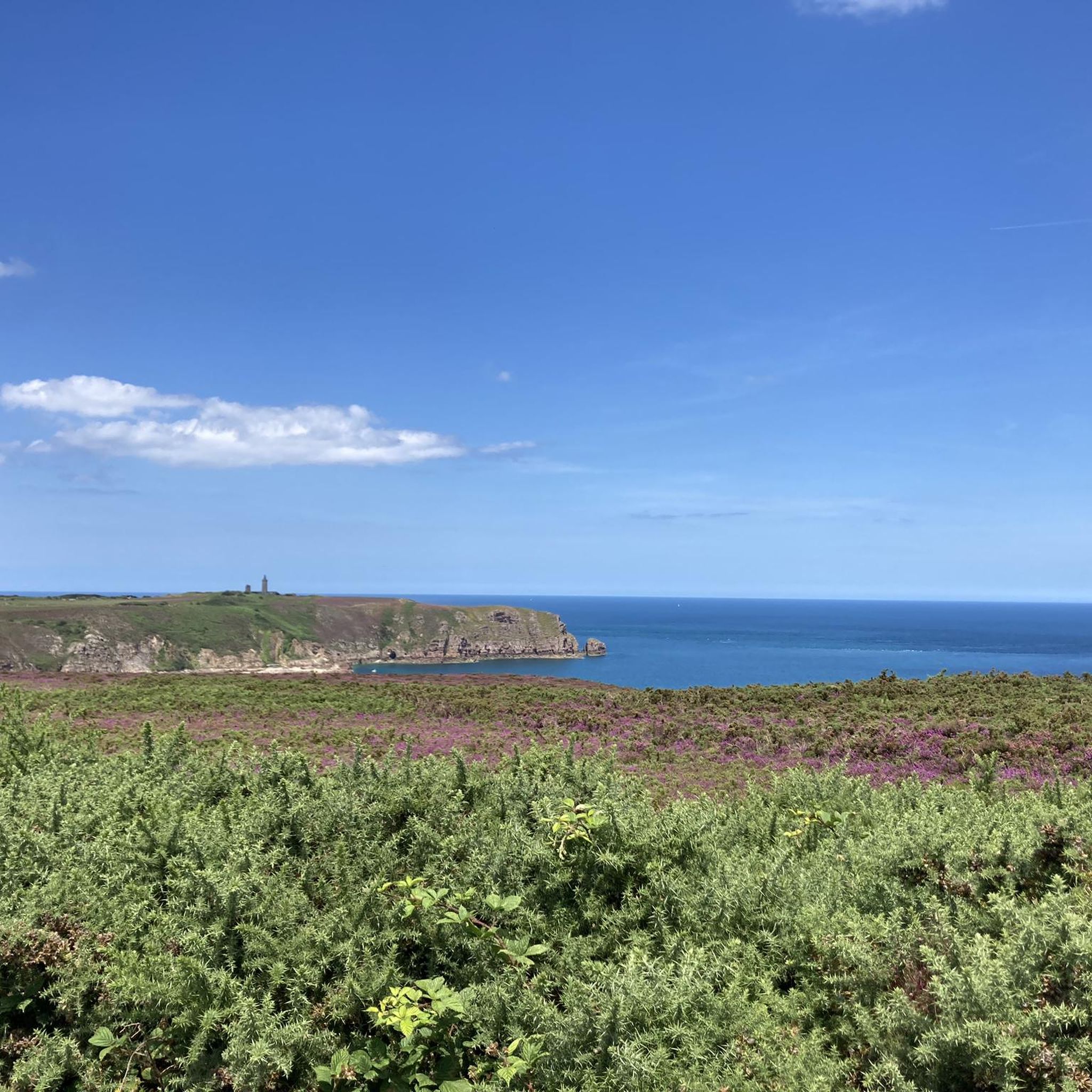
- The most popular natural monuments is Trail between Cap Fréhel and Fort La Latte, a trail that offers views of cliff structures and the sea. This coastal path provides views of pink sandstone cliffs and a moor.
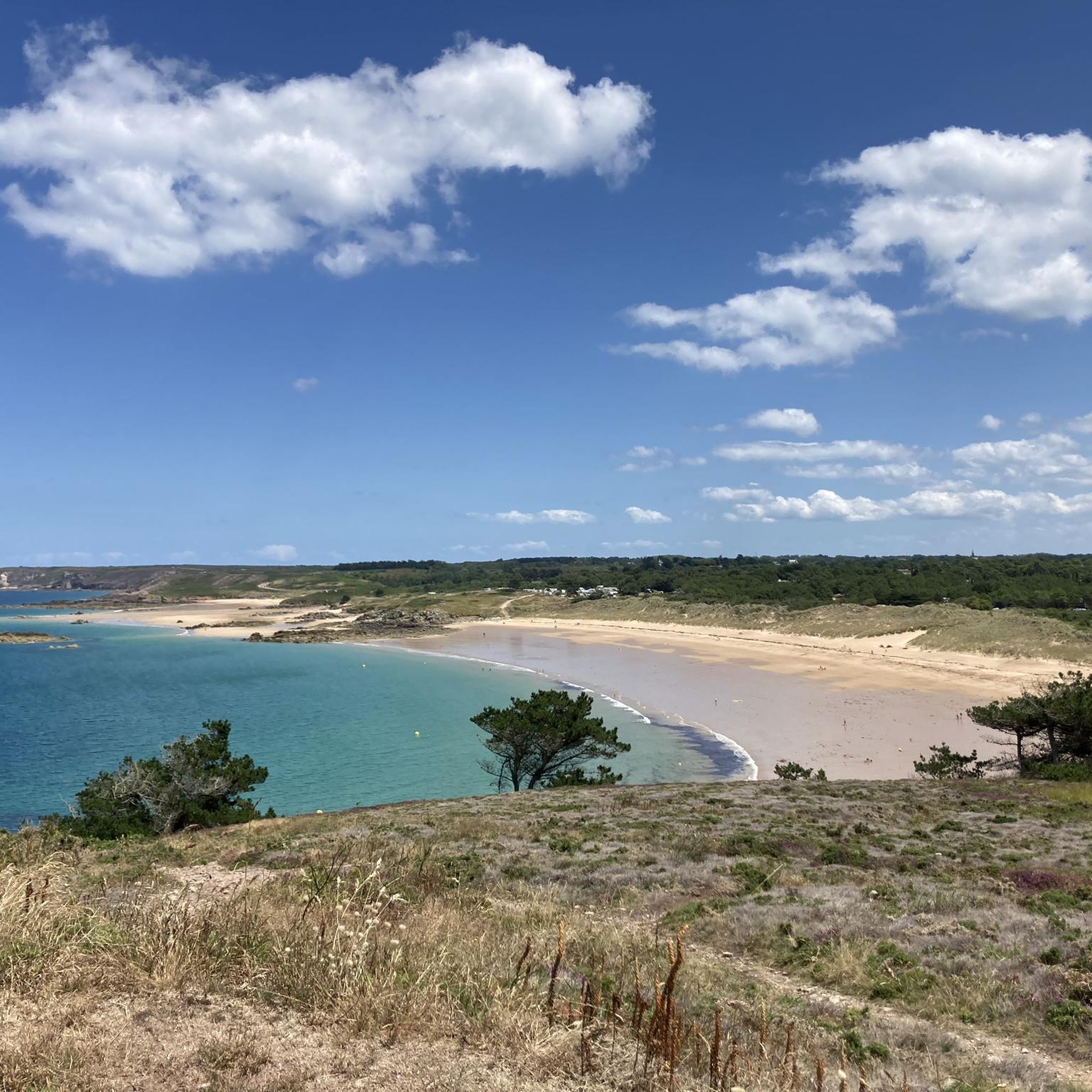
- Another must-see spot is Pointe du Chevet, a viewpoint offering views over the Bay of Arguenon. From here, the islands of Ebihens and Colombière are visible.
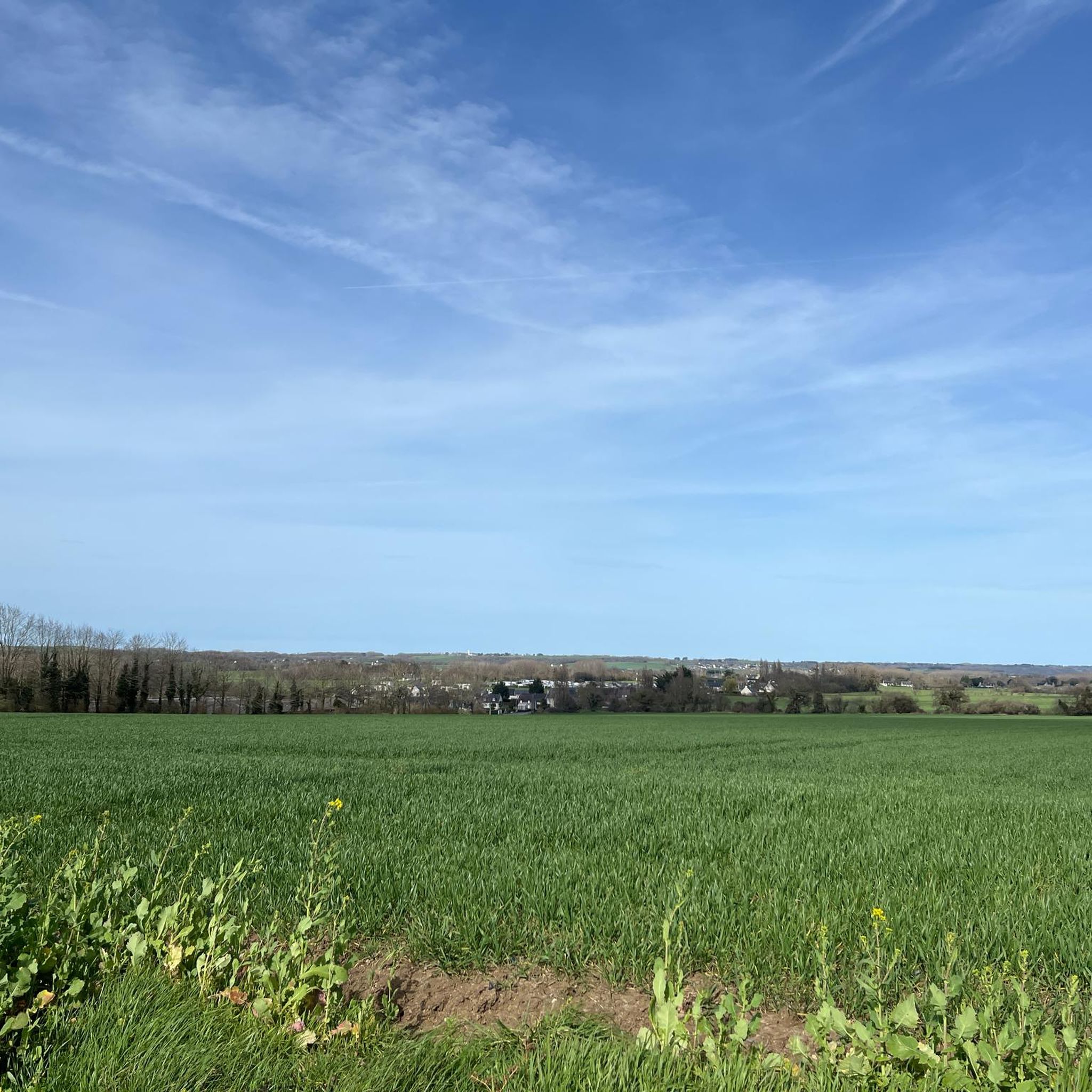
- Visitors also love Stunning view of Cap Fréhel, a viewpoint along a communal road. This location allows for observation of Cap Fréhel and its characteristic moors.
- Saint-Pôtan is known for its viewpoints, coastal trails, and beaches. The area offers a variety of natural monuments to see and explore, including dramatic cliffs and headlands.
- The natural monuments around Saint-Pôtan are appreciated by the komoot community, with 483 upvotes and 312 photos shared by visitors.
Last updated: August 13, 2026
Trail between Cap Fréhel and Fort La Latte
Highlight (Segment) • Trail
Translated by Google •
Tip by

Pointe du Chevet
Highlight • Viewpoint
Translated by Google •
Tip by

Sign up now to discover places like this
Get recommendations on the best single tracks, peaks, & plenty of other exciting outdoor places.
Sign up for free
Doigt de Gargantua
Highlight • Natural Monument
Showing Translation
Tip by

Stunning view of Cap Fréhel
Highlight • Viewpoint
Translated by Google •
Tip by

Pointe aux Chèvres
Highlight • Viewpoint
Translated by Google •
Tip by

Sign up for free to discover even more natural monuments around Saint-Pôtan.
Sign up for free
Already have an account?
Start today with a free account
Your next adventure awaits.
Login or Signup

Tips from the Community

The approximately 2.6-meter-high stone is made of granite typical of the region and stands out for its slender, towering shape. As with many megaliths in Brittany, its original meaning is not clearly handed down. However, it is scientifically proven that it dates from the prehistoric era and was likely erected as part of the Neolithic megalithic culture. The stone received its current name through local folklore. According to Breton legends, it is said to be the finger of the giant Gargantua, who supposedly left it behind during his travels through the landscape. These tales belong to the rich world of Breton legends.
25
0
On the way to Fort La Latte, you encounter a special stone relic from times long past: the Doigt de Gargantua („Gargantua’s Finger“). The upright granite stone is a menhir from the Neolithic period and thus several millennia older than the medieval fortress. It serves as a reminder that the landscape around the Breton coast was already used and shaped by humans long before the construction of the castle.
26
0

Incredibly beautiful here. The wild coast, the colorful heather, the scent of the sea. Simply magnificent!
0
0
One of Brittany's most beautiful coastal paths runs between Cap Fréhel and Fort La Latte. The narrow path, part of the famous GR34 customs path, leads along the spectacular cliffs of the Emerald Coast. For approximately four and a half kilometers, you'll be accompanied by the constant sound of the sea, the wind carries the scent of heather and salt, and the water shimmers in all the shades of green that gave this stretch of coast its name. From the cape's expansive heathland, the view opens up repeatedly over the rugged coastline, until the defiant Fort La Latte appears on the horizon – majestically perched on a rock overlooking the sea.
4
0

Magnificent path between the cape and the fort (gr34). Not too difficult, but perhaps dangerous (high cliffs)!
2
0

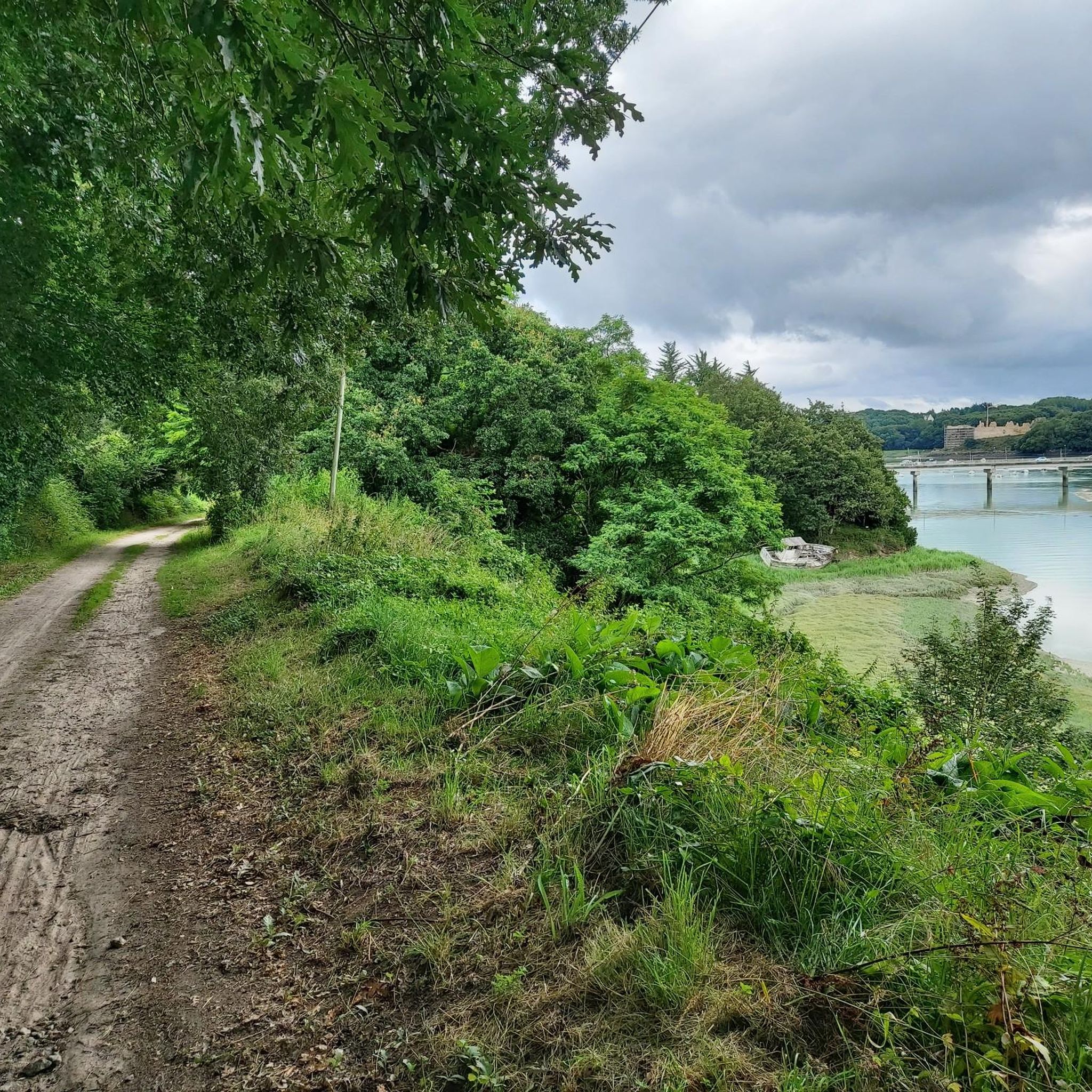
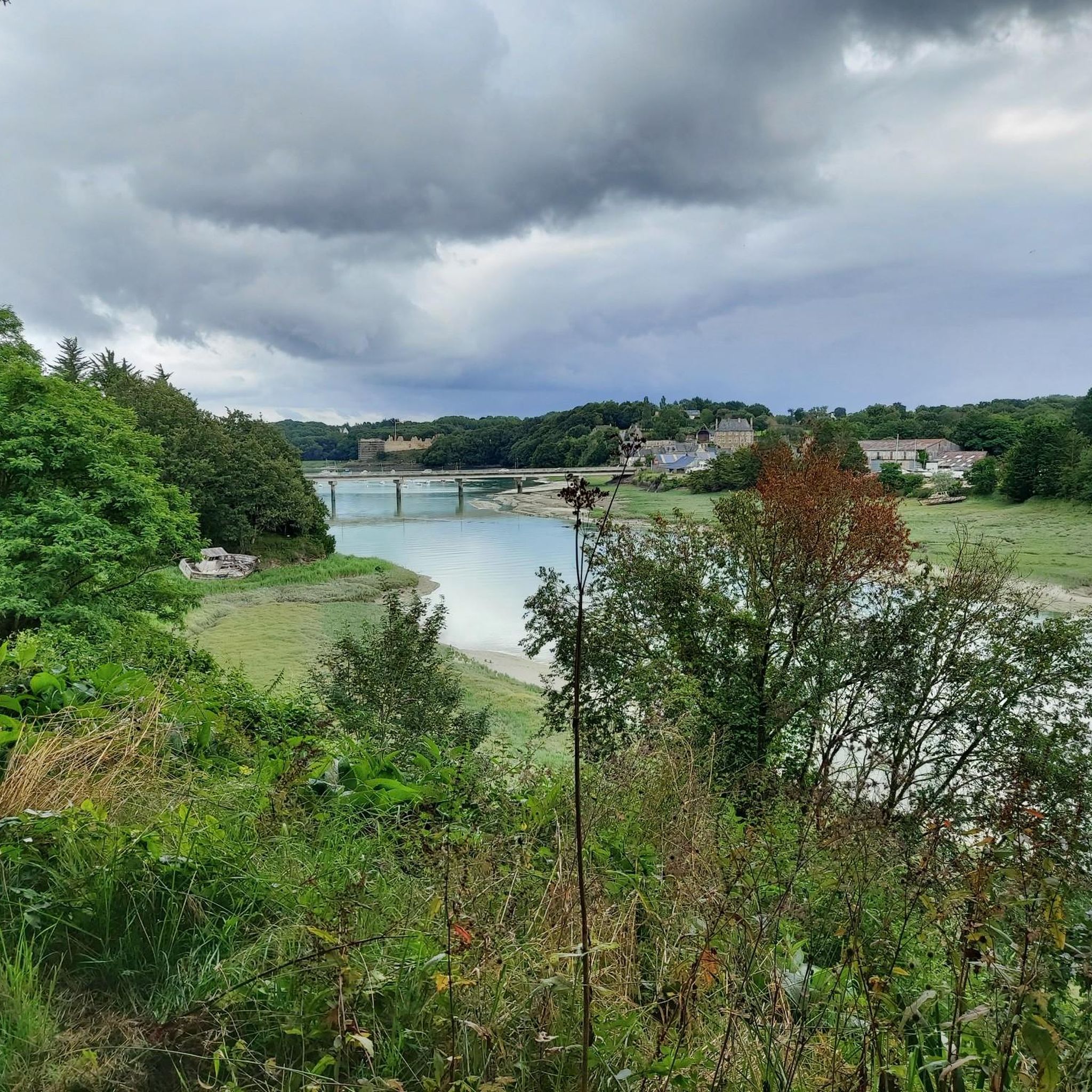
Beautiful panoramic view over two bays and several islands off the coast.
0
0

A little-visited point along the road. A beautiful orientation table with detailed information. The panorama is magnificent, with rock strata in front of you, Cap d'Erquy to the west, and Cap Fréhel to the east.
0
0

great place ideal for a little family walk
0
0
Frequently Asked Questions
What are the most popular natural monuments around Saint-Pôtan?
Visitors frequently enjoy the Trail between Cap Fréhel and Fort La Latte, which offers stunning views of cliff structures and the sea. Another favorite is Pointe du Chevet, known for its panoramic views over the Bay of Arguenon and the islands of Ebihens and Colombière. The Stunning view of Cap Fréhel is also highly appreciated for its characteristic moors and coastal scenery.
What natural features can I expect to see around Saint-Pôtan?
The region is characterized by dramatic coastal landscapes. You'll find impressive headlands like Pointe du Chevet and Cap Fréhel, offering panoramic sea views. The coastline features pink sandstone cliffs, emerald seas, and flowered moors, especially along the path between Cap Fréhel and Fort La Latte. There are also beautiful beaches, such as Pen Guen Beach, known for its wide, gently sloping sands.
When is the best time to visit the natural monuments around Saint-Pôtan?
The natural monuments, particularly the coastal areas, are beautiful year-round. However, for hiking and enjoying the moors in full bloom, late spring to early autumn (May to September) offers the most pleasant weather. During these months, you can best appreciate the vibrant colors and expansive views.
Are there family-friendly natural monuments to visit near Saint-Pôtan?
Yes, several natural monuments are suitable for families. Pointe du Chevet is considered family-friendly, with steps leading down to the ocean floor at low tide for exploring. Stunning view of Cap Fréhel and Pen Guen Beach are also great options for families, offering easy access and scenic spots for relaxation or play.
What hiking opportunities are available near these natural monuments?
The region offers excellent hiking, especially along the famous GR34 coastal path. A popular route is the 6 km walk from Cap Fréhel to Fort La Latte, which provides magnificent views of the cliffs and sea. For more options, you can explore various hiking routes in the area, including the "View of Château de Latte – La Pisote Beach loop from Matignon" or the "Moulin de la Mer Ruins – Le Moulin de la Mer Ruins loop from Matignon." You can find more details in the Hiking around Saint-Pôtan guide.
Are there cycling routes near the natural monuments?
Yes, there are several cycling and gravel biking routes that allow you to explore the natural beauty of the area. Options include the "Baie de la Fresnaye – View of Cap Fréhel loop from Saint-Cast-le-Guildo" for gravel biking, or the "Guildo Castle – La Banche Beach loop from Le Poteau" for touring bicycles. For a comprehensive list of routes, refer to the Gravel biking around Saint-Pôtan guide and the Cycling around Saint-Pôtan guide.
Are the natural monuments around Saint-Pôtan dog-friendly?
Many coastal paths and natural areas in Brittany, including parts of the GR34, are generally dog-friendly, especially if dogs are kept on a leash. However, specific rules may apply in protected areas like the ornithological reserve at Cap Fréhel. It's always best to check local signage for any restrictions, particularly concerning beaches or nature reserves.
Which natural monuments offer the best panoramic views?
For breathtaking panoramic views, Pointe du Chevet is exceptional, offering vistas over the entire Bay of Arguenon and distant islands. Pointe aux Chèvres is another excellent viewpoint, providing a magnificent panorama of Cap Fréhel to the east and Cap d'Erquy to the west. The Stunning view of Cap Fréhel also lives up to its name, showcasing the iconic cape and its moors.
What kind of wildlife can I observe at these natural monuments?
The coastal areas, particularly around Cap Fréhel, are rich in wildlife. Cap Fréhel is home to an ornithological reserve, making it an excellent spot for birdwatching. You can observe various seabirds nesting on the cliffs. The marine environment also supports diverse ecosystems, and at low tide, you might spot marine life in rock pools, as suggested by tips for Pointe du Chevet.
Is parking available at the natural monuments?
Yes, parking is generally available at popular natural monument sites such as Cap Fréhel and near Fort La Latte. For specific locations like Pointe du Chevet and Pointe aux Chèvres, there are often designated parking areas or roadside spots for visitors to access the viewpoints and trails.
How much time should I allocate to visit the natural monuments?
The time needed varies depending on the monument and your activity. For a quick visit to a viewpoint like Pointe du Chevet or Stunning view of Cap Fréhel, 30 minutes to an hour might suffice. If you plan to hike the coastal path between Cap Fréhel and Fort La Latte, allow at least 2-3 hours for the round trip, plus time to explore the fort itself. A full day could be spent exploring multiple sites and enjoying a longer hike or beach time.
Can I reach the natural monuments by public transport?
While direct public transport to every natural monument might be limited, some key locations like Cap Fréhel can be accessed via regional bus services from larger towns. However, for greater flexibility and to reach more secluded spots, driving or cycling is often recommended. It's advisable to check local bus schedules for routes connecting Saint-Pôtan to coastal areas like Cap Fréhel or Saint-Cast-le-Guildo.
Most popular routes around Saint-Pôtan
Most popular attractions around Saint-Pôtan

Get inspired with the komoot mobile app


Explore more
Extend your search for the best caves by checking out these guides of the top ones around Saint-Pôtan:
