Top 4 Natural Monuments around Plourhan
Natural monuments around Plourhan showcase the diverse natural heritage of this village in Brittany, France. The area features high coastal cliffs, rocky promontories, and scenic beaches. These sites offer varied landscapes and ecological interest. Visitors can explore these natural attractions through outdoor activities such as hiking along coastal paths.
Best natural monuments around Plourhan
- The most popular natural monument is Pointe de Plouha, a viewpoint that features the largest cliffs in Brittany. This wild point offers views overlooking the…
Last updated: June 20, 2026
Pointe de Plouha
Highlight • Viewpoint
Translated by Google •
Tip by

Rocher du Coucou
Highlight • Viewpoint
charged with emotion. Indeed, it is from there that the women of the
area came to greet the men who …
Translated by Google •
Tip by

Sign up now to discover places like this
Get recommendations on the best single tracks, peaks, & plenty of other exciting outdoor places.
Sign up for free
Bec de Vir Point
Highlight • Viewpoint
The access path runs alongside cultivated plots before overlooking the birth of the high cliffs of …
Translated by Google •
Tip by
Bernains archaeological and natural site
Highlight • Historical Site
Translated by Google •
Tip by

Kapelle Saint Jacques
Highlight • Religious Site
Translated by Google •
Tip by

Start today with a free account
Your next adventure awaits.
Login or Signup

Tips from the Community

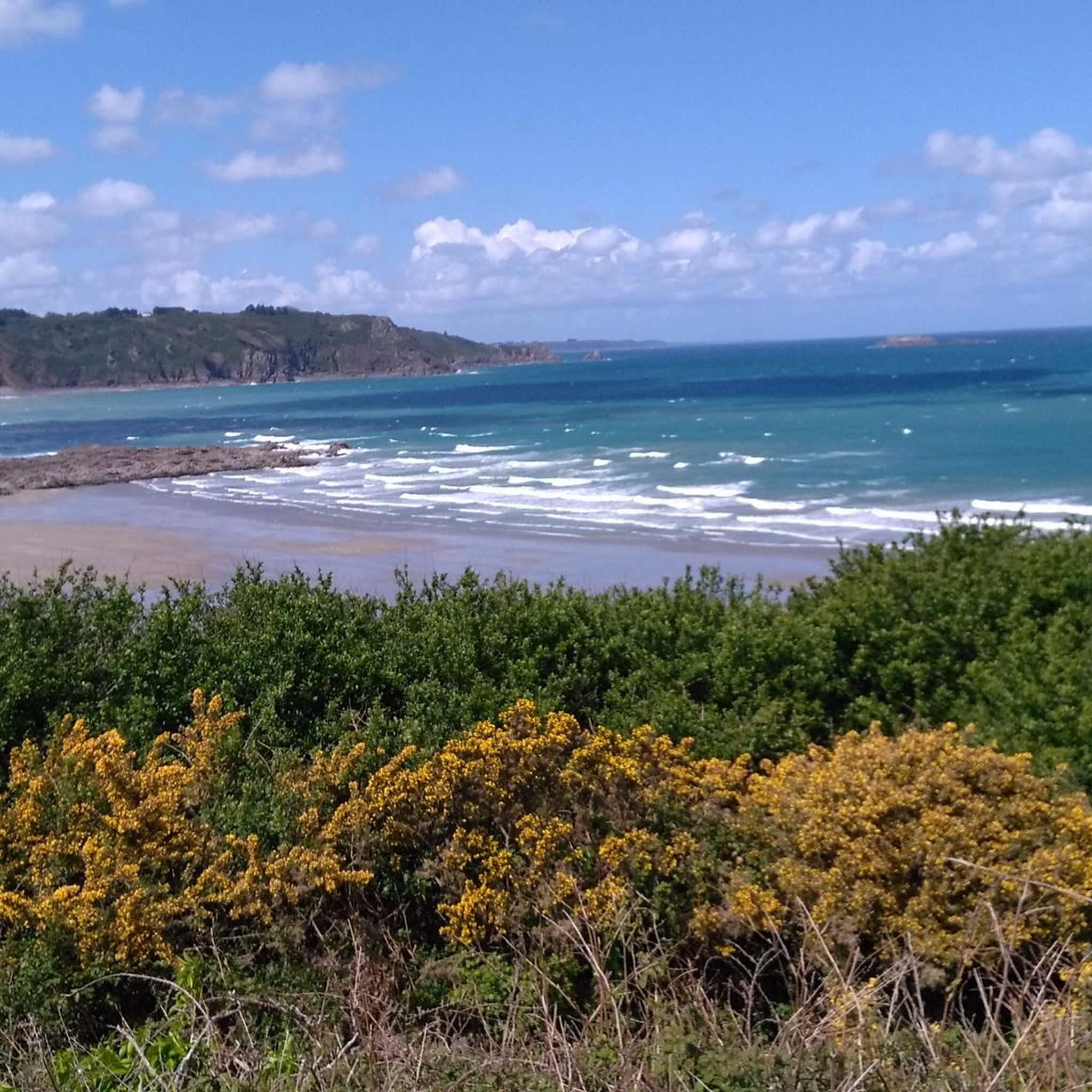
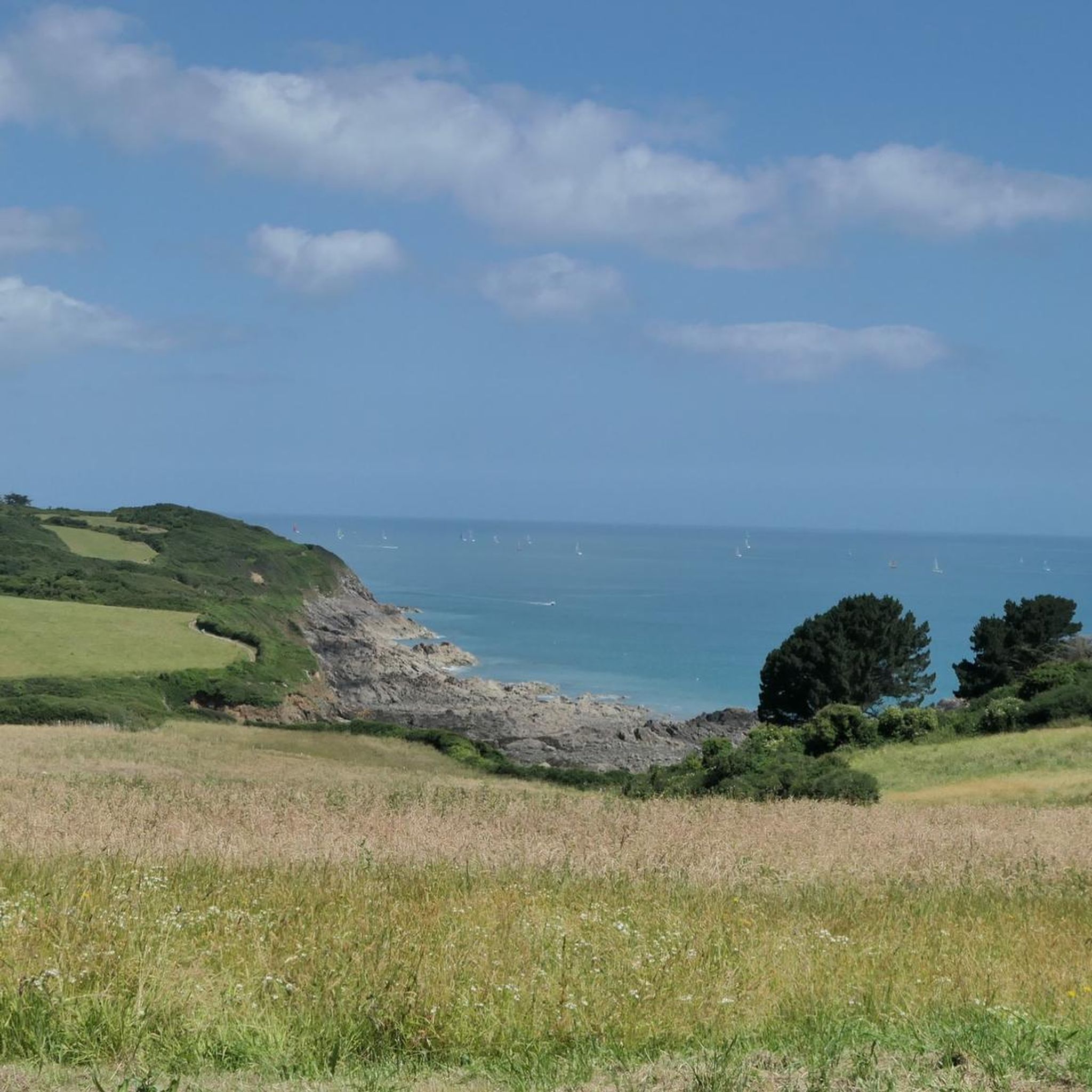
The view of the coast from the tip of Bec de Vir is breathtaking! The access path runs alongside cultivated plots before overlooking the birth of the high cliffs of Plouha and the large beach of Palus to the north. Further south, the rocks of the St-Quay islands and the rocky plateau of Rohein are easily visible at low tide. You can also see the semaphore of Saint-Quay-Portrieux. This sentinel has been watching over maritime traffic in the bay since 1860. Photo credit: Emmanuel Berthier
0
0
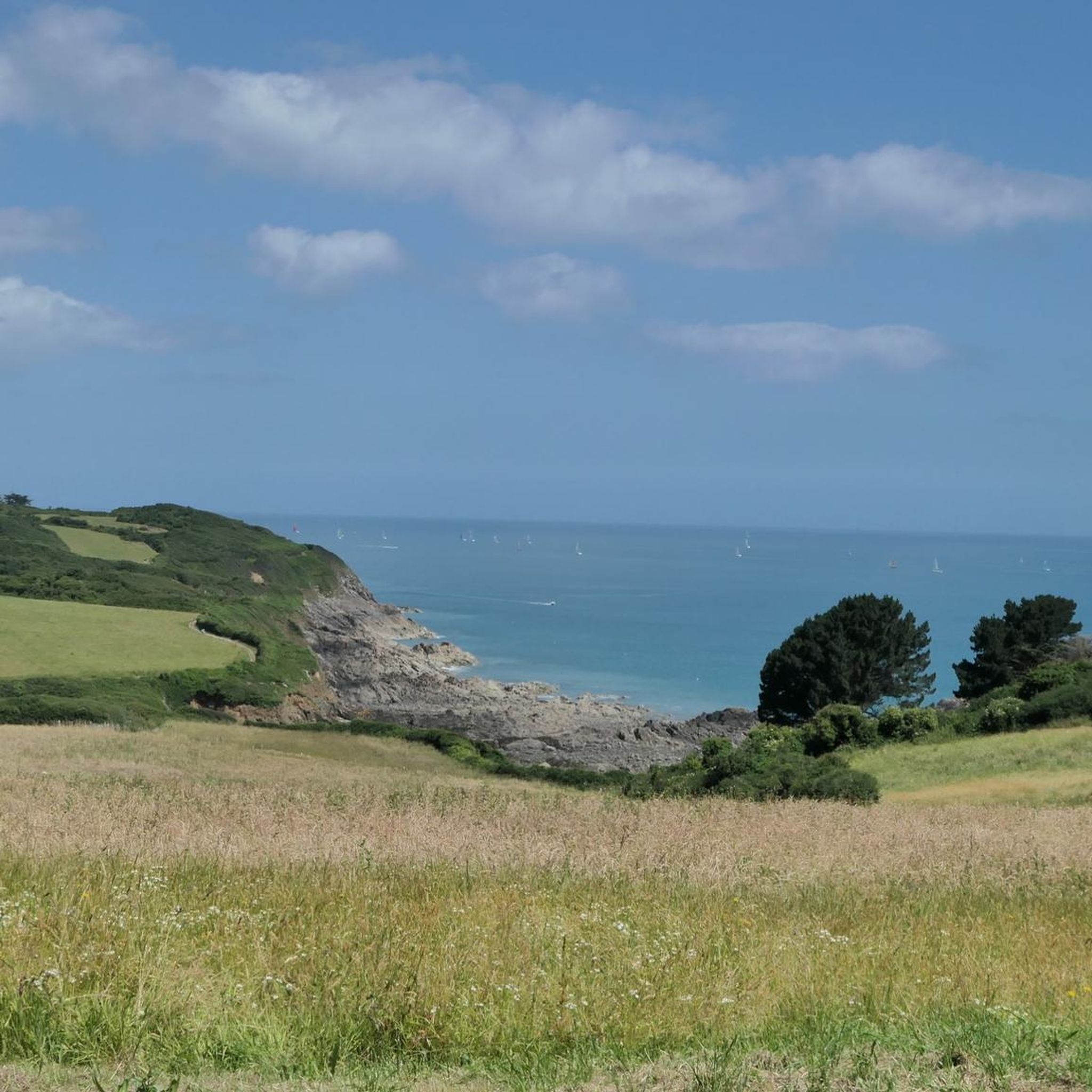
The rocky promontory in front of you is a place charged with emotion. Indeed, it is from there that the women of the area came to greet the men who were leaving or returning from the "Great Fishing", that is to say the cod fishing that was done in Newfoundland and then in Iceland. The fishing campaigns lasted 6 to 8 months. Imagine all the women who were there, standing, coming to say a last "hello" to their loved ones (husband, brother, friend), fearing they would never see them again. Or conversely, imagine them filled with joy at the idea of seeing them again when they saw the boat return to port. Photo credit: Emmanuel Berthier
0
0

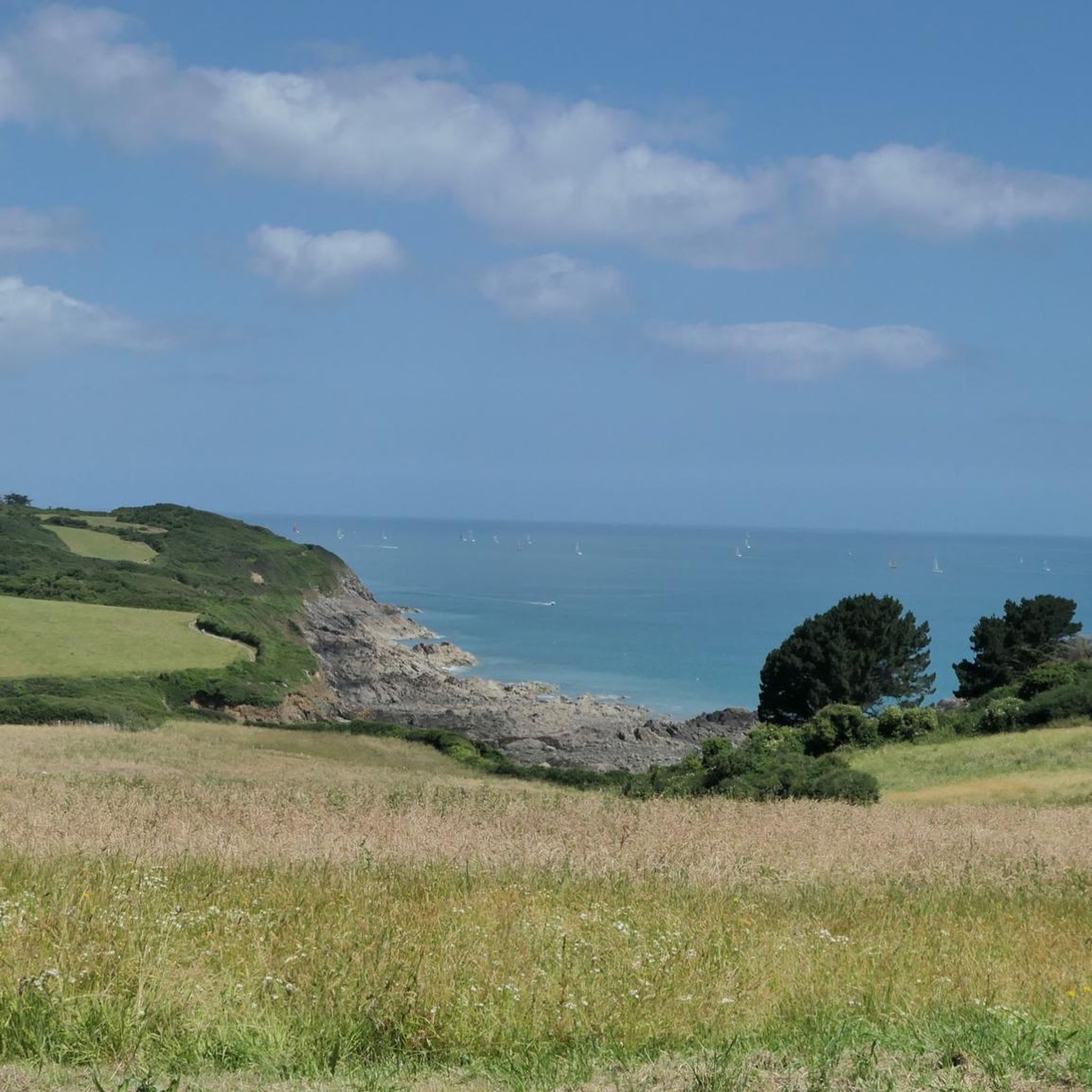
The Pointe de Plouha is a beautiful spot in Brittany and is known for its highest cliffs in the region, at 104 meters high. This 14-kilometer stretch of rocky coastline offers breathtaking views, hidden coves, bird nesting sites, an old harbor and a chapel with eerie frescoes. This location also offers historical significance, with the remains of bunkers built to protect a small anchorage, and a picturesque beach called Gwin Zegal, where tree trunks emerge from the water.
2
0

There is a bench next to the spring in the shade of the chapel! Don't think twice, just take a break in the most beautiful surroundings.
0
0
The chapel is open and can be visited.
0
0

At 104 meters, the highest cliffs in Brittany.
0
0

This wild point is an ideal place to appreciate the high cliffs of this amazing coast.
2
0
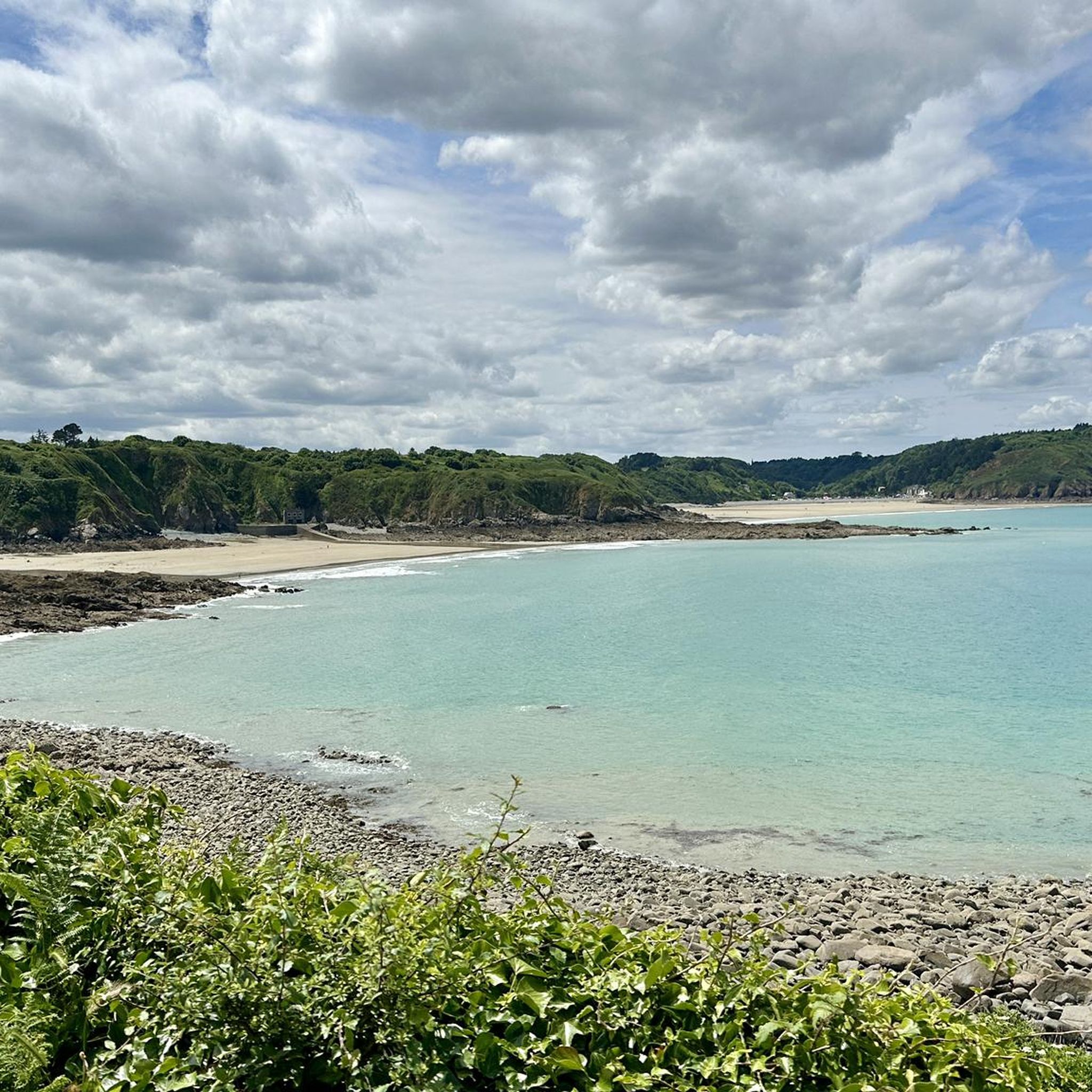
Called by the Binicais the “Roman Camp of the Bernains”, or even “the Mountain”, this natural site extends over approximately 15 hectares, it is classified as an archaeological site in the Local Urbanism Plan. On the crest line, a 600m long “wall” flanked by three towers separates the steep north slope, overlooking the coast from the gently sloping south slope. Dominating the mouth of the Ic, the Bernains site has a strategic position, controlling the entrance to the port of Binic.
7
0
Frequently Asked Questions
What are some notable natural monuments to visit around Plourhan?
Beyond the well-known sites, you can explore the dramatic cliffs of Goëlo and the Pointe du Bec de Vir, which offer picturesque hiking trails and stunning coastal vistas. Another unique spot is Bonaparte Beach (Anse Cochat), known for its rock-carved tunnel and historical significance. The region also features several ZNIEFFs (Zones Naturelles d'Intérêt Écologique, Faunistique et Floristique), highlighting its rich ecological diversity.
Are there hiking opportunities near the natural monuments around Plourhan?
Yes, the area is excellent for hiking. The cliffs of Plouha, for instance, offer extensive trails along a 14-kilometer stretch of rocky coastline. You can also find trails leading to beaches like Port-Goret and Saint-Marc from the Cliffs of Goëlo. For more specific routes, you can explore various hiking guides around Plourhan.
How challenging are the hiking trails around Plourhan's natural monuments?
The trails vary in difficulty. The coastal paths along the cliffs of Plouha can be challenging due to their elevation and rugged terrain, offering rewarding views. Other trails, such as those leading to beaches, might be more moderate. It's advisable to check specific route details for difficulty ratings before you go.
What makes Bonaparte Beach unique among the natural monuments?
Bonaparte Beach, also known as Anse Cochat, is unique because it's accessible via a tunnel carved directly into the rock. This natural formation, combined with its historical role in smuggling Allied pilots during World War II, makes it a compelling destination. Commemorative plaques within the tunnel add to its intrigue.
What is the best time of year to visit the natural monuments around Plourhan?
Brittany's coastal area generally offers pleasant conditions from spring through early autumn. During these seasons, the weather is milder, making it ideal for hiking and exploring the outdoor sites. Winter can be dramatic with strong winds and cooler temperatures, but still offers a rugged beauty for those prepared for the conditions.
Are there family-friendly natural monuments or activities in the Plourhan area?
Yes, several natural monuments are suitable for families. The Bernains archaeological and natural site is classified as family-friendly and offers both natural beauty and historical interest. Exploring beaches and less strenuous sections of coastal paths can also be enjoyable for families.
Can I bring my dog to the natural monuments around Plourhan?
Many natural outdoor areas in Brittany are dog-friendly, especially coastal paths and beaches, provided dogs are kept on a leash. However, specific rules can vary by site, particularly in protected ecological zones. It's always best to check local signage or specific monument guidelines before visiting with your dog.
Are there any historical sites integrated with the natural monuments?
Yes, the region combines natural beauty with historical significance. For example, Rocher du Coucou is a rocky promontory with a poignant history as a place where women greeted fishermen. The Bernains archaeological and natural site also features ancient structures within its natural landscape.
What kind of wildlife can be spotted near Plourhan's natural monuments?
The coastal areas, especially around the cliffs of Plouha, are important bird nesting sites. The ZNIEFFs (Zones Naturelles d'Intérêt Écologique, Faunistique et Floristique) in the region are designated for their diverse flora and fauna, offering opportunities to observe various species in their natural habitats.
What do visitors enjoy most about the natural monuments around Plourhan?
Visitors frequently appreciate the spectacular panoramic views, especially from sites like Pointe de Plouha and Bec de Vir Point. The dramatic coastal landscapes, the unique geological formations, and the opportunities for invigorating hikes along the marine air are also highly valued.
Are there cycling routes available near the natural monuments?
Yes, the region offers various cycling opportunities. You can find several road cycling routes and MTB trails around Plourhan that allow you to explore the natural beauty of the area, often passing by or offering views of the monuments.
Are permits required to visit natural monuments or hike in the Plourhan area?
Generally, permits are not required for visiting the natural monuments or hiking on public trails in the Plourhan area. However, if you plan to access specific private lands or engage in certain organized activities, it's always wise to check for any local regulations or requirements.
Most popular routes around Plourhan
Most popular attractions around Plourhan

Get inspired with the komoot mobile app


Explore more
Extend your search for the best caves by checking out these guides of the top ones around Plourhan:
