Top 9 Natural Monuments around Lanuéjols
Best natural monuments around Lanuéjols are found in a commune situated at 900 meters altitude in Southern France, within the Causse Noir and Cévennes region. The area features limestone plateaus, deep gorges, and forests. This landscape offers a rich natural heritage, including several significant natural monuments and attractions. Lanuéjols is recognized for its ecological importance, with parts of the region designated as Natura 2000 sites.
Best natural monuments around Lanuéjols
- The most popular natural monuments is Finiels Summit, a…
Last updated: July 4, 2026
Finiels Summit
Highlight • Summit
Translated by Google •
Tip by

Standing Stone of the Knights of Malta
Highlight • Monument
Translated by Google •
Tip by

Sign up now to discover places like this
Get recommendations on the best single tracks, peaks, & plenty of other exciting outdoor places.
Sign up for free
Route to the Cham des Bondons Plateau
Highlight • Trail
Translated by Google •
Tip by

Chemin de Chomeur – Wildflower Trail at Col de Finiels
Highlight • Trail
Translated by Google •
Tip by

The splendid Bondons road
Highlight (Segment) • Trail
Translated by Google •
Tip by

Sign up for free to discover even more natural monuments around Lanuéjols.
Sign up for free
Already have an account?
Start today with a free account
Your next adventure awaits.
Login or Signup
Tips from the Community

Big climb and unique landscape
0
0


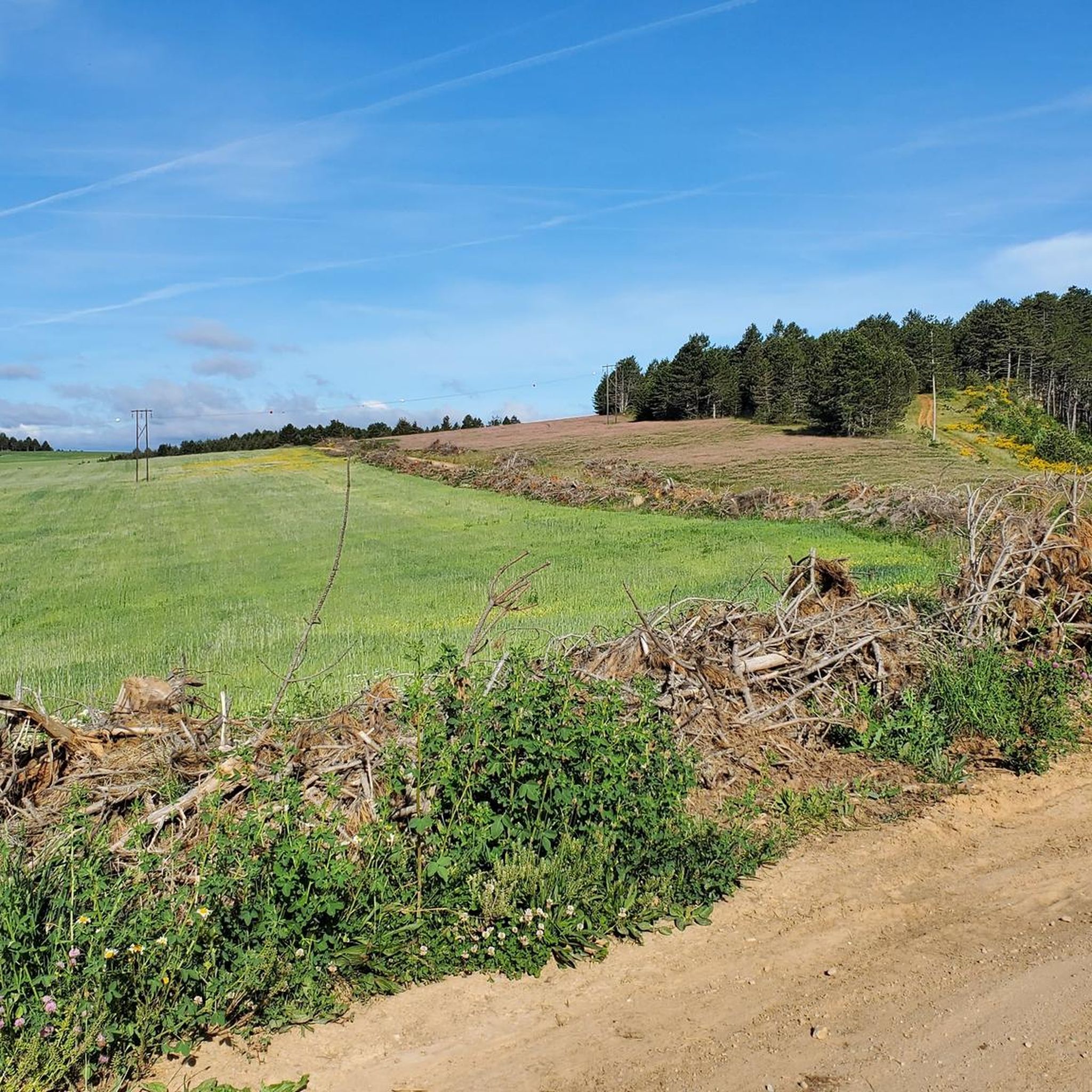
Between causse and valley, a small road which winds through breathtaking scenery.
0
0

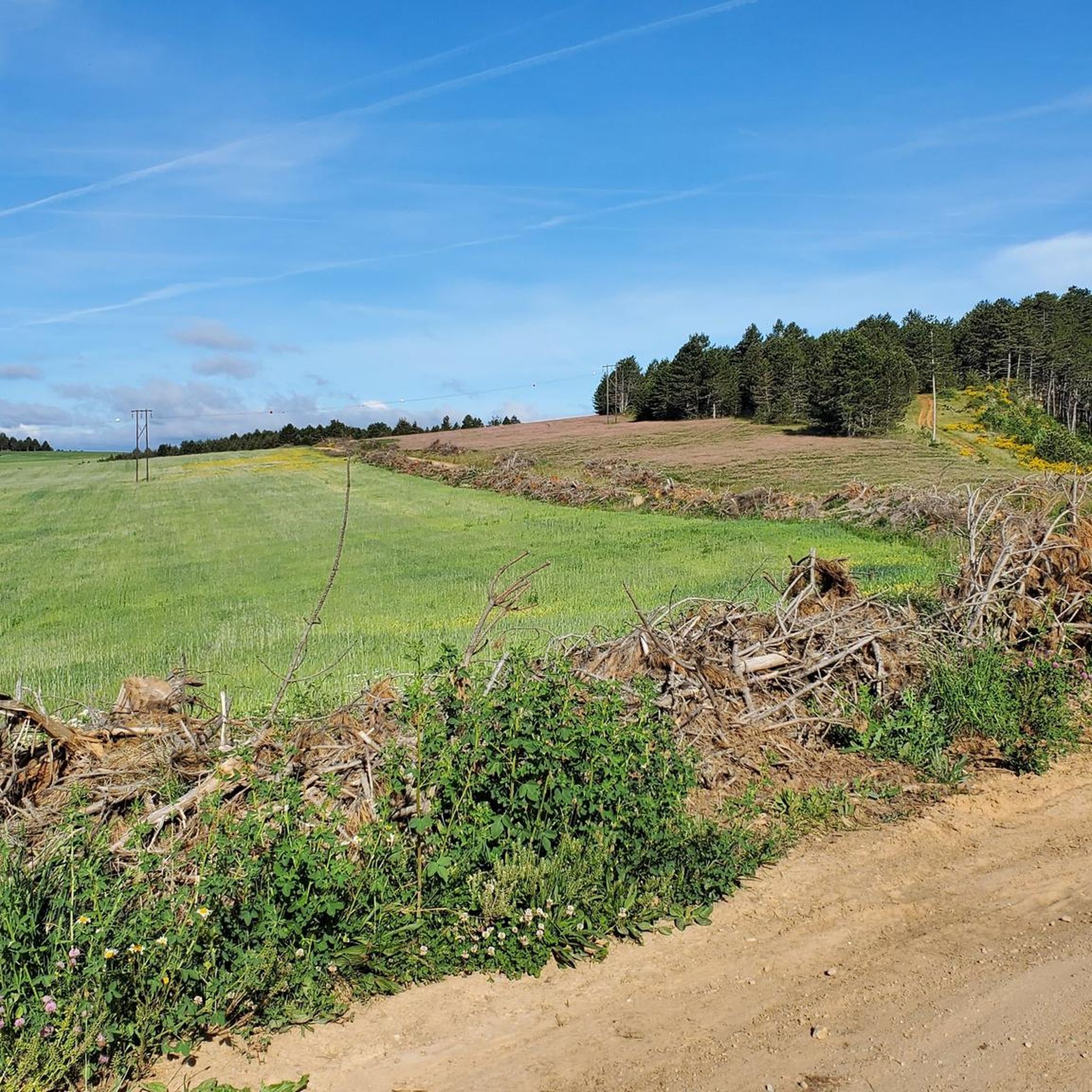
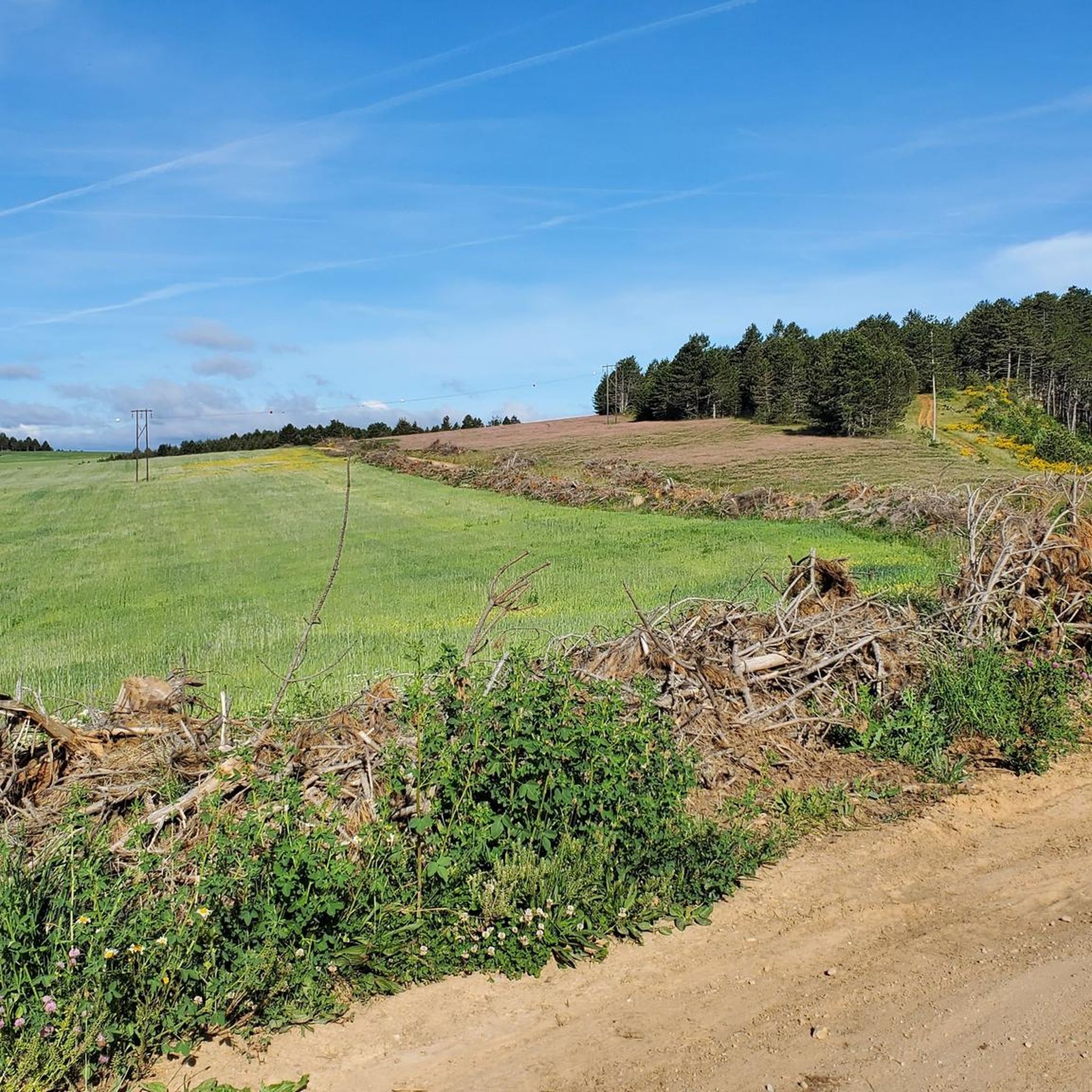
Magnificent path which opens onto the meadows of wild flowers and grasses at the summit of the Col de Finiels.
1
0

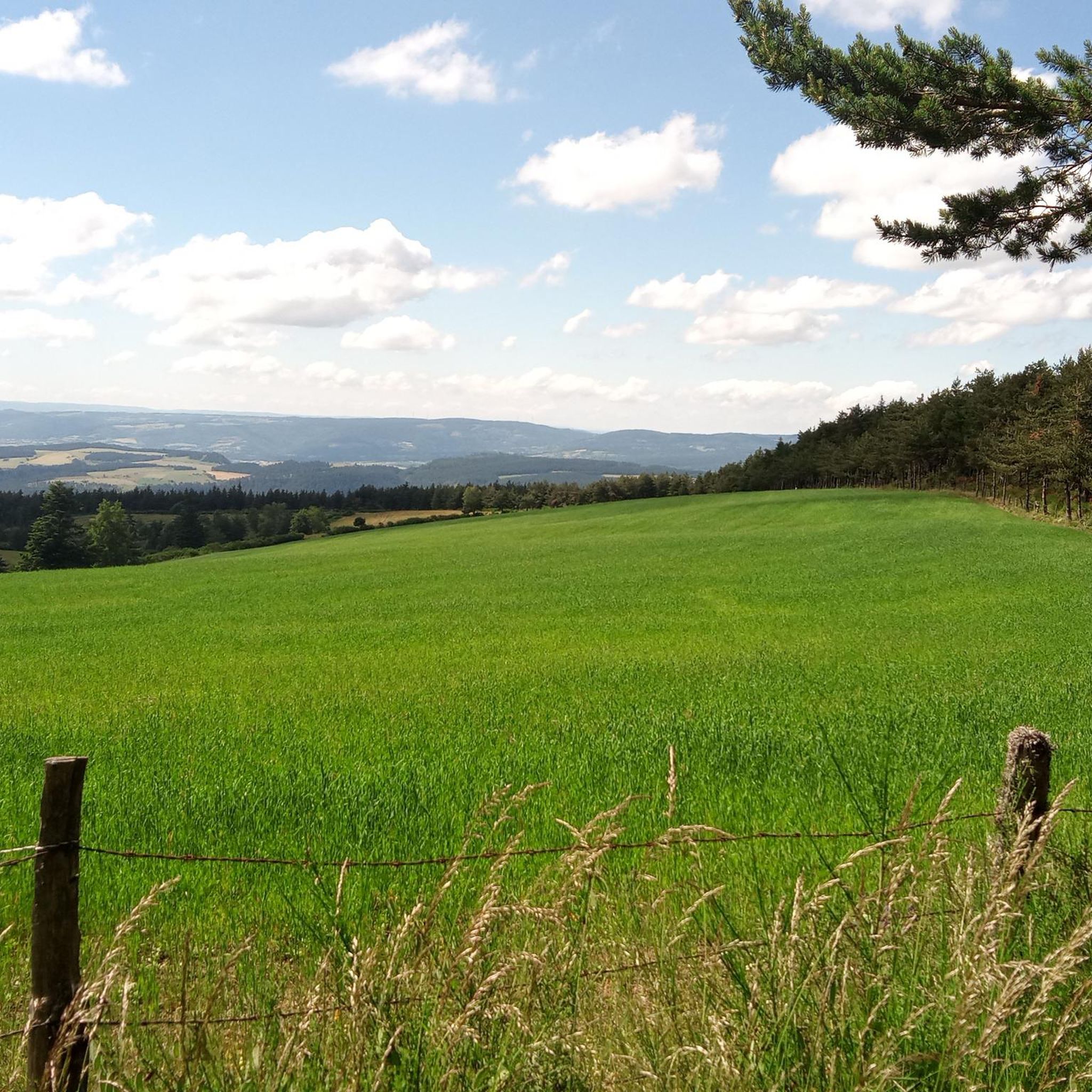
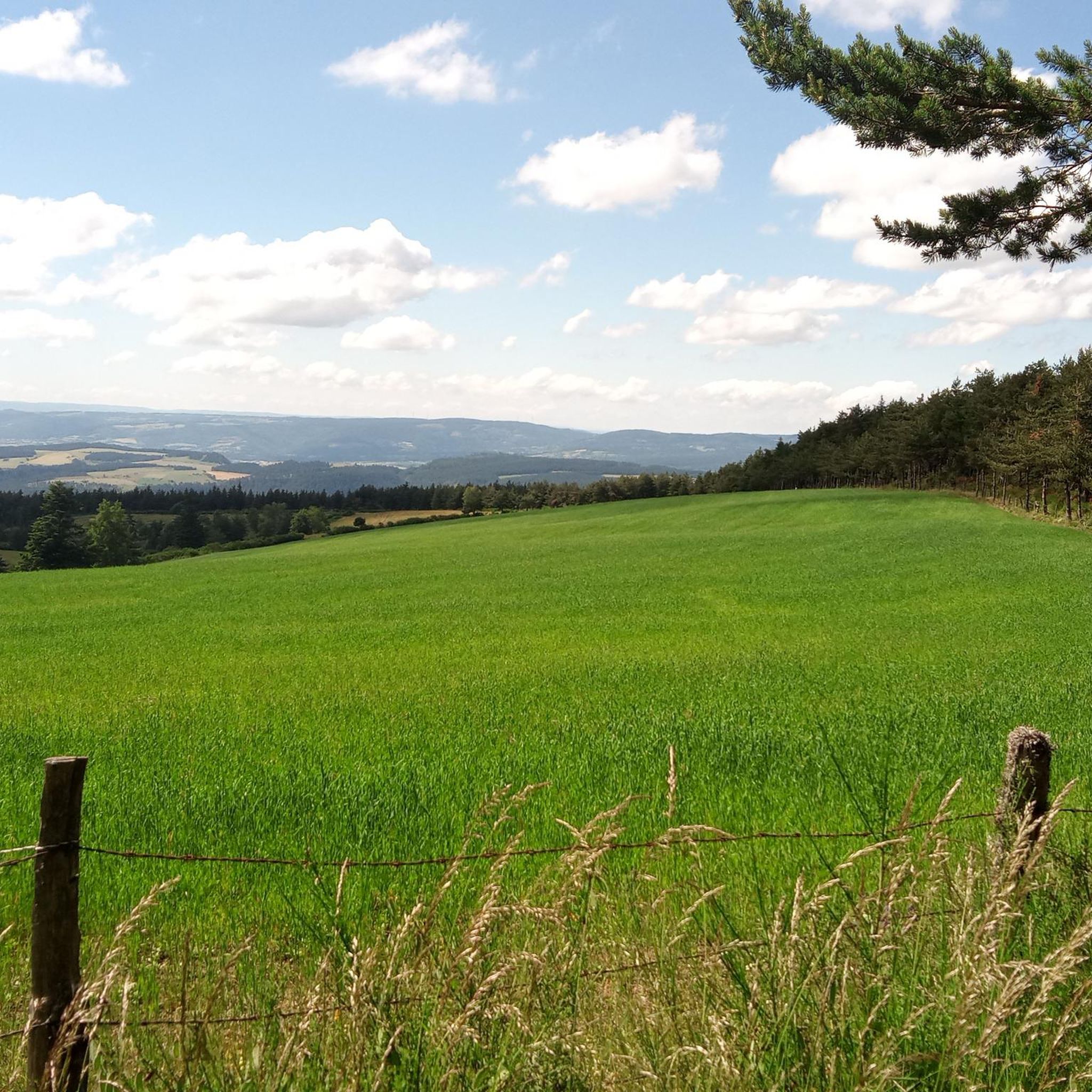
With its 1,699m, the summit of Finiels is the highest point in Lozère and all the Cévennes. Its geographical location allows you to observe the entire south of the Massif Central.
3
0
If there are only a few terminals decorated with Maltese crosses, here stood a hospital commandery. A large part of the mountain was thus exploited by the knight monks who resided in this agricultural exploitation.
2
0

This magnificent little deserted road takes you directly to the top of the Cham des Bondons plateau. The archaeological and scenic treasures that it conceals, and that you will discover during this loop, will enchant you.
1
0

The hiking climate! Perfect for admiring the view!
1
1
Frequently Asked Questions
What unique natural features define the Lanuéjols area?
Lanuéjols is situated at 900 meters altitude within the Causse Noir and Cévennes region, characterized by dramatic landscapes of limestone plateaus, deep gorges, and lush forests. Key features include the extensive forests of Devois, Rey, and Commandeurs, the distinctive karst landscapes of the Causse Noir, and the impressive gorges carved by rivers like the Jonte, Tarn, Trévezel, and Dourbie. The area is also part of the Massif de l'Aigoual, a significant natural watershed.
What is the Finiels Summit known for?
The Finiels Summit is the highest point of Mont Lozère, standing at 1,699 meters above sea level. It offers extensive views across the Cévennes and the south of the Massif Central, making it a popular spot for panoramic vistas, especially at sunset.
What is the historical significance of the Standing Stone of the Knights of Malta?
The Standing Stone of the Knights of Malta marks a site that once hosted a hospital commandery. Knight monks resided in this agricultural exploitation, utilizing a large part of the surrounding mountain. It's a man-made monument with deep historical roots in the region.
Are there trails to experience the Causse Noir?
Yes, Lanuéjols is located on the Causse Noir, a distinctive limestone plateau. Trails like the 'Three Bishops' Cross Trail' offer an excellent way to experience its unique karst landscapes, agricultural hamlets like Mazes, historic dovecotes, and the specific flora adapted to these limestone plateaus. The Causse Noir is also recognized as a Natura 2000 site for its ecological importance.
Are there family-friendly natural attractions in Lanuéjols?
The region offers various natural settings suitable for families. Exploring the forests of Devois, Rey, and Commandeurs on walking trails can be a pleasant family activity, offering opportunities for wildlife observation. The expansive, open spaces of the Causse Noir also provide gentle terrain for family walks.
When is the best time of year to visit the natural monuments around Lanuéjols?
The best time to visit the natural monuments around Lanuéjols for hiking and outdoor activities is generally during spring, summer, and early autumn. Spring brings wildflowers, while summer offers warm weather for exploring. Autumn provides pleasant temperatures and beautiful foliage. Always check local weather forecasts before your visit.
What outdoor activities can I do near these natural monuments?
The area around Lanuéjols is excellent for various outdoor activities. You can find numerous hiking trails, such as the Roc des Laubies from Barrandon Pond Trail or the Lanuéjols Loop. For running, there are routes like the Le Roc des Laubies trail. Mountain biking enthusiasts can explore trails like the View of Côte de la Chaux – Pont Notre Dame loop. You can find more details on these activities in the Hiking around Lanuéjols, Running Trails around Lanuéjols, and MTB Trails around Lanuéjols guides.
Can I bring my dog to the natural monuments and trails?
Many natural areas and trails in the Lanuéjols region are dog-friendly, especially in the forests and on the Causse Noir. However, it's always recommended to keep dogs on a leash, especially in areas with wildlife or grazing livestock, and to check specific regulations for protected areas like Natura 2000 sites or within the Cévennes National Park.
What are the Gorges de la Dourbie like?
The Gorges de la Dourbie are part of the impressive river valleys surrounding Lanuéjols, carved by rivers like the Jonte, Tarn, Trévezel, and Dourbie. The 'gorges de la Dourbie et causses avoisinants' is a designated Natura 2000 site, known for its dramatic scenery, diverse habitats, and the spectacular interplay of water and ancient rock formations.
What is the Chemin de Chomeur – Wildflower Trail at Col de Finiels?
The Chemin de Chomeur – Wildflower Trail at Col de Finiels is a magnificent path that opens onto meadows of wildflowers and grasses. It provides access to the natural beauty at the summit of the Col de Finiels, offering a picturesque walk through vibrant flora.
Are there any hidden gems or less-known natural spots worth visiting?
Beyond the well-known highlights, the region's extensive forests like Devois, Rey, and Commandeurs offer tranquil exploration opportunities. These forests serve as crucial winter reserves for red deer, providing a chance for wildlife observation away from more frequented paths. The vast sheep pastures and dolines of the Causse Noir also offer a sense of remoteness and unique geological interest.
What kind of wildlife can I expect to see?
The natural monuments around Lanuéjols, particularly the forests and Natura 2000 sites, are rich in biodiversity. You might spot red deer, especially in the winter reserves of the Devois, Rey, and Commandeurs forests. The diverse habitats of the gorges and limestone plateaus also support a variety of bird species and other local fauna.
Most popular routes around Lanuéjols
Most popular attractions around Lanuéjols

Get inspired with the komoot mobile app


Explore more
Extend your search for the best caves by checking out these guides of the top ones around Lanuéjols:
