Top 8 Natural Monuments around Saint-André-Capcèze
Best natural monuments around Saint-André-Capcèze are found in a region characterized by its invigorating natural environment, situated in the Lozère department on the edge of the Gard. This area offers diverse landscapes, including granite massifs, limestone formations, and river-carved gorges. It is part of the Cévennes National Park, a UNESCO World Heritage site, known for its rich biodiversity and cultural heritage. The natural features provide numerous opportunities for outdoor exploration.
Best natural monuments around Saint-André-Capcèze
- The most popular natural monuments…
Last updated: July 4, 2026
Tarn Bridge
Highlight • Bridge
Translated by Google •
Tip by

Pic Cassini
Highlight • Summit
Translated by Google •
Tip by

Sign up now to discover places like this
Get recommendations on the best single tracks, peaks, & plenty of other exciting outdoor places.
Sign up for free
Rock Pools of the Gorges de Chassezac
Highlight • Gorge
Tip by

Gratassac
Highlight • Summit
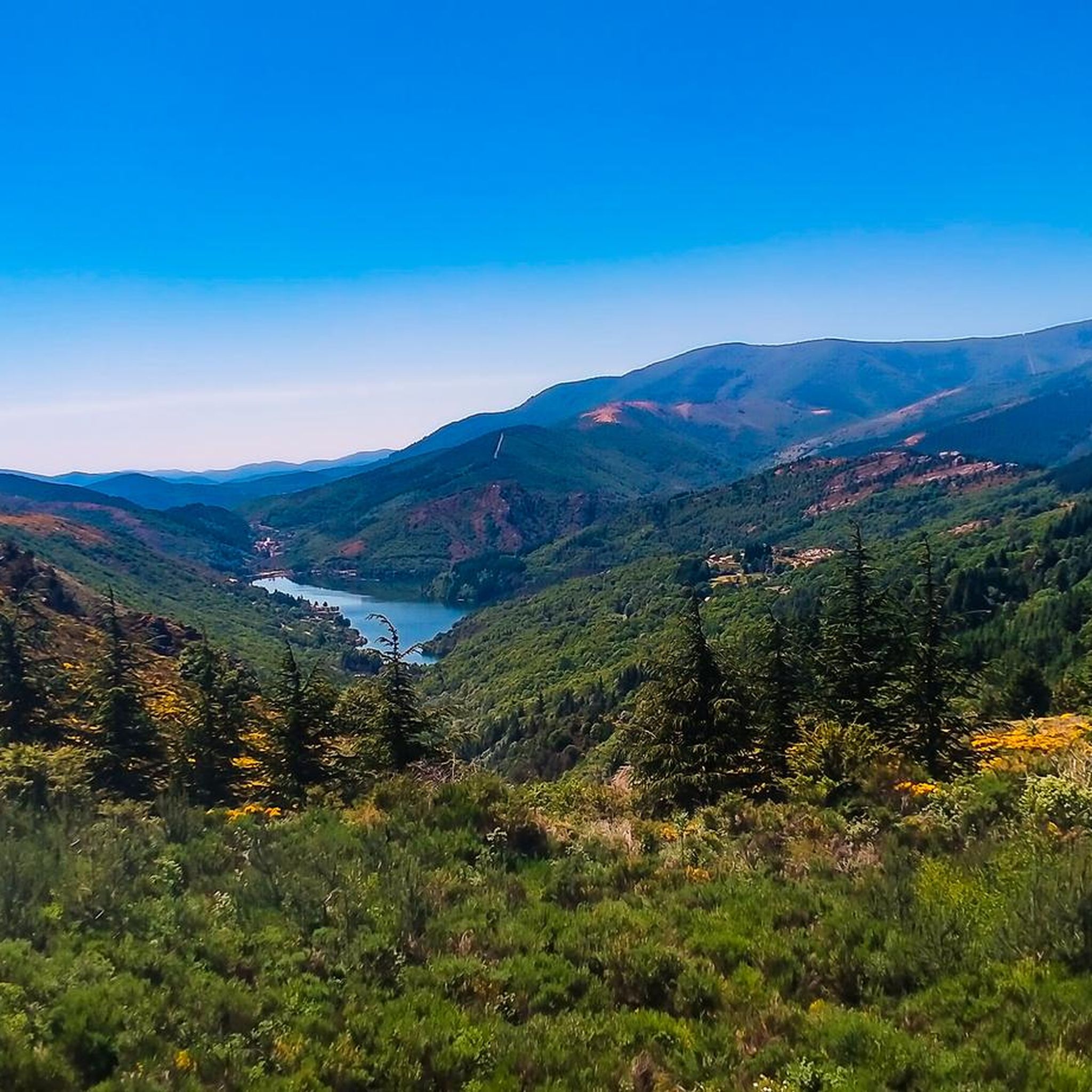
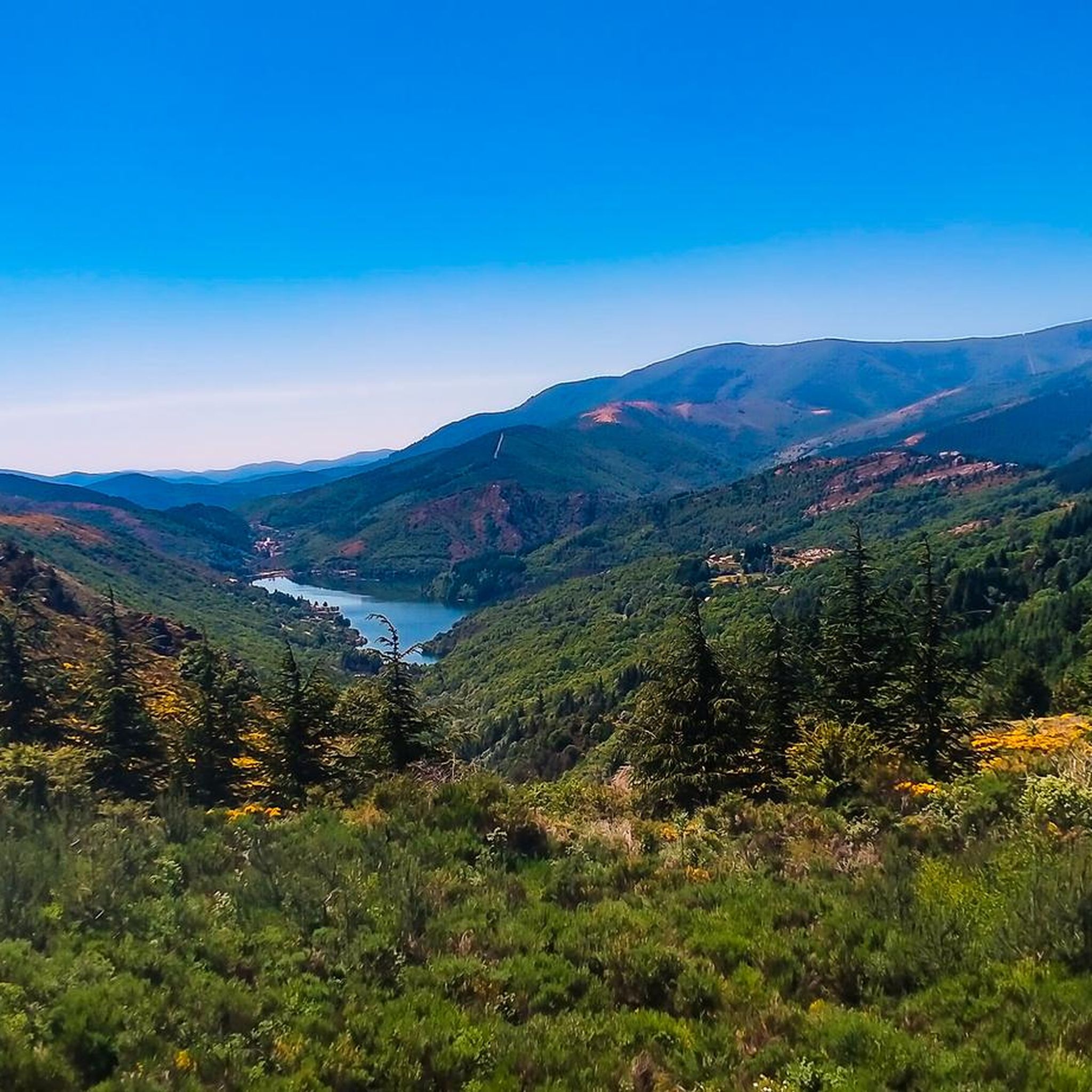
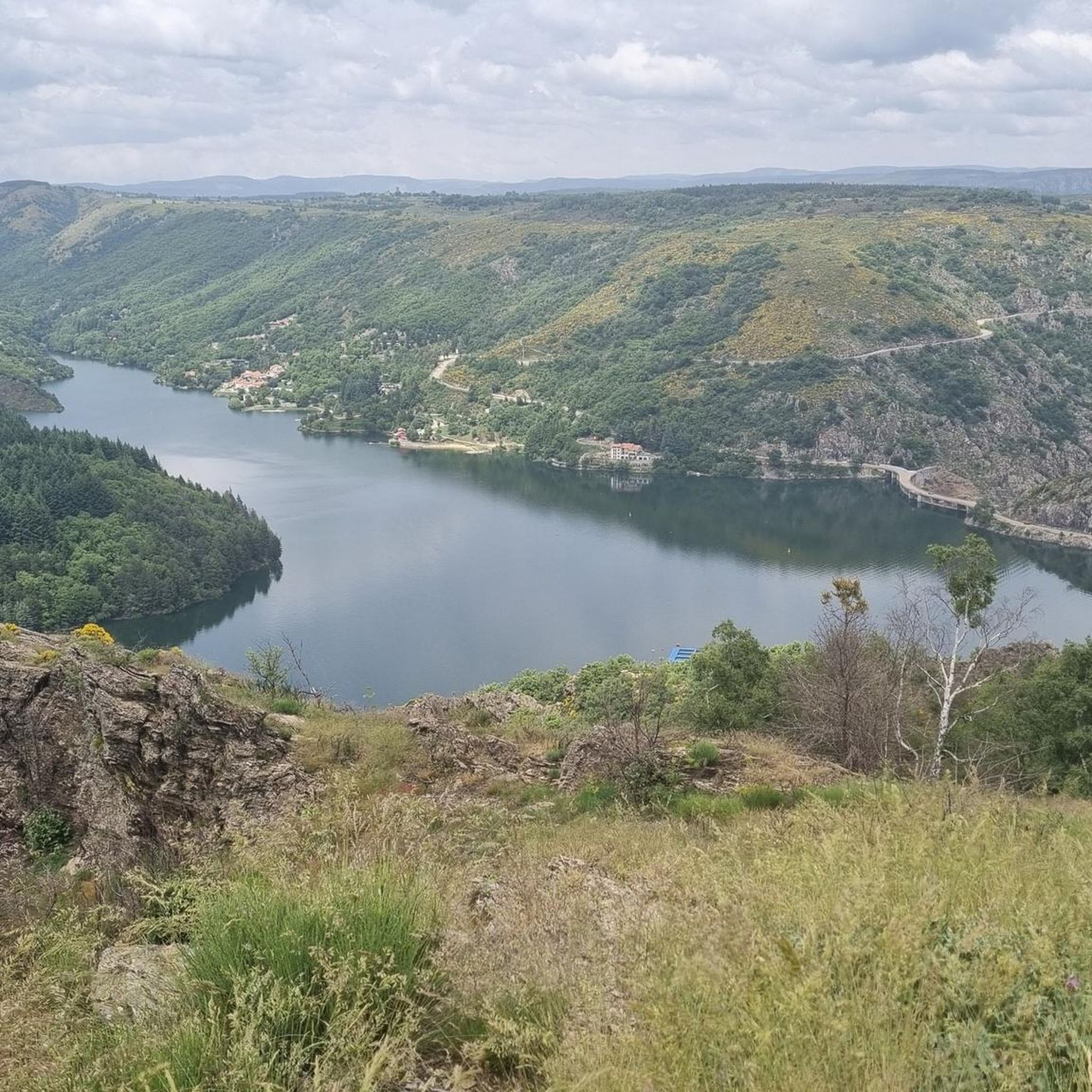
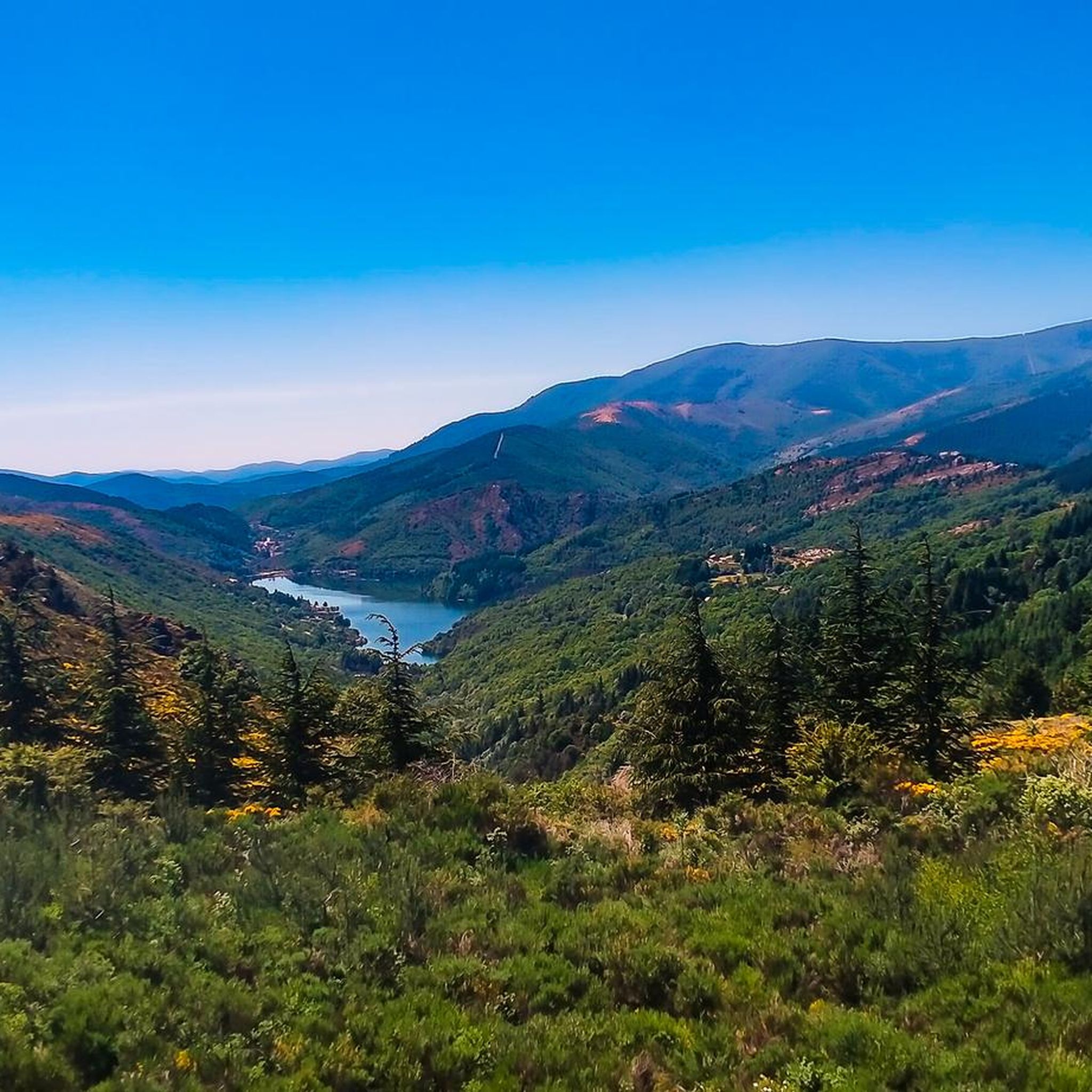
It offers a 360-degree panorama of the lake, Castanet, La Garde Guérin, the Saint-Loup chapel, and the Mont Lozère massif.
Translated by Google •
Tip by

Chassezac Gorges
Highlight • Gorge
Translated by Google •
Tip by

Sign up for free to discover even more natural monuments around Saint-André-Capcèze.
Sign up for free
Already have an account?
Start today with a free account
Your next adventure awaits.
Login or Signup
Tips from the Community

We didn't manage to cross. The water was quite fast. Too dangerous with bare feet, and perhaps even with hiking boots, besides the fact that they would have gotten wet.
0
0


It's not always easy to find the trail when you cross. You have to try to find the yellow markings. This is an ideal place to refresh yourself (before having to go back up).
0
0

1st part great the return by the uncleaned road
0
0


Wonderful old bridge over the Tarn. You then peacefully follow the Tarn.
0
0

bridge over the Tarn ideal for a break / picnic
0
0
Frequently Asked Questions
What kind of natural features can I expect to see around Saint-André-Capcèze?
The region around Saint-André-Capcèze offers a diverse range of natural features. You'll find granite massifs and high summits like Pic Cassini on Mont Lozère, deep river-carved canyons such as the Gorges de l'Ardèche and the Chassezac Gorges, and unique geological formations like the sculpted rocks in the Bois de Païolive. The area also features natural pools, ancient bridges, and vast protected forests within the Cévennes National Park.
Are there family-friendly natural monuments around Saint-André-Capcèze?
Yes, several natural monuments are suitable for families. The Tarn Bridge is a great spot for a picnic and swimming in the river. The Rock Pools of the Gorges de Chassezac also offer natural pools for refreshing dips. For a unique underground adventure, both the Grotte de la Cocalière and Aven d'Orgnac offer guided tours and are often enjoyed by families, with Aven d'Orgnac even featuring a prehistoric museum.
What are some of the most scenic viewpoints in the area?
For breathtaking panoramas, consider visiting Pic Cassini, the second highest point of Mont Lozère, which offers a 360-degree view. Another excellent viewpoint is Gratassac, providing a sweeping vista of the city and Lake Villefort, as well as the Mont Lozère massif. The panoramic route along the Gorges de l'Ardèche also offers numerous stunning overlooks.
What outdoor activities can I do near these natural monuments?
The region is a paradise for outdoor enthusiasts. You can enjoy hiking, mountain biking, and cycling on numerous trails. The Gorges de l'Ardèche and Chassezac Gorges are popular for canoeing, kayaking, and wild swimming. Mont Lozère offers hiking in warmer months and skiing or snowshoeing in winter. For specific routes, you can explore options like those found in the Hiking around Saint-André-Capcèze guide.
Are there any historical or cultural sites associated with the natural monuments?
Yes, the region blends natural beauty with rich history. The Tarn Bridge is a Roman-era structure. Mont Lozère is home to the Cham des Bondons site, one of Europe's largest concentrations of megaliths. The Cévennes National Park itself is a UNESCO World Heritage site, recognized for its cultural landscape of Mediterranean agro-pastoralism. Additionally, the Grotte de la Cocalière and Aven d'Orgnac contain archaeological evidence of ancient human habitation, with Aven d'Orgnac featuring a dedicated prehistoric museum.
What is the best time to visit the natural monuments around Saint-André-Capcèze?
The best time to visit largely depends on your preferred activities. Spring and autumn offer pleasant temperatures for hiking and exploring, with vibrant seasonal colors—yellow brooms in spring and purple heather in summer on Mont Lozère, and red wild blueberries in autumn. Summer is ideal for water activities in the Gorges de l'Ardèche and Chassezac, though it can be busy. Winter provides opportunities for snow sports on Mont Lozère.
Where can I go swimming or cool off in natural waters?
The area offers several refreshing spots. The Tarn Bridge is known for its clear waters amidst granite blocks, perfect for swimming. You can also find natural pools at the Rock Pools of the Gorges de Chassezac. The Chassezac River and the Gorges de l'Ardèche are popular for wild swimming, canoeing, and kayaking, providing ample opportunities to cool down.
What makes the Bois de Païolive unique?
The Bois de Païolive, located in the southern Ardèche, is unique for its ancient oak forest and extraordinary geological formations. Erosion has sculpted the limestone rocks into bizarre shapes, some resembling animals like elephants and lions. It's a protected natural area with rich biodiversity, offering a labyrinthine landscape perfect for hiking and discovering impressive rock formations.
Are there any challenging hikes or climbs for experienced adventurers?
Yes, the region provides options for more experienced adventurers. Ascending Pic Cassini on Mont Lozère is considered an intermediate to challenging hike, offering significant elevation gain and rewarding views. The Gorges de l'Ardèche and Chassezac Gorges also present opportunities for rock climbing and more strenuous hiking trails. You can find challenging routes in the Hiking around Saint-André-Capcèze guide, such as 'Immersed in Villefort'.
What wildlife might I encounter in the natural monuments?
The diverse ecosystems support a variety of wildlife. In the Cévennes National Park and Gorges de l'Ardèche, you might spot birds of prey like eagles and vultures, as well as otters and mouflon. The Chassezac Gorges are home to peregrine falcons, kingfishers, and wild boars. The protected areas are rich in flora and fauna, including rare and endemic species, making it a great region for nature observation.
What do visitors enjoy most about the natural monuments around Saint-André-Capcèze?
Visitors frequently praise the stunning panoramic views from summits like Pic Cassini and Gratassac. The opportunity to swim and relax in natural river spots like the Tarn Bridge and the Rock Pools of the Gorges de Chassezac is also highly valued. Many appreciate the sense of wilderness, the rich biodiversity, and the unique geological formations found throughout the region, especially in places like the Bois de Païolive and the Gorges de l'Ardèche.
Are there any underground natural monuments to explore?
Yes, the region boasts impressive subterranean sites. The Grotte de la Cocalière, known as the 'Diamond Cave,' features spectacular crystals, stalagmites, and stalactites. Another remarkable site is Aven d'Orgnac, a Grand Site de France, with gigantic chambers and magnificent crystalline formations. Both offer guided tours into their fascinating underground worlds.
Can I find long-distance cycling routes near these natural monuments?
Absolutely. The area is well-suited for long-distance cycling, with routes that take you through diverse landscapes. For example, you can find routes like 'Tour of Mont Lozère via Col du Pré de la Dame' or 'The valley of La Borne — Parc National des Cévennes' in the Cycling around Saint-André-Capcèze guide. These routes often feature challenging climbs and rewarding views of the natural monuments.
Most popular routes around Saint-André-Capcèze
Most popular attractions around Saint-André-Capcèze

Get inspired with the komoot mobile app


Explore more
Extend your search for the best caves by checking out these guides of the top ones around Saint-André-Capcèze:
