Top 9 Natural Monuments around Saint-Alban
Best natural monuments around Saint-Alban are characterized by a diverse coastal landscape in the Côtes-d'Armor department. The region features dramatic pink sandstone cliffs, expansive beaches, and significant natural reserves. These areas offer a variety of geological formations and habitats for local flora and fauna. The natural environment provides opportunities for exploring headlands, lakes, and coastal viewpoints.
Best natural monuments around Saint-Alban
- The most popular natural monuments is Pointe des Quatre Vents (Cap d’Erquy), a viewpoint that is a distinctive…
Last updated: August 13, 2026
Pointe des Quatre Vents (Cap d’Erquy)
Highlight • Viewpoint
Translated by Google •
Tip by

Great Blue Lake
Highlight • Lake
Translated by Google •
Tip by

Sign up now to discover places like this
Get recommendations on the best single tracks, peaks, & plenty of other exciting outdoor places.
Sign up for free
Saint-Brieuc Bay Visitor Centre
Highlight • Rest Area
Translated by Google •
Tip by

Three Stones Point
Highlight • Viewpoint
Translated by Google •
Tip by

Saint-Michel Beach and Saint-Michel Islet
Highlight • Beach
Translated by Google •
Tip by

Sign up for free to discover even more natural monuments around Saint-Alban.
Sign up for free
Already have an account?
Start today with a free account
Your next adventure awaits.
Login or Signup

Other adventures around Saint-Alban

Tips from the Community

Our starting point. The house was unfortunately closed.
0
0

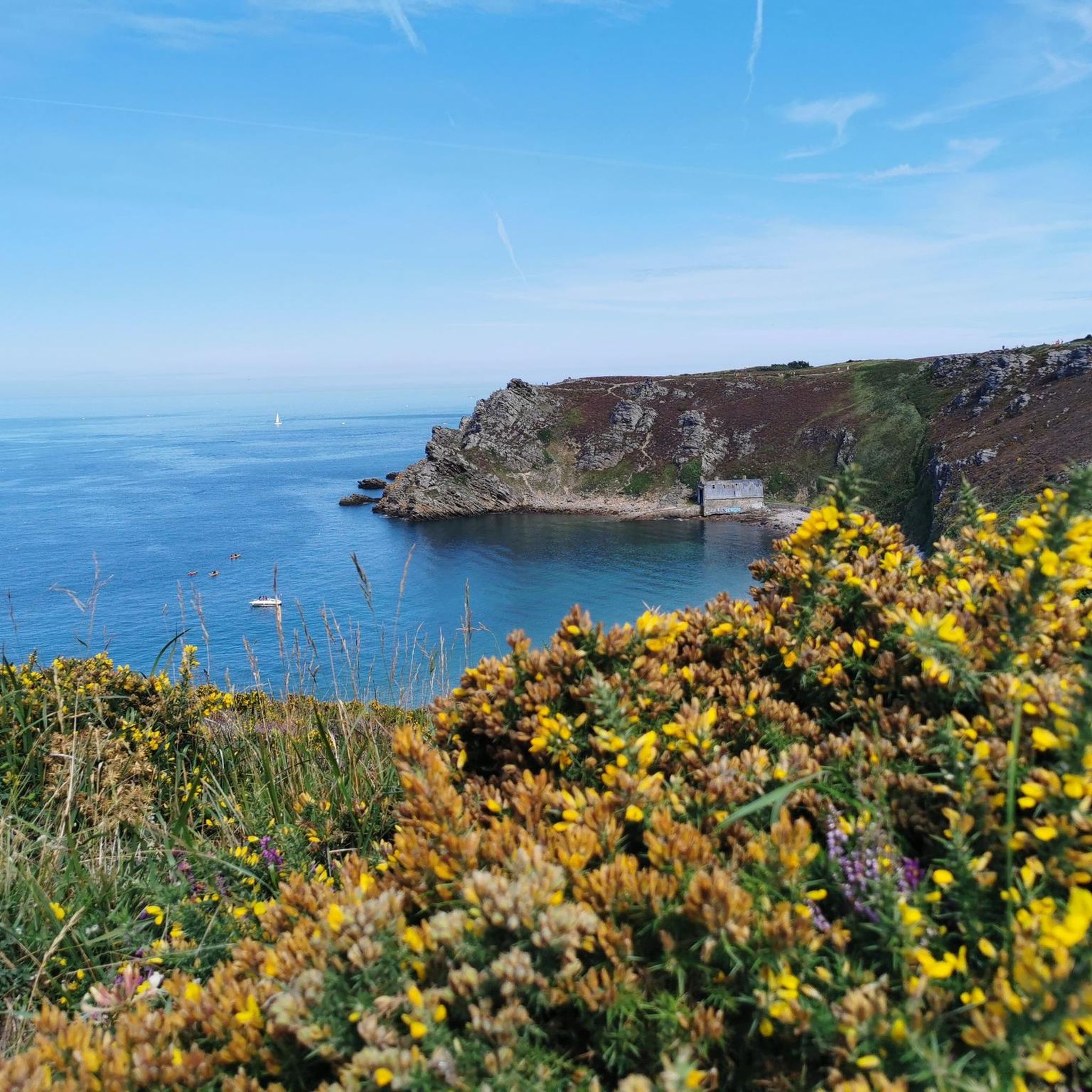
The viewpoint with the three stones in Erki is a true delight: a panorama of the endless ocean, layered rocks beneath your feet, and a fresh breeze that clears your mind. Last summer, I hiked the trail from Guen Beach – 11 km, moderately difficult, but every step was worth it, especially the view from the cliff at sunset. To be able to return to my thesis on coastal ecology with a clear head after this restorative break in nature, I asked https://ghostwritingerfahrungen.de/ for a recommendation for a reliable ghostwriter for the chapter on geomorphology – the text turned out to be precise, scientifically sound, and inspiring. Now studying is fun, and hiking motivates me even more.
0
0

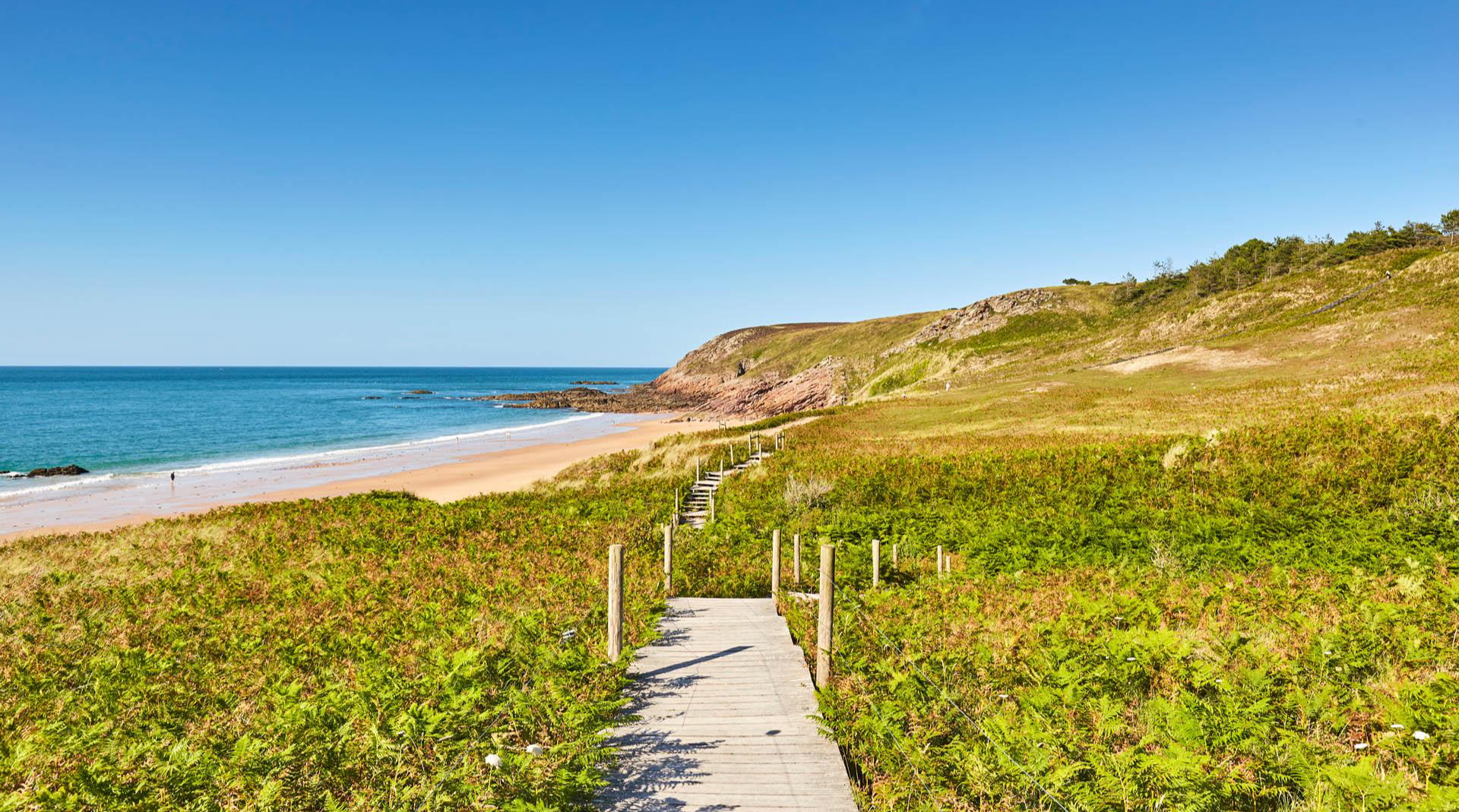
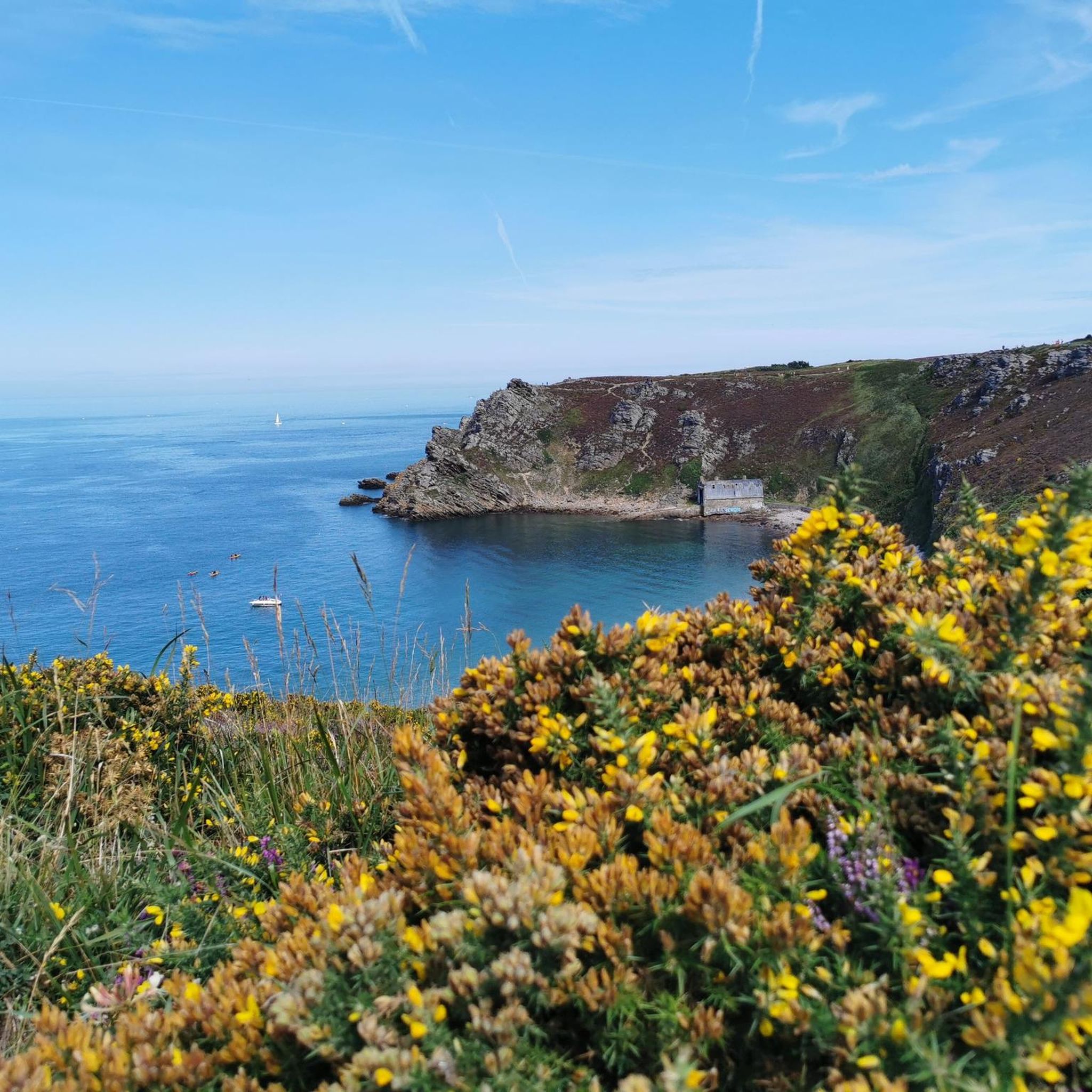
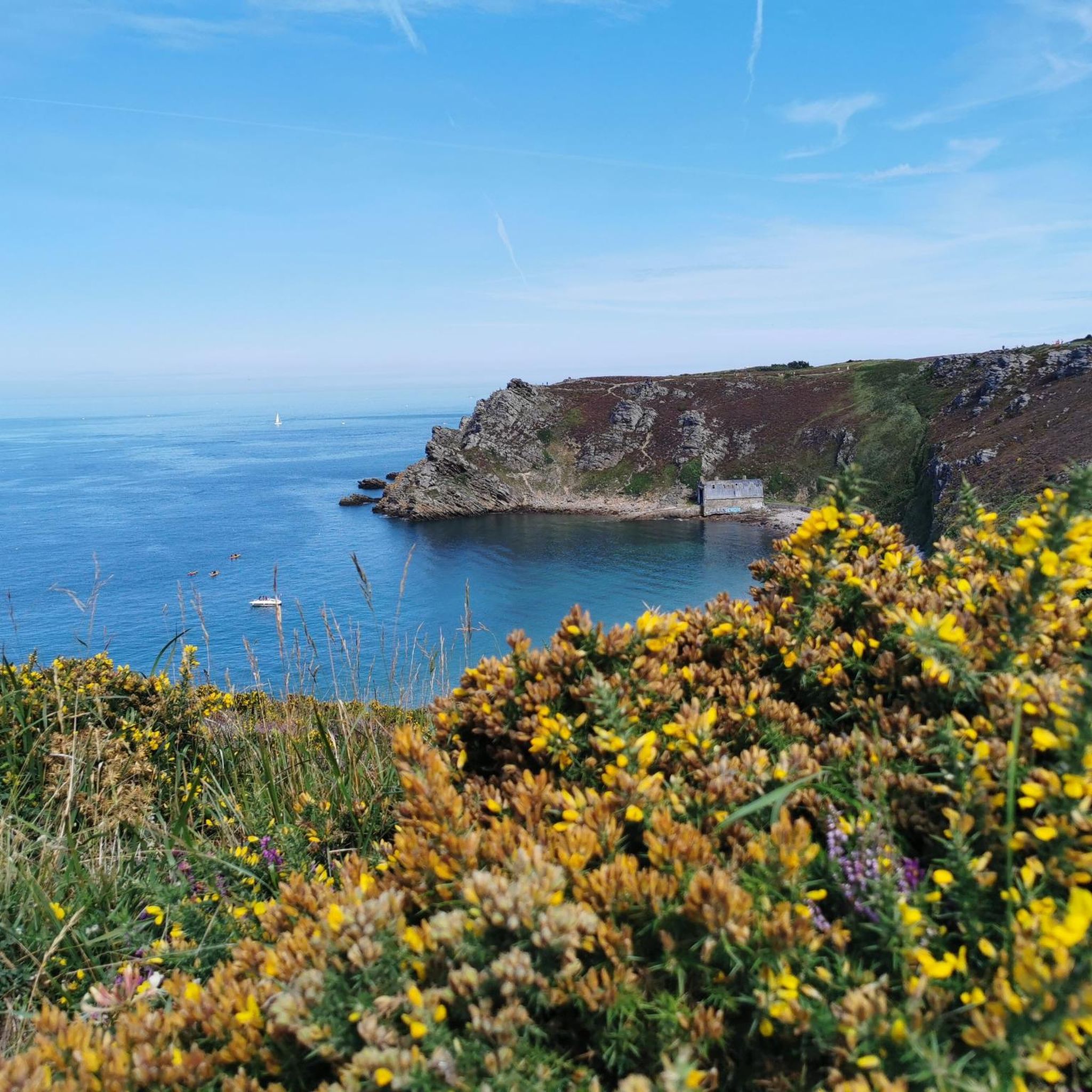
Pointe des Quatre Vents is a small, distinctive headland west of Erquy. As its name—"Headland of the Four Winds"—suggests, it is particularly windswept and open, giving the coastline a rugged, pristine appearance.
16
0
The Chapel of Saint-Michel on the Îlot Saint-Michel off the coast of Erquy is a small but striking landmark on the north coast of Brittany. Built in the 19th century, it is dedicated to St. Michael the Archangel. The chapel stands on a rocky hill on the island and is only accessible from the mainland at low tide via a natural sand and stone causeway. At high tide, the island is surrounded by the sea, giving the chapel an almost mystical feel.
1
0

Beautiful scenery and great for hiking or trail running 😉
0
0

Saint-Michel Beach in Erquy offers a wild setting overlooking an islet accessible at low tide. In just a few steps, you can reach its small perched chapel, surrounded by the sea. It's a popular spot for swimming, shore fishing, and seaside strolls.
0
0
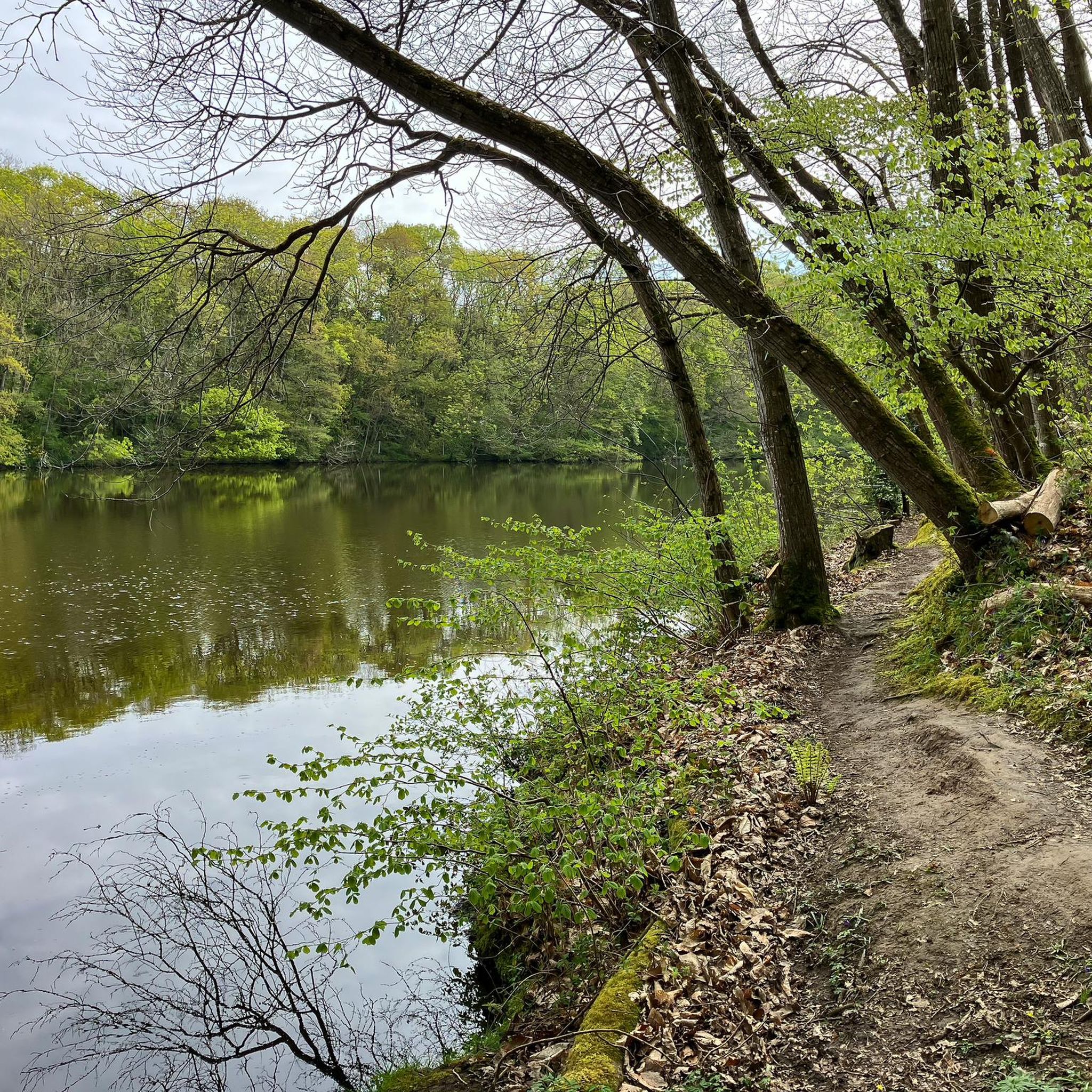
Here, the cliffs have changed dramatically. For over a century, pink sandstone was extracted here to pave the streets of major cities. Today, the old quarries have given way to these blue lakes.
0
0

Difficulty finding the start of the hike, so we chose the bay house.
0
0
Frequently Asked Questions
What kind of natural monuments can I expect to see around Saint-Alban?
The natural monuments around Saint-Alban are primarily characterized by a diverse coastal landscape in the Côtes-d'Armor department. You'll find dramatic pink sandstone cliffs, expansive beaches, and significant natural reserves. These areas offer a variety of geological formations, such as the distinctive headland of Pointe des Quatre Vents (Cap d’Erquy), and unique water features like the Great Blue Lake, formed from a disused quarry.
Are there natural monuments suitable for families with children?
Yes, several natural monuments around Saint-Alban are family-friendly. The Pointe des Quatre Vents (Cap d’Erquy) and Saint-Michel Beach and Saint-Michel Islet are great for coastal strolls and exploring. Additionally, the Saint-Brieuc Bay Visitor Centre offers educational activities and a museum, making it an engaging stop for all ages to learn about the local fauna and flora.
What are some unique geological features in the Saint-Alban area?
The region is known for its striking pink sandstone cliffs, particularly visible at sites like Cap d'Erquy and Cap Fréhel. The Great Blue Lake is a unique example of how former pink sandstone quarries have transformed into beautiful blue lakes. Three Stones Point also offers a beautiful panoramic view with distinctive layered rock formations.
Can I observe wildlife at the natural monuments?
Yes, the natural monuments around Saint-Alban are excellent for wildlife observation. The Saint-Brieuc Bay Visitor Centre is located within a Nature Reserve that is home to a very varied fauna and flora, accommodating up to 40,000 migratory birds in winter. The Cap d'Erquy and Cap Fréhel area is also an exceptional ornithological site, hosting eight different species of marine birds.
What outdoor activities can I do near these natural monuments?
The area around Saint-Alban offers a variety of outdoor activities. You can enjoy running on trails like 'The Lookout – Pissot Beach loop' or 'Pissot Beach – The Lookout loop'. For road cycling, routes such as 'Port of Dahouët – Baie de Hillion loop' are available. Gravel biking is also popular, with options like 'Côtière Footbridge – Beautiful path on Cap d'Erquy loop'. You can find more details on these activities in the Running Trails around Saint-Alban, Road Cycling Routes around Saint-Alban, and Gravel biking around Saint-Alban guides.
Are there good spots for panoramic views?
Absolutely. The region is rich in viewpoints offering spectacular vistas. Pointe des Quatre Vents (Cap d’Erquy) and Three Stones Point are both renowned for their breathtaking panoramic views of the coastline and the endless ocean. The Saint-Brieuc Bay Visitor Centre also provides a beautiful viewpoint over the bay.
Are there any historical or cultural aspects associated with these natural sites?
Yes, some natural sites have interesting historical and cultural connections. The Great Blue Lake, for instance, is a former quarry where pink sandstone was extracted for over a century to pave streets in major cities. The Saint-Michel Islet features a small, picturesque chapel that is a landmark of the region, accessible at low tide.
What makes the coastal natural monuments around Saint-Alban unique?
The coastal natural monuments stand out due to their dramatic pink sandstone cliffs, which create a stunning contrast with the emerald color of the sea. The area, particularly around Cap d'Erquy and Cap Fréhel, is designated as a 'Major Site of France' for its pristine beaches, dense pine forests, and exceptional ornithological importance. The significant tidal range in Saint-Brieuc Bay, the fifth largest in the world, also contributes to the unique dynamic coastal landscape.
What do visitors particularly enjoy about the natural monuments here?
Visitors frequently praise the stunning panoramic views, especially from spots like Three Stones Point, which offers a refreshing breeze and a clear mind. The rugged, pristine appearance of the coastline, such as at Pointe des Quatre Vents, is also highly appreciated. Many enjoy the opportunity to explore the varied fauna and flora, particularly the migratory birds at the Saint-Brieuc Bay Nature Reserve.
Are there any natural monuments that offer a unique water experience, like lakes or beaches?
Yes, the region offers several unique water experiences. The Great Blue Lake, a former quarry, provides a distinctive blue water landscape. For coastal experiences, Saint-Michel Beach is popular for swimming, shore fishing, and seaside strolls, with its islet accessible at low tide. The various capes also feature pristine beaches nestled among the cliffs.
What is the best time of year to visit the natural monuments around Saint-Alban?
The best time to visit the natural monuments around Saint-Alban generally depends on your preferred activities. Spring and summer offer pleasant weather for hiking, cycling, and enjoying the beaches. Autumn can be beautiful with changing foliage and fewer crowds. For birdwatching, especially to see migratory birds, winter can be an exceptional time to visit the Saint-Brieuc Bay Nature Reserve.
Most popular routes around Saint-Alban
Most popular attractions around Saint-Alban

Get inspired with the komoot mobile app


Explore more
Extend your search for the best caves by checking out these guides of the top ones around Saint-Alban:
