Top 5 Mountain Passes around Saint-Didier
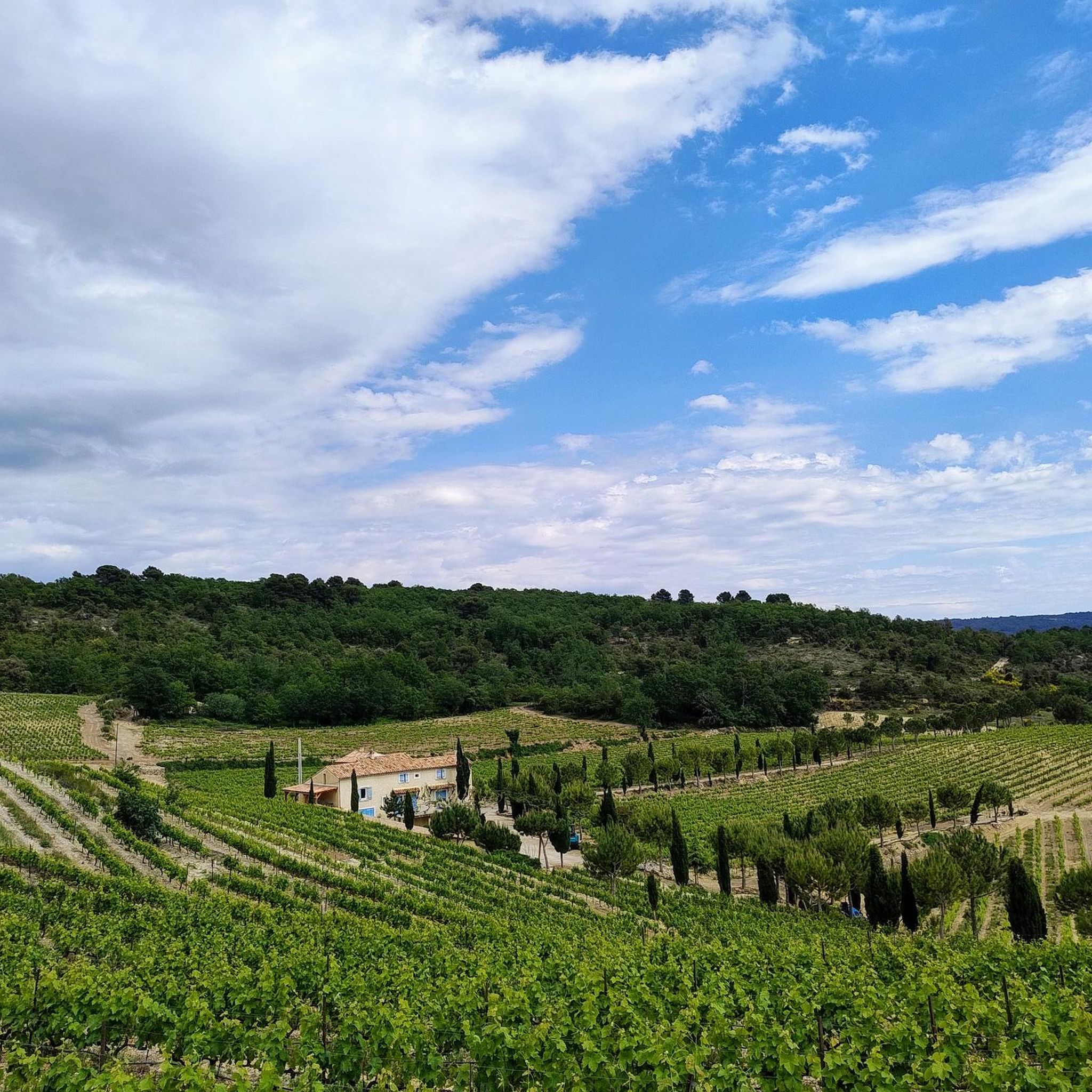
Best mountain passes around Saint-Didier are found in Provence, a region situated between the Monts de Vaucluse and Mont Ventoux. This area serves as a base for exploring various mountain passes and challenging climbs. The landscape features diverse ecosystems, from forested slopes to barren, rocky summits. Visitors can find a range of routes suitable for different activity levels.
Best mountain passes around Saint-Didier
- The most popular mountain passes is Murs Pass, a mountain_pass that offers a steady climb with…
Last updated: July 3, 2026
Murs Pass
Highlight • Mountain Pass
Translated by Google •
Tip by

Col des Trois Termes from Sénanque Abbey
Highlight (Segment) • Mountain Pass
Translated by Google •
Tip by

Sign up now to discover places like this
Get recommendations on the best single tracks, peaks, & plenty of other exciting outdoor places.
Sign up for free
Route de Gordes
Highlight (Segment) • Mountain Pass
Tip by

Col des Trois Termes
Highlight • Mountain Pass
Translated by Google •
Tip by
Col des Trois Termes (574 m)
Highlight • Mountain Pass
Translated by Google •
Tip by

Start today with a free account
Your next adventure awaits.
Login or Signup

Tips from the Community

One of my favorite climbs here. Nice and steady, no steep ramps, relatively good surface, depending on how long it's been since you last climbed the loose gravel, and a length you wouldn't find back home in the Heuvelland.
0
0
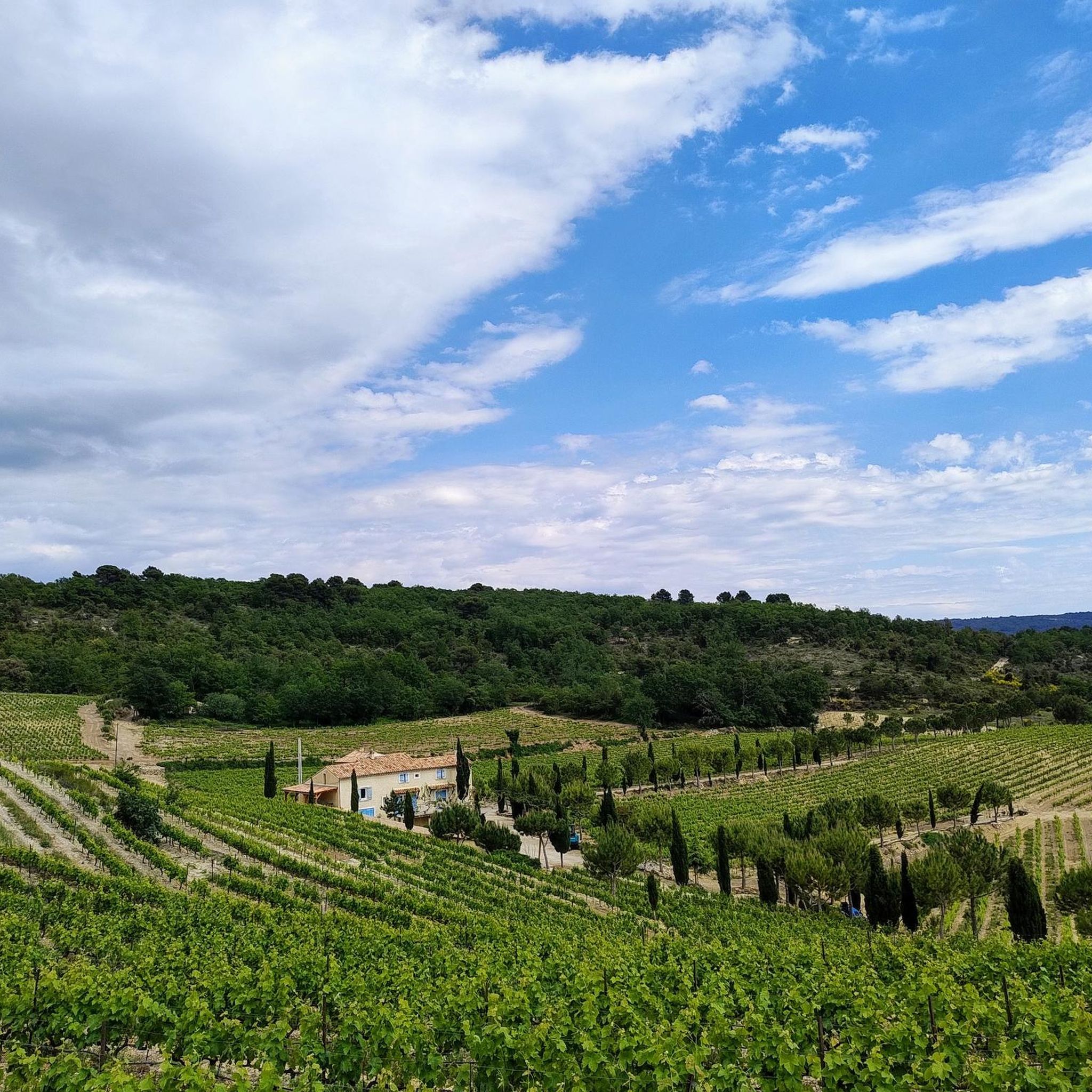
The scenery is dreamy, with the abbey's lavender fields at the foot of the climb, but then it's painful. It's a long climb and has some steep climbs. In the heat, it's really painful. But you can reward yourself with the descent on the other side and enjoy a nice ride towards Venasque. Or turn right towards Murs and then down the Col de Murs. Or up the Col de la Ligne towards Sault. So many options, and all beautiful :-)
0
0

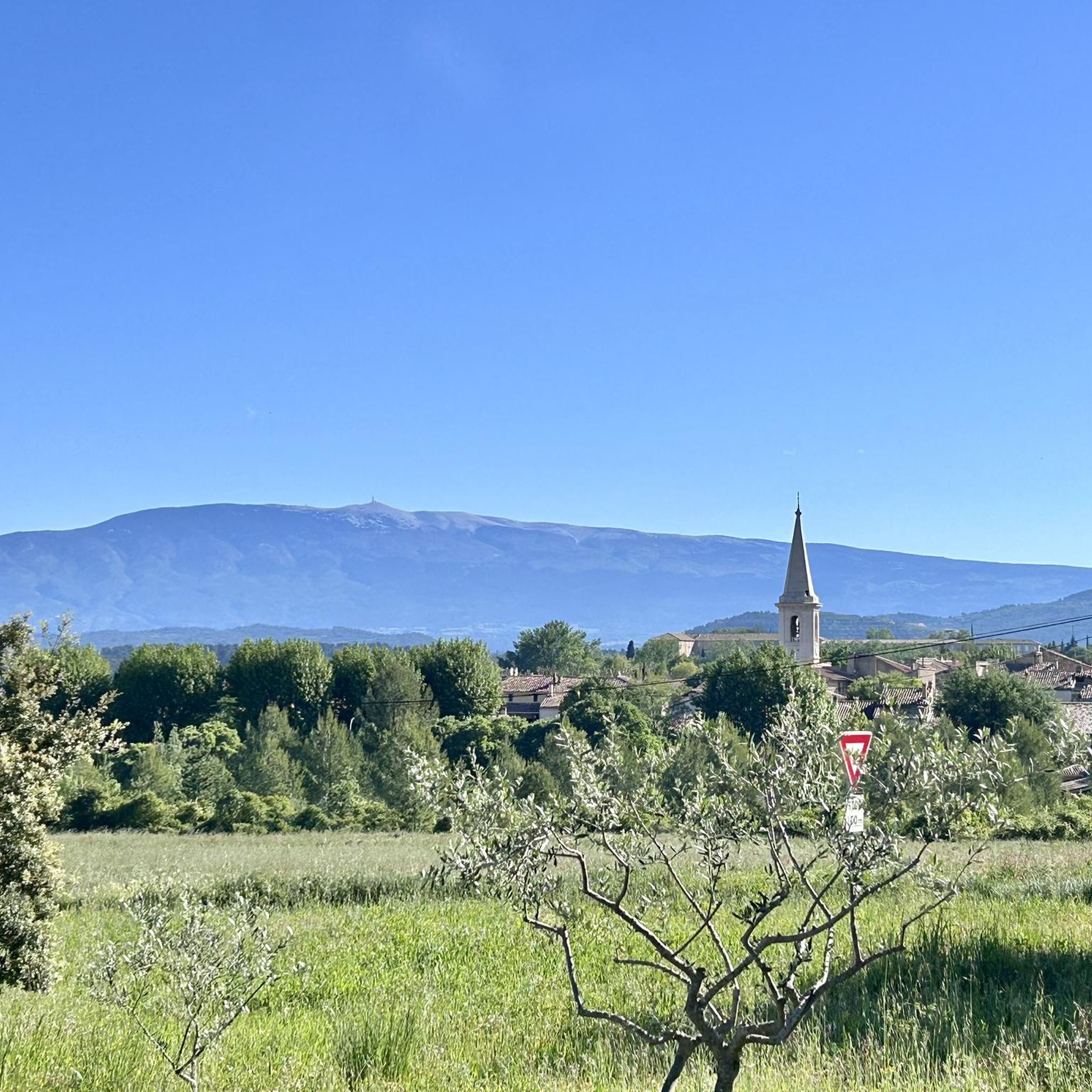
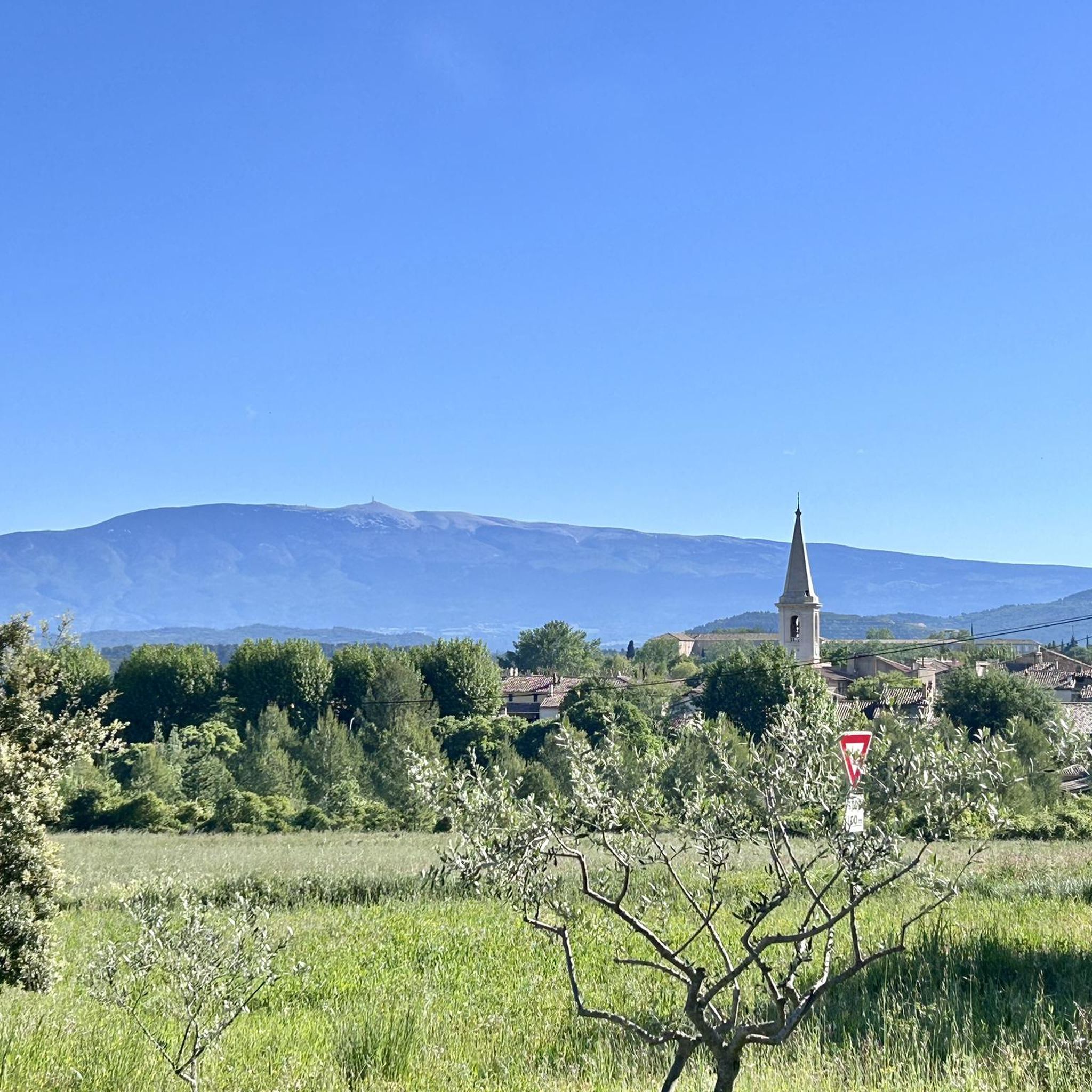
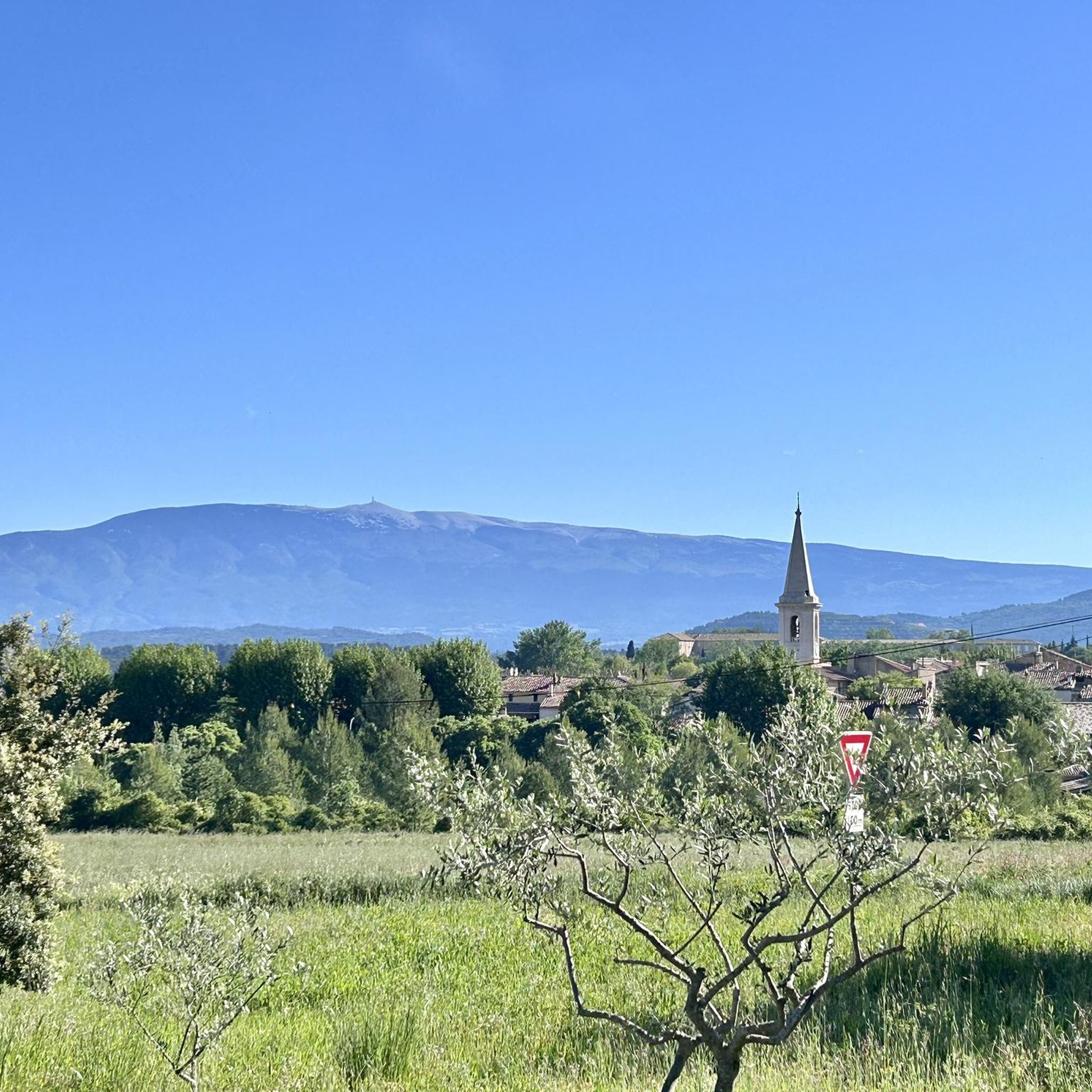
Spring is here, the cherry trees are in bloom and the Ventoux giant still has its snow cap
0
0

Peaceful Provençal road!
0
0

Around a bend, you will discover a magnificent view overlooking the valley, the Dentelles de Montmirail and the Ventoux.
0
0
I love this climb. Nice rhythm and good for pushing yourself to the limit and it gets flatter at the top. Rolls well too, unless it's recently plastered with grit (usually in autumn).
4
0

Frequently Asked Questions
What are some of the most notable mountain passes to explore near Saint-Didier?
Near Saint-Didier, you can explore iconic climbs like Mont Ventoux, often called the 'Giant of Provence,' which offers three distinct routes to its summit. Another significant pass is Murs Pass, known for its steady climb and varied scenery through forests and vineyards. The Col des Trois Termes, especially the route from Sénanque Abbey, also provides a scenic climb with rewarding views.
What makes Mont Ventoux a unique mountain pass to visit?
Mont Ventoux is unique due to its distinctive 'bald' limestone summit, which creates an almost extraterrestrial landscape. It's a UNESCO Biosphere Reserve, boasting diverse ecosystems from its forested base to the barren peak. Beyond its legendary status in cycling, it offers breathtaking panoramic views across Provence, the Rhône valley, and even the Alps on clear days.
Are there challenging cycling routes over mountain passes near Saint-Didier?
Yes, the region is famous for challenging cycling. Mont Ventoux offers three demanding ascents: the Bédoin route (21.4 km, 7.5% avg gradient), the Malaucène route (21 km, over 7.5% avg gradient), and the Sault route (25.5 km, 4.5% avg gradient), which is longer but more accessible. For other challenging options, consider the difficult gravel biking routes like the 'View of the Mont Ventoux summit – Pass of Storms loop' or the 'Madeleine Pass – Summit arrival' loop, which you can find more about in the Gravel biking around Saint-Didier guide.
What is the best time of year to visit the mountain passes around Saint-Didier?
The best time to visit is generally from spring to autumn. Spring brings wildflowers, while autumn offers beautiful colors. Summer is popular for cycling, but be prepared for heat at lower elevations and strong winds on exposed summits like Mont Ventoux. Always check local weather conditions, especially for higher passes, as they can change rapidly.
What kind of natural features can I expect to see around these mountain passes?
The region offers diverse natural beauty. At lower elevations, you'll find forests, vineyards, and picturesque lavender fields, especially on the Sault ascent of Mont Ventoux. As you climb higher, the landscape transitions to more rugged, rocky terrain, culminating in the stark, lunar-like environment of Mont Ventoux's summit. The area is also a UNESCO Biosphere Reserve, supporting varied ecosystems.
Are there any historical landmarks or cultural sites near the mountain passes?
Yes, the region is rich in history. Near Mont Ventoux, you'll find the monument to British cyclist Tom Simpson, who tragically died on the mountain. The Col des Trois Termes from Sénanque Abbey starts near the historic Sénanque Abbey itself. The village of Murs, near Murs Pass, also boasts historical sites like a restored 15th-century château and the 'Plague Wall'.
What are some good options for mountain biking near Saint-Didier's passes?
Saint-Didier offers several mountain biking opportunities. You can explore routes like the 'Narrow Cliffs loop' or the 'Mountainbike loop from Saint-Didier,' which are both considered difficult. For more options and detailed routes, refer to the MTB Trails around Saint-Didier guide.
What do visitors particularly enjoy about the mountain passes in this region?
Visitors frequently praise the stunning panoramic views, especially from Mont Ventoux, which offers vistas across Provence and beyond. The varied scenery, from lush forests and vineyards to the unique barren summits, is also a highlight. Cyclists appreciate the challenging yet rewarding climbs, while others enjoy the peaceful, winding roads and the sense of accomplishment at the top of a pass like Murs Pass.
Are there any less crowded mountain passes or scenic drives around Saint-Didier?
While Mont Ventoux can be popular, the Malaucène ascent is often less frequented than the Bédoin side, offering a challenging climb with more shade. Murs Pass, located within the Monts de Vaucluse, provides a scenic and rewarding experience through diverse Provençal landscapes, often with quieter surroundings. The Route de Gordes also offers magnificent landscapes and a winding road within cliffs.
Can I find family-friendly activities or easier routes near these mountain passes?
While many passes offer challenging climbs, the Sault ascent of Mont Ventoux is the longest yet most accessible of its three main routes, with an average gradient of 4.5%, making it suitable for a first attempt or a steadier climb. The area around the passes also offers opportunities for hiking and exploring charming villages, which can be enjoyed by families. Look for routes with lower difficulty ratings in the nearby guides for easier options.
What are the typical weather conditions to expect on the mountain passes?
Weather conditions can vary significantly with altitude. At the base, you'll experience typical Provençal weather. However, on higher passes like Mont Ventoux, strong winds are common, especially on the exposed summit, and temperatures can be considerably cooler. Even in summer, the summit can feel cold. Always be prepared for changing conditions, including sudden shifts in temperature and potential for rain or even snow outside of peak summer.
Are there any specific tips for cycling the mountain passes near Saint-Didier?
When cycling, be aware of the varying gradients; for instance, Murs Pass has an average gradient of 4.3% but can reach 8.9%. Mont Ventoux's Bédoin ascent has a relentless 10 km stretch through the forest with gradients often exceeding 9-10%. Always carry enough water, especially for longer climbs, and be prepared for strong winds on exposed sections. The Road Cycling Routes around Saint-Didier guide offers more specific routes.
Most popular routes around Saint-Didier
Most popular attractions around Saint-Didier

Get inspired with the komoot mobile app


Explore more
See even more epic mountain passes by checking out these guides around Saint-Didier:
