Top 14 Natural Monuments around Roquebrune-Cap-Martin
Best natural monuments around Roquebrune-Cap-Martin are found on the French Riviera, nestled between Monaco and Menton. This region features a diverse natural landscape, including ancient trees, significant archaeological sites, and coastal paths. The area offers a blend of historical importance and natural beauty, making it a notable destination for outdoor exploration.
Best natural monuments around Roquebrune-Cap-Martin
- The most popular natural monuments is Millennia-old Olive Tree of Roquebrune-Cap-Martin, an other natural site considered one of the oldest trees in France,…
Last updated: July 3, 2026
Jardins de la Petite Afrique
Highlight • Natural
Translated by Google •
Tip by

Princess Grace Rose Garden
Highlight • Natural Monument
Showing Translation
Tip by

Sign up now to discover places like this
Get recommendations on the best single tracks, peaks, & plenty of other exciting outdoor places.
Sign up for free
Saint-Martin Gardens
Highlight • Forest
In addition to the peace you …
Translated by Google •
Tip by

Millennia-old Olive Tree of Roquebrune-Cap-Martin
Highlight • Natural
Translated by Google •
Tip by

Hanbury Botanical Gardens
Highlight • Natural
** de.m.wikipedia.org/wiki/Botanischer_Garten_Hanbury
The Hanbury Botanical Garden (Italian: Giardini Botanici Hanbury) is an 18-hectare botanical garden in Italy. It is located on Capo …
Translated by Google •
Tip by

Sign up for free to discover even more natural monuments around Roquebrune-Cap-Martin.
Sign up for free
Already have an account?
Start today with a free account
Your next adventure awaits.
Login or Signup

Tips from the Community

Created in 1954 by Prince Rainier III in homage to his wife Grace Kelly, the Princess Grace Rose Garden has become one of Monaco's symbols. This garden brings together several thousand rose bushes representing hundreds of varieties from all over the world. Each year, new creations are presented there as part of the International Competition for New Roses.
0
0

More information at the following link: https://www.visitmonaco.com/profiter/parcs-et-jardins/jardins-saint-martin
2
0

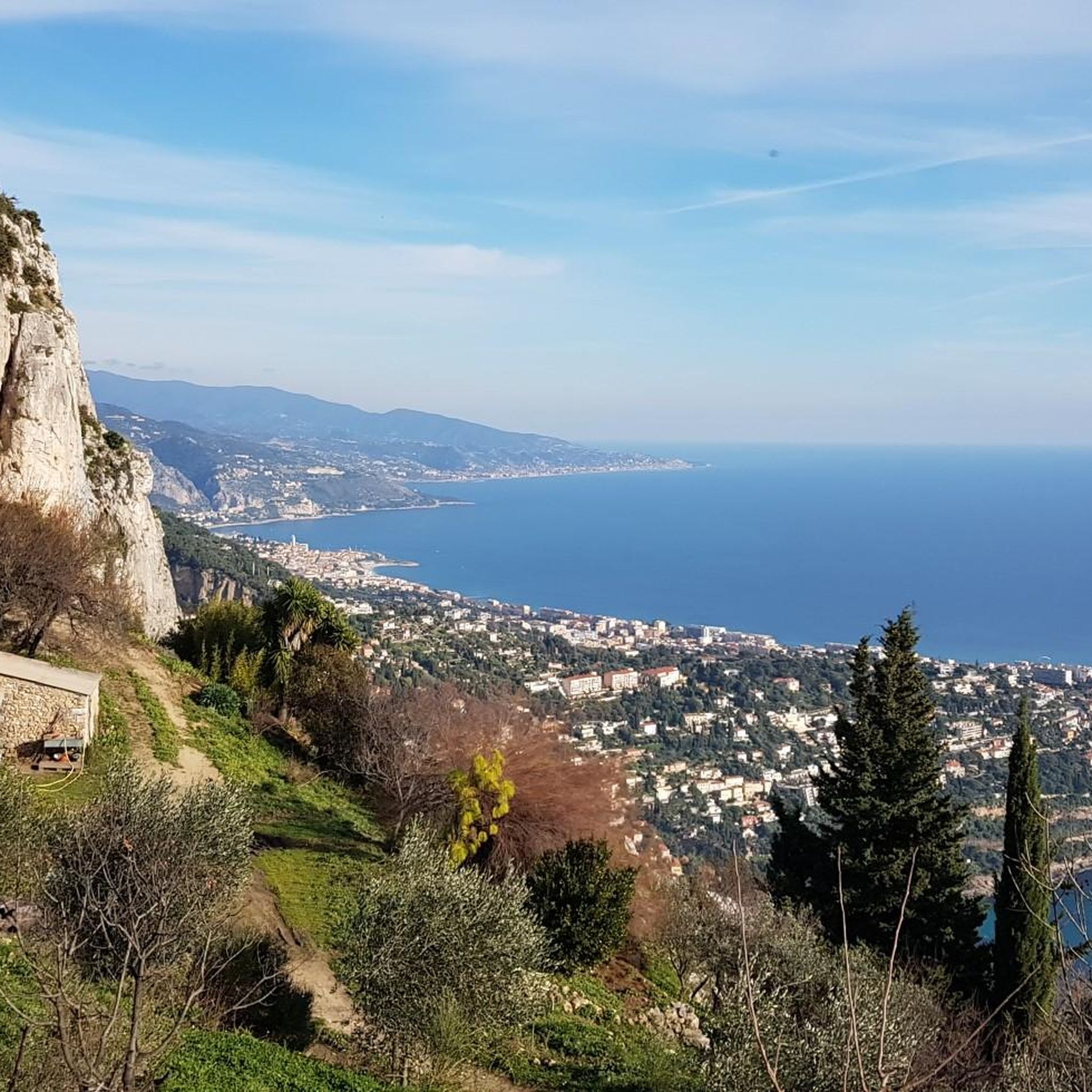
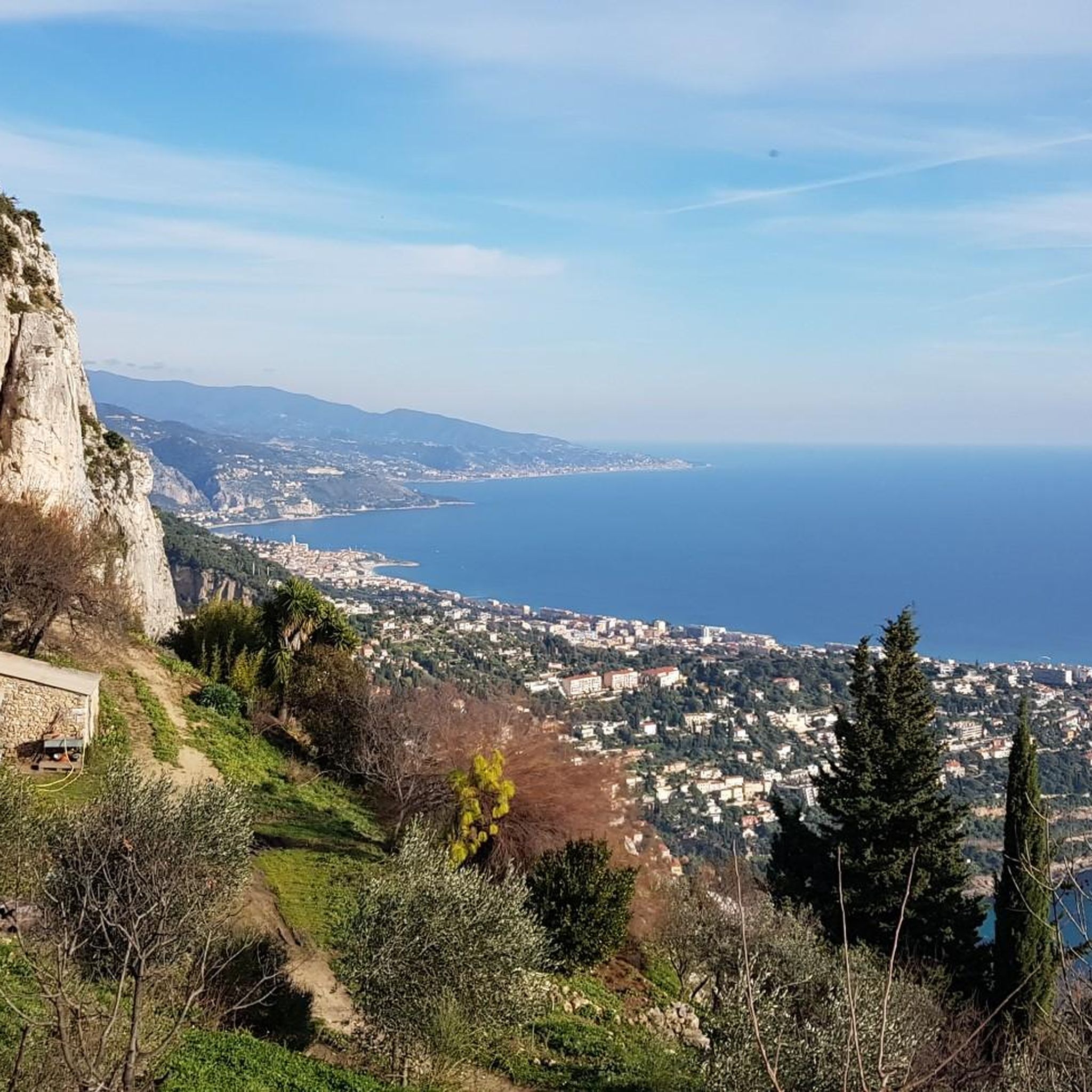
An unassuming garden with magnificent views.
0
0

Now part of the Collection https://www.komoot.com/de-de/collection/3600632/-naturdenkmaeler-besondere-baeume-und-weitere-schaetze-der-natur
2
0


Famous botanical gardens that are a must-see if you're a plant lover or just want to take a stroll in the greenery.
0
0

A must-see! Well-maintained, one-of-a-kind.
0
0

An impressive variety of plants
0
0
Frequently Asked Questions
What are some unique natural monuments to visit in Roquebrune-Cap-Martin?
Beyond the well-known sites, you can explore the ancient Millennia-old Olive Tree of Roquebrune-Cap-Martin, a living testament to the region's history. Also, consider the Carob Tree, which is an important part of the local flora and culture, often found in Mediterranean landscapes.
Are there any natural monuments in the area that are historically significant?
Yes, the region is home to the Millennia-old Olive Tree of Roquebrune-Cap-Martin, which is estimated to be over 2,000 years old and is a classified 'Remarkable Tree of France.' Additionally, the Grotte du Vallonnet, though not publicly accessible, is an immensely important archaeological site providing insights into early human settlement in Europe over a million years ago.
What kind of natural features can I expect to see around Roquebrune-Cap-Martin?
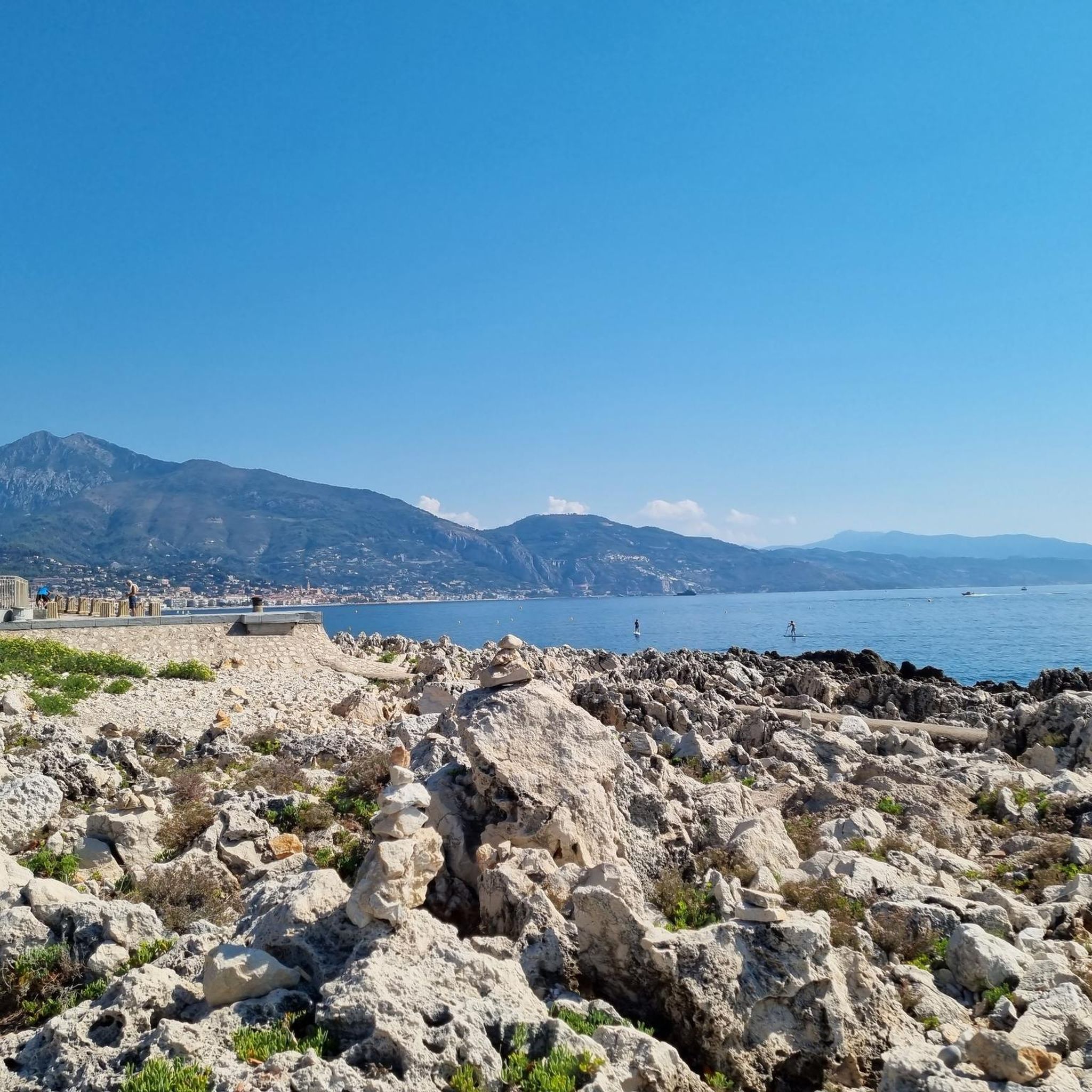
The area boasts diverse natural features, from ancient trees like the Millennia-old Olive Tree and the Carob Tree, to lush botanical spaces such as the Jardins de la Petite Afrique and the Princess Grace Rose Garden. You'll also find stunning coastal views, unique rock formations, and Mediterranean flora along the various paths.
Are there family-friendly natural monuments in Roquebrune-Cap-Martin?
Absolutely! Many natural monuments are suitable for families. The Millennia-old Olive Tree of Roquebrune-Cap-Martin offers an inspiring and educational experience. The Princess Grace Rose Garden and the Jardins de la Petite Afrique are also great for a leisurely stroll with children, offering beautiful plants and peaceful environments.
What outdoor activities can I do near these natural monuments?
The region around Roquebrune-Cap-Martin offers a variety of outdoor activities. You can find numerous cycling routes, including challenging ones like the 'Castillon Pass – Sospel Old Bridge loop,' or explore MTB trails such as the 'Fort du Cap Martin – F1 Pole Position, Monaco loop.' For runners, there are scenic paths like the 'Tour of Cap Martin Trail.' You can find more details on these activities in the cycling, MTB, and running guides for the area.
Are there hiking trails near the natural monuments in Roquebrune-Cap-Martin?
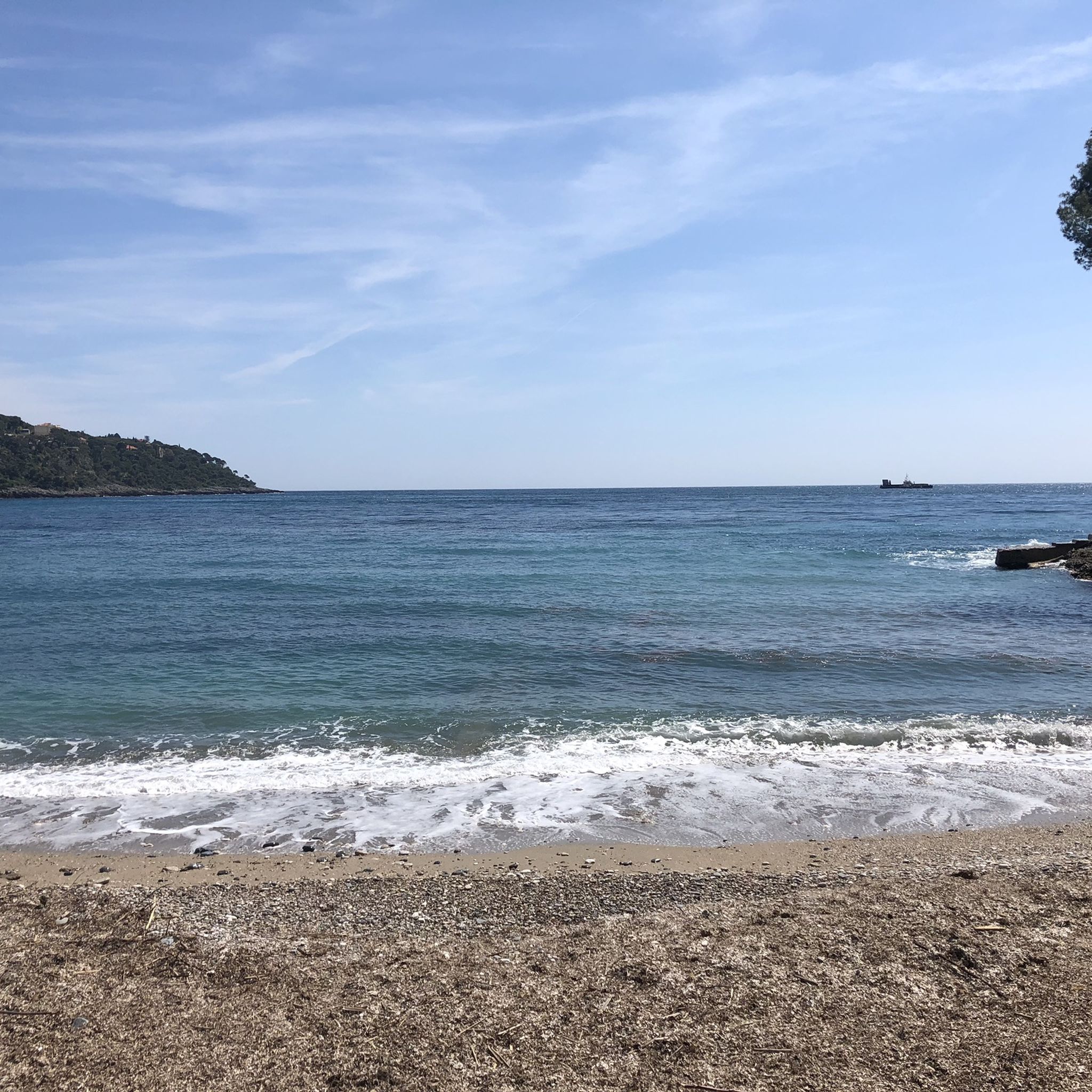
Yes, the area is excellent for hiking. The 'Stone on Stone' hiking area offers stunning views and winding trails. The coastal path, also known as the Promenade Le Corbusier, provides beautiful views of Monaco, Menton, and the Italian Riviera, with opportunities to see Mediterranean plant species and secluded beaches. For specific running routes, you can check the Running Trails around Roquebrune-Cap-Martin guide.
What is the best time to visit the natural monuments in Roquebrune-Cap-Martin?
The French Riviera generally enjoys a mild Mediterranean climate, making it pleasant for visits almost year-round. Spring (April-May) and early autumn (September-October) are particularly ideal, offering comfortable temperatures for exploring and vibrant flora, especially for rose gardens like the Princess Grace Rose Garden during its blooming period.
What do visitors enjoy most about the natural monuments in Roquebrune-Cap-Martin?
Visitors frequently appreciate the blend of historical significance and natural beauty. The sheer age and grandeur of the Millennia-old Olive Tree are often highlighted. The peaceful environment and lush species of gardens like the Jardins de la Petite Afrique and the Princess Grace Rose Garden are also highly rated for their tranquility and aesthetic appeal.
Is the Grotte du Vallonnet accessible to the public?
No, while the Grotte du Vallonnet is a natural monument of immense archaeological importance, it is not accessible to the public. It serves as a crucial site for understanding prehistoric life and early human presence in Europe, but its delicate nature requires restricted access.
Are there any botanical gardens to visit near Roquebrune-Cap-Martin?
Yes, the Hanbury Botanical Gardens, located nearby on Capo Mortola, is an extensive 18-hectare garden known for its diverse plant collections. It offers a beautiful landscape and even features a café by the sea. Within Roquebrune-Cap-Martin itself, the Jardins de la Petite Afrique and the Princess Grace Rose Garden also provide lush botanical experiences.
Can I find viewpoints with scenic vistas among the natural monuments?
Yes, several natural monuments and areas offer excellent viewpoints. The Jardins de la Petite Afrique and the Princess Grace Rose Garden are noted for their scenic locations. Additionally, the 'Stone on Stone' hiking area and the coastal path (Promenade Le Corbusier) provide stunning views of the Mediterranean coastline, including Monaco, Menton, and the Italian Riviera.
Are there any natural monuments that are wheelchair accessible?
The Princess Grace Rose Garden is listed as wheelchair accessible, offering a beautiful and inclusive experience for visitors to enjoy its multitude of roses and scents.
Most popular routes around Roquebrune-Cap-Martin
Most popular attractions around Roquebrune-Cap-Martin

Get inspired with the komoot mobile app


Explore more
Extend your search for the best caves by checking out these guides of the top ones around Roquebrune-Cap-Martin:
