Top 7 Natural Monuments around Arc-Sous-Cicon
Best natural monuments around Arc-Sous-Cicon feature a landscape characterized by karst springs, river valleys, and elevated viewpoints. The region is known for its dramatic geological formations, including impressive cliffs and caves where rivers emerge. These natural landmarks provide opportunities to explore the unique hydrogeology and scenic beauty of the Jura Mountains. The area offers diverse natural features for exploration.
Best natural monuments around Arc-Sous-Cicon
- The most popular natural monument is Source de la Loue, a cave where the Loue…
Last updated: October 7, 2026
Source de la Loue
Highlight • Cave
Translated by Google •
Tip by

Renédale Viewpoint
Highlight • Natural Monument
And as a bonus, from this side you have a …
Translated by Google •
Tip by
Sign up now to discover places like this
Get recommendations on the best single tracks, peaks, & plenty of other exciting outdoor places.
White Limestone Cliffs
Highlight • Natural Monument
Translated by Google •
Tip by
Scenic Upper Valley of the Doubs Horloger Regional Natural Park
Highlight (Segment) • Viewpoint
Translated by Google •
Tip by

Rock formation in the Parc naturel régional du Doubs Horloger
Highlight • Natural Monument
Translated by Google •
Tip by

Sign up for free to discover even more natural monuments around Arc-Sous-Cicon.
Already have an account?
Start today with a free account
Your next adventure awaits.
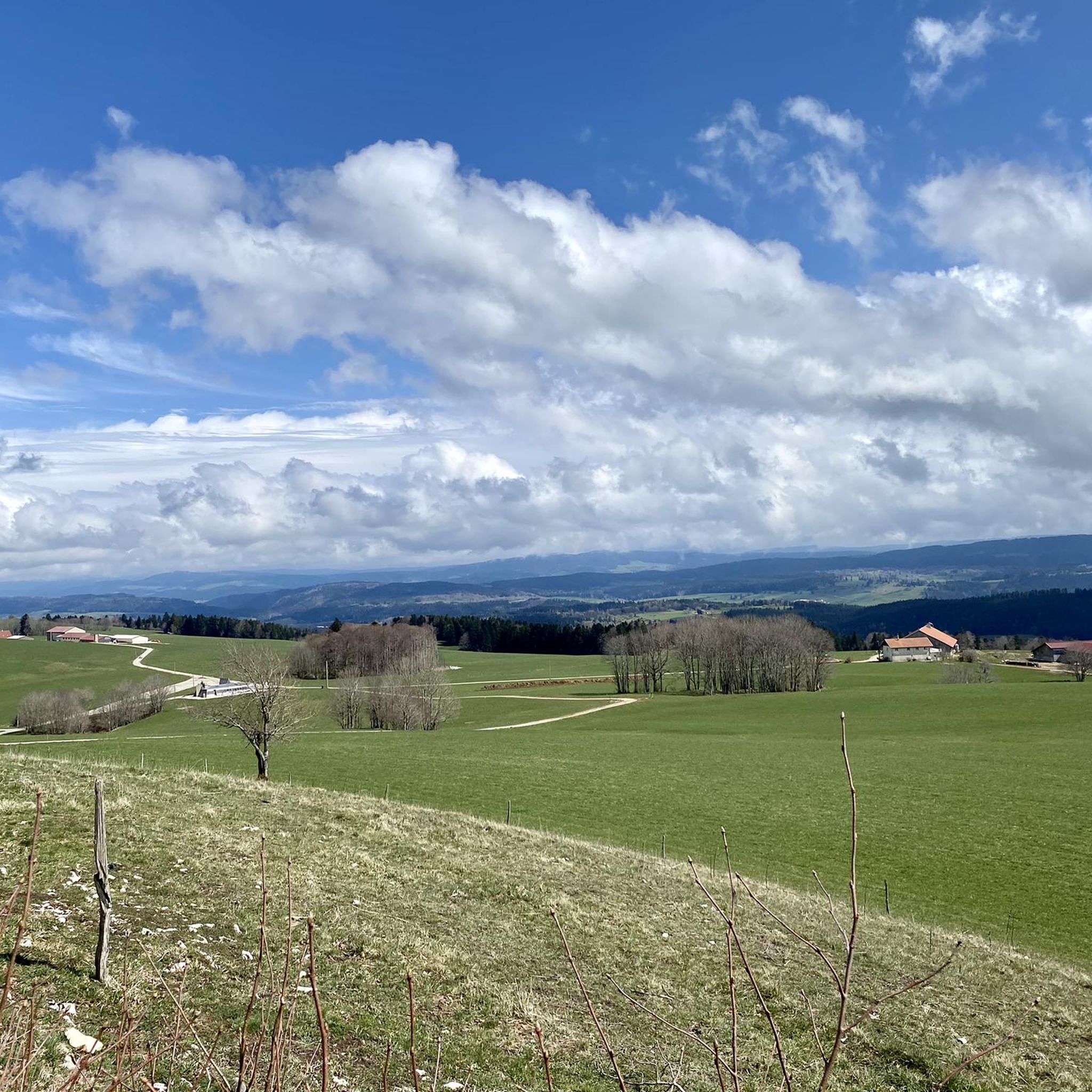
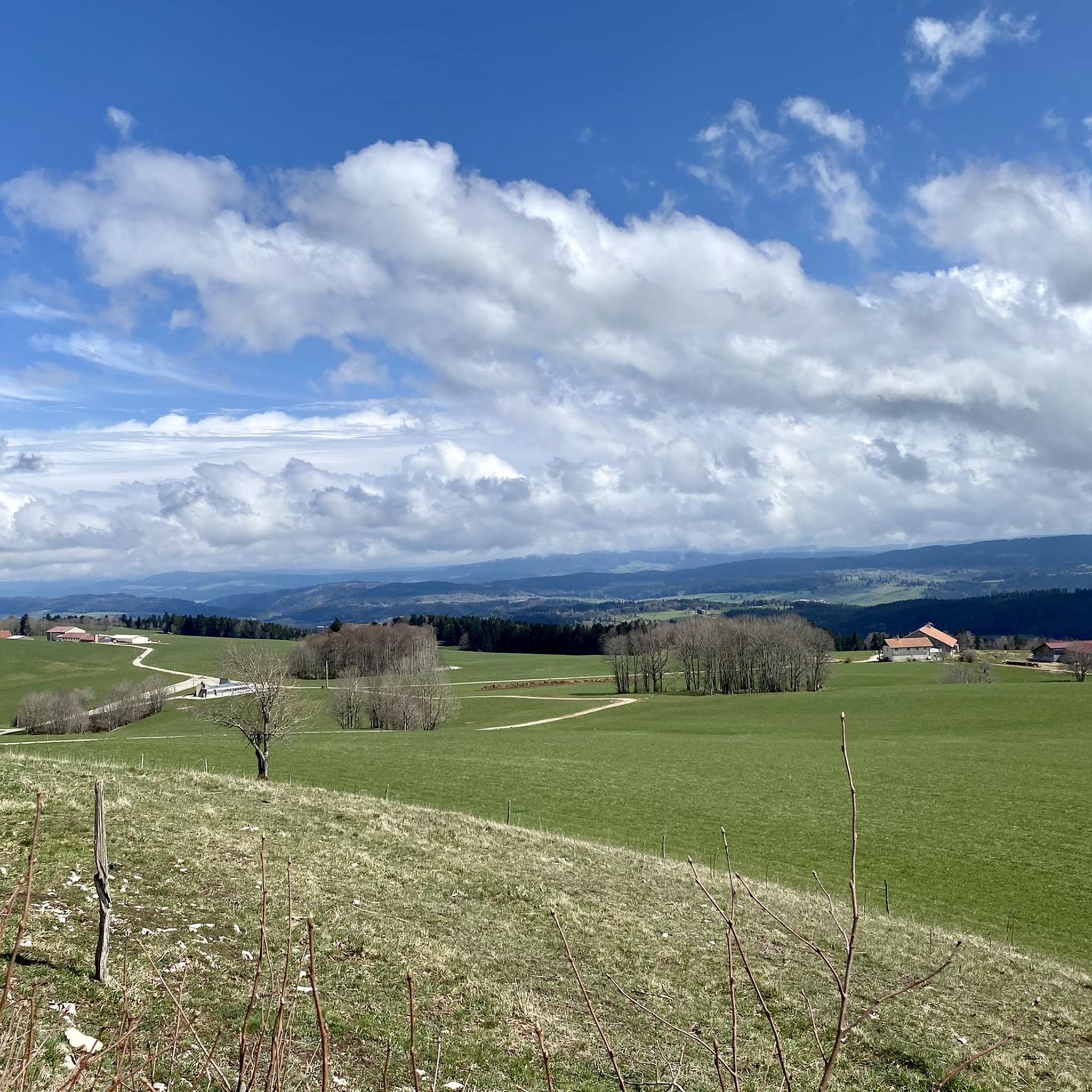
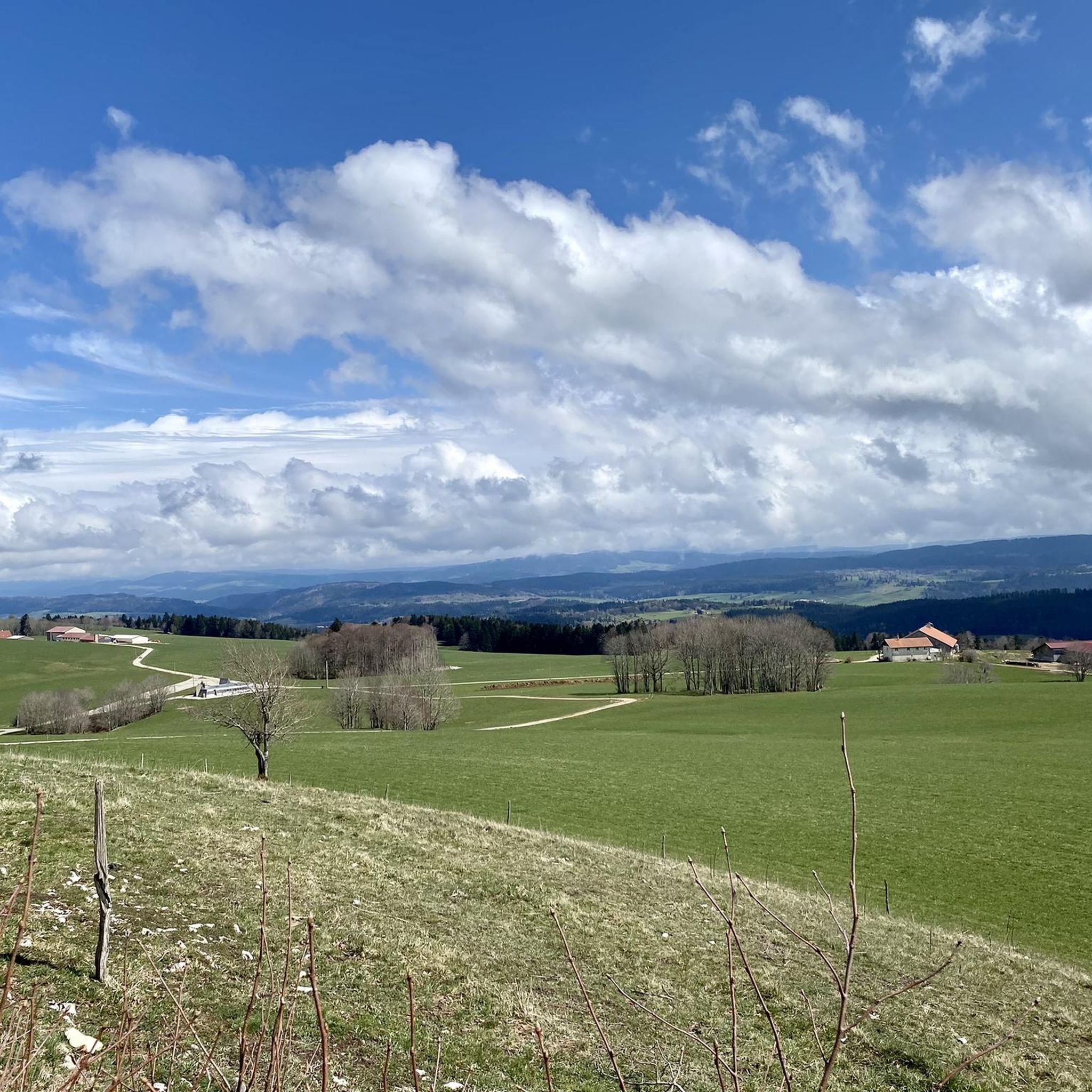
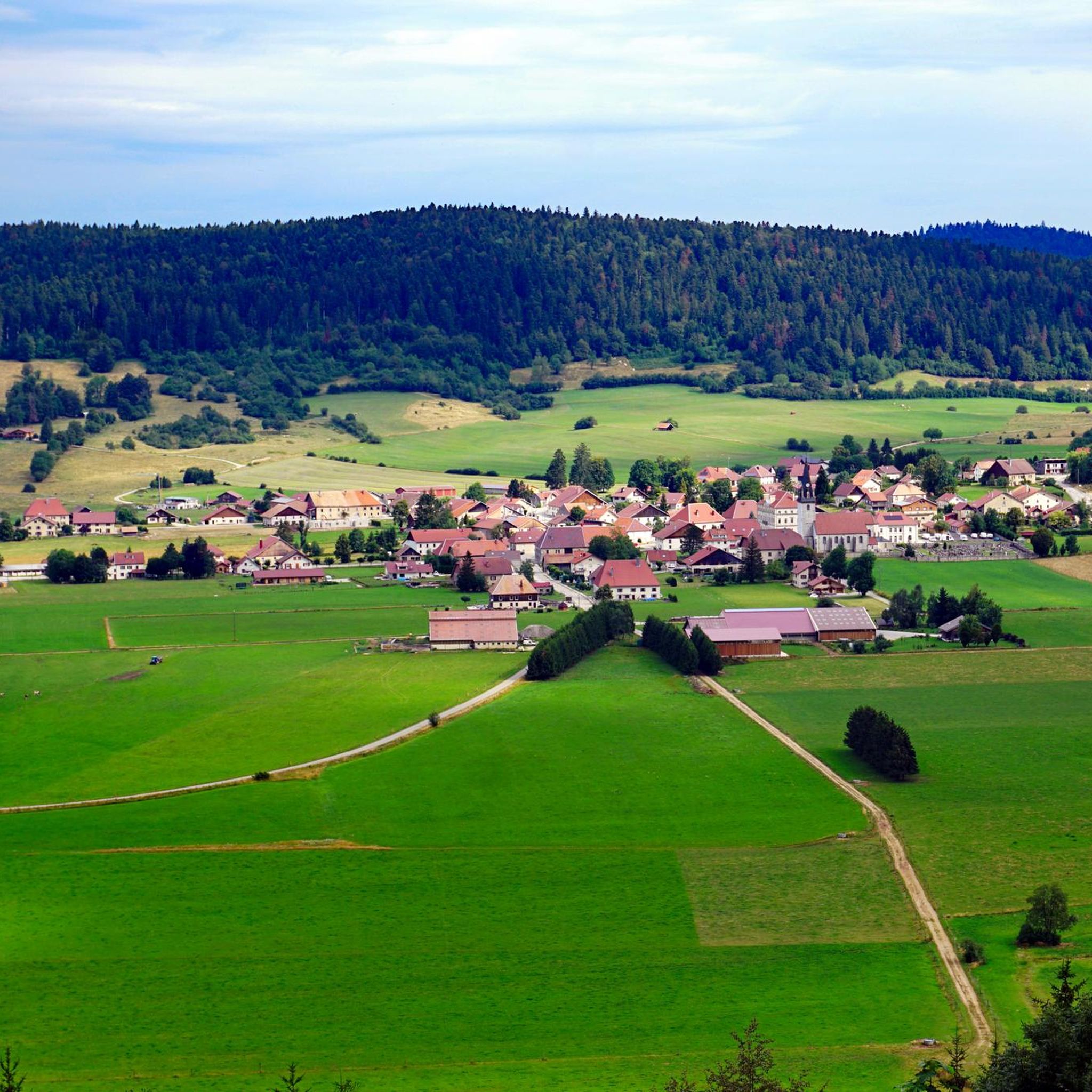
Tips from the Community

The source of the Loue River is announced by the rushing water even before you see it. It's impressive and magical to stand beneath the 150-meter-high cliffs and watch the river rush out of its cave.
5
1

One of the largest springs in the entire Jura region. Very impressive after long periods of rain.
3
0

This is truly a magical place! A whole river that comes straight out of the rock. There is a huge parking lot just a few hundred meters away, which takes some of the magic out of the place. So I would recommend visiting this place out of season. And instead of starting from the parking lot, take a long walk along the surrounding hiking trails, which are definitely worth it.
5
1

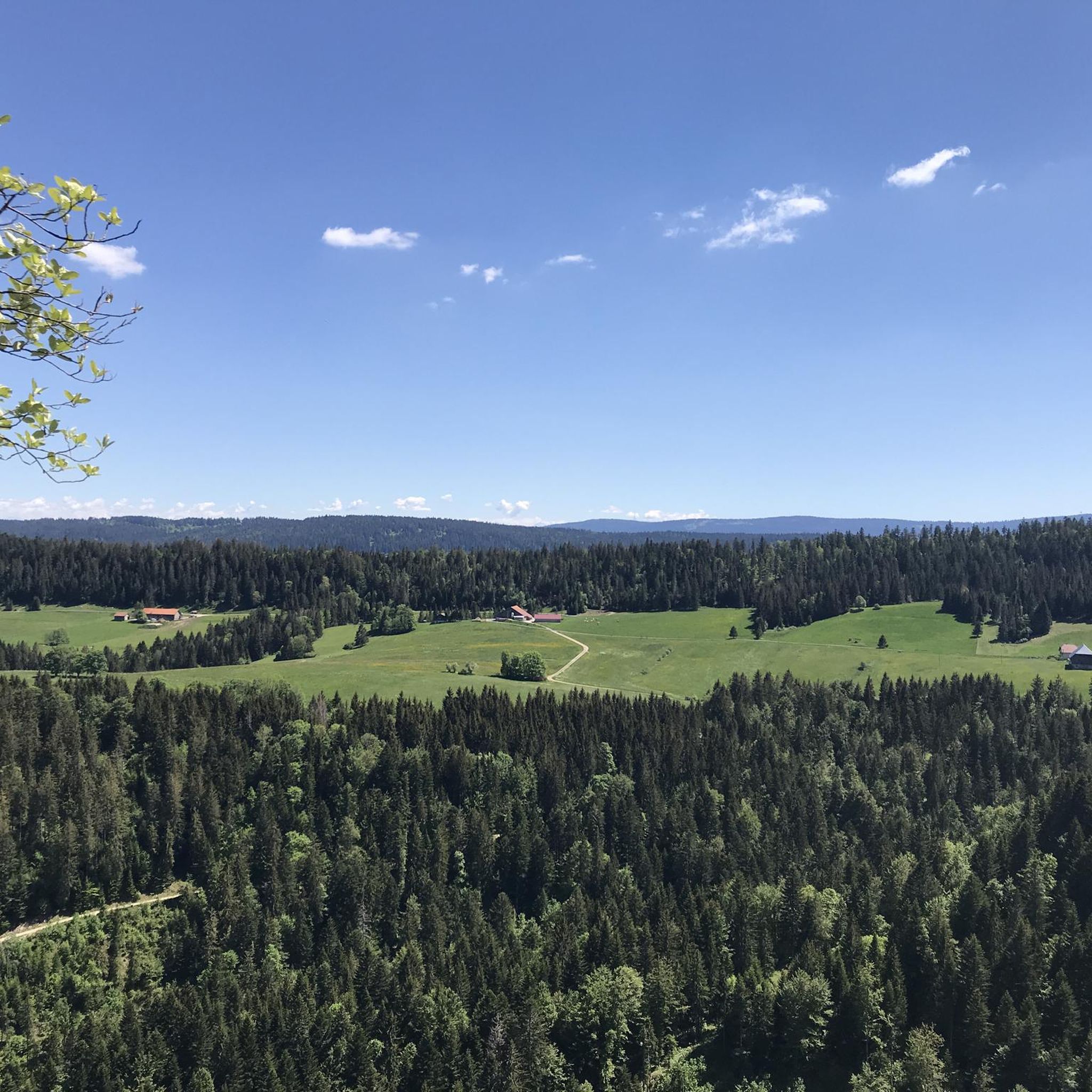
From the top of this belvedere, you will have a breathtaking view of the Cirque de la Source de la Loue.
2
0
When you finally reach the source, you are greeted by a 150 meter high rock face - a magnificent cirque. Below, you will see the source of the Loue.
2
0

View of the Gorges de Nouailles from the Renédale belvedere. What beautiful nature!
0
0

On a hike, you have to go to the source of the Loue by climbing the Nouailles gorges. It's a wonderful hike but you have to be well-shod and to be avoided in wet weather.
5
0

This small path takes you along the edge of the cliff, under the trees, to discover quite astonishing limestone formations. a playful route with plenty of viewpoints over the valley.
2
0
Frequently Asked Questions
What unique geological features can I explore around Arc-Sous-Cicon?
The region is rich in karst phenomena. You can visit the Source de la Loue, a spectacular resurgence where the Loue River emerges from a vast cave at the foot of an impressive 150-meter-high rocky cirque. Another intriguing site is the Source du Pontet, a karst spring with a large cave portal and distinctive tufa limestone formations, where you can walk approximately 90 meters into the cave during dry periods.
Where can I find the best panoramic views of the region?
For breathtaking panoramic views, head to Crêt Monniot, the highest point in the canton of Montbenoît. On clear days, you can enjoy expansive 360-degree views, including the Loue Valley, the Jura Plateaux, and even the distant Alps, such as Mont Blanc. Another excellent spot is the Renédale Viewpoint, which offers a stunning perspective of the deeply cut gorge of the Loue and the Cirque de la Source de la Loue.
Are there any natural monuments with historical or cultural significance?
Yes, the Source de la Loue holds cultural significance as it was a favorite subject of the painter Gustave Courbet, who depicted it multiple times. Additionally, the Grotte de la Glacière, a natural ice cave in the broader region, has historical importance as it was used as a natural icehouse due to its year-round ice production.
What outdoor activities are available near these natural monuments?
The region offers abundant opportunities for outdoor activities. The Loue River Valley is ideal for hiking, mountain biking, canoeing, and fishing. You can find various hiking trails, including those around Crêt Monniot, and explore routes for mountain biking and cycling. For detailed routes, check out the guides for Hiking around Arc-Sous-Cicon, MTB Trails around Arc-Sous-Cicon, and Cycling around Arc-Sous-Cicon.
Are there family-friendly natural attractions in the area?
Many natural monuments are accessible and enjoyable for families. The Source de la Loue is easily accessible via a short, paved footpath from a car park, with amenities like benches and informative panels. The Loue River Valley also offers gentle trails suitable for family walks, allowing everyone to enjoy the scenic beauty and diverse flora and fauna.
What is the best time of year to visit the natural monuments around Arc-Sous-Cicon?
The natural monuments are beautiful year-round. Spring and autumn offer pleasant temperatures for hiking and exploring, with vibrant foliage or blooming flora. Summer is ideal for water activities in the Loue River Valley. In winter, Crêt Monniot transforms into a Nordic ski site, offering cross-country skiing and snowshoeing, while the powerful resurgence of the Source de la Loue remains impressive regardless of the season.
Where can I see unique rock formations?
Beyond the karst springs, you can discover unique geological formations at the White Limestone Cliffs, which feature astonishing limestone formations and offer playful routes with plenty of viewpoints. Another interesting site is the Rock formation in the Parc naturel régional du Doubs Horloger, a natural monument shaped by time.
Is parking available at the natural monuments?
Yes, for popular sites like the Source de la Loue, there is a car park nearby, making it easily accessible. For other natural monuments and trailheads, parking options are generally available, though it's always advisable to check specific locations beforehand, especially during peak seasons.
Can I explore caves in the Arc-Sous-Cicon region?
Yes, the region is known for its caves. The Source de la Loue emerges from a massive cave portal, and at the Source du Pontet, you can walk approximately 90 meters into the deep cave during dry periods. The Grotte de la Glacière is also a notable cave, famous for its natural ice formations.
What makes the Loue River Valley a natural monument?
The entire Loue River Valley is considered a natural monument due to its spectacular landscape. It features crystal clear waters, rapids, dramatic limestone cliffs, and numerous cave entrances along its course. The valley also boasts diverse flora and fauna, making it a preserved natural environment perfect for various outdoor activities and scenic enjoyment.
Are there any natural ice caves in the vicinity?
Yes, the Grotte de la Glacière, located near Chaux-lès-Passavant, is a significant natural ice cave in the broader region. It's a rare example in France where ice naturally forms and persists year-round due to specific microclimatic conditions and air currents, offering a fascinating geological insight.
Most popular routes around Arc-Sous-Cicon
Most popular attractions around Arc-Sous-Cicon

Get inspired with the komoot mobile app


Explore more
Extend your search for the best caves by checking out these guides of the top ones around Arc-Sous-Cicon:
