Top 13 Natural Monuments around Fraroz
Natural monuments around Fraroz offer a diverse landscape of geological features and hydrological wonders in the Jura department of France. The region is characterized by impressive gorges, significant river sources, and captivating waterfalls. Visitors can explore a variety of natural environments, from deep canyons to the origins of major rivers. This area provides opportunities to experience the power of water shaping the landscape over time.
Best natural monuments around Fraroz
- The most popular natural monuments is Langouette Gorges, a…
Last updated: October 6, 2026
Langouette Gorges
Highlight (Segment) • Gorge
Translated by Google •
Tip by

Bief de la Ruine Waterfalls
Highlight • Waterfall
Translated by Google •
Tip by

Sign up now to discover places like this
Get recommendations on the best single tracks, peaks, & plenty of other exciting outdoor places.
The source of the Doubs
Highlight • River
On this promontory you can also admire the superb peat bogs of Mouthe in the background, and the forest of Haute-Joux in the background.
Translated by Google •
Tip by
Moulin du Saut Waterfall
Highlight • Waterfall
Translated by Google •
Tip by

Ain Spring
Highlight • River
Translated by Google •
Tip by

Sign up for free to discover even more natural monuments around Fraroz.
Already have an account?
Start today with a free account
Your next adventure awaits.
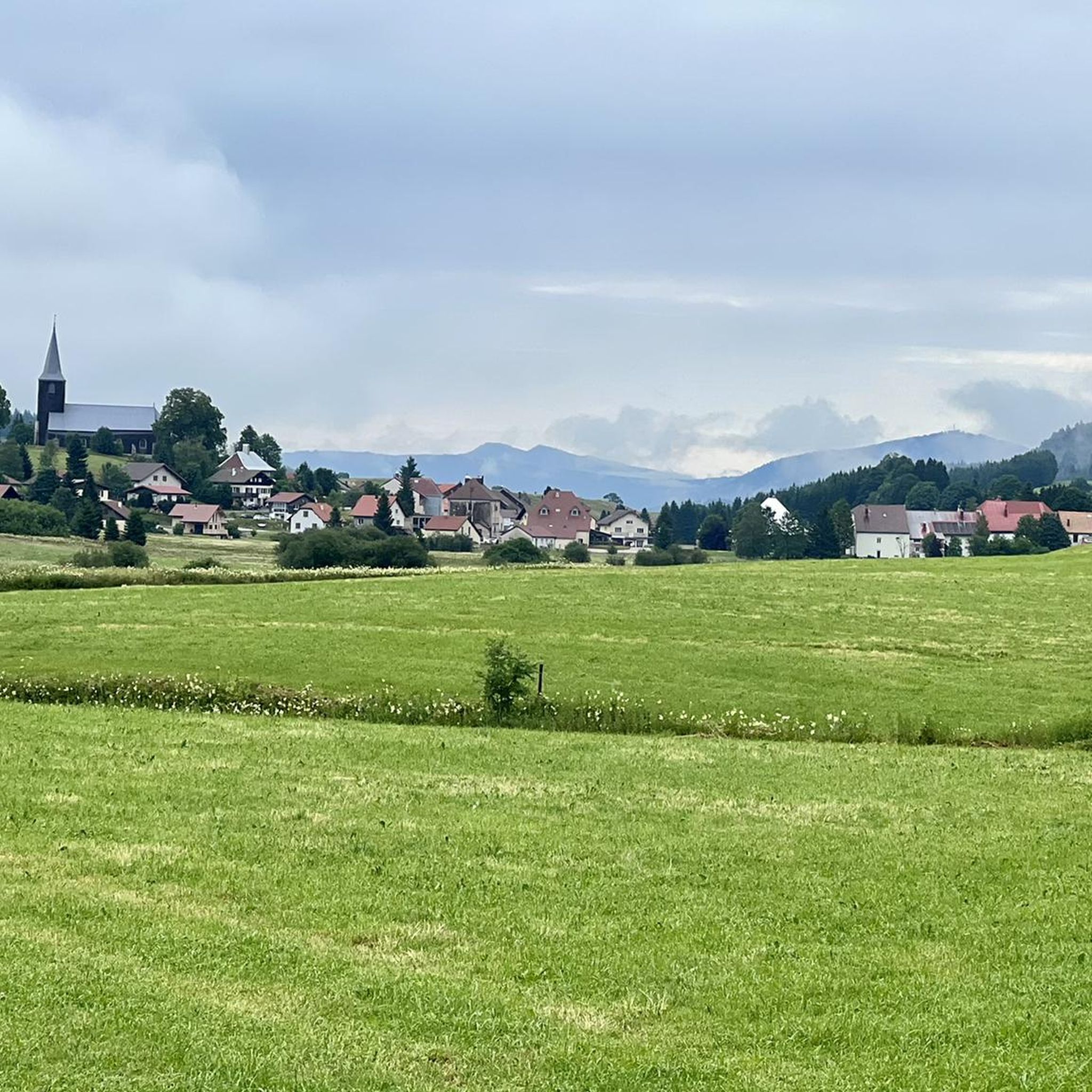
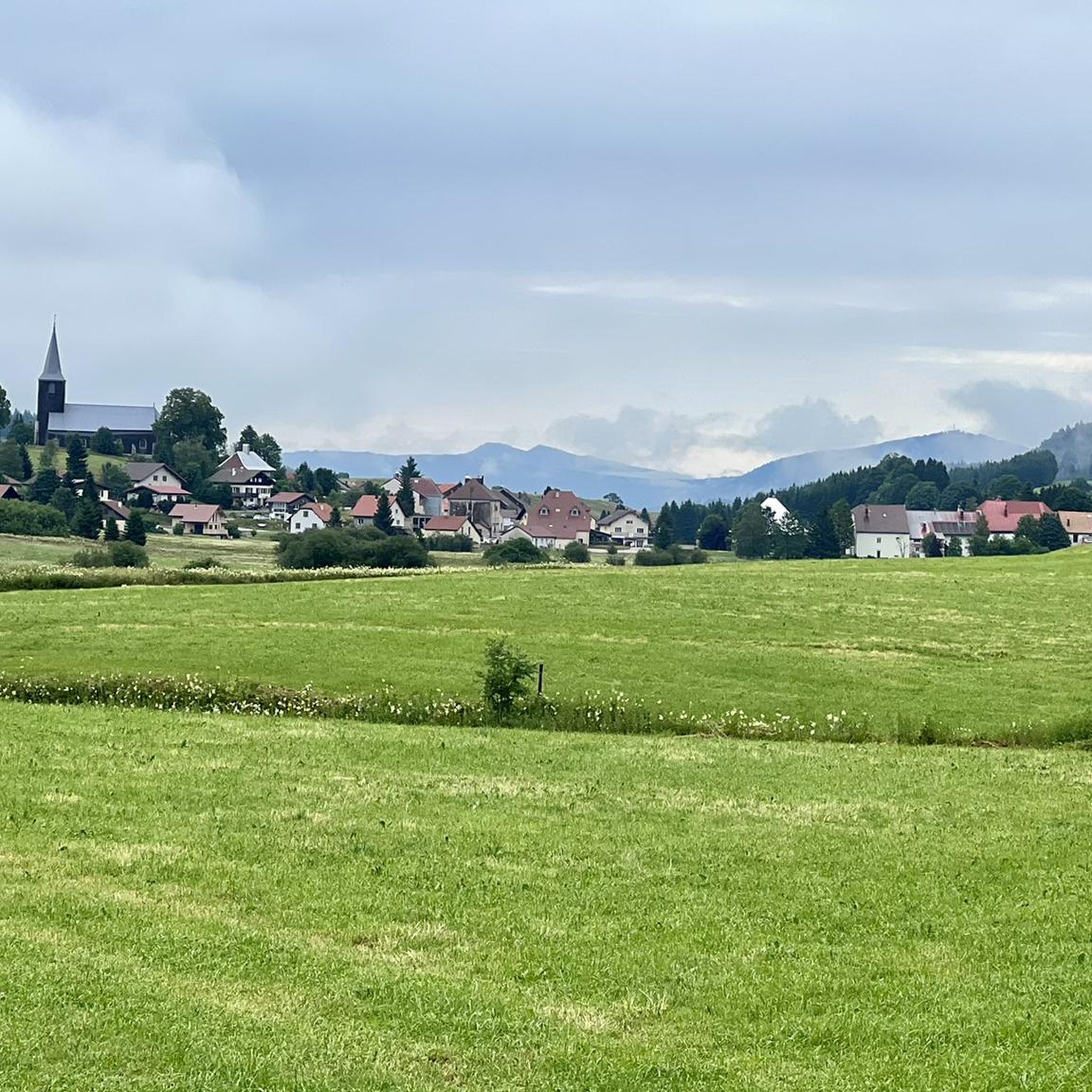
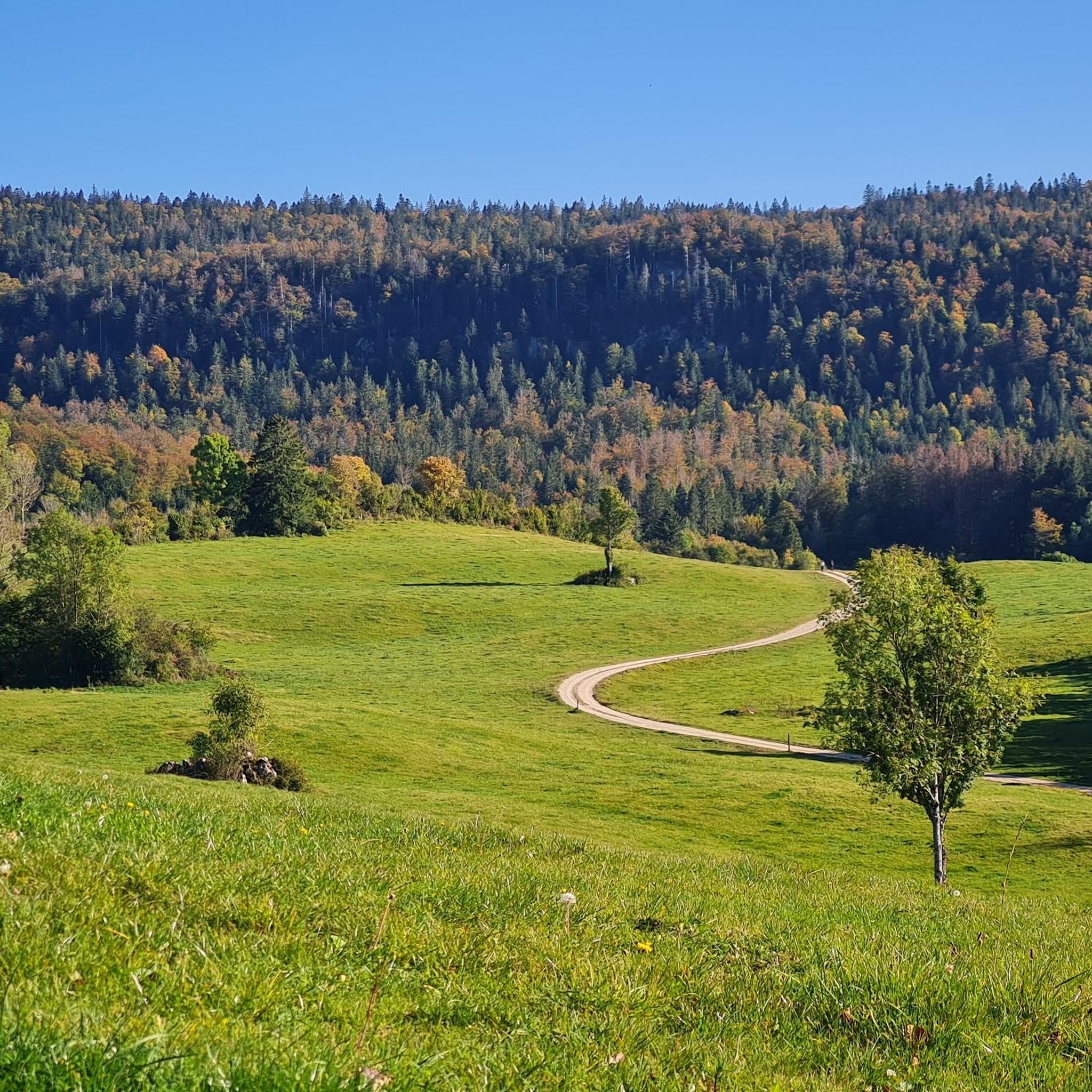
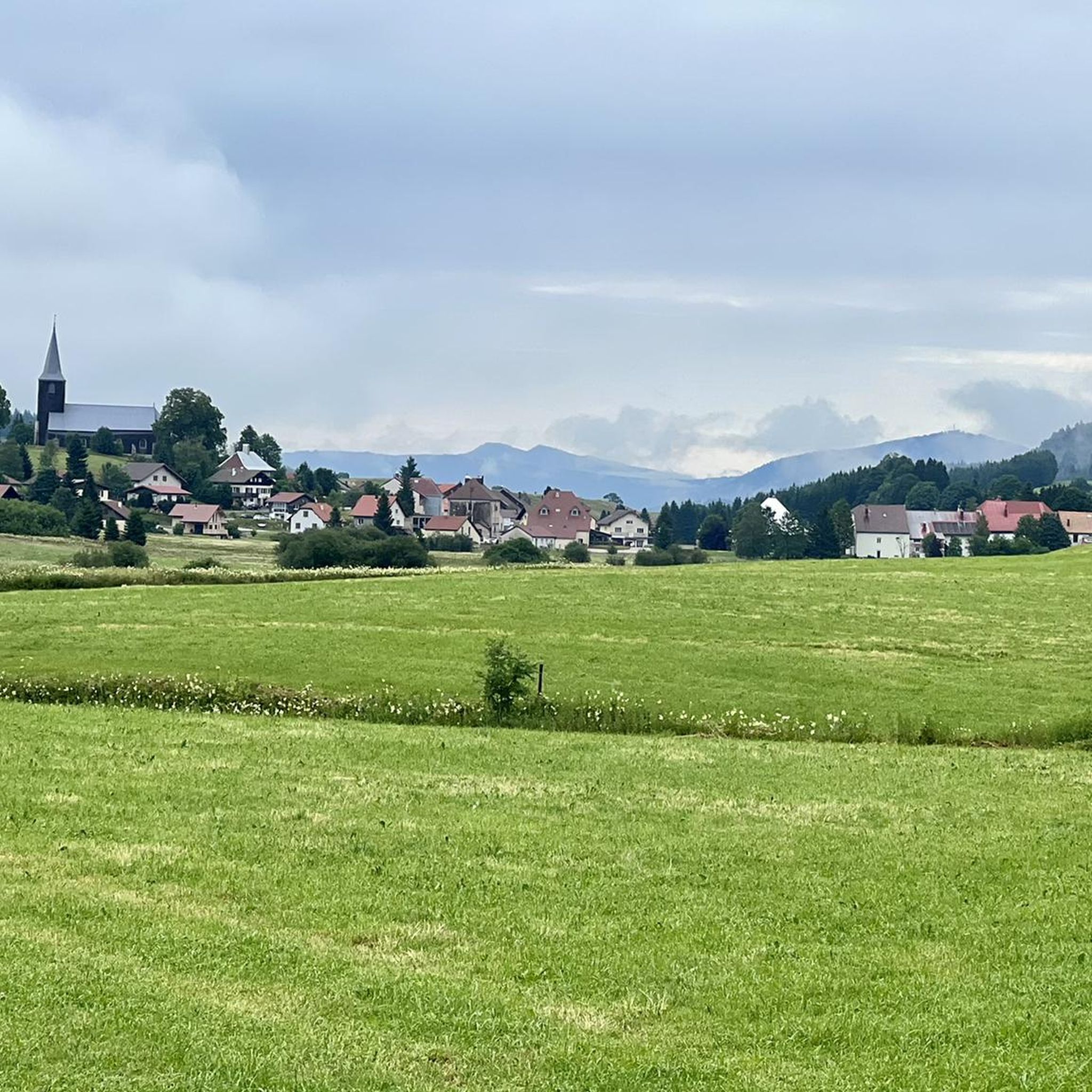

Tips from the Community

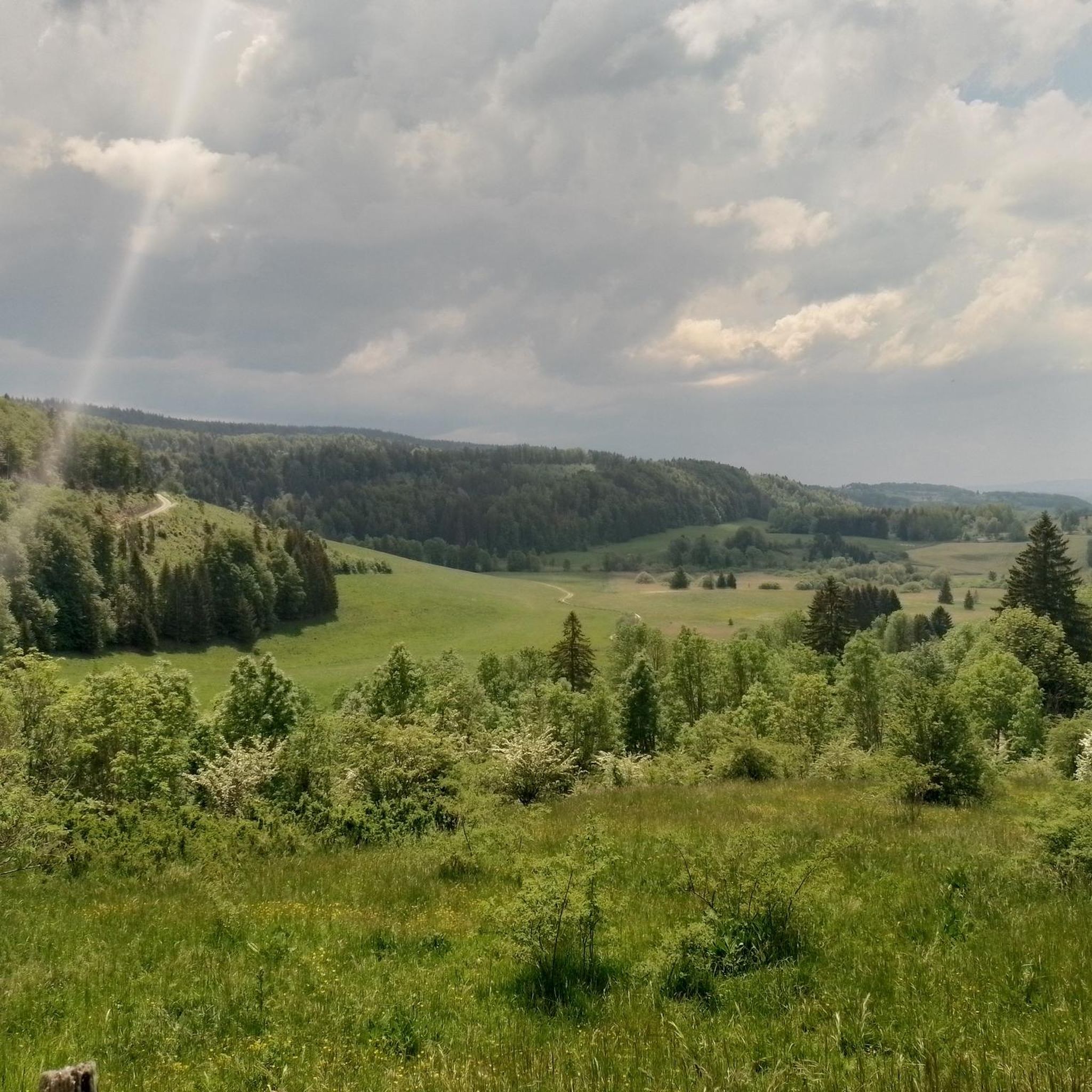
Viewpoint above the Doubs source with beautiful views through a forest clearing to Mouthe and the Doubs river.
6
0
The source of the Doubs River is a powerful karst spring in a heavily karstified area of the Jura Mountains. It lies at an altitude of 937 meters at the foot of the forested, up to 1,419-meter-high Mont Risoux mountain range, which straddles the border between France and Switzerland. The Doubs River rises from a small, approximately five-meter-deep spring basin in a cave in the rock.
6
0
The Bief de la Ruine waterfall is located in the spectacular Malvaux Gorge. One of the most astonishing features of this waterfall is the fact that it only comes alive after heavy rainfall or during snowmelt. When it dries, it gives way to the spectacle of the carved stone, revealing the "Creux des Joyaux," a natural cave where the water swirls with varying degrees of vigor, polishing a multitude of limestone pebbles thanks to the force of its current.
7
0
The Gorges de la Langouette are impressive for their vastness and the uniqueness of their wild environment. With the many light effects illuminating the mosses and ferns growing beneath the wooded canopy, they exude a gentle and tranquil atmosphere, particularly conducive to relaxation. This unspoiled spot offers a privileged view of the water's work, carving the canyon with its capricious meanders. The Petit Saine River, roaring and unpredictable, overcomes all obstacles to continue its course before converging with the Ain a few kilometers further on.
6
0

waterfalls don't always flow
1
0

Very nice walk but a lot of tarmac
0
1

Very easy to access following the Jura Z between Foncine le Bas and Planches en Montagne, along the SAINE gorges: The color of the water has nothing to envy of that of the lagoons of the islands ;-)
0
0

Accessible on foot for families, be careful with narrow and steep stairs on certain portions
1
0
Frequently Asked Questions
What unique geological features can I explore near Fraroz?
The region around Fraroz is rich in geological wonders. You can discover the fascinating intermittent flow of the Bief de la Ruine Waterfalls, which reveals the 'Creux des Joyaux' – a natural cave with polished limestone pebbles – when dry. The Langouette Gorges offer an immersive experience into deep, narrow canyons carved by water, accessible via footbridges. Additionally, the karst spring at The source of the Doubs showcases a significant hydrological site where a major river begins its journey.
Are there any family-friendly natural monuments to visit around Fraroz?
Yes, several natural monuments are suitable for families. The source of the Doubs is categorized as family-friendly, offering a belvedere with panoramic views and an easy approach. The Ain Spring also provides footbridges and interpretation panels, making it an accessible and educational experience for all ages.
What is the best time of year to visit the natural monuments around Fraroz?
The best time to visit depends on what you wish to see. Spring and early summer are ideal for experiencing the waterfalls, such as the Bief de la Ruine Waterfalls and Moulin du Saut Waterfall, at their fullest after rainfall or snowmelt. The Langouette Gorges and The source of the Doubs are pleasant to visit from spring through autumn, offering lush scenery and comfortable temperatures for exploration.
What kind of outdoor activities can I do near these natural monuments?
The area around Fraroz offers a variety of outdoor activities. You can find numerous hiking trails, such as the 'Moutat Peat Bog – The source of the Doubs loop' or 'La Source de l'Ain — loop by Doye'. For running enthusiasts, there are routes like the 'Running loop from Arsure-Arsurette'. Road cycling is also popular, with options like the 'View of Lac de Remoray – Lake Remoray loop'. You can explore more routes on the hiking guide, running guide, and road cycling guide for Fraroz.
Are there any natural monuments that are particularly impressive after heavy rain?
Yes, the Bief de la Ruine Waterfalls are especially impressive after heavy rainfall or during snowmelt. This waterfall is known for its intermittent flow, coming alive with significant vigor during these periods. Similarly, the Moulin du Saut Waterfall also reaches its full glory when the water level is sufficient.
What are some less-known or 'hidden' natural monuments worth discovering?
While the main highlights are well-known, the region offers other gems. The Moulin du Saut Waterfall, formed by the Serpentine river near the ruins of an old mill, offers a beautiful natural cascade that is 15 meters high when water levels are sufficient. It provides a serene experience away from the more frequented spots.
Can I find viewpoints with panoramic scenery among the natural monuments?
Absolutely. At The source of the Doubs, a belvedere is installed above the cliffs, offering superb views of the Mouthe peat bogs and the distant Haute-Joux forest. The Langouette Gorges also provide immersive views into the canyon from its footbridges, and the Bief de la Ruine Waterfalls offer a viewpoint into the spectacular Malvaux Gorge.
What other natural attractions are in the wider region around Fraroz?
Beyond the immediate vicinity of Fraroz, the wider Jura department boasts numerous natural attractions. These include the impressive Cascade de la Billaude and the vast Forêt de la Joux, both approximately 13 km away. The region is also dotted with beautiful lakes such as Lac du Fioget, Lac de Narlay, and Lac de l'Abbaye, offering diverse landscapes to explore.
What makes the Langouette Gorges a unique natural monument?
The Langouette Gorges are unique due to their secluded nature, hidden by dense vegetation. They offer an immersive experience into a wild environment, with deep, narrow canyons accessible via footbridges. Visitors often note the tranquil atmosphere created by the interplay of light on mosses and ferns, and the powerful work of the Petit Saine River carving the canyon.
Is it possible to visit the natural monuments around Fraroz during winter?
While some areas might be less accessible or require specific gear due to snow and ice, winter can offer a unique perspective. Mouthe, near The source of the Doubs, is known for its cold winters, earning it the nickname 'Little French Siberia'. If visiting during winter, it's advisable to check local conditions and accessibility for specific sites, as some waterfalls might be frozen or trails covered in snow.
What kind of wildlife might I spot near the natural monuments?
The diverse landscapes around Fraroz, including forests, peat bogs, and river environments, support a variety of flora and fauna. While specific wildlife sightings are never guaranteed, areas like the peat bogs near The source of the Doubs and the Forêt de la Joux are habitats for various bird species, small mammals, and unique plant life adapted to these ecosystems.
Are there any natural monuments that are particularly good for photography?
Many natural monuments offer excellent photographic opportunities. The Langouette Gorges are praised for their 'many light effects illuminating the mosses and ferns'. The intermittent Bief de la Ruine Waterfalls, especially when flowing strongly, and the 'Creux des Joyaux' when dry, provide dramatic subjects. The panoramic views from the belvedere at The source of the Doubs also offer stunning landscape shots.
Most popular attractions around Fraroz

Get inspired with the komoot mobile app


Explore more
Extend your search for the best caves by checking out these guides of the top ones around Fraroz:
