Top 5 Natural Monuments around Bollène
Best natural monuments around Bollène are found in the Vaucluse department of France, offering a blend of geological features and historical significance. The area features unique natural sites, including ancient human dwellings integrated into rock formations and former industrial sites transformed into natural landscapes. These natural features around Bollène provide diverse opportunities for exploration.
Best natural monuments around Bollène
- The most popular natural monuments is Val des Nymphes Chapel, a religious building and historical site built in the 13th…
Last updated: October 6, 2026
Val des Nymphes Chapel
Highlight • Religious Site
Translated by Google •
Tip by

Dona Vierna Fountain
Highlight • Monument
Translated by Google •
Tip by

Sign up now to discover places like this
Get recommendations on the best single tracks, peaks, & plenty of other exciting outdoor places.
Mornas Ridges
Highlight • Viewpoint
Tip by

Vauclusian Spring of Bourg-Saint-Andéol
Highlight • Natural Monument
This is rainwater that penetrates underground and forms a complex network of submerged …
Translated by Google •
Tip by

The Pierrelatte Rock
Highlight • Natural Monument
Translated by Google •
Tip by



Tips from the Community

Here – in the "Val des Nymphes" – a Christian church meets figures from pagan mythology. Nymphs were considered nature spirits or goddesses in the religious understanding of the time, but by no means as significant as, for example, Mars, Neptune, or even Zeus. They were a popular motif in the visual arts, offering the opportunity to depict naked or scantily clad female figures. The church found here, with the title "Notre Dame" (in German "Our Dear Lady"), which is widely used in France, is also dedicated to a special woman who, although not a goddess herself, according to Christian understanding participated in the divine plan of salvation through her unconditional "yes" to the angel's message: Mary, the Mother of God.
0
0

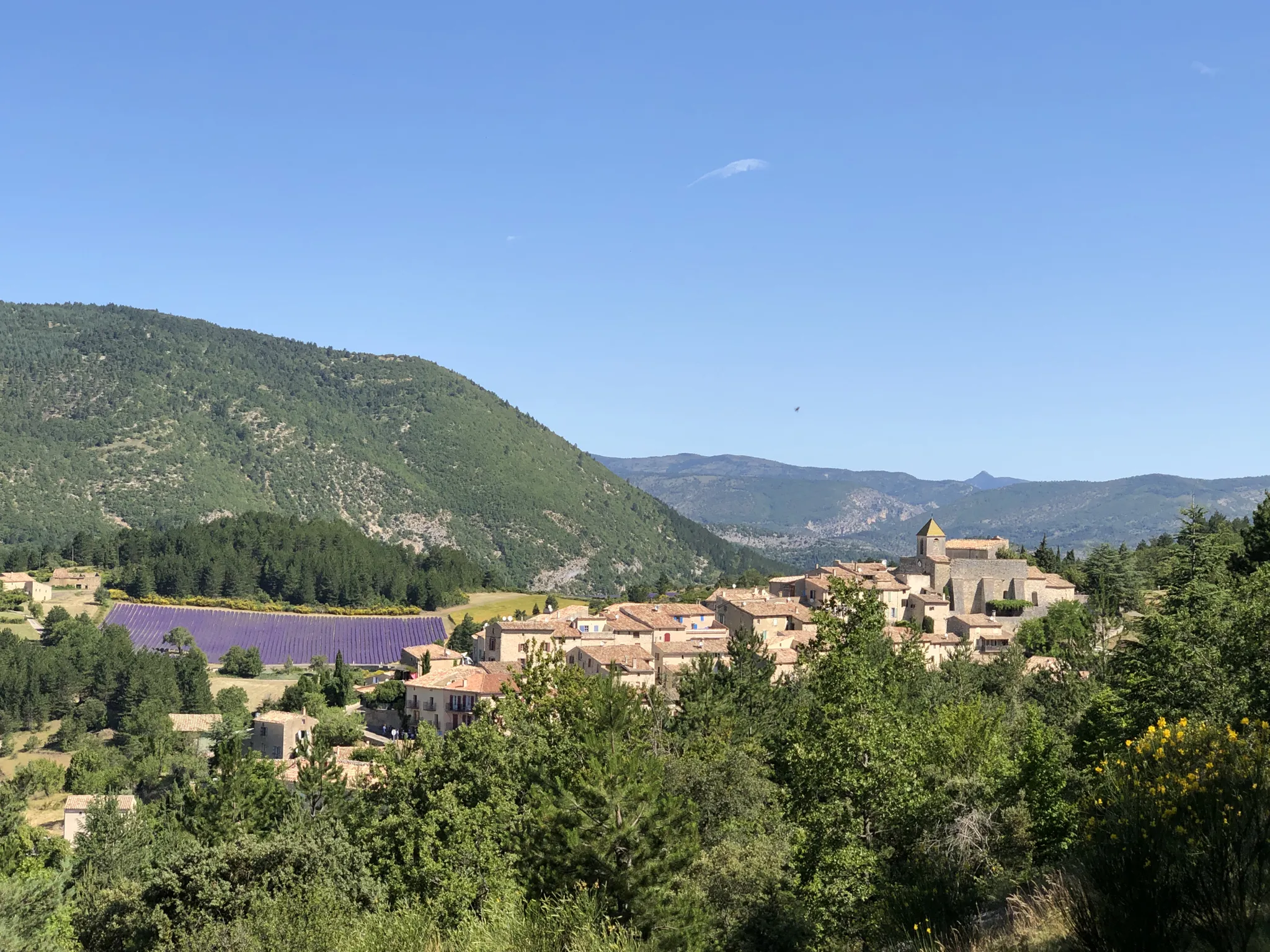
As you venture into the enchanting Valley of the Nymphs, near La Garde-Adhémar, you will discover a hidden oasis of natural beauty. This picturesque valley, nestled among rolling hills and lush vegetation, is a haven for nature lovers.
1
0

Nice quiet place, a way to cool down when it's hot...
0
0

"The Vauclusian fountains that form the Tourne river in Bourg-Saint-Andéol, a site regularly explored by experienced divers. This is rainwater that penetrates underground and forms a complex network of submerged galleries to flow into the valley at the foot of the cliff here" Impressive and beautifully located in an art park with numerous attractions all around.
4
0
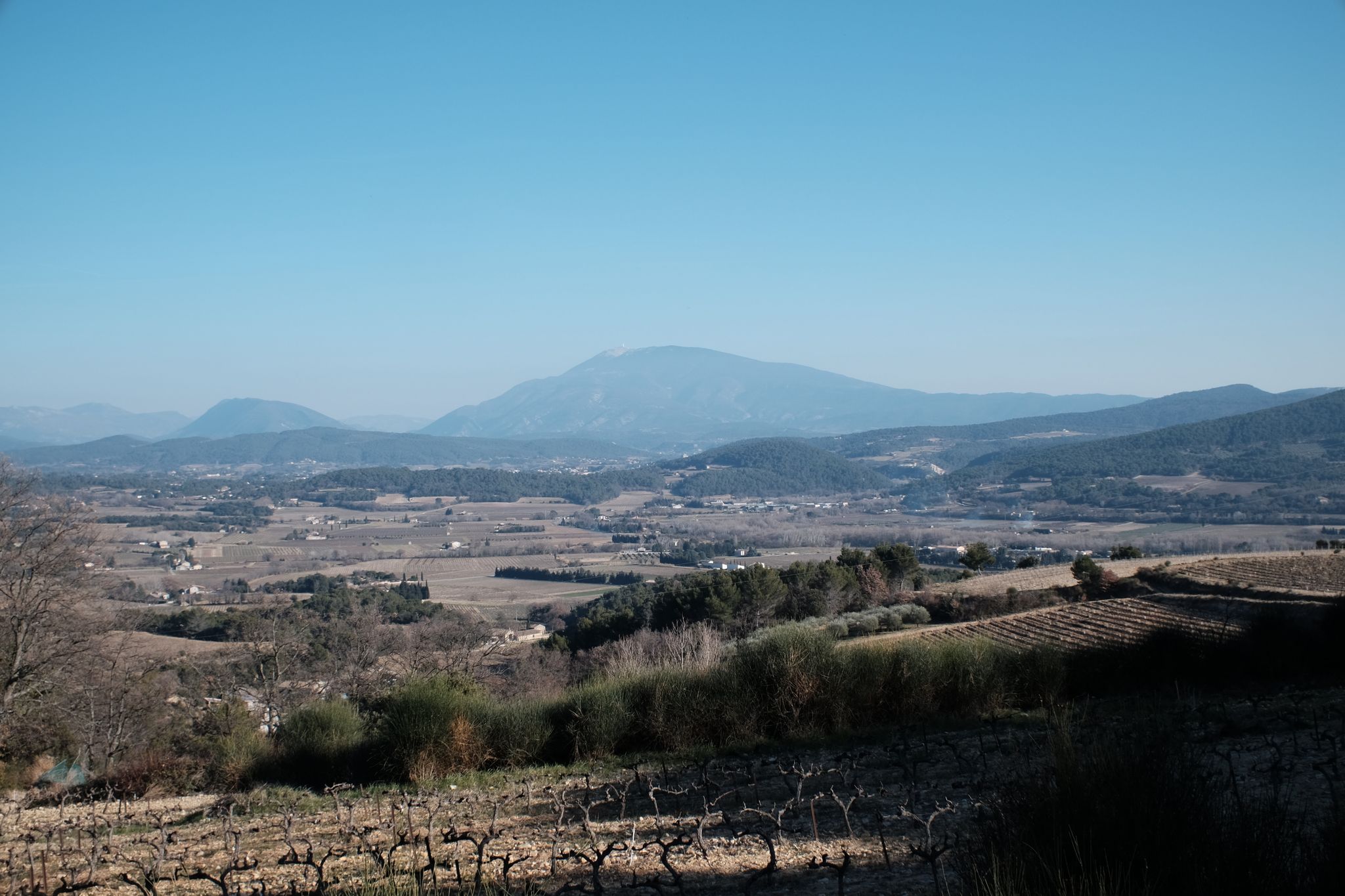
"This is a story from local mythology. One day, the giant Gargantua sat down for a moment on Mount Ventoux to free himself from an evil stone in his shoe that was tormenting him terribly. He threw the stone into the plain. This is how Pierrelatte is said to have come into being, or at least its hill." Impressive - located right next to the windmill.
3
0

It consists of three basins surrounding a central pole on which the statue of Dona Vierna rests. In her right hand she holds the deed of donation and in her left an oak branch, the symbol of the forest that she gave to the city. This achievement in white Carrara marble is the work of the marble workers Bouvas, Baussan, who were inspired by a model by the sculptor Delorme. The decorations on the three sides evoke the fauna and flora of the Laoul forest, a representation of the sarcophagus of Saint-Andéol and the coat of arms of Bourg-Saint-Andéol. The following names are engraved on the base of the stack: E.Rambaud, Maire, P.Laurent and E. Croze: Adjoints, Baussan Fils Architect, Baussan and Bouvas: Sculptor 1888. On another part: Restoration 1995 JMSerre Maire.
2
0

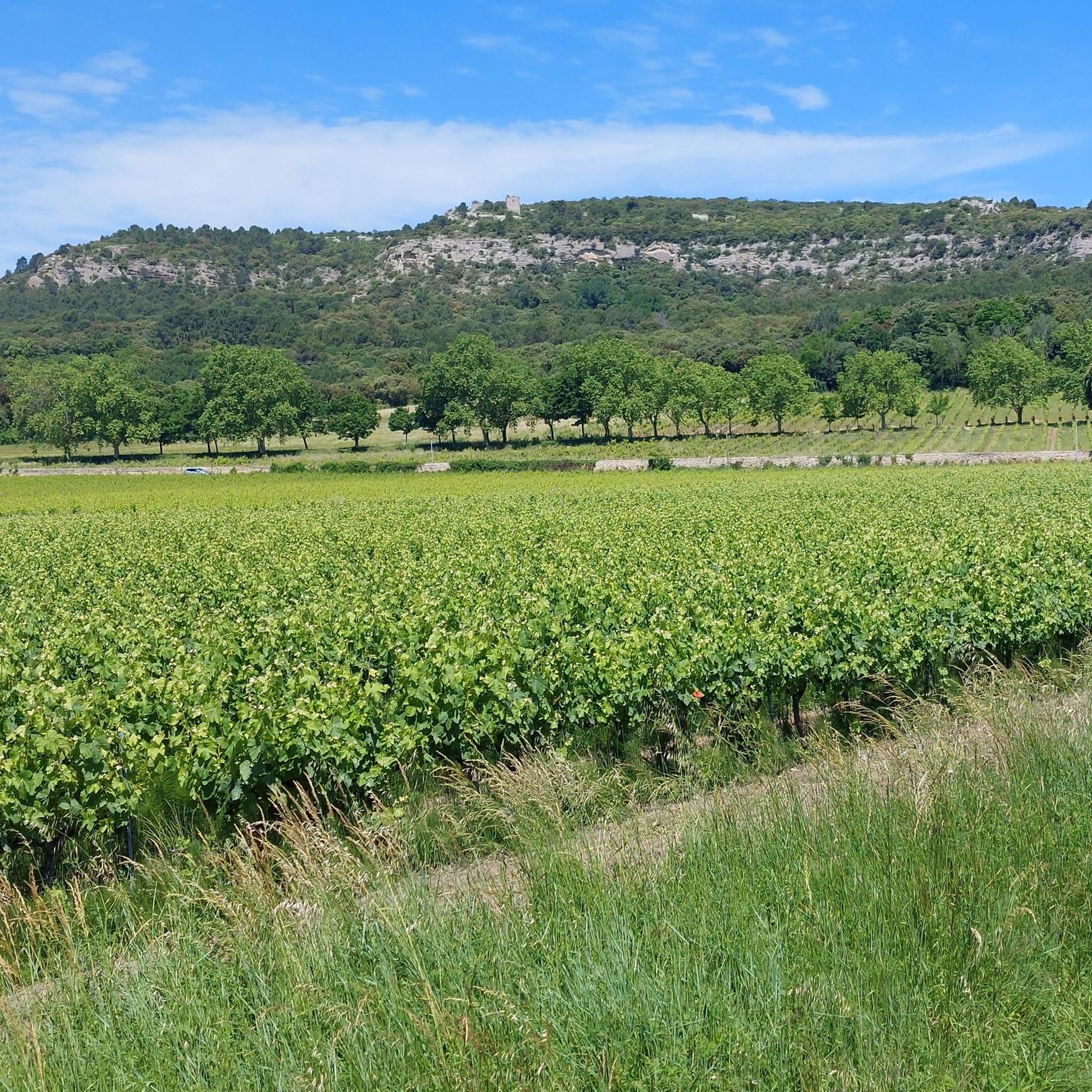
The pretty roads of Tricastin...
0
0

The Val des Nymphes chapel, also called Val des Nymphes priory, is a Romanesque chapel. It was built in the 13th century near a mysterious spring and among century-old oak trees.
2
0
Frequently Asked Questions
What are some of the most popular natural monuments to visit around Bollène?
Visitors particularly enjoy the Val des Nymphes Chapel, a 13th-century Romanesque chapel nestled among century-old oak trees near a mysterious spring. Another favorite is Mornas Ridges, offering hiking paths with expansive views over the Rhône valley. The Vauclusian Spring of Bourg-Saint-Andéol, an impressive natural monument forming the Tourne river, is also highly appreciated.
Are there any natural monuments around Bollène with historical significance?
Yes, the region is rich in sites where nature and history intertwine. The Val des Nymphes Chapel is a historical site from the 13th century, built near ancient water sources. Additionally, the Troglodyte Village of Barry, though not a komoot highlight in this guide, is a significant archaeological site where human dwellings are integrated into natural caves, showcasing millennia of human adaptation to the landscape.
What kind of natural features can I expect to see near Bollène?
You can discover a variety of natural features. These include impressive viewpoints like Mornas Ridges and The Pierrelatte Rock, which offers panoramic vistas. There are also unique hydrological features such as the Vauclusian Spring of Bourg-Saint-Andéol, where rainwater forms complex underground galleries, and the tranquil lakes formed in the Old Sand Quarries of the Uchaux Massif.
Are there family-friendly natural monuments or activities around Bollène?
Absolutely. The Dona Vierna Fountain is considered family-friendly, featuring a statue and historical engravings. The Old Sand Quarries and Lakes of the Uchaux Massif offer generally easy and shaded hiking trails, making them suitable for families to enjoy nature and observe wildlife. The Troglodyte Village of Barry also has clearly marked trails of varying lengths, accommodating different activity levels.
What outdoor activities can I do near these natural monuments?
The area around Bollène is excellent for various outdoor activities. You can find numerous cycling routes, including those passing through the Uchaux forest or towards the Troglodyte Village of Barry. For runners, there are dedicated running trails, such as loops around the Troglodyte Village of Barry. Explore more options on the Cycling around Bollène and Running Trails around Bollène guide pages.
Are there hiking trails associated with the natural monuments?
Yes, many natural monuments are accessible via hiking trails. Mornas Ridges is specifically a hiking path offering great views. The Troglodyte Village of Barry features three clearly marked trails. The Old Sand Quarries and Lakes of the Uchaux Massif also have trails winding through the forest, suitable for walking and enjoying nature. For more detailed routes, check the Running Trails around Bollène guide, which includes routes near the Troglodyte Village of Barry.
What makes the Troglodyte Village of Barry a unique natural monument?
The Troglodyte Village of Barry is unique because it's an archaeological site where human dwellings are carved directly into natural caves and rock formations. It showcases how people lived and adapted to the natural landscape from the Neolithic era until the early 20th century. Visitors can explore cave dwellings, a chapel partly built into a cave, and enjoy panoramic views across the Rhône Valley.
What is special about the Old Sand Quarries and Lakes of the Uchaux Massif?
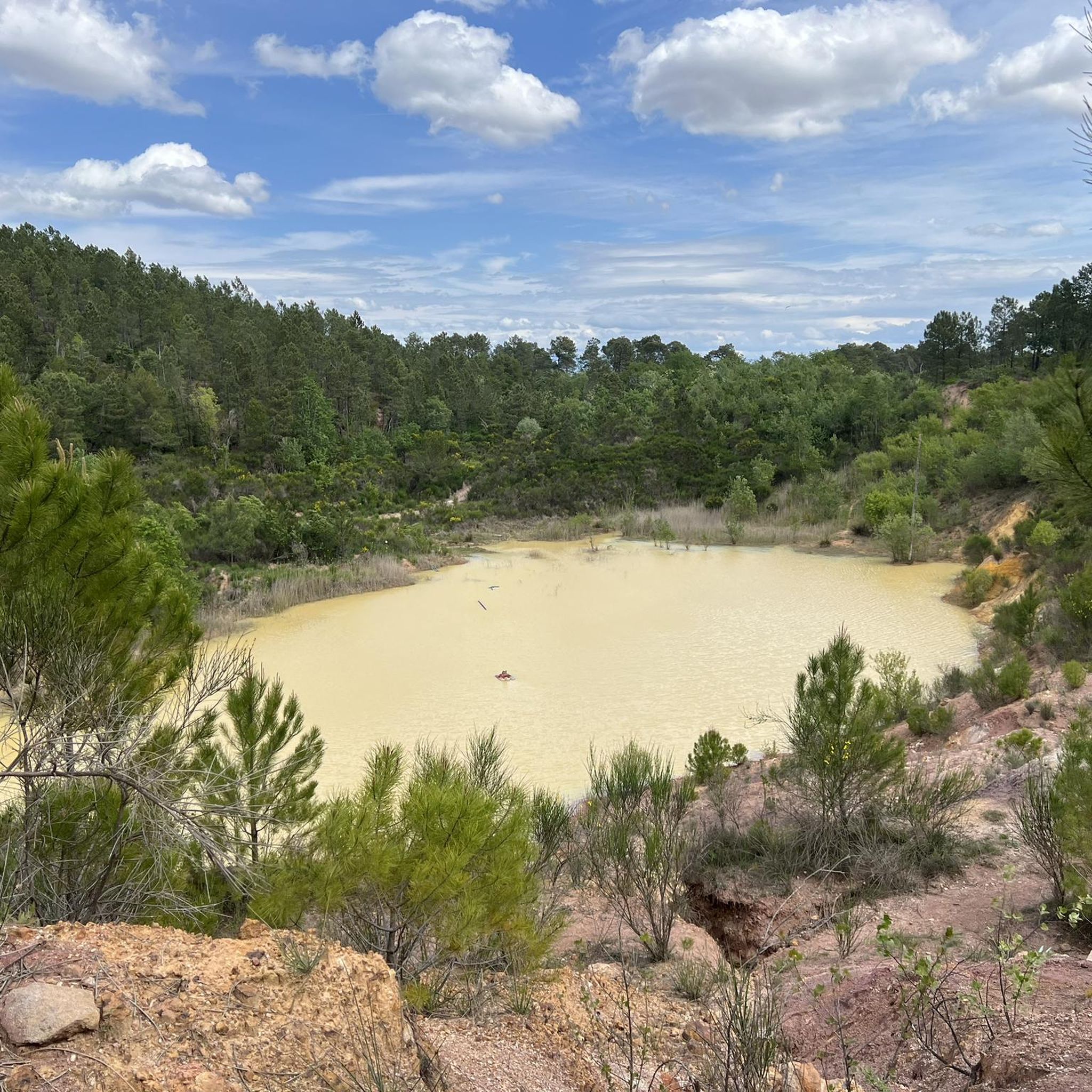
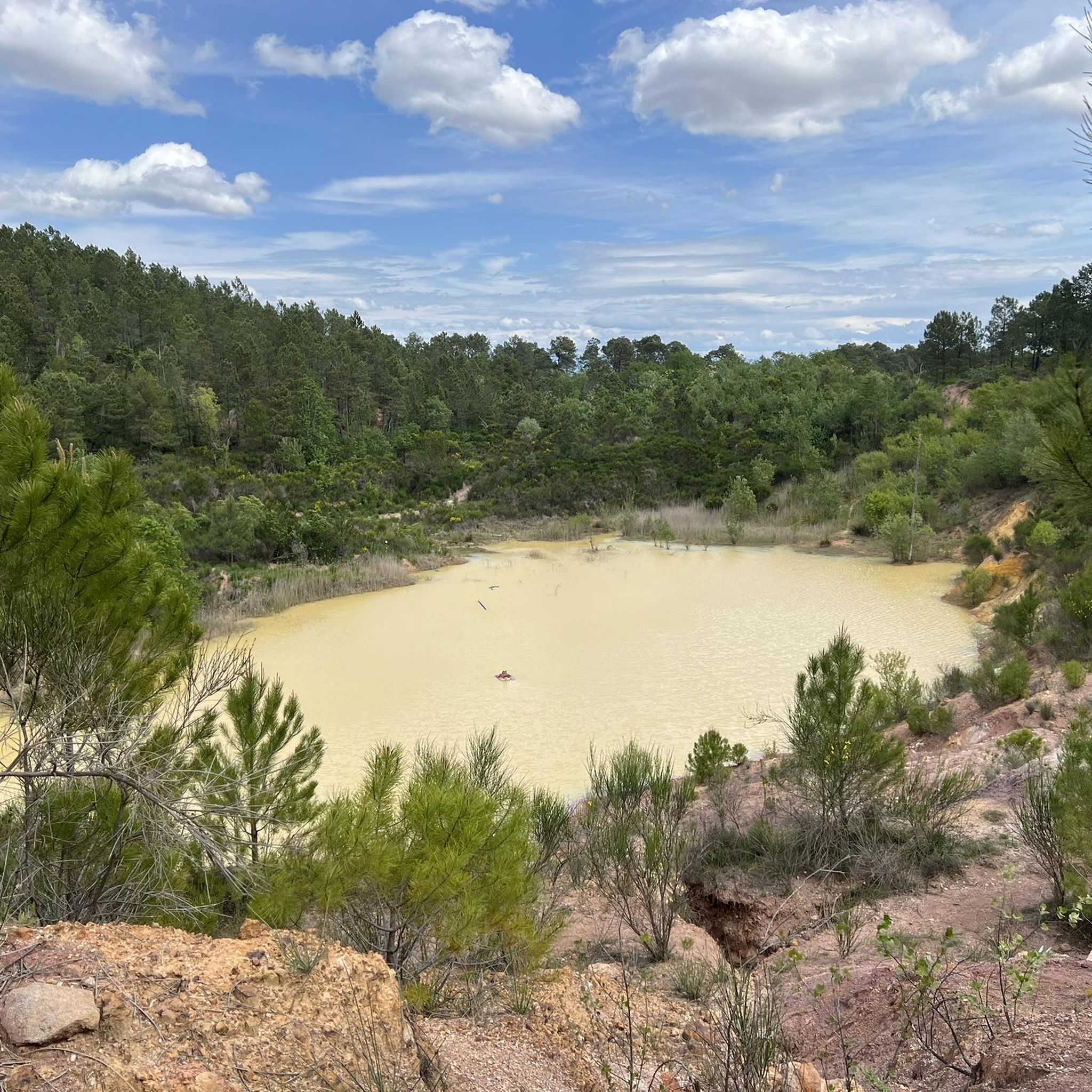
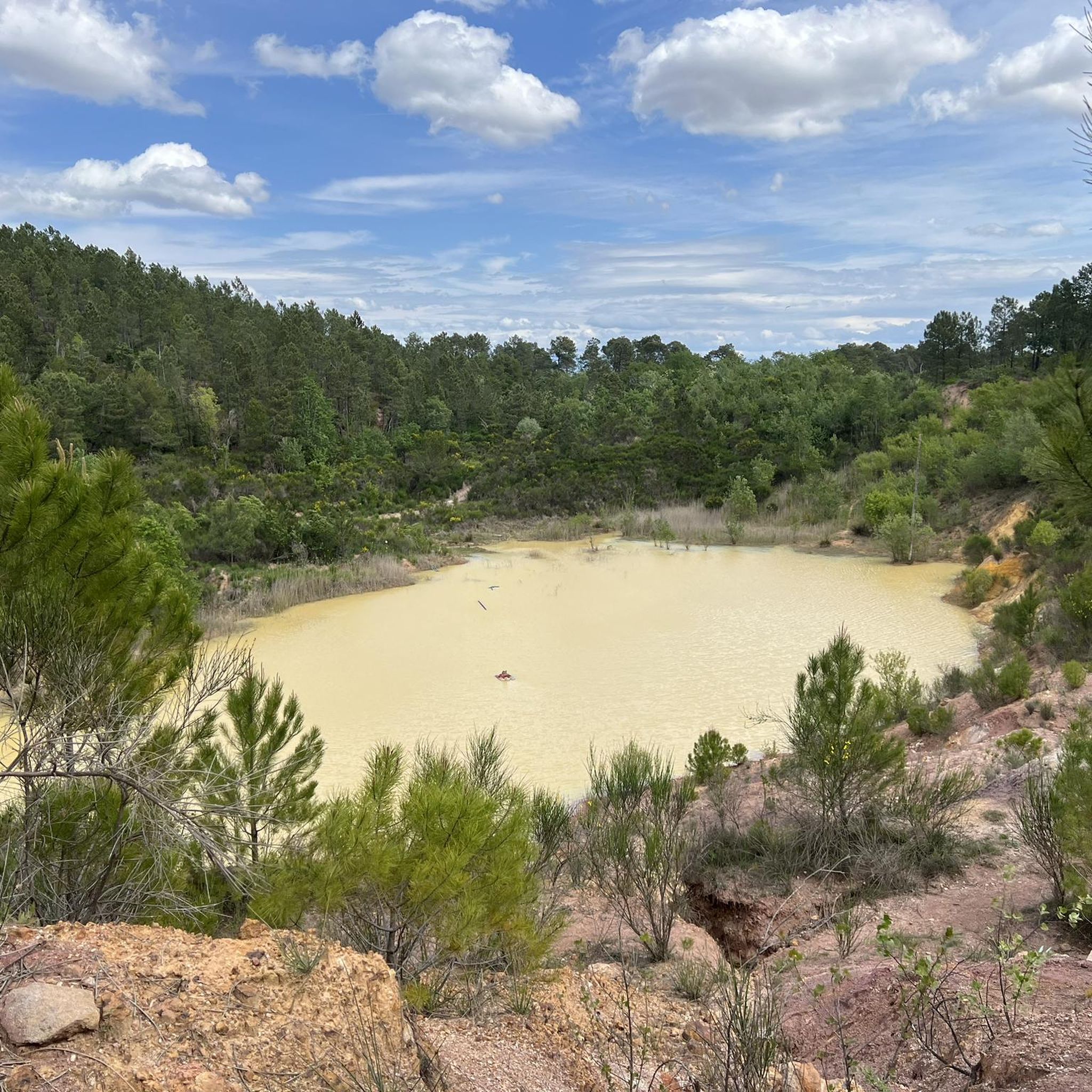
This area offers a fascinating blend of natural beauty and industrial heritage. Former sand and clay quarries have transformed into picturesque lakes, surrounded by a wooded massif rich in flora and fauna. Hiking trails reveal not only tranquil natural spots but also remnants of a past industrial era, providing a unique glimpse into Bollène's history.
What do visitors appreciate most about the natural monuments around Bollène?
Visitors frequently praise the blend of natural beauty and historical depth. They enjoy the 'hidden oasis' feel of places like the Val des Nymphes Chapel, the impressive views from Mornas Ridges, and the unique geological formations such as the Vauclusian Spring. The opportunity to explore ancient sites integrated with nature, like the Troglodyte Village of Barry, is also a significant draw.
Is there a natural monument near Bollène with a local legend?
Yes, The Pierrelatte Rock is associated with local mythology. Legend has it that the giant Gargantua, bothered by a stone in his shoe, threw it into the plain, thus creating the hill where Pierrelatte now stands. It's an impressive natural feature located right next to a windmill.
Can I find natural monuments around Bollène that are suitable for a relaxing nature experience?
Certainly. The Old Sand Quarries and Lakes of the Uchaux Massif provide tranquil spots for relaxation and nature observation, offering a refreshing 'forest bath' experience. The Val des Nymphes Chapel, nestled among ancient oak trees and a mysterious spring, also offers a serene and picturesque setting for quiet contemplation.
Most popular routes around Bollène
Most popular attractions around Bollène

Get inspired with the komoot mobile app


Explore more
Extend your search for the best caves by checking out these guides of the top ones around Bollène:
