Top 5 Natural Monuments around Saint-Joachim
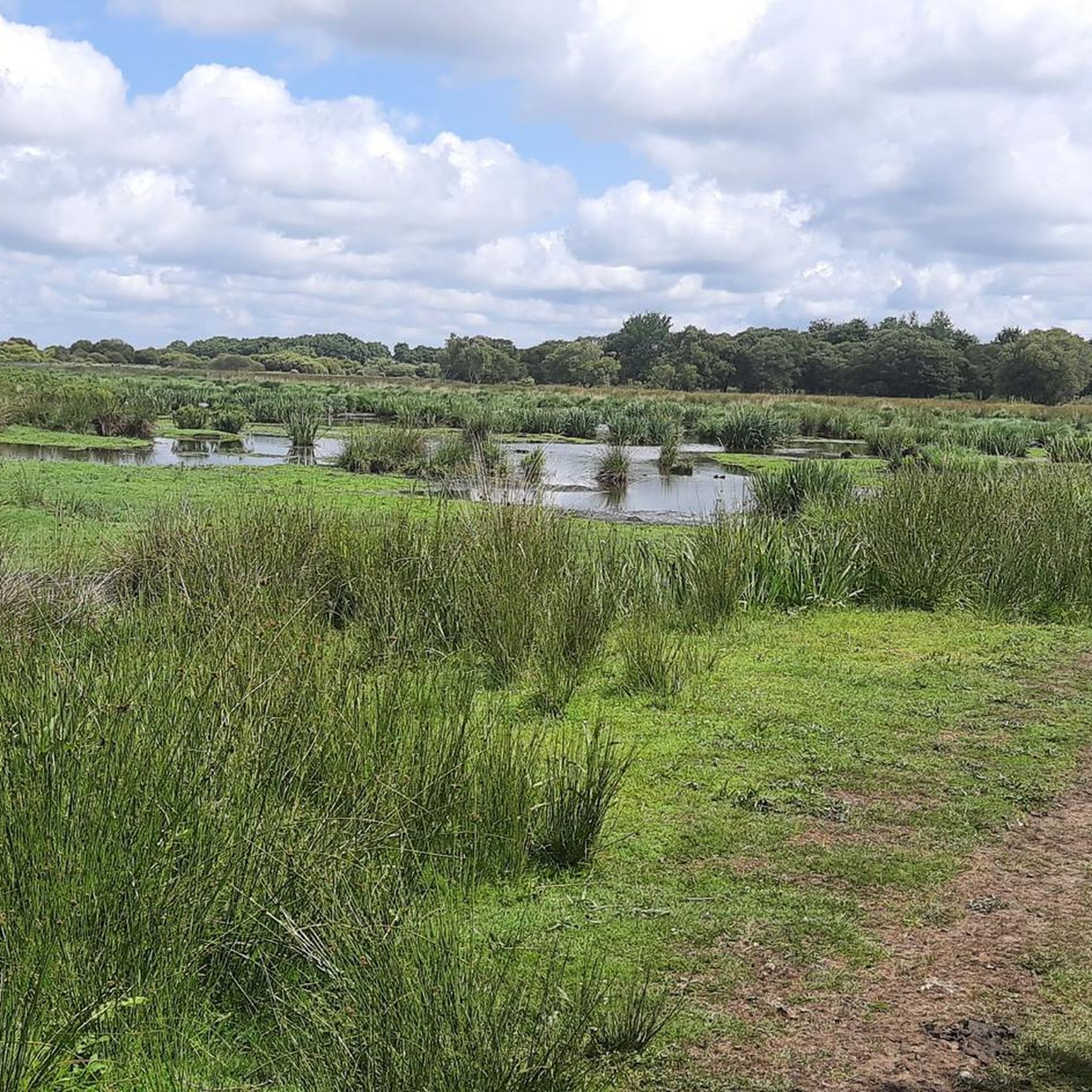
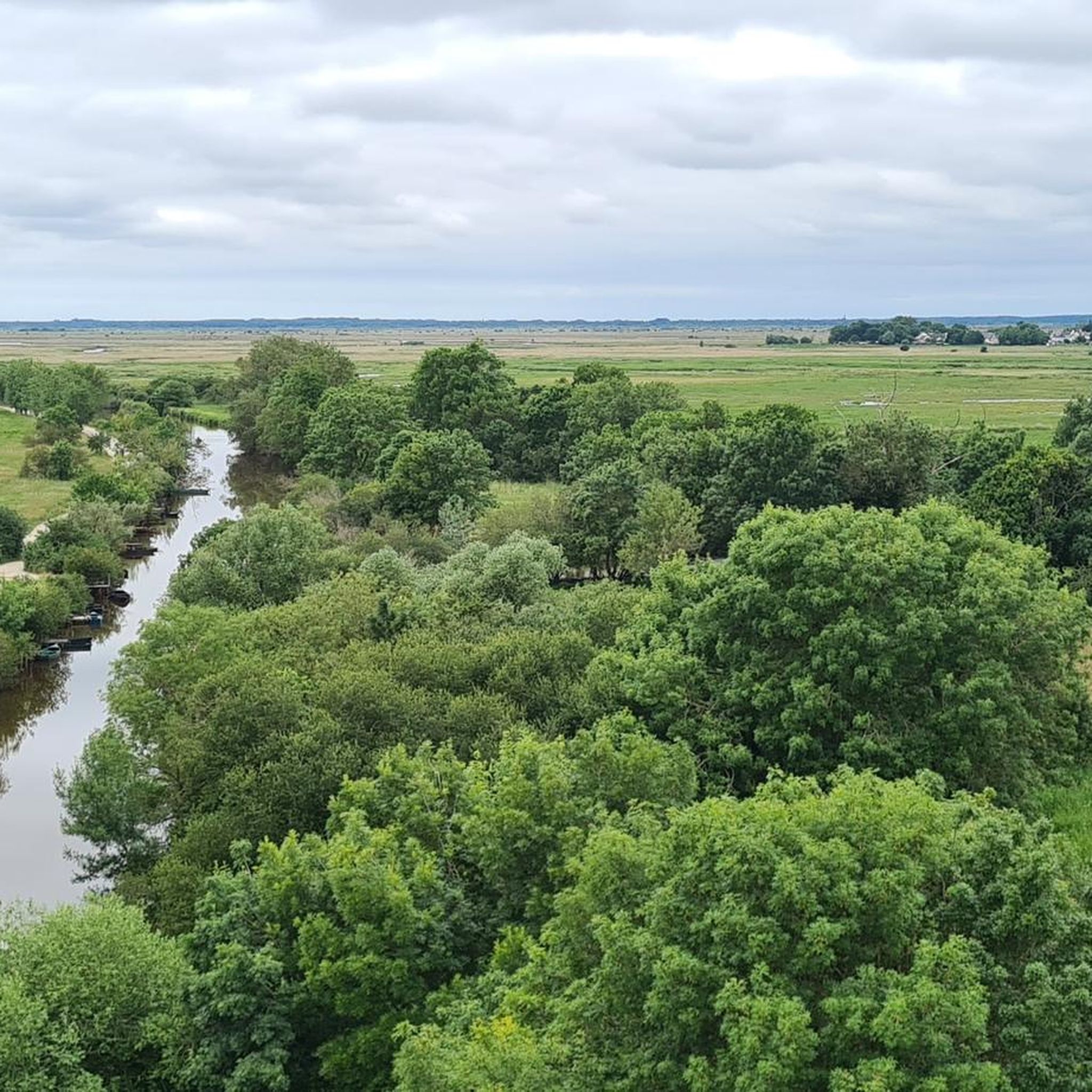
Best natural monuments around Saint-Joachim are primarily found within the Brière Regional Natural Park, a vast wetland area in France. This region is characterized by extensive marshes, a unique ecosystem, and numerous small islands. Saint-Joachim is centrally located within this protected natural setting, which is a sanctuary for diverse flora and wildlife, particularly birds. The area offers a landscape where water and land intertwine, featuring traditional thatched cottages and opportunities for nature exploration.
Best natural monuments around Saint-Joachim
- The most…
Last updated: August 12, 2026
Tumulus of Dissignac
Highlight • Historical Site
Translated by Google •
Tip by

Dolmens of Kerbourg
Highlight • Historical Site
Translated by Google •
Tip by

Sign up now to discover places like this
Get recommendations on the best single tracks, peaks, & plenty of other exciting outdoor places.
Sign up for free
Port of Bréca
Highlight • Natural Monument
We tested them on May 20. It was just awful!
You had to push our bikes in several places where …
Translated by Google •
Tip by

Pierre Constant Site – Brière Marsh Nature Reserve
Highlight • Natural Monument
Translated by Google •
Tip by

Crossac
Highlight • Historical Site
Translated by Google •
Tip by

Sign up for free to discover even more natural monuments around Saint-Joachim.
Sign up for free
Already have an account?
Start today with a free account
Your next adventure awaits.
Login or Signup
Tips from the Community

Impressive dolmen. You will find a second dolmen a few dozen meters further, but this one has fallen to the ground.
0
0
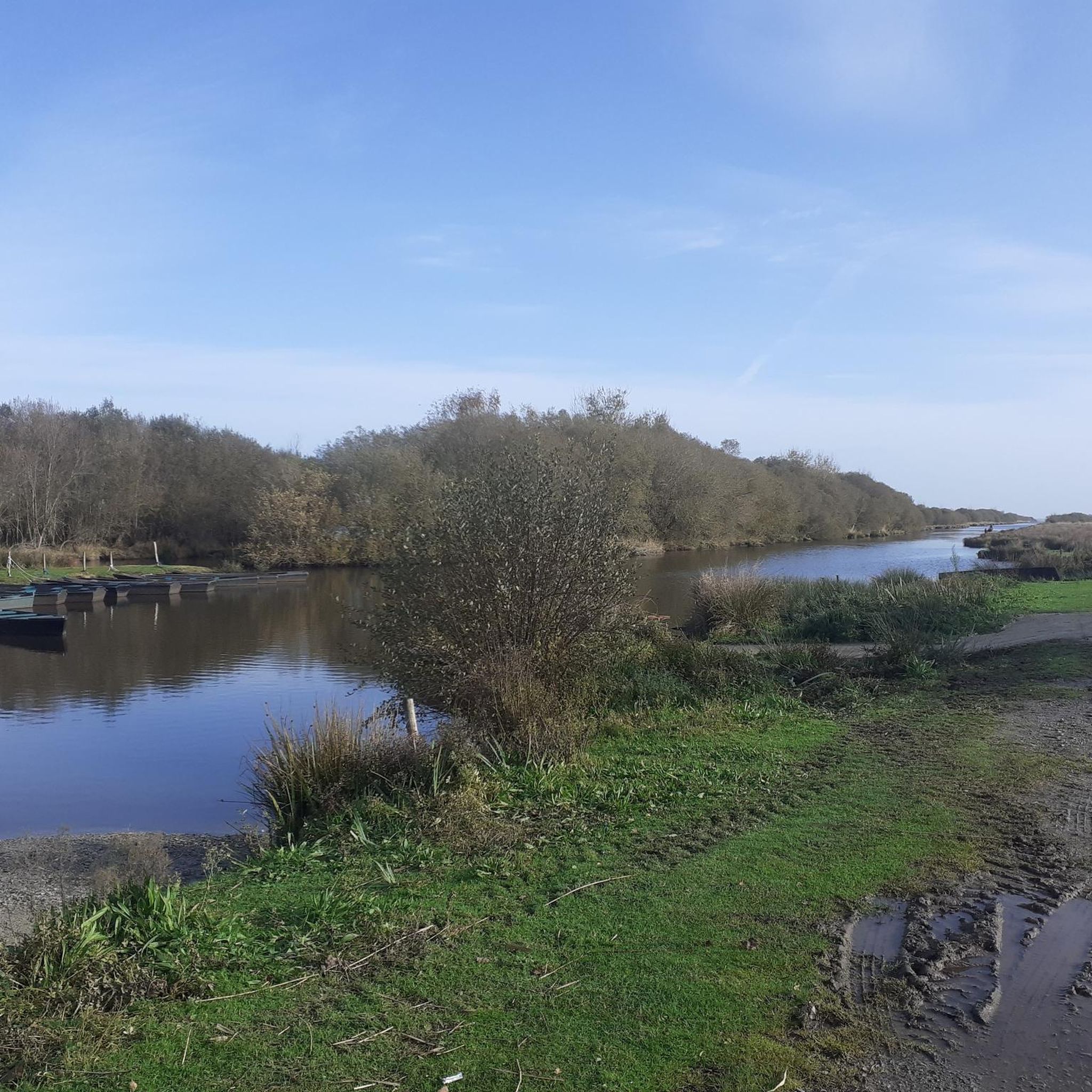
Pretty port, with a beautiful view of the marshes
0
0
This megalithic tomb, built around 4300 BC, is the oldest monument in Loire Atlantique, dating back over 6,000 years.
0
0

Actually, it's more of an allée couverte—but I don't even want to know what Komoot translates into. Fifty meters further on, there's a second collapsed dolmen.
1
0

Impressive dimensions. It is hidden away in a dead end street and absolutely worth seeing. In the immediate vicinity there is another dolmen, a pretty old mill and great little houses with thatched roofs.
0
0

Worth seeing dolmen. Just follow the path from the road 150m. After another 50m there is another "fallen" dolmen on the left side.
0
0
Unfortunately, you have to pre-book a time slot. Attention: Access to the many paths south of the house is only guided!!
0
0

This 6,000-year-old Neolithic burial mound is worth a visit. It is open for guided tours in July and August, if there is something you want to do after your run is over.
2
0
Frequently Asked Questions
What kind of natural features can I expect to see in the Brière Regional Natural Park around Saint-Joachim?
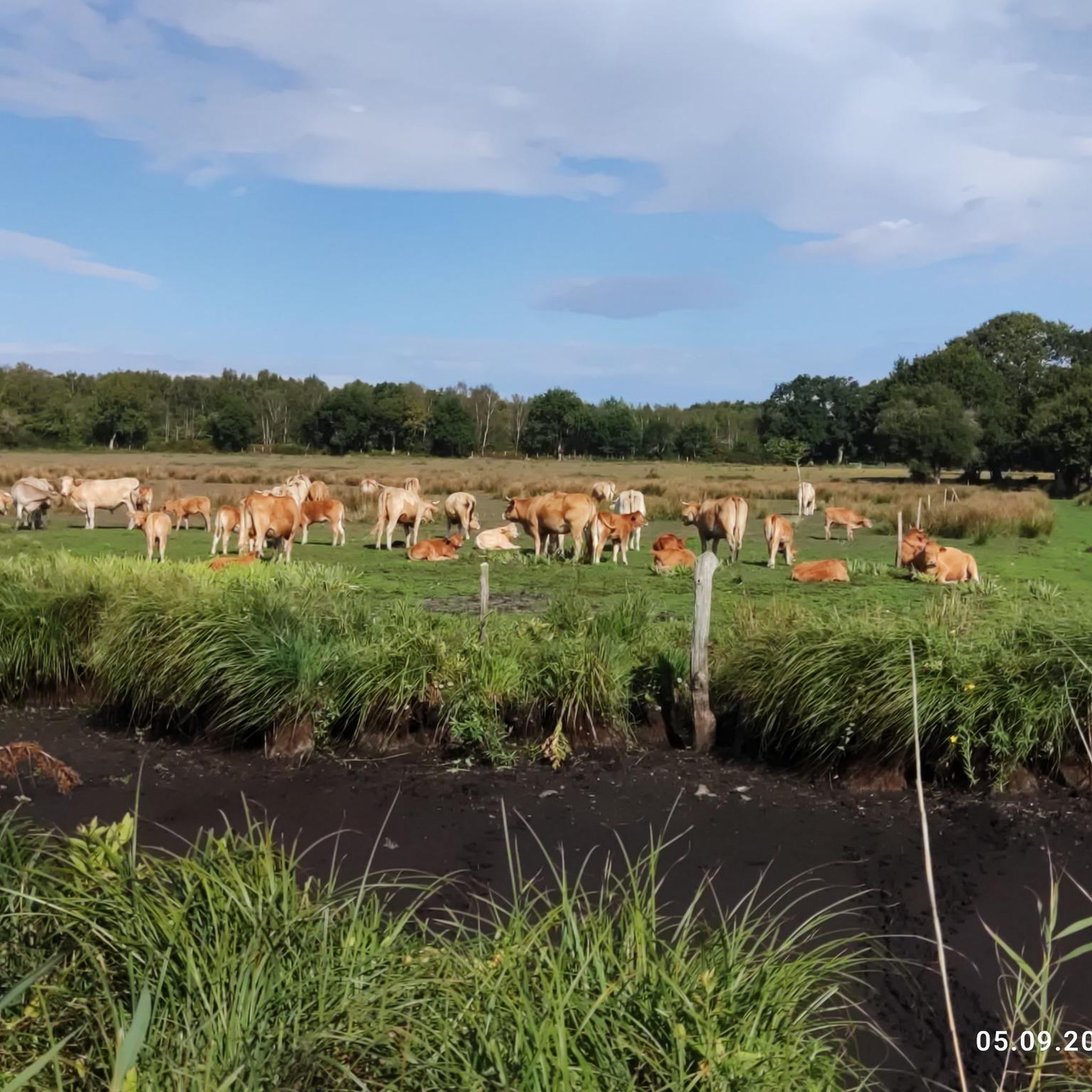
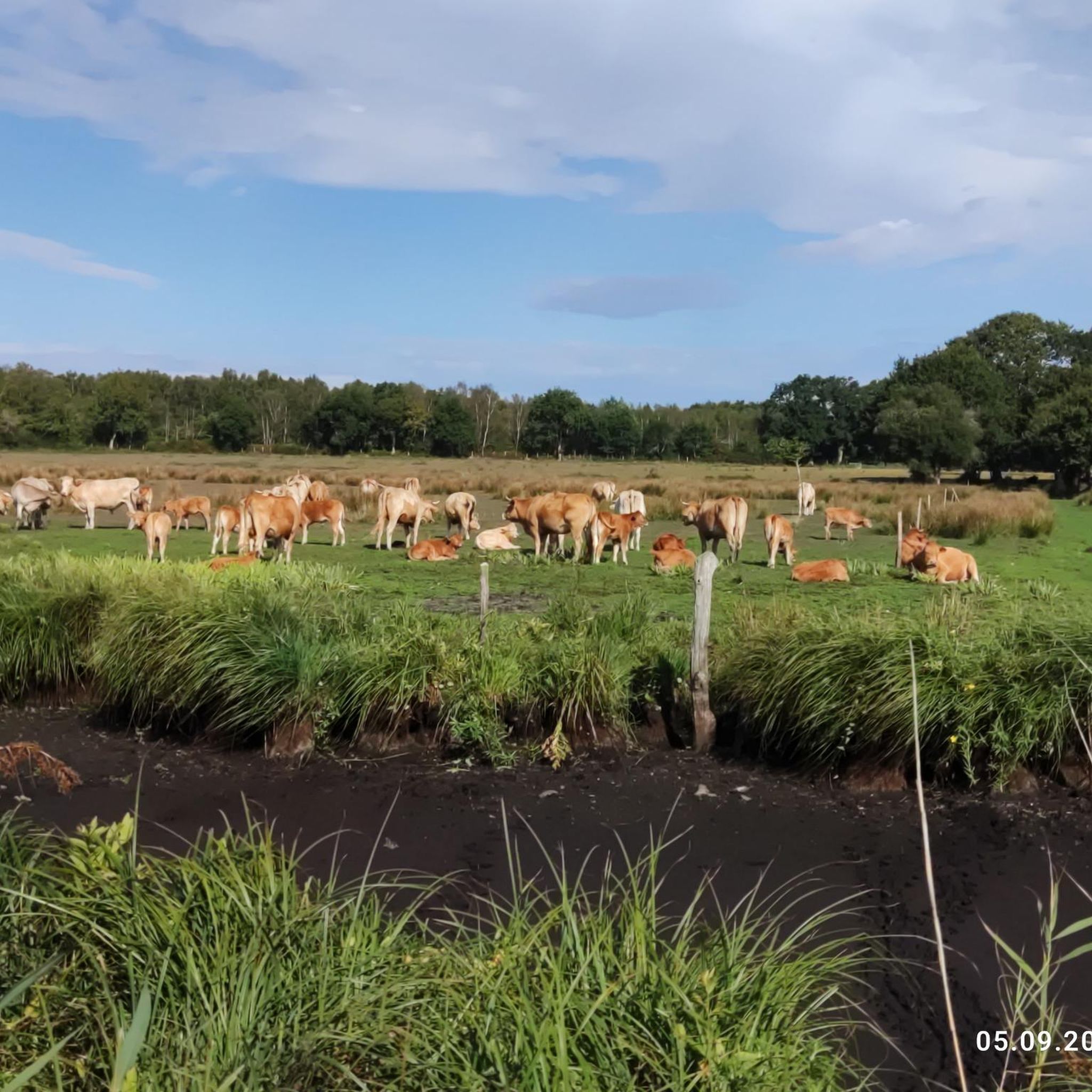
The Brière Regional Natural Park, where Saint-Joachim is centrally located, is renowned for its vast wetlands and marshes. You'll encounter a unique landscape of intertwining water and land, with numerous canals, flooded plains, and small islands. The area is rich in diverse flora, including reed beds and floodable meadows, and is a sanctuary for wildlife, especially birds like herons, marsh harriers, and spoonbills.
Are there any historical or archaeological natural monuments to visit near Saint-Joachim?
Yes, the area features significant historical and archaeological natural monuments. You can visit the Tumulus of Dissignac, a 6000-year-old Neolithic burial mound that offers guided tours during summer months. Another notable site is the Wolf Stone Dolmen, a large megalithic structure situated in a field, accessible via a well-signposted gravel path. The village of Crossac is also known for its surrounding menhirs.
What are the best ways to explore the Brière Regional Natural Park?
The Brière Regional Natural Park offers various ways to explore its unique environment. You can discover the area on foot, by bike, or by canoe. A popular and traditional option is to take a ride on a 'chaland,' a flat-bottomed barge, through the canals, which allows for tranquil observation of the diverse bird species. For cycling, consider routes like the 'Island of Fédrun – Saint-Joachim Church loop' or the 'Menhir du Bois Hoël – La Barbière Dolmen loop' found in the Cycling around Saint-Joachim guide.
Are there family-friendly natural monuments or activities around Saint-Joachim?
Many natural monuments in the area are family-friendly. The Tumulus of Dissignac offers an educational experience with its 6000-year-old history. The Port of Bréca provides views of the marsh landscape, and the Pierre Constant Site – Brière Marsh Nature Reserve is an excellent spot for birdwatching, though pre-booking may be required for access to certain paths.
Where can I go for birdwatching in the Brière marshes?
The Brière Regional Natural Park is a prime location for birdwatching. The Pierre Constant Site – Brière Marsh Nature Reserve is specifically highlighted as an observatory for birds in the heart of the marsh. Remember to bring binoculars for the best experience. Herons, marsh harriers, teals, and spoonbills are common sights throughout the park.
What is the best time of year to visit the natural monuments around Saint-Joachim?
The best time to visit depends on your preferred activities. For exploring the marsh trails, it's generally advisable to visit during drier seasons, typically summer. Some trails, like those near the Port of Bréca, can be very muddy and challenging outside of summer months. Historical sites like the Tumulus of Dissignac offer guided tours specifically in July and August.
Are there hiking or running trails near the natural monuments?
Yes, there are various trails for hiking and running. For running, you can find routes like the 'Rozé Port and Viewpoint – Island of Fédrun loop' in the Running Trails around Saint-Joachim guide. When exploring the marsh, be aware that some paths can be very wet and muddy, especially outside of summer, requiring appropriate footwear.
Can I find cycling or mountain biking routes in the area?
Absolutely. The region offers numerous cycling and mountain biking opportunities. For cycling, routes like the 'Island of Fédrun – Rozé Port and Viewpoint loop' are available in the Cycling around Saint-Joachim guide. Mountain bikers can explore trails such as the 'Bois de la Batterie – Menhir du Bois Hoël loop' from the MTB Trails around Saint-Joachim guide.
What is special about Île de Fédrun?
Île de Fédrun is a particularly notable island within the Brière marsh, accessible from Saint-Joachim. It is recognized for its characteristic traditional thatched cottages ('chaumières') and offers a glimpse into the traditional Briéron way of life. Visitors can explore the island on foot or by bike and learn about local history and heritage.
What do visitors enjoy most about the natural monuments around Saint-Joachim?
Visitors frequently appreciate the unique marsh landscape and the rich biodiversity, especially the birdlife. The historical depth of sites like the 6000-year-old Tumulus of Dissignac and the ancient Wolf Stone Dolmen also receive high praise. The tranquility of exploring the canals by traditional barge and the charm of the thatched cottages on islands like Île de Fédrun are also popular highlights.
Are there any specific access requirements or tips for visiting certain sites?
Yes, some sites have specific requirements. For instance, a visit to the Tumulus of Dissignac requires booking a guided tour, which is only available in July and August. For the Pierre Constant Site – Brière Marsh Nature Reserve, you may need to pre-book a time slot, and access to many paths south of the house is guided. Always check local information for the most current access details.
Where can I find more information about the Brière Regional Natural Park?
For more detailed information about the Brière Regional Natural Park, you can visit external tourism resources. For example, Brittany Tourism and Tourisme Bretagne provide comprehensive details about the park's features and activities.
Most popular routes around Saint-Joachim
Most popular attractions around Saint-Joachim

Get inspired with the komoot mobile app


Explore more
Extend your search for the best caves by checking out these guides of the top ones around Saint-Joachim:
