Top 4 Natural Monuments around Trignac
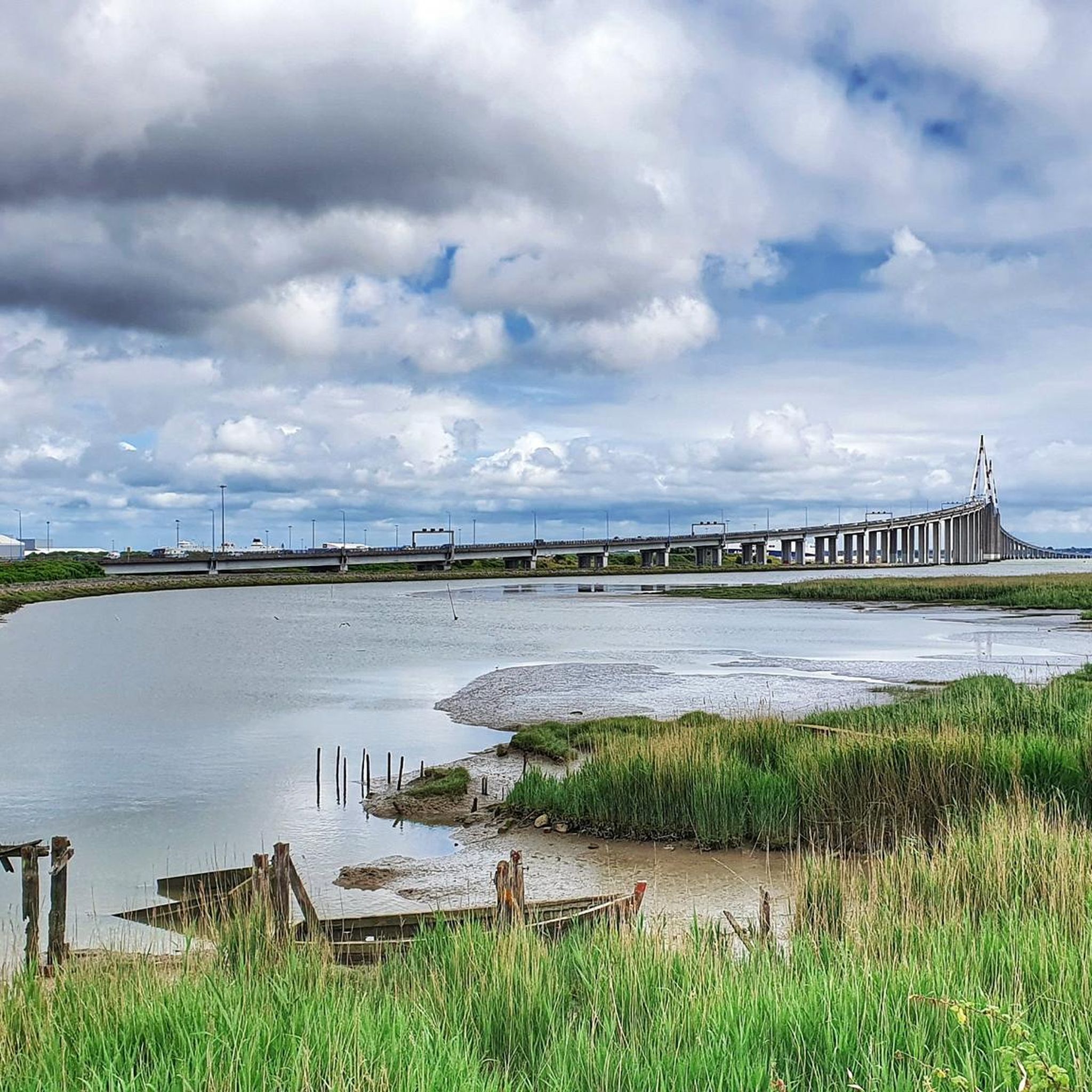
Best natural monuments around Trignac are situated within the Brière Regional Natural Park, one of France's largest wetlands, and near the Loire estuary. This area features a blend of natural landscapes and sites where nature has reclaimed industrial heritage. The region is characterized by extensive marshes, canals, and unique geological features. It offers diverse natural experiences for visitors.
Best natural monuments around Trignac
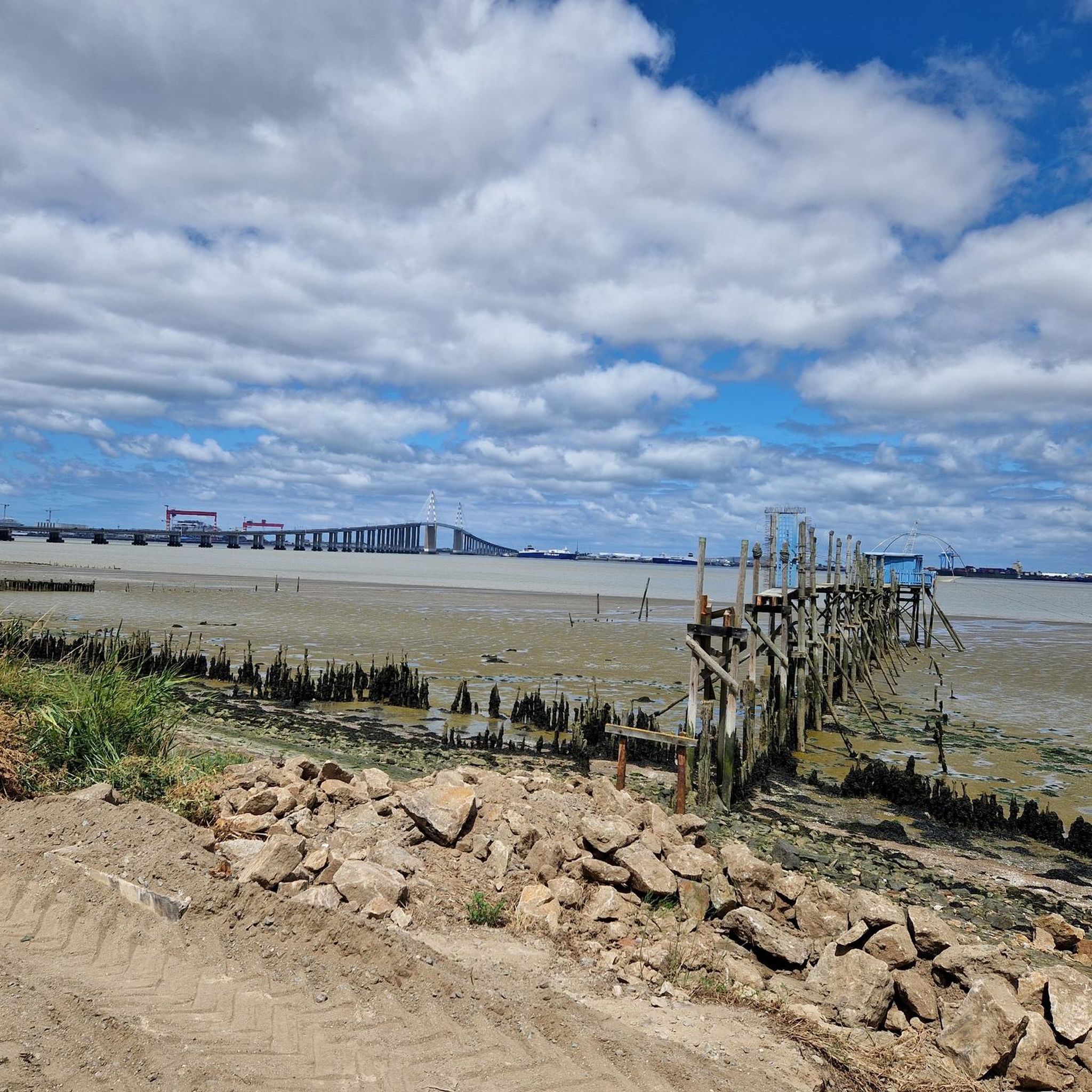
- The most popular natural monument is Chemoulin Point, a viewpoint that offers a 180° view of…
Last updated: June 19, 2026
Tumulus of Dissignac
Highlight • Historical Site
Translated by Google •
Tip by

Port of Bréca
Highlight • Natural Monument
We tested them on May 20. It was just awful!
You had to push our bikes in several places where …
Translated by Google •
Tip by

Sign up now to discover places like this
Get recommendations on the best single tracks, peaks, & plenty of other exciting outdoor places.
Sign up for free
Chemoulin Point
Highlight • Viewpoint
Translated by Google •
Tip by

Pierre Constant Site – Brière Marsh Nature Reserve
Highlight • Natural Monument
Translated by Google •
Tip by

Crossac
Highlight • Historical Site
Translated by Google •
Tip by

Start today with a free account
Your next adventure awaits.
Login or Signup
Tips from the Community

This megalithic tomb, built around 4300 BC, is the oldest monument in Loire Atlantique, dating back over 6,000 years.
0
0

Unfortunately, you have to pre-book a time slot. Attention: Access to the many paths south of the house is only guided!!
0
0

This 6,000-year-old Neolithic burial mound is worth a visit. It is open for guided tours in July and August, if there is something you want to do after your run is over.
2
0
This 6000 year old Neolithic burial mound is worth a visit. Open for guided tours in July and August.
2
0

Discovered in 1873, the Dissignac Tumulus is a burial mound five kilometers west of Saint-Nazaire in the Loire-Atlantique department in the Pays de la Loire region of France. It covers two dolmens with parallel corridors, each eleven meters long. (@wikipedia)
1
0

Crossac is a small village known for its surrounding menhirs, such as the Barbière dolmen or the Bois Hoël menhir. The town itself has small shops of basic necessities (bakery, delicatessen, pharmacy). Gateway to the Brière, the village is also crossed by the famous GR 3.
1
0

I strongly advise against taking these trails before the summer! We tested them on May 20. It was just awful! You had to push our bikes in several places where the mud and the muddy water reached our knees. We did 1.5 km in 30 minutes. I don't wish that on anyone.
2
0

The Dissignac tumulus is one of the oldest sites in the region: it dates back 6000 years ago. A visit to this megalithic tomb is a must! That said, you must book a guided tour of around 45 minutes which only takes place in summer.
2
0
Frequently Asked Questions
What are the most popular natural monuments around Trignac?
Visitors frequently enjoy the diverse natural monuments. Chemoulin Point offers a stunning 180° view of the coastline. The Port of Bréca is a significant canal within the Brière marshlands, showcasing its unique waterways. For a blend of history and nature, the Tumulus of Dissignac, a 6000-year-old megalithic tomb, is a must-see.
Are there family-friendly natural monuments in the Trignac area?
Yes, several natural monuments are suitable for families. Chemoulin Point provides accessible views, and the Port of Bréca is great for gentle strolls along the canal. The Tumulus of Dissignac offers an educational experience for all ages, especially during guided tours. Additionally, the Pierre Constant Site – Brière Marsh Nature Reserve is a fantastic spot for birdwatching with children.
What kind of natural features can I expect to see around Trignac?
Trignac is uniquely positioned between the vast Brière Regional Natural Park and the Loire estuary, offering a rich variety of natural features. You'll find extensive wetlands, canals, and traditional marshland landscapes within the Brière. The coastline near Chemoulin Point features dramatic water-tossed rocks and picturesque bays. The area also showcases how nature reclaims industrial sites, such as the fascinating Forges de Trignac, where lush vegetation and wildlife thrive amidst old structures.
Are there historical or cultural sites among the natural monuments?
Absolutely. The Tumulus of Dissignac is a prime example, being one of the oldest sites in the region, dating back 6000 years as a megalithic tomb. Another significant site is Crossac, a village known for its surrounding menhirs like the Barbière dolmen. The Forges de Trignac also represent a unique blend of industrial heritage and natural reclamation.
What outdoor activities can I do near these natural monuments?
The region around Trignac offers numerous outdoor activities. You can enjoy cycling on routes like the 'Joalland Wood Pond – Tumulus of Dissignac loop' or 'Rozé Port and Viewpoint – Island of Fédrun loop' for gravel biking. For road cycling, consider the 'Rozé Port and Viewpoint – Kerhinet Village loop'. Many of these routes pass by or near the natural monuments, offering scenic views and opportunities for exploration. You can find more details on these and other routes in the Cycling around Trignac, Road Cycling Routes around Trignac, and Gravel biking around Trignac guides.
What is the best time to visit the natural monuments around Trignac?
The Brière Regional Natural Park, where many of these sites are located, offers different experiences throughout the year. Spring and autumn are ideal for birdwatching and enjoying the lush landscapes. Summer is excellent for guided tours at sites like the Tumulus of Dissignac. However, be aware that some marshland trails, such as those near the Port of Bréca, can be very muddy before summer, making cycling difficult.
Are there any specific tips for visiting the Tumulus of Dissignac?
Yes, the Tumulus of Dissignac is a 6000-year-old Neolithic burial mound that is best experienced through a guided tour. These tours typically last around 45 minutes and are primarily available during July and August. It's highly recommended to book your visit in advance, especially during peak season.
Can I go birdwatching at any of the natural monuments?
Absolutely! The Pierre Constant Site – Brière Marsh Nature Reserve is specifically designed as an observatory for birds in the heart of the marsh. Remember to bring binoculars for the best experience. Access to paths south of the house at this site is guided, and you may need to pre-book a time slot.
What makes the Forges de Trignac a unique natural monument?
The Forges de Trignac are unique because they represent a striking example of nature reclaiming an industrial site. Once a bustling ironworks, it's now a wild ecosystem where decaying industrial architecture is softened by lush vegetation. It's home to diverse plant life and even a colony of bats. This site offers a fascinating blend of history, ecology, and an 'urbex' (urban exploration) experience, appealing to those interested in contrasting landscapes and ecological resilience.
Is the Pont de Paille (Straw Bridge) a natural monument, and what can I do there?
While not a natural monument in the traditional sense, the Pont de Paille is an emblematic historic bridge within the Brière region that offers significant natural appeal. It provides scenic views of the Brivet river and surrounding fishing huts. It's an ideal spot for walkers and cyclists to explore the Brière, enjoy peaceful strolls, and observe the marshland environment.
What should I know about visiting the Port of Bréca?
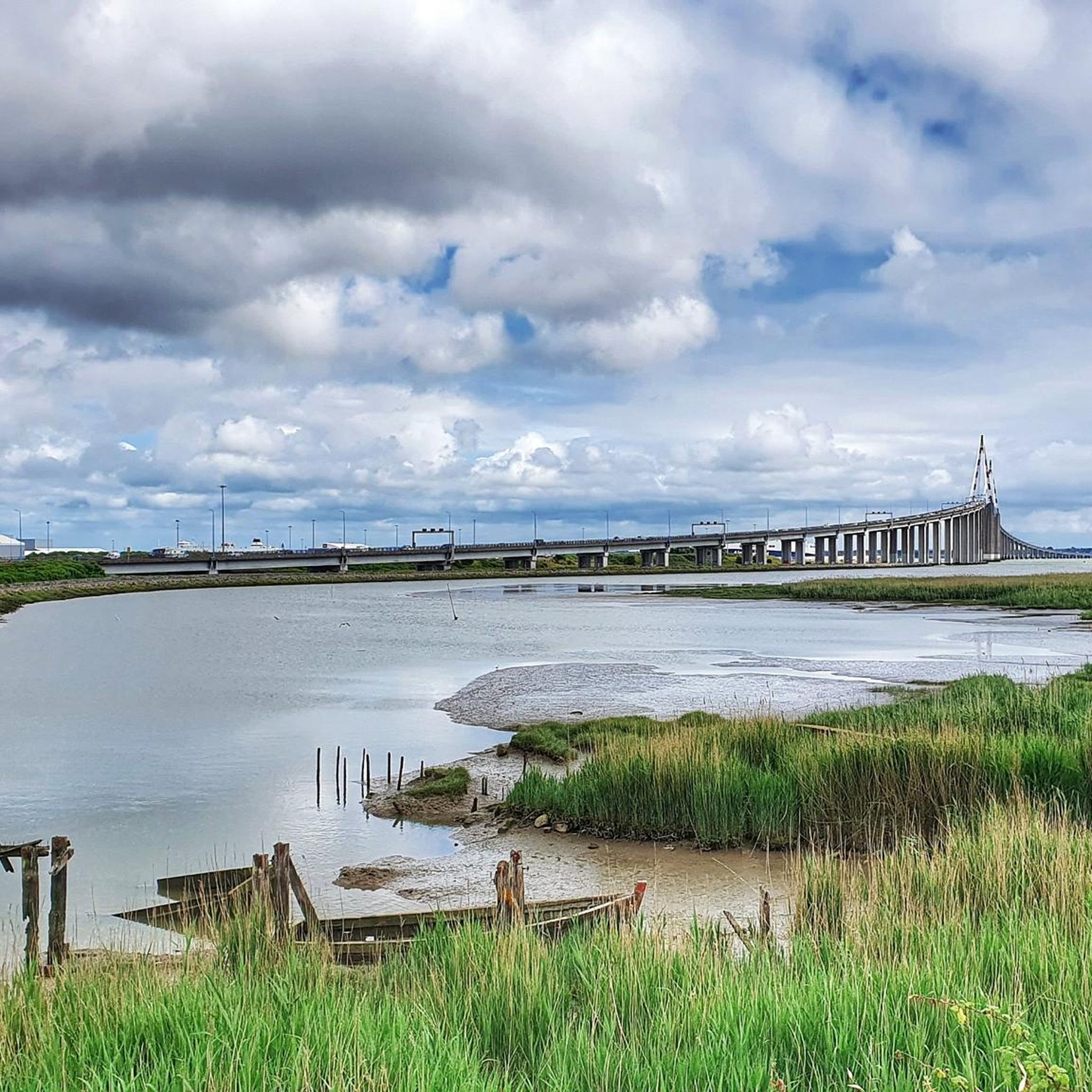
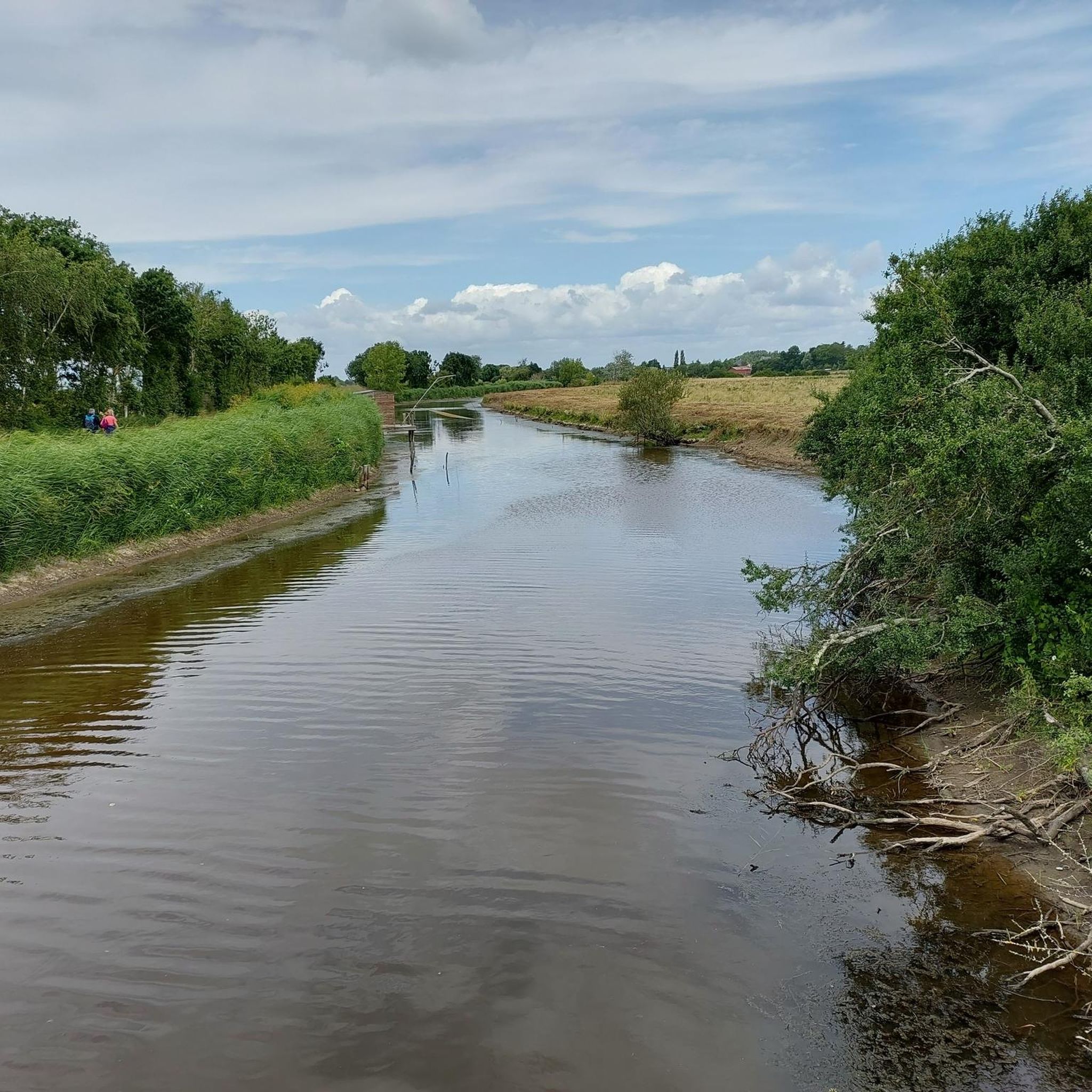
The Port of Bréca is a beautiful part of the Brière marshlands, characterized by its waterways and canals. It's a great place for a peaceful walk or bike ride. However, be aware that the trails, especially before summer (e.g., in May), can be extremely muddy and waterlogged, making passage difficult. It's advisable to check conditions or visit during drier months.
Are there any natural monuments that offer panoramic views?
Yes, Chemoulin Point is renowned for its spectacular 180° view of the surrounding sea and coastline, stretching from Pouliguen to Saint-Brévin. The path along the military area provides fascinating views of water-tossed rocks and picturesque bays, making it an excellent spot for photography and enjoying expansive vistas.
What is the Brière Regional Natural Park, and how does it relate to Trignac's natural monuments?
The Brière Regional Natural Park is one of France's largest wetlands, spanning 50,000 hectares, and Trignac is situated within its boundaries. Many of the natural monuments around Trignac, such as the Port of Bréca and the Pierre Constant Site – Brière Marsh Nature Reserve, are integral parts of this vast and ecologically significant park. It's a critical habitat for migratory and breeding birds, characterized by its extensive marshes, canals, and traditional thatched-roof villages, offering a profound immersion in nature.
Most popular routes around Trignac
Most popular attractions around Trignac

Get inspired with the komoot mobile app


Explore more
Extend your search for the best caves by checking out these guides of the top ones around Trignac:
