Top 6 Natural Monuments around Saint-Hippolyte
Best natural monuments around Saint-Hippolyte are located in a region known for its diverse geological features and scenic river valleys, particularly in the Doubs department of France. The landscape offers a combination of impressive rock formations, deep caves, and panoramic viewpoints. This area provides opportunities to explore natural landmarks shaped by water and time, set within a verdant environment.
Best natural monuments around Saint-Hippolyte
- The most popular natural monument is Bisontin Cave, a cave that features a magnificent rock…
Last updated: July 3, 2026
Bisontin Cave
Highlight • Cave
Translated by Google •
Tip by

Fontaine de Roches
Highlight • Natural Monument
Translated by Google •
Tip by
Sign up now to discover places like this
Get recommendations on the best single tracks, peaks, & plenty of other exciting outdoor places.
Sign up for free
Belvédère du Rocher du Bourbet
Highlight • Viewpoint
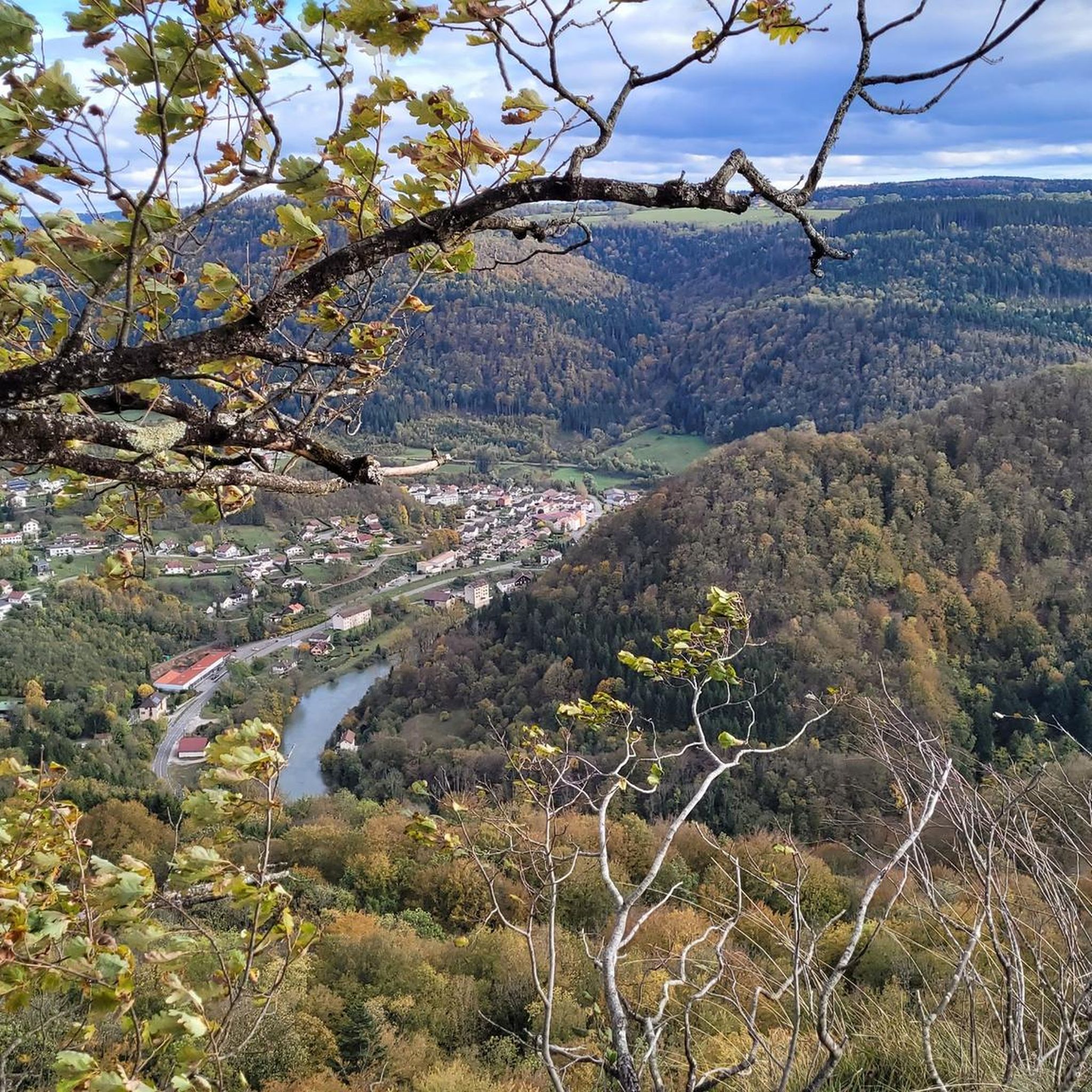
Here you have a very nice view of the small Dessoubre valley
and far away on the Doubs Valley at Saint Hippolyte.
Translated by Google •
Tip by

Waroly Waterfall
Highlight • Waterfall
Translated by Google •
Tip by
View of the Dessoubre River
Highlight • Viewpoint
Translated by Google •
Tip by

Sign up for free to discover even more natural monuments around Saint-Hippolyte.
Sign up for free
Already have an account?
Start today with a free account
Your next adventure awaits.
Login or Signup
Popular around Saint-Hippolyte
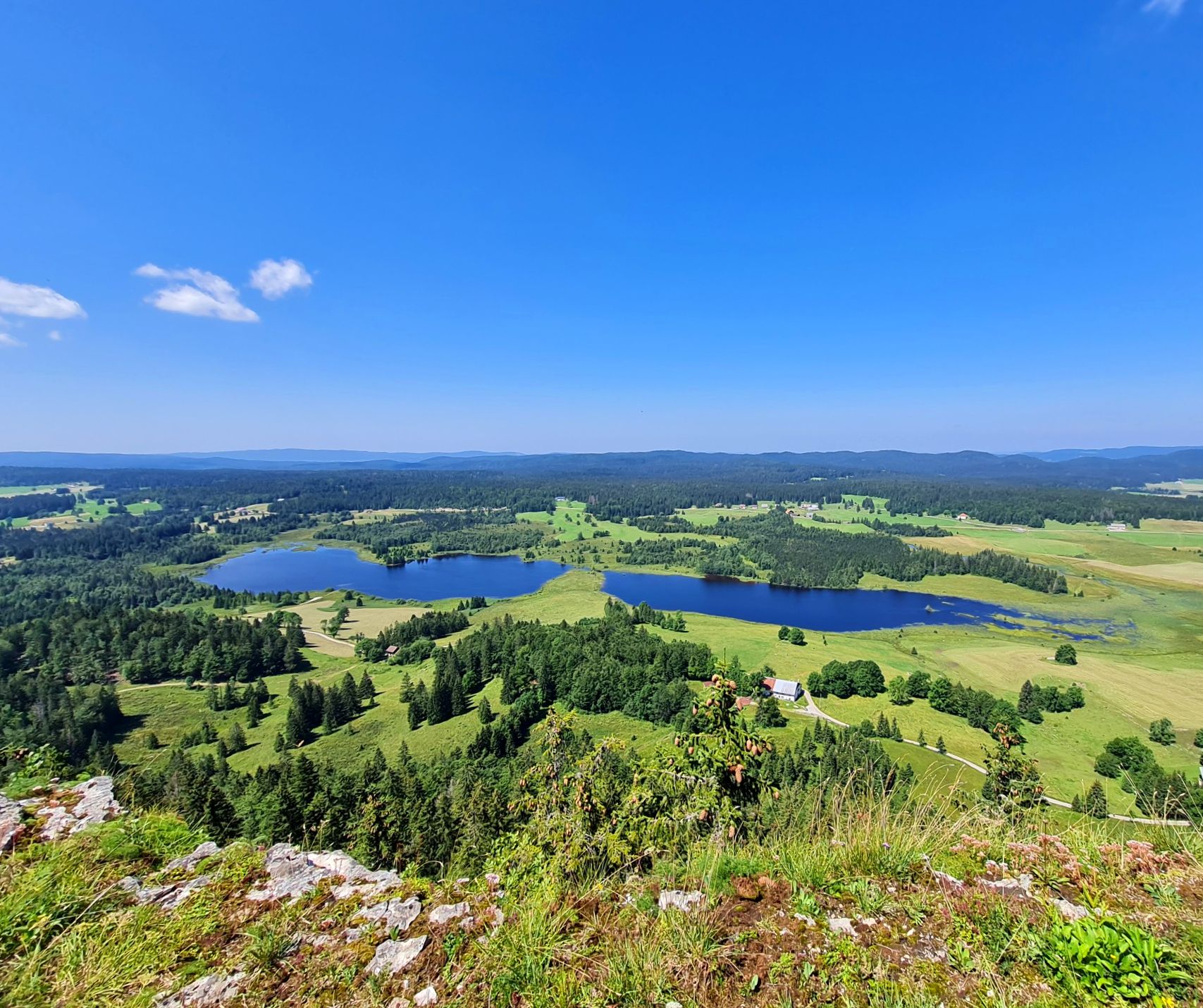
The Europe Trail – GR 5 from Nyon to Montbéliard
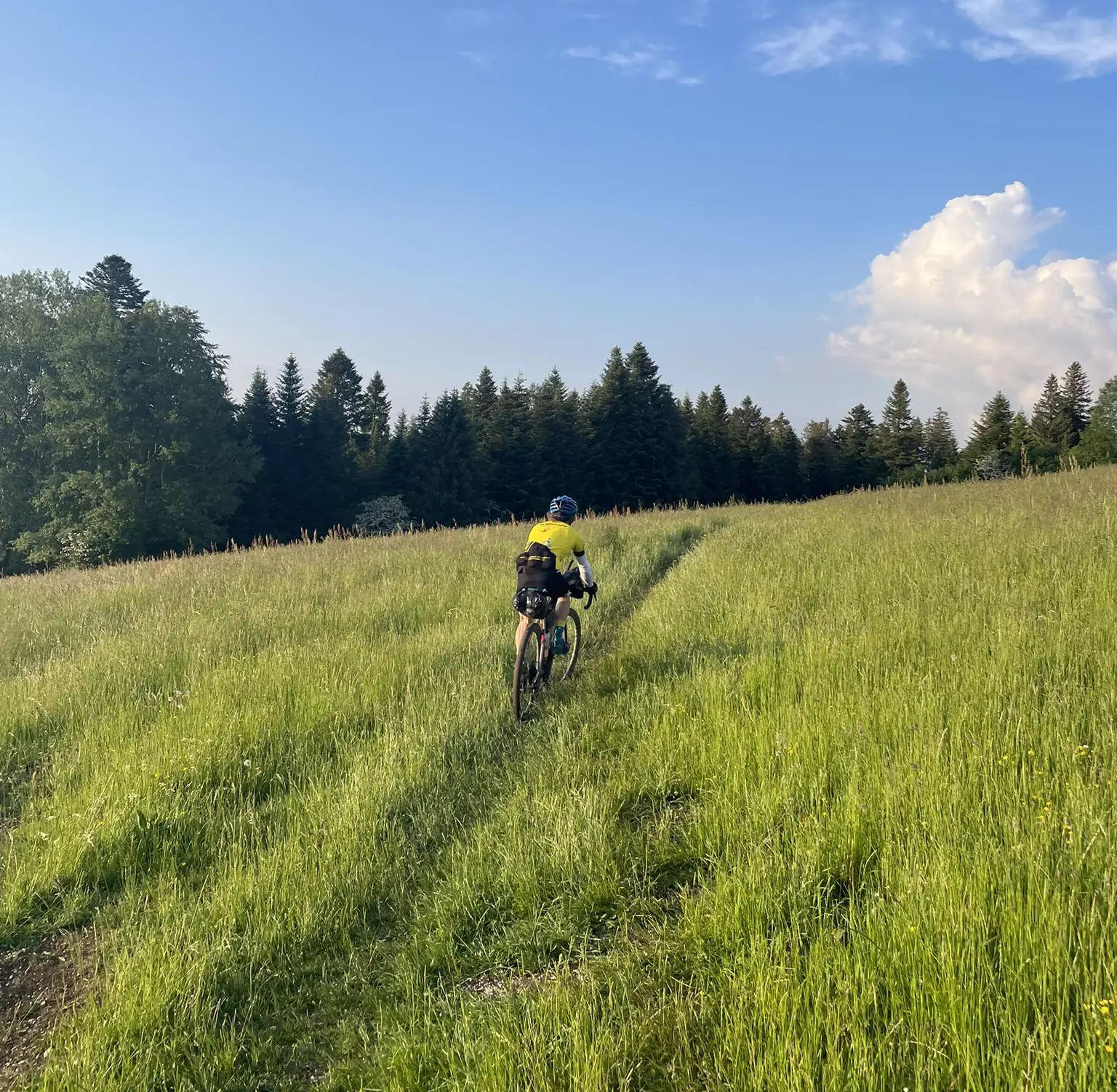
The Jura Mountains and Black Forest – La Poco Loco Dijon-Stuttgart 2023

The thousand faces of the Jura Mountains – Grande Traversée du Jura on foot
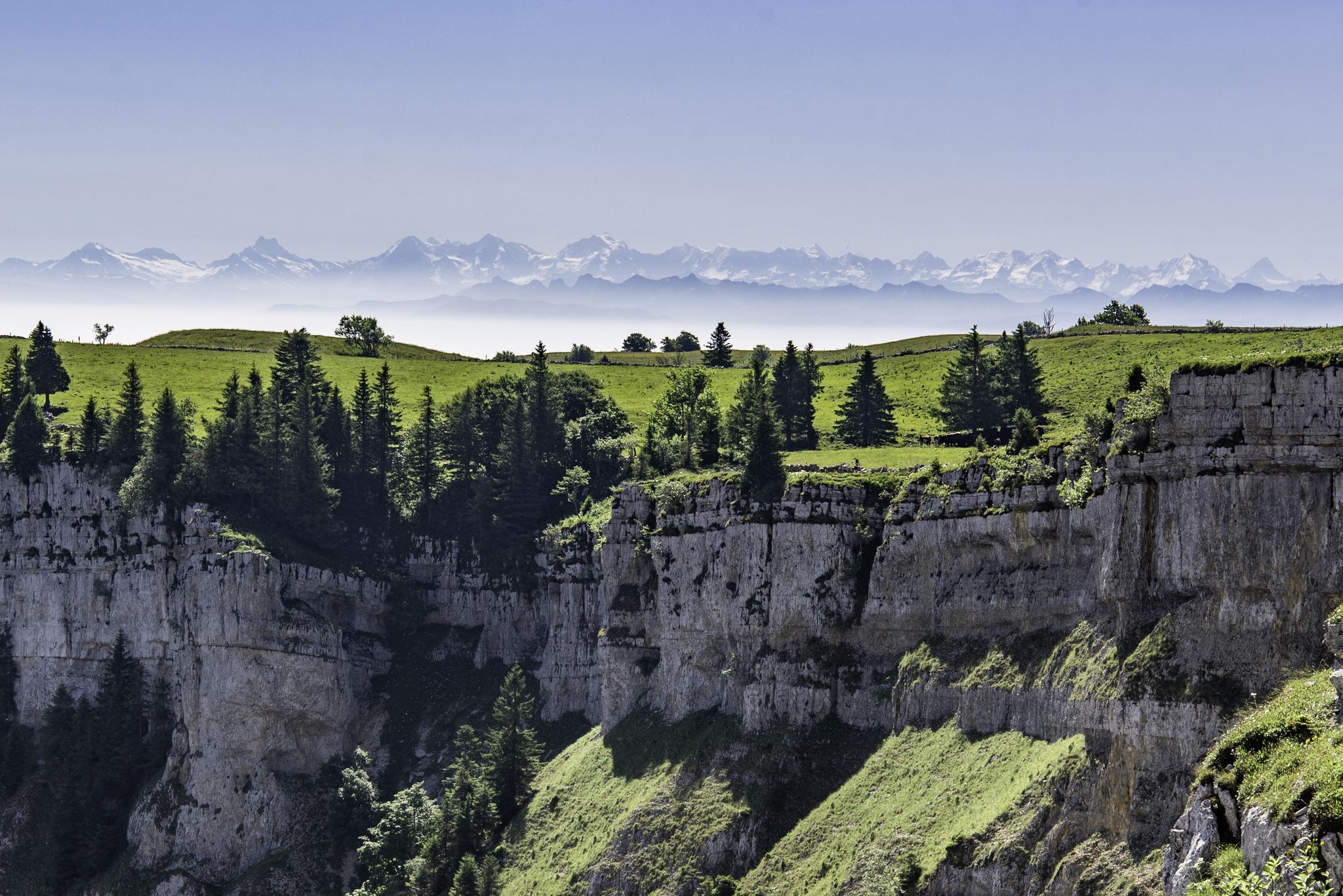
From the Vosges to the Jura mountains – Hexatrek, le Grand Est
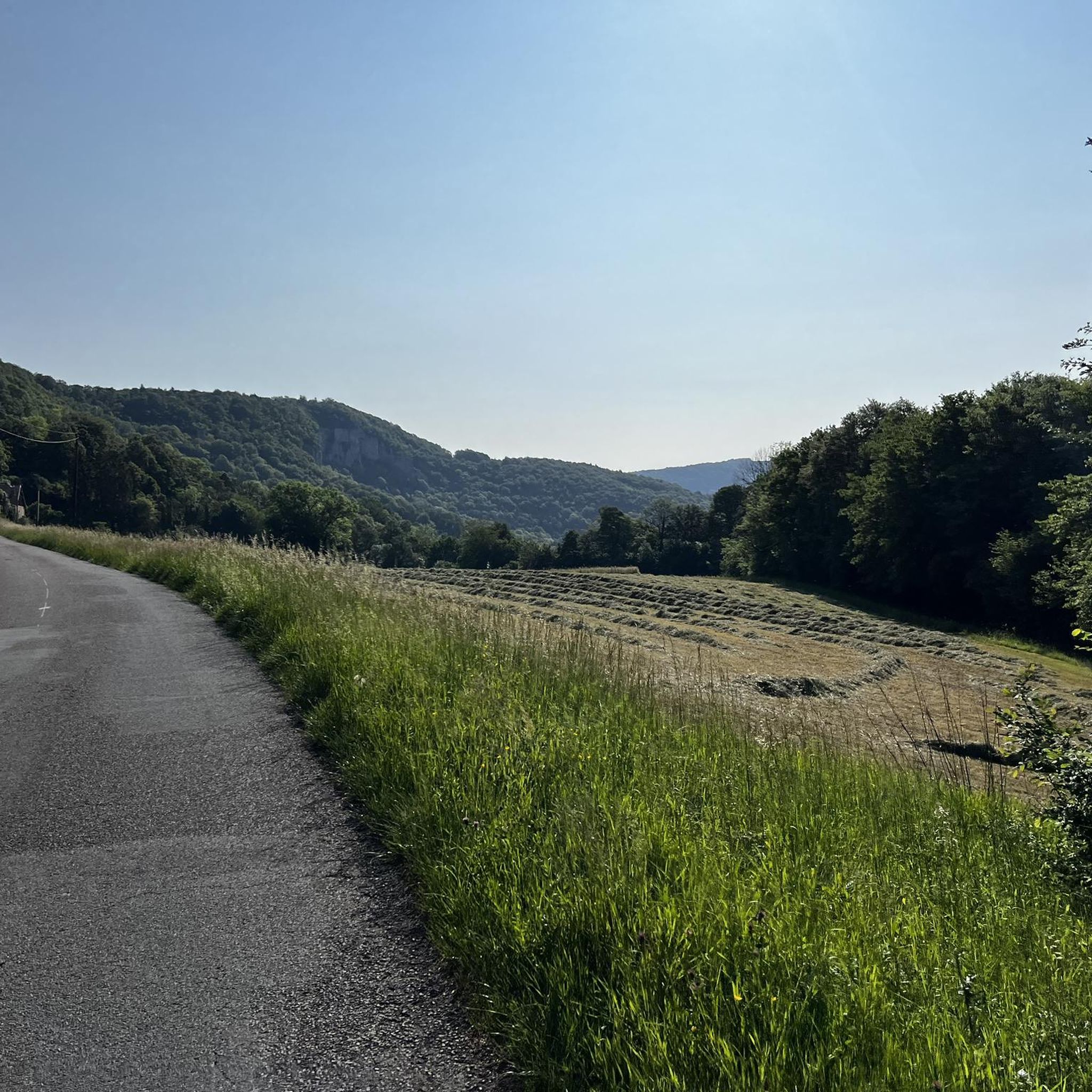
MTB Trails around Saint-Hippolyte

Running Trails around Saint-Hippolyte
Hiking around Saint-Hippolyte
Cycling around Saint-Hippolyte
Road Cycling Routes around Saint-Hippolyte
Other adventures around Saint-Hippolyte


Tips from the Community

Really impressive, you should definitely spend some time there.
1
0

This road makes the transition between the plateau and the Dessoubre valley. So, in the direction of descent, you can enjoy superb views of the river.
0
0

The Roches fountain is a natural fountain formed by a limestone rock called tuff or travertine, which creates a beautiful waterfall of water. The fountain is located at the foot of a cliff, near the village of Roches-lès-Blamont, which sits on a rocky promontory overlooking a valley. You can access the fountain by following a path that leaves the village and goes down to the stream. The hike is approximately 2 km and takes approximately 45 minutes. You can enjoy the view of the fountain and the surrounding forest, as well as the historical and cultural heritage of the village, which includes some old buildings and monuments. The fountain is particularly impressive after heavy rains, when it flows abundantly and creates a veil of water above the tuff.
2
0

Belvedere of the Rocher du Bourbet
0
0

Once you have passed through the arch you find yourself in a magnificent rock courtyard; you are surrounded by rocks; a natural cathedral!
3
0

A kind of rock grotto or transitional cave
2
0

Superb cave, perfect for setting up a bivouac! The light that enters the cave at the end of the day is just sublime! There is also a small wooden table ⛺️
4
0
The Waroly waterfall is a fine example of a tufa waterfall. Huge tuffs rub shoulders with gentle stair steps to form this impressive waterfall.
3
0
Frequently Asked Questions
What are some of the most impressive natural monuments to visit around Saint-Hippolyte?
The region around Saint-Hippolyte in the Doubs department offers a variety of impressive natural monuments. A must-see is the Bisontin Cave, known for its magnificent rock courtyard, often described as a natural cathedral. Another highlight is the Waroly Waterfall, a beautiful tufa waterfall with unique rock formations. For panoramic views, the Belvédère du Rocher du Bourbet offers stunning vistas over the Dessoubre and Doubs valleys.
Are there family-friendly natural monuments in the Saint-Hippolyte area?
Yes, several natural monuments are suitable for families. The Fontaine de Roches is a natural fountain formed by limestone rock, creating a beautiful waterfall. It's accessible via a pleasant path, making it a good option for a family outing. The Belvédère du Rocher du Bourbet also features a spacious and well-secured picnic area, perfect for families to enjoy the views.
What kind of outdoor activities can I do near these natural monuments?
The natural monuments around Saint-Hippolyte are excellent starting points for various outdoor activities. You can find numerous hiking trails, including routes that take you past the Bisontin Cave or the Waroly Waterfall. For cyclists, there are gravel biking routes, some of which follow old smugglers' paths. Additionally, the area offers running trails for those looking for a scenic jog.
Are there any notable caves to explore around Saint-Hippolyte?
Absolutely. The Bisontin Cave is a prominent natural monument, featuring a unique rock courtyard formed by a collapsed ceiling, creating a 'natural cathedral' effect. Another intriguing site is the Grotte de la Roche, where water flows from the cave portal, and you can explore a large, dry entrance via a rock staircase.
What do visitors enjoy most about the natural monuments in this region?
Visitors particularly appreciate the unique geological formations and the stunning scenic views. The 'natural cathedral' of Bisontin Cave is a favorite, with many noting the sublime light at the end of the day. The impressive cascades of the Waroly Waterfall and the expansive vistas from the Belvédère du Rocher du Bourbet are also highly praised for their natural beauty and tranquility.
Are there viewpoints offering panoramic scenery near Saint-Hippolyte?
Yes, the region is rich in viewpoints. The Belvédère du Rocher du Bourbet, situated at an altitude of 700 meters, provides a magnificent view of the small Dessoubre valley and the broader Doubs Valley. The hike to Bisontin Cave also offers impressive viewpoints over Saint-Hippolyte and the Doubs valley.
Can I find hiking trails that include these natural monuments?
Many hiking trails in the area incorporate these natural monuments. For example, a moderate 14.5 km loop, 'Bisontin Cave – Natural Arch loop from Saint-Hippolyte', allows you to experience the unique geological features. There's also a more challenging 24 km loop, 'Saint-Hippolyte – Tufa Waterfall loop from Saint-Hippolyte', which guides you to the impressive tufa waterfalls. You can explore more options on the Hiking around Saint-Hippolyte guide.
What unique natural features can I expect to see?
The Saint-Hippolyte area is characterized by its diverse geological formations. You can witness impressive tufa formations at the Waroly Waterfall and the Fontaine de Roches, where water has shaped limestone into intricate cascades. The caves, such as Bisontin Cave, showcase dramatic rock courtyards and collapsed ceilings, offering a glimpse into the region's geological history.
Are there any historical or cultural elements associated with the natural monuments?
While the primary focus is on natural beauty, some areas blend natural and historical interest. For instance, the village of Roches-lès-Blamont, near the Fontaine de Roches, has historical and cultural heritage with old buildings and monuments. The Montaigu plateau, mentioned in regional research, also combines magnificent views with heritage interest, including a Roman church and a fortified house, offering a broader historical context to the natural landscape.
What is the best time of year to visit the natural monuments around Saint-Hippolyte?
The natural monuments around Saint-Hippolyte can be enjoyed throughout much of the year. Spring and autumn offer pleasant temperatures for hiking and vibrant foliage. After heavy rains, the waterfalls, like the Fontaine de Roches, are particularly impressive, flowing abundantly. Summer is also popular for outdoor activities, while winter can offer a unique, serene experience, though some trails might be more challenging.
Are there any less-known or 'hidden' natural monuments worth discovering?
While the main highlights are well-regarded, exploring the trails can lead to lesser-known spots. The Grotte de la Roche, for example, offers a unique experience of entering a cave via a rock staircase and exploring its dry upper sections, providing a sense of discovery away from more frequented paths.
What kind of wildlife might I encounter near the natural monuments?
The verdant environment surrounding Saint-Hippolyte's natural monuments supports diverse flora and fauna. While specific wildlife sightings depend on the location and season, the forests and valleys are home to various bird species and small mammals. Keep an eye out for local wildlife while exploring the trails and viewpoints.
Most popular routes around Saint-Hippolyte
Most popular attractions around Saint-Hippolyte

Get inspired with the komoot mobile app


Explore more
Extend your search for the best caves by checking out these guides of the top ones around Saint-Hippolyte:
