Top 11 Natural Monuments around Saint-Marcan
Best natural monuments around Saint-Marcan are found in a region of diverse natural beauty in Ille-et-Vilaine, France. The area is characterized by its proximity to the Mont Saint-Michel Bay and the Couesnon River, offering significant ecological features and scenic grandeur. Visitors can explore a landscape shaped by dynamic tides, river valleys, and ancient geological formations. This region provides opportunities to observe unique ecosystems and historical natural landmarks.
Best natural monuments around Saint-Marcan
- The most popular natural monuments is Mont Saint-Michel…
Last updated: August 12, 2026
Mont Saint-Michel
Highlight • Religious Site
Translated by Google •
Tip by

Saint Aubert Chapel
Highlight • Religious Site
Showing Translation
Tip by

Sign up now to discover places like this
Get recommendations on the best single tracks, peaks, & plenty of other exciting outdoor places.
Sign up for free
Menhir of Champ-Dolent
Highlight • Monument
According to legend, two brothers and their …
Translated by Google •
Tip by

Megalithic Tombs of Saint-Broladre
Highlight • Historical Site
Translated by Google •
Tip by

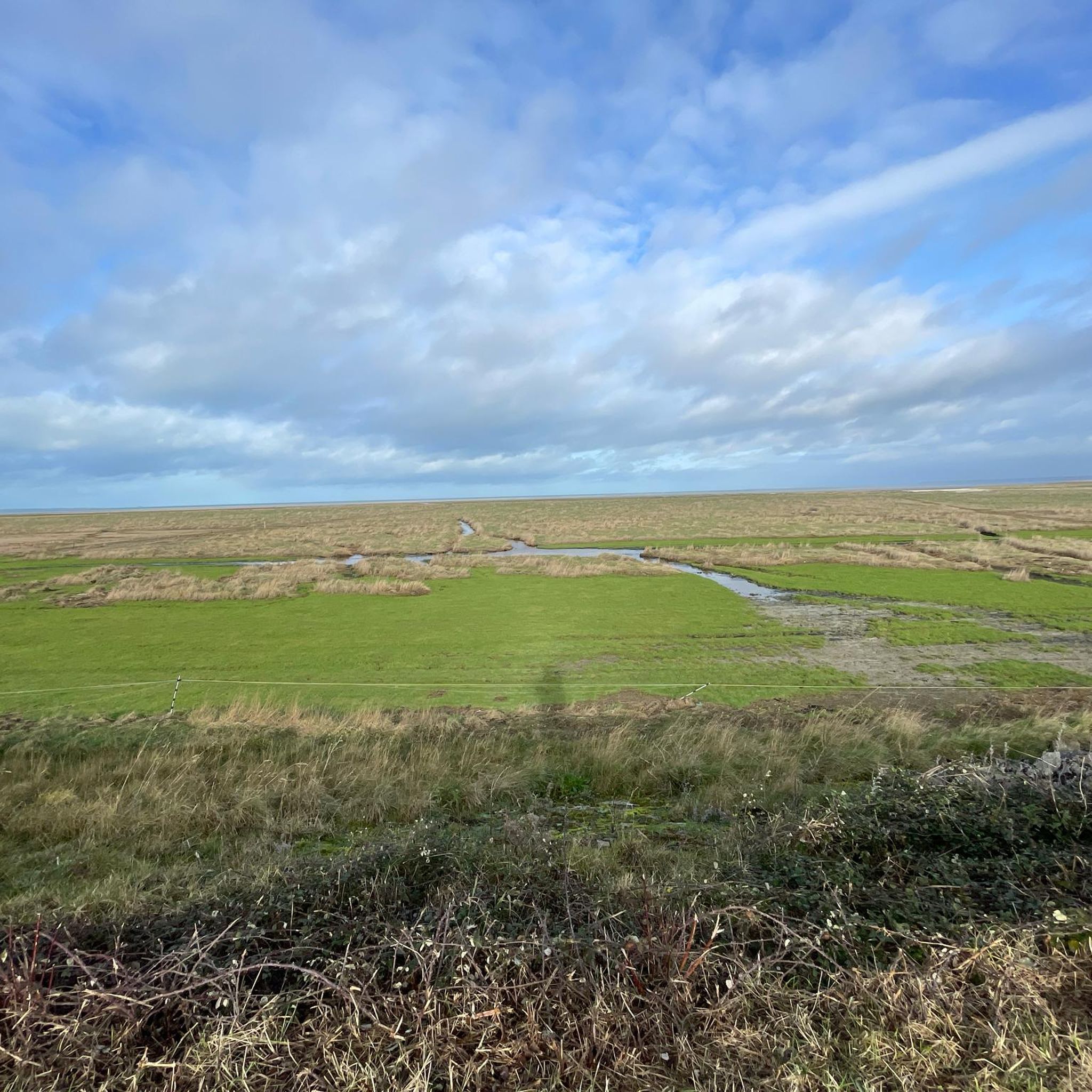
View of Mont Saint-Michel Across the Bay
Highlight • Viewpoint
Showing Translation
Tip by

Start today with a free account
Your next adventure awaits.
Login or Signup

Tips from the Community

The holy Aubert of Avranches was bishop of the Norman city of Avranches in the 8th century. According to Christian tradition, he founded the first sanctuary on the rock of the later Mont-Saint-Michel. According to legend, the Archangel Michael appeared to him several times, urging him to build a church on the then Mont Tombe. After initial hesitation, Aubert followed this command and had a chapel built, which became the origin of the famous pilgrimage site of Mont-Saint-Michel. Aubert is venerated as a pious bishop. His feast day is September 10th.
11
0

Many visitors run their hand over the chapel's granite wall or briefly place their hand on it. It is said to bring: • Good luck, • Protection on journeys, • or the fulfillment of a wish. However, there is no official historical source to document this custom. It is a local tradition passed down by visitors and tour guides – similar to many pilgrimage sites.
2
0
Who was Saint Aubert? According to legend, the Archangel Michael appeared to him in a dream three times in the year 708 and instructed him to build a church on the then Mont-Tombe. Aubert considered the first two apparitions to be dreams and ignored them. On the third occasion, Michael is said to have become impatient and touched him on the forehead with his finger – so forcefully that a hole was created in his skull. This hole, supposedly created by the archangel's finger, is still shown today in the Basilica of Avranches. Only then did Aubert begin the construction of the first sanctuary, from which Mont-Saint-Michel later emerged. The statue therefore shows him as a bishop: • with a mitre on his head, • in bishop's vestments, • with his right arm raised in a gesture of blessing, • with the crozier on his shoulder.
2
0

Mont Saint-Michel and its bay have been a UNESCO World Heritage site since 1979. Its bay is the setting for Europe's strongest tides. This monumental highlight between Normandy and Brittany is located 3.5 hours from Paris and is one of France's most visited structures.
0
0
Numerous Breton legends surround the stone. One of the most famous tells that the menhir sinks a little deeper into the ground each year, and that its complete disappearance will signal the end of the world. Another legend sees it as a divine sign that separated two feuding brothers and gave the field the name "Champ-Dolent," or "Field of Sorrow."
1
0
South of Dol-de-Bretagne rises the Menhir du Champ-Dolent, a mighty granite block from the Neolithic period. At almost ten meters high, it is one of the largest surviving menhirs in France. Its weight is estimated at around 100 tons, and it was probably extracted from the immediate surroundings. Its original function remains unclear to this day—researchers suspect ritual or symbolic purposes, perhaps even an astronomical alignment.
1
0

A forgotten part of Mont Saint-Michel, this chapel on the northwest side of the island. At low tide you can easily walk towards this chapel that is not otherwise open to visitors, but is nevertheless beautifully situated on the rocks below the famous monastery.
2
0
In the Netherlands we know them as 'Hunnebedden', but here in Brittany you will also find them next to the Menhirs.
1
0
Frequently Asked Questions
What natural features define the landscape around Saint-Marcan?
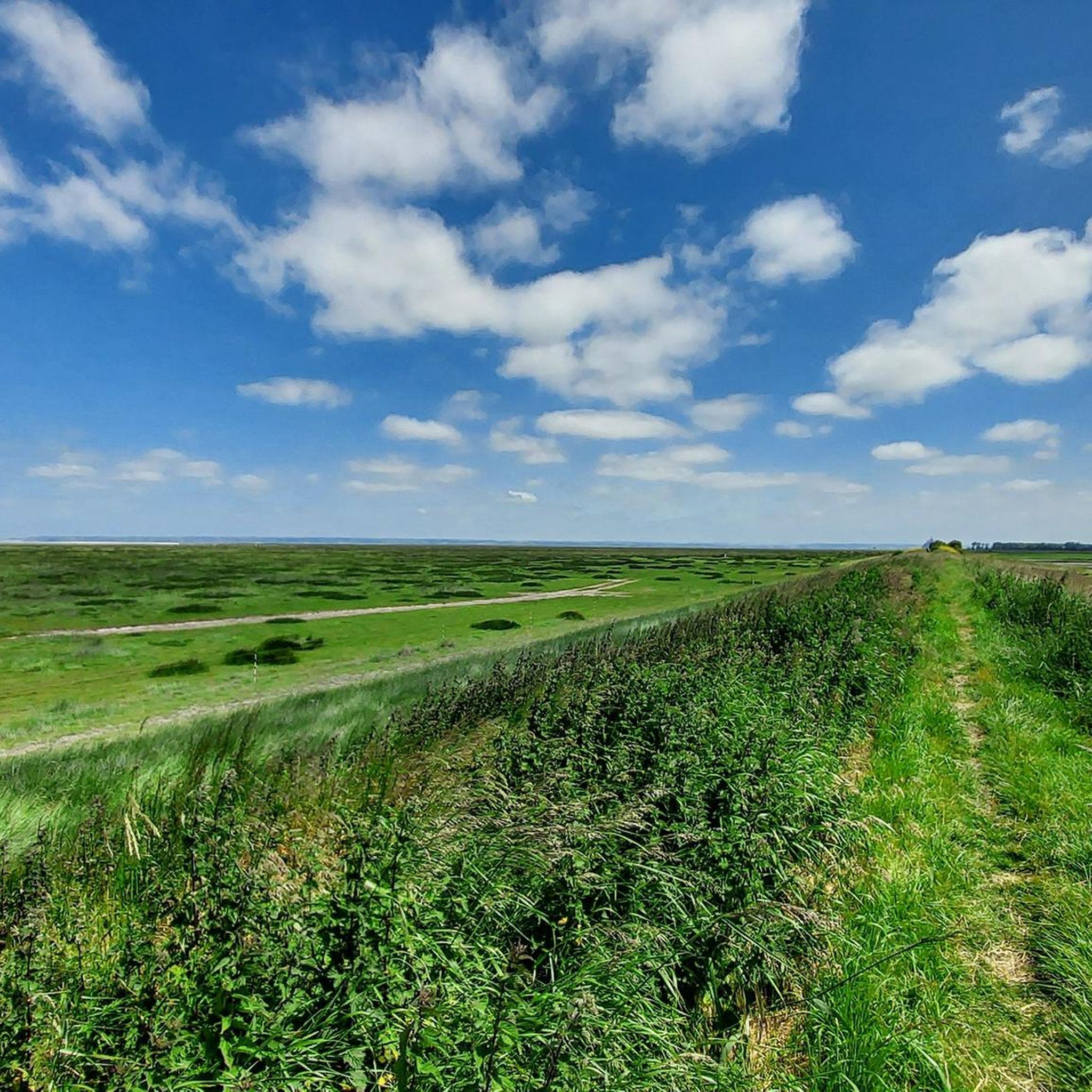
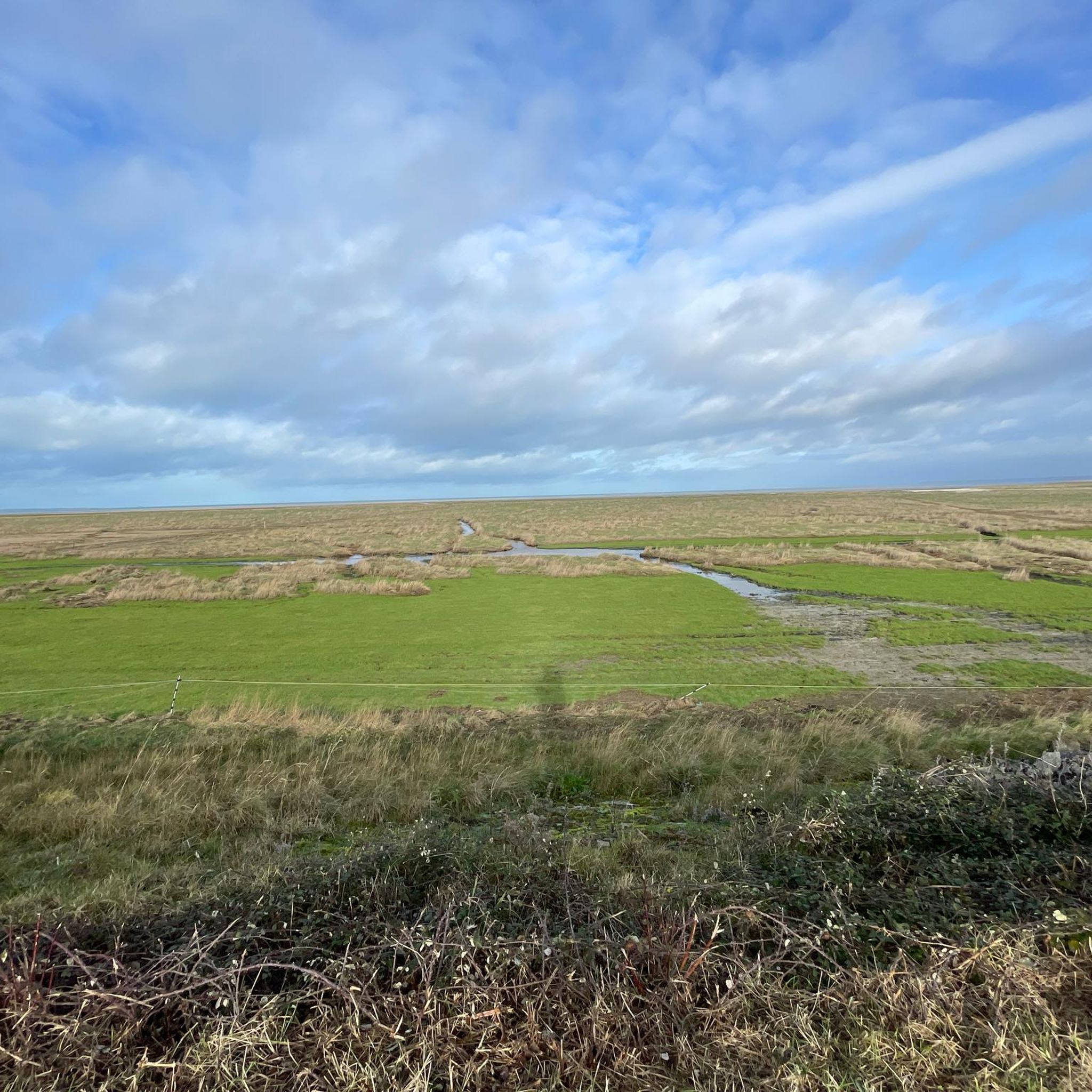
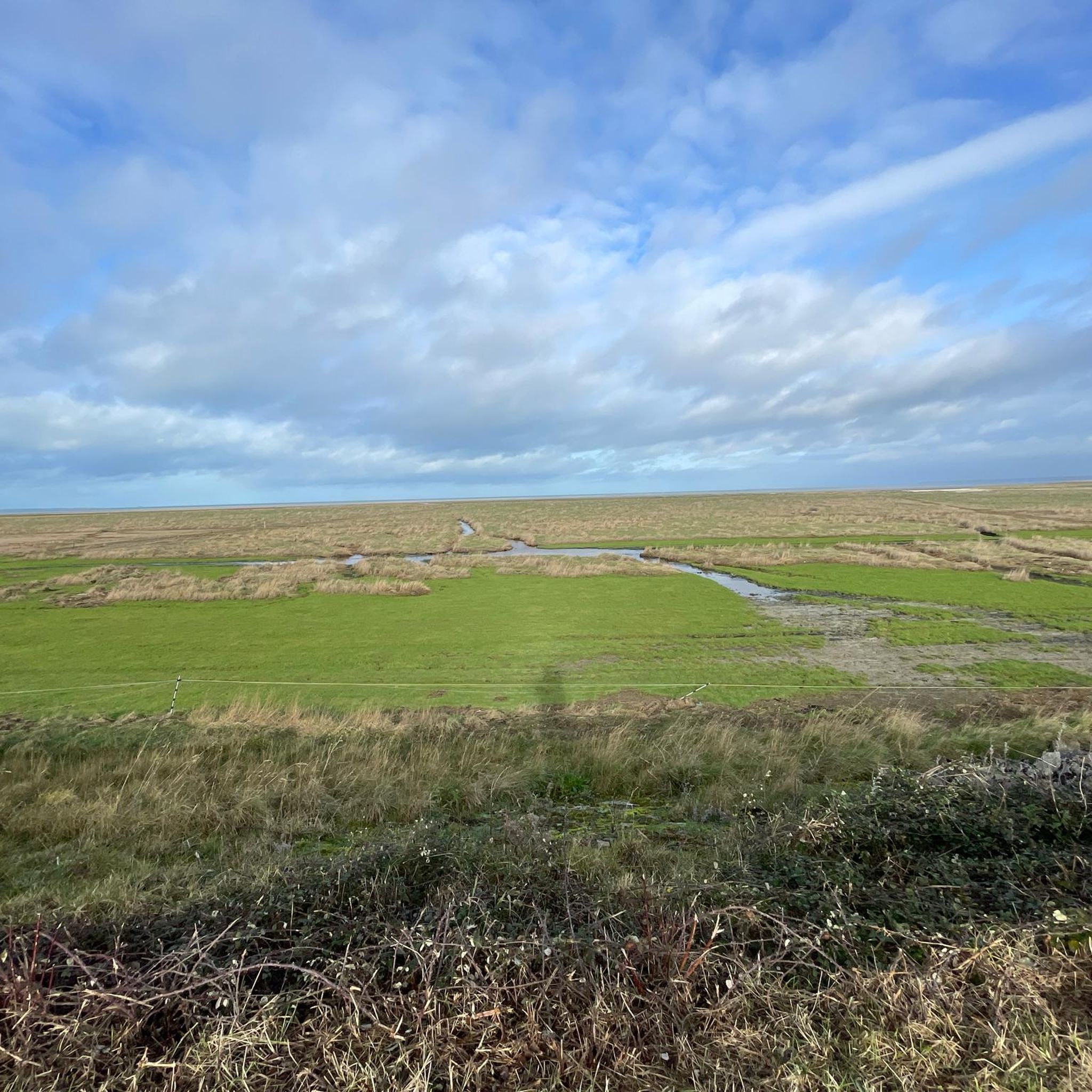
The landscape around Saint-Marcan is primarily shaped by the expansive Mont Saint-Michel Bay and the Couesnon River. This region is known for its dramatic tidal flats, salt marshes, and polders, creating a dynamic environment. The Couesnon River valley also features diverse environments, including bocage, forests, and protected marshlands.
Beyond Mont Saint-Michel, what other significant natural monuments can I visit?
While Mont Saint-Michel is a prominent natural monument, you can also explore the unique setting of Saint Aubert Chapel, beautifully situated on the rocks below the monastery and accessible at low tide. Additionally, the ancient Megalithic Tombs of Saint-Broladre offer a glimpse into early human interaction with the natural landscape, similar to 'Hunnebedden' found elsewhere.
What makes the Mont Saint-Michel Bay a unique natural monument?
The Mont Saint-Michel Bay is a UNESCO World Heritage site renowned for having some of the highest tides in Europe. This creates a constantly changing landscape of vast tidal flats and salt marshes. Its unique ecosystem supports resilient plants like sea lavender and samphire, and it's a crucial stopover for migratory birds, making it an exceptional location for nature observation and experiencing dramatic natural phenomena.
Are there any protected natural areas near Saint-Marcan?
Yes, the Couesnon marshes, part of the Couesnon River valley, are designated as a protected natural area, rich in diverse flora and fauna. Additionally, the broader Rance Valley – Emerald Coast Regional Nature Park, though not directly in Saint-Marcan, is easily accessible and includes protected areas like the Cap Fréhel cliffs, which are a bird reserve.
What outdoor activities can I do near the natural monuments around Saint-Marcan?
The region offers a variety of outdoor activities. You can enjoy hiking, cycling, and road cycling. For detailed routes, you can explore options like hiking around Saint-Marcan, cycling around Saint-Marcan, or road cycling routes around Saint-Marcan. These guides provide routes of varying difficulties, allowing you to immerse yourself in the natural surroundings.
Are there hiking trails suitable for exploring the natural monuments?
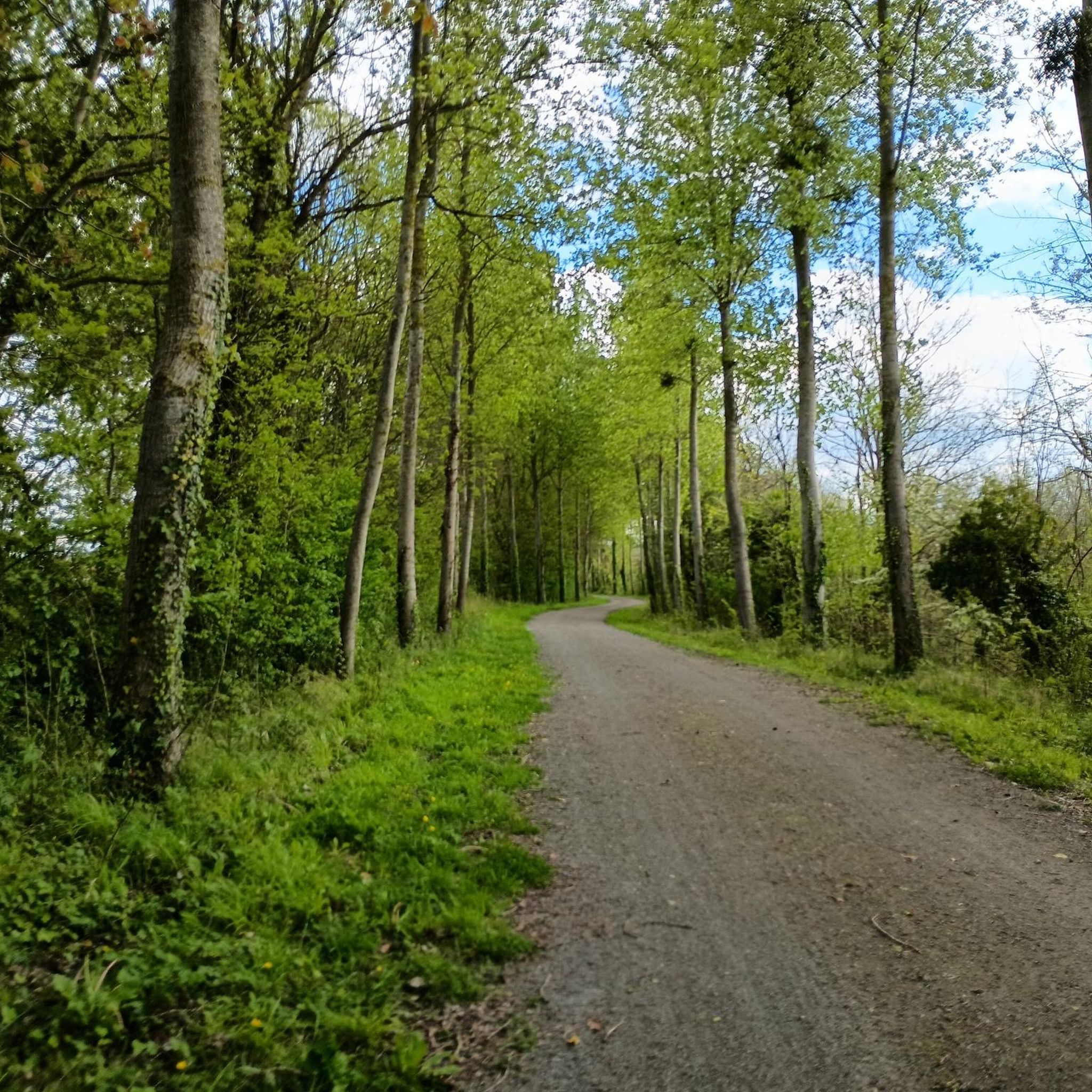
Absolutely. The area around Saint-Marcan and the Mont Saint-Michel Bay offers numerous hiking opportunities. You can find trails ranging from moderate to difficult, such as the 'Couesnon Dam – View of Mont Saint-Michel loop' or shorter 'Hiking loop from Saint-Marcan'. These trails allow you to experience the tranquil natural surroundings and observe the rich biodiversity. More options are available in the hiking guide for Saint-Marcan.
Can I go cycling to explore the natural beauty of the region?
Yes, cycling is a popular way to explore the natural beauty. The Véloscénie cycling route runs along the Couesnon River, offering magnificent views towards Mont Saint-Michel. There are various routes available, from easy to moderate, such as 'Joli chemin – La Chapelle Saint Anne loop' or 'Moulin de la Saline – Guesclin Beach loop'. You can find more cycling routes in the cycling guide for Saint-Marcan.
What is the best time of year to visit the natural monuments around Saint-Marcan?
The best time to visit is generally during the spring and autumn months. These seasons offer pleasant weather for outdoor activities like hiking and cycling, and provide excellent opportunities for birdwatching as migratory birds pass through the Mont Saint-Michel Bay. Summer can also be beautiful, but may be busier with tourists.
Are there family-friendly natural monuments or activities in the area?
Yes, several natural monuments and activities are suitable for families. The Megalithic Tombs of Saint-Broladre are considered family-friendly historical sites. Exploring the vast tidal flats of Mont Saint-Michel Bay with a licensed guide can be an unforgettable adventure for all ages, offering unique insights into marine life and geology. Easy cycling and walking paths along the Couesnon River are also great for families.
Are the natural monuments around Saint-Marcan accessible for visitors with dogs?
Many natural areas and trails around Saint-Marcan are dog-friendly, especially for walks along the Couesnon River and certain parts of the Mont Saint-Michel Bay. However, specific regulations may apply in protected areas or on guided tours, particularly concerning wildlife conservation. It's always advisable to keep dogs on a leash and check local signage for any restrictions.
Where can I find accommodation or places to eat near these natural monuments?
Saint-Marcan and nearby towns offer various options for accommodation, cafes, and pubs. You'll find choices ranging from local guesthouses to hotels in the surrounding areas, particularly closer to Mont Saint-Michel. Many establishments cater to visitors exploring the natural beauty of the region, offering local cuisine and comfortable stays.
Is public transport available to reach the natural monuments?
While public transport options exist to reach the general area, direct access to all natural monuments might be limited. Buses often connect larger towns, and shuttle services operate to Mont Saint-Michel. For exploring more remote natural sites like the Couesnon Valley or specific trailheads, having a car or using a bicycle is often more convenient and provides greater flexibility.
What do visitors particularly enjoy about the natural monuments around Saint-Marcan?
Visitors are captivated by the dramatic scenery of the Mont Saint-Michel Bay, especially witnessing the high tides and the unique ecosystem. The tranquility of the Couesnon River valley and the historical significance of sites like the Megalithic Tombs of Saint-Broladre are also highly appreciated. The komoot community has shared over 2700 photos and given more than 1600 upvotes, highlighting the region's scenic grandeur and ecological wealth.
Most popular routes around Saint-Marcan
Most popular attractions around Saint-Marcan

Get inspired with the komoot mobile app


Explore more
Extend your search for the best caves by checking out these guides of the top ones around Saint-Marcan:
