Top 7 Natural Monuments around Saint-Remy
Natural monuments around Saint-Remy-de-Provence feature a diverse landscape in the heart of Provence-Alpes-Côte d'Azur, France. The region offers geological formations, varied biodiversity, and opportunities for outdoor activities. These sites provide a blend of natural features and historical significance. The area is characterized by its limestone formations and Mediterranean vegetation.
Best natural monuments around Saint-Remy
- The most popular natural monument is La Roche Saint-Martin and View of Saint-Dié, a viewpoint that consists of imposing sandstone columns, two of which are…
Last updated: October 6, 2026
La Bure Celtic Camp
Highlight • Historical Site
Translated by Google •
Tip by

La Roche Saint-Martin and View of Saint-Dié
Highlight • Viewpoint
Translated by Google •
Tip by

Sign up now to discover places like this
Get recommendations on the best single tracks, peaks, & plenty of other exciting outdoor places.
Roches de Lanceux
Highlight • Natural Monument
Translated by Google •
Tip by

Malfosse Rock Formations Loop
Highlight (Segment) • Natural Monument
Translated by Google •
Tip by
Roche en Biche
Highlight • Viewpoint
Translated by Google •
Tip by

Sign up for free to discover even more natural monuments around Saint-Remy.
Already have an account?
Start today with a free account
Your next adventure awaits.
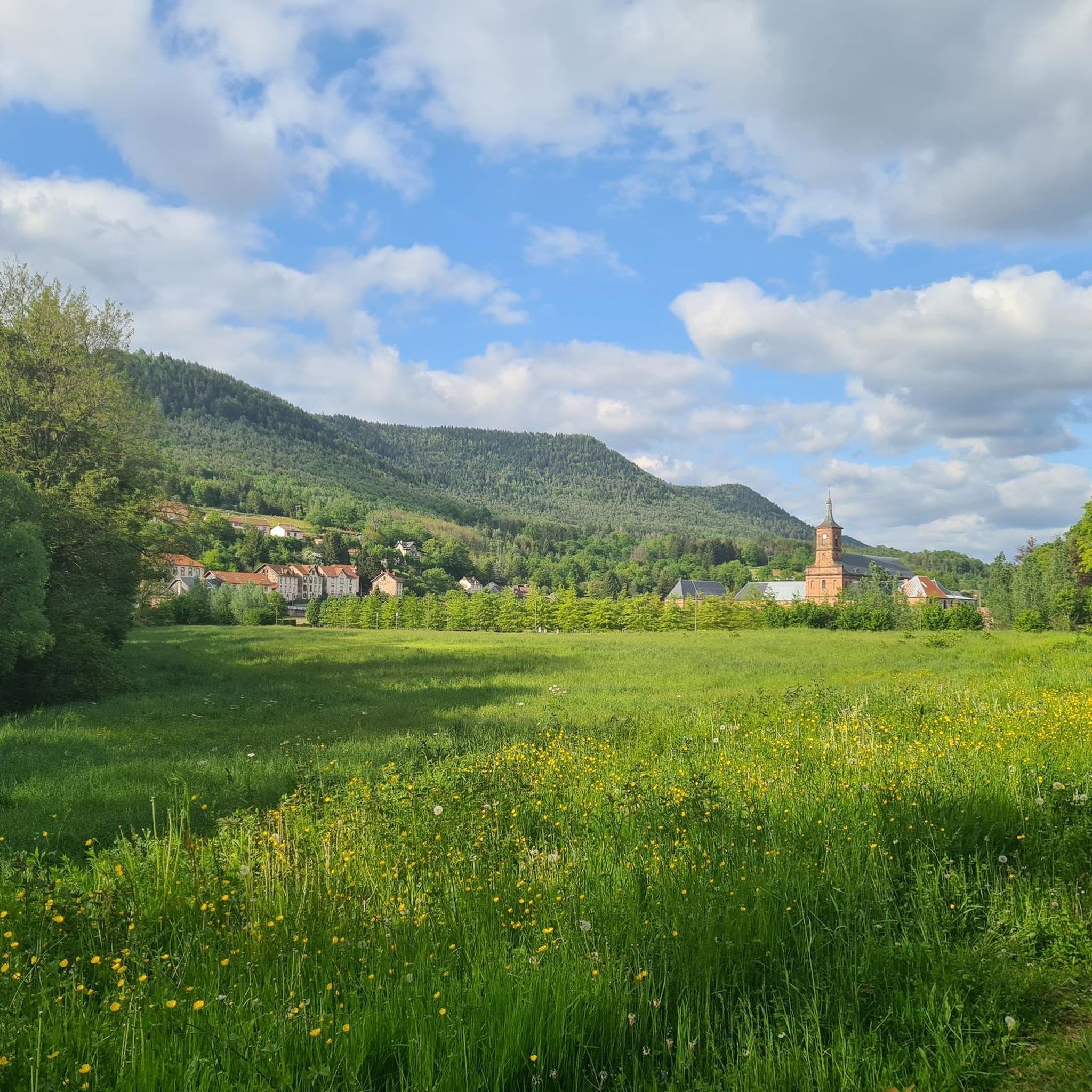
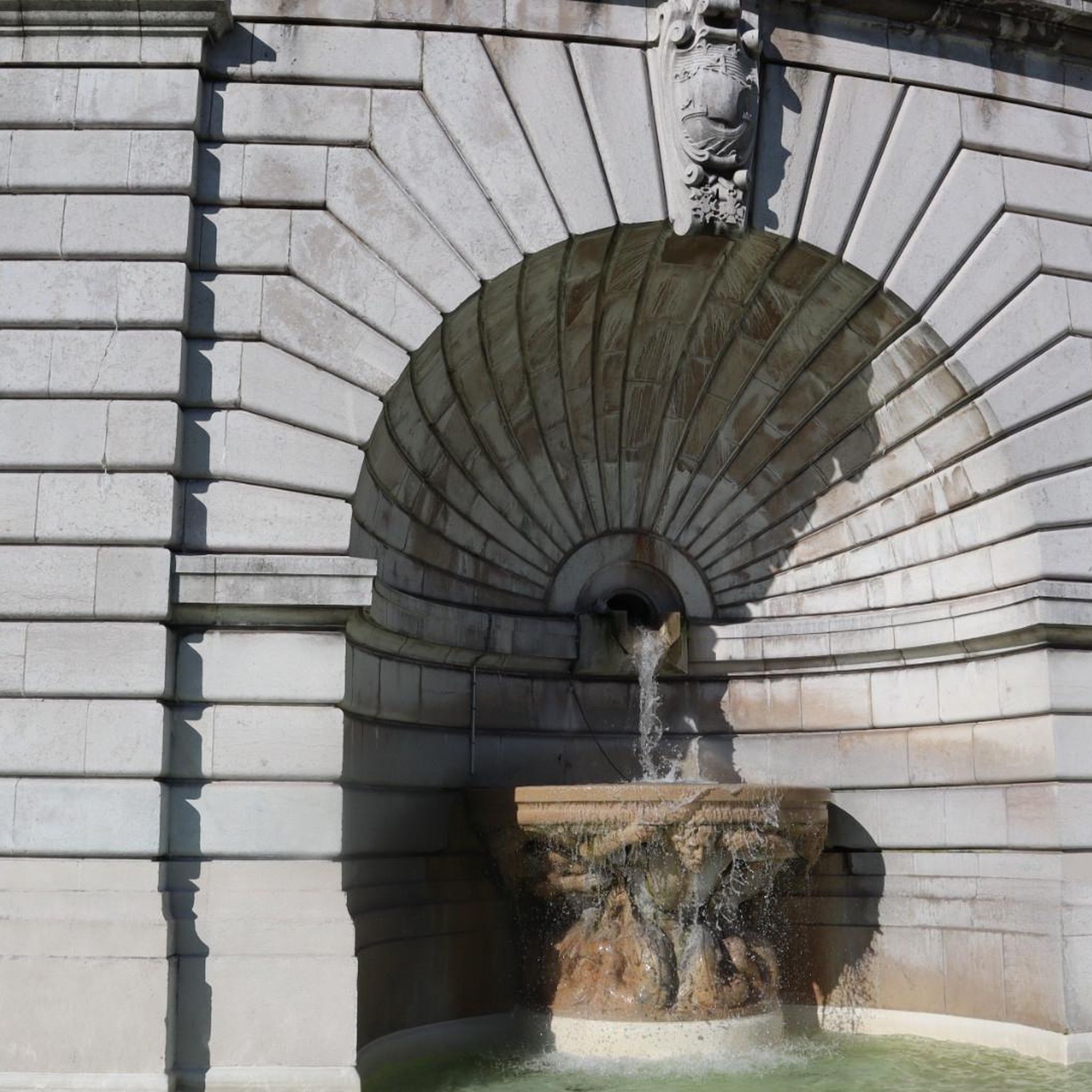
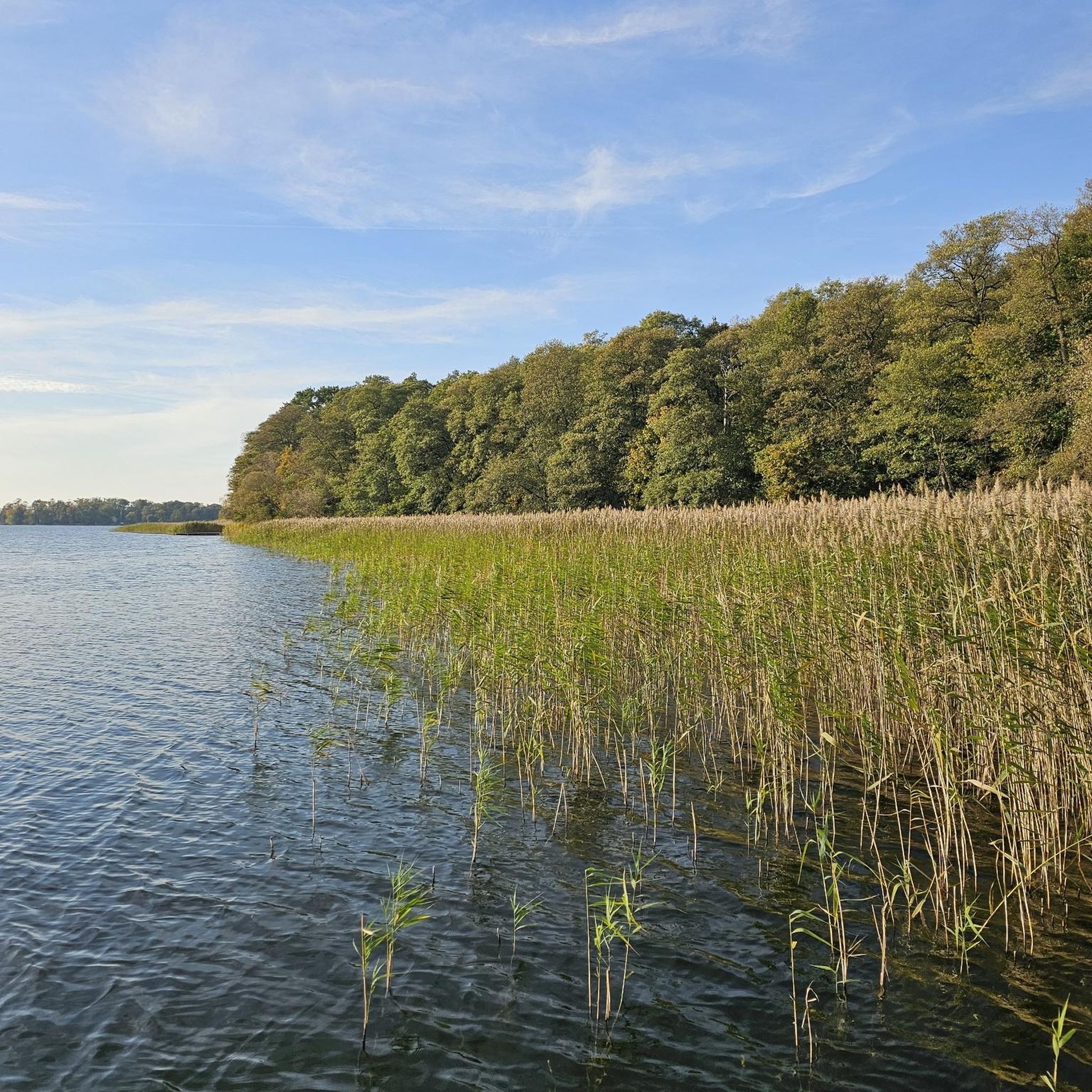
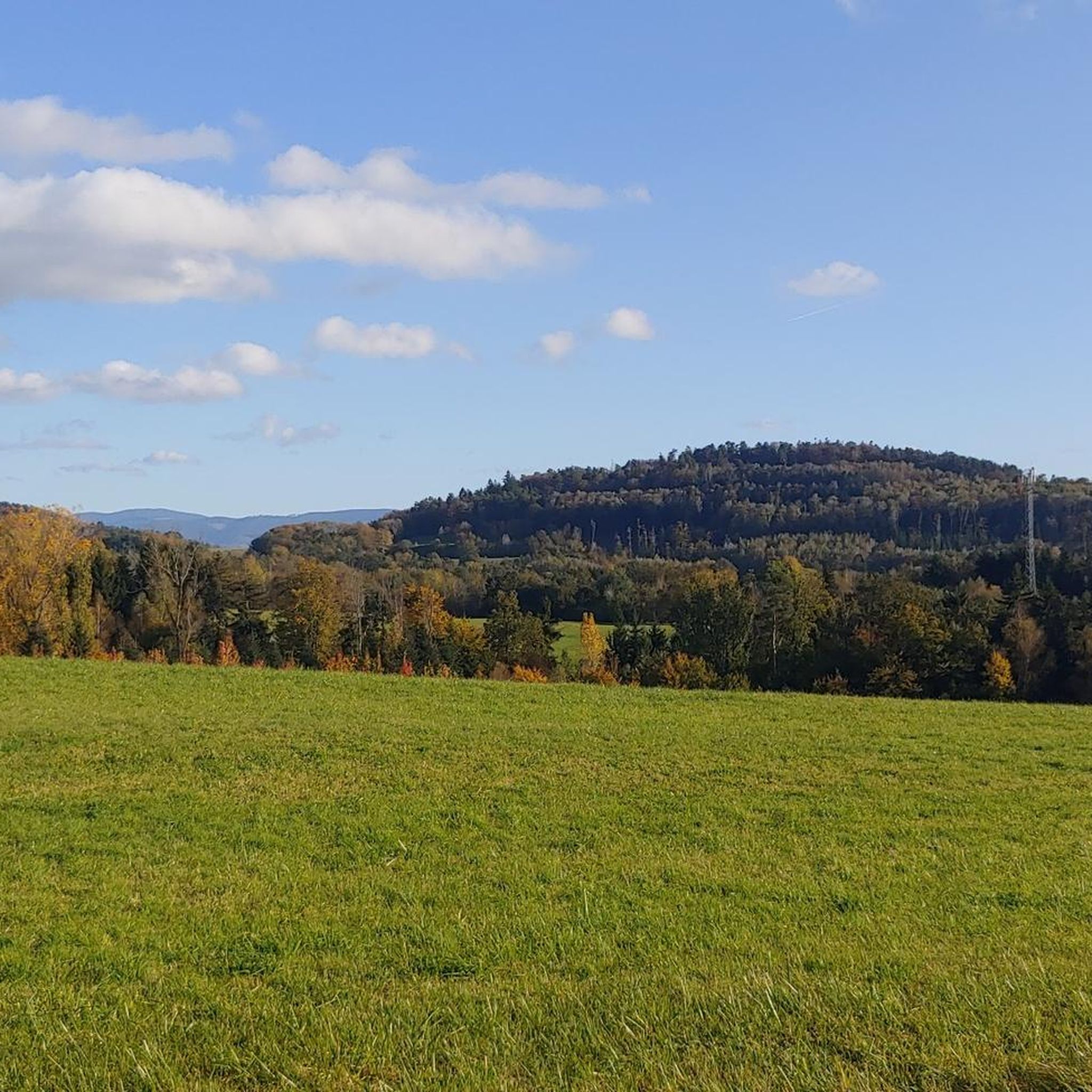


Tips from the Community

Camp accessible to mountain bikes but next to the bike
0
0

...a fantastic tour in beautiful weather with great views and panoramic views
0
0

from the high stone magnificent viewpoint on the abbey of Moyenmoutier. The path is marked with different rocks
0
0

The shelter can only be seen if you take the more difficult path that goes under the rocks. Both paths are beautiful.
2
2
The section from Haute Pierre to Roches de Lanceux is highly recommended. There you will find a beautiful single trail as well as many wonderful rock formations.
1
0

Magnificent Roche St Martin
4
1
The Celtic camp of the Bure is a fortified plateau bordering the Haute-Meurthe valley in the Grand-East of France. The plateau, now wooded, lies between the communes of Saint-Dié-des-Vosges and that of Hurbache, at the western end of the Ormont massif. This site, known for 23 years of archaeological research from 1964 to 1986, has been classified as a Historical Monument since August 6, 1982. The site has been inhabited since at least the Neolithic period. Then used intensively by the Celts and later by the Romans. There is a lot to see from that time, also because there have not been any settlement activities worth mentioning for a long time. More information e.g. here: https://fr.wikipedia.org/wiki/Camp_celtique_de_la_Bure
6
0

Too bad the vegetation around is not maintained, the field of vision would only be better! But the Madeleine massif is not a priority in terms of tourism, I have the impression...
1
1
Frequently Asked Questions
What are the most popular natural monuments to visit around Saint-Remy?
Among the most appreciated natural monuments are La Roche Saint-Martin and View of Saint-Dié, known for its imposing sandstone columns and fantastic views. Visitors also highly rate La Bure Celtic Camp, a historical site with natural monument status, and Roches de Lanceux, a great rock formation with historical significance from World War I.
Are there any natural monuments with historical significance in the Saint-Remy area?
Yes, several natural monuments in the region also boast rich history. La Bure Celtic Camp is a fortified plateau inhabited since the Neolithic period and used by Celts and Romans. The Roches de Lanceux feature observation posts from World War I, adding a historical layer to its natural beauty. Mont Gaussier, within the Alpilles, also has archaeological traces dating back to protohistory.
What kind of geological features can I expect to see at these natural monuments?
The natural monuments around Saint-Remy-de-Provence are characterized by diverse geological formations. You'll find impressive sandstone columns at La Roche Saint-Martin, and the Alpilles Regional Natural Park is known for its craggy, rocky mountains and bare limestone formations. The unique Malfosse Rock Formations Loop offers many wonderful rock formations, while the Rocher des Deux Trous showcases dramatic wind erosion.
What outdoor activities can I do near the natural monuments around Saint-Remy?
The region offers a variety of outdoor activities. You can explore numerous hiking trails within the Parc Naturel Régional des Alpilles, suitable for all levels. For cycling enthusiasts, there are dedicated routes for MTB, Road Cycling, and Gravel Biking, many of which pass by or near these natural sites.
Are there family-friendly natural monuments or activities in the Saint-Remy area?
Yes, the Parc Naturel Régional des Alpilles is an excellent destination for family outings, offering diverse flora and fauna. Lac du Peiroou is described as a family-friendly spot with beautiful trails around the lake and fishing opportunities, perfect for unwinding and enjoying the tranquil Provençal atmosphere.
What is the best time of year to visit the natural monuments in Saint-Remy?
The region's natural monuments are enjoyable throughout much of the year. Spring and autumn offer pleasant temperatures for hiking and exploring, with blooming wildflowers or vibrant fall foliage. Summer can be warm, but early mornings or late afternoons are ideal for activities. Even winter offers a unique perspective, though some trails might be less accessible depending on conditions.
What kind of wildlife can be observed in the natural monuments of Saint-Remy?
The natural monuments, especially within the Parc Naturel Régional des Alpilles and on the Plateau de la Caume, are rich in biodiversity. The Plateau de la Caume is particularly known for its ornithological diversity, being home to species like the Bonelli's eagle, Egyptian vulture, and Western jackdaw. A biotope protection decree is in place to preserve conditions for these species.
Are there good viewpoints among the natural monuments?
Absolutely. La Roche Saint-Martin and View of Saint-Dié offers truly fantastic panoramic views of Saint-Dié. The white slopes of the Alpilles also provide remarkable vistas of areas like Avignon, Mont Ventoux, and the Plain of Crau. Roche en Biche and Malfosse Rock Formations Loop also include excellent viewpoints.
What are some lesser-known natural gems in the Saint-Remy area?
While the Alpilles are well-known, the Rocher des Deux Trous is a unique geological phenomenon sculpted by the mistral wind, offering a distinct natural appeal and even artistic connections through Vincent van Gogh's paintings. Lac du Peiroou provides a serene escape with trails and fishing, often less crowded than other sites.
What should I wear when hiking or exploring the natural monuments?
Given the varied terrain, including rocky paths and forest trails, it's advisable to wear sturdy hiking shoes. Layered clothing is recommended to adapt to changing weather conditions, especially in the Alpilles where the mistral wind can be present. Don't forget sun protection, water, and perhaps a hat, particularly during warmer months.
Are there any natural monuments suitable for beginners or easy walks?
Yes, the Parc Naturel Régional des Alpilles offers hiking trails suitable for all levels, including easier paths. The trails around Lac du Peiroou are also generally considered gentle and family-friendly, perfect for a relaxed stroll to enjoy the natural beauty without strenuous effort.
Can I bring my dog to the natural monuments around Saint-Remy?
Many natural areas and trails within the Parc Naturel Régional des Alpilles are dog-friendly, provided dogs are kept on a leash to protect wildlife and ensure the safety of other visitors. It's always best to check specific regulations for individual sites or trails before your visit.
Most popular routes around Saint-Remy
Most popular attractions around Saint-Remy

Get inspired with the komoot mobile app


Explore more
Extend your search for the best caves by checking out these guides of the top ones around Saint-Remy:
