Top 9 Natural Monuments around Les Gras
Natural monuments around Les Gras are located in the Doubs department of Bourgogne-Franche-Comté, eastern France. The region features diverse natural landscapes, including waterfalls, gorges, mountain viewpoints, and geological formations. These sites offer opportunities to explore the area's natural environment. Les Gras is situated amidst a variety of natural wonders.
Best natural monuments around Les Gras
- The most popular natural monuments is Mont Vouillot Viewpoint, a viewpoint that offers panoramic views of the Val de Morteau, the Swiss Jura, and…
Last updated: July 2, 2026
Mont Vouillot Viewpoint
Highlight • Viewpoint
Translated by Google •
Tip by

Glacière de Monlési Ice Cave
Highlight • Cave
Translated by Google •
Tip by
Sign up now to discover places like this
Get recommendations on the best single tracks, peaks, & plenty of other exciting outdoor places.
Sign up for free
Poëta-Raisse Gorge
Highlight (Segment) • Gorge
Translated by Google •
Tip by

Karst Spring of the Areuse
Highlight • Natural Monument
Translated by Google •
Tip by
Mont Châteleu
Highlight (Segment) • Summit
Translated by Google •
Tip by

Sign up for free to discover even more natural monuments around Les Gras.
Sign up for free
Already have an account?
Start today with a free account
Your next adventure awaits.
Login or Signup
Popular around Les Gras
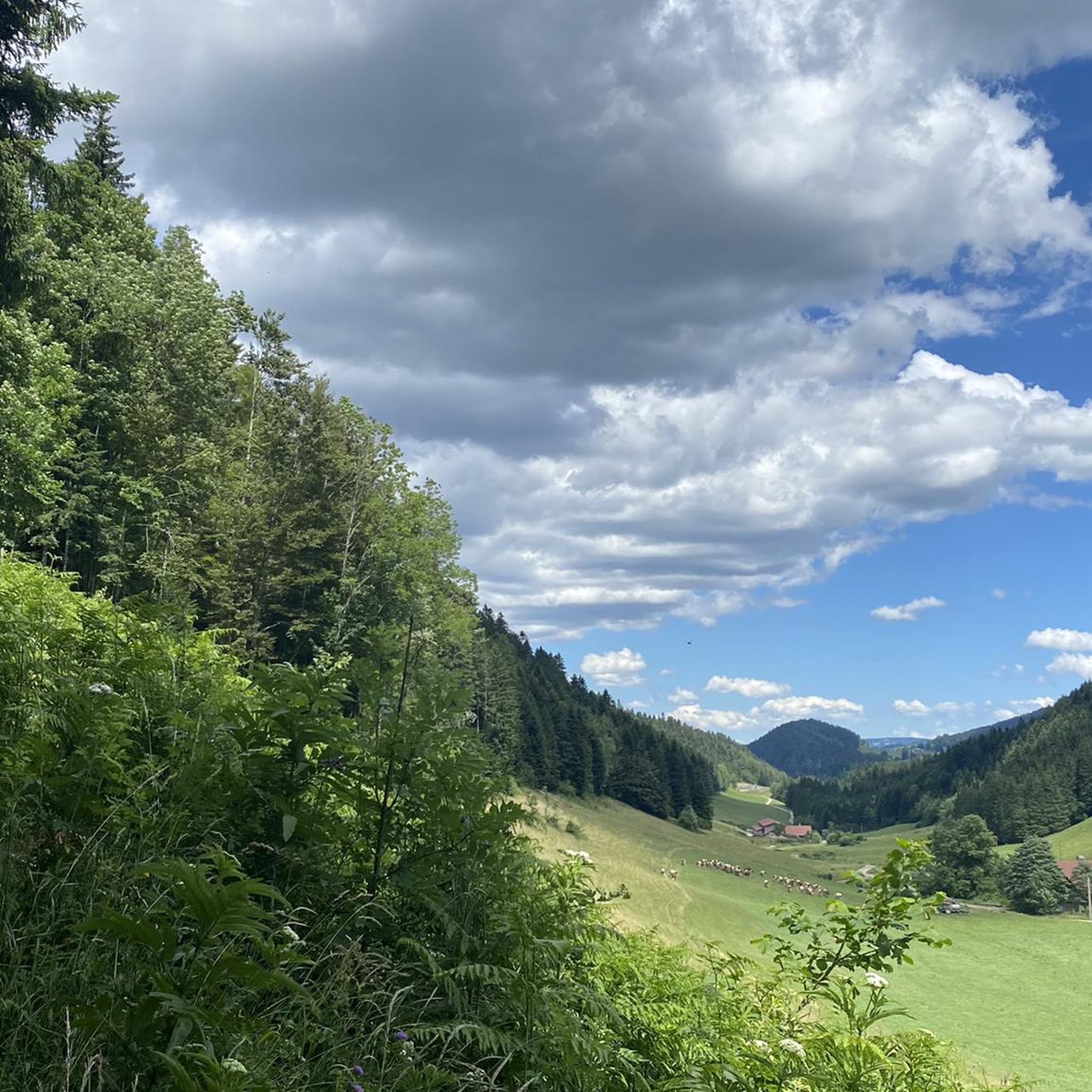
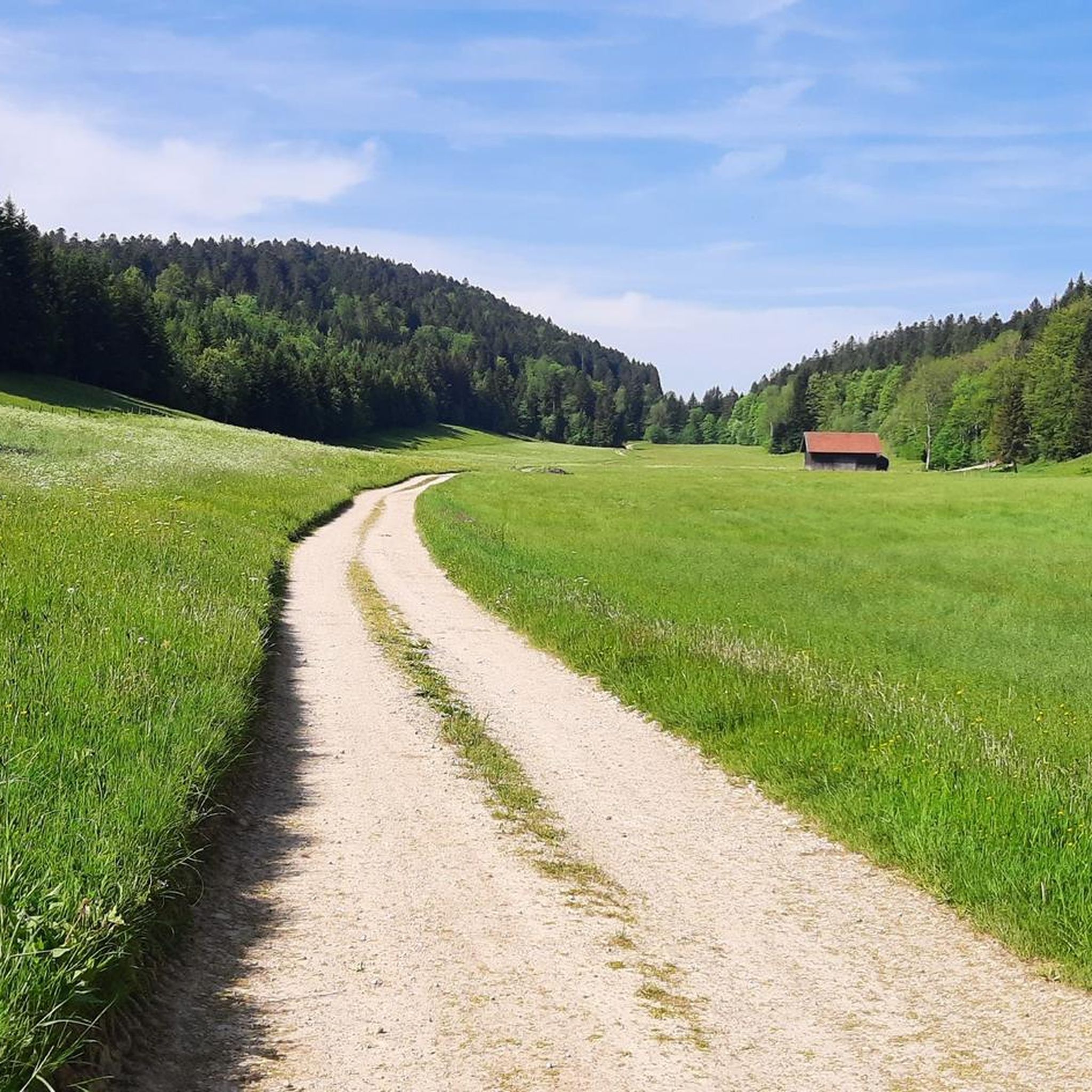
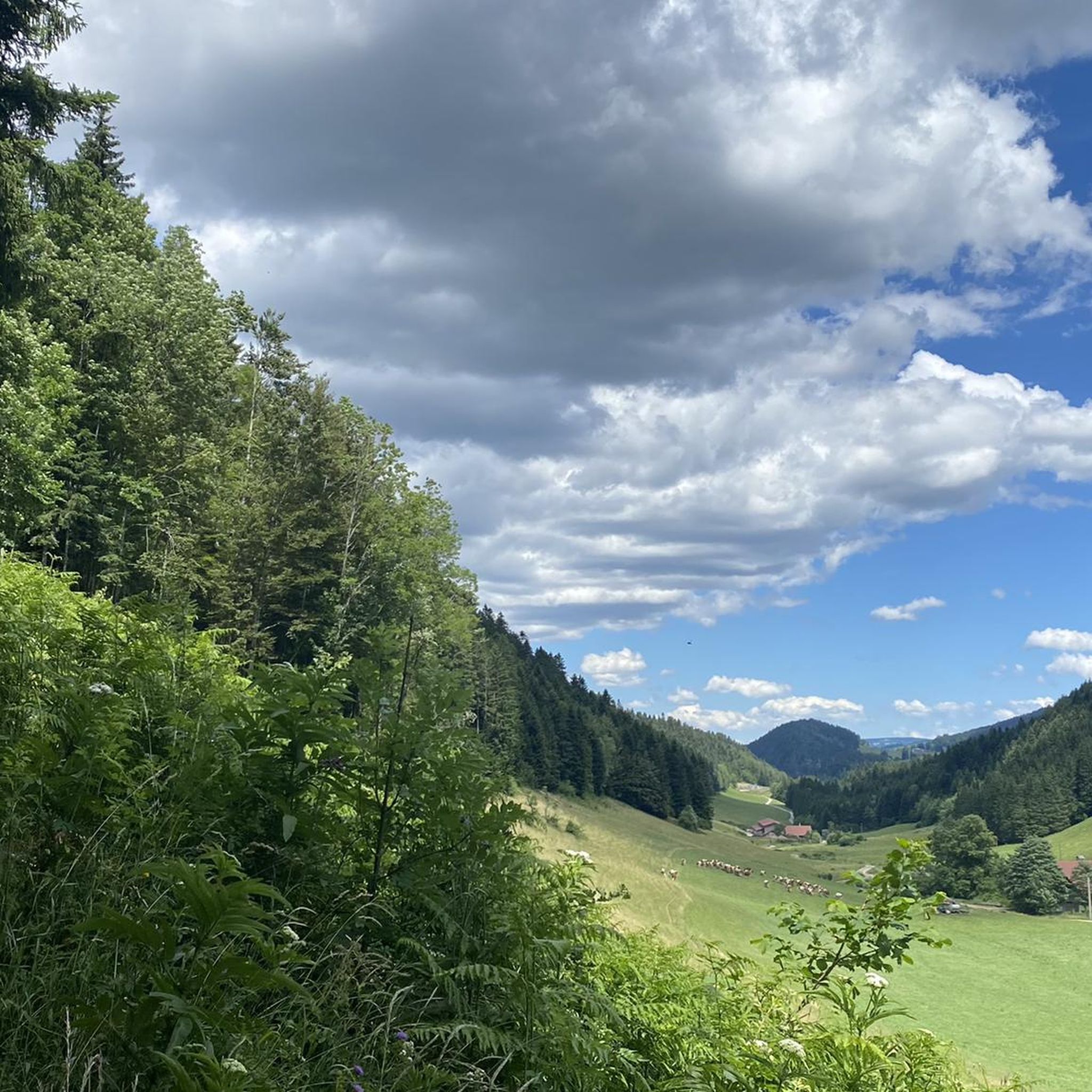
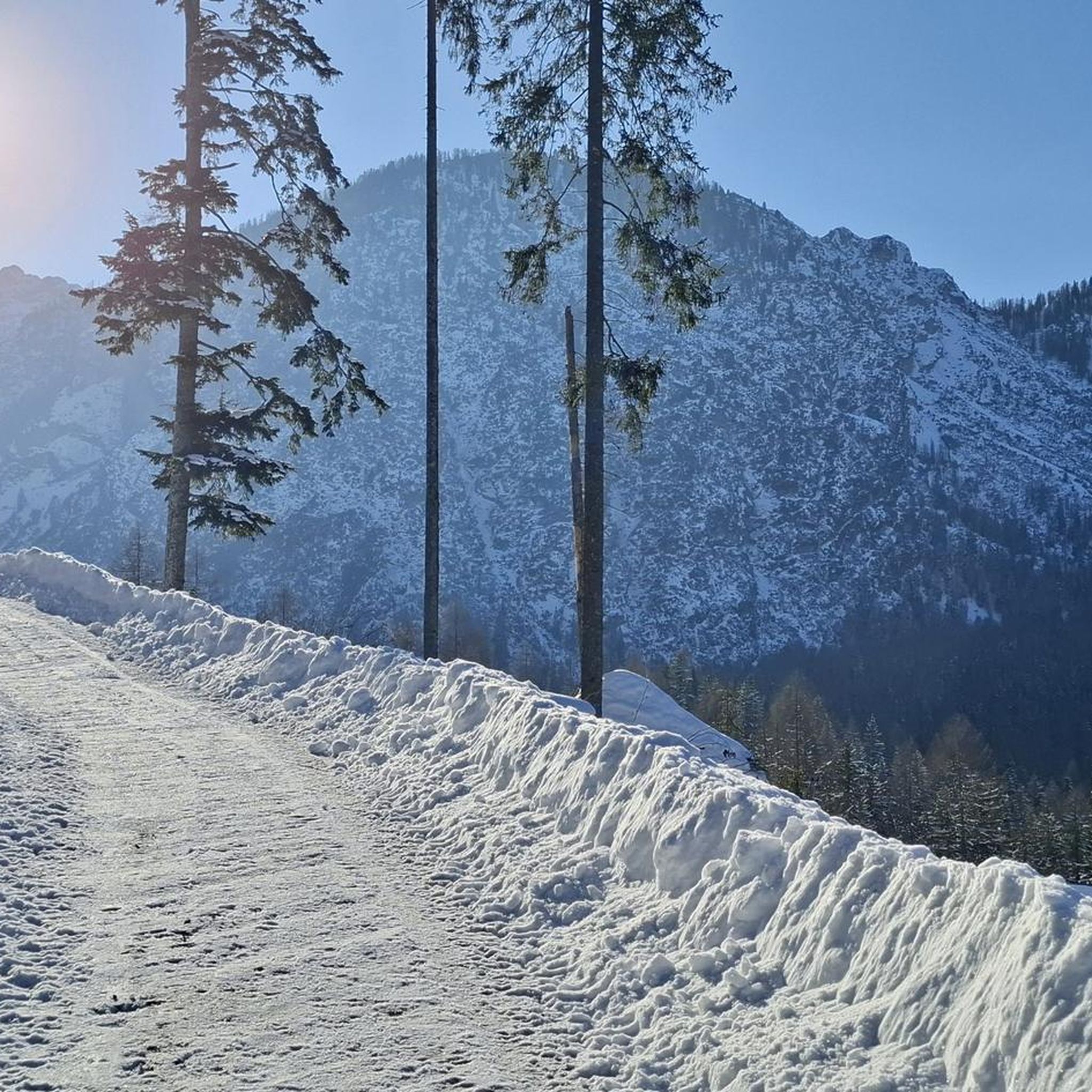


Tips from the Community

The Areuse karst spring is a natural spring which emerges from limestone rocks and forms the Areuse river. You can start your hike from the village of Noiraigue and go up the river to the source, located at the foot of the Clusette cliffs. Along the way, you will enjoy views of gorges, bridges and waterfalls. The Areuse karst source is a good example of underground water circulation in a karst system.
2
0
If you are looking for a great adventure in the Swiss Jura, why not visit the Glacière de Monlési, the largest natural ice cave in Switzerland? You can access it on foot from the Col des Sagnettes, on the road between Fleurier and La Brévine. The cave is a karst sinkhole that contains three shafts, leading to a large ice-filled room. You can explore the icy wonders of this underground world, like stalagmites and ice stalactites. But be careful, it is very dangerous to go over the ladder or walk on the ice without the proper equipment and guidance. The Glacière de Monlési is a protected nature reserve and a unique geological phenomenon.
3
0
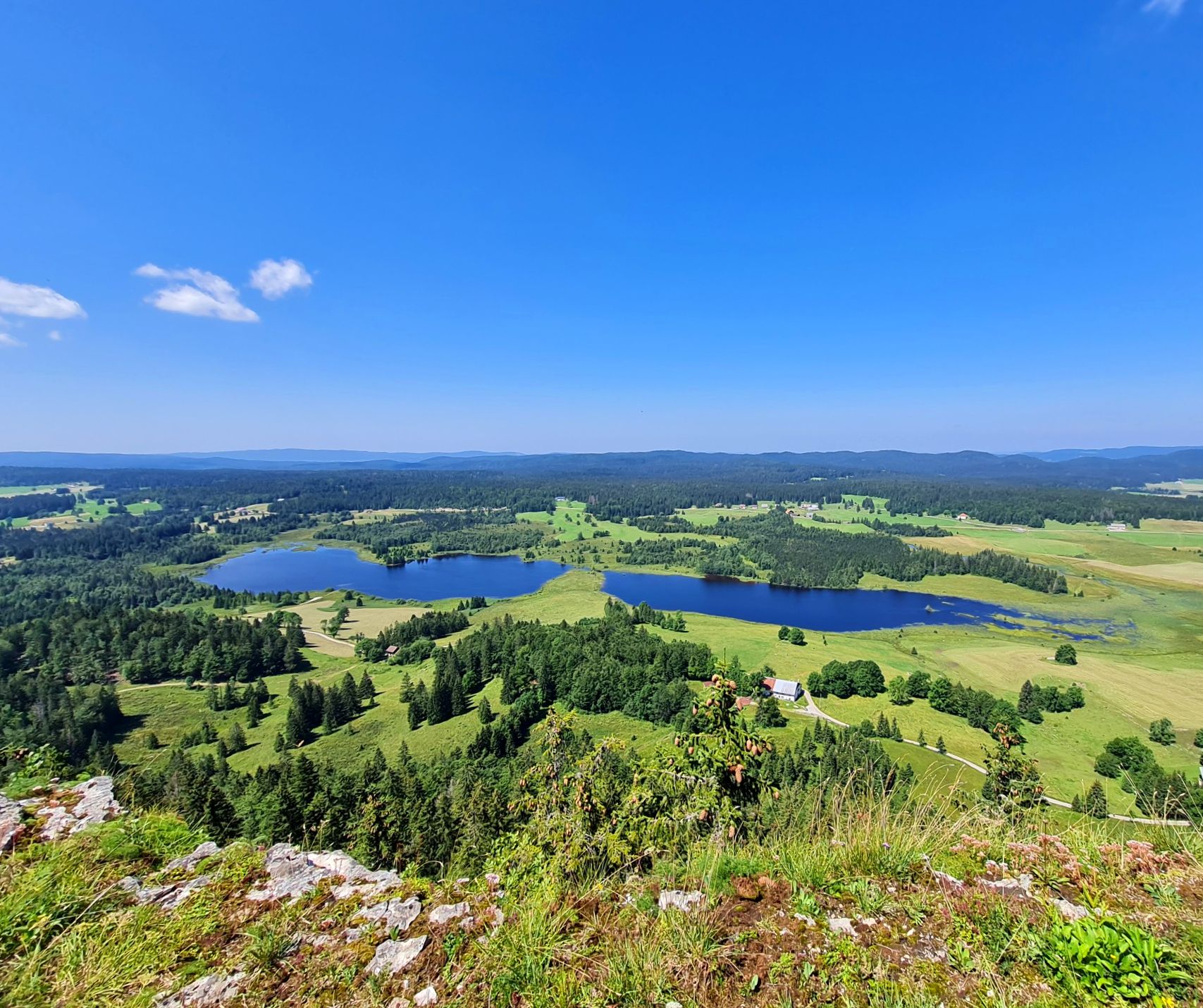
This belvedere offers an exceptional panorama of the Val de Morteau, the Swiss Jura and even the Alps on a clear day. You can access the belvedere by car from Les Fins or Morteau, or follow a 7 km loop trail which starts from Les Beuclets and passes through the Bois des Suchaux and the Bois du Fol. The trail is well marked and mostly shaded, with some open field sections. You can picnic at the lookout, where there are several tables and orientation signs. You can also watch paragliders take off or land from the nearby slope. The Mont Vouillot Belvedere is an ideal place to admire the beauty of nature and breathe fresh air.
3
0

Between November 1st and April 30th the gorge is closed
1
0

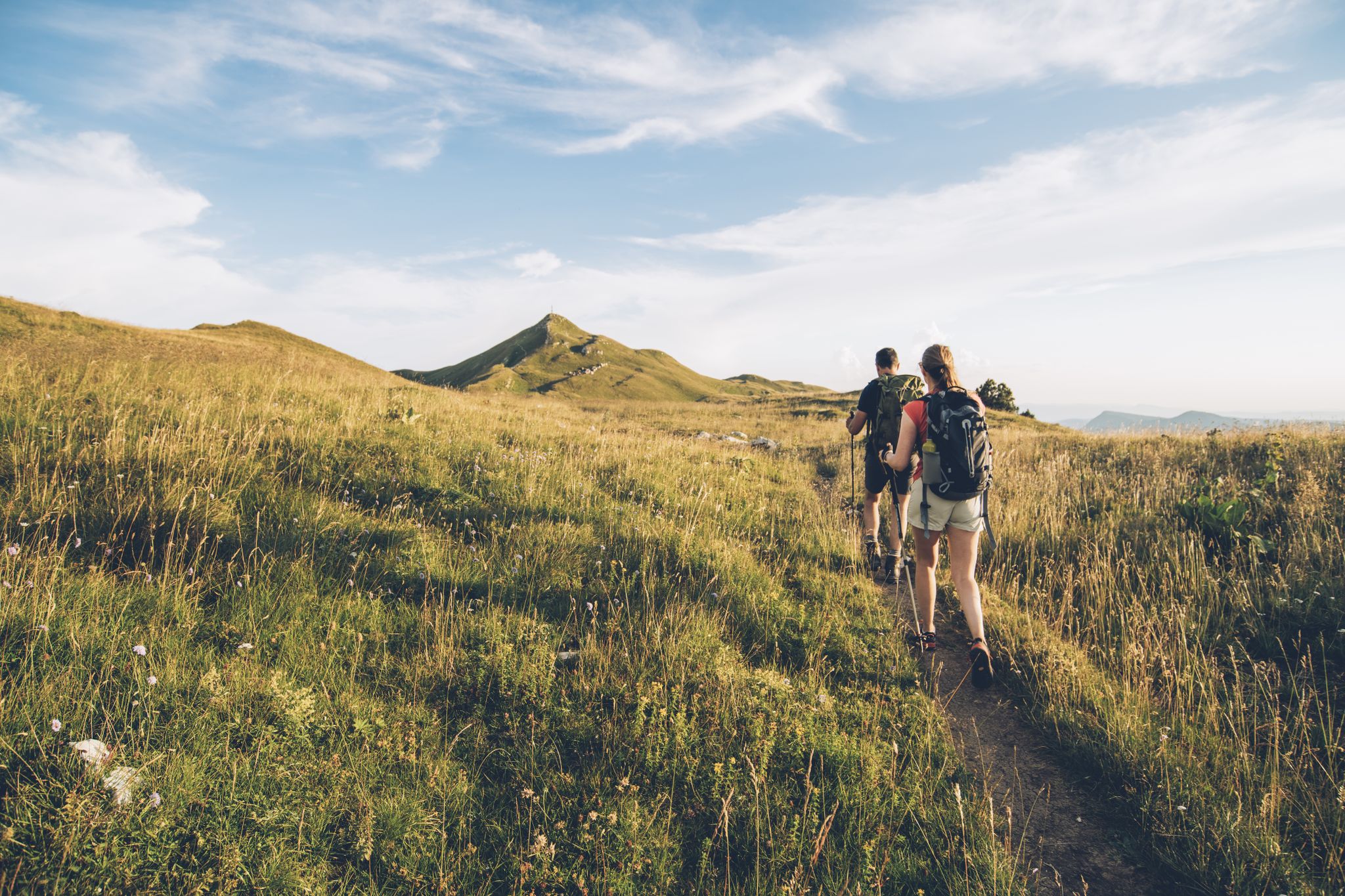
At 1,302 meters above sea level, Mont Châteleu offers a superb panorama of the Jura massif. You access by a beautiful path in the middle of a fir forest which culminates on a fairly clear summit.
2
0

The Areuse rises directly from the mountain, a very beautiful place.
0
0
Very nice place at the karst source of the Orbe. Easy to relax.
0
0

Small but nice gorge. Not difficult and actually quite well secured. You should still exercise caution with small children. You should always be in the field of vision, because stumbling or slipping means risk of falling.
3
0
Frequently Asked Questions
What are some of the most popular natural monuments to visit around Les Gras?
Visitors frequently enjoy the panoramic views from Mont Vouillot Viewpoint, which offers stunning vistas of the Val de Morteau, the Swiss Jura, and even the Alps on clear days. Another highly regarded spot is Mont Châteleu, the highest point in the sector at 1,300 meters, known for its incomparable views and as a paragliding take-off site. The Source of the Areuse, marking the beginning of the Areuse river's journey, is also a beloved natural monument.
Are there family-friendly natural monuments around Les Gras?
Yes, several natural monuments are suitable for families. The Mont Vouillot Viewpoint is categorized as family-friendly and can be accessed by car or a well-marked 7 km loop trail, offering picnic tables and orientation signs. The Saut du Doubs, while not in the provided highlights, is a spectacular waterfall accessible by foot, boat, or horse-drawn carriage, making it an engaging experience for all ages.
What kind of natural features can I expect to see in the Les Gras region?
The region around Les Gras is rich in diverse natural features. You can explore dramatic waterfalls like the Saut du Doubs and the Chaudières waterfall with its unique 'giant cauldrons'. There are also deep gorges such as the Gorges du Doubs and Défilé d'Entre-Roches, offering impressive riverine scenery. Panoramic mountain viewpoints like Mont Châteleu provide expansive vistas, while geological formations include karst springs like the Karst Spring of the Areuse and the fascinating Glacière de Monlési Ice Cave.
What outdoor activities can I do near these natural monuments?
The area around Les Gras offers a variety of outdoor activities. You can find numerous hiking trails, including routes that take you to the Cascade des Chaudières and Mont Châteleu. There are also running trails, such as loops around Lac des Taillères, and gravel biking routes that explore the wider region. For more details on these activities and specific routes, you can explore the Hiking around Les Gras, Running Trails around Les Gras, and Gravel biking around Les Gras guides.
Are there any caves or unique geological formations to explore?
Yes, the region features notable geological formations. The Glacière de Monlési Ice Cave, the largest natural ice cave in Switzerland, is a protected nature reserve offering a unique underground world of ice formations. Additionally, the Chaudières waterfall is known for its 'giant marmites' or cauldrons, which are distinctive rock formations sculpted by water. The Karst Spring of the Areuse is another excellent example of the region's karst topography and underground water systems.
What is the best time of year to visit the natural monuments around Les Gras?
The natural monuments around Les Gras can be enjoyed year-round, with each season offering a unique perspective. Spring brings powerful flows to waterfalls like the Saut du Doubs from snowmelt. Autumn is particularly vibrant with rich colors in the surrounding forests. Summer is ideal for hiking and outdoor activities, while winter offers a serene, often snowy, landscape, especially for sites like the Glacière de Monlési Ice Cave which provides a refreshing experience in midsummer.
Are there opportunities for wildlife spotting near the natural monuments?
Yes, the Doubs Nature Park, which encompasses many of these natural monuments, is renowned for its rich wildlife. Visitors have opportunities to spot beavers, otters, lynxes, and a diverse range of bird species. The department's 'Espaces naturels sensibles (ENS)' areas, including wetlands and forests like Forêt de la Joux, are dedicated to preserving this biodiversity, making them excellent spots for nature observation and birdwatching.
How accessible are the natural monuments around Les Gras?
Accessibility varies by site. For instance, the Mont Vouillot Viewpoint is accessible by car or via a well-marked trail. The Saut du Doubs can be reached on foot, by boat, or even in a horse-drawn carriage, offering different levels of ease. Many sites within the Doubs department's 'Espaces naturels sensibles' feature marked trails and interpretive panels, making them generally accessible for exploration, though some, like the Glacière de Monlési Ice Cave, may require proper equipment and guidance due to challenging terrain.
What are the terrain conditions like for hiking to these natural monuments?
The terrain around Les Gras varies. Trails leading to viewpoints like Mont Vouillot Viewpoint are often well-marked and mostly shaded, with some open field sections. Mountain summits like Mont Châteleu involve climbs and are part of longer routes like the GR5 and GTJ. For sites like the Glacière de Monlési Ice Cave, the terrain can be challenging, involving karst sinkholes and potentially icy conditions, requiring caution and appropriate gear.
Are there any specific natural monuments known for their historical significance?
While the natural monuments around Les Gras are primarily celebrated for their geological and ecological value, some have historical context. The Saut du Doubs, for example, was formed over 14,000 years ago by a major geological upheaval and landslide, making it a site of significant natural history. The deep canyons of the Gorges du Doubs also tell a story of millennia of river erosion, shaping the landscape over vast periods.
What do visitors enjoy most about the natural monuments in this region?
Visitors consistently praise the breathtaking panoramic views from sites like Mont Vouillot Viewpoint and Mont Châteleu. The unique geological formations, such as the 'giant marmites' at Chaudières waterfall and the icy wonders of the Glacière de Monlési Ice Cave, are also highly appreciated. Many enjoy the tranquility and the opportunity to connect with nature, whether through hiking, picnicking, or simply admiring the powerful flow of rivers and waterfalls like the Saut du Doubs.
Most popular routes around Les Gras
Most popular attractions around Les Gras

Get inspired with the komoot mobile app


Explore more
Extend your search for the best caves by checking out these guides of the top ones around Les Gras:
