Top 17 Natural Monuments around Pluneret
Best natural monuments around Pluneret are found within this coastal commune in Brittany, France, which is part of the Regional Natural Park of the Gulf of Morbihan. The area is characterized by its waterways, including the Auray River and the Sal River, both flowing into the Gulf. This geographical setting contributes to a diverse range of natural sites. Pluneret offers a blend of coastal ecosystems, historical megalithic sites, and protected natural areas.
Best natural monuments around Pluneret
- The most popular…
Last updated: October 6, 2026
Kermario Stone Alignments
Highlight • Historical Site
Translated by Google •
Tip by

Dolmen des Pierres Plates
Highlight • Historical Site
Translated by Google •
Tip by
Sign up now to discover places like this
Get recommendations on the best single tracks, peaks, & plenty of other exciting outdoor places.
Géant du Manio Menhir
Highlight • Monument
Translated by Google •
Tip by

Bilgroix Point
Highlight • Viewpoint
Translated by Google •
Tip by

Vincin Riverbanks
Highlight (Segment) • River
Translated by Google •
Tip by

Sign up for free to discover even more natural monuments around Pluneret.
Already have an account?
Start today with a free account
Your next adventure awaits.
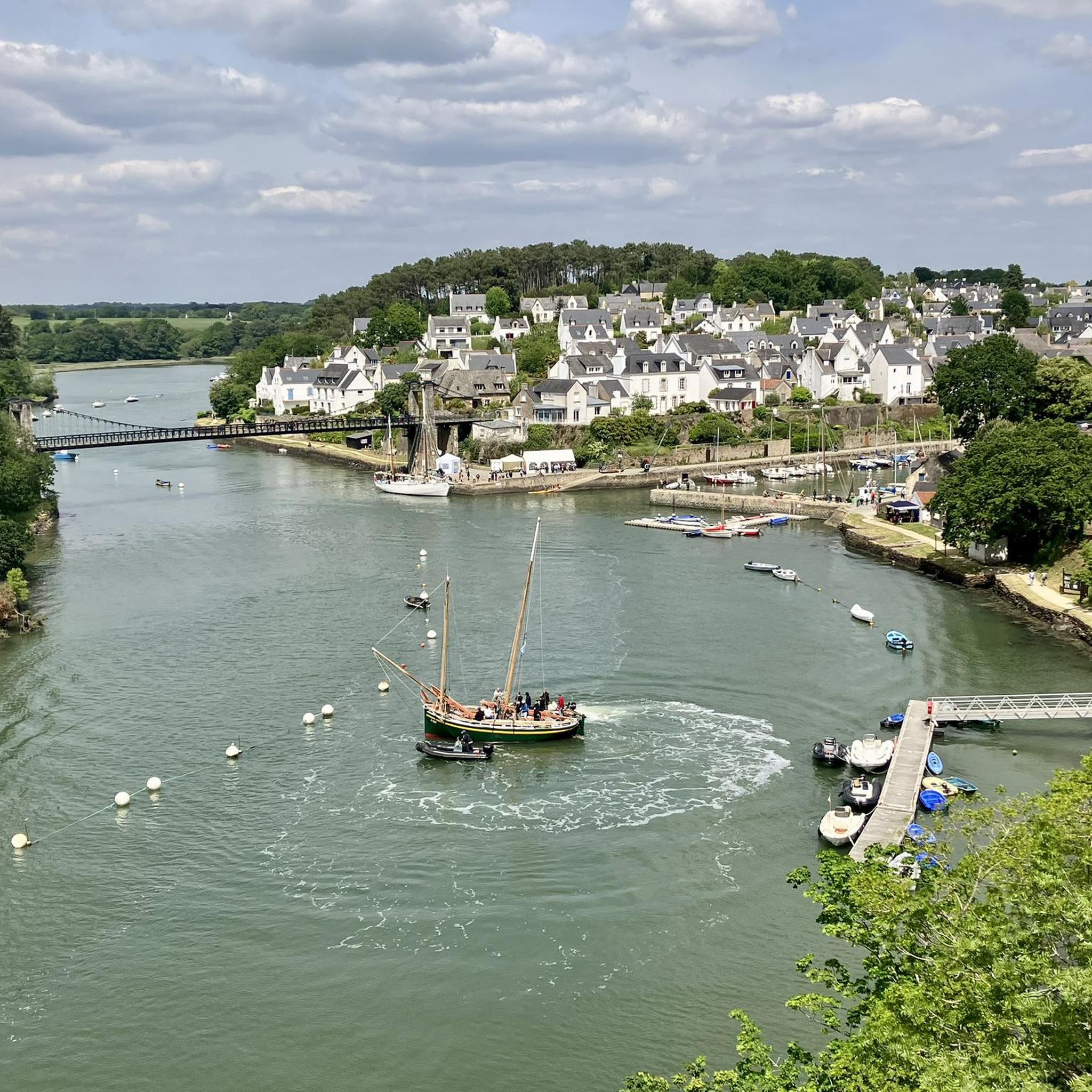
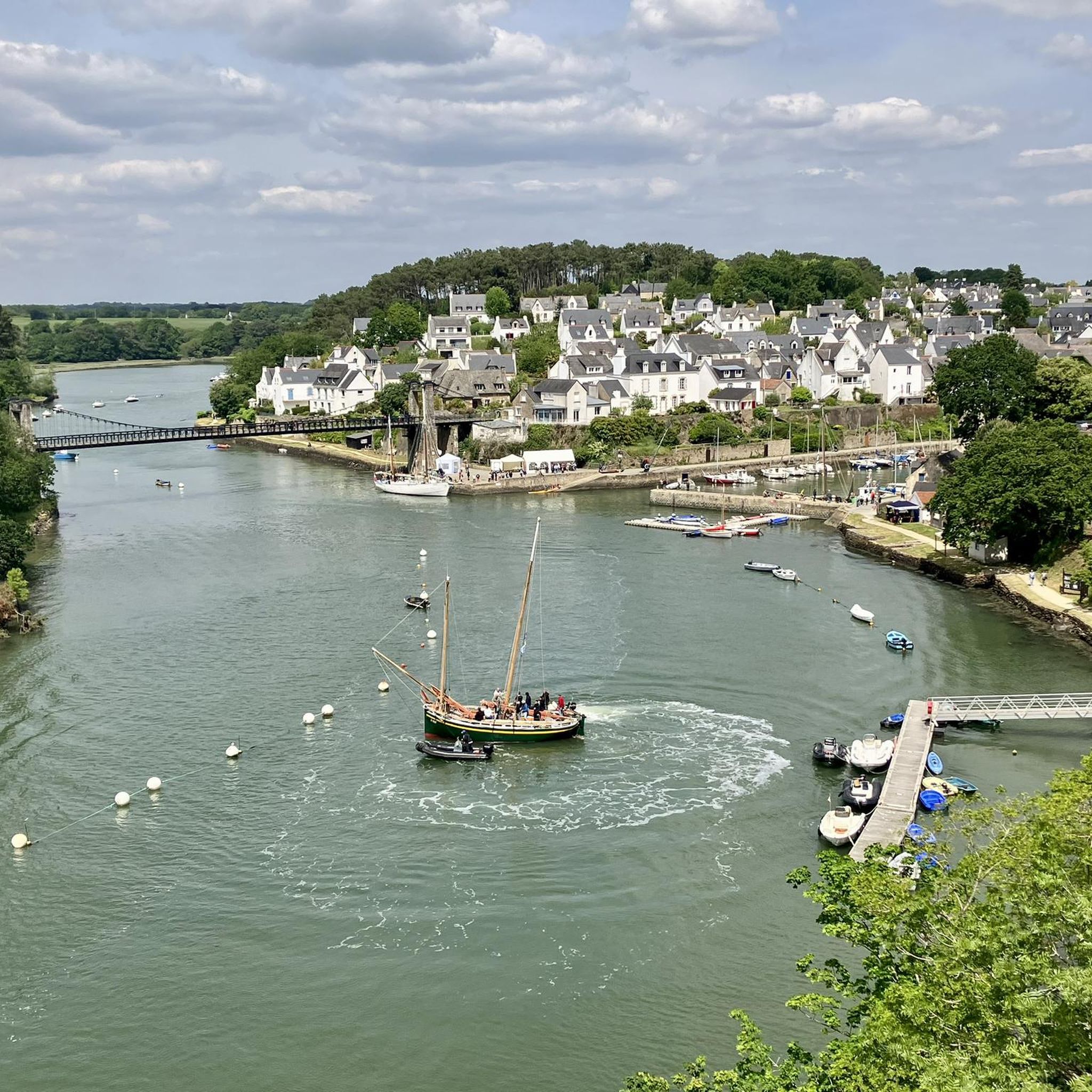
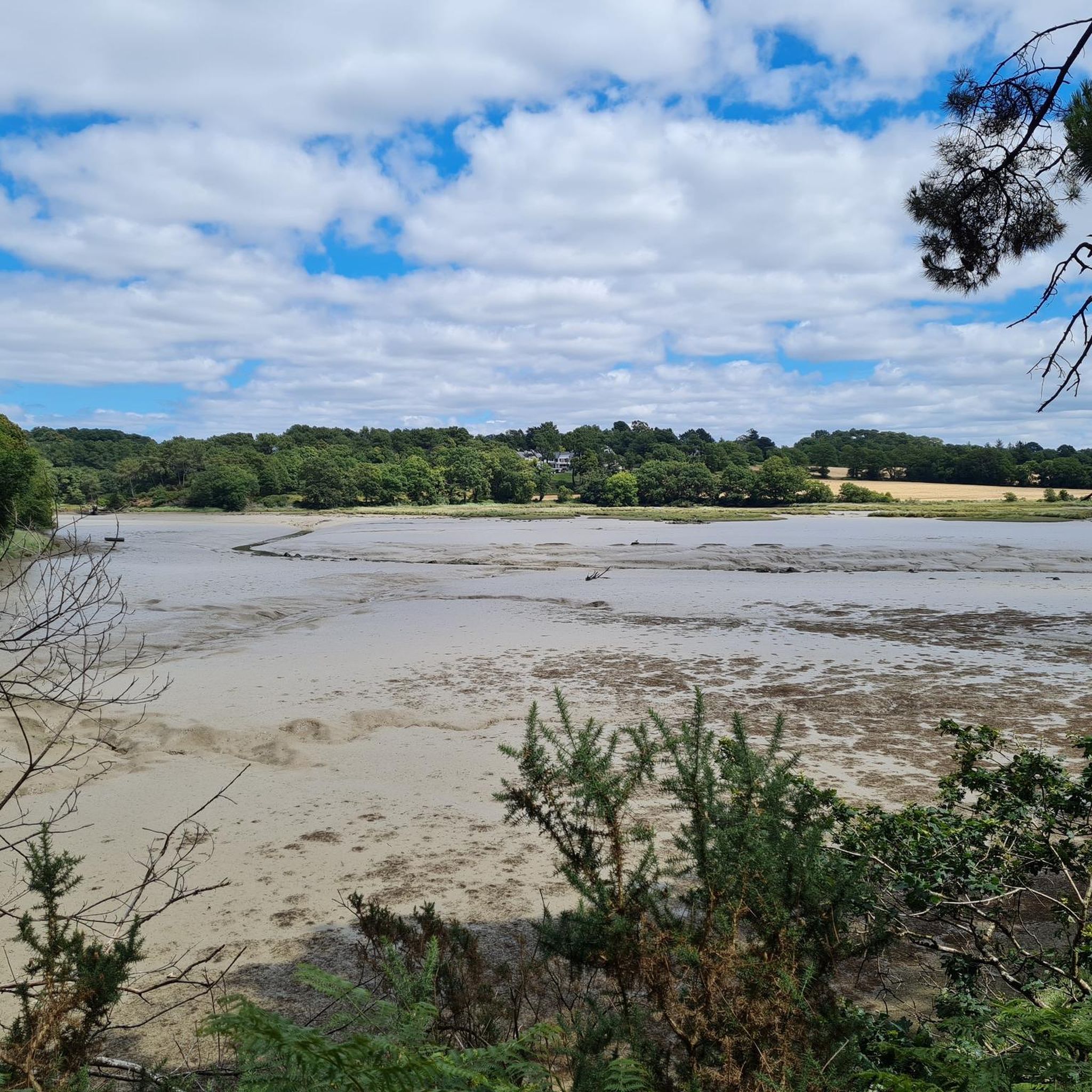
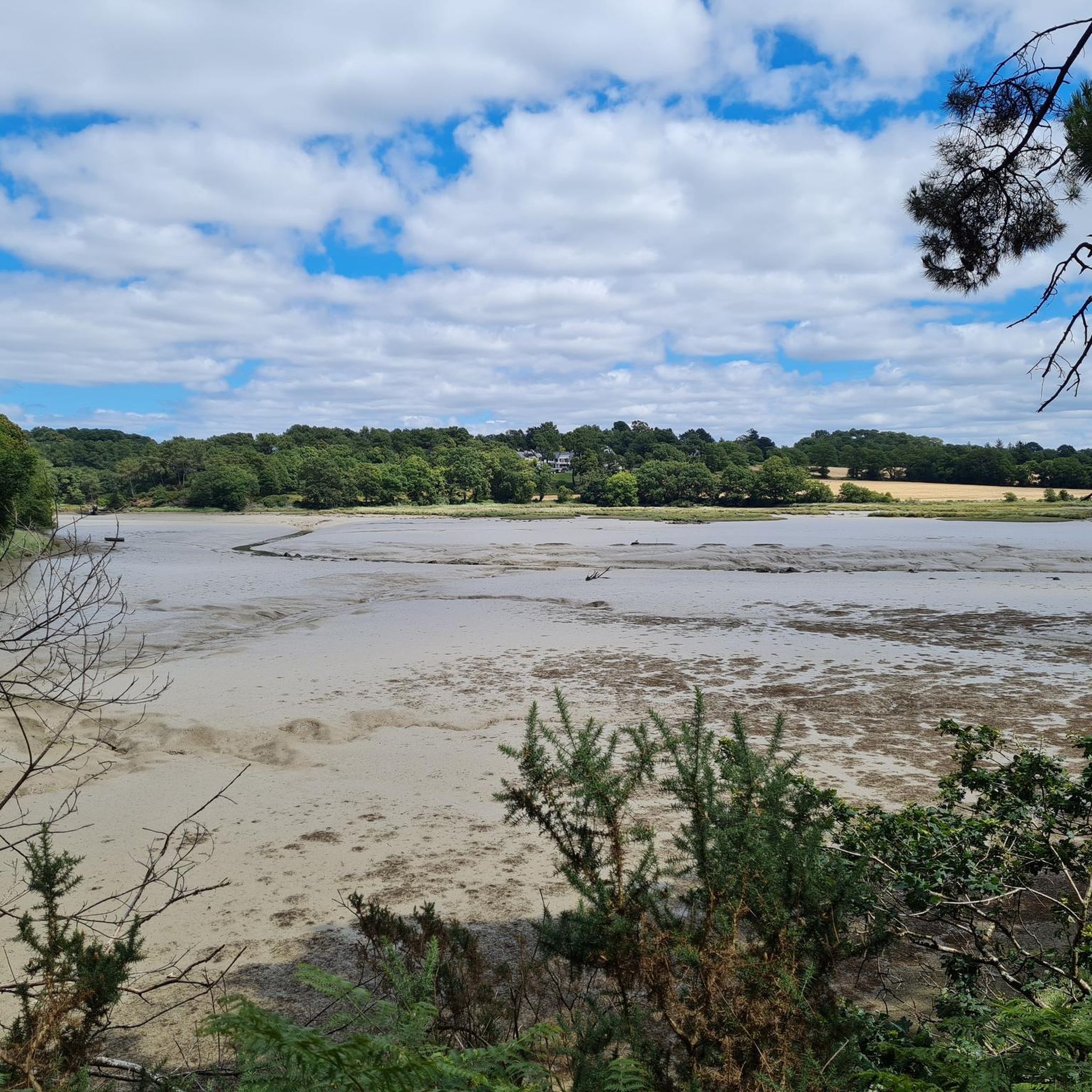

Tips from the Community

A site full of history, with a magnificent view of the bay of Quiberon. Be sure to respect the regulations of the place!
0
0

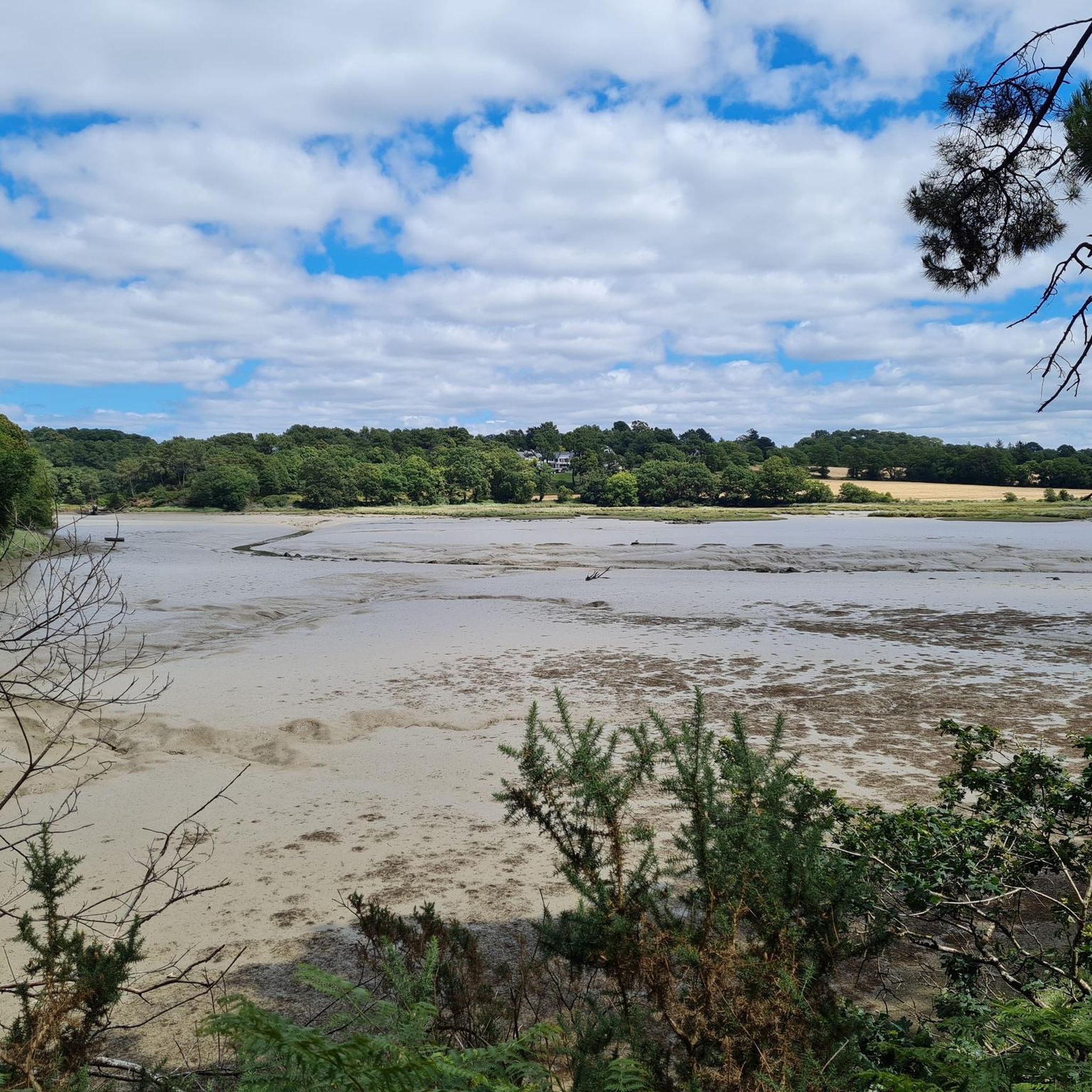
Cycle the Rives du Vincin trail, which winds through a protected natural site teeming with biodiversity. This leisurely route follows the Vincin River and takes you through lush woodlands and wetlands that are home to a variety of native bird and plant species. The area is a designated nature reserve, ensuring that its rich ecosystem is preserved. The trail is largely flat, making it ideal for a relaxed stroll, with panoramic views inviting you to pause and appreciate the serenity of the place.
1
0

Interesting dolmen right by the sea.
1
0


The Alignement de Kermario may not have the most megaliths, but it does have the largest and most impressive ones. All megalithic fields are fenced off, but a beautifully laid out and well-signposted circular path opens up and connects the megalithic fields and allows you to see the stone witnesses of history from the path. Don't forget that it doesn't cost a cent to walk the paths.
2
1

Beautiful views of the islands of the Gulf of Morbihan.
2
0

These are the Alignments (rows of stones) de Kermario.
1
0
The Carnac megalithic fields consist of 2792 menhirs. When visiting, one should first visit the documentation center (Maison des Megalithes). There you will find an overview map. The rows of stones can be divided into several groups: Alignments de Menec, Alignments de Kermario, Alignments de Manio and Alignments de Kerlescan.
1
0
Frequently Asked Questions
What unique natural features can I explore in Pluneret?
Pluneret is rich in diverse natural features. You can explore the Sal Estuary, which forms the eastern boundary of the commune and features saline lands, mudflats, and bocage landscapes. Another significant site is the Lande du Tenno, a 25-hectare 'Sensitive Natural Area' with coastal wet heaths, meadows, and woodlands, supporting rare plant species. Additionally, the region boasts extensive wet meadows, particularly in areas like Rohu marshes, Lanriac, and Kervenduc, which are vital for various bird species.
Are there historical natural monuments to visit in Pluneret?
Yes, Pluneret and its surroundings are home to several significant historical natural monuments. You can visit the Kermario Stone Alignments, a vast field of ancient megalithic stones. Another notable site is the Dolmen des Pierres Plates, an ancient dolmen near the sea with a menhir at its entrance and carved drawings inside, dating back to 3500-3000 BC. Don't miss the Géant du Manio Menhir, one of the largest standing stones in the Carnac alignments, standing at approximately 6.5 meters high.
What outdoor activities can I do near Pluneret's natural monuments?
The area around Pluneret offers a variety of outdoor activities. For cycling enthusiasts, there are numerous routes, including those featured in the Cycling around Pluneret guide, with options like the 'Old Suspension Bridge of Bono' loop. Mountain biking is also popular, with trails such as those found in the MTB Trails around Pluneret guide. If you prefer running, explore routes like the 'View of the Rivière du Bono' loop from Le Bono, detailed in the Running Trails around Pluneret guide. Many of these routes pass by or near the natural monuments, offering scenic views.
Are there family-friendly natural monuments in the Pluneret area?
Yes, several natural monuments in the Pluneret area are suitable for families. The Kermario Stone Alignments, Dolmen des Pierres Plates, and Géant du Manio Menhir are all categorized as family-friendly historical sites, offering an engaging way to learn about ancient history. Additionally, natural viewpoints like Bilgroix Point provide beautiful scenery that can be enjoyed by all ages.
What is the best time of year to visit Pluneret's natural monuments?
The best time to visit Pluneret's natural monuments is generally during the spring (April-June) and autumn (September-October) months. During these periods, the weather is typically mild and pleasant for exploring coastal paths, heaths, and historical sites. Spring offers blooming flora, while autumn provides beautiful colors. Summer can also be enjoyable, but it tends to be busier with tourists. Winter walks are possible, especially along coastal areas, but be prepared for cooler temperatures and potentially wet conditions.
Can I go birdwatching near Pluneret's natural monuments?
Absolutely. The natural environments around Pluneret are excellent for birdwatching. The Sal Estuary, with its mudflats and salt meadows, provides crucial habitats for various bird species. The extensive wet meadows, particularly in areas like Rohu marshes, Lanriac, and Kervenduc, are home to important species such as the Western Marsh Harrier, Sedge Warbler, Savi's Warbler, and Bluethroat. The Lande du Tenno also contributes to this rich biodiversity.
Are there marked trails or paths for exploring the Lande du Tenno?
Yes, the Lande du Tenno, designated as a 'Sensitive Natural Area,' is publicly accessible and features marked trails. These trails are complemented by observation points and educational panels, enhancing the visitor experience. It's an ideal spot for naturalists and hikers interested in coastal wet heaths, wet meadows, and woodlands, and for discovering rare and endangered plant species of the Armorican Massif.
What kind of biodiversity can I expect to see in Pluneret's natural areas?
Pluneret's natural areas, including the Sal Estuary, Lande du Tenno, and various wet meadows, support a rich biodiversity. You can expect to see a variety of bird species, especially in the estuarine and marshland environments. The Lande du Tenno is particularly noted for its rare and threatened plant species, such as dwarf cicendia, marsh gentian, and Portuguese butterwort, which thrive in its unique coastal wet heath and meadow habitats.
Is there public transport access to natural monuments around Pluneret?
While specific public transport routes directly to every natural monument might be limited, Pluneret is a commune within the Morbihan department. It's advisable to check local bus services or regional transport options that might connect to the main towns or villages near the natural sites. For more remote areas like the Lande du Tenno or parts of the Sal Estuary, personal transport or cycling might offer more direct access.
What do visitors enjoy most about the natural monuments in Pluneret?
Visitors particularly enjoy the blend of natural beauty and historical significance. The ancient megalithic sites like the Kermario Stone Alignments and Dolmen des Pierres Plates offer a fascinating glimpse into the past. The scenic coastal views from spots like Bilgroix Point and the tranquility of natural reserves like the Vincin River Nature Reserve are also highly appreciated. The opportunity to observe diverse flora and fauna in areas like the Lande du Tenno adds to the appeal.
Are there any viewpoints offering panoramic scenery of the Gulf of Morbihan?
Yes, Bilgroix Point is an excellent viewpoint where you can observe the strong tidal flow and enjoy beautiful panoramic views of the islands within the Gulf of Morbihan. It's the eastern point of the strait that forms the entrance to the Gulf, making it a strategic spot for impressive vistas.
What is the Bois de Botterf, and can I visit it?
The Bois de Botterf is a forest massif recognized as a 'Sensitive Natural Area' (ENS) and is owned by the Department. Its designation as an ENS indicates its ecological importance and commitment to preservation. While specific visitor details like marked trails are not extensively documented, its status suggests it's an area of natural interest, likely accessible for quiet exploration, though it may not have the same level of developed visitor infrastructure as the Lande du Tenno.
Most popular routes around Pluneret
Most popular attractions around Pluneret

Get inspired with the komoot mobile app


Explore more
Extend your search for the best caves by checking out these guides of the top ones around Pluneret:
