Top 6 Natural Monuments around Quingey
Natural monuments around Quingey showcase a diverse landscape characterized by unique geological formations and rich biodiversity. The area features notable underground cave systems, distinctive rock formations, and scenic viewpoints overlooking river valleys. These natural attractions provide opportunities to explore subterranean wonders, observe varied flora and fauna, and experience the region's natural architecture.
Best natural monuments around Quingey
- The most popular natural monuments is The Holed Rock, a natural monument characterized by its impressive size and natural vault. This rock…
Last updated: July 2, 2026
Osselle Cave
Highlight • Natural Monument
Translated by Google •
Tip by

The Holed Rock
Highlight • Natural Monument
It also has the advantage and the comfort of being placed on …
Translated by Google •
Tip by

Sign up now to discover places like this
Get recommendations on the best single tracks, peaks, & plenty of other exciting outdoor places.
Sign up for free
Gouille Noire Viewpoint
Highlight • Viewpoint
Translated by Google •
Tip by

Chère Cave
Highlight • Cave
The path leads from the meadow above through the wooded slope …
Translated by Google •
Tip by

Karstic Forest Path
Highlight (Segment) • Trail
Translated by Google •
Tip by

Sign up for free to discover even more natural monuments around Quingey.
Sign up for free
Already have an account?
Start today with a free account
Your next adventure awaits.
Login or Signup

Tips from the Community

According to the listing: Pets welcome https://de.montagnes-du-jura.fr/sit/grotte-dosselle
0
0

Does anyone know if you can go in there with a dog?
0
0

If you want to venture underground, you've come to the right place. A 1200 meter long cave discovered in the 13th century, it has been visited since 1504, making it one of the two oldest tourist caves in the world. Its underground river, its dry gallery and its incredibly colorful geological formations will not leave you indifferent. Neither is the fact that the first cave bear skeleton was discovered there.
0
0

The stalactite cave is about 20 km from Besançon and belongs geographically to the foothills of the Jura Mountains. Definitely worth a visit. Stalagmites and stalactites can be admired in approx. 8 different halls. There is also an underground stream. This cave seems to be one of the lesser known. It was not necessary to pre-order tickets.
1
0

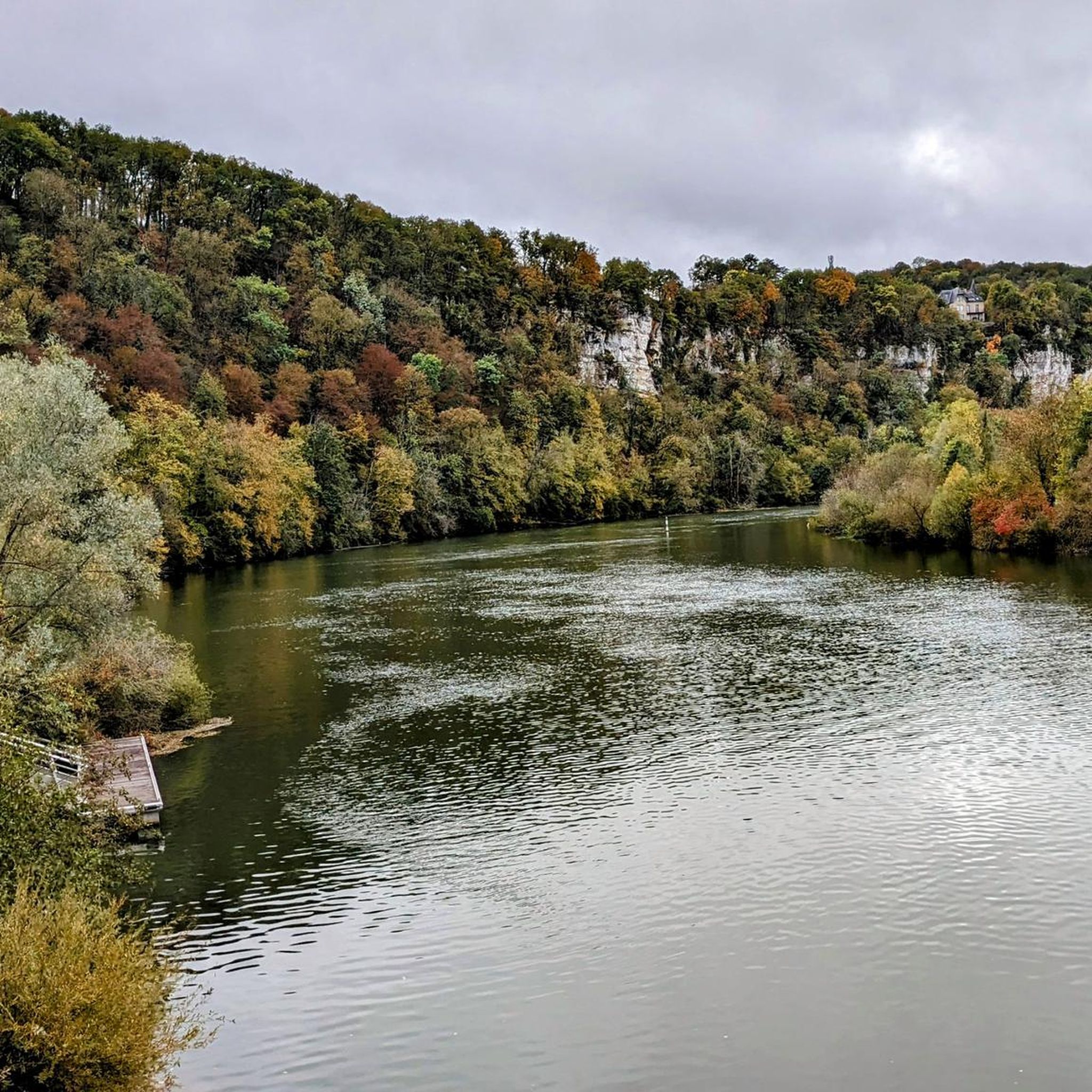
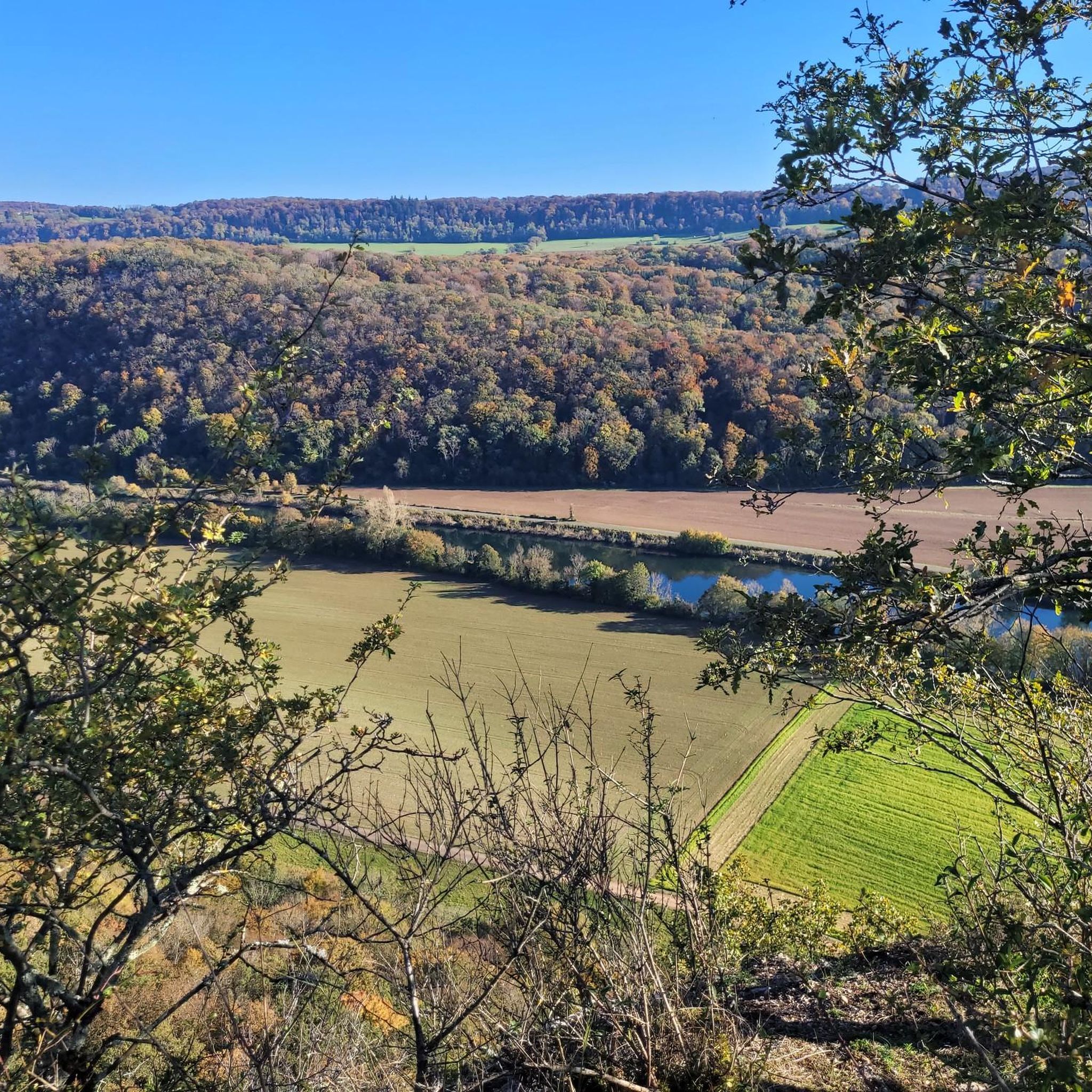
The belvedere of the black gouille overlooks the Canyon of Amondans whose top of the cliffs can be seen. It takes its name from the very deep hole (with black water) dug by the great waterfall of the Canyon d'Amondans where the Malans stream flows, which I throw into the Loue that you can see on the left.
0
0

This path winds between sinkholes and lapiaz. Quite well rolling and without much difficulty. A beautiful illustration of the particularities of the karstic reliefs, right in the middle of a forest populated by beautiful trees.
0
0
One of the most beautiful caves in Europe. Admission adults: 9 euros (as of 2022). 1.2 km length, same way back. Constant temperature 13 degrees. Can only be visited with a guided tour (Multilingual) Open: Every day from 10:00-12:00 and 14:00-17:00.
11
0

Lovers of unobstructed views, exploration and rock formations, this little detour through the Roche Trouée will delight you. It also has the advantage and the comfort of being placed on the path and therefore avoids you having to go blind, in the middle of the woods, in an environment bordered by cliffs. Come and test your voice and the echo of the vault. With its height of over 4m and reach of almost 10m, you should have a bit of responsiveness.
0
0
Frequently Asked Questions
What unique geological features can I explore around Quingey?
The region around Quingey is rich in unique geological formations. You can explore impressive underground cave systems like Osselle Cave, which features colorful geological formations and an underground river. There are also distinctive rock formations such as The Holed Rock, a natural arch, and karstic landscapes with sinkholes and lapiaz, visible along the Karstic Forest Path.
Are there any caves to visit near Quingey?
Yes, Quingey is known for its caves. The most prominent is Osselle Cave, one of the oldest tourist caves in the world, offering guided tours through its 1.2 km length. Another notable site is Chère Cave, which provides access to a viewpoint and a rock gate after some easy scrambling.
Where can I find panoramic views of the landscape around Quingey?
For panoramic views, visit the Gouille Noire Viewpoint, which offers stunning vistas of the Loue river, the Malans creek, and the Canyon of Amondans. Another excellent spot is the viewpoint accessible via Chère Cave, providing views of the Doubs valley.
What kind of biodiversity can I expect to see in the natural monuments?
The Pelouse de la Côte de Moini, a 'Sensitive Natural Area' near Quingey, is renowned for its rich biodiversity. This dry grassland on a wooded hillside bordering the Loue river is home to remarkable flora and fauna, including beautiful orchids like the burnt orchid (Orchis brûlé). The area's management involves grazing by Central Massif goats to maintain these unique grasslands.
Are there hiking opportunities near the natural monuments?
Absolutely. The Pelouse de la Côte de Moini offers three hiking loops starting from the goat farm parking lot on RD 13, allowing you to discover the characteristic fauna and flora of calcareous grasslands. Additionally, you can find numerous hiking trails in the wider area. For more options, explore the Hiking around Quingey guide, which includes routes like the 'Hiking loop from Quingey' and 'Le Signal loop from Quingey'.
Can I go cycling or mountain biking near these natural sites?
Yes, the Quingey region provides excellent opportunities for cycling and mountain biking. You can find various routes that pass by or are close to natural monuments. Check out the Cycling around Quingey guide for touring bicycle routes, and the MTB Trails around Quingey guide for mountain biking adventures, including routes like 'Quingey Bridge loop from Quingey'.
Are the natural monuments around Quingey suitable for families?
Many natural monuments offer family-friendly experiences. Osselle Cave, with its guided tours and constant 13-degree Celsius temperature, can be an educational and comfortable visit for families. The Holed Rock is easily accessible along a path and offers a fun echo experience that children might enjoy.
Are dogs allowed at the natural monuments?
Some natural monuments are dog-friendly. For instance, Osselle Cave is listed as dog-friendly, though it's always advisable to check specific rules for guided tours or indoor sections. Outdoor sites like The Holed Rock and the hiking trails at Pelouse de la Côte de Moini are generally suitable for dogs on a leash, but confirm local regulations before your visit.
What is the best time of year to visit the natural monuments around Quingey?
The best time to visit depends on the specific monument and your preferred activities. For outdoor sites like viewpoints and hiking trails, spring and autumn offer pleasant temperatures and vibrant scenery. Caves like Osselle Cave maintain a constant 13 degrees Celsius, making them a good option year-round, offering a cool escape in summer and a warmer retreat in winter.
How long does it typically take to visit a natural monument like Osselle Cave?
A visit to Osselle Cave, which can only be explored via guided tours, typically takes a couple of hours. The cave system is 1.2 km long, and the tours provide comprehensive insights into its geological formations and history. For outdoor sites like The Holed Rock, a quick detour might take 30 minutes, while exploring hiking loops at Pelouse de la Côte de Moini could take several hours.
Are there any natural rock formations worth seeing?
Definitely. The Holed Rock is a distinctive natural rock arch, over 4 meters high and nearly 10 meters in reach, offering unobstructed views and a unique acoustic echo. Near Chère Cave, you can also find a natural rock gate, accessible after some easy scrambling.
What do visitors particularly enjoy about the natural monuments in Quingey?
Visitors frequently enjoy the impressive geological formations, such as the stalactites and stalagmites in Osselle Cave, and the unique natural architecture of The Holed Rock. The panoramic views from spots like Gouille Noire Viewpoint are also highly appreciated, as are the opportunities for exploration and experiencing the region's rich biodiversity on trails.
Most popular routes around Quingey
Most popular attractions around Quingey

Get inspired with the komoot mobile app


Explore more
Extend your search for the best caves by checking out these guides of the top ones around Quingey:
