Top 7 Natural Monuments around Cours
Natural monuments around Cours are situated within the Lot department, part of the Occitanie region of France. This area is characterized by significant geological formations, including river-carved gorges and dramatic cliffs along the Lot River. The landscape offers diverse natural features and elevated viewpoints. The region integrates historical sites into its natural environment, providing opportunities to explore unique natural and cultural landmarks.
Best natural monuments around Cours
- The most popular natural monuments is Cliffs Along the Lot River, a…
Last updated: July 2, 2026
The English Castle of Bouziès
Highlight • Castle
Translated by Google •
Tip by

Cliffs Along the Lot River
Highlight • Gorge
Translated by Google •
Tip by

Sign up now to discover places like this
Get recommendations on the best single tracks, peaks, & plenty of other exciting outdoor places.
Sign up for free
The Chartreux Fountain
Highlight • Natural Monument
Translated by Google •
Tip by

Under the cliff…
Highlight • Trail
Translated by Google •
Tip by

View of the Lot
Highlight • River
Translated by Google •
Tip by
Sign up for free to discover even more natural monuments around Cours.
Sign up for free
Already have an account?
Start today with a free account
Your next adventure awaits.
Login or Signup

Tips from the Community

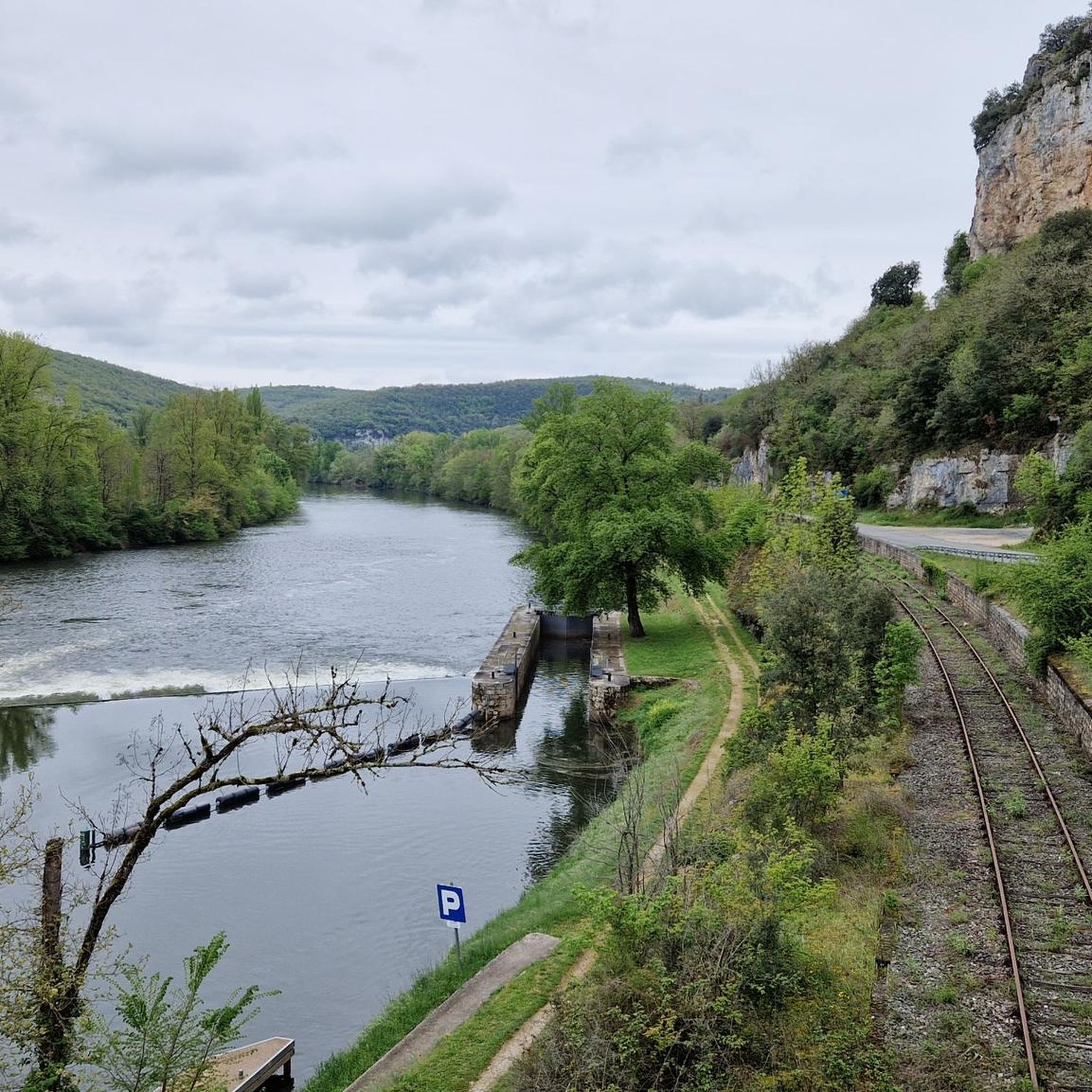
In addition to everything that's been said, the road runs alongside magnificent cliffs, and you even pass under the rock several times – it's amazing!!
0
0

The path under the cliff is perhaps 500 meters long, and the surface isn't particularly bike-friendly. You also have to share the path with hikers. It's still a really beautiful path, though; the official bike path goes over the cliff, so you can save yourself some elevation gain.
0
0

One of the most popular photo motifs in the Lot Valley. It's incredible how this structure was built into the rock and is accessible!
3
0

Beautiful to do, it's worth a look
1
1

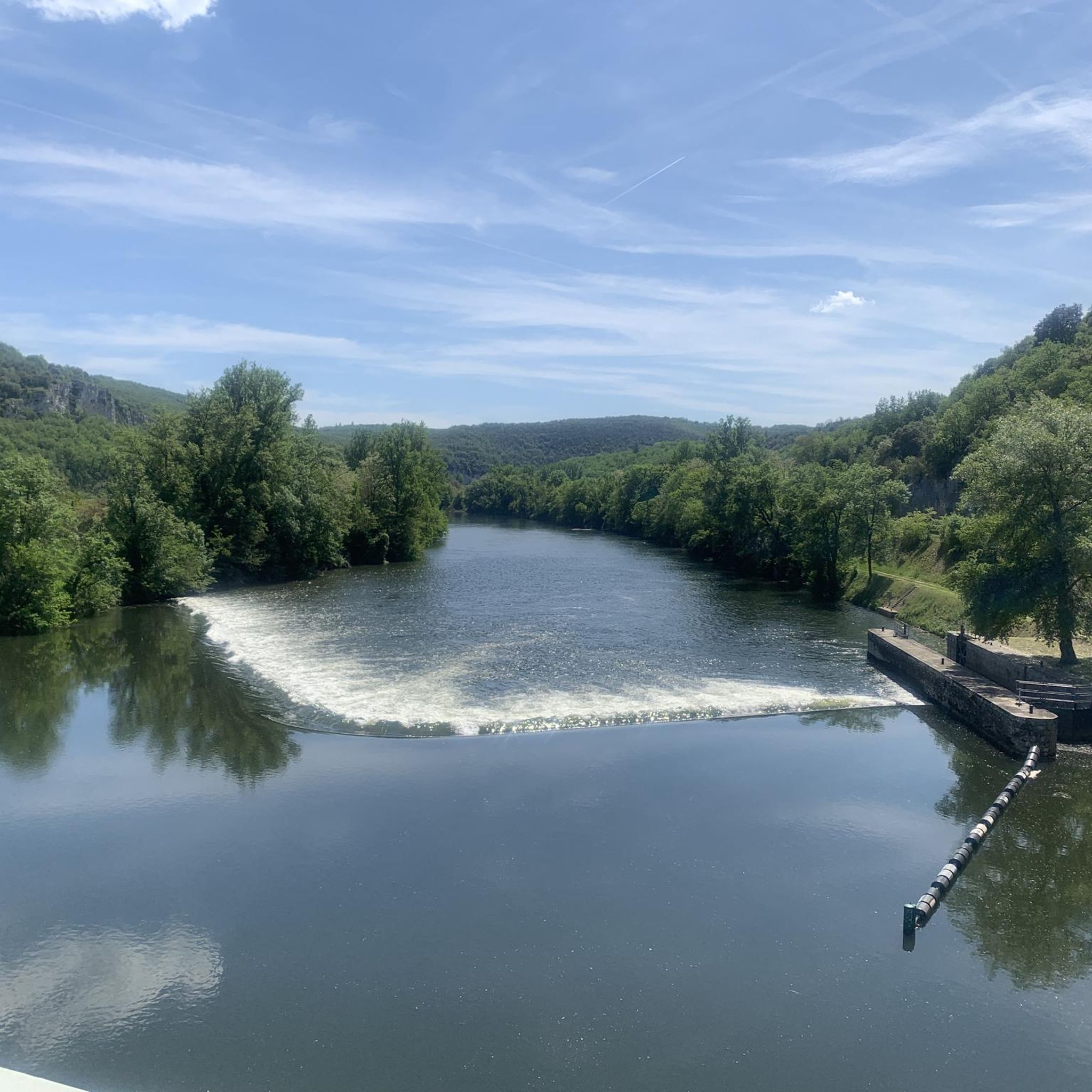
beautiful ride along the Lot river
1
0

From the 1st century BC to the 1st century AD, the Fontaine des Chartreux was a center of worship of Divona, goddess of the waters in the Celtic tradition, as evidenced by the Roman coins found during archaeological explorations in 1989. In the Middle Ages, a mill used the waters of the spring: the spring was ceded to the Charterhouse of Cahors and was known thereafter by the name of this religious order. In the 19th century, some of the stones lining the pool were replaced by tombstones from the church of Notre Dame de la Daurade, destroyed in 1808. Since 1853, when the Cabazat pumping station (now Maison de l'Eau) was put into operation, this Vauclusian spring, whose depth of 137 meters acts as a real filtering system, supplies the town with drinking water. From 1926, electric pumps were installed in this building, right next to the Fontaine des Chartreux, and this is still the pumping station today. The water is pumped into reservoirs hollowed out of the cliffs and then through pipes laid under the
0
0

Superb passage - A little damp if the Lot is large ;0)
1
0

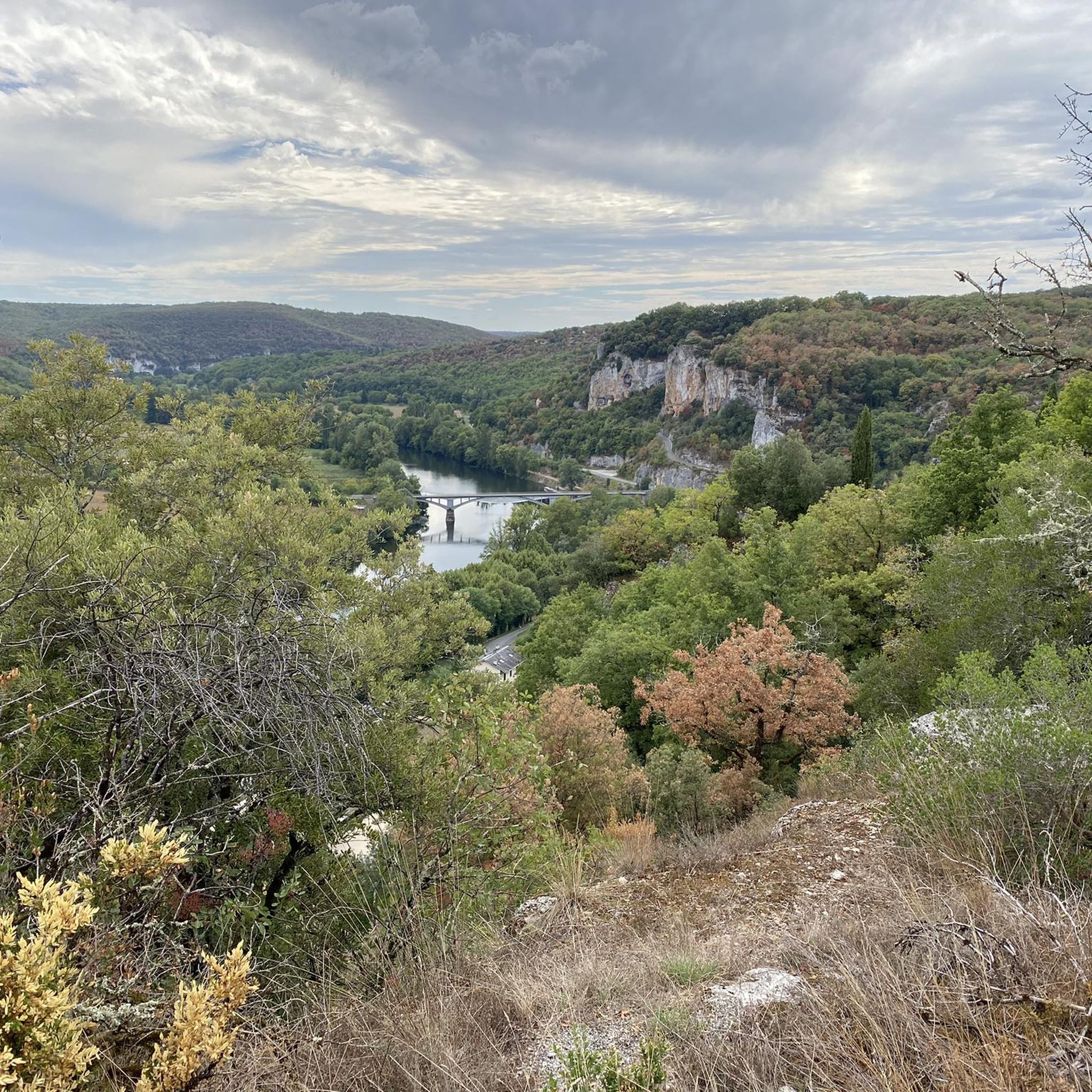
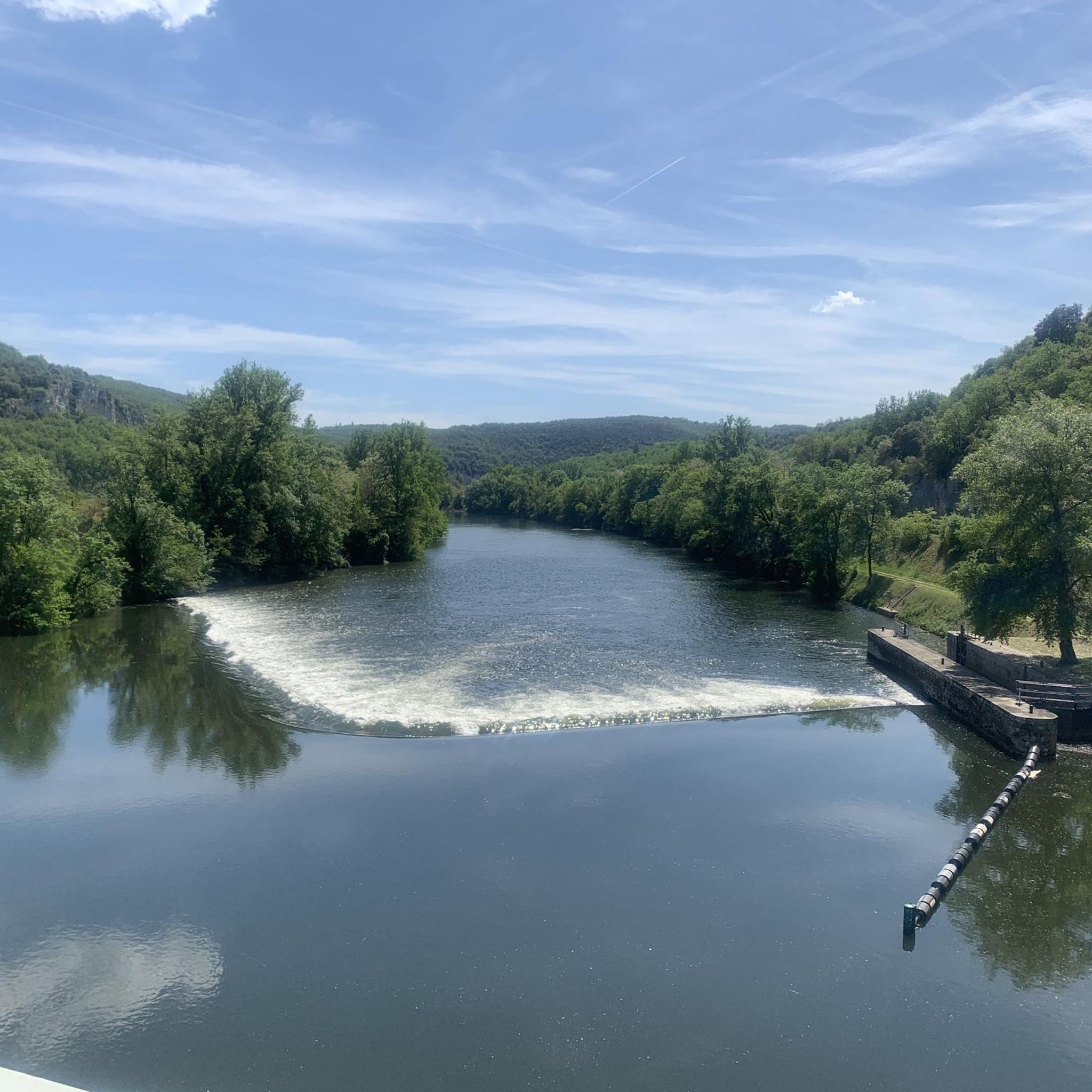
Here, the cliffs and the Lot play against each other. The reflections of the cliffs are simply magical!
2
0
Frequently Asked Questions
What are some of the most popular natural monuments to visit around Cours?
Visitors frequently enjoy the dramatic Cliffs Along the Lot River, known for their majestic beauty and stunning reflections. Another favorite is St-Cirq-Lapopie Heights, which offers exceptional panoramic views of the river and the picturesque village of St-Cirq-Lapopie.
Are there any natural monuments around Cours that also have historical significance?
Yes, several natural monuments in the area are rich in history. The English Castle of Bouziès is a remarkable example, with 11th and 12th-century fortifications anchored directly into the limestone cliffs, serving as a historical refuge. Another site is The Chartreux Fountain, which was a center of worship in Celtic tradition and later supplied drinking water to the town.
What kind of natural features can I expect to see around Cours?
The region around Cours is characterized by diverse natural features, including impressive river-carved gorges, dramatic cliffs, and unique rock formations. You'll find scenic river valleys, such as those along the Lot River, and elevated viewpoints offering expansive vistas. The area also features natural springs and trails that wind through these striking landscapes.
Are there family-friendly natural monuments or activities near Cours?
While specific 'family-friendly' categories aren't always assigned, many natural monuments offer accessible viewpoints and trails suitable for families. Exploring the paths along the Cliffs Along the Lot River can be an engaging experience, and the historical context of sites like The English Castle of Bouziès can spark interest in younger visitors. Always check the specific trail conditions for suitability with children.
What outdoor activities can I do near the natural monuments around Cours?
The area offers a variety of outdoor activities. You can enjoy hiking on trails that lead to stunning viewpoints or along riverbanks. Cycling is also popular, with options for both road cycling and gravel biking. For instance, you can find numerous routes for hiking, road cycling, and gravel biking that explore the natural beauty of the region.
Are there hiking trails near these natural monuments?
Yes, there are many hiking opportunities. For example, you can find trails that take you along the Cliffs Along the Lot River, offering both bucolic and majestic scenery. The path 'Under the cliff…' provides a unique experience, though it's shared with hikers and can be a bit damp. For more options, explore the hiking guide for Cours, which includes routes like the 'Nice picnic spot – Vers loop'.
What do visitors enjoy most about the natural monuments around Cours?
Visitors particularly appreciate the breathtaking views, especially from spots like St-Cirq-Lapopie Heights. The interplay of cliffs and rivers, creating magical reflections, is also a highlight for many. The historical integration of structures like The English Castle of Bouziès into the natural landscape is also a popular photo motif and point of interest.
Can I find natural monuments that are suitable for beginner hikers near Cours?
While specific 'beginner' classifications are not always available, many trails around natural monuments offer varying difficulties. Paths that run along riverbanks, such as sections near the Lot River, can be relatively flat and accessible. Always check the trail descriptions and elevation profiles in the hiking guide to find routes that match your experience level.
What is the best time of year to visit the natural monuments around Cours?
The Auvergne-Rhône-Alpes region, where Cours is located, offers beautiful scenery throughout much of the year. Spring and autumn generally provide pleasant temperatures for hiking and exploring, with vibrant foliage or blooming wildflowers. Summer can be warm, ideal for water-based activities in the Rhône Valley, while winter offers a different, often serene, perspective on the landscapes, though some higher-altitude areas might be less accessible.
Are there opportunities for wildlife spotting near the natural monuments?
The broader Auvergne-Rhône-Alpes region, particularly areas like the Lônes du Rhône and the French Haut-Rhône Nature Reserve, are vital for diverse plant and animal species. You might spot beavers and European pond turtles in wetland areas, and the region is important for migratory birds. Exploring trails near rivers and in natural parks increases your chances of observing local wildlife.
Where can I find more information about the natural attractions in the wider Auvergne-Rhône-Alpes region?
For a broader overview of nature in the Auvergne-Rhône-Alpes region, you can visit france.fr. Additionally, for ideas on walks within 100km around Lyon, which is part of the region, visiterlyon.com can provide further inspiration.
Most popular attractions around Cours

Get inspired with the komoot mobile app


Explore more
Extend your search for the best caves by checking out these guides of the top ones around Cours:
