Top 11 Natural Monuments around Figari
Best natural monuments around Figari are found in Southern Corsica, an area characterized by diverse landscapes ranging from pristine coastlines to rugged mountainous terrain. This region offers unique geological features and opportunities for outdoor activities. Figari serves as a gateway to these natural sites, which include dramatic cliffs, impressive rock formations, and panoramic viewpoints. The area's natural beauty makes it a compelling destination for exploration.
Best natural monuments around Figari
- The most popular natural monuments is Point of the Dead…
Last updated: October 5, 2026
Point of the Dead Cow
Highlight • Summit
Translated by Google •
Tip by

Cliffside Path to Bonifacio
Highlight (Segment) • Trail
Translated by Google •
Tip by

Sign up now to discover places like this
Get recommendations on the best single tracks, peaks, & plenty of other exciting outdoor places.
Pointe du Timon and Madonetta Lighthouse
Highlight • Viewpoint
On the left you have a wonderful view of the cliffs of Bonifacio.
Translated by Google •
Tip by

View of Bonifacio
Highlight • Viewpoint
Translated by Google •
Tip by

The Man of Cagna
Highlight • Natural Monument
Translated by Google •
Tip by

Sign up for free to discover even more natural monuments around Figari.
Already have an account?
Start today with a free account
Your next adventure awaits.
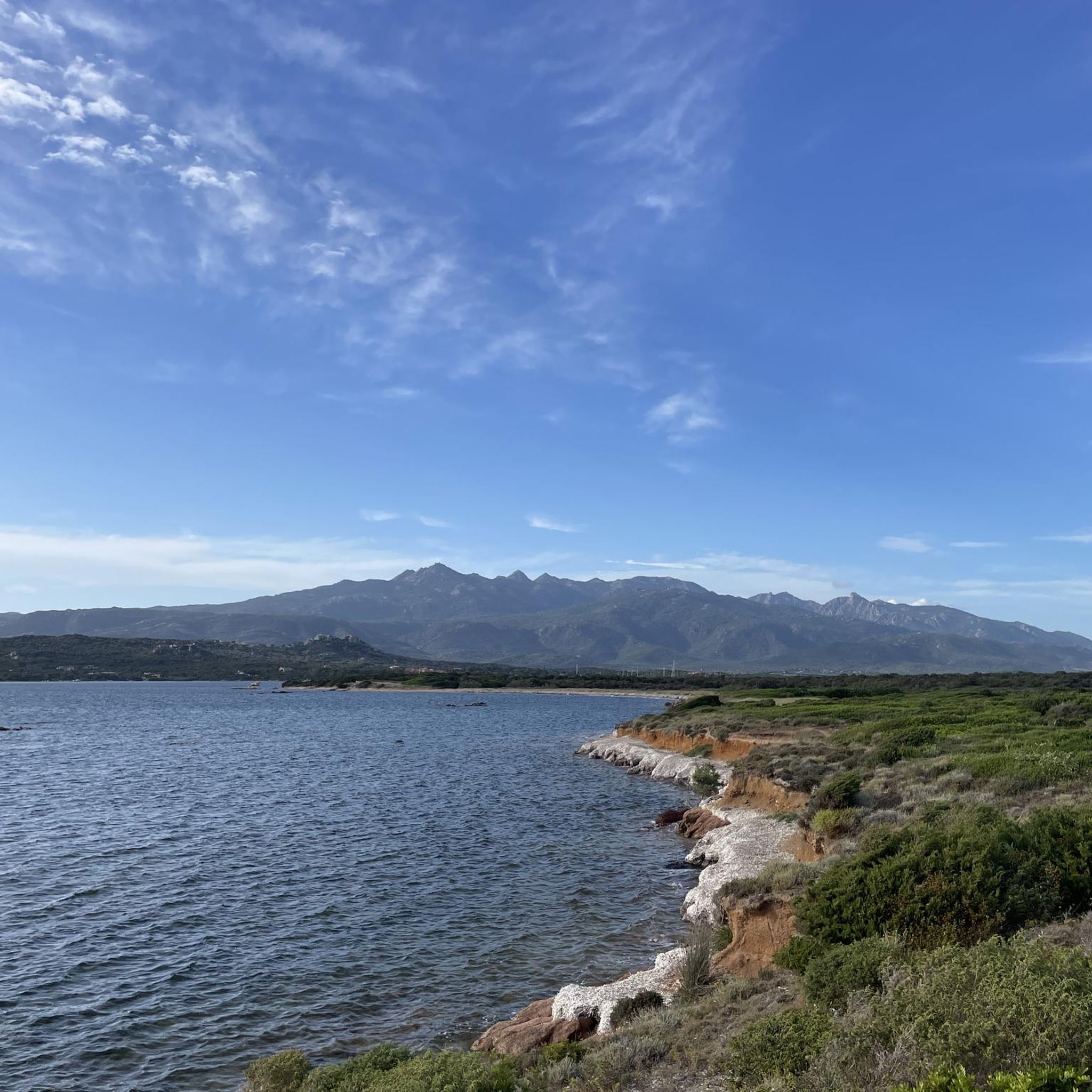
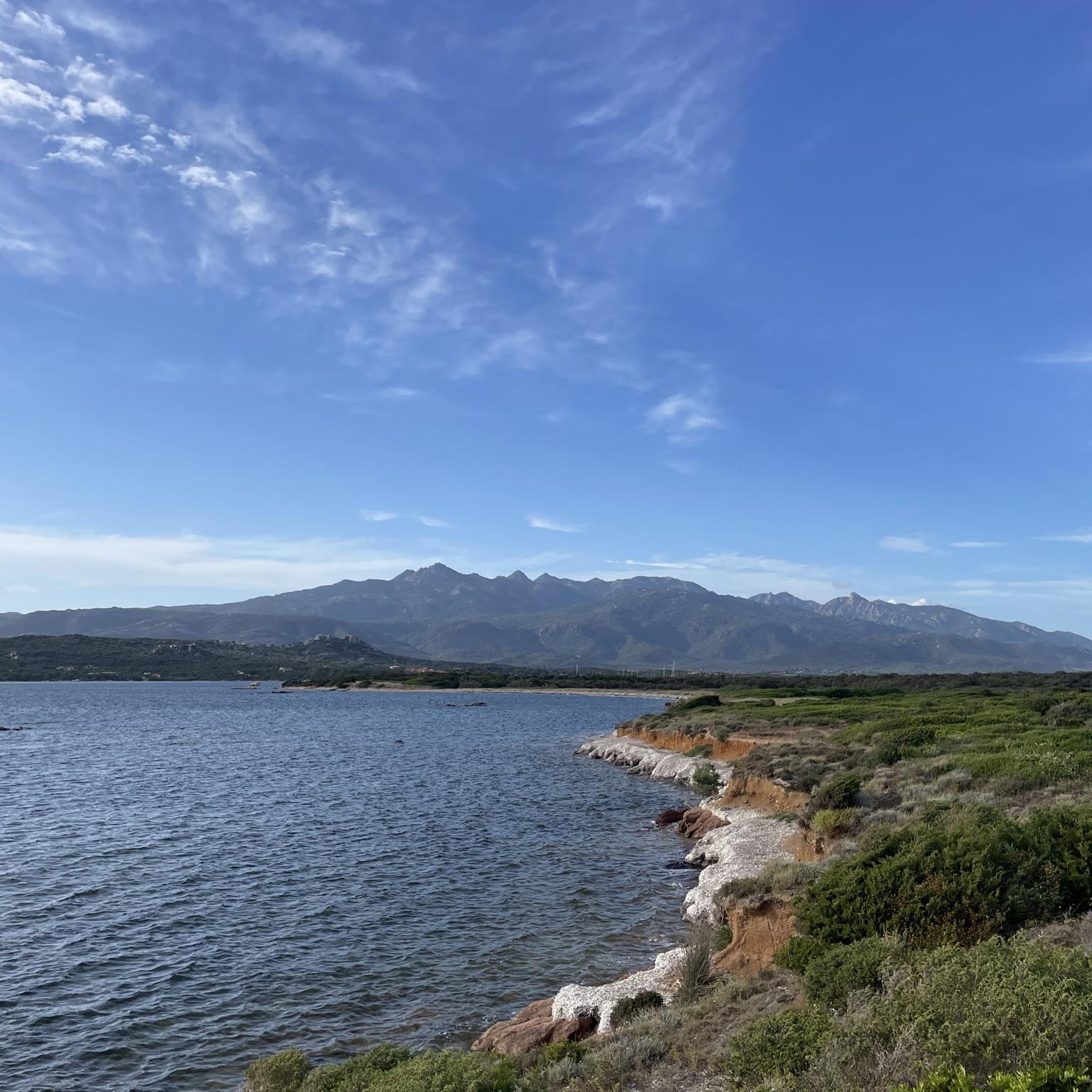
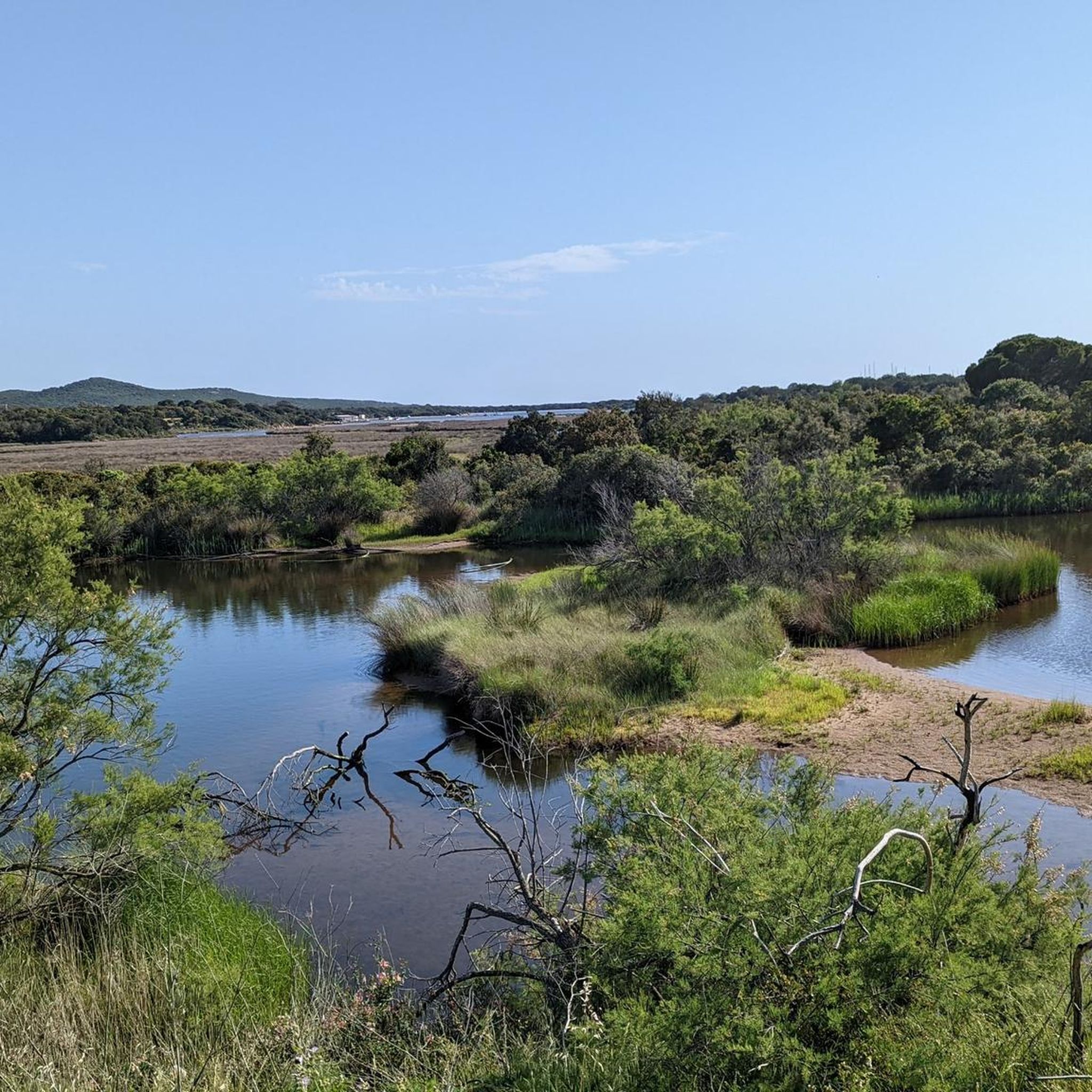
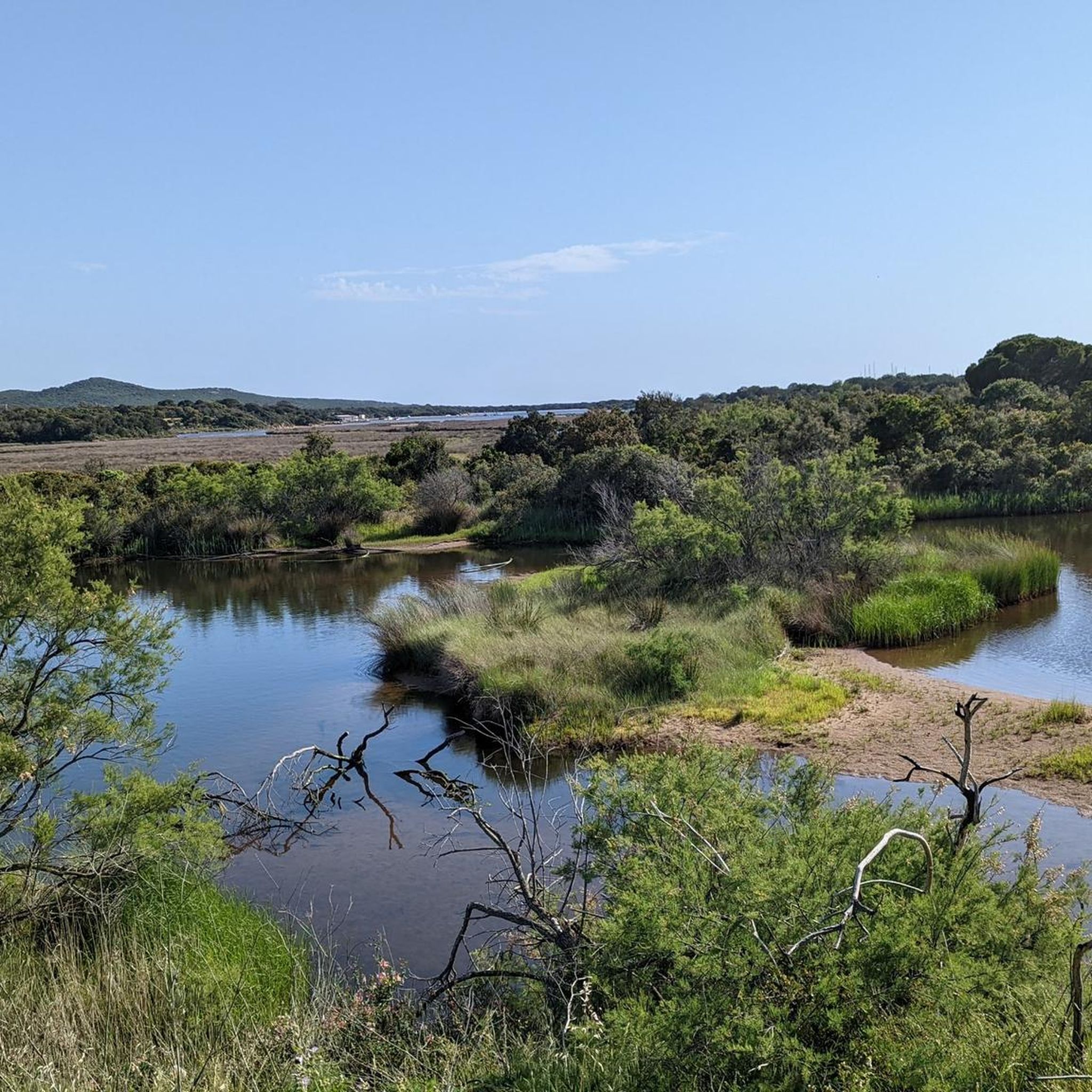
Tips from the Community

From the opposite viewing rock, you have a breathtaking view of the Uomo di Cagna. You can reach it by block climbing in grade 1-2. At the beginning of the pathless block climbing, past the first rock on the right, until you see the Uomo. Then head straight for it and finally climb left onto the opposite rock.
0
0

The **view of Bonifacio** is simply breathtaking and offers some of the most spectacular panoramas imaginable! Here are some highlights you shouldn't miss: 1. **Citadel**: - The Citadel of Bonifacio offers magnificent views from the top of the fortifications. From here, you can admire the harbor and the surrounding cliffs. 2. **Phare de la Madonetta**: - The lighthouse is a popular photo spot and offers beautiful views of the coast and the sea. Many hikers report the **magnificent view** of Bonifacio and the lighthouse. 3. **Hiking Trails**: - There are numerous hiking trails that lead to the best viewpoints. These routes are ideal for nature lovers and offer the opportunity to explore the impressive landscape. 4. **Bouches de Bonifacio Nature Reserve**: - Bonifacio lies above an **80,000-hectare nature reserve** that is home to a diverse range of flora and fauna. The views of nature and wildlife are another highlight. 5. **Photo Opportunities**: - The combination of dramatic cliffs, the deep blue sea, and historic architecture makes Bonifacio a photographer's paradise. The **view of Bonifacio** is therefore an absolute must for every visitor!
3
0
The **Pointe du Timon** in **Bonifacio** is a breathtaking spot known for its spectacular views and natural beauty. Here is some interesting information about this fascinating place: 1. **Location**: The Pointe du Timon is located on the coast of Bonifacio, in southern Corsica. It marks the entrance to the **Goulet de Bonifacio**, a narrow waterway that separates the island from Sardinia. 2. **View**: From the point, you have a **breathtaking view** of the cliffs, the sea, and the surrounding landscapes. It is a popular spot for photographers and nature lovers who want to capture the beauty of the Corsican coast. 3. **Activities**: - **Hiking**: There are several hiking trails leading to and around the point, ideal for those who want to explore nature. - **Photography**: The dramatic landscape and impressive cliffs offer numerous opportunities for impressive photos. 4. **Sights**: Also near the Pointe are the **Phare de la Madonetta** and the **Grotte St. Antoine**, both popular destinations for visitors. 5. **Access**: The Pointe is easy to reach, and there are several paths that lead you to this picturesque viewpoint. The **Pointe du Timon** is therefore a must-see for any visitor to Bonifacio who wants to experience the natural beauty of Corsica.
1
0

Capo Pertusato is the southernmost point of Corsica. It is located 5 km southeast of Bonifacio, in southern Corsica and is accessible by a pedestrian access from Bonifacio. The path runs along the cliffs. A very easy route of less than 6 km
1
0
Archaeological finds, such as the Lady of Bonifacio, prove that the area was inhabited in prehistoric times. It was officially founded in 828 by the Tuscan Count Bonifacio II. In 1187, the Genoese managed to take the city by ruse, bringing with them their Ligurian language, which is still spoken today. Apart from an interruption in the years from 1553 to 1559 (Sampiero Corso), Bonifacio remained in Genoese hands until 1768. Bonifacio has been under French rule since 1768. In 1793, Napoleon prepared the failed invasion of Sardinia here. During the Second World War, Bonifacio, like all of Corsica, was occupied by German and Italian troops in 1942.
1
0
Bonifacio is the southernmost municipality of the Corse-du-Sud department and the island of Corsica. The town is divided into two areas: the medieval old town called the Ville haute (upper town) and the marina in the port area. The Ville haute lies on a 900-meter-long, narrow limestone and sandstone peninsula running parallel to the coast, the Île de Fazio, which on its seaward side drops practically vertically into the sea from an average height of 70 meters. On the landward side of the peninsula, a fjord-like bay (French: Calanque) is cut into the limestone, forming a well-protected natural harbor. There, the limestone plateau slopes less steeply towards the water. The natural harbor also serves as a fishing and yacht harbor. Bonifacio is also a center for commercial shipping and ferry traffic with the neighboring island of Sardinia, as well as tourism, especially in the summer months.
1
0
This hike is located in the extreme south of Corsica, in the Bouches de Bonifacio. It allows you to see the Lavezzi Islands and Sardinia, and you'll enjoy breathtaking views of Bonifacio. It allows you to reach two white sandy beaches, the deserted beach of Cala Sciumara and the beautiful beach of Saint-Antoine. You'll cross the maquis and walk along the limestone cliffs, offering breathtaking views of the coast and cliffs.
1
0

The cliffs of Bonifacio seen from the sky: https://youtu.be/rmZqSHIEGbo?si=7G6ULLLzpjh8imOH
0
1
Frequently Asked Questions
What are some of the most popular natural monuments to visit around Figari?
Among the most popular natural monuments, visitors frequently highlight the Point of the Dead Cow, a summit offering a fantastic 360-degree view of the Bavella group, Monte Incudine, and both Corsican coasts. Another favorite is the Cliffside Path to Bonifacio, which provides constantly changing views of Bonifacio and the sea. The Pointe du Timon and Madonetta Lighthouse also offers impressive views of the narrow harbor entrance and the significant lighthouse.
Are there any natural monuments near Figari that are particularly good for hiking?
Yes, Figari is an excellent base for hiking. The trail to The Man of Cagna (Omu di Cagna) is a challenging but rewarding hike to a prominent granite stack with panoramic views. For a unique experience, the Sentier du Trou de la Bombe (Hole of the Bomb Trail), located northwest of Figari, leads through a forest to a remarkable natural arch in the rock face. You can find more hiking options in the Mountain Hikes around Figari guide.
What natural features can I expect to see along the coast near Figari?
The coastline near Figari, particularly within the Bouches de Bonifacio Nature Reserve, is renowned for its dramatic limestone cliffs and granite formations. You'll encounter stunning features like the White Cliffs of Bonifacio, which offer breathtaking views and pristine beaches. The reserve also boasts exceptional marine biodiversity, including posidonia meadows and gorgonian coral.
Is the Lion of Roccapina a natural monument worth visiting near Figari?
Absolutely. The Lion of Roccapina is a spectacular natural rock formation resembling a reclining lion, sculpted by erosion from pink granite. It's an emblem of Corsica and overlooks the beautiful Cala di Roccapina, famous for its white sand and turquoise waters. A hiking path allows visitors to get closer to the lion and enjoy panoramic views. You can learn more about it on visit-corsica.com.
Are there family-friendly natural monuments or activities around Figari?
Many natural sites around Figari offer family-friendly experiences. Cala di Roccapina, with its white sand and clear waters, is ideal for relaxation and swimming. The Sentier du Trou de la Bombe is generally accessible for all levels, making it a good option for families seeking a moderate hike to a unique natural arch. Exploring the beaches and coastal paths of the Bouches de Bonifacio Nature Reserve can also be a great family activity.
What kind of outdoor activities can I do near the natural monuments in Figari?
Beyond hiking, the Figari area offers diverse outdoor activities. The Gulf of Figari, part of the Bouches de Bonifacio Nature Reserve, is particularly popular for windsurfing and kitesurfing. Cycling is also a great way to explore the region, with various routes available. Check out the Cycling around Figari guide and Road Cycling Routes around Figari guide for more options.
What is the best time to visit the natural monuments around Figari?
The best time to visit the natural monuments around Figari is generally during the spring (April-June) and early autumn (September-October). During these periods, the weather is pleasant for outdoor activities like hiking and exploring, and the crowds are typically smaller than in the peak summer months. Summer (July-August) is also popular, especially for beach activities, but can be very hot and busy.
What do visitors enjoy most about the natural monuments around Figari?
Visitors consistently praise the breathtaking panoramic views, especially from summits like the Point of the Dead Cow and the dramatic coastal vistas along the Cliffside Path to Bonifacio. The unique geological formations, such as the Lion of Roccapina and the natural arch of Trou de la Bombe, are also highly appreciated. Many enjoy the unspoiled nature and the opportunities for peaceful relaxation and photography.
Are there any natural monuments near Figari that are less crowded?
While popular sites can attract visitors, exploring areas within the expansive Bouches de Bonifacio Nature Reserve often allows for more secluded experiences, especially on less-trafficked hiking paths. The Sentier du Trou de la Bombe, while known, can offer a more tranquil hiking experience compared to the busiest coastal spots, particularly outside of peak season.
What kind of wildlife can be observed in the natural monuments area around Figari?
The Bouches de Bonifacio Nature Reserve, which encompasses much of Figari's coastline, is a hotspot for biodiversity. It's home to a rich variety of flora and fauna, including 37% of the Mediterranean's remarkable species. On land, you might encounter various bird species and local wildlife, while the marine reserve protects diverse underwater environments, including posidonia meadows and gorgonian coral.
Are there any permits or specific regulations to be aware of when visiting natural sites near Figari?
For most natural monuments and hiking trails, specific permits are generally not required for access. However, as many sites are within protected areas like the Bouches de Bonifacio Nature Reserve, it's crucial to respect local regulations. This includes staying on marked paths, not disturbing wildlife, and practicing leave-no-trace principles. Always check for any specific rules regarding camping, fires, or dog access, especially in sensitive ecological zones.
Most popular attractions around Figari

Get inspired with the komoot mobile app


Explore more
Extend your search for the best caves by checking out these guides of the top ones around Figari:
