Top 5 Natural Monuments around Custines
Best natural monuments around Custines are found within the geographically rich Moselle region, offering diverse natural attractions. The area is characterized by significant rivers like the Moselle and Meurthe, along with varied geological formations and ecosystems. These natural features provide opportunities to explore river valleys, elevated plateaus, and forested landscapes. The region's natural monuments showcase its geological past and ecological importance.
Best natural monuments around Custines
- The most popular natural monuments is Plateau de Malzéville, an other natural site…
Last updated: June 18, 2026
Confluence of the Moselle and Meurthe rivers
Highlight • River
Translated by Google •
Tip by

Fountain of Place d'Alliance
Highlight • Monument
Showing Translation
Tip by

Sign up now to discover places like this
Get recommendations on the best single tracks, peaks, & plenty of other exciting outdoor places.
Sign up for free
Plateau de Malzéville
Highlight • Natural
Translated by Google •
Tip by

Moselle Waterside Rest Area
Highlight • Rest Area
Translated by Google •
Tip by

Church of Amance and Its Centenarian Cedar
Highlight • Religious Site
Translated by Google •
Tip by

Start today with a free account
Your next adventure awaits.
Login or Signup


Tips from the Community

This large baroque fountain is the opulent centerpiece in the middle of the otherwise classically and rather strictly designed square.
6
0

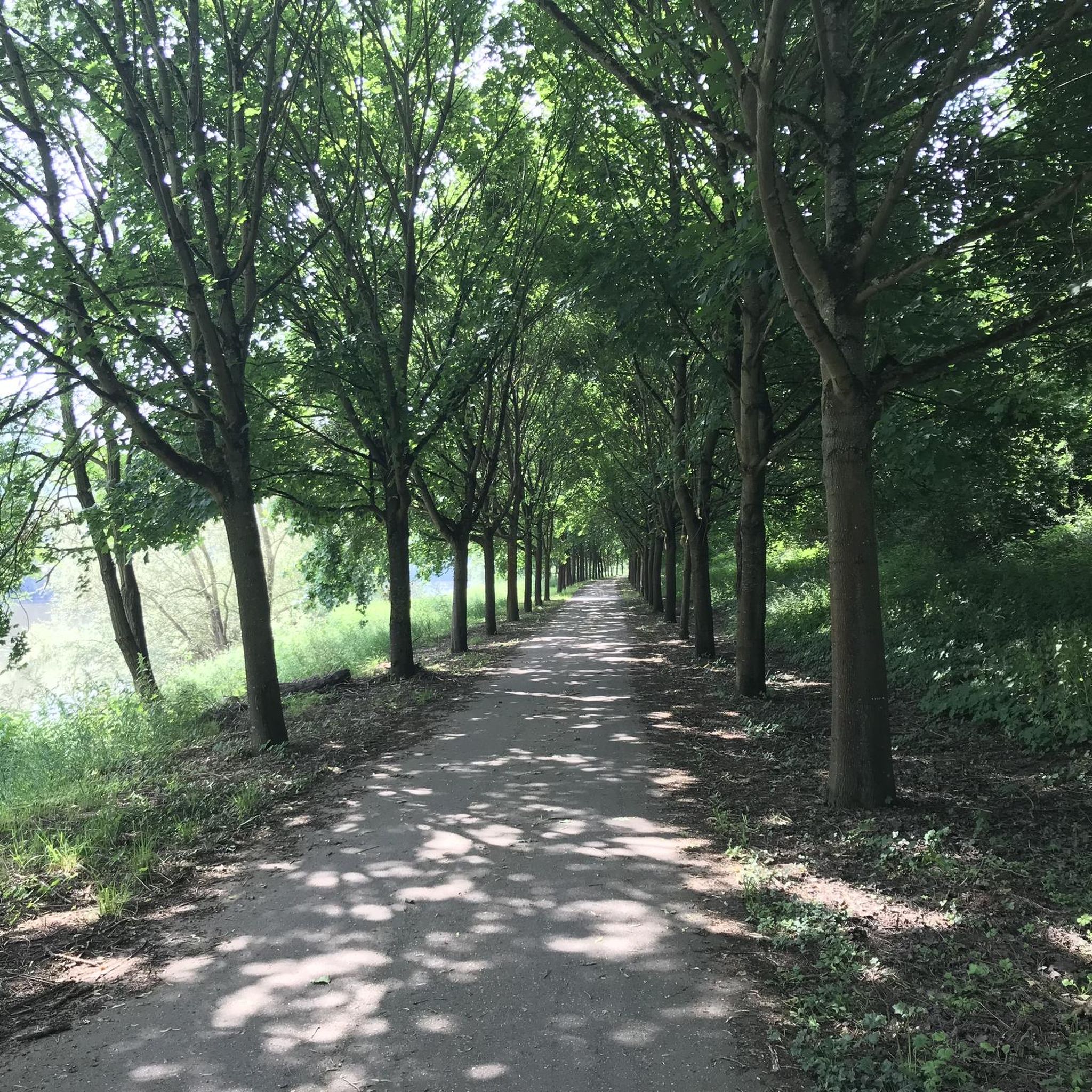
1. Nice place to take a break 2. In a natural area with a view 3. Information also available in German
0
0

You can access the mound of the old castle when the sheep are not there.
0
0

You live in Meurthe et Moselle, do you know where the two rivers meet?
2
0

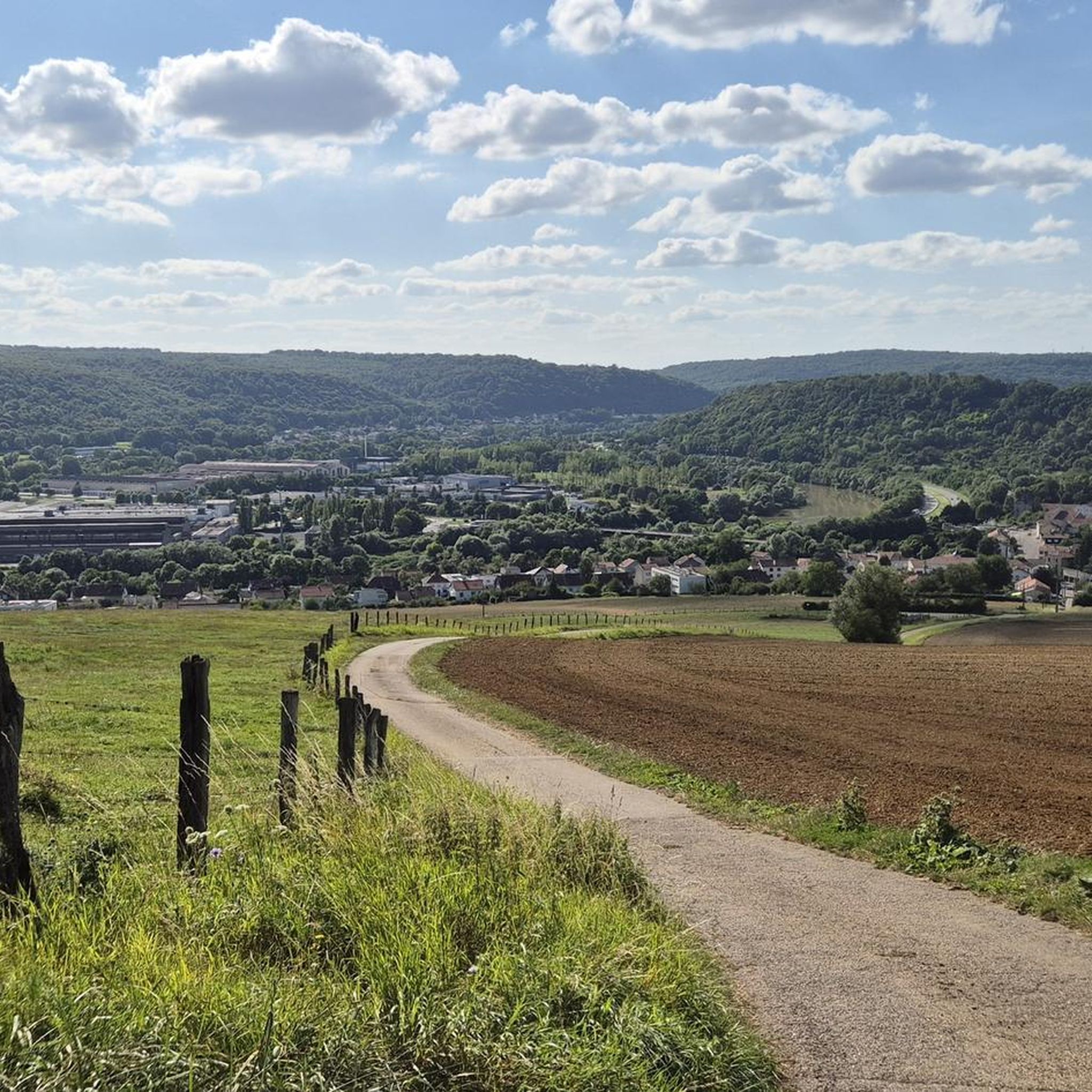
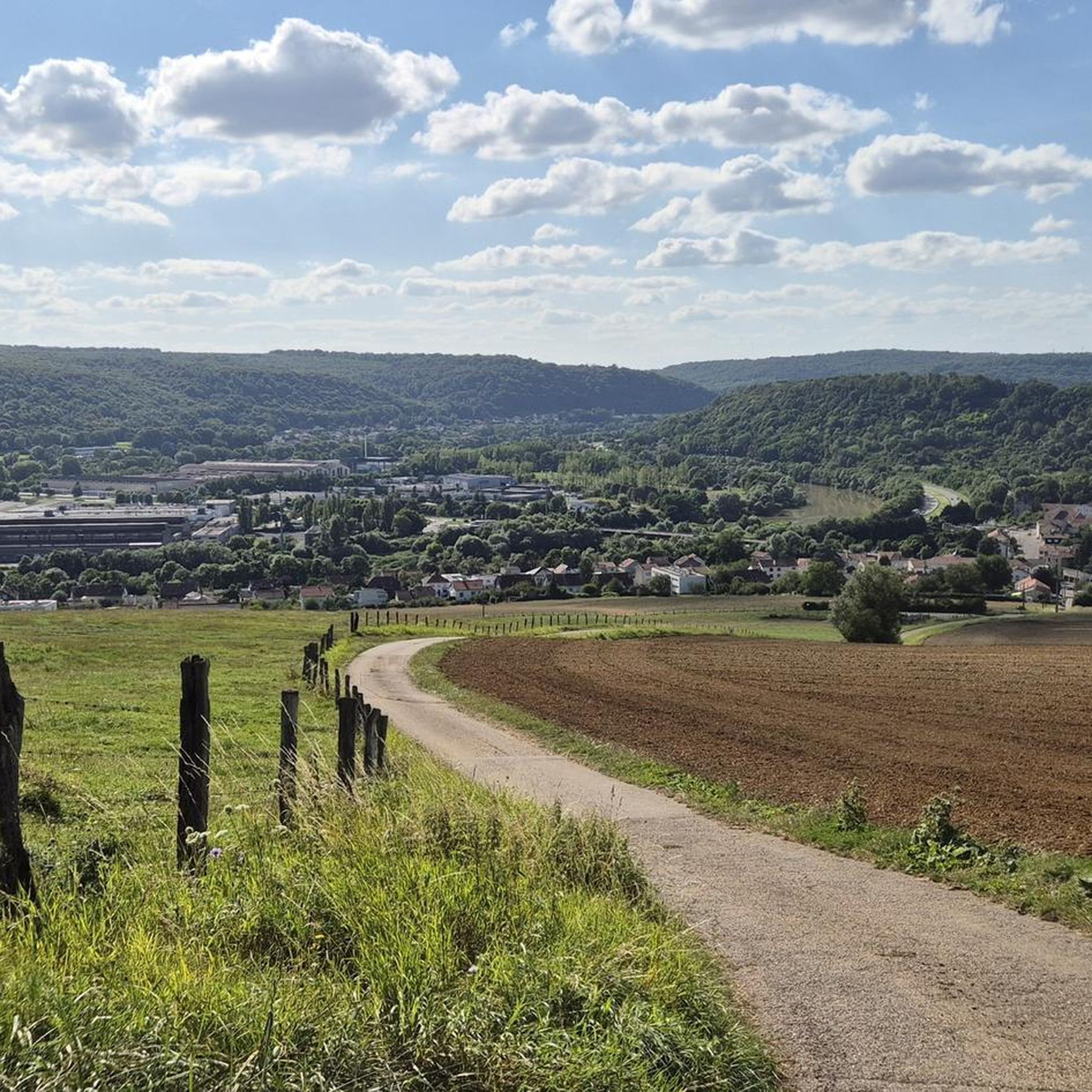
The Plateau de Malzéville, located at the gates of Nancy, offers an exceptional panoramic view of the Meurthe valley and the city below. This natural site, surrounded by meadows and forests, is a popular place for walks, with paths winding through green landscapes. At the top of the plateau, the calm and serenity allow you to fully enjoy nature while admiring the unobstructed view.
0
1

Beautiful and surrounded by trees.
1
0

Historic monument! The Place de l'Alliance is part of the 18th-century monumental ensemble inscribed as a UNESCO World Heritage site in 1983. The works were directed by the king's first architect, Emmanuel Héré, who deployed for the ensemble of famous squares in Nancy the quintessence of his building art by materializing the link between the two existing cities, the medieval city and the city of Charles III (built in the 17th century). The fountain placed in its center is composed of a stone basin on which three old men representing rivers are leaning. Their shoulders support an entablature on which stands a triangular marble obelisk. Originally commissioned for the hemicycle of the Carrière, it was moved in 1756 and transformed in honor of the new alliance between the Bourbons and the Habsburg-Lorraines. On this occasion, a shield was added, inscribed with "perenne foedus, anno 1756" (perpetual alliance), to the genius crowning the obelisk.
2
0
Frequently Asked Questions
What are some of the most popular natural monuments to visit around Custines?
Visitors frequently enjoy the Plateau de Malzéville, a Natura 2000 classified site known for its rich flora and fauna and panoramic views. Another popular spot is the scenic Confluence of the Moselle and Meurthe rivers, where these two significant waterways meet, offering beautiful river views and historical context.
Are there family-friendly natural monuments near Custines?
Yes, several natural monuments are suitable for families. The Plateau de Malzéville offers trails and open spaces for exploration. The Confluence of the Moselle and Meurthe rivers is also family-friendly, providing a pleasant setting for a walk along the riverbanks. Additionally, the Moselle Waterside Rest Area is a great spot for a break, offering information about local wildlife in a natural setting.
What kind of outdoor activities can I do near the natural monuments around Custines?
The region around Custines offers diverse outdoor activities. You can find numerous routes for cycling, hiking, and running. For instance, there are moderate to difficult cycling routes like the 'Butte du Xon and La Voie Bleue Loop' or 'Nancy – Moulin Noir Footbridge loop'. Hiking options include easy to moderate trails such as the 'Asparagus loop' or 'Brasserie Le Mani-Gai Tabac loop'. Running enthusiasts can explore routes like the 'Avenue by the water loop from Frouard'. You can find more details on these activities in the cycling, hiking, and running guides for Custines.
Where can I find scenic viewpoints among the natural monuments?
For impressive views, visit the Plateau de Malzéville, which offers panoramas from its summit. The Confluence of the Moselle and Meurthe rivers also provides a nice view of the merging waterways. Further afield, the broader Moselle region features sites like the 'Falaises calcaires du Stromberg' (Limestone cliffs of Stromberg) and the 'Plateforme panoramique de la carrière du Barrois' (Panoramic platform of the Barrois quarry), both known for their dramatic geological features and breathtaking vistas.
What is the best time of year to visit the natural monuments around Custines?
The Moselle region, including the areas around Custines, is beautiful throughout the year. Spring and autumn are particularly pleasant for hiking and cycling, with mild temperatures and vibrant natural colors. The Moselle Valley is renowned for its changing seasonal colors, making autumn especially picturesque. Summer offers warmer weather ideal for river activities, while winter can provide a serene, frosty landscape, though some trails might be less accessible.
Are there any natural monuments with historical significance near Custines?
The Confluence of the Moselle and Meurthe rivers holds historical importance as a former economic artery for river traffic. Additionally, the Church of Amance and Its Centenarian Cedar features a cedar tree brought from Lebanon in 1865, adding a unique historical and natural element to the site. The nearby 'La Falaise' in Autreville-sur-Moselle also has historical remnants of ramparts and explored man-made cavities, hinting at its past.
Can I observe wildlife at the natural monuments in this region?
Yes, the natural monuments around Custines offer opportunities for wildlife observation. The Plateau de Malzéville is a Natura 2000 classified site, indicating its ecological importance and rich, varied flora and fauna. The extensive Lorraine Regional Nature Park, which encompasses parts of Meurthe-et-Moselle, is a vital habitat and migration stop for approximately 200 bird species, with observatories available for birdwatching, especially around its significant wetlands.
Are there any natural monuments that are dog-friendly?
Many natural areas and trails around Custines are dog-friendly, provided dogs are kept on a leash and owners clean up after them. The Plateau de Malzéville and the paths along the Moselle and Meurthe rivers are generally welcoming for dogs. Always check local signage for specific restrictions in protected areas or on private land.
What are the geological highlights of the Moselle region near Custines?
The Moselle region is known for its diverse geology. Key features include the impressive 'Falaises calcaires du Stromberg' (Limestone cliffs of Stromberg), which showcase 170 million years of Earth's history. The 'Plateforme panoramique de la carrière du Barrois' (Panoramic platform of the Barrois quarry) also offers insights into the region's geological past. Additionally, 'La Falaise' in Autreville-sur-Moselle is geologically significant, with infra-oolitic marls containing marine fossils, indicating ancient marine presence.
Is there public transport available to reach natural monuments near Custines?
While Custines itself is a smaller commune, public transport options may be limited directly to some natural monuments. It's advisable to check local bus schedules or regional train services that connect to nearby towns like Nancy, from which you might find local connections or consider cycling/walking to closer natural sites. For more remote locations like those within the Lorraine Regional Nature Park, a car is often the most convenient option.
What is the Lorraine Regional Nature Park and how can I visit it?
The Lorraine Regional Nature Park is an extensive protected area spanning three departments, including Meurthe-et-Moselle. It features diverse landscapes such as agricultural plateaus, forested valleys, and significant wetlands. The park is ideal for hiking, cycling, and birdwatching, with numerous trails and observatories. For detailed information on how to visit and explore its various sections, you can refer to resources like Coeur de Lorraine Tourisme.
Are there any facilities or rest areas near the natural monuments?
Yes, the Moselle Waterside Rest Area is a notable facility located directly on the Moselle cycle path. It provides a convenient place to take a break and offers information about local fauna and flora. For other natural monuments, facilities might be more limited, so it's always a good idea to plan ahead and bring essentials.
Most popular routes around Custines
Most popular attractions around Custines

Get inspired with the komoot mobile app


Explore more
Extend your search for the best caves by checking out these guides of the top ones around Custines:
