Top 5 Natural Monuments around Petiville
Best natural monuments around Petiville are located in the Normandy region of France, characterized by its diverse natural landscapes. The area features extensive wetlands, forests, and unique geological formations. These natural areas provide habitats for various flora and fauna, including migratory birds and rare plant species. Petiville and its surroundings offer opportunities to explore these preserved natural environments.
Best natural monuments around Petiville
- The most popular natural monument is La Grand-Mare Observation Tower, a viewpoint located within a hunting…
Last updated: July 2, 2026
Marais Vernier Viewpoint
Highlight • Viewpoint
Translated by Google •
Tip by

La Grand-Mare Observation Tower
Highlight • Viewpoint
Translated by Google •
Tip by

Sign up now to discover places like this
Get recommendations on the best single tracks, peaks, & plenty of other exciting outdoor places.
Sign up for free
Bois de Tancarville
Highlight • Forest
Translated by Google •
Tip by

Mare Tonne (Brotonne Forest)
Highlight • Lake
Tip by
The Millennial Yews of La Haye-de-Routot
Highlight • Natural Monument
The two common yews grow in the center of La Haye-de-Routot, in the Eure, in the cemetery of the Notre-Dame church. They …
Translated by Google •
Tip by
Start today with a free account
Your next adventure awaits.
Login or Signup
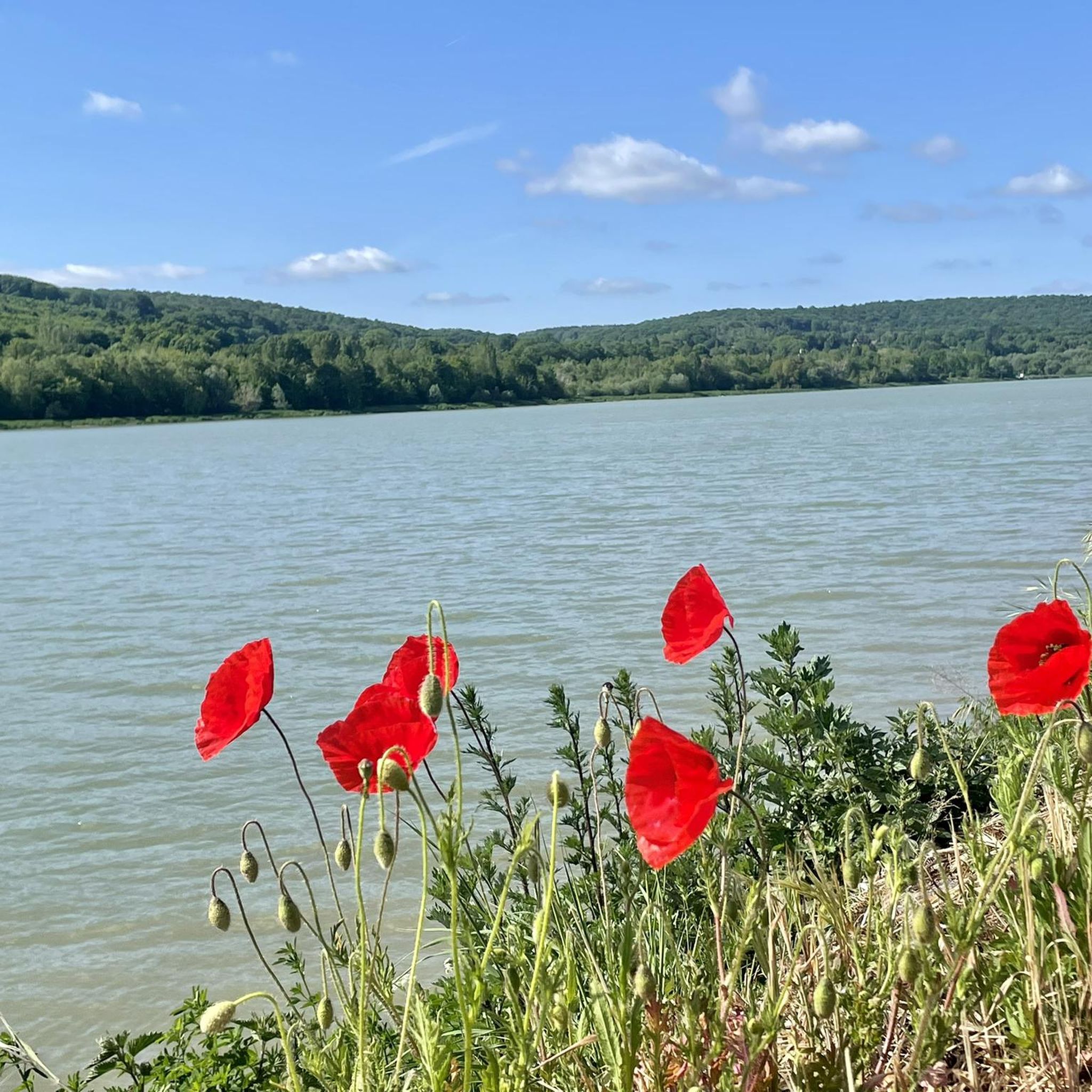
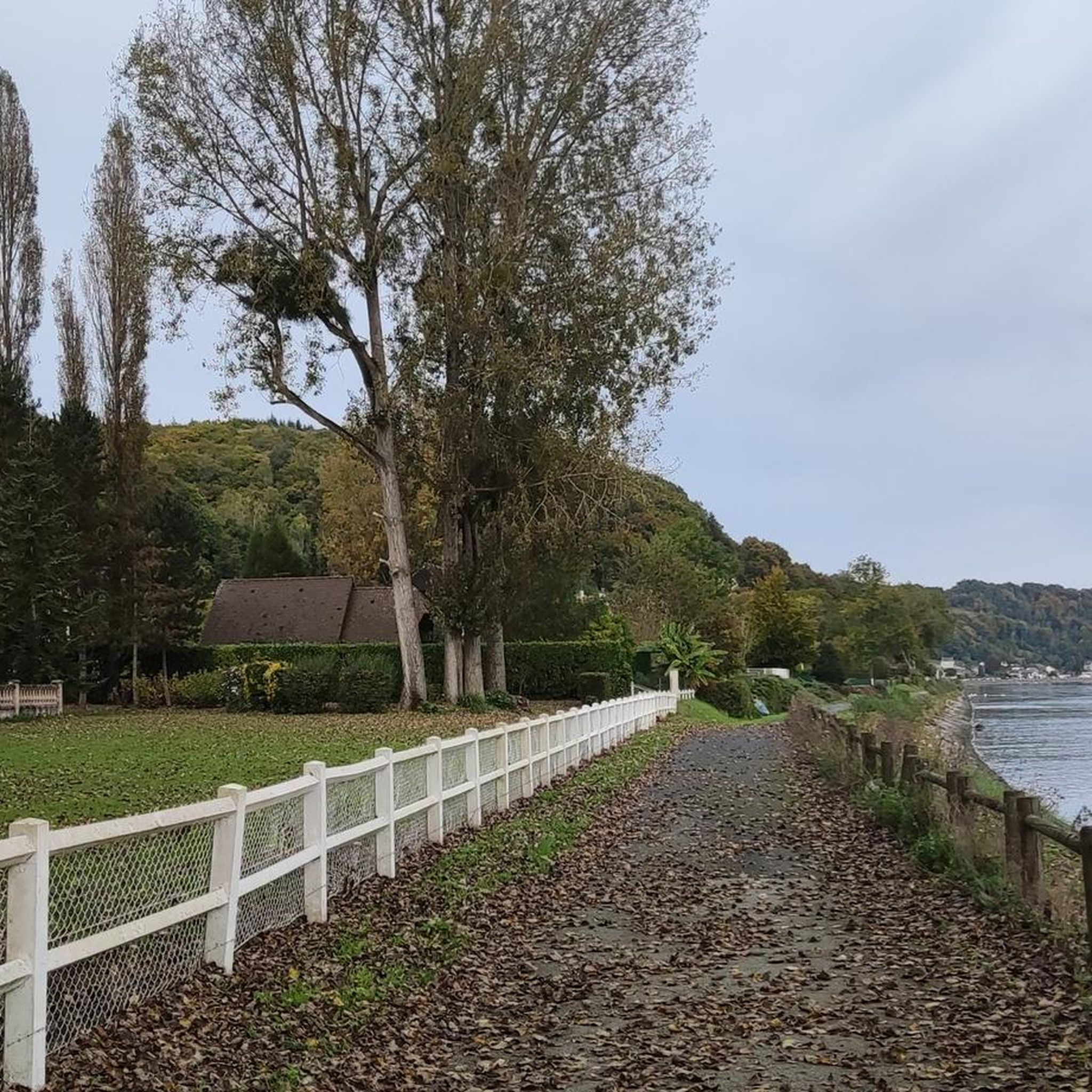
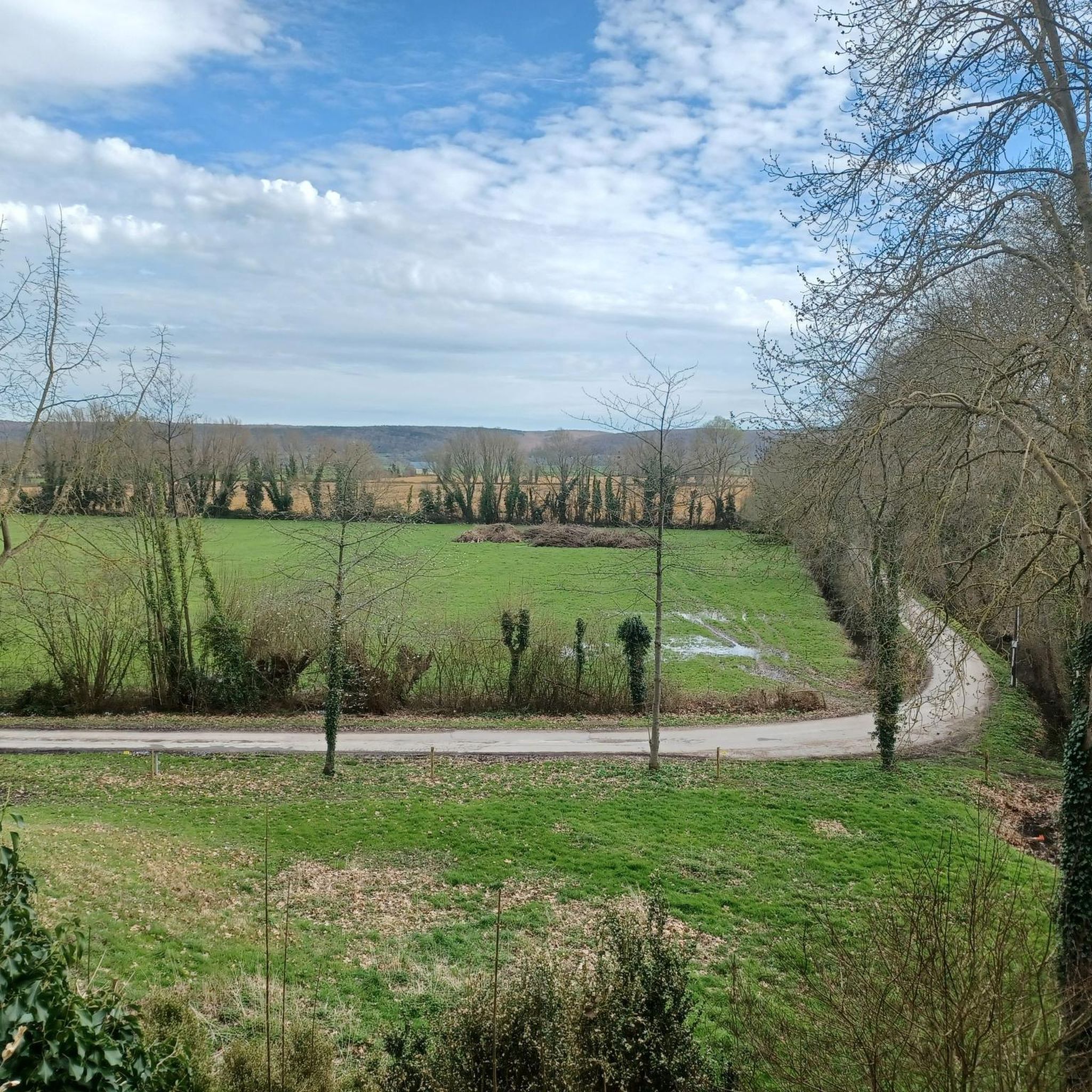
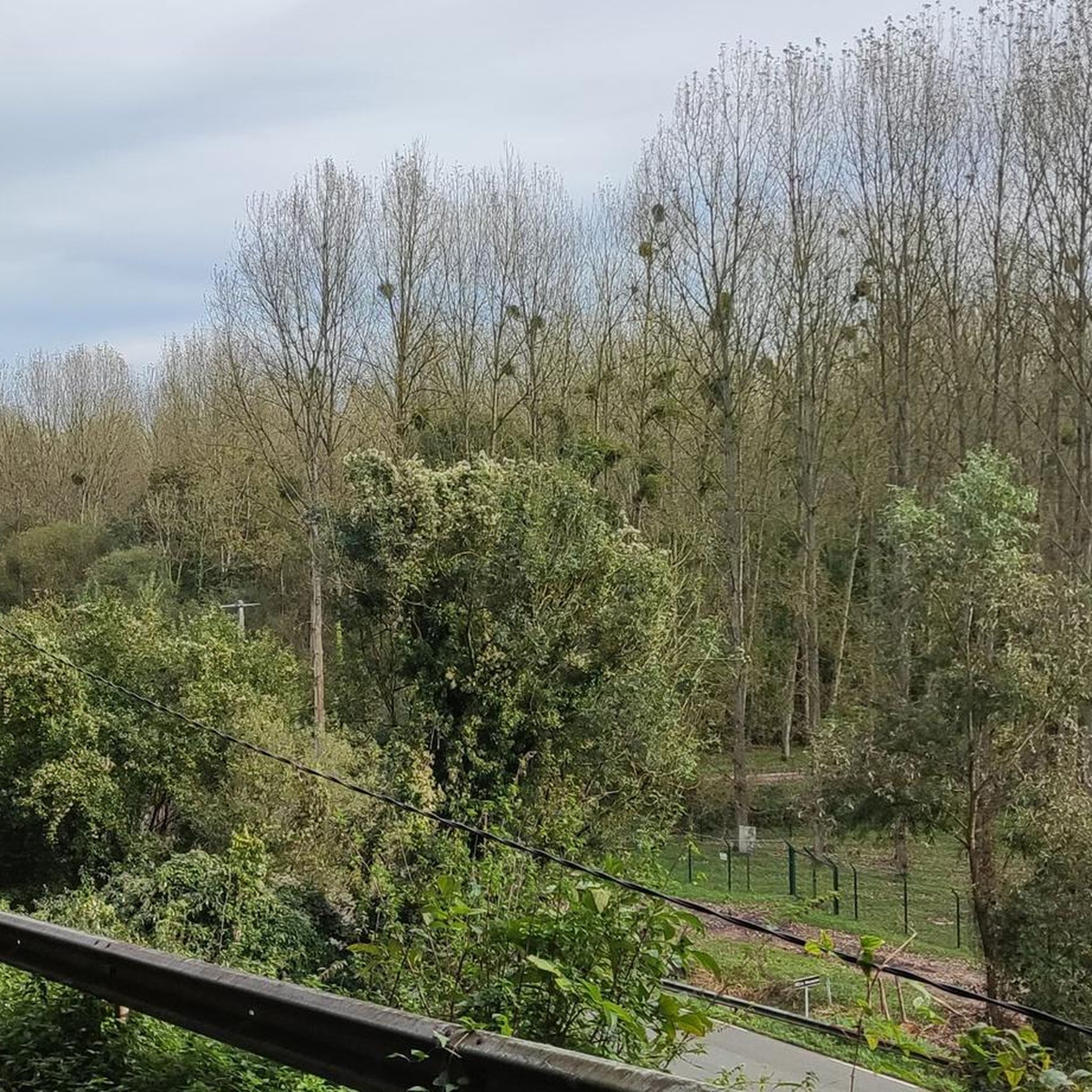


Tips from the Community

A magnificent hike, alone in the world, with lush vegetation and plenty of wildlife. Very enjoyable!
1
0

Beautiful view of the Marais Vernier natural site. I had, when I was 18, the honor and the pleasure of working there in the company of several biologists. It is an exceptional site due to the richness of its fauna. On site live Camargue horses, Hyland cattle, Scottish sheep, gray herons and many other species. A few group visits are regularly organised. To participate, you must register in advance on the Marais Vernier nature reserve website.
1
0

The Marais-Vernier Orientation Table is a viewpoint overlooking the Marais Vernier, a vast wetland area home to a very diverse fauna and flora. The orientation table allows you to appreciate the panoramic view of the marsh and its unique agricultural plots, called courtils, by helping you to identify landmarks. You may be able to spot rare birds like osprey, heron, falcon or stork. The Marais Vernier is a natural wonder that offers a variety of landscapes and terrains for runners.
2
0
This peaceful walk in the woods, with historical and natural attractions, may be just the thing for you. This forest path will take you through the greenery of the Seine estuary, where you can admire the Château de Bellevue, a 19th century residence which houses a school of agriculture, the Vallon du Vivier, a regional nature reserve which is home to rare plants and animals. Enjoy the clean air and landscapes of this charming region!
4
1

The largest of the Marais Vernier ponds
4
0
Right in the middle of the climb, a panoramic point of view.
2
0
The Marais-Vernier orientation table offers a spectacular view of the Marais Vernier, a vast 4,500-hectare wetland that is home to a rich biodiversity of birds, plants and animals. This viewpoint offers a panoramic view of the marshes and the Seine. You will also be able to observe the unique shape of the courtyards, these circular plots created by the old meanders of the river.
2
0

A magnificent point of view
1
0
Frequently Asked Questions
What are the most popular natural monuments around Petiville?
Visitors frequently enjoy the La Grand-Mare Observation Tower, which is a key migratory stopover for birds. Another highly appreciated spot is the Marais Vernier Viewpoint, offering panoramic views of vast wetlands. The Bois de Tancarville also draws visitors for its peaceful forest walks and lush vegetation.
Are there family-friendly natural monuments in the Petiville area?
Yes, several natural monuments are suitable for families. Both the La Grand-Mare Observation Tower and the Marais Vernier Viewpoint are considered family-friendly, offering opportunities for bird watching and scenic views. The Bois de Tancarville provides gentle forest trails, and The Millennial Yews of La Haye-de-Routot offer a unique historical and natural experience for all ages.
What kind of wildlife can I expect to see at these natural monuments?
The natural monuments around Petiville, particularly in wetland areas like the Marais Vernier and at La Grand-Mare Observation Tower, are crucial for migratory birds such as surface ducks and waders. The Marais Vernier is known for its rich biodiversity, including storks, hawks, and harriers. In forested areas like Bois de Tancarville and around Mare Tonne, you might encounter various forest wildlife, including amphibians and reptiles like newts, salamanders, and viviparous lizards, as well as birds like the Middle Spotted Woodpecker and Black Woodpecker.
Are there historical or cultural sites near the natural monuments?
Yes, some natural monuments have historical significance or are located near historical sites. Bois de Tancarville, for instance, is close to historical attractions like the Château de Bellevue. Additionally, The Millennial Yews of La Haye-de-Routot are ancient trees, estimated to be over a thousand years old, and house small religious sanctuaries within their hollow trunks, making them both a natural and historical monument.
What outdoor activities can I do near the natural monuments around Petiville?
The Petiville area offers various outdoor activities. You can find numerous road cycling routes, including loops from Port-Jérôme-sur-Seine and Quillebeuf-sur-Seine. For mountain biking, there are MTB trails around Valasse Abbey. If you prefer running, several running trails are available, including a loop directly from Petiville itself.
What is the best time to visit the natural monuments in Normandy?
The natural monuments in Normandy, including those around Petiville, are generally pleasant to visit from spring through autumn. Spring offers blooming flora and active birdlife, while summer provides warmer weather for outdoor activities. Autumn brings beautiful foliage. Winter can be cold, but some areas, especially wetlands, remain important for overwintering birds, offering unique birdwatching opportunities.
Are there any natural monuments with lakes or water features?
Yes, the region features several natural monuments with significant water elements. La Grand-Mare Observation Tower overlooks a lake that is part of a hunting and wildlife reserve. Mare Tonne, located in the Brotonne Forest, is a notable lake known for its unique peat bog island and diverse aquatic flora and fauna, including various newt species.
Can I find trails for hiking or walking at these natural monuments?
Yes, many natural monuments offer walking and hiking opportunities. The Bois de Tancarville features peaceful forest paths. While not explicitly listed as hiking trails, the areas around La Grand-Mare Observation Tower and Marais Vernier Viewpoint provide opportunities for walks to observe the natural surroundings. For more structured routes, you can explore the running trails guide, which includes walking options.
Are the natural monuments around Petiville accessible by public transport or do I need a car?
Given the rural nature of many natural monuments in the Normandy region, having a car is generally recommended for the most convenient access. While some larger towns might have public transport links, reaching specific natural sites often requires personal transportation. Parking availability varies by location, so it's advisable to check specific monument details if you plan to drive.
What makes the Marais Vernier Viewpoint special?
The Marais Vernier Viewpoint offers a spectacular panoramic view of the Marais Vernier, a vast 4,500-hectare wetland. This area is renowned for its rich biodiversity, including a significant peat bog, which is one of the largest in France by peat volume. From the viewpoint, you can observe the unique semi-circular shape of the region, formed by ancient meanders of the Seine, and spot various bird species.
Are there any natural monuments that are particularly good for birdwatching?
Absolutely. The La Grand-Mare Observation Tower is specifically designed for birdwatching, serving as a key migratory stopover for surface ducks and waders. The entire Marais Vernier region, visible from the Marais Vernier Viewpoint, is also a haven for birdlife, including storks, hawks, and harriers, making it an excellent spot for ornithologists and enthusiasts.
What kind of natural features can I find in the Bois de Tancarville?
The Bois de Tancarville is a forest offering lush vegetation and a peaceful environment within the Seine estuary. It features diverse plant life and wildlife, providing a serene setting for walks. The area also includes the Vallon du Vivier, a regional nature reserve known for rare plants and animals, adding to its natural appeal.
Most popular routes around Petiville
Most popular attractions around Petiville

Get inspired with the komoot mobile app


Explore more
Extend your search for the best caves by checking out these guides of the top ones around Petiville:
