Top 7 Natural Monuments around Brison
Natural monuments around Brison offer a diverse landscape of mountainous terrain, serene lakes, and panoramic viewpoints in the French Alps. The region is characterized by its dramatic summits, deep valleys, and geological formations. These natural attractions provide opportunities for exploration and experiencing the alpine environment. Brison's natural setting makes it a destination for those seeking outdoor activities amidst varied topography.
Best natural monuments around Brison
- The most popular natural monument is Pas du Roc viewpoint, a viewpoint offering expansive…
Last updated: June 18, 2026
Lac Bénit
Highlight • Lake
Translated by Google •
Tip by

Pas du Roc viewpoint
Highlight • Viewpoint
Translated by Google •
Tip by

Sign up now to discover places like this
Get recommendations on the best single tracks, peaks, & plenty of other exciting outdoor places.
Sign up for free
Pic de Jallouvre
Highlight • Summit
Translated by Google •
Tip by

Le Môle summit cross
Highlight • Summit
Translated by Google •
Tip by

Pointe d'Andey
Highlight • Summit
Translated by Google •
Tip by

Sign up for free to discover even more natural monuments around Brison.
Sign up for free
Already have an account?
Start today with a free account
Your next adventure awaits.
Login or Signup
Tips from the Community

Very nice hike. It was quite crowded today. Contrary to what’s written in the description, I didn’t see any particularly risky passages
0
0

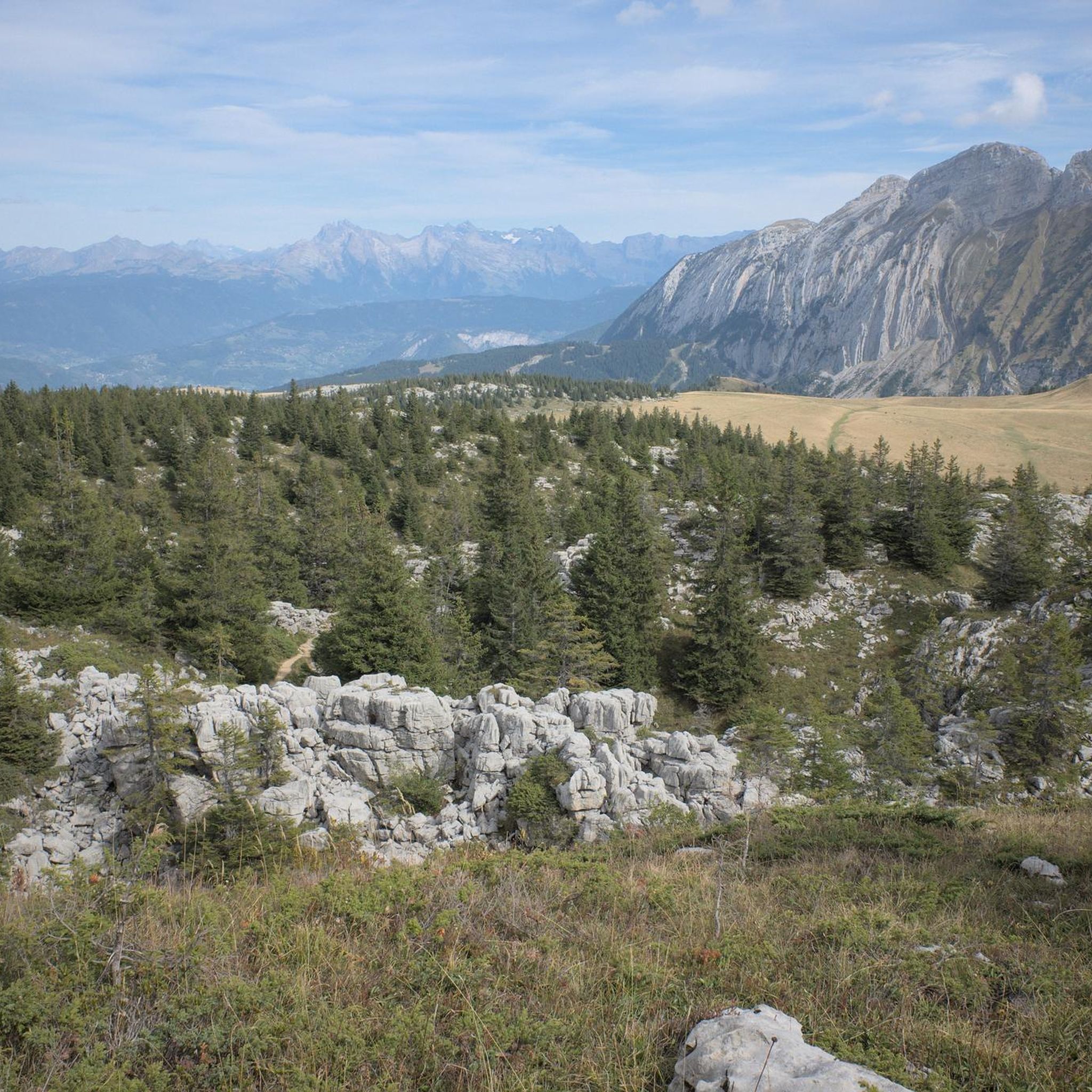
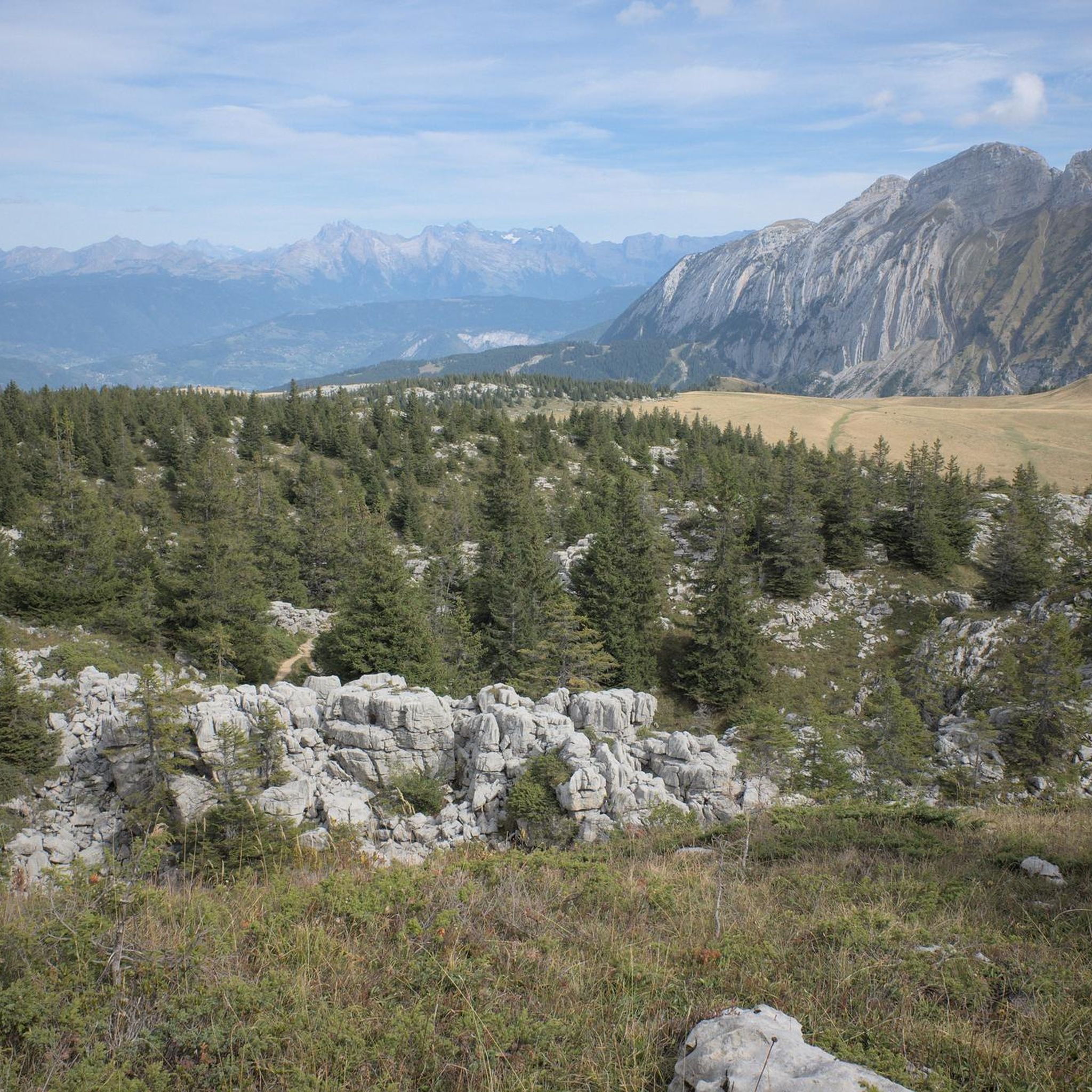
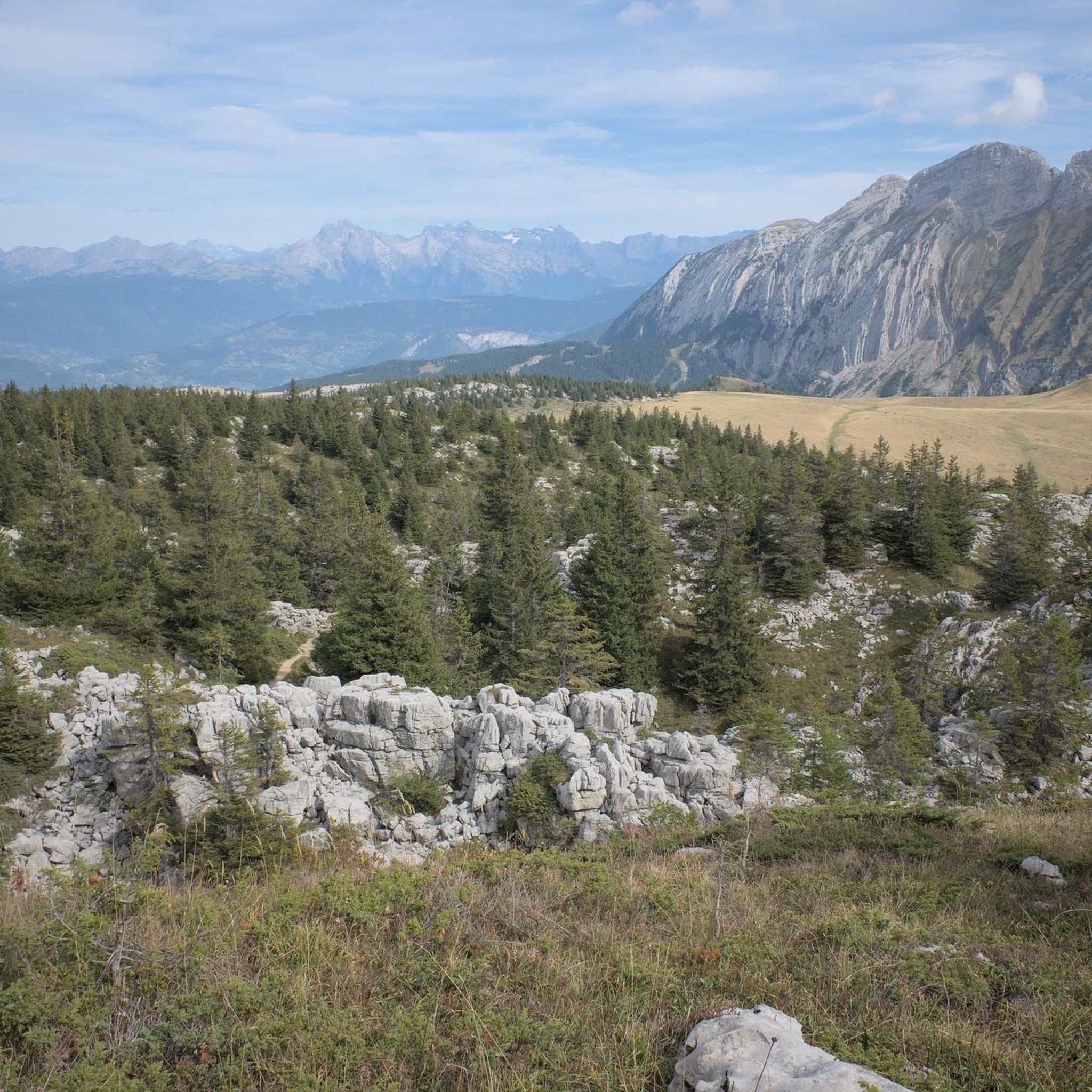
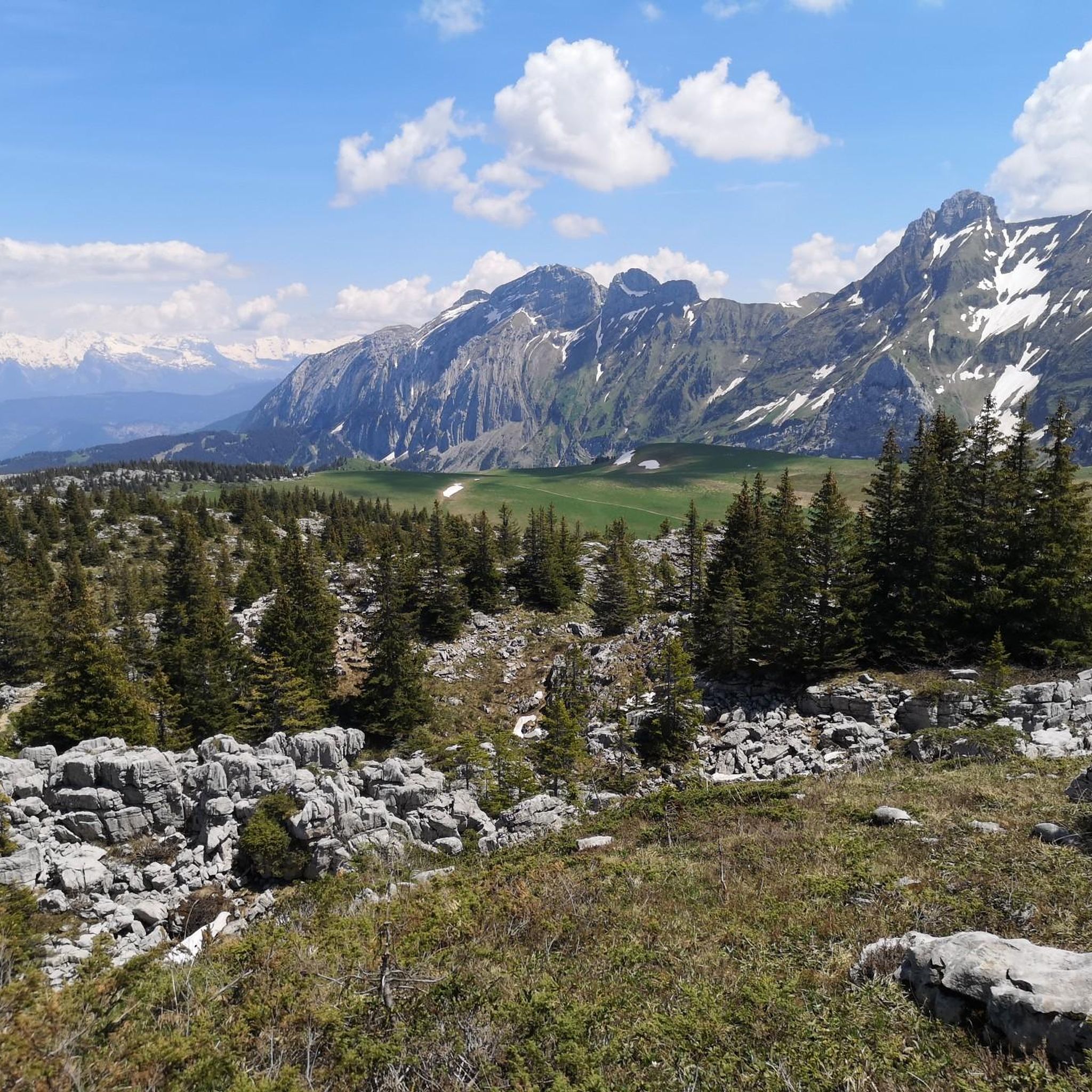
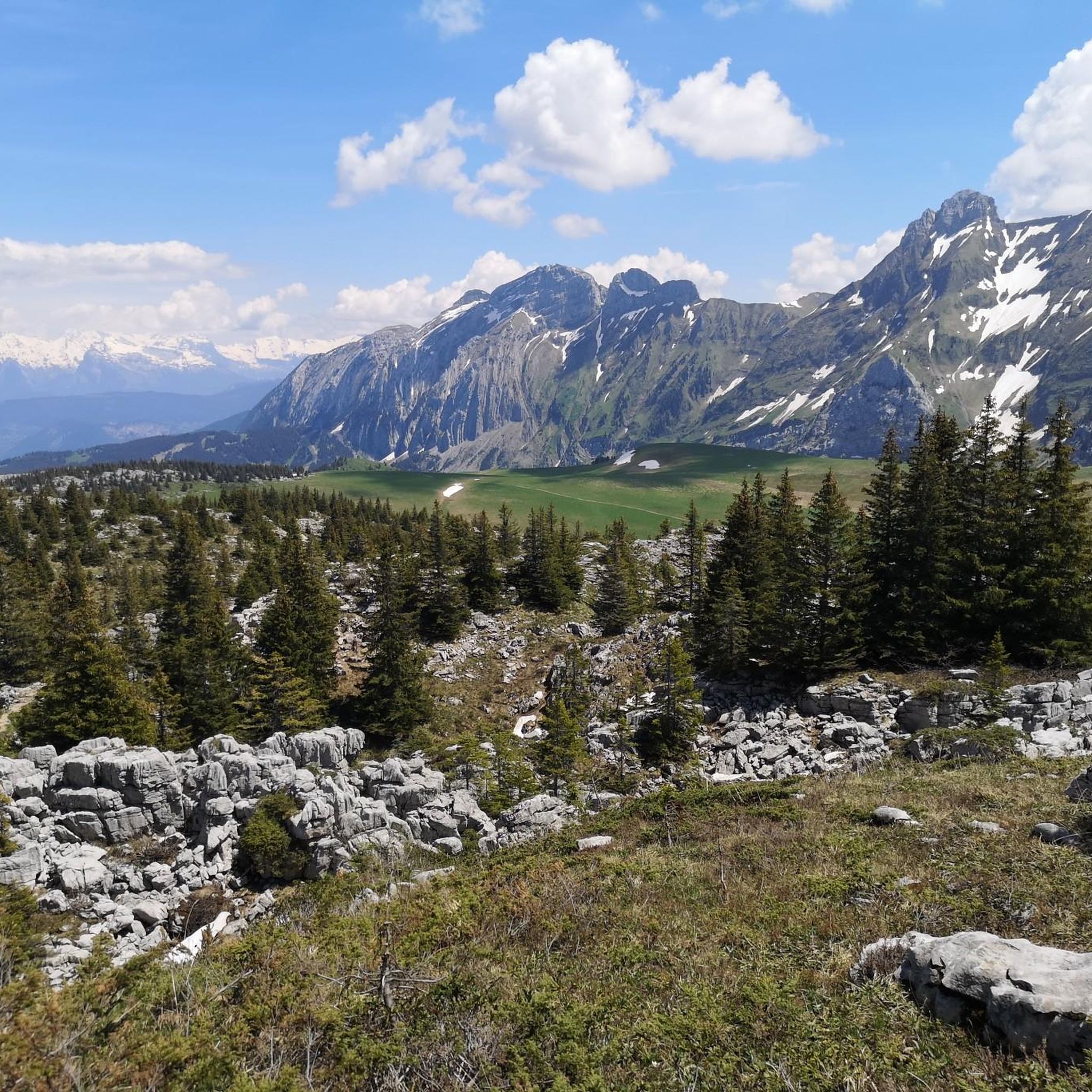
The view from the Belvédère du Pas du Roc is breathtaking, offering a panoramic view of the valley below. From this vantage point, you can admire the vast landscape, where rolling hills, dense forests and meandering rivers create a picturesque scene. The dramatic cliffs and rugged terrain add to the grandeur of the view.
0
0

Breathtaking viewpoint over the Pertuis valley and the Diau cave, and the rocky bar with the Plan de l'Aigle and the Tête de Bunant. Be very careful on the steps of the Sentier des Espagnols. It's slippery, even in dry weather.
0
0

A majestic summit resembling a pyramid from the Cenise side, the Jallouvre - or Jalouvre - is a mythical summit whose ascent, although not difficult compared to its neighbor Pointe Blanche overhanging it by 30m, remains in the memory like that of a almost epic adventure between grueling scree (on both sides), the mythical Col du Razoir (the aptly named) and the Passage de la Cravate which, in the end, poses no more problem than that when the residual snowfields have disappeared, unless that we are subject to vertigo. In summary, one of the most beautiful hikes in the area in my opinion, for which you still need to be sure-footed and in good shape, but which can be tamed quite easily. Do not miss !
1
0

Beautiful cable climb Slippery even in dry weather Alpine plateaus after Nice for a picnic
0
0
To be done on snowshoes or in sneakers, from the solaison plateau for walkers or from Bonneville for hikers; )
0
0

Lake Bénit is located at an altitude of 1,452 meters, on the northern slope (ubac) of the Bargy chain, in the Bornes1 massif. It is dominated to the south by the limestone wall of the Bargy chain from where the scree of the Col d'Encrenaz cirque spills out and delimits the south-west shore of the lake. The northwest bank corresponds to the slope of the old glacial basin while the east bank opens onto the valley of the Lac Bénit stream. In 1988, Father Arsène Bourgeaux, ethnographer, in a publication dedicated to the parish, indicated that the lake, “for the inhabitants of the Mont is considered as a sort of founding place where the identity of a population originates” 7. The lake was the subject of processions by the populations of Marnaz and Mont-Saxonnex, on Saint Claude's Day, in order to protect the villages from flooding. The lake benefited from developments in the early 1960s, notably with the raising of the lake level, which made it possible to double its surface area7. The inauguration took place on July 11, 19657. A mass was improvised by priest Claude Scherantz. Lake Bénit is the subject of many legends. One of them relates that the fairies came to bathe there and were at the origin of the production of butter and tomme in the town. A second legend says that an episcopal ring is found in the lake9. Following a deadly avalanche, the bishop of the diocese is said to have gone “in a grand procession” to bless the lake and to have thrown “his episcopal ring into the waves asking heaven that such a catastrophe never happens again”9. Another version says that the object was so heavy that it fell into the lake at the time of the blessing9. According to this legend, an avalanche emptied the lake and flooded Marnaz below4. Finally Alphonse Favre (en) reports that “this lake is due to a collapse in which a fir forest disappeared. As for the time, it can only be established in a very doubtful manner, by the fact that an old man from the village of Brezon assured, around 1845, that this event had happened in his father's youth. »1
0
0

Frequently Asked Questions
What are some of the most impressive natural monuments to visit around Brison?
The Brison region offers several remarkable natural monuments. You can experience breathtaking panoramic views from the Pas du Roc viewpoint, which overlooks the Pertuis valley and the Diau cave. For a challenging ascent rewarded with exceptional vistas, consider Pic de Jallouvre. Another popular spot is Le Môle summit cross, where you can see Mont Blanc on a clear day.
Are there any lakes among the natural monuments in Brison?
Yes, Lac Bénit is a notable natural monument in the region. Located at an altitude of 1,452 meters on the northern slope of the Bargy chain, it's a beautiful lake with a rich history and local legends. It's a great spot for enjoying serene alpine scenery.
What kind of views can I expect from the natural monuments around Brison?
The natural monuments around Brison are primarily known for their spectacular views. From the Pas du Roc viewpoint, you'll get expansive views over the Pertuis valley and the Diau cave. Summits like Le Môle summit cross offer exceptional panoramas, including Mont Blanc and nearly 700 other peaks. Pointe d'Andey also provides great views suitable for various activity levels.
Are there family-friendly natural monuments or easy hikes around Brison?
For a family-friendly option, Pointe d'Andey is noted for its accessible climb and offers rewarding views. While some trails can be challenging, many areas around these natural monuments have paths suitable for different fitness levels. For easy running trails, you can explore options like the 'Running loop from Saint-Pierre-en-Faucigny' which is 4.75 km long and rated easy, found in the Running Trails around Brison guide.
What outdoor activities can I do near these natural monuments?
The Brison region is excellent for various outdoor activities. You can find numerous hiking trails, including moderate options like the 'Pointe d’Andey loop' (3.28 km) in the Hiking around Brison guide. Mountain biking is also popular, with routes like the 'Geneve passy – Europe Bridge loop' (15.24 km, easy) available in the MTB Trails around Brison guide. Running trails are also abundant, such as the 'Mont-Saxonnex – Mont Saxonnex little church loop' (6.35 km, moderate) from the Running Trails around Brison guide.
What do visitors enjoy most about the natural monuments in Brison?
Visitors frequently praise the breathtaking views and the sense of adventure. For instance, the Pas du Roc viewpoint is described as offering 'breathtaking' panoramic views. The ascent to Pic de Jallouvre is often remembered as an 'epic adventure' due to its challenging terrain and rewarding summit. The exceptional views from Le Môle summit cross, including Mont Blanc, are also highly appreciated.
Are there challenging hikes or climbs among the natural monuments?
Yes, for those seeking a challenge, Pic de Jallouvre is a majestic summit known for its demanding ascent, involving scree and passages like the 'Col du Razoir' and 'Passage de la Cravate.' The Pas du Roc viewpoint also involves a cable climb and can be slippery, even in dry weather, requiring careful footing.
How long does it typically take to visit some of these natural monuments?
The duration of your visit can vary. For viewpoints like Pas du Roc, you might spend a few hours enjoying the views and nearby trails. Ascents to summits like Pic de Jallouvre or Le Môle summit cross can be full-day hikes, especially if you take your time to enjoy the scenery and challenging sections. A visit to Lac Bénit could range from a short stop to a longer picnic or exploration.
What are the geological features of the natural monuments in Brison?
The natural monuments around Brison are characterized by the dramatic geology of the French Alps. You'll find mountainous terrain, deep valleys, and significant geological formations. For example, Lac Bénit is situated in an old glacial basin, dominated by the limestone wall of the Bargy chain. The Pas du Roc viewpoint offers views of dramatic cliffs and rugged terrain, including the rocky bar with the Plan de l'Aigle.
Are there any circular walks available near the natural monuments?
Yes, many of the routes in the region are designed as loops. For instance, the 'Pointe d’Andey – Pointe d'Andey loop' is a moderate 3.28 km hike. For running, there's the 'Lac Bénit – Lac Bénit loop from Mont-Saxonnex' (7.08 km, difficult). Mountain bikers can enjoy the 'View – Lac Bénit loop from Morsullaz' (15.17 km, difficult). You can find more circular options in the respective hiking, MTB, and running guides for Brison.
What should I wear when visiting the natural monuments in Brison?
Given the mountainous terrain of the French Alps, it's advisable to wear appropriate hiking gear. This includes sturdy hiking boots, especially for trails that can be slippery or involve scree, such as those near Pic de Jallouvre or Pas du Roc. Layered clothing is recommended to adapt to changing weather conditions, as temperatures can vary significantly between valleys and summits.
Is there parking available near the natural monuments?
While specific parking details for each highlight are not always provided, natural monuments in popular outdoor regions like Brison typically have designated parking areas at trailheads or near key access points. It's recommended to check local signage or specific route descriptions for the most accurate parking information when planning your visit.
Most popular routes around Brison
Most popular attractions around Brison

Get inspired with the komoot mobile app


Explore more
Extend your search for the best caves by checking out these guides of the top ones around Brison:
