Top 9 Mountain Passes around Castaneda
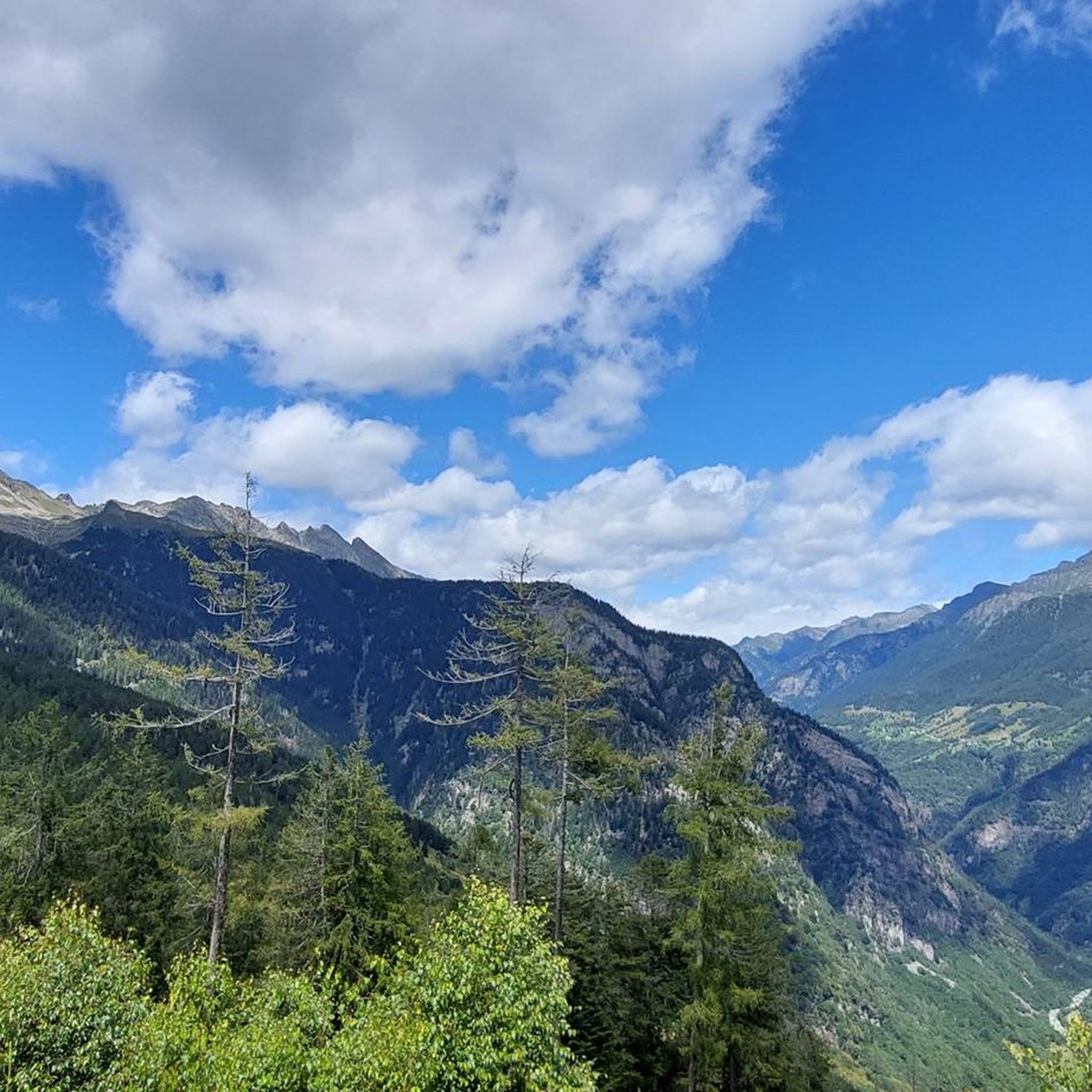
Mountain passes around Castaneda, located in the canton of Graubünden, Switzerland, offer routes through the Alps. This region is characterized by high mountain passes, deep valleys, and historical routes connecting Switzerland and Italy. The landscape features Alpine terrain with significant elevation changes. These passes have historically served as trade and transit routes.
Best mountain passes around Castaneda
- The most popular mountain passes is Passo del Segnale di Vazzola, a mountain pass that allows passage between the Cama valley and…
Last updated: June 26, 2026
San Bernardino Pass from Bellinzona
Highlight (Segment) • Mountain Pass
Tip by

Pass de Buffalora
Highlight • Mountain Pass
Translated by Google •
Tip by

Sign up now to discover places like this
Get recommendations on the best single tracks, peaks, & plenty of other exciting outdoor places.
Sign up for free
Parcours 1 #TCRNo9 // Passo dello Spluga
Highlight (Segment) • Mountain Pass
Tip by

Camedo Pass
Highlight • Mountain Pass
On clear days on the Italian side the view reaches as far as Lake …
Translated by Google •
Tip by

Passo del Segnale di Vazzola
Highlight • Mountain Pass
Showing Translation
Tip by

Sign up for free to discover even more mountain passes around Castaneda.
Sign up for free
Already have an account?
Start today with a free account
Your next adventure awaits.
Login or Signup
Tips from the Community

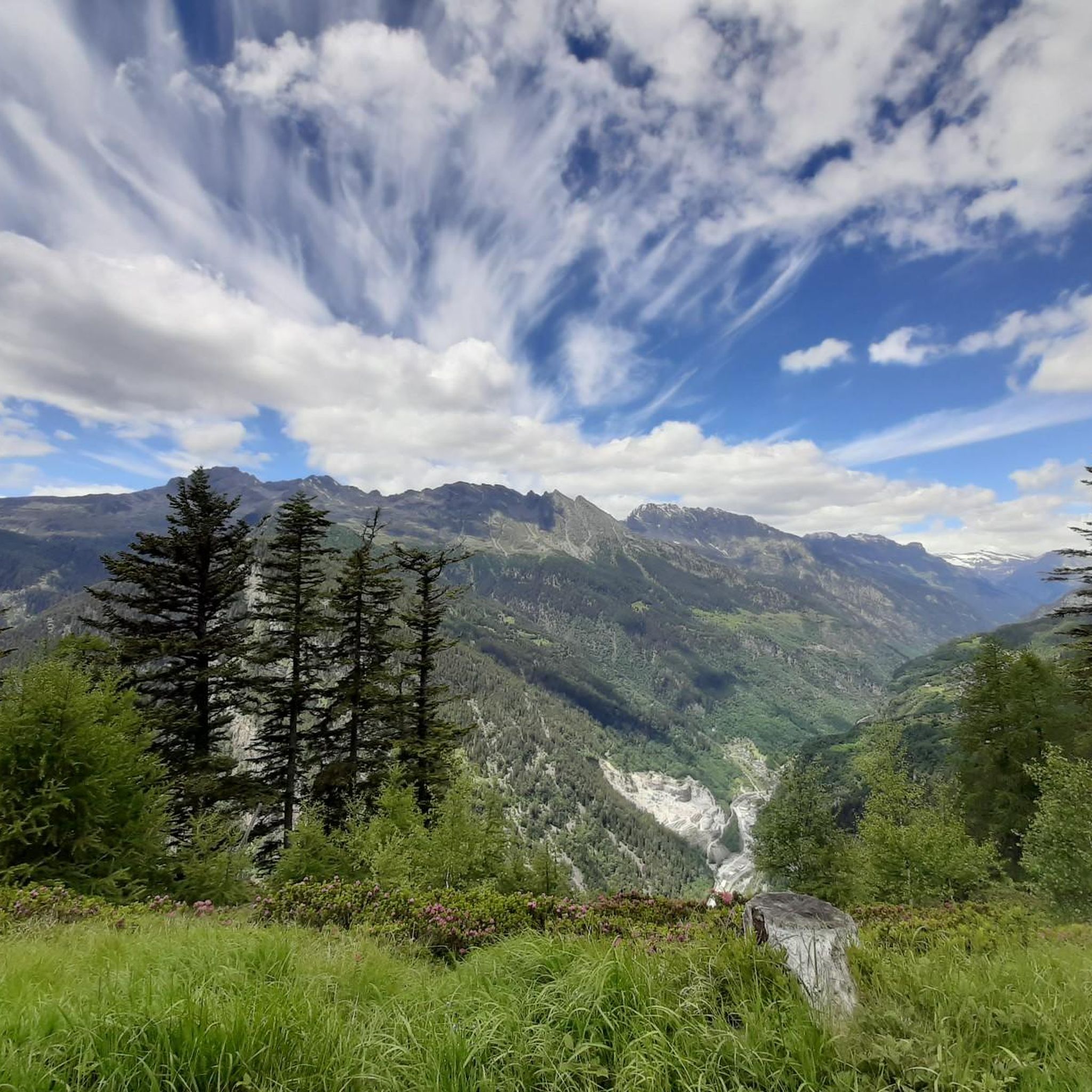
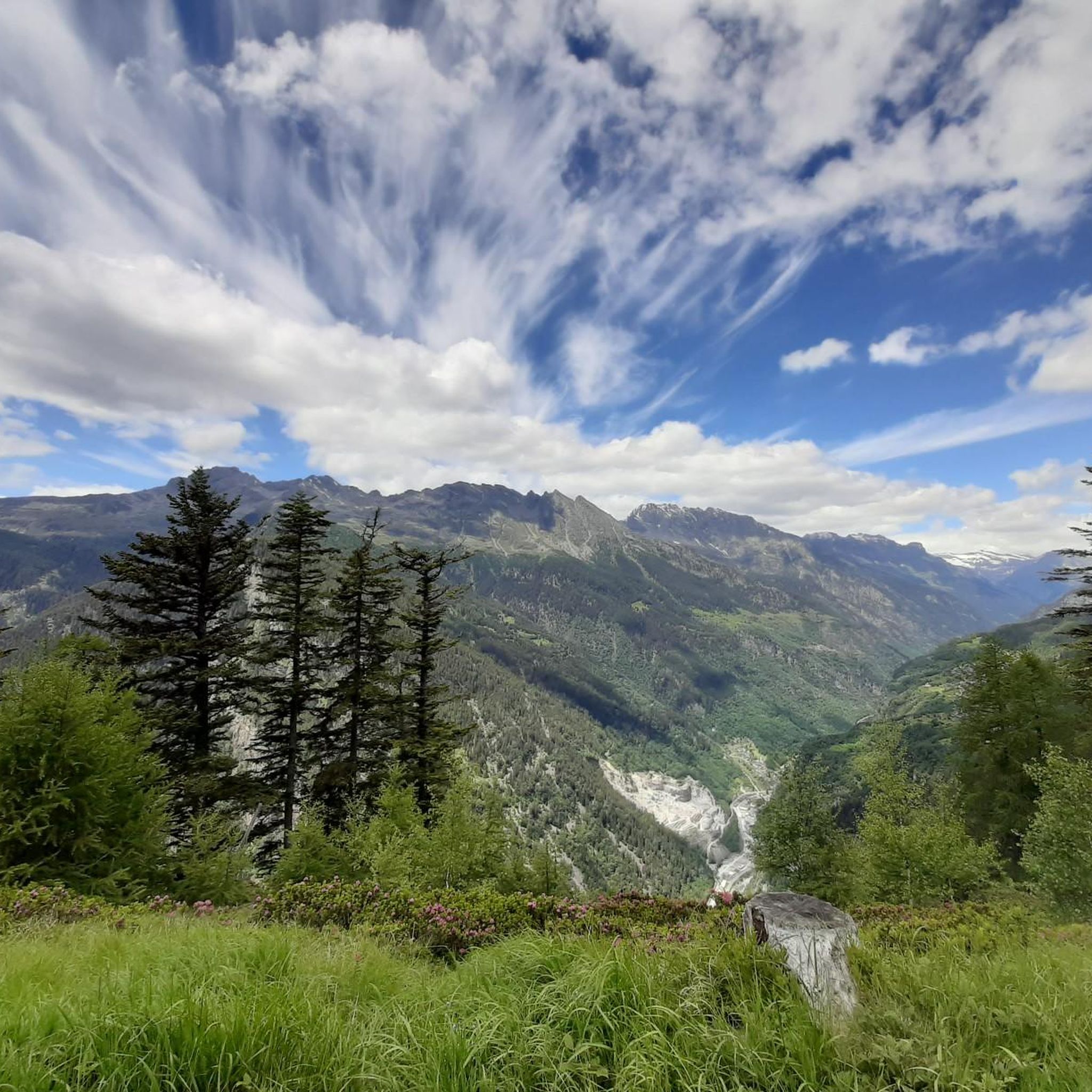
The Passo del Segnale is located at around 2,100 meters and is easily recognizable from afar by a distinctive wooden pole with an X-shaped cross. It connects the Val Cama with the Val Leggia and is an important pass between the two valleys – with beautiful views in both directions.
0
0

The Passo del Segnale di Vazzola (2108 m) allows you to pass from the Val di Cama to the Val di Leggia and vice versa.
0
0
The Bocchetta di Camedo allows you to connect the Val d'Aiàn and the Valle Fiumetto (Lombardy). On clear days on the Italian side the view reaches as far as Lake Como, and from the The view towards Italy is unfortunately spoiled by mist, on a clear day you would see Lake Como, on the other the slopes of Cima di Paina or Cima dello Stagn.
1
0

Long climb up the pass, but really beautiful and very pleasant to ride
0
1

Very nice pass, drive and enjoy
0
1

Compared to other passes in the Calanca massif, this transition is easy from an alpine point of view, especially if you can drive to Alp de Bec-Sot by car or alpine taxi. Since the area is relatively lonely, the alpine vegetation can be enjoyed all the more.
1
0

Heading south to the Alps for the first Control Point of the Race, TCRNo9 riders face a parcours that follows in the millenia-old tracks of pass-storming armies and traders — zig-zagging across the Swiss and Italian borders, over the high cols and through the steeply-gorged valleys of the now famous San Bernardino and Splugen Passes, before plunging to Chiavenna at the foot of the Maloja Pass. 2023 marks the 200-year anniversary of the modern road over the Passo dello Spluga. Here riders will free route from the end of the parcours to Control Point 1 in Livigno. Perched high in the Italian Alps, the location will force racers to remain in the mountains en route to Control Point 2. Livigno’s name stems from the old German word for ‘avalanche’ — a reminder to riders not to underestimate conditions here, something they will do at their peril as they traverse some of the highest paved roads in the region before being deposited at the foot of the mighty Stelvio National Park.
0
0

Passo del Segnale di Vazzola (2108 m, with no name on the CNS map) clearly visible from a distance thanks to the characteristic post with the Andrea cross (X-shaped). It allows you to cross from the Cama valley to the Leggia valley and vice versa
1
0
Frequently Asked Questions
What are some of the most notable mountain passes around Castaneda?
The region around Castaneda, in the Swiss canton of Graubünden, features several significant Alpine passes. Among them are Passo del Segnale di Vazzola, known for its characteristic Andrea cross, and Camedo Pass, offering views towards Lake Como on clear days. Another important pass is Bocchetta d'Agnon (or di Cama), which historically served as a smuggling route between Italy and Switzerland. The famous San Bernardino Pass and Passo dello Spluga are also prominent, offering challenging routes and historical significance.
What kind of natural features can I expect to see on these mountain passes?
The mountain passes around Castaneda are set in an Alpine landscape with significant elevation changes. You'll encounter deep valleys, high cols, and rugged terrain. For instance, the San Bernardino Pass features lovely small ponds and glacial streaks, culminating in the magnificent Moesola mountain lake. Many passes offer expansive viewpoints, allowing you to take in the vastness of the Alps.
Do these mountain passes have any historical significance?
Yes, many of the passes around Castaneda have a rich history. They have historically served as vital trade and transit routes connecting Switzerland and Italy. For example, Bocchetta d'Agnon (or di Cama) was used by smugglers for border trade in the 19th century. The Passo dello Spluga follows millenia-old tracks used by armies and traders, with its modern road celebrating its 200-year anniversary.
What outdoor activities can I do near the mountain passes around Castaneda?
The region offers a variety of outdoor activities. You can explore numerous hiking trails, from moderate to difficult, such as the Grono and Santa Maria in Calanca Historic Trail or the challenging Pizzo Paglia via Val Grono Trail. For cycling enthusiasts, there are routes like the Ascent to Passo San Bernardino from Grono or the Graubünden Route: Mesolcina Valley Loop. Gravel biking is also popular, with routes like the OpenArt Sculpture Park – Ponte della Maggia loop. You can find more details on these activities in the hiking, cycling, and gravel biking guides around Castaneda.
Are there challenging routes for experienced hikers or cyclists?
Absolutely. Many of the mountain passes and nearby routes are classified as challenging. For instance, the San Bernardino Pass involves a 25 km climb with a 1,500-meter vertical drop and an average gradient of 6%. The Passo dello Spluga is also part of challenging long-distance routes. Hiking options include difficult trails like the Lago di Buseno and Torre di Santa Maria in Calanca loop, and cycling routes such as the Ascent to Passo San Bernardino from Grono are also rated difficult.
What do visitors enjoy most about the mountain passes around Castaneda?
Visitors frequently appreciate the stunning Alpine scenery and the challenging yet rewarding routes. The historical context of many passes, such as their use as ancient trade or smuggling routes, adds another layer of interest. The views, especially from passes like Camedo Pass towards Lake Como, are often highlighted. The komoot community has shared 31 photos and given 37 upvotes, reflecting the area's appeal.
Are there any specific viewpoints worth seeking out on these passes?
Many of the mountain passes themselves offer incredible viewpoints. From Camedo Pass, on clear days, you can see as far as Lake Como from the Italian side. The final stretch of the San Bernardino Pass, with its Moesola mountain lake, provides magnificent vistas before the descent. The passes are inherently designed to offer panoramic views of the surrounding Alpine landscape.
What is the best time of year to visit the mountain passes around Castaneda?
The best time to visit the Alpine mountain passes around Castaneda for hiking and cycling is typically during the warmer months, from late spring to early autumn (roughly June to September). During this period, the passes are generally free of snow, and the weather is more stable, making for safer and more enjoyable conditions. Winter brings snow and challenging conditions, often closing higher passes.
Are there any cafes or accommodation options near the mountain passes?
While specific cafes directly on every pass might be limited, the villages and towns in the valleys leading up to or immediately after the passes, such as San Bernardino village near the San Bernardino Pass, offer various amenities. These typically include guesthouses (like the Hospiz St. Bernhardin), restaurants, and cafes where you can rest and refuel.
Can I find loop trails that incorporate these mountain passes?
Yes, the rugged terrain and network of trails in the region allow for various loop routes. While specific loop trails directly over the highest points of every pass might require extensive planning, many nearby hiking and cycling routes are designed as loops, often incorporating sections of the pass roads or offering views of them. For example, the Val Grono area offers several loop tours for hiking.
What is the elevation of the mountain passes around Castaneda?
The mountain passes in this Alpine region are at significant elevations. For instance, the San Bernardino Pass reaches an altitude of 2063 meters above sea level. Bocchetta d'Agnon (or di Cama) is at 2269 meters. These elevations contribute to the challenging nature and spectacular views offered by these routes.
Are there any specific safety considerations for exploring these mountain passes?
Given the Alpine environment, safety is paramount. Weather conditions can change rapidly, even in summer, so it's essential to check forecasts before heading out. Proper gear, including layers of clothing, sturdy footwear, and navigation tools, is recommended. Some routes are challenging with significant elevation changes, so assess your fitness level. In winter, many passes may be closed or require specialized equipment and experience due to snow and ice.
Most popular attractions around Castaneda

Get inspired with the komoot mobile app


Explore more
See even more epic mountain passes by checking out these guides around Castaneda:
