Top 13 Natural Monuments around Raon-L'Étape
Best natural monuments around Raon-L'Étape are characterized by diverse geological formations and forested landscapes. The region, situated in the Vosges department, offers a variety of natural sites, including impressive rock formations and historical monuments. These areas provide opportunities for outdoor activities such as hiking and offer scenic viewpoints. The blend of natural beauty and historical significance makes the area notable for exploration.
Best natural monuments around Raon-L'Étape
- The most popular natural monuments is La Bure Celtic Camp, a historical…
Last updated: October 18, 2026
La Bure Celtic Camp
Highlight • Historical Site
Translated by Google •
Tip by

Rambiroche
Highlight • Viewpoint
Translated by Google •
Tip by

Sign up now to discover places like this
Get recommendations on the best single tracks, peaks, & plenty of other exciting outdoor places.
Roches de Lanceux
Highlight • Natural Monument
Translated by Google •
Tip by

Roches de Marie Fontaine
Highlight • Natural Monument
Translated by Google •
Tip by

Pain de Sucre Rock Formation
Highlight • Natural Monument
Translated by Google •
Tip by

Sign up for free to discover even more natural monuments around Raon-L'Étape.
Already have an account?
Start today with a free account
Your next adventure awaits.

Tips from the Community

Camp accessible to mountain bikes but next to the bike
0
0

The shelter can only be seen if you take the more difficult path that goes under the rocks. Both paths are beautiful.
2
2

One of the many rocks to see in this area, giving a nice view towards Bionville (although less clear than that of Roche aux Cochons). It nevertheless stands out for its size, its hollow hollow on its top, but above all, for the passage of the path in one of its faults! 🪨
1
0
Rocks located above the village of Pierre Percée. The path that runs alongside them allows you to reach the Château in one direction, the Grotte des Poilus in the other.
2
0
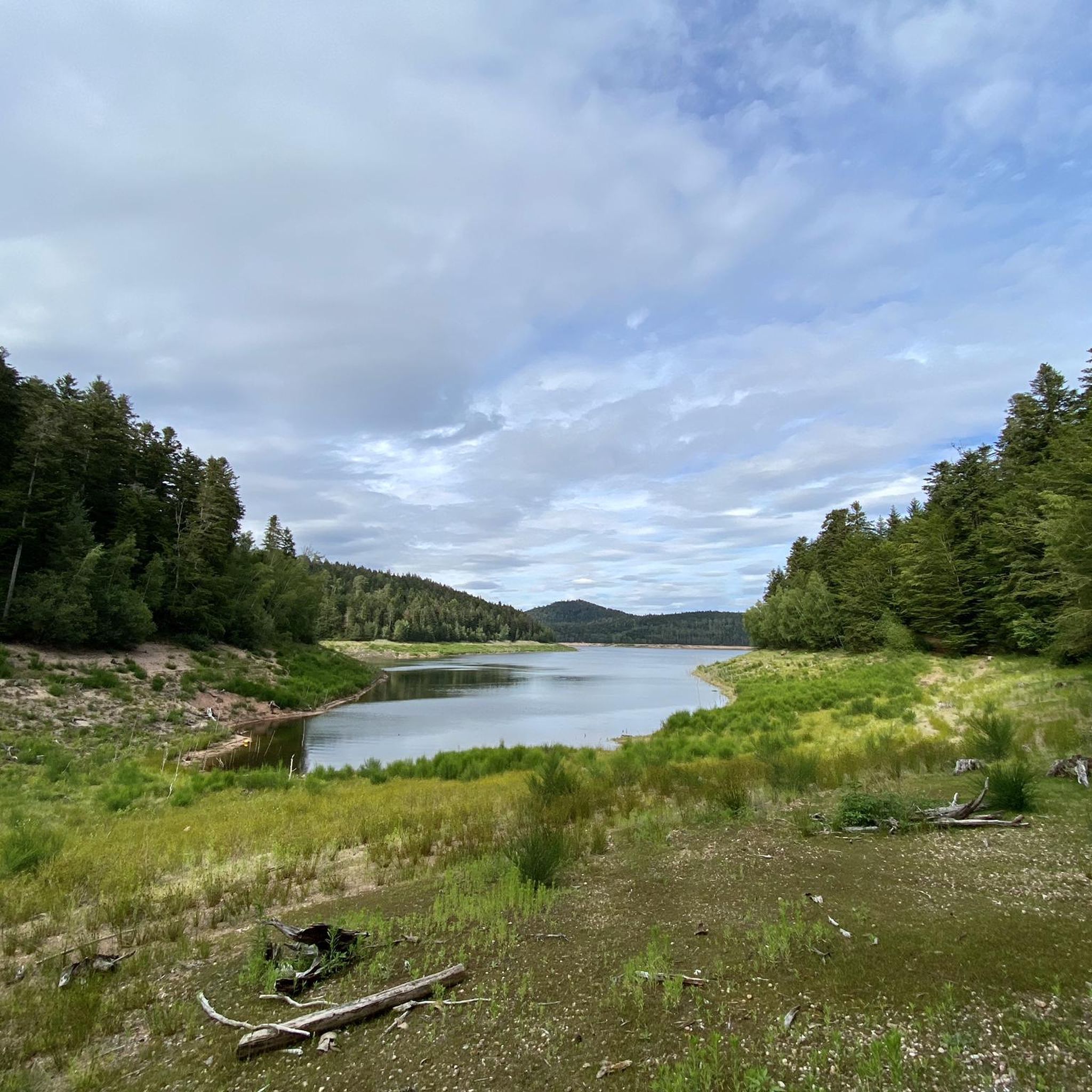
The Celtic camp of the Bure is a fortified plateau bordering the Haute-Meurthe valley in the Grand-East of France. The plateau, now wooded, lies between the communes of Saint-Dié-des-Vosges and that of Hurbache, at the western end of the Ormont massif. This site, known for 23 years of archaeological research from 1964 to 1986, has been classified as a Historical Monument since August 6, 1982. The site has been inhabited since at least the Neolithic period. Then used intensively by the Celts and later by the Romans. There is a lot to see from that time, also because there have not been any settlement activities worth mentioning for a long time. More information e.g. here: https://fr.wikipedia.org/wiki/Camp_celtique_de_la_Bure
6
0

A fantastic rock with a beautiful view over the valley.
3
0

It's not the sugar loaf
0
0

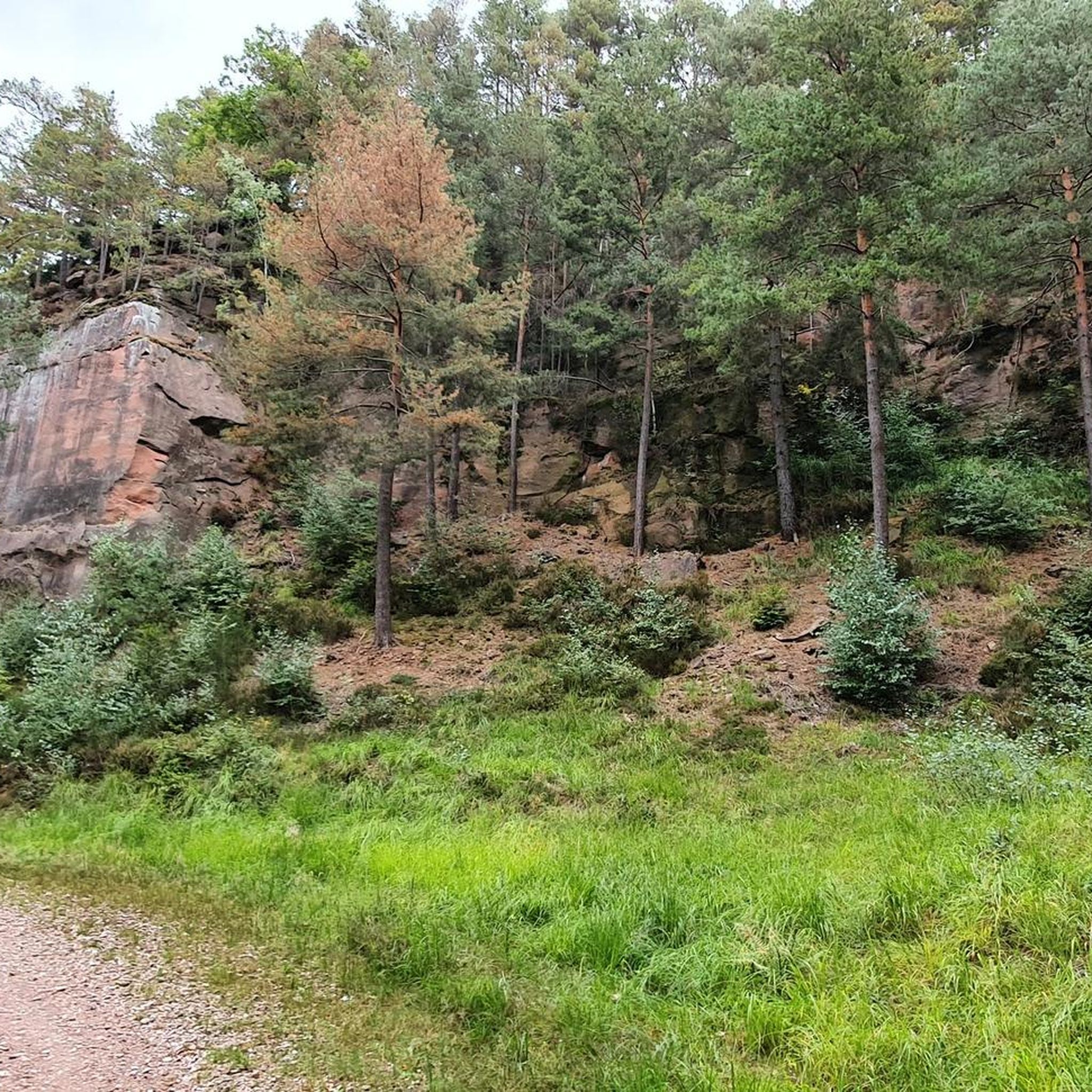
An impressive rock (like a decent cliff) offering a nice view of the valley. You can walk on top of it, but don't miss walking on its side at the bottom and stepping through the rift.
1
0
Frequently Asked Questions
What types of natural monuments can I explore around Raon-L'Étape?
The region around Raon-L'Étape is rich in diverse natural monuments, primarily featuring impressive rock formations and scenic forested landscapes. You'll find significant rock outcrops like Rambiroche, known for its views, and the unique Pain de Sucre Rock Formation. Additionally, there are historical sites integrated with natural features, such as La Bure Celtic Camp, a fortified plateau with ancient history.
Are there any natural monuments with historical significance near Raon-L'Étape?
Yes, several natural monuments in the area also hold historical importance. La Bure Celtic Camp is a fortified plateau inhabited since the Neolithic period and classified as a Historical Monument. Another notable site is Roche Mère Henry, which served as a significant front during World War I, featuring a viewing platform and remnants of fortifications and underground passages.
What are some of the most scenic viewpoints among the natural monuments?
Many natural monuments offer breathtaking views. Rambiroche provides a beautiful panorama over the valley. The Pain de Sucre Rock Formation offers a 360-degree view. Roche Mère Henry also boasts a viewing platform with expansive vistas. Additionally, the Roche du Diable near Abreschviller offers magnificent views of the Sarre Rouge valley.
Are there challenging hiking trails to reach these natural monuments?
For experienced hikers, the Sentier des Roches (Trail of Rocks) is a challenging 11-kilometer hike with significant elevation changes. It features prominent rock formations like Rocher de Rambiroche and Roche de l'Aigle, offering panoramic views and unique geological features.
Are there easier or moderate hiking options to explore the natural monuments?
Yes, the Circuit des Roches en massif du Répy is a pleasant and shaded 6.54 km forest trail suitable for a moderate hike. It guides visitors 'from rock to rock,' passing by formations such as Roche Joli Bois, Roches de Faucompierre, and Roche des Corbeaux, with numerous scenic overlooks.
What unique rock formations can I expect to see?
You'll encounter a variety of distinctive rock formations. The Sentier des Roches includes the impressive Rocher de Rambiroche and the bird-beak shaped Roche de l'Aigle. On the Circuit des Roches en massif du Répy, you can explore Roches de Faucompierre, Roche des Corbeaux, and Roche du Renard. The Roche du Diable is notable for its unique pink sandstone rocks.
What outdoor activities can I do near these natural monuments?
Beyond hiking, the area offers various outdoor activities. You can find numerous mountain biking trails, such as those detailed in the MTB Trails around Raon-L'Étape guide, including routes like 'The Calling Stone – View from Pierre d'Appel loop'. There are also running trails, like those in the Running Trails around Raon-L'Étape guide, and gravel biking options, as seen in the Gravel biking around Raon-L'Étape guide.
Is there a lake or water-based natural monument nearby?
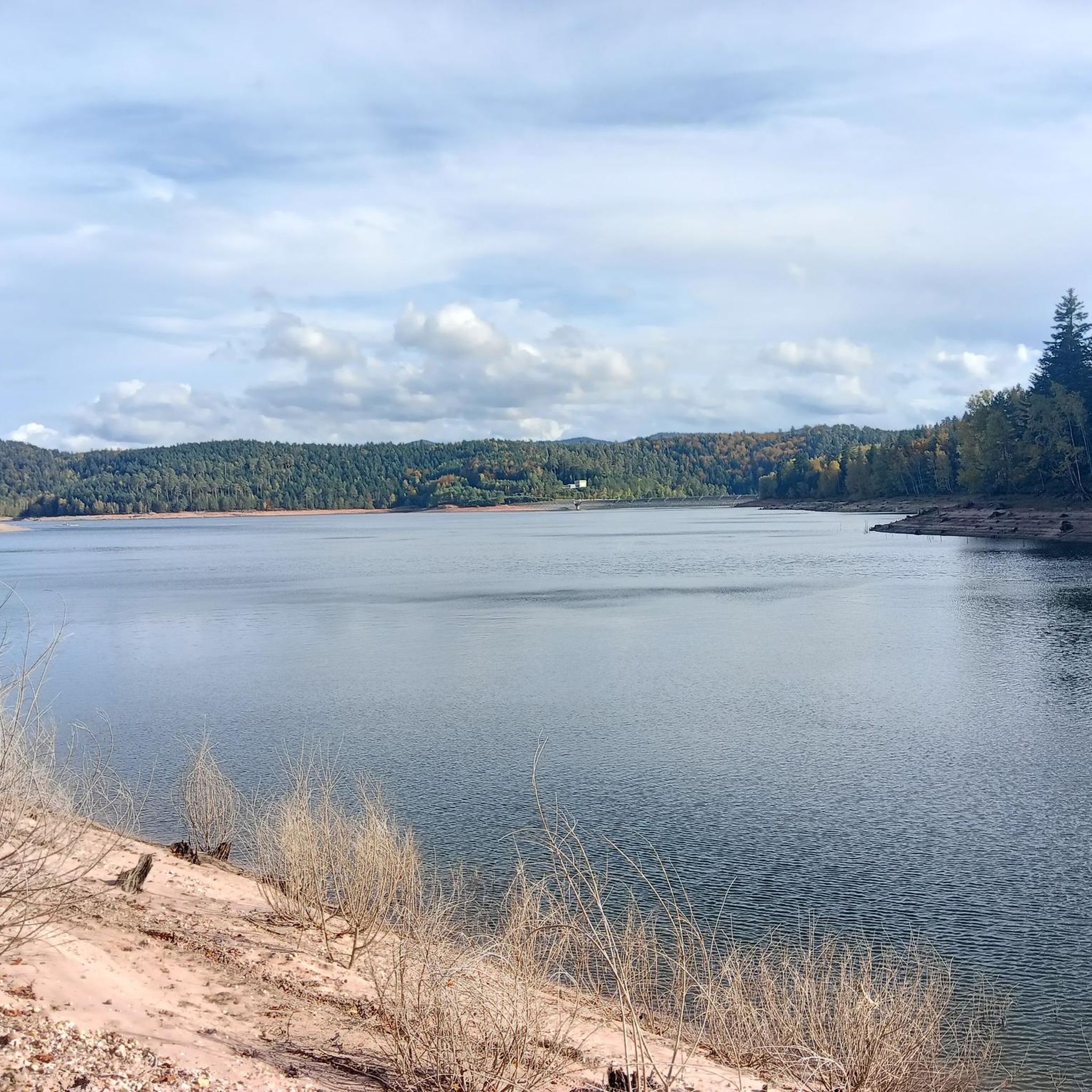
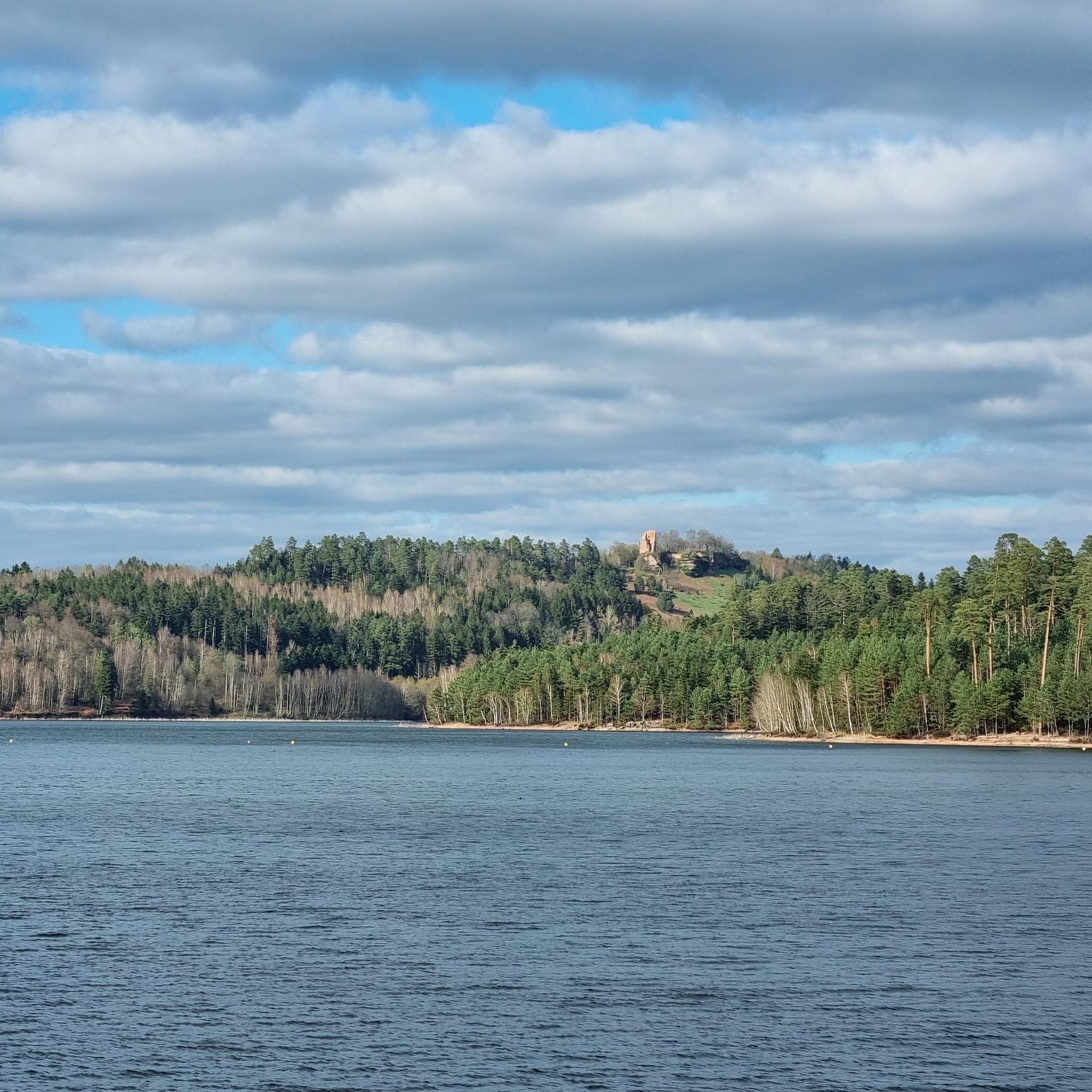
Yes, the Lac de Pierre-Percée, located near Raon-L'Étape, is a significant lake in the area. While it's an EDF reservoir, its surroundings are recognized for their natural beauty and offer opportunities for hiking, water sports, and general nature experiences.
What do visitors enjoy most about the natural monuments around Raon-L'Étape?
Visitors frequently highlight the stunning panoramic views from various rock formations, the immersive experience of hiking through varied forest environments, and the blend of natural beauty with historical significance. The unique geological features and the tranquility of the forest settings are also highly appreciated.
Are there any natural monuments that are particularly family-friendly?
The Circuit des Roches en massif du Répy is generally considered suitable for families due to its moderate difficulty and shaded forest paths. It offers varied rock formations and scenic overlooks in a tranquil setting, making it an enjoyable experience for different age groups.
Can I find any natural monuments with facilities like picnic areas?
Yes, Roches de Lanceux is a natural monument and viewpoint that includes a simple shelter and a picnic area, making it a convenient spot for a break during your exploration.
What is the best time of year to visit the natural monuments?
The natural monuments around Raon-L'Étape are generally best visited during spring, summer, and autumn. These seasons offer pleasant weather for hiking and allow for full enjoyment of the scenic views and outdoor activities. Winter can also be beautiful, but some trails might be more challenging due to snow or ice.
Most popular routes around Raon-L'Étape
Most popular attractions around Raon-L'Étape

Get inspired with the komoot mobile app


Explore more
Extend your search for the best caves by checking out these guides of the top ones around Raon-L'Étape:
