Top 5 Natural Monuments around Vallères
Best natural monuments around Vallères are characterized by the preserved rural landscape of the Loire-Anjou-Touraine Regional Natural Park. This area features diverse landscapes including riverbanks, forests, and agricultural lands. The region's natural beauty is enhanced by its valleys, plateaus, and the presence of the Loire and Cher rivers. Visitors can explore a harmonious blend of natural features and historically significant sites.
Best natural monuments around Vallères
- The most popular natural monuments is Gardens of the Château de Villandry, a…
Last updated: October 5, 2026
Gardens of the Château de Villandry
Highlight • Castle
Translated by Google •
Tip by

The petrifying caves of Savonnière
Highlight • Cave
February / March: 10h-12h / 14h-18h
April to June: 10h-19h
July / August: 9h30-19h30
September: 10h-19h
October / November: 10h-12h / 14h-18h
There are guided tours (duration approx. 1 hour).
Translated by Google •
Tip by

Sign up now to discover places like this
Get recommendations on the best single tracks, peaks, & plenty of other exciting outdoor places.
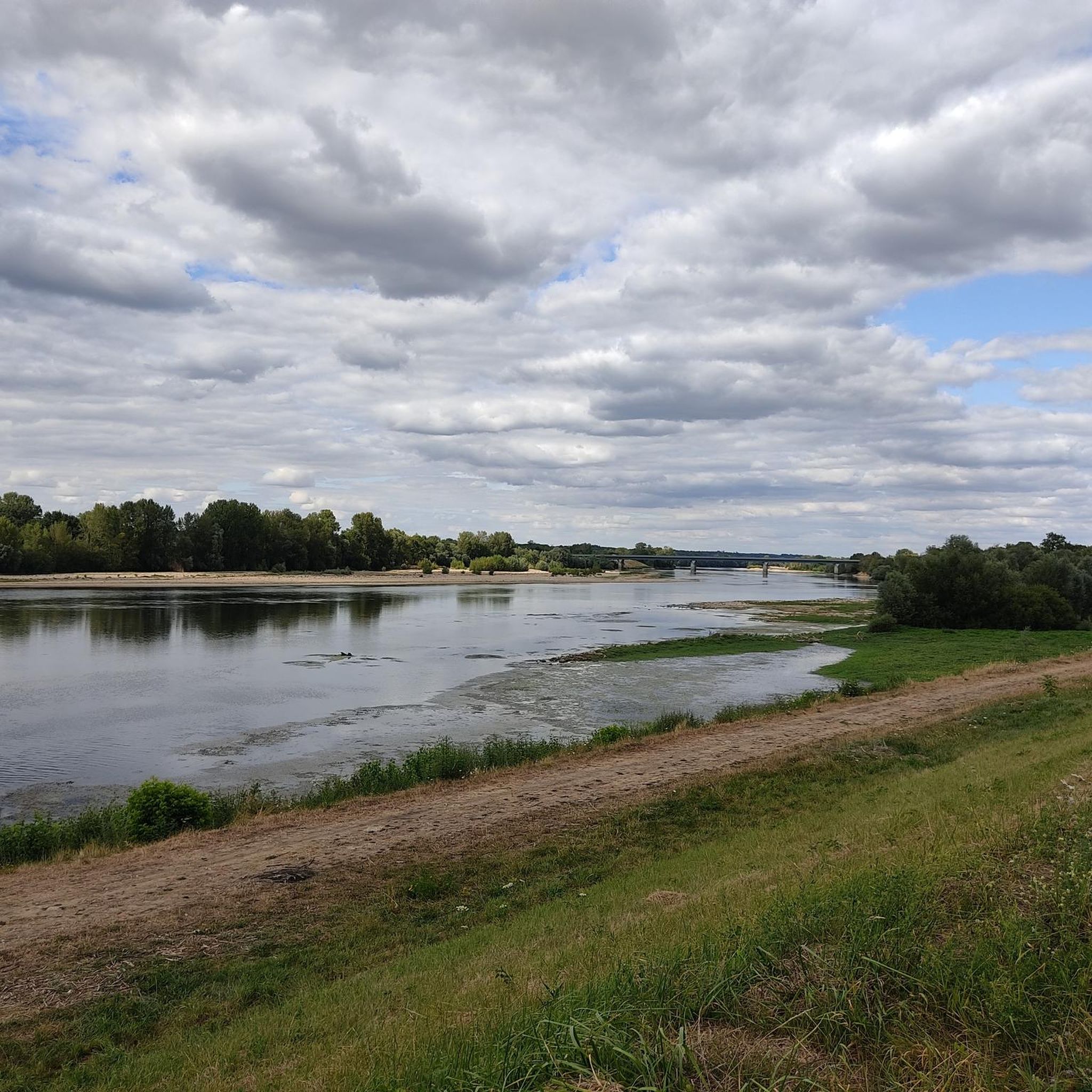
Confluence of the Cher and Loire Rivers
Highlight (Segment) • River
Translated by Google •
Tip by

Chinon State Forest
Highlight (Segment) • Forest
Translated by Google •
Tip by

Île de Quiquengrogne
Highlight • Natural
Translated by Google •
Tip by

Start today with a free account
Your next adventure awaits.

Tips from the Community

The route directly to the confluence is not really recommended for racing bikes
0
0

One thing is for sure: don't worry, you can cycle in the Chinon forest without the risk of encountering a single wolf. The last wolf was shot in Cheillé in 1789. Although this poor animal is no longer there, the forest is still home to numerous species of large and small wild animals (deer, roe deer, wild boar, foxes, etc.) and, exceptionally, also rare protected species of birds, amphibians and insects, such as the natterjack toad, the alpine rose-ball toad and even the middle spotted woodpecker (cousin of the great spotted woodpecker) and the sparrowhawk. The 5,140 hectare forest massif has a rich and varied flora, in which winter oaks, Scots pine, maritime pine and beech predominate.
1
0

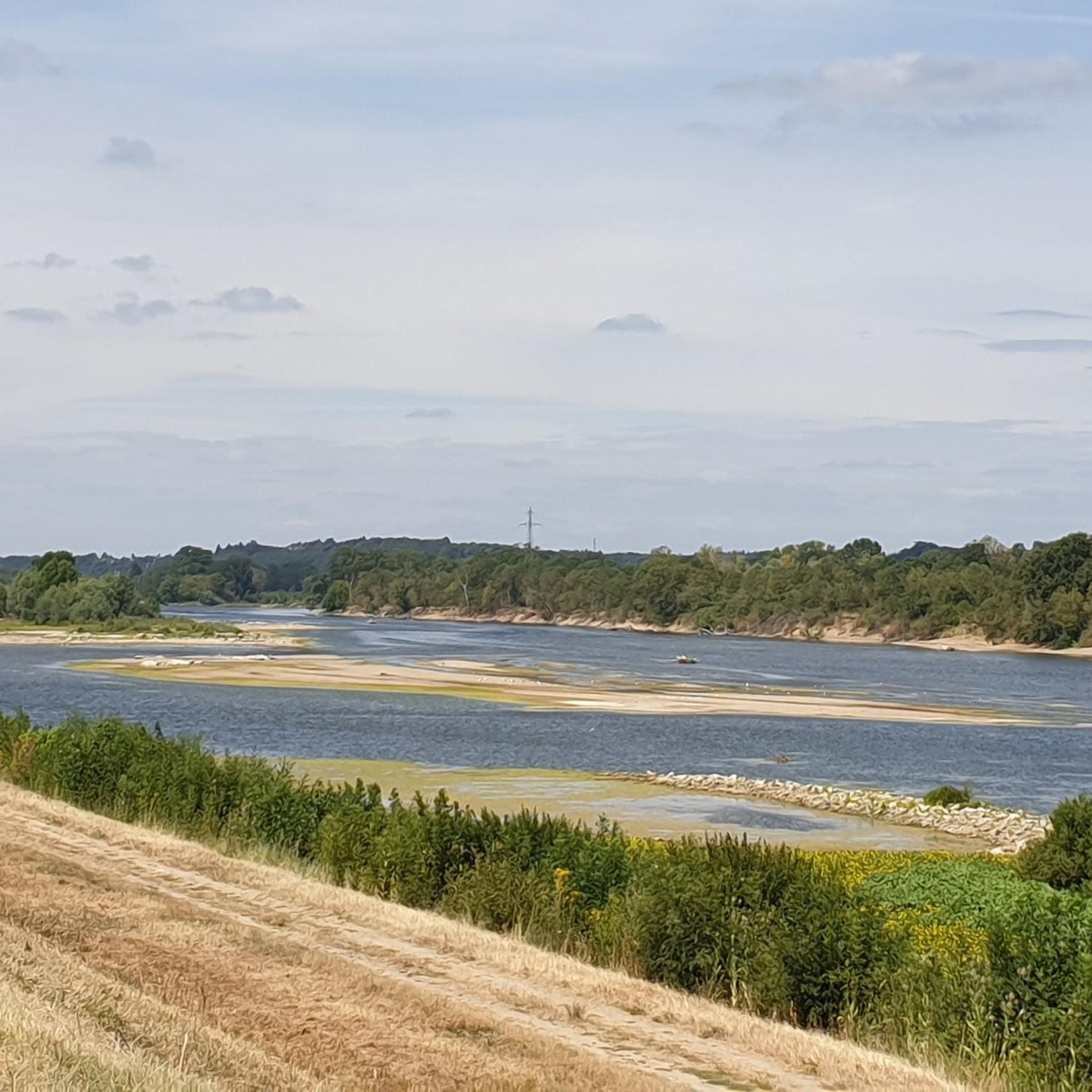
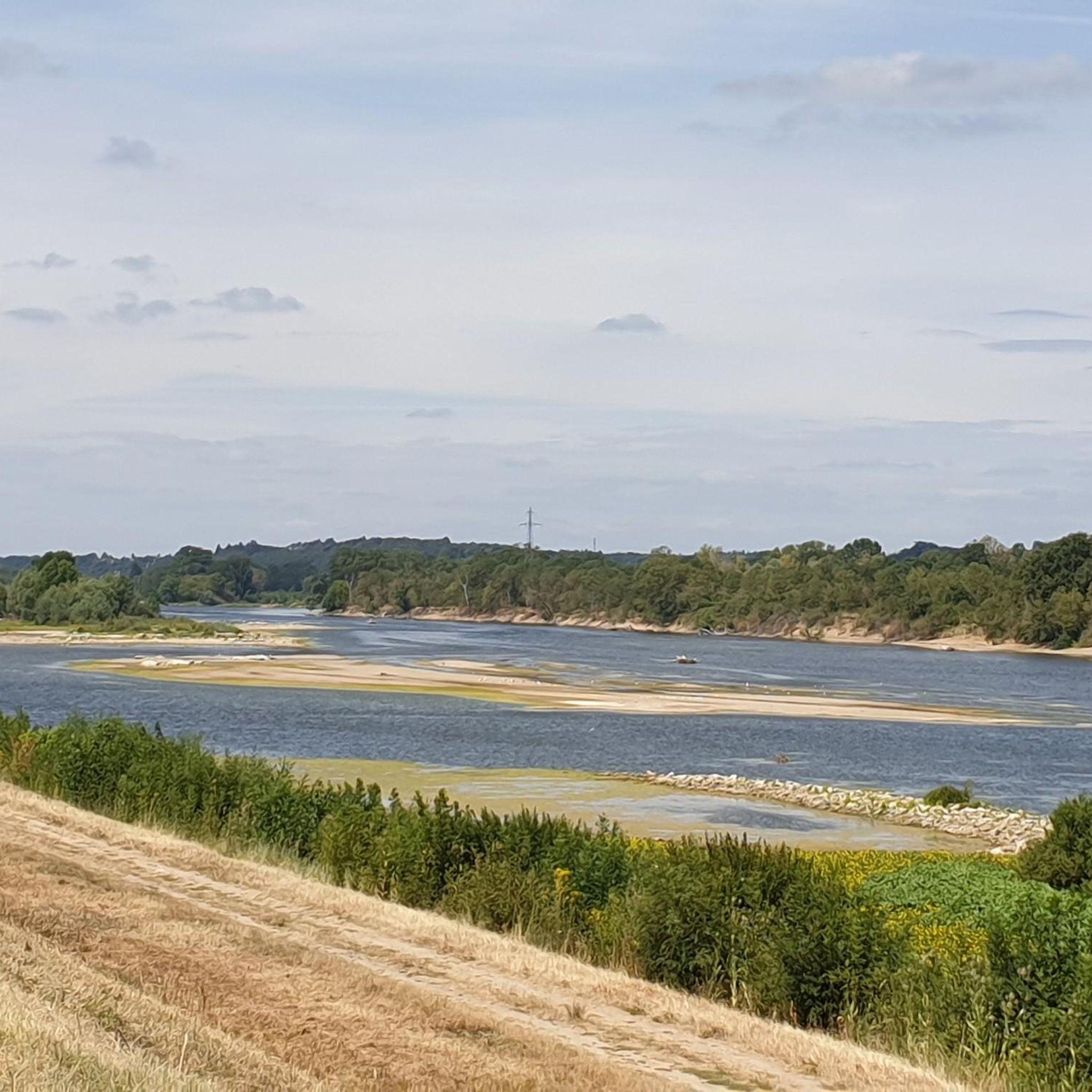
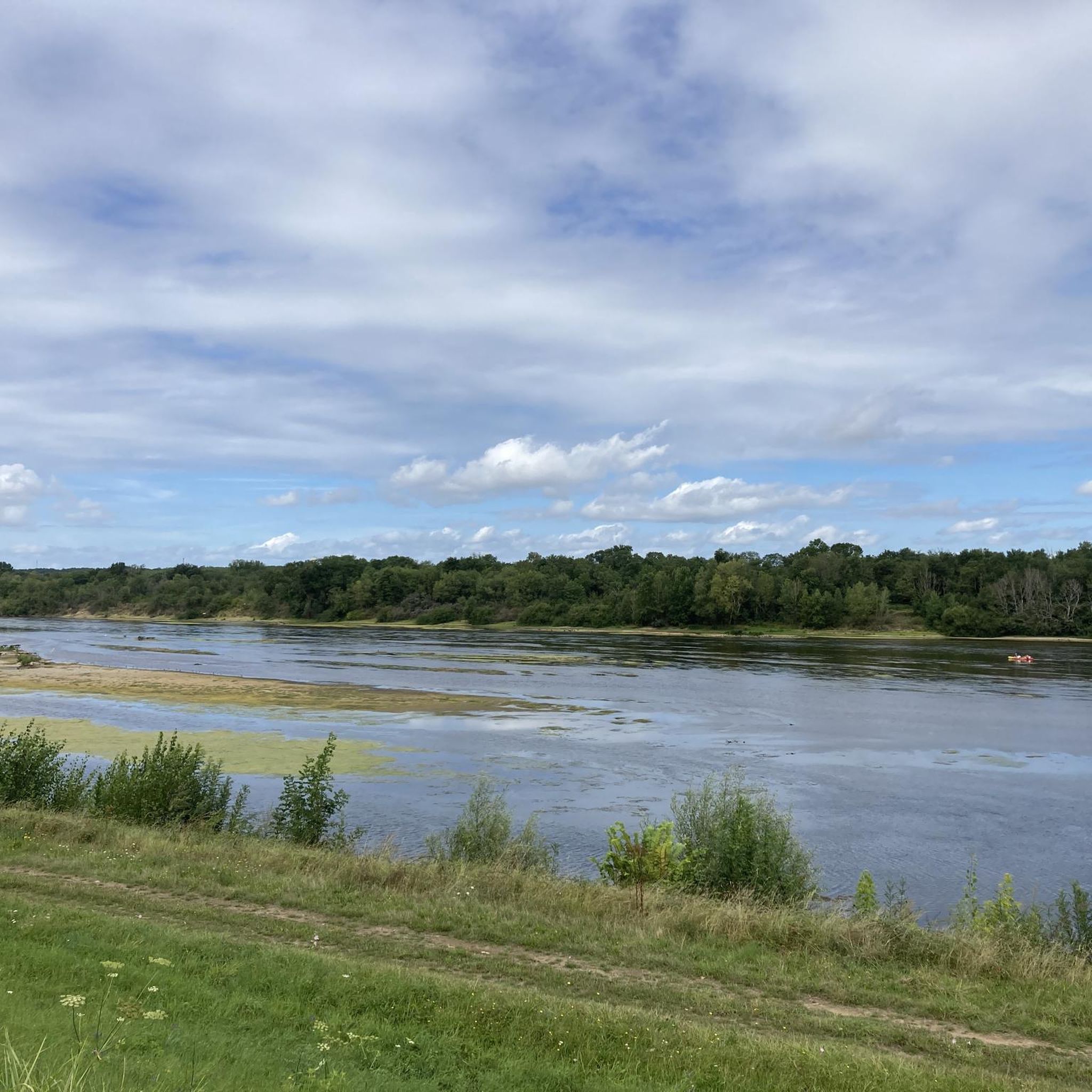
This preserved space is a paradise for ornithologists. Far from the traffic, the calm is distracted only by the solemn flow of the Loire and the beating of the wings of the herons surprised by your fortuitous appearance.
0
0
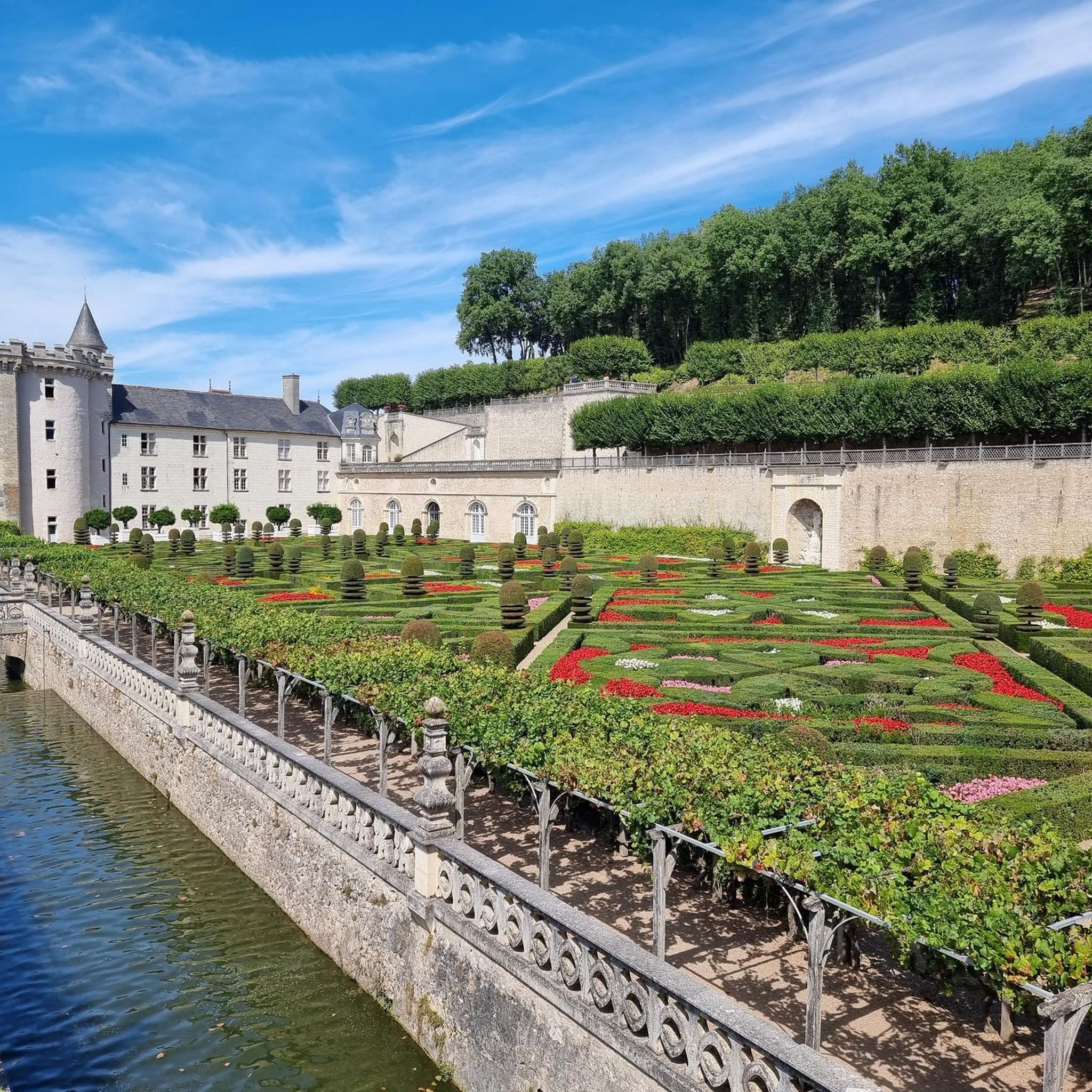
Villandry Castle is one of the Loire Valley castles renowned for the beauty of its gardens. During the beautiful seasons, trees, shrubs and flowers color the decor with iridescent hues. Built between the 16th and 18th centuries, the castle is today a private property open to the public. It is possible to visit its interior which houses occasional and permanent exhibitions. The entire castle and its gardens were included in the list of historic monuments in 1927.
0
0

A few steps from the Château de Villandry, you will find these old freestone quarries dating from the Middle Ages and petrified caves. About 100 million years ago, in the secondary era, a shallow sea covered our region. At the bottom of the sea were deposited masses of chalk which, once exposed to the air, formed the dominant rock of the Loire Valley: the Tuffeau. This soft stone, but sufficiently hard, was used in the construction of the most elegant castles of the Loire. The quarries ended up being waterlogged and abandoned.
2
0


The Château de Villandry, whose construction began in the 16th century, is particularly known for its gardens, which cover more than six hectares spread over four levels. The castle is perfectly maintained and can be visited year-round, but it is for its gardens that Villandry is a must-see.
1
0

The castle tower provides a breathtaking view of the gardens.
2
0
Frequently Asked Questions
What are some of the diverse natural features I can explore around Vallères?
Vallères is nestled within the Loire-Anjou-Touraine Regional Natural Park, offering a rich variety of landscapes. You can discover riverbanks, forests, and agricultural lands, along with distinct valleys like Picard, Mortaise, Fouchault, and Reel, and plateaus such as Bourg and Bobinière. The area is also known for its vineyards and unique geological features like caves carved into tuffeau stone.
Are there family-friendly natural monuments around Vallères?
Yes, several natural monuments are suitable for families. The Gardens of the Château de Villandry are a popular choice, offering extensive, beautifully designed gardens to explore. The petrifying caves of Savonnière provide a unique historical and geological experience, often preferred on hot days. Additionally, the Confluence of the Cher and Loire Rivers offers a peaceful setting for walks, and Chinon State Forest is great for exploring nature.
What kind of outdoor activities can I do near these natural monuments?
The region around Vallères is excellent for outdoor activities. You can enjoy cycling on routes like the 'Azay-le-Rideau – Villandry loop' or 'View of Savonnières – La Bergeonnerie Lake loop'. For running, there are trails such as the 'Admire the Cher boatmen – Savonnières to Villandry loop'. Road cyclists can explore routes like the 'Langeais Bridge – View of the Loire at Bréhémont loop'. You can find more details on these activities in the Cycling around Vallères, Running Trails around Vallères, and Road Cycling Routes around Vallères guides.
Are there hiking or walking trails near the natural monuments?
Yes, the countryside around Vallères is crisscrossed with numerous trails. For instance, you can find excellent walking opportunities within the Chinon State Forest, which features a rich and varied flora. The area around the Confluence of the Cher and Loire Rivers also offers peaceful settings for leisurely strolls along the riverbanks. Many routes are available for various fitness levels, allowing you to immerse yourself in the local natural beauty.
What is the best time of year to visit the natural monuments around Vallères?
The natural beauty of Vallères changes with the seasons. Spring brings apple blossoms, while autumn is known for grape harvests, offering different scenic experiences. The Gardens of the Château de Villandry are particularly vibrant during the beautiful seasons when trees, shrubs, and flowers are in full bloom, though the castle itself is open year-round. The petrifying caves are a good option on hot days.
Can I spot wildlife in the natural areas around Vallères?
Yes, particularly in the Chinon State Forest. This large forest massif is home to numerous species of large and small wild animals, including deer, roe deer, wild boar, and foxes. It also hosts rare protected species of birds, amphibians, and insects, such as the natterjack toad and the middle spotted woodpecker.
What unique geological features can be found near Vallères?
The area is notable for its tuffeau stone, a soft but durable rock formed from chalk deposits millions of years ago. This stone was historically used for building the elegant Loire castles and for carving caves. The petrifying caves of Savonnière are a prime example, showcasing these ancient quarries and the unique petrification process.
How long does it typically take to visit the natural monuments?
The duration varies by site. For instance, a guided tour of the petrifying caves of Savonnière typically lasts about one hour. Exploring the extensive Gardens of the Château de Villandry, which cover over six hectares, can easily take several hours to fully appreciate their intricate designs and diverse plant collections.
What do visitors enjoy most about the natural monuments around Vallères?
Visitors frequently appreciate the harmonious blend of natural beauty and historical significance. The elaborate designs and diverse plant collections of the Gardens of the Château de Villandry are a major draw. The peaceful setting and scenic views at the Confluence of the Cher and Loire Rivers are also highly valued. The overall preserved rural landscape within the Loire-Anjou-Touraine Regional Natural Park, with its opportunities for outdoor recreation, is a consistent highlight.
Are there any less-known natural gems worth discovering near Vallères?
Beyond the well-known sites, the charm of Vallères lies in its overall preserved rural landscape. Exploring the various valleys like Picard and Mortaise, or the plateaus such as Bourg and Bobinière, can reveal tranquil and scenic spots. The extensive network of hiking and walking trails throughout the countryside also offers opportunities to discover hidden corners and immerse yourself in the local natural beauty away from the main attractions.
Can I visit the natural monuments during the winter months?
While some attractions like the Château de Villandry and its gardens are open year-round, the visual appeal of the gardens, with their vibrant colors, is at its peak during spring, summer, and autumn. However, winter offers a different, often quieter, perspective of the natural landscapes, and the petrifying caves maintain a consistent environment regardless of the season.
Most popular routes around Vallères
Most popular attractions around Vallères

Get inspired with the komoot mobile app


Explore more
Extend your search for the best caves by checking out these guides of the top ones around Vallères:
