Top 5 Natural Monuments around Lümschweiler
Natural monuments around Lümschweiler offer diverse natural features within a landscape shaped by the Canal du Rhône au Rhin. The region provides opportunities for exploring natural landmarks and scenic routes. Lümschweiler's surroundings are characterized by a mix of historical natural formations and green spaces, making it suitable for outdoor exploration.
Best natural monuments around Lümschweiler
- The most popular natural monuments is The Great Oak, a natural monument that is a 35 meter high oak tree, approximately 250 years old.…
Last updated: October 5, 2026
Steinbach Square
Highlight • Natural Monument
Translated by Google •
Tip by

Source Hagendorn
Highlight • Natural Monument
Showing Translation
Tip by

Sign up now to discover places like this
Get recommendations on the best single tracks, peaks, & plenty of other exciting outdoor places.
Ziehlbrunnen Spring
Highlight • Natural Monument
Translated by Google •
Tip by

Motte Castrale de Willer
Highlight • Historical Site
Translated by Google •
Tip by

Liberty Lime Tree (1792)
Highlight • Natural Monument
Translated by Google •
Tip by

Sign up for free to discover even more natural monuments around Lümschweiler.
Already have an account?
Start today with a free account
Your next adventure awaits.

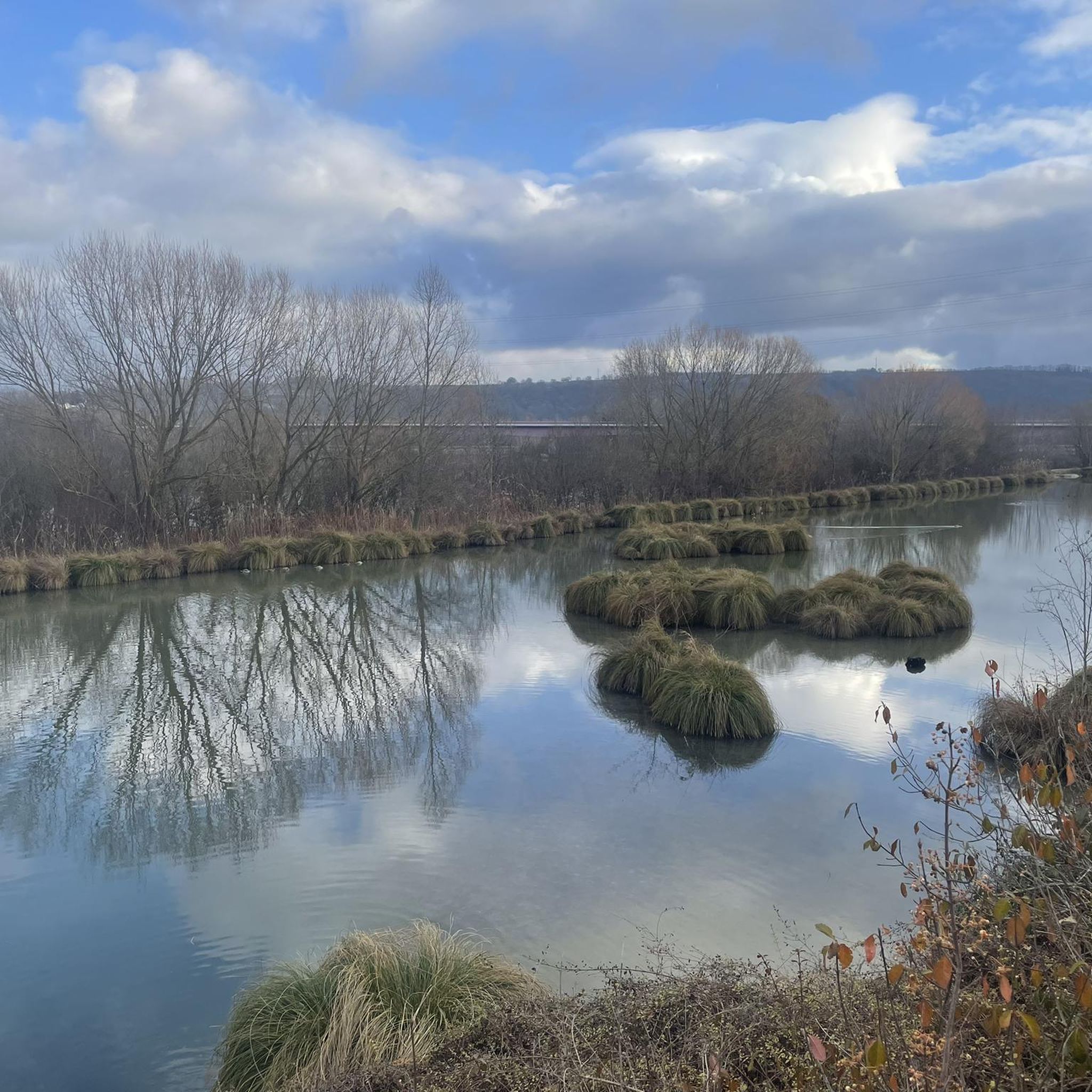
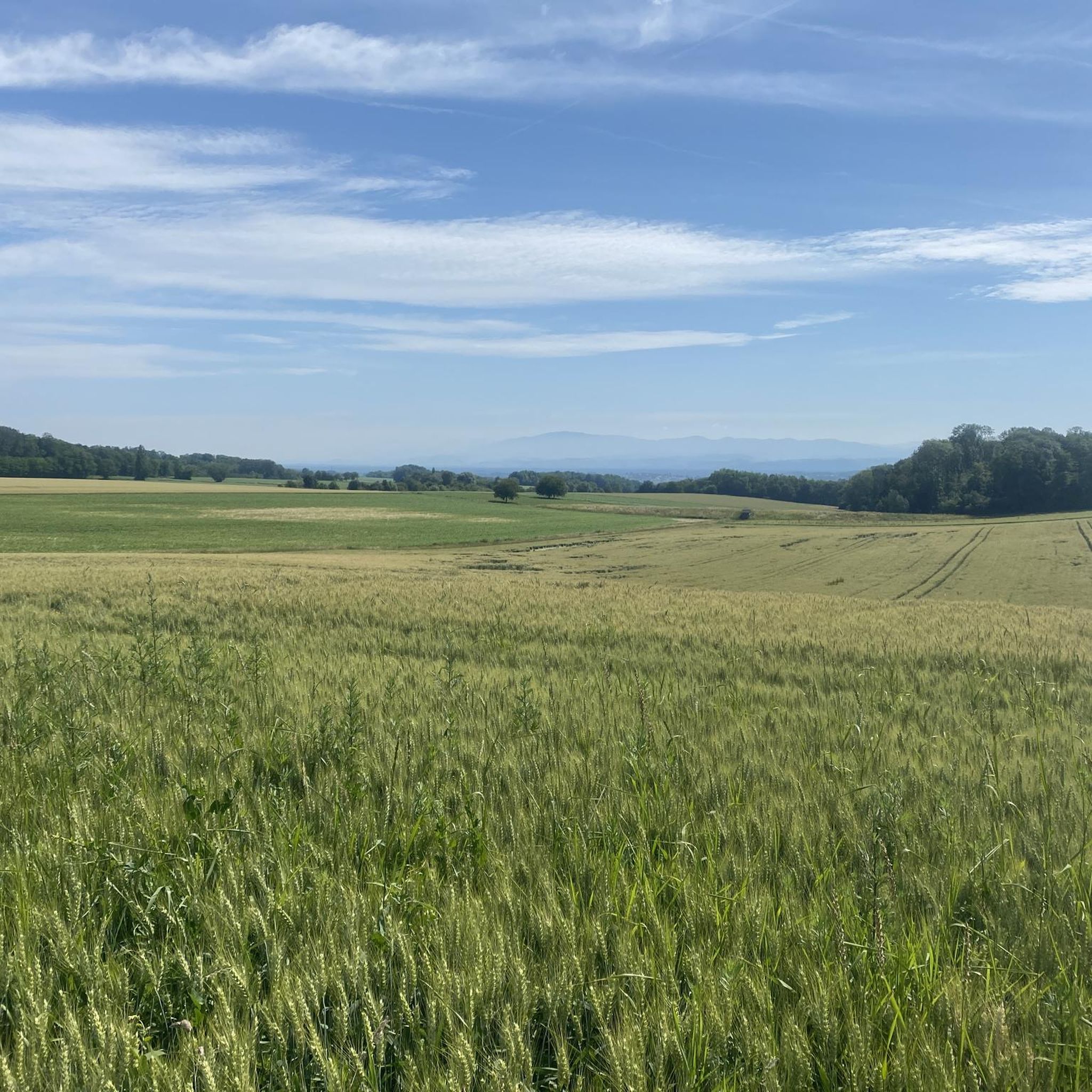
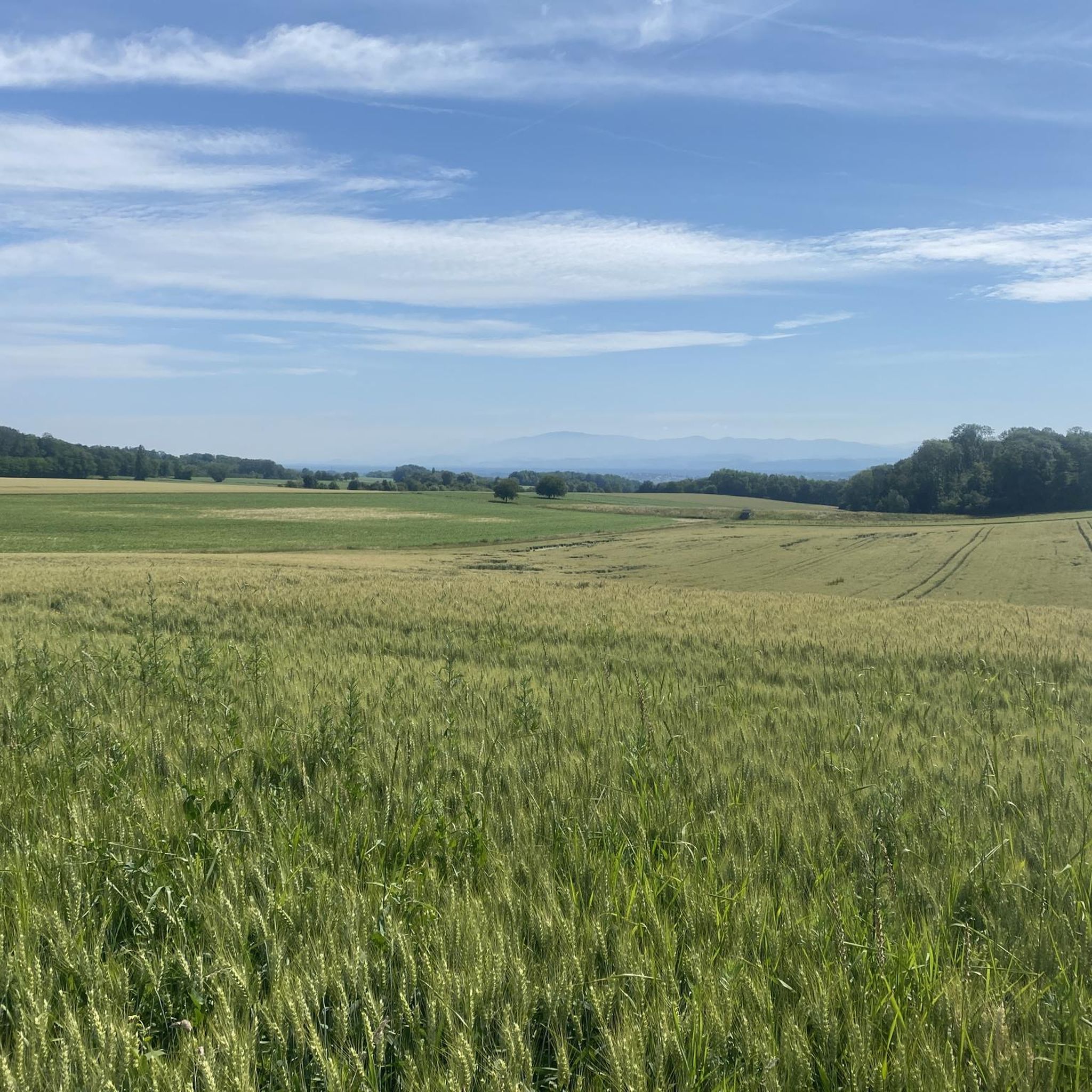
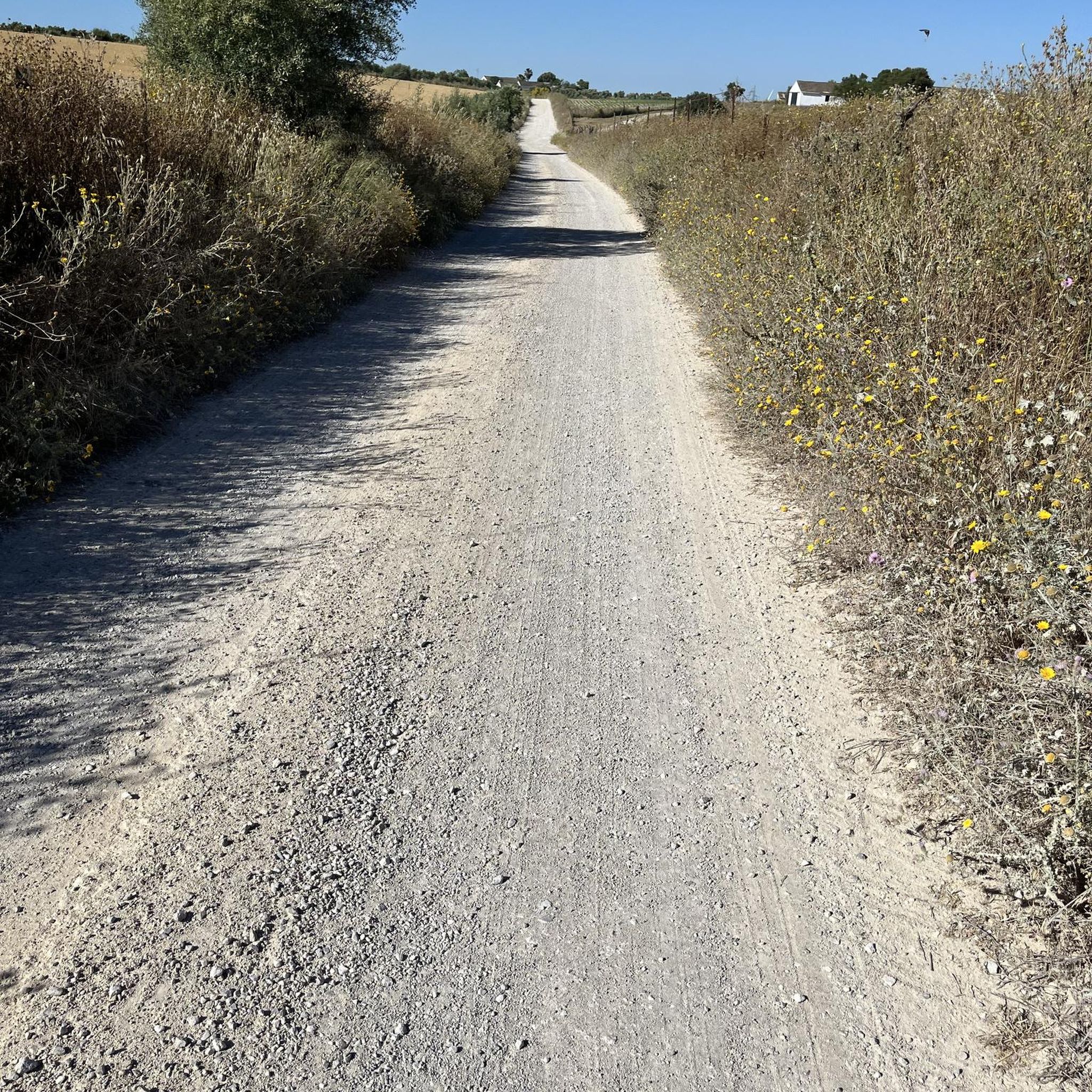
Tips from the Community

During the First World War, this spring was part of the German fortifications. It was redeveloped in 1931, recalling the town's military past and how water was supplied there. It is one of the points of interest on the Bunker Trail.
1
0

Magnificent multi-stemmed, centuries-old lime tree
0
0

Hagendorn Spring The Hagendorn spring near Burnhaupt-le-Bas is a very old and particularly abundant spring. Its name has been documented as a field name since 1412. The name „Hagendorn“ probably refers to a place overgrown with hawthorn. The place name Burnhaupt is also likely connected to the old word for „spring“ or „well“. The spring gained particular significance for the history of the place during the First World War. After the stabilization of the front in Upper Alsace, the German-French front ran approximately along the line Cernay – Pont d’Aspach – Ammerzwiller. East of or in the vicinity of this front line, German troops erected numerous concrete shelters, observation posts, and artillery positions. German fortifications were also built at the Hagendorn spring. Traces of the fortification from that time can still be recognized there today, including concrete components. The spring was thus part of a larger military system of positions that the German troops used during trench warfare. Numerous other shelters and observation posts from that period can be discovered along the current Sentier des Bunkers. The spring itself was rebuilt or redesigned in 1931. The current structure partially covers the preserved remains of the wartime fortification underneath. Thus, the Hagendorn spring connects two very different aspects of the place's history: a centuries-old water supply and the military landscape of the First World War. Today, the spring is station 18 of the Sentier des Bunkers, an approximately nine-kilometer-long historical circular trail through the former front landscape of Burnhaupt-le-Bas. https://burnhaupt-le-bas.fr/sentier-des-bunkers/?utm_source=chatgpt.com
0
1


Near Mulhouse, in the countryside, this tree is worth the detour during a bike ride!
0
0

The source is not flowing today. Trees block bike access on the last few meters.
0
0

This is where families gather and picnic on the lawn.
13
1

A green oasis in the middle of the city. Great for just pausing. The playground is a great change for the kids
6
0
Frequently Asked Questions
What are some unique natural features to explore around Lümschweiler?
Beyond the well-known spots, you can discover unique natural features like the ancient The Great Oak, a majestic 250-year-old tree standing 35 meters tall. The area also features several refreshing springs, such as the Ziehlbrunnen Spring, where you can take a break and enjoy fresh water.
Are there any historical natural monuments in the Lümschweiler area?
Yes, the region offers historical natural formations. A notable example is Motte Castrale de Willer, a buttress surrounded by a ditch, suggesting it was once a medieval castle motte. This site combines natural landscape with historical significance.
What kind of natural monuments are suitable for families with children?
Families will enjoy Steinbach Square, a green oasis in the heart of the city that was restructured in 2016. It features 63 different species of plants and hundreds of varieties of perennials, offering a pleasant environment for picnics and relaxation. The ancient The Great Oak is also a family-friendly spot, offering a chance to marvel at a truly old and impressive tree.
What outdoor activities can I do near the natural monuments around Lümschweiler?
The area around Lümschweiler is excellent for various outdoor activities. You can find numerous trails for running, mountain biking, and hiking. For instance, explore the natural surroundings on an easy hiking loop from Lümschweiler or try a moderate MTB trail that might take you past features like the Grand Chêne.
Are there any natural monuments that are good for a relaxing break?
Absolutely. The Steinbach Square is a perfect spot for a relaxing break, with its lush greenery and diverse plant life. Another tranquil option is the Kehlenbrunnen Spring in Wittersdorf, which is covered with a freestone vault and even has a bench for visitors to rest.
What is the best way to experience the natural landscape around Lümschweiler, especially along the Canal du Rhône au Rhin?
The Canal du Rhône au Rhin is a central feature of the region's natural landscape. It's particularly popular among cyclists due to its quiet location along the EuroVelo 6 and regional cycle routes. You can experience continuous natural scenery and glimpses of former lock houses, making it ideal for a leisurely bike ride. Consider exploring one of the MTB trails around Lümschweiler that might incorporate sections along the canal.
What do visitors enjoy most about the natural monuments in this region?
Visitors appreciate the diverse natural features, from ancient trees to historical formations and refreshing springs. Many enjoy the tranquility of places like Steinbach Square for picnics, or the opportunity to refresh themselves at springs like Ziehlbrunnen Spring. The blend of natural beauty with historical elements, such as Motte Castrale de Willer, also receives positive feedback.
Are there any natural monuments that offer good viewpoints?
While not explicitly a viewpoint in the traditional sense, Motte Castrale de Willer, being a buttress, offers elevated perspectives of its immediate surroundings and the historical context of the site. The broader region, especially along the Canal du Rhône au Rhin, provides picturesque views from its cycle paths.
Can I find natural monuments that are part of a forest or wooded area?
Yes, the region features natural monuments within wooded settings. The Great Oak is a prime example, standing majestically within a forest. Similarly, the Kehlenbrunnen Spring is also located in a forest, offering a serene natural experience.
What kind of running trails are available near the natural monuments?
There are several running trails around Lümschweiler that allow you to explore the natural surroundings. You can find running loops ranging from easy to moderate difficulty, such as the 'Running loop from Walheim' or the 'Heidwiller lock loop from Illfurth', which offer a great way to combine exercise with enjoying nature.
What is the best time of year to visit the natural monuments around Lümschweiler?
The natural monuments around Lümschweiler can be enjoyed throughout the year, but spring and autumn often offer the most pleasant weather for outdoor exploration. In spring, the parks and forests, like those surrounding Steinbach Square or The Great Oak, are vibrant with new growth. Autumn brings beautiful foliage, making walks and bike rides along the Canal du Rhône au Rhin particularly scenic.
Most popular routes around Lümschweiler
Most popular attractions around Lümschweiler

Get inspired with the komoot mobile app


Explore more
Extend your search for the best caves by checking out these guides of the top ones around Lümschweiler:
