Top 20 Natural Monuments around Paulhe
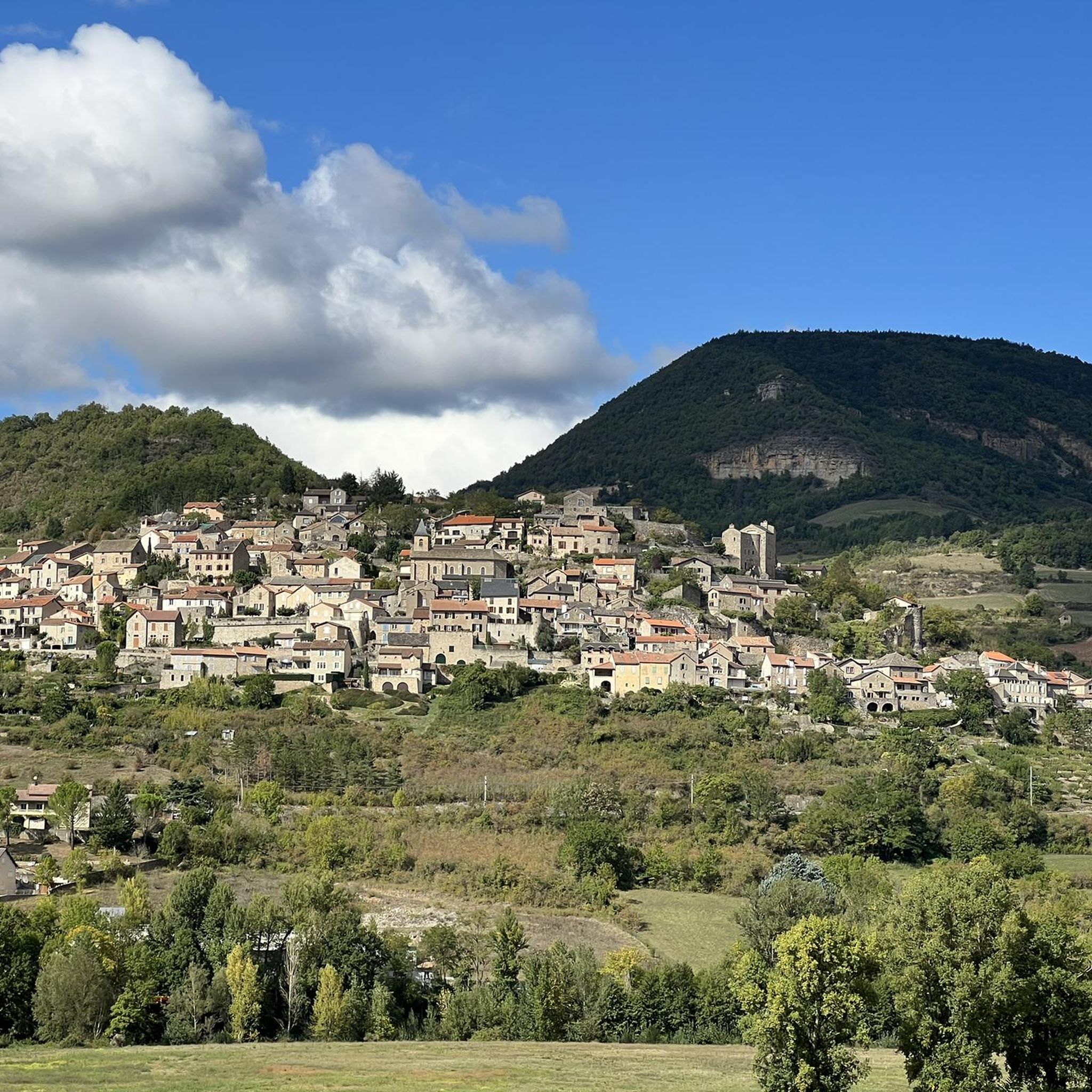
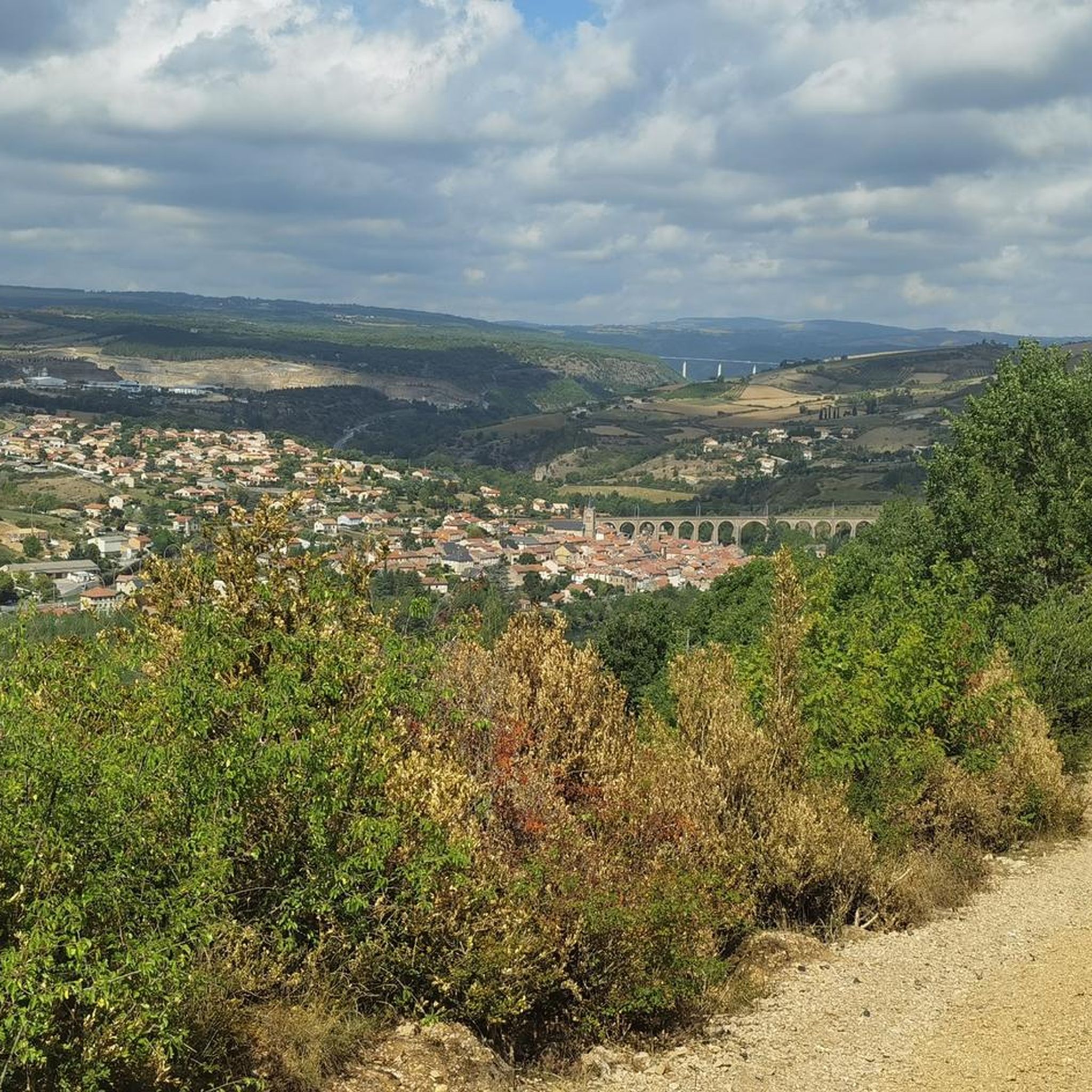
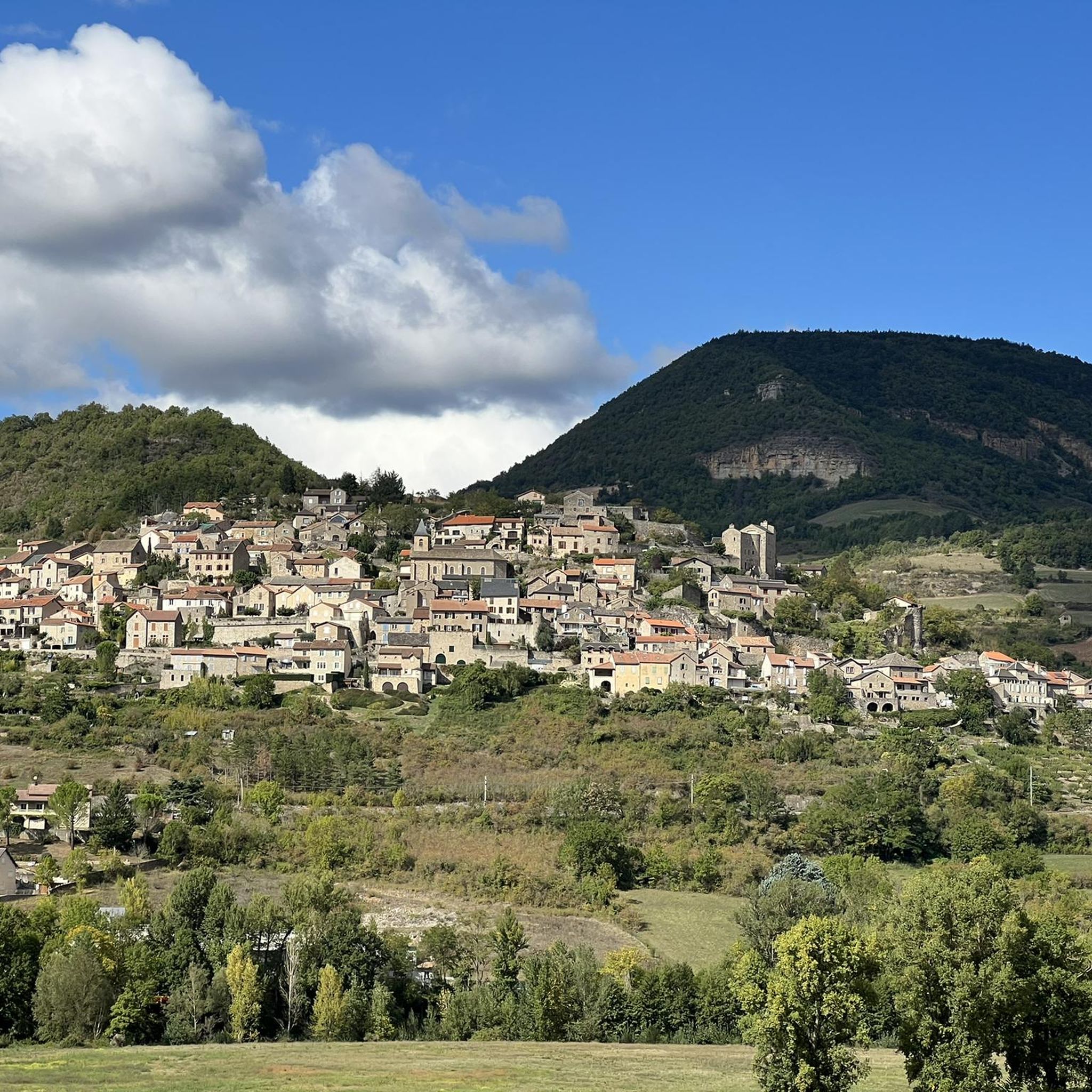
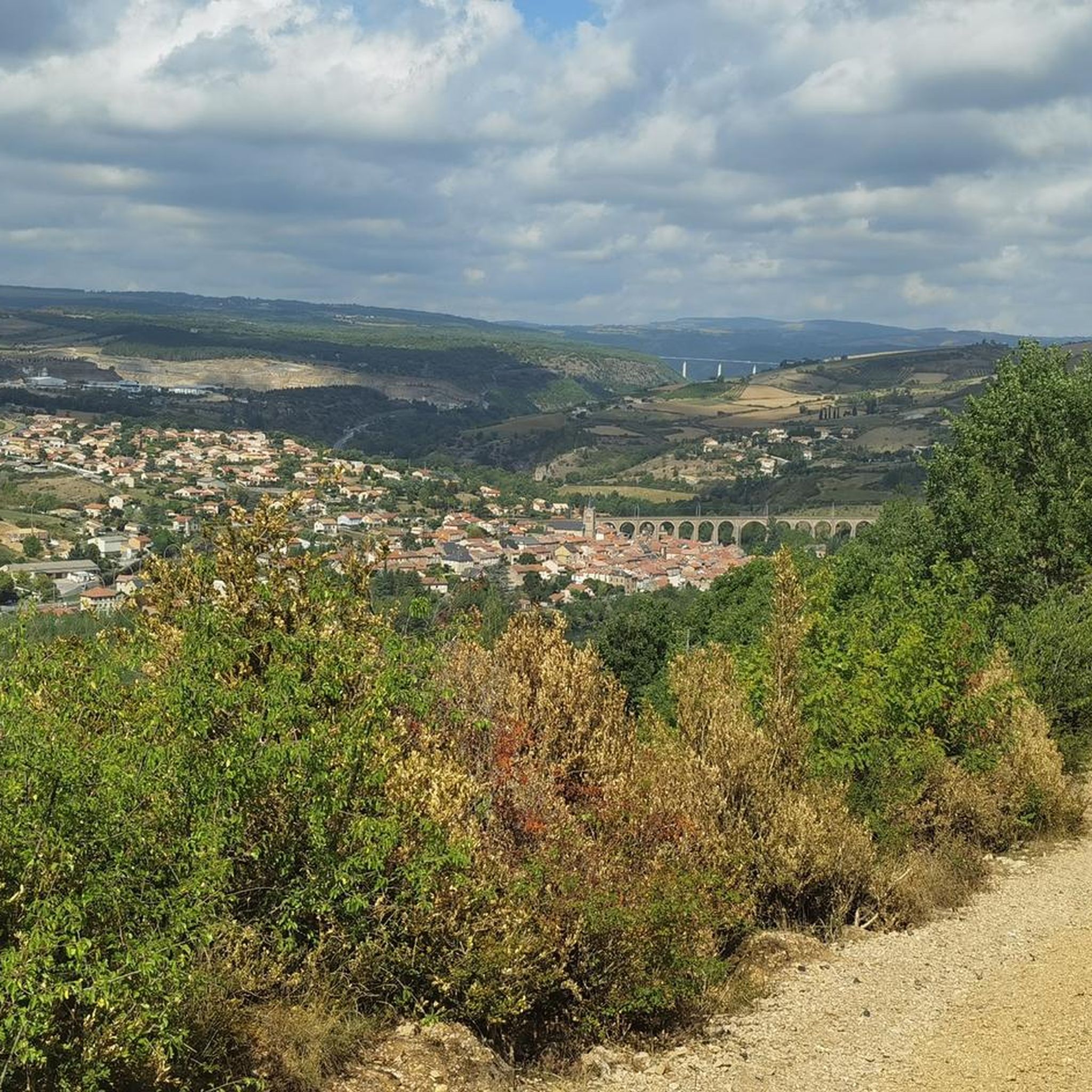
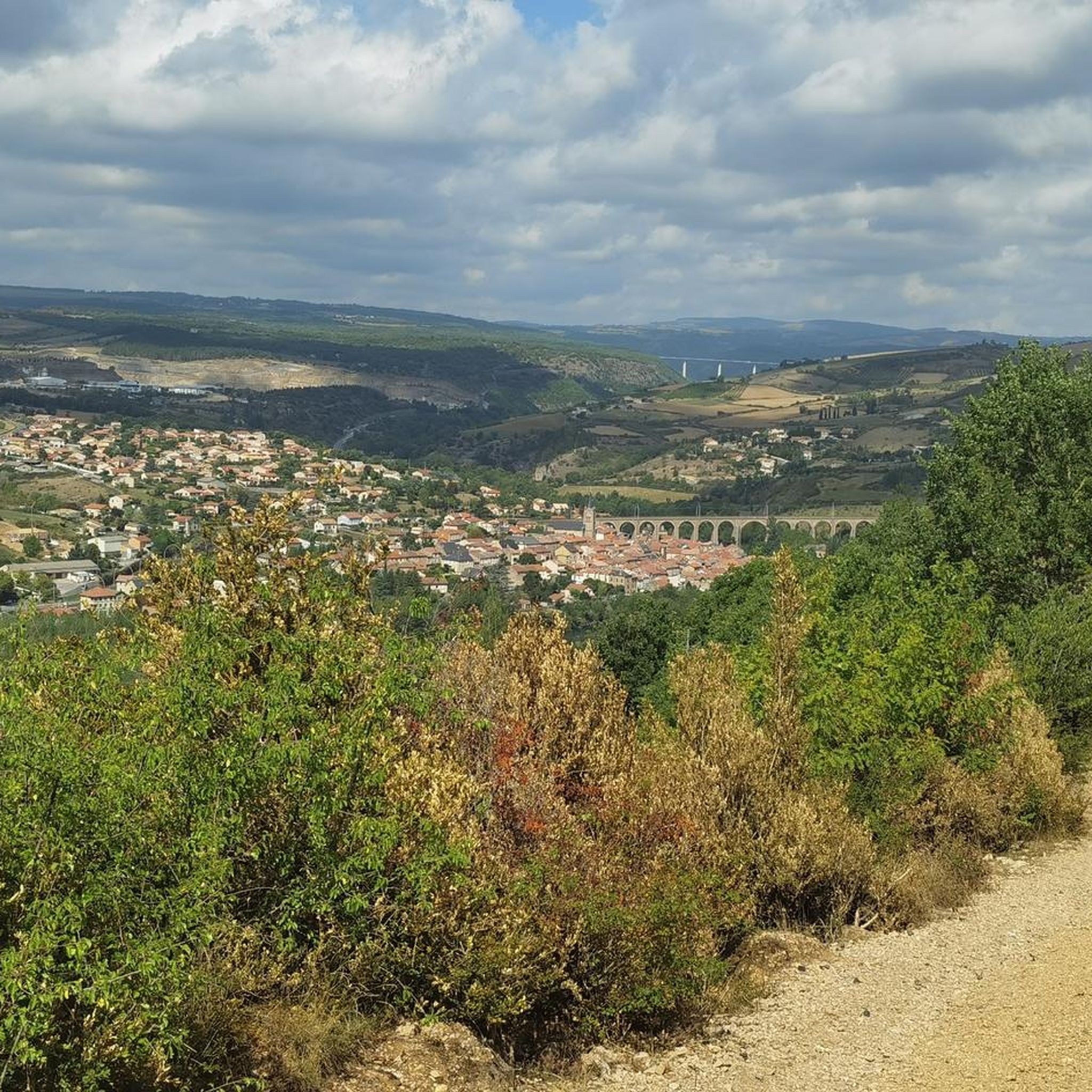
Natural monuments around Paulhe offer access to the rich natural heritage of the Grands Causses Regional Natural Park in southern France. The commune is strategically located at the foot of the Causse Noir and along the Tarn River. This area is characterized by its limestone plateaus, deep gorges, and diverse ecosystems, including forests and heathlands. The region provides opportunities to explore unique geological formations and varied natural landscapes.
Best natural monuments around Paulhe
- The most popular natural monument is Vase…
Last updated: May 4, 2026
Vase de Sèvres and Vase de Chine
Highlight • Natural Monument
In addition to …
Translated by Google •
Tip by

Capluc Rock
Highlight • Viewpoint
Its summit is accessible by ladders (no …
Translated by Google •
Tip by
Sign up now to discover places like this
Get recommendations on the best single tracks, peaks, & plenty of other exciting outdoor places.
Sign up for free
Peyrelade Castle
Highlight • Castle
Translated by Google •
Tip by

The Prehistoric Mushroom
Highlight • Viewpoint
Translated by Google •
Tip by

The Creissels waterfalls
Highlight • Waterfall
Translated by Google •
Tip by

Sign up for free to discover even more natural monuments around Paulhe.
Sign up for free
Already have an account?
Start today with a free account
Your next adventure awaits.
Login or Signup

Tips from the Community

Many iron ladders lead up to the summit cross with a magnificent view,
1
0


A geological curiosity, nice to see. If you're not passing too far, it's worth a little detour.
0
0

Magnificent viewpoint at the confluence of the Tarn and the Jonte
0
0

The Creissels waterfall is a true natural gem! It is a resurgence that flows constantly throughout the year, with a flow that varies. What makes this place so special is that it is loaded with calcium carbonate, which has allowed the formation of a magnificent tuff rock. In winter, when temperatures drop, the waterfall transforms into a magical spectacle. The icy concretions that form are simply magnificent, and it is fascinating to see how the waterfall can completely petrify at times. It is an ideal place for nature lovers and photographers in search of enchanting landscapes. I highly recommend visiting the Creissels waterfall, whether to admire its peaceful flow in summer or its incredible transformation in winter!
1
1

The Prehistoric Mushroom is a remarkable geological formation located in the Lozère department, in the Occitanie region, near the village of Sainte-Enimie, in the Gorges du Tarn. It is a natural rock formation that has the particularity of resembling a giant mushroom. Points of Interest: Geological Formation: Unique Appearance: The Prehistoric Mushroom is made of eroded limestone, forming a structure that evokes the shape of a mushroom with a wide cap and a narrow stem. This formation is the result of the natural erosion of rock layers over the centuries. Height and Size: The mushroom is several meters high, and its "cap" can reach an impressive diameter, making it a spectacular and photogenic geological feature. Why visit the Prehistoric Mushroom? Natural Beauty: The Prehistoric Mushroom is an impressive geological formation that offers unique and picturesque views, perfect for nature and photography enthusiasts. Exploration: It is an excellent opportunity to explore the Gorges du Tarn, a place rich in varied geological formations and impressive landscapes. Hiking: The visit can be integrated into a longer hike, allowing you to discover the geological and natural diversity of the Gorges du Tarn. In short, the Champignon Préhistorique is a fascinating destination for those interested in geology, natural landscapes, and the discovery of unique rock formations in a spectacular setting.
1
0

Not for the faint hearted, but worth the effort. Excellent views near summit if you dont fancy jacob’s ladders.
0
0

What a beautiful hidden world! I was thrilled when I made my first hike here and came across the two stone blocks above the Causse Méjean. These two monoliths are commonly called the "Vase de Sèvre" and the "Vase de Chine," in reference to their striking shapes.
7
0
Frequently Asked Questions
What unique geological features can I explore around Paulhe?
Paulhe is situated within the Grands Causses Regional Natural Park, offering a wealth of geological wonders. You can discover remarkable rock formations such as the Vase de Sèvres and Vase de Chine, two striking monoliths on the Causse Méjean. Another fascinating site is The Prehistoric Mushroom, an eroded limestone structure resembling a giant mushroom on the Causse Noir. Additionally, the local folklore-rich La Baume des Fadarelles (Grotte de Paulhe) offers a glimpse into natural caves with varying vault and wall formations.
Are there any historical natural monuments or sites near Paulhe?
Yes, beyond purely natural formations, the region around Paulhe features sites where nature and history intertwine. The Peyrelade Castle, for instance, is spectacularly situated on a rocky outcrop overlooking the Tarn valley, offering both historical significance and a natural viewpoint. The La Baume des Fadarelles cave also has historical beliefs and local legends associated with it, adding a cultural layer to its natural beauty.
What kind of hiking trails can I find near the natural monuments around Paulhe?
The area around Paulhe, including the Causse Noir and the Gorges du Tarn, offers diverse hiking opportunities. You can explore trails that lead to viewpoints like Capluc Rock, which provides a 360° view of the Tarn and Jonte gorges. The GR6 Through the Gorges du Tarn and Gorges de la Jonte is another excellent option, offering great views and opportunities to observe local wildlife. For more specific routes, you can find numerous running trails around Paulhe, including moderate to difficult options like the 'View of the Tarn valley – View of Carbassas loop'.
Are there family-friendly natural monuments to visit near Paulhe?
While specific 'family-friendly' categories aren't always assigned, many natural monuments can be enjoyed by families. The unique shapes of Vase de Sèvres and Vase de Chine or The Prehistoric Mushroom can spark children's imagination. Gentle strolls along the Tarn River, surrounded by orchards, also offer pleasant outings for families. Always check the difficulty of specific trails if planning a hike with younger children.
What outdoor activities, besides hiking, are available near Paulhe's natural monuments?
Beyond hiking, the region around Paulhe is excellent for various outdoor sports. You can find numerous road cycling routes, ranging from moderate to difficult, such as the 'Millau – View of Millau and its viaduct loop'. Mountain biking enthusiasts can explore MTB trails around Paulhe, including routes like 'Cabrières Castle loop'. The dramatic landscapes also make it a popular area for climbing, particularly around formations like the Vase de Sèvres and Vase de Chine.
What is the best time to visit the natural monuments around Paulhe?
The best time to visit the natural monuments around Paulhe is generally during spring (April-June) and early autumn (September-October). During these periods, the weather is typically pleasant for hiking and outdoor activities, and the landscapes are vibrant with spring blooms or autumn colors. Summer can be hot, especially for strenuous hikes, but it's ideal for enjoying the Tarn River. Winter offers a quieter experience, though some trails might be less accessible.
Can I bring my dog to the natural monuments and trails near Paulhe?
Many natural areas and trails in the Grands Causses Regional Natural Park are dog-friendly, provided dogs are kept on a leash to protect wildlife and respect other visitors. It's always advisable to check specific regulations for individual sites or protected areas. For example, while exploring the Causse Noir or walking along the Tarn River, dogs are generally welcome. Always carry water for your pet and clean up after them.
What kind of views can I expect from the natural monuments in this region?
The natural monuments around Paulhe offer breathtaking panoramic views, primarily due to the region's dramatic karst topography. From locations like Capluc Rock, you can enjoy sweeping vistas of the Gorges du Tarn and Gorges de la Jonte, as well as the surrounding Causses. The GR6 Through the Gorges du Tarn and Gorges de la Jonte also provides numerous scenic overlooks, often with opportunities to spot vultures circling above the cliffs.
Are there any hidden natural gems or lesser-known spots worth discovering near Paulhe?
While the major highlights are well-known, the broader landscape of the Causse Noir and the Tarn River valley holds many hidden charms. Exploring the diverse habitats of the Causse Noir, with its rocky vegetation, heathlands, and pine woods, can reveal unique insect biodiversity and quiet corners. The less-traveled paths along the Tarn River, especially outside peak season, offer peaceful appreciation of riparian flora and local orchards, providing a more intimate connection with nature.
What makes the Causse Noir significant as a natural monument?
The Causse Noir, which Paulhe sits beneath, is a significant natural monument due to its unique karst topography and rich biodiversity. It's characterized by thick layers of fractured limestone, leading to numerous caves and underground rivers. Historically covered by dense pine forests, it boasts diverse habitats including rocky vegetation, heathlands, and oak and Scots pine woods. Its inclusion in the Causses and Cévennes UNESCO World Heritage site underscores its exceptional natural and cultural importance, making it a prime area for geological and ecological exploration.
Where can I find cafes or restaurants near the natural monuments around Paulhe?
Paulhe itself is a small commune, but you can find dining options in nearby villages and towns, particularly in areas popular with tourists along the Tarn River or closer to Millau. Many of the natural monuments are in rural settings, so it's advisable to plan ahead. Le Rozier, located at the confluence of the Tarn and Jonte gorges, often has cafes and restaurants. Packing snacks and water is recommended, especially for longer hikes or visits to more remote sites.
Are there any specific tips for visiting the natural monuments around Paulhe?
When visiting the natural monuments around Paulhe, it's recommended to wear appropriate hiking footwear, carry enough water, and check local weather conditions, especially if exploring the Causses or gorges. For sites like Capluc Rock, which involves ladders, ensure you are comfortable with heights. Always respect the natural environment, stay on marked trails, and be mindful of local wildlife. Many visitors also enjoy observing the unique geological formations and the diverse ecosystems.
Most popular attractions around Paulhe

Get inspired with the komoot mobile app


Explore more
Extend your search for the best caves by checking out these guides of the top ones around Paulhe:
