Top 20 Natural Monuments around Saint-André-De-Vézines
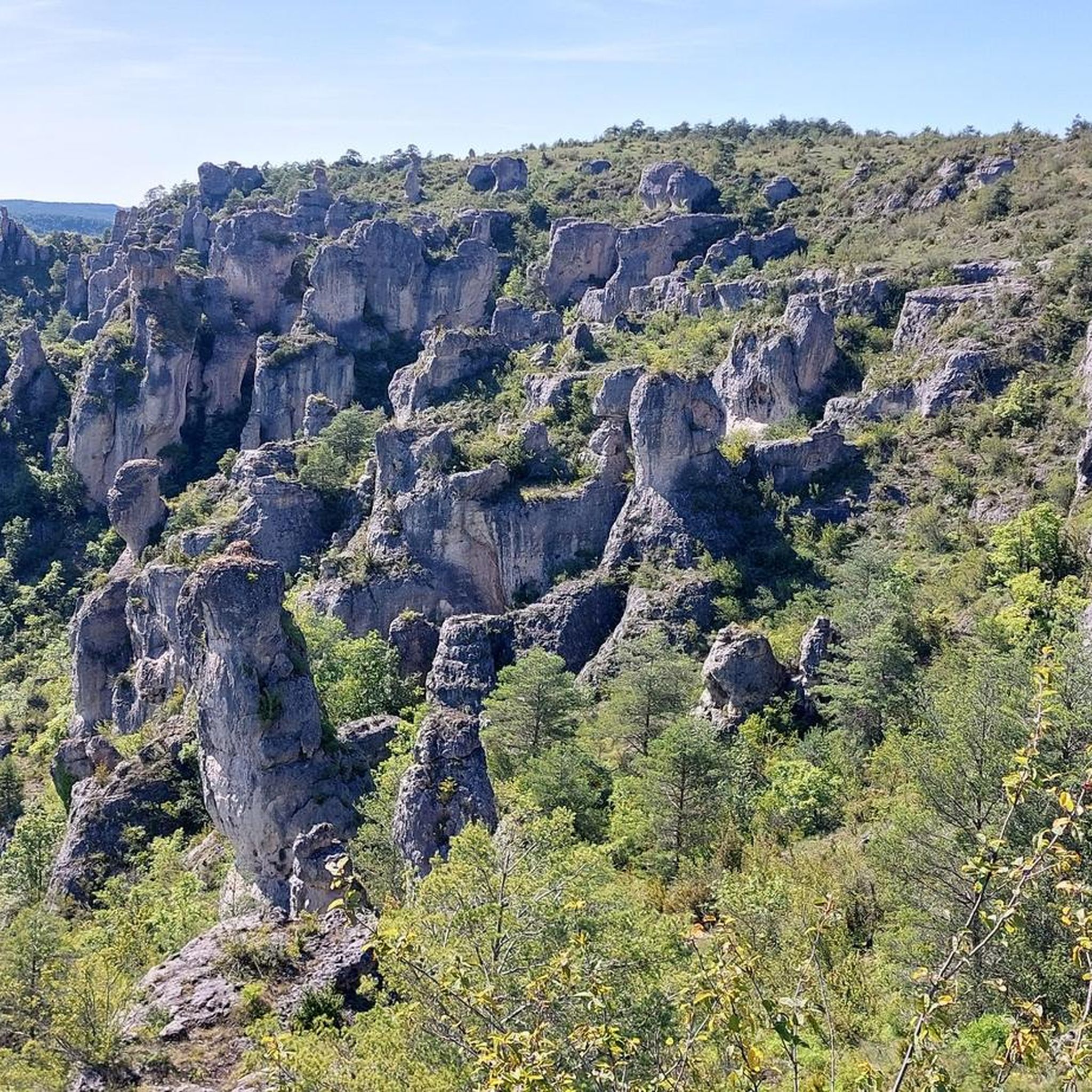
Best natural monuments around Saint-André-De-Vézines are found within a landscape characterized by the Causses and Gorges region of France. This area features unique geological formations, including vast rock chaos, deep canyons, and distinctive rock pillars. The commune is situated in the Aveyron department, offering a variety of natural sites shaped by centuries of erosion. These natural features provide opportunities for exploring dramatic scenery and geological heritage.
Best natural monuments around Saint-André-De-Vézines
- The most popular natural monuments is Vase de Sèvres…
Last updated: October 18, 2026
Vase de Sèvres and Vase de Chine
Highlight • Natural Monument
In addition to …
Translated by Google •
Tip by

Capluc Rock
Highlight • Viewpoint
Its summit is accessible by ladders (no …
Translated by Google •
Tip by
Sign up now to discover places like this
Get recommendations on the best single tracks, peaks, & plenty of other exciting outdoor places.
Peyrelade Castle
Highlight • Castle
Translated by Google •
Tip by

The Prehistoric Mushroom
Highlight • Viewpoint
Translated by Google •
Tip by

Arcs de Saint-Pierre
Highlight • Natural Monument
Between …
Translated by Google •
Tip by
Sign up for free to discover even more natural monuments around Saint-André-De-Vézines.
Already have an account?
Start today with a free account
Your next adventure awaits.

Tips from the Community

Many iron ladders lead up to the summit cross with a magnificent view,
1
0


A geological curiosity, nice to see. If you're not passing too far, it's worth a little detour.
0
0

Magnificent viewpoint at the confluence of the Tarn and the Jonte
0
0

The Prehistoric Mushroom is a remarkable geological formation located in the Lozère department, in the Occitanie region, near the village of Sainte-Enimie, in the Gorges du Tarn. It is a natural rock formation that has the particularity of resembling a giant mushroom. Points of Interest: Geological Formation: Unique Appearance: The Prehistoric Mushroom is made of eroded limestone, forming a structure that evokes the shape of a mushroom with a wide cap and a narrow stem. This formation is the result of the natural erosion of rock layers over the centuries. Height and Size: The mushroom is several meters high, and its "cap" can reach an impressive diameter, making it a spectacular and photogenic geological feature. Why visit the Prehistoric Mushroom? Natural Beauty: The Prehistoric Mushroom is an impressive geological formation that offers unique and picturesque views, perfect for nature and photography enthusiasts. Exploration: It is an excellent opportunity to explore the Gorges du Tarn, a place rich in varied geological formations and impressive landscapes. Hiking: The visit can be integrated into a longer hike, allowing you to discover the geological and natural diversity of the Gorges du Tarn. In short, the Champignon Préhistorique is a fascinating destination for those interested in geology, natural landscapes, and the discovery of unique rock formations in a spectacular setting.
1
0

Not for the faint hearted, but worth the effort. Excellent views near summit if you dont fancy jacob’s ladders.
0
0

What a beautiful hidden world! I was thrilled when I made my first hike here and came across the two stone blocks above the Causse Méjean. These two monoliths are commonly called the "Vase de Sèvre" and the "Vase de Chine," in reference to their striking shapes.
7
0

This improbable rock formation overlooks the Jonte valley. The origin of its name comes from the 19th century when a walker saw it from afar, the appearance of the rock inspired the shape of a petrified mushroom.
0
0
Frequently Asked Questions
What are the most unique geological features to explore around Saint-André-De-Vézines?
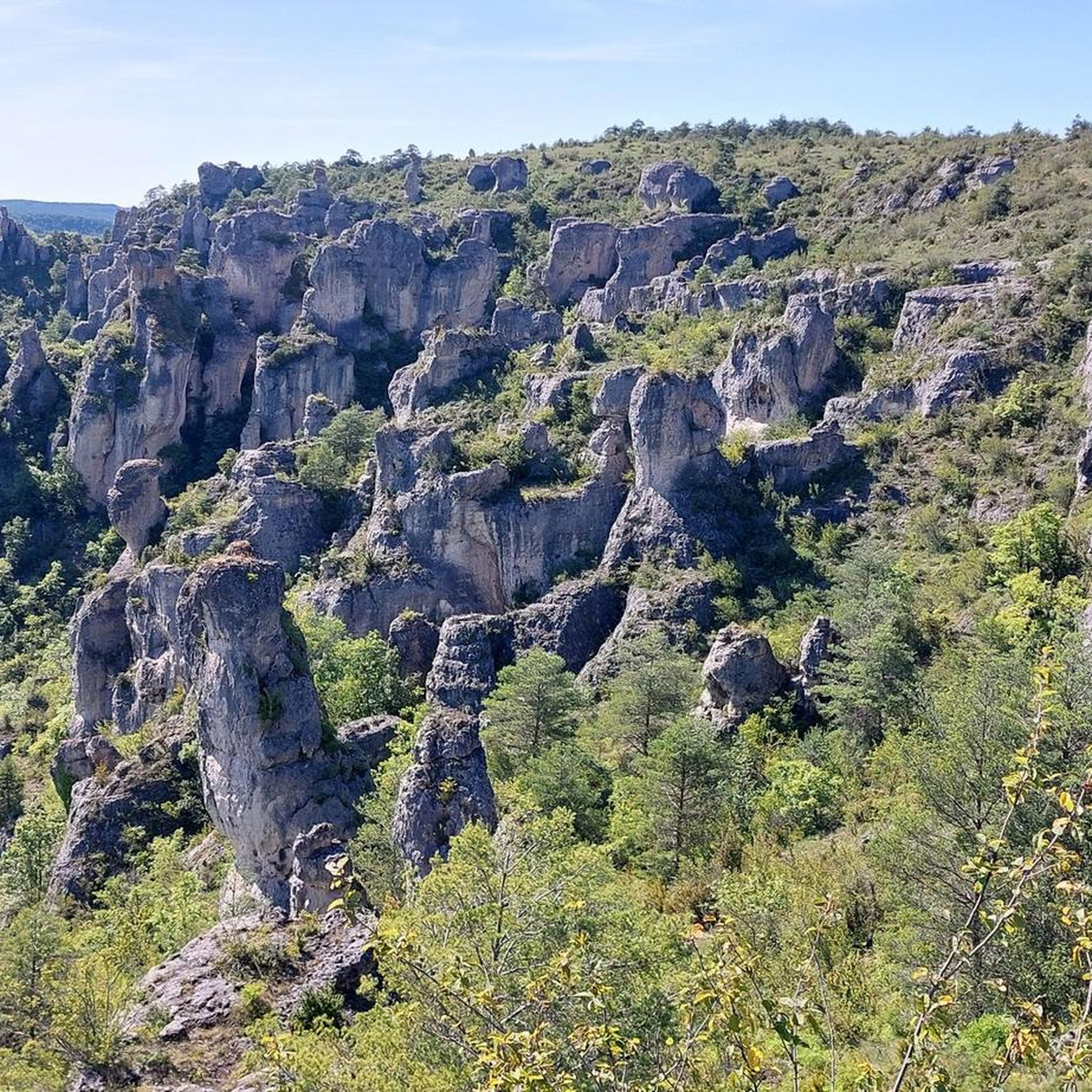
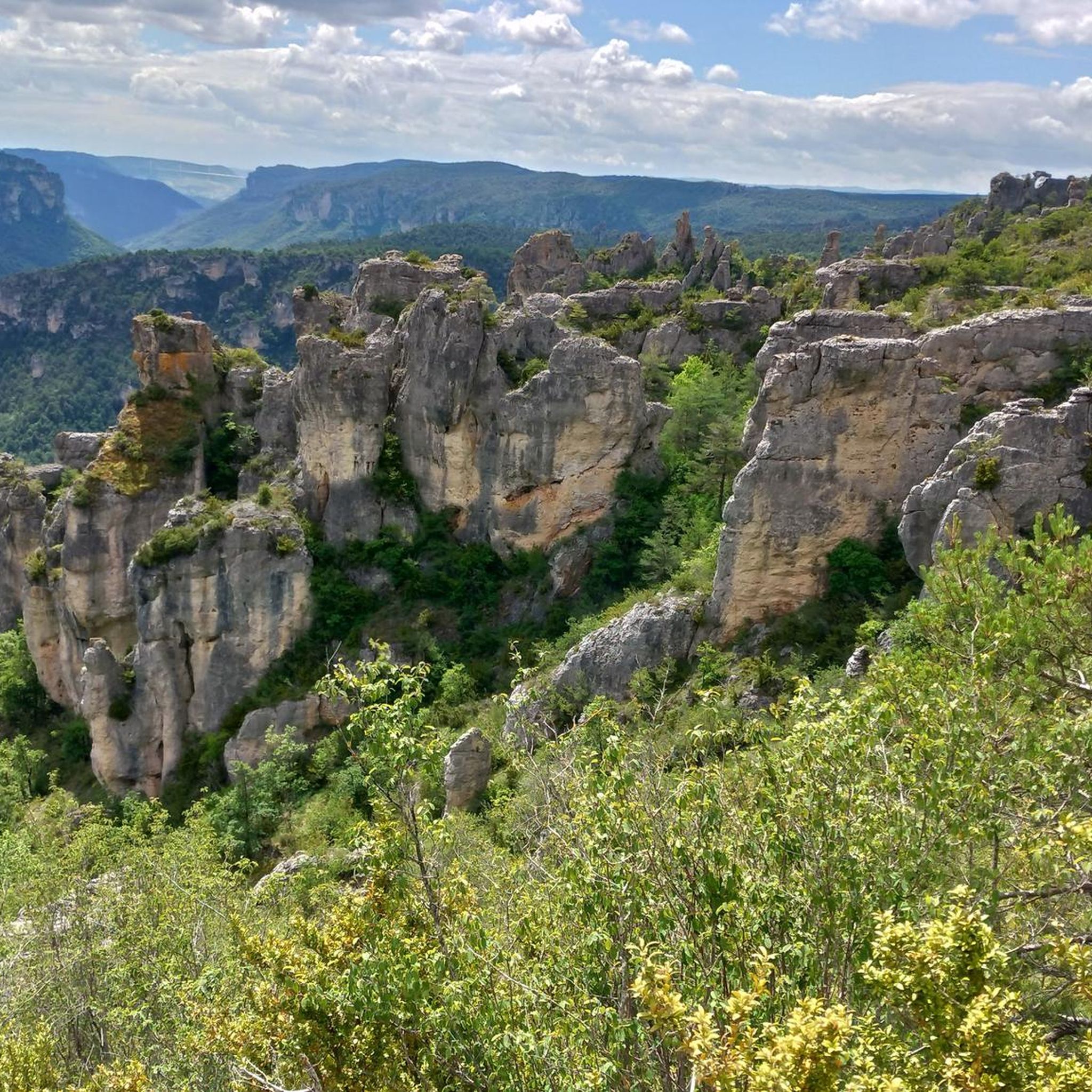
The region is renowned for its dramatic geological formations. You can explore the 'ruiniform' site of Chaos de Roquesaltes and Corniches du Rajol, featuring enormous rocks with evocative shapes, including a 50-meter high monolithic 'keep'. Another must-see is the Vase de Sèvres and Vase de Chine, two striking endemic monoliths on the Causse Méjean. Additionally, the Arcs de Saint-Pierre showcase majestic natural arches carved by erosion in limestone.
Are there any family-friendly natural monuments or activities in the area?
Yes, several natural monuments are suitable for families. The Chaos de Roquesaltes and Corniches du Rajol offer an ideal spot for a family walk, allowing visitors to wander through a 'forest of rocks' and enjoy majestic views. The Chaos de Montpellier-le-Vieux, also known as Cité de Pierres, can be explored via walking trails or a small train, making it accessible and enjoyable for all ages. The Gorges de la Dourbie also provide picturesque landscapes for gentle walks.
What kind of outdoor activities can I do near these natural monuments?
The area around Saint-André-De-Vézines offers a variety of outdoor activities. The Gorges de la Dourbie are excellent for water sports like canoeing and rafting, and are also known for trout fishing. For hiking, you can find numerous trails, including those around the Corniches du Causse Noir which offer varied and scenic routes. The Chaos de Montpellier-le-Vieux even features a via ferrata for the more adventurous. You can find more detailed routes for various sports in the Mountain Hikes, Running Trails, and Gravel Biking guides for the region.
Where can I find panoramic views of the gorges and surrounding landscapes?
For breathtaking panoramic views, the Corniches du Rajol offer majestic vistas overlooking the Dourbie gorges, facing the Larzac plateau. The Capluc Rock, accessible by ladders, provides a formidable 360° view of the Tarn and Jonte gorges. Additionally, the Chaos de Montpellier-le-Vieux offers panoramic views that, on a clear day, can extend as far as Montpellier.
Are there any historical sites integrated with the natural monuments?
Yes, the region beautifully blends natural beauty with historical significance. Peyrelade Castle, an 11th-century ruin, is spectacularly situated on a rock spur high above the Tarn valley, offering historical context amidst a natural landscape. The Arcs de Saint-Pierre are located near a cave-burial site where trepanations were performed 3,500 years ago, making it an archaeological jewel.
What is the best time of year to visit the natural monuments around Saint-André-De-Vézines?
The best time to visit is generally during the spring, summer, and early autumn months (April to October) when the weather is most favorable for outdoor activities and exploring the geological sites. During these periods, you can fully enjoy hiking, water sports in the Gorges de la Dourbie, and the panoramic views. Some sites like Peyrelade Castle have specific opening hours during the season, so it's advisable to check in advance.
What wildlife can be observed in the Gorges de la Dourbie?
The Gorges de la Dourbie are a classified Natura 2000 site, home to diverse wildlife. Visitors can spot trout, beavers, otters, kingfishers, and various birds of prey, including vultures, which often circle above the towering cliffs. The rich ecosystem makes it a great spot for nature observation.
Can I find any hidden or less-known natural monuments in the area?
While the major sites are well-known, the commune of Saint-André-De-Vézines and the wider Causses region are noted for their numerous avens and underground caves, indicating a rich subterranean natural heritage. Exploring the Corniches du Causse Noir can also lead to discovering more secluded ruiniform rocks and nature reserves away from the main tourist paths.
What is the 'Prehistoric Mushroom' and where is it located?
The Prehistoric Mushroom is a remarkable geological formation, a huge peduncular rock that stands at an altitude of 893 meters on the Causse Noir, overlooking the Jonte gorges and the village of Rozier. It was named in the 19th century due to its striking resemblance to a giant, petrified mushroom, formed by centuries of erosion. It is the largest of its kind across all the Causses.
Are there opportunities for wild swimming near the natural monuments?
The Gorges de la Dourbie, with its river carving deep canyons, offers opportunities for refreshing dips and wild swimming in designated or safe areas. Always exercise caution and check local regulations or conditions before entering the water.
What makes the Chaos de Montpellier-le-Vieux a significant natural monument?
The Chaos de Montpellier-le-Vieux, also known as Cité de Pierres, is often referred to as the 'largest rock chaos in Europe.' It's a vast labyrinth of unique dolomitic rock formations sculpted by nature over centuries, creating a landscape that some compare to the American West. Its sheer scale and fantastical shapes make it a truly significant and impressive natural site within the Parc Naturel Régional des Grands Causses.
Most popular routes around Saint-André-De-Vézines
Most popular attractions around Saint-André-De-Vézines

Get inspired with the komoot mobile app


Explore more
Extend your search for the best caves by checking out these guides of the top ones around Saint-André-De-Vézines:
