Top 3 Natural Monuments around Mélagues
Natural monuments around Mélagues are found in a region of France known for its diverse natural beauty, nestled within the Aveyron department. The area is characterized by unique geological formations and expansive landscapes, including parts of the Parc naturel régional des Grands Causses. Visitors can explore a variety of natural features, from mountain passes offering panoramic views to striking rock formations and dramatic cliffs. This region provides opportunities to experience varied ecosystems and significant natural heritage.
Best natural monuments around…
Last updated: October 5, 2026
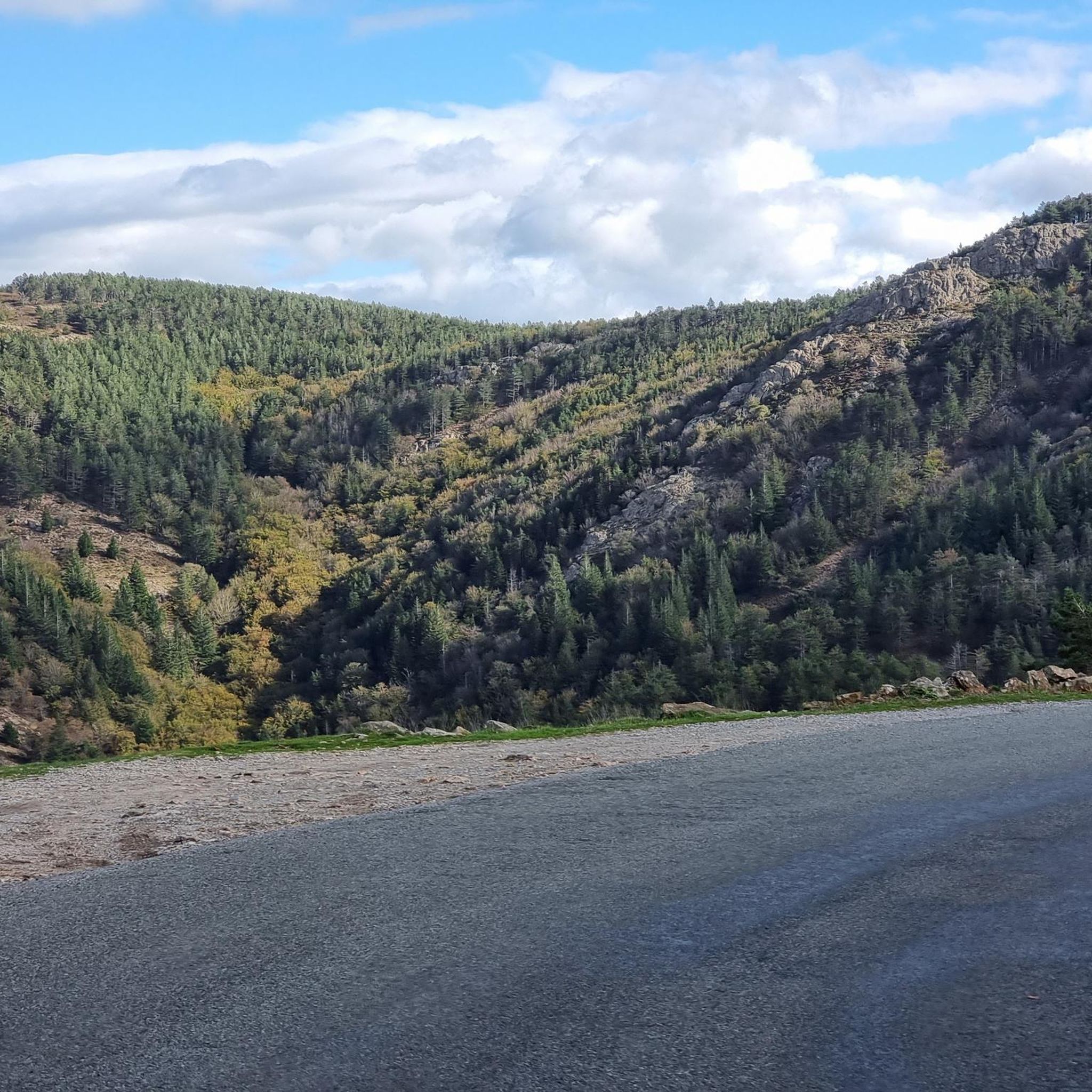
L'Espinouse Pass (1,124 m)
Highlight • Mountain Pass
Translated by Google •
Tip by

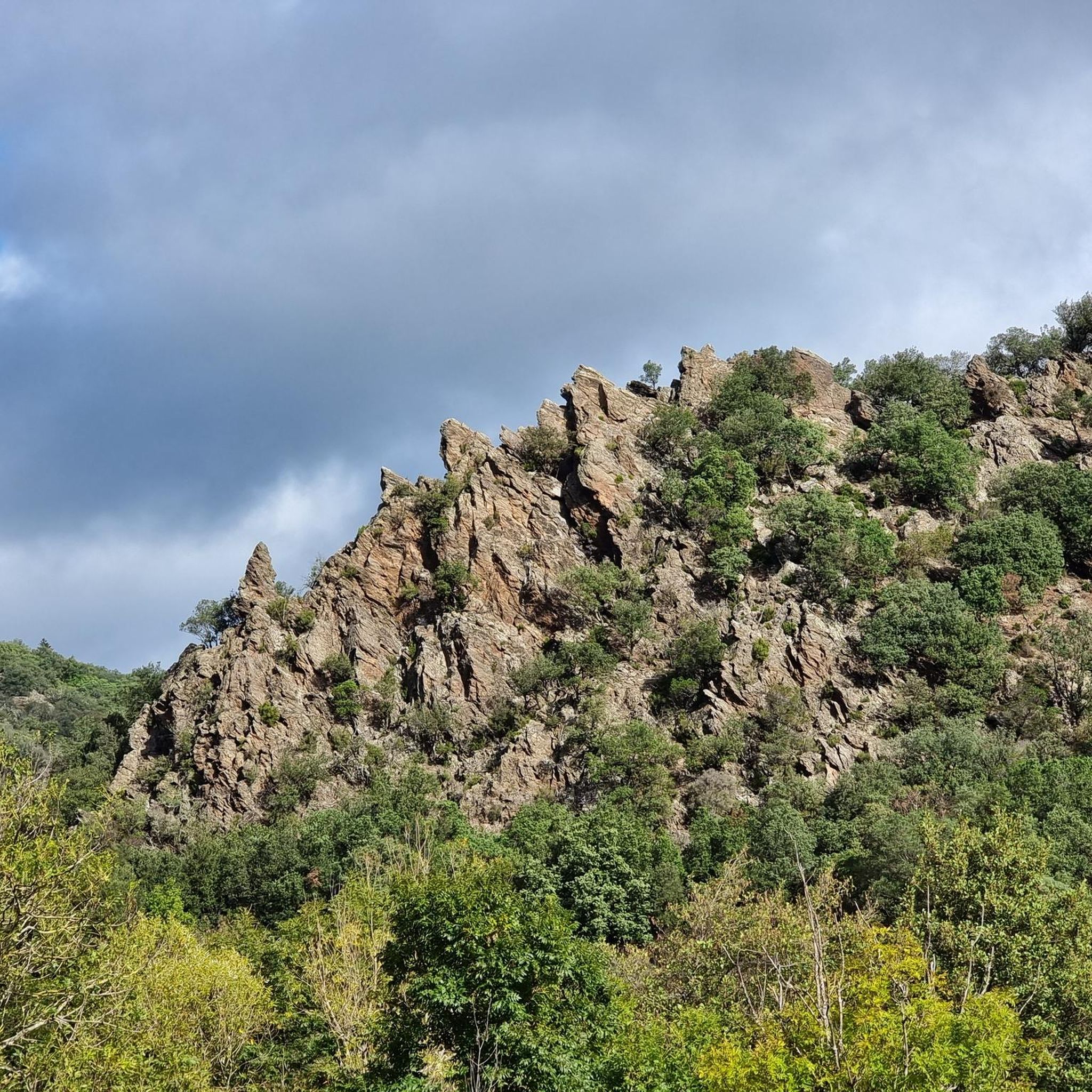
Falaises d'Orque
Highlight • Natural Monument
Showing Translation
Tip by

Sign up now to discover places like this
Get recommendations on the best single tracks, peaks, & plenty of other exciting outdoor places.
Roquandouire Arch
Highlight • Natural Monument
Translated by Google •
Tip by

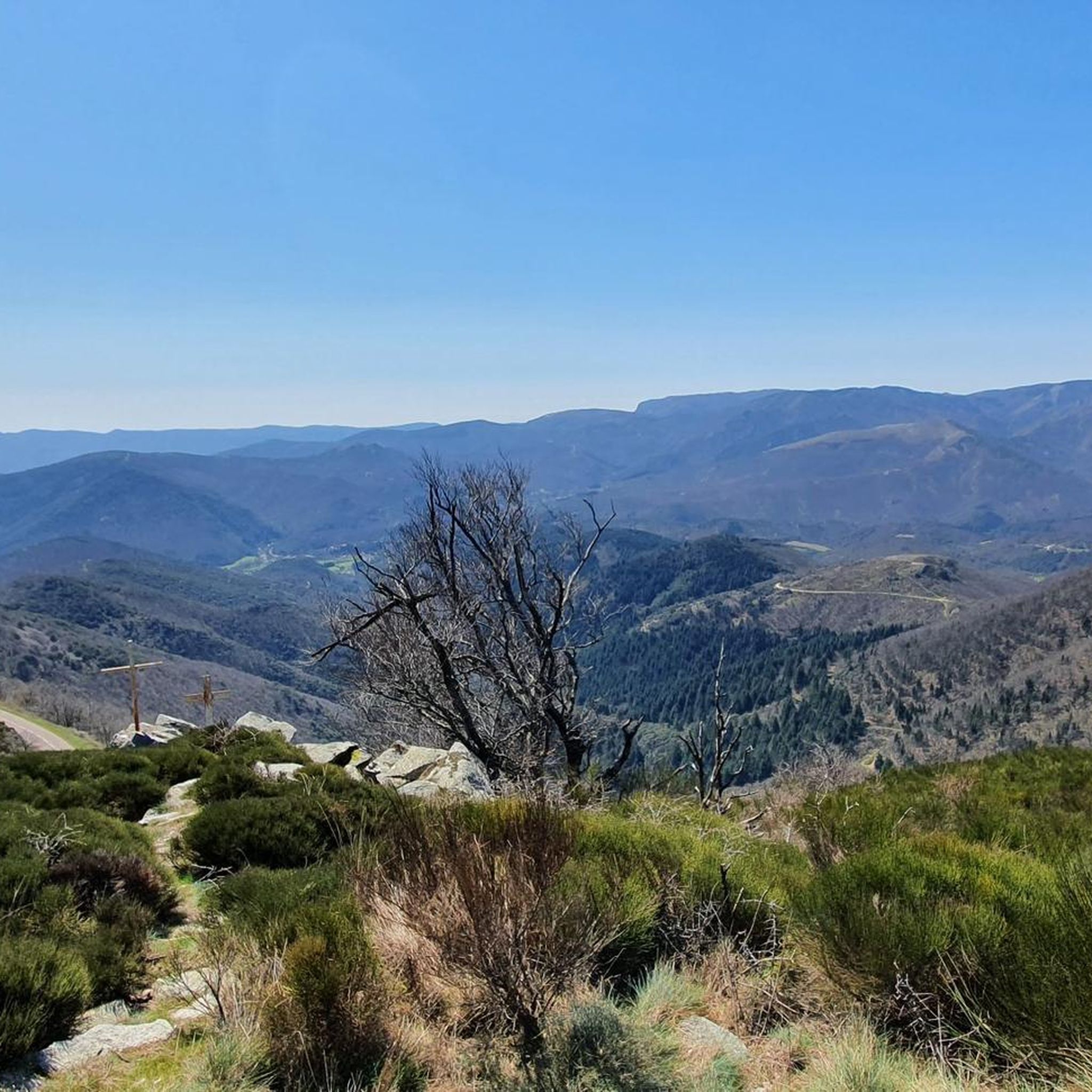
Viewpoint over the Espinouse summit
Highlight • Summit
Translated by Google •
Tip by
Mount Méguillou
Highlight • Summit
Translated by Google •
Tip by

Sign up for free to discover even more natural monuments around Mélagues.
Already have an account?
Start today with a free account
Your next adventure awaits.
Tips from the Community

The cliffs of Orque (or Olque, depending on local toponyms) form a real rocky front overlooking the Haut-Languedoc: a limestone wall about 200 meters high, leaning against a plateau perched around 800 meters, north of the Caroux and Espinouse massifs.
2
0

An incredible spot that looks like it was built by human hands.
0
0

A very pleasant climb from Lamalou-les-Bains! The beginning is (very) steep (7-8% average over quite a few kilometers), but it becomes more rolling after that.
0
0

At the crossroads between the Agout sector and the Erich gorges. On the edge of the national reserve.
0
0

Mont Méguillou with its 786m altitude is an interesting objective for a run.
0
0

Here you have a superb view of the Espinouse summit, which rises to 1,124 meters above sea level on the Caroux-Espinouse massif.
0
0
The Roquandouire portal seems to be the work of humans. This door of stones, is in fact the result of erosion. This is a characteristic feature of the place and frequent on the Espinouse.
0
0

Summit of the Col de l'Espinouse (1124 m)
0
0
Frequently Asked Questions
What unique natural monuments can I explore around Mélagues?
Beyond the well-known spots, you can discover the impressive Roquandouire Arch, a natural stone arch formed by erosion, characteristic of the Espinouse area. Another striking site is Falaises d'Orque, featuring dramatic cliffs that rise 200 meters above the Buissou valley, making them the highest limestone wall in the Haut Languedoc Regional Nature Park.
What kind of geological features define the natural monuments in this region?
The natural monuments around Mélagues are characterized by diverse geological formations. You'll find impressive limestone plateaus, such as those within the Parc naturel régional des Grands Causses, shaped by ancient marine organisms and significant erosion. Features like the Roquandouire Arch are direct results of this natural sculpting. The broader region also includes striking areas like Le Rougier de Camarès, known for its distinctive reddish earth, offering unique visual contrasts.
Where can I find the best panoramic views of the landscape?
For breathtaking panoramic views, consider visiting the Col du Thalis, which offers expansive vistas stretching from the Mediterranean Sea to Mont Aigoual. Within the guide's highlights, the L'Espinouse Pass (1,124 m) provides superb views over the wooded Espinouse massif. Additionally, the Viewpoint over the Espinouse summit offers another excellent perspective of the Caroux-Espinouse massif.
Are there hiking trails near these natural monuments?
Yes, the region around Mélagues offers numerous hiking opportunities. You can find detailed routes and guides, such as the Hiking around Mélagues guide, which includes trails like the 'Le Devois Loop' and routes leading to the Roquandouire Arch. Many trails provide access to these natural wonders, allowing for immersive exploration.
What other outdoor activities can I do near the natural monuments?
Besides hiking, the area around Mélagues is excellent for other outdoor pursuits. Mountain biking enthusiasts can explore trails listed in the MTB Trails around Mélagues guide, which features routes like the 'Col du Coustel (883 m) – Falaises d'Orque loop'. Road cyclists can also find challenging and scenic routes, such as those in the Road Cycling Routes around Mélagues guide, including loops around L'Espinouse Pass.
Are there any family-friendly natural sites around Mélagues?
Yes, the Avène Reservoir is noted as a family-friendly natural monument. It offers a great area to enjoy nature, with visitors often remarking on its tranquility and natural beauty. It's a peaceful spot where you can experience the outdoors without encountering large crowds.
What is the best time of year to visit the natural monuments around Mélagues?
The region's diverse landscapes, from mountain passes to valleys, are enjoyable across different seasons. Spring and autumn generally offer pleasant temperatures for hiking and exploring, with vibrant foliage or blooming flora. Summer is also popular, especially for higher elevations like L'Espinouse Pass, though some areas might be warmer. Always check local weather conditions before your visit.
What makes the Parc naturel régional des Grands Causses significant for natural monuments?
Mélagues is situated within the Parc naturel régional des Grands Causses, a vast regional natural park dedicated to preserving its rich natural, cultural, and agricultural heritage. This park encompasses a wide array of landscapes, including the distinctive Causses (limestone plateaus) and deep Gorges. It provides a protected environment where many of the region's unique geological formations and natural monuments, like the Cirque de Tournemire, can be found and appreciated for their biodiversity and scenic beauty.
What should I wear for hiking or exploring these natural monuments?
Given the varied terrain, from mountain passes to rocky paths, it's advisable to wear sturdy hiking shoes or boots. Layers of clothing are recommended to adapt to changing weather conditions, especially at higher altitudes or during longer excursions. Don't forget sun protection, water, and a map or GPS device, as some areas can be quite wild and remote.
What do visitors enjoy most about the natural monuments in this area?
Visitors frequently appreciate the tranquility and unspoiled nature of the region. Many are captivated by the superb views from mountain passes like L'Espinouse Pass and the unique geological formations such as the Roquandouire Arch. The sense of being immersed in a wild, natural environment, often with few other people around, is a common highlight.
Are there any hidden natural gems near Mélagues that are less known?
While not extensively documented as 'hidden gems' in the immediate vicinity of Mélagues, the broader region offers less-traveled paths and viewpoints. Exploring the smaller trails within the Parc naturel régional des Grands Causses or seeking out elevated points in the Monts de Lacaune can lead to serene discoveries. The tips for Avène Reservoir mention 'far and wide no soul!', suggesting it's a peaceful, less crowded spot.
Most popular routes around Mélagues
Most popular attractions around Mélagues

Get inspired with the komoot mobile app


Explore more
Extend your search for the best caves by checking out these guides of the top ones around Mélagues:
