Top 7 Natural Monuments around Méré
Natural monuments around Méré are primarily found within the Parc Naturel Régional de la Haute Vallée de Chevreuse, a protected area in north-central France. This region features a preserved rural landscape with extensive forests and agricultural lands. The natural appeal of Méré lies in its serene environment, offering opportunities for outdoor activities. Numerous local hiking trails allow visitors to explore the countryside and observe diverse plant and animal life.
Best natural monuments around Méré
- The most popular natural monuments is…
Last updated: June 18, 2026
Rompu Pond
Highlight • Lake
Translated by Google •
Tip by

Étang de Saint-Hubert
Highlight • Lake
Translated by Google •
Tip by

Sign up now to discover places like this
Get recommendations on the best single tracks, peaks, & plenty of other exciting outdoor places.
Sign up for free
Étang des Noës
Highlight • Lake
Translated by Google •
Tip by

Ascension Oak
Highlight • Natural Monument
Translated by Google •
Tip by
Ponts Quentin Stream
Highlight • River
Translated by Google •
Tip by

Sign up for free to discover even more natural monuments around Méré.
Sign up for free
Already have an account?
Start today with a free account
Your next adventure awaits.
Login or Signup

Other adventures around Méré

Tips from the Community

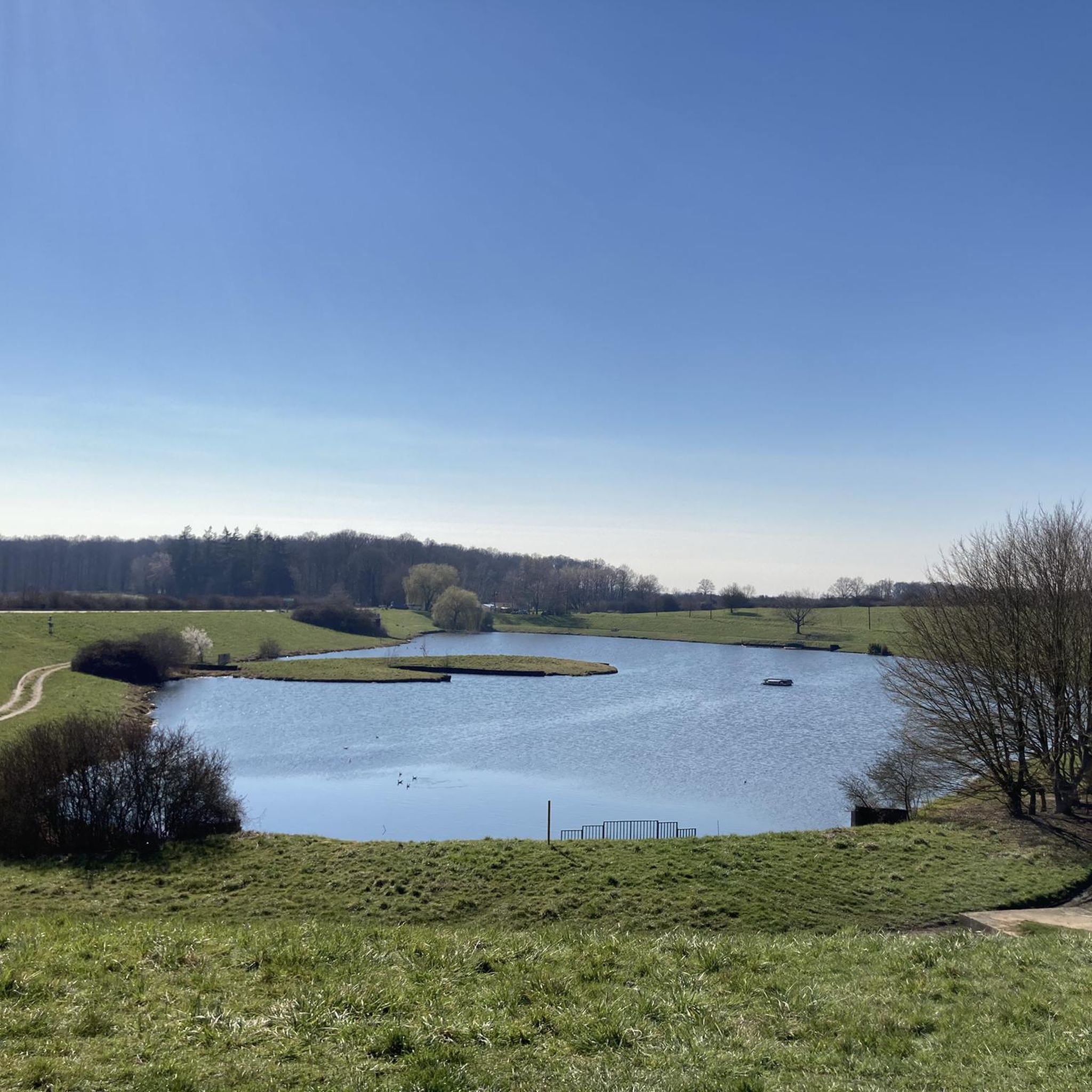
This former retention basin was part of the network that was used to supply water to the Palace of Versailles. Today, it is a beautiful bird sanctuary where it is pleasant to walk.
0
0

Remarkable classified tree *** Pedunculate sessile oak with a height of 26m and a diameter of 1.55m.
0
0


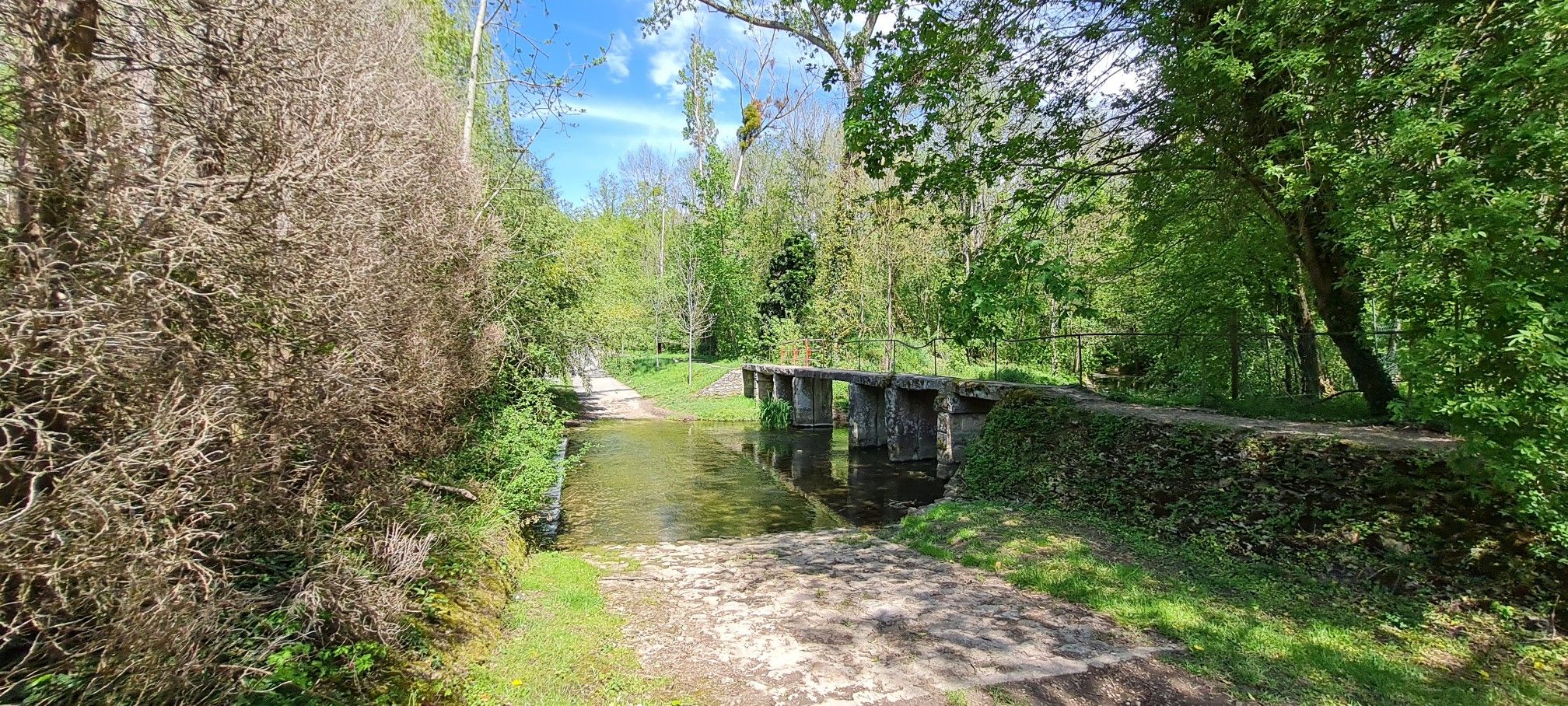
Napoleon's bridge crossing the ponds of the Cheuvreuse valley. Very nice place to get some air in the Paris region
1
0
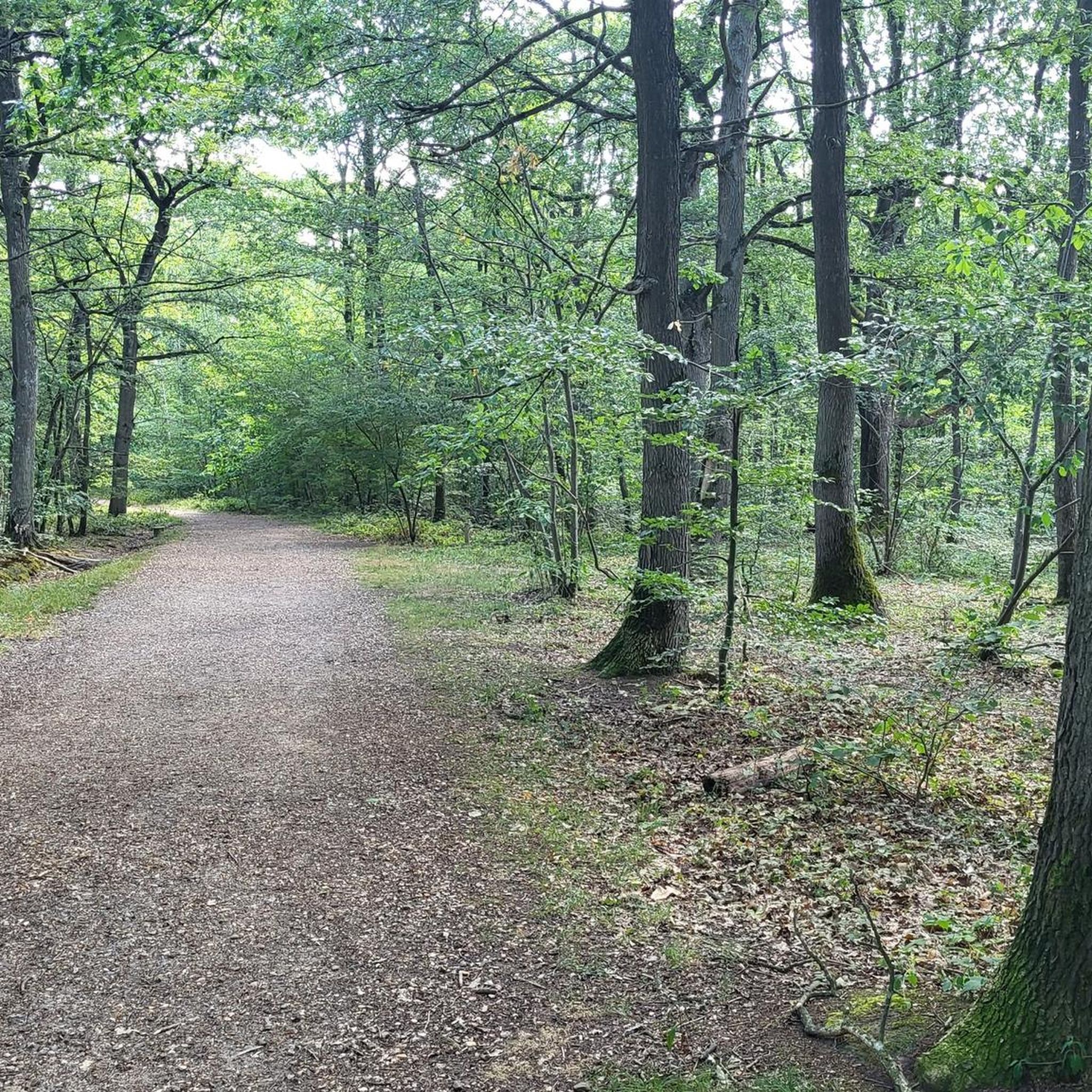
One of the many beautiful trees in the area! Symptom of the region of the Cheuvreuse valley with its large forests, trees and imposing vegetation.
0
0
Passing over the Pont Napoléon between the Etangs de Saint-Hubert and de Pourras in the heart of the Cheuvreuse Valley
1
0

Located at an altitude of 154 meters1, the pond covers an area of 0.8 hectares. The “Ponts-Quentin stream” flows into the Rompu pond — coming from the Holland ponds located about 1 km upstream to the east — and comes out to flow, about ten kilometers further to the west, in the Vesgre, having previously changed its name twice: first under the name of “Etang-Neuf stream” then under that of “Grapelin”. The Ponts-Quentin stream passes under departmental road 138 before flowing into the pond, which justifies the undulation of the road and its bend. The pond is part of the Rambouillet national forest, a private state domain. As such, its management is ensured by the National Forestry Office (ONF). Wikipedia
1
0
Developed during the reign of Louis XIV, this set of ponds and hydraulic structures was set up under the supervision of the “engineer, architect and hydraulics engineer”: Vauban himself. The 6 ponds, perched at an altitude of 174 meters, had the primary purpose of draining water in order to supply water to the basins of the Domaine de Versailles.
0
0
Frequently Asked Questions
What natural features can I expect to see around Méré?
The natural monuments around Méré are primarily found within the Parc Naturel Régional de la Haute Vallée de Chevreuse. You'll discover extensive forests, preserved rural landscapes, and picturesque valleys. Key features include several historical ponds like Étang de Saint-Hubert, Rompu Pond, and Étang de Hollande, which were part of a system to supply water to the fountains of Versailles. You can also find remarkable trees, such as the Ascension Oak.
Are the natural monuments around Méré suitable for families with children?
Yes, many of the natural monuments are family-friendly. The lakes, such as Étang de Saint-Hubert, Rompu Pond, Étang de Hollande, and Étang des Noës, are popular spots for family outings. The surrounding forests also offer gentle paths suitable for walks with children, allowing them to enjoy nature and observe wildlife.
What outdoor activities can I do near these natural monuments?
The area around Méré is ideal for various outdoor activities. You can enjoy hiking, running, and cycling. For hiking, explore routes like the 'La Plaine Pond – Anne of Brittany Tower loop' or the 'Gambaiseuil bridge – Ascension Oak loop'. Runners can find trails such as the 'Hollande Pond – Hollande Pond loop'. Cyclists have options like the 'Château de la Mormaire – Charming village Gambaiseul loop'. You can find more details on these activities in the hiking, running, and cycling guides around Méré.
What is the best time of year to visit the natural monuments around Méré?
The natural monuments around Méré are beautiful year-round. Spring and autumn offer pleasant temperatures and vibrant colors, making them ideal for hiking and exploring the forests. Summer is great for enjoying the lakes and shaded trails. Even winter can be charming for tranquil walks, especially if you enjoy the crisp air and serene landscapes.
Are there easy walking routes suitable for beginners or casual strolls?
Yes, the regional natural park offers numerous local hiking trails, many of which are suitable for easy walking or casual strolls. The paths around the various ponds, such as Rompu Pond or Étang de Hollande, are generally flat and well-maintained, perfect for a relaxed experience in nature.
What kind of wildlife can I observe around Méré's natural monuments?
The preserved natural environment of the Parc Naturel Régional de la Haute Vallée de Chevreuse is home to diverse wildlife. You can often spot various bird species, especially around the lakes and ponds. The forests provide habitat for small mammals, and if you're lucky, you might even see deer. The area is rich in flora, offering a chance to observe abundant plant life throughout the seasons.
Can I reach the natural monuments around Méré by public transport?
While Méré itself is a rural commune, the wider Parc Naturel Régional de la Haute Vallée de Chevreuse is accessible by public transport from Paris, typically via regional trains (Transilien) to towns within the park, followed by local buses or a short taxi ride. However, direct public transport to every specific natural monument might be limited, so checking local schedules and planning your journey in advance is recommended.
Is parking available at the natural monuments around Méré?
For many of the popular natural monuments and trailheads within the Parc Naturel Régional de la Haute Vallée de Chevreuse, parking facilities are available, often near the main access points or villages. It's advisable to check specific locations or trail starting points for detailed parking information before your visit.
How much time should I allocate to visit the natural monuments?
The time needed depends on what you wish to see and do. A quick visit to one of the ponds like Étang de Saint-Hubert or the Ascension Oak might take an hour or two. If you plan to combine several sites with a longer hike or cycle, you could easily spend half a day or even a full day exploring the region's natural beauty and historical water systems.
Are dogs allowed on the trails and at the natural monuments?
Generally, dogs are welcome on trails within the Parc Naturel Régional de la Haute Vallée de Chevreuse, provided they are kept on a leash to protect wildlife and ensure the comfort of other visitors. Always check specific signage at each location, especially around protected areas or private properties, as rules can vary.
What should I wear or bring when visiting the natural monuments?
Comfortable walking shoes are essential, especially if you plan to explore trails. Dress in layers, as weather conditions can change, and consider waterproof outerwear depending on the forecast. Bringing water, snacks, and a map or GPS device (like komoot) is always a good idea. Don't forget your camera to capture the scenic landscapes!
Can I visit the natural monuments around Méré during winter?
Yes, the natural monuments around Méré can be visited during winter. The forests and lakes take on a different, often tranquil, beauty in the colder months. While some facilities might have reduced hours, the trails remain accessible. Be sure to dress warmly, wear appropriate footwear for potentially muddy or icy conditions, and check local weather forecasts before heading out.
Most popular attractions around Méré

Get inspired with the komoot mobile app


Explore more
Extend your search for the best caves by checking out these guides of the top ones around Méré:
